Sirius XM Accessories
Enhance your Sirius XM experience with our wide range of accessories. Whether you're looking to upgrade your satellite radio system, enhance the audio quality, or simply personalize your setup, we have the perfect accessories to meet your needs. From antennas and docking stations to vehicle mounts and power adapters, our collection is designed to elevate your listening pleasure. Discover the possibilities and take your Sirius XM enjoyment to new heights with our selection of top-quality accessories.
Sort


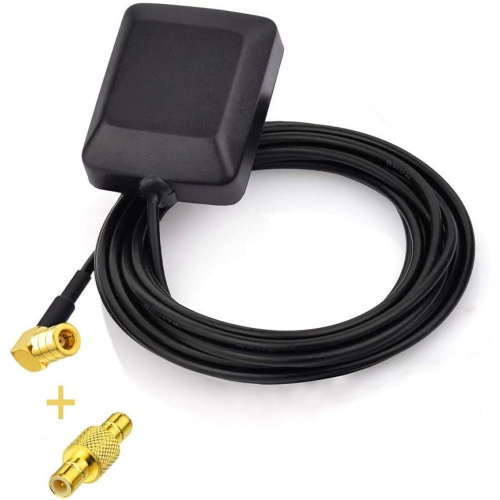
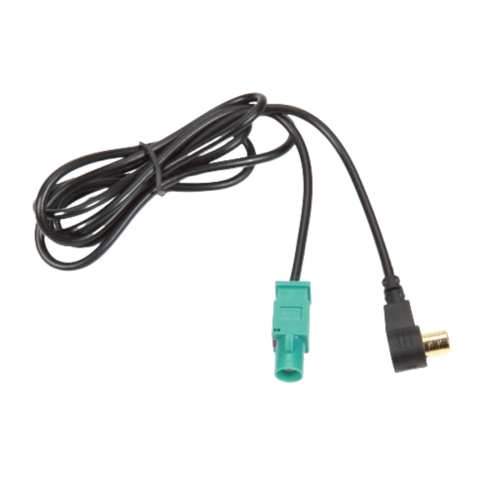
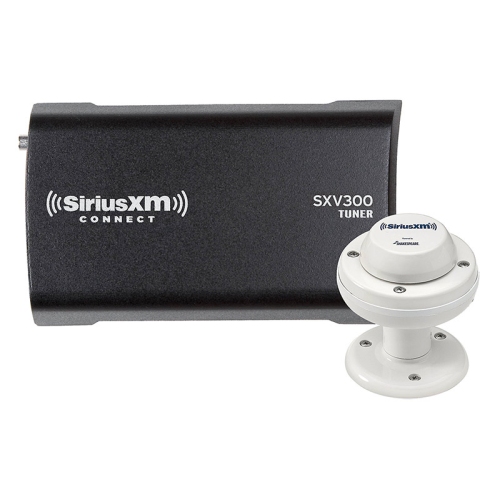
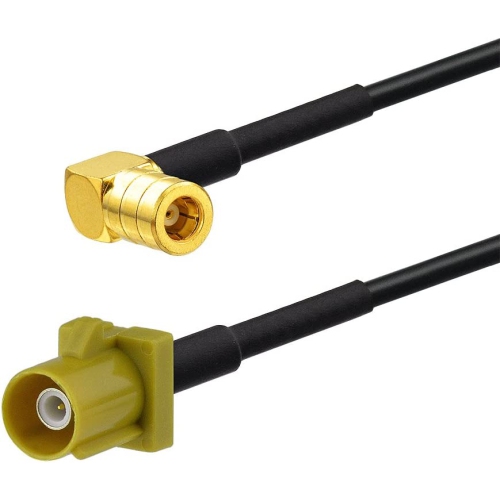
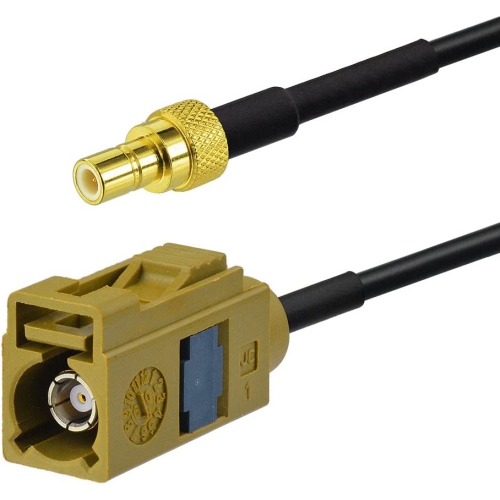
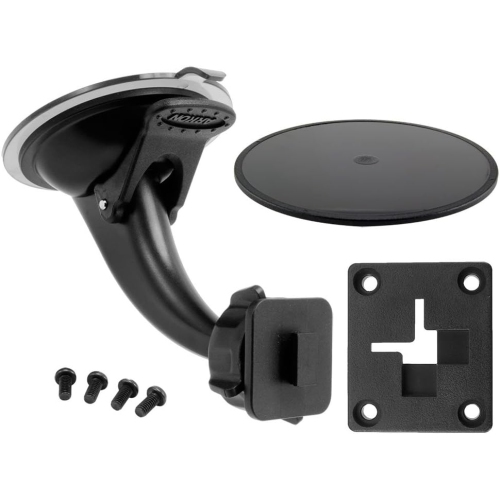

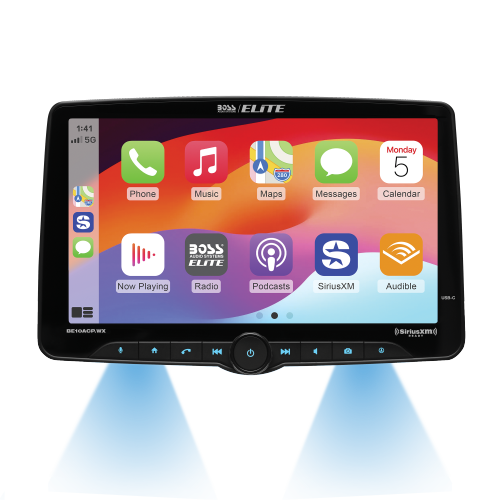
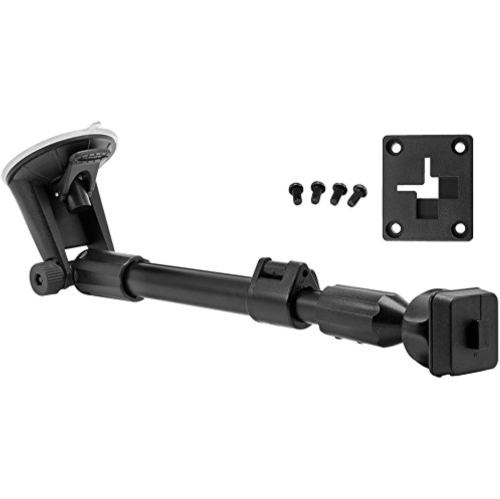



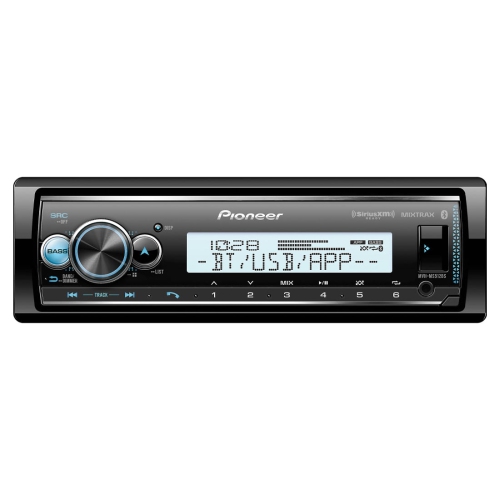
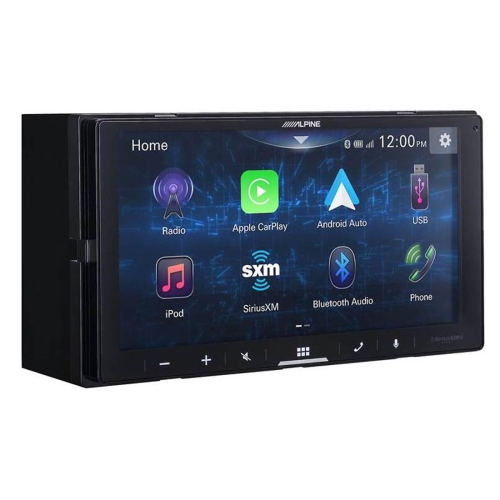

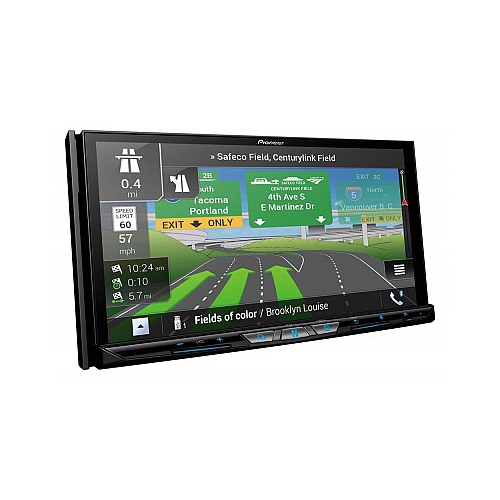

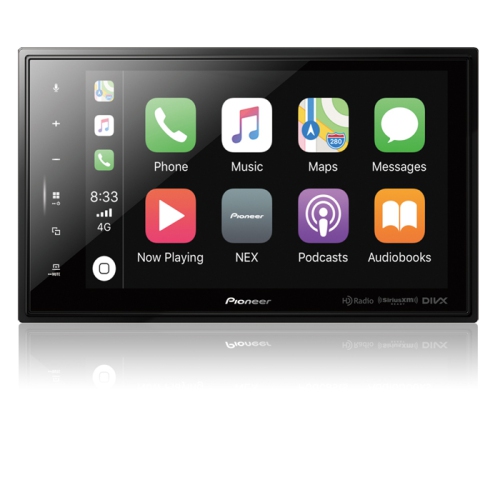

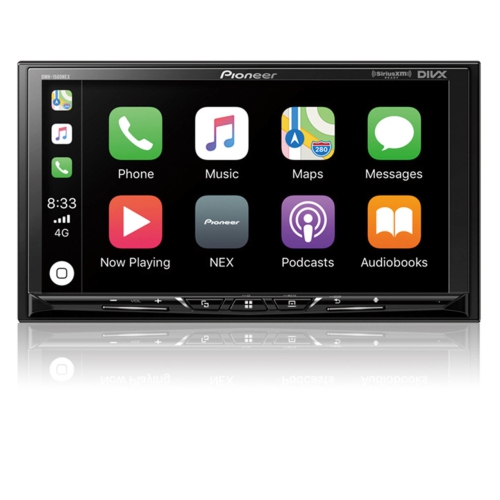

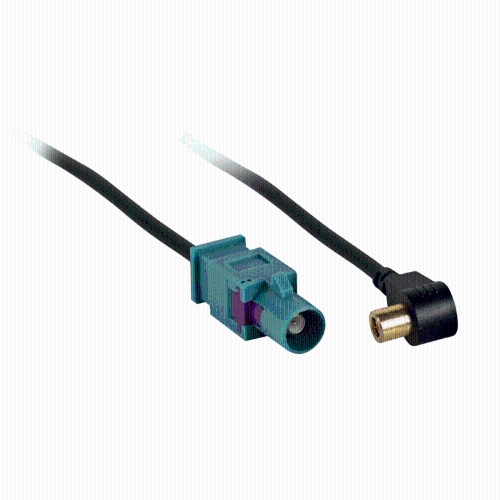
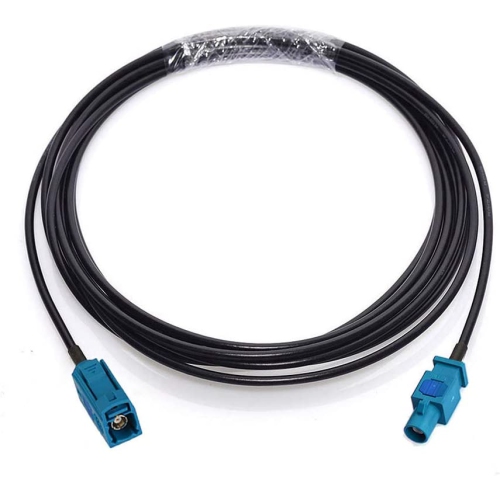
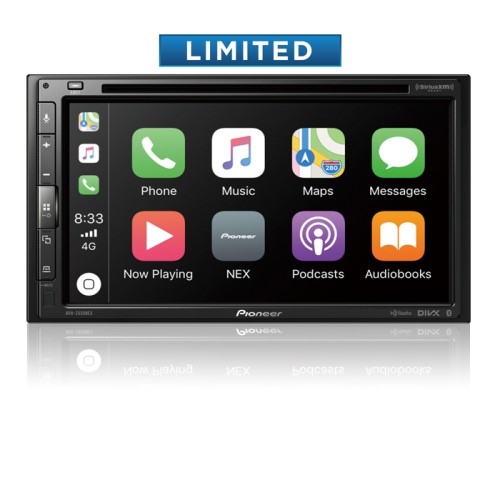


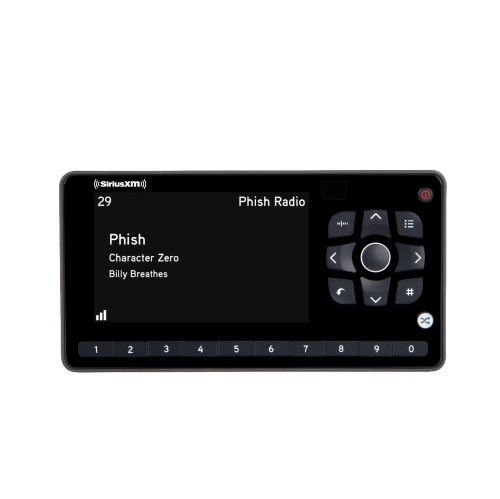
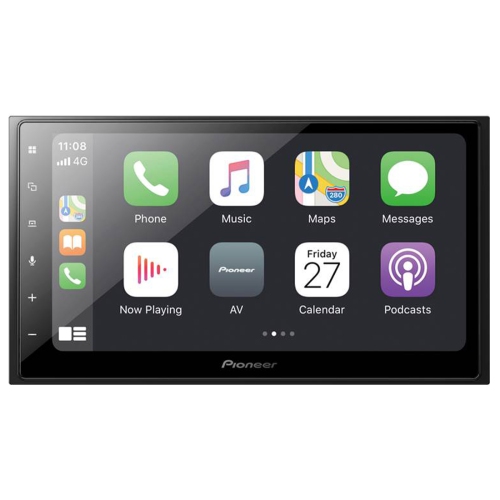
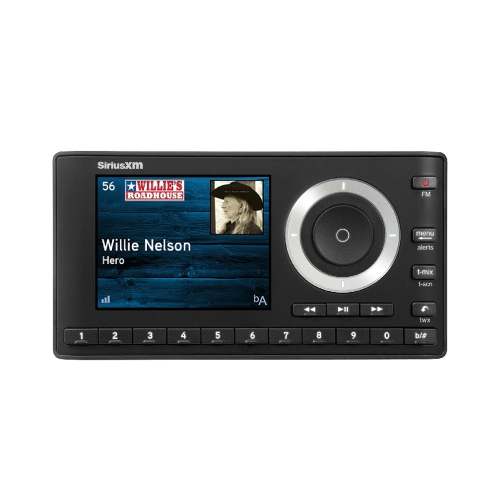
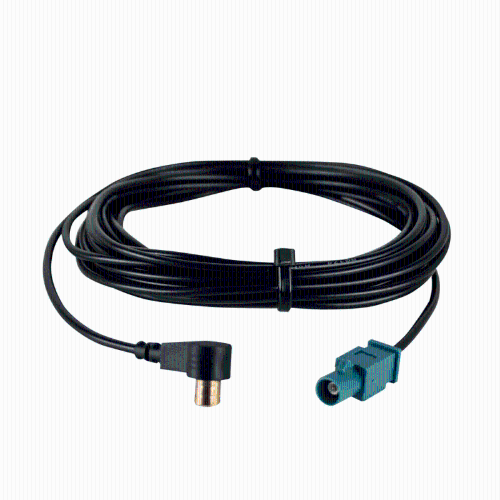
Receiver compatibility matters at home and on the road
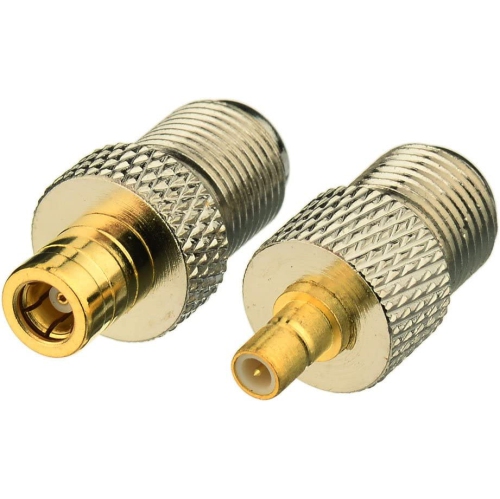
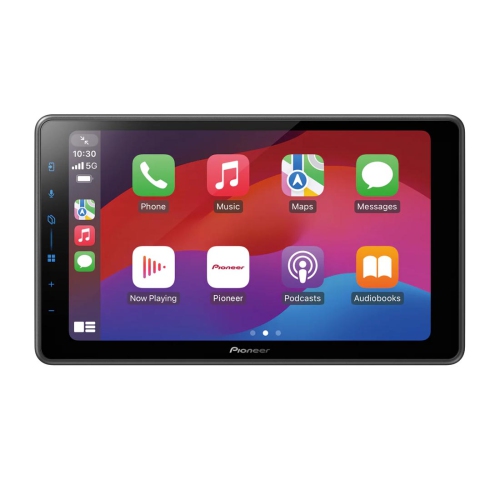
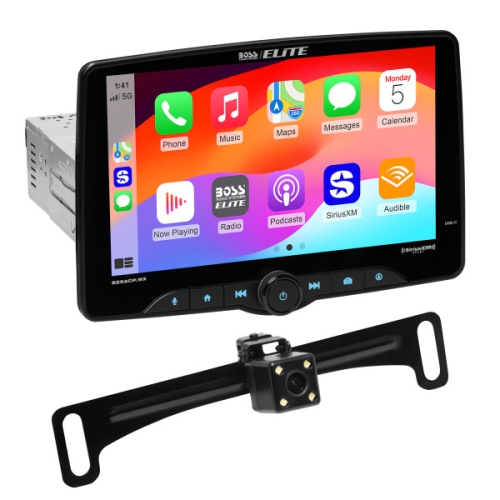
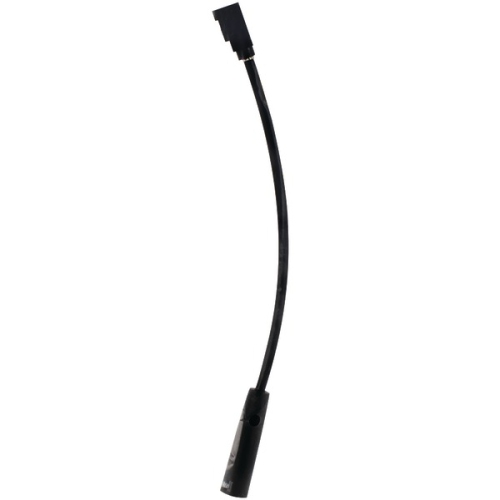
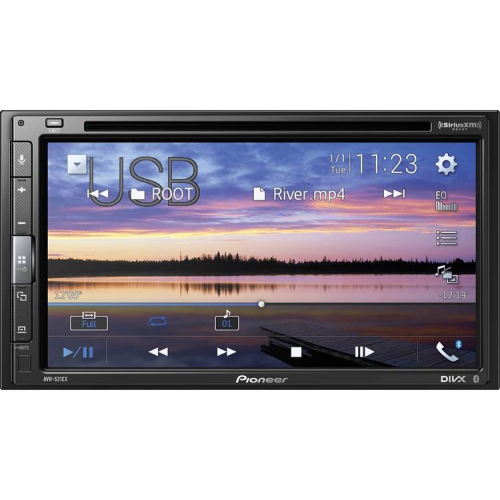
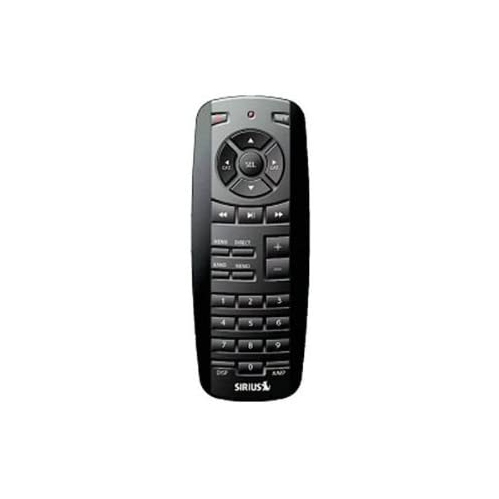
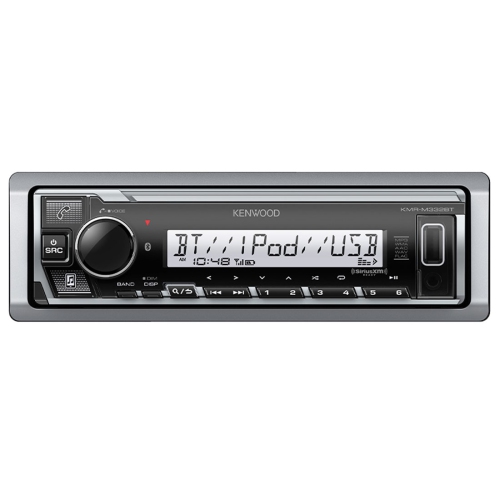
Satellite radio accessories support the practical parts of listening: keeping a compatible receiver powered, securing it within reach, bringing in a satellite signal, and connecting its audio to a vehicle stereo or home sound system. These accessories serve different purposes, so an antenna, a mounting bracket, and an audio cable are not interchangeable solutions. An antenna supports signal reception, while an audio connection carries sound from the receiver to speakers. A dock holds the receiver and may provide connections for power, audio, and an antenna, depending on its design. For someone who listens to music on a daily commute, follows sports on longer drives, or prefers talk programming while working at home, the right combination can make a familiar receiver easier to use in more than one setting. Compatibility is the most important distinction between otherwise similar accessories. Receivers can have different docking shapes, connector types, power requirements, and supported connections, even when their screens and controls look alike. A replacement accessory needs to match the receiver’s stated requirements rather than simply resemble the original. The same applies to antennas: a connector that appears to fit does not establish compatibility with every satellite radio platform. Accessories also do not replace any subscription or activation required for the service, and adding an antenna or dock does not add channels by itself. In a vehicle, sound may reach the stereo through an auxiliary input, a supported wireless FM connection, or a compatible connection to the stereo’s antenna path. Each arrangement depends on the receiver and vehicle equipment. Direct audio connections can avoid some of the interference associated with wireless FM transmission, but no accessory can guarantee uninterrupted reception everywhere. Related Car Audio Accessories can help complete the connection between a satellite receiver and an existing stereo, provided the ports and installation requirements match. The result is a listening setup built around equipment already in use, rather than an assumption that every accessory works with every radio.
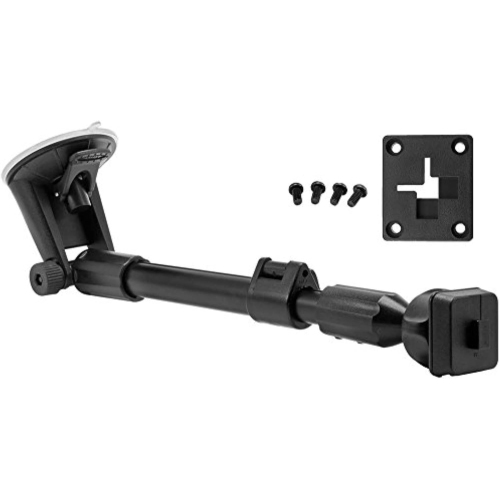
Vehicle use places particular demands on mounts, cables, antennas, and power adapters. A receiver needs a secure position that leaves the driver’s view clear and does not obstruct vehicle controls, airbag deployment areas, or normal passenger movement. Vent mounts depend on the shape, orientation, and strength of the vent slats, while adhesive and suction-based mounts depend on an appropriate surface and the attachment method specified by the manufacturer. A mount that suits one dashboard may sit awkwardly in another, especially where the centre console is narrow or the stereo controls are close together. Adjustable joints can help position a screen for visibility, but the bracket still needs to hold the receiver without sagging or vibrating during ordinary driving. Cable length also matters in a tangible way: a cord that comfortably reaches a power socket can keep the receiver in a useful position, while excess cable can become tangled around console storage or passenger foot space. Secure routing keeps cables away from pedals, seat tracks, and sharp edges. Power adapters should match the receiver’s voltage, current, connector, and polarity requirements; the appearance of a plug alone is not enough to confirm a safe match. Antenna placement serves a different purpose from receiver placement. Satellite reception generally benefits from a clear view of the sky, and buildings, tunnels, overhead structures, or other obstructions can interrupt the signal. Magnetic mounts require a suitable metal surface, while other mounting styles have their own attachment requirements. Cable routing should avoid pinching the lead or interfering with door seals. Durability depends on both construction and use. Protective plastic housings, metal brackets, secure connectors, and reinforced cable entry points can help accessories withstand regular handling, but a sturdy-looking shell does not make every component suitable for exterior installation. Equipment used outside the passenger compartment needs to be rated for that position. For drivers who move a receiver between vehicles, a compatible dock and a tidy connection layout can reduce repeated handling, although each vehicle still needs the appropriate antenna, power supply, and audio connection.
At home, satellite radio accessories can support listening beside a desk, near a favourite chair, or through an existing stereo system. A home dock can provide a stable place for a compatible receiver, with connections that keep power and audio leads together instead of spread across a tabletop. The speakers or amplifier determine which audio connection is needed, and a receiver’s output must be suitable for that input. Home antennas also need placement that supports reception; a convenient spot beside a shelf may not provide the same signal as a position with a clearer view of the sky. Nearby buildings and the direction an antenna faces can affect results, so cable reach and supported antenna placement are useful considerations when assessing a room. Any outdoor installation requires equipment intended for that use, rather than an assumption that an indoor accessory can be mounted outside. For someone carrying one receiver between home and a vehicle, compatible docks in both locations can make the transition more convenient without repeatedly disconnecting every cable. Care is generally straightforward but should follow the accessory manufacturer’s directions. Dust can be removed with a soft, dry cloth, and connectors should be kept free of moisture and debris. Pulling on the connector rather than the cable helps protect the connection, while loose coils are gentler on stored leads than tight bends or knots. Adhesive pads, mounting joints, and cable coverings benefit from occasional checks for loosening, cracking, or wear. Replacement parts are most useful when they address a clear need, such as a damaged lead, a worn mount, or a second listening location. Accessories can also be thoughtful gifts for a regular listener, particularly when the recipient’s receiver details and intended setup are known. A matching mount or home connection accessory is more useful than a visually similar component that cannot connect. Fit, dependable connections, manageable cable routing, and appropriate construction all contribute to accessories that work comfortably with everyday listening habits.
Top selling and popular products
-
 Your price for this item is $53.98
-
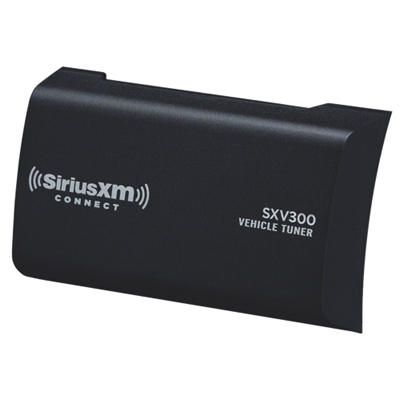 Your price for this item is $79.99
-
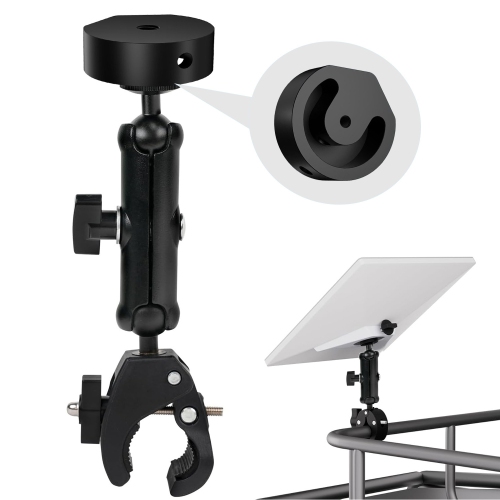 Your price for this item is $52.99
-
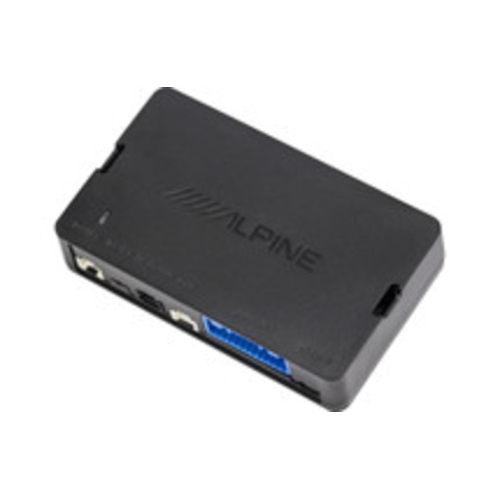 Your price for this item is $348
-
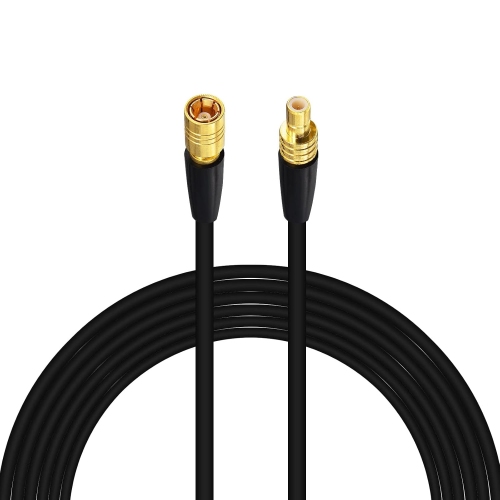 Your price for this item is $13.59
-
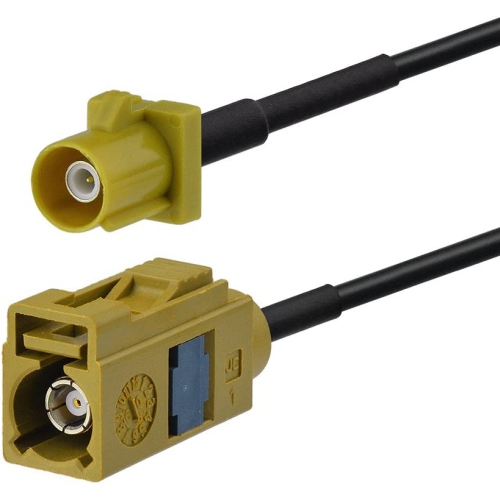 Your price for this item is $14.99
-
 Your price for this item is $78.93
-
 Your price for this item is $75.78
Discover more categories related to Sirius XM Accessories
Top Collections:
Best Black Friday Deals This Year, Best Black Friday Deals On Electronics, Kindle Devices, Pokemon Centers, Best Black Friday Deals On Apple Products, Best Cameras for Sports Photography, Dyson Airwrap, Pokémon 30th Celebration Cards, Apple iPhone 17 Pro, Canon G7X Cameras
Some products may be subject to Environmental Handling Fees
(EHF) depending on your province.
Learn more about EHFs.