Navigational Aids
When it comes to navigating the vast world of electronics and gadgets, having the right tools at your disposal can make all the difference. Our selection of navigational aids is designed to enhance your overall user experience, whether you're exploring new destinations with a GPS device, finding your way through intricate tasks with a digital compass, or simply staying on course with a reliable map and navigation app. Discover a range of innovative solutions that will keep you on track and help you reach your destination with ease.
Sort
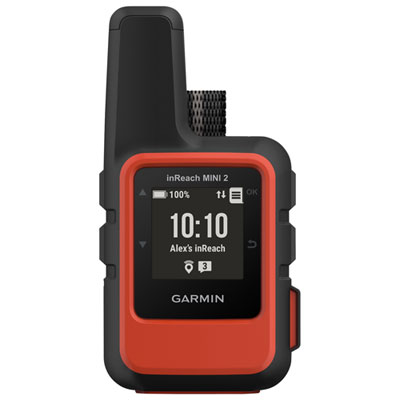
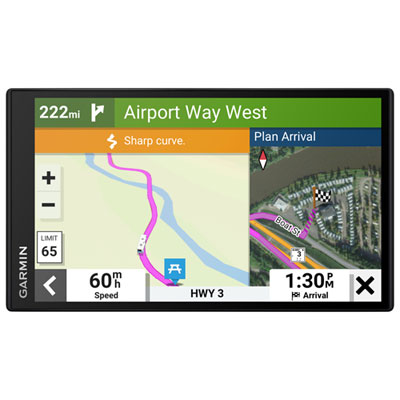
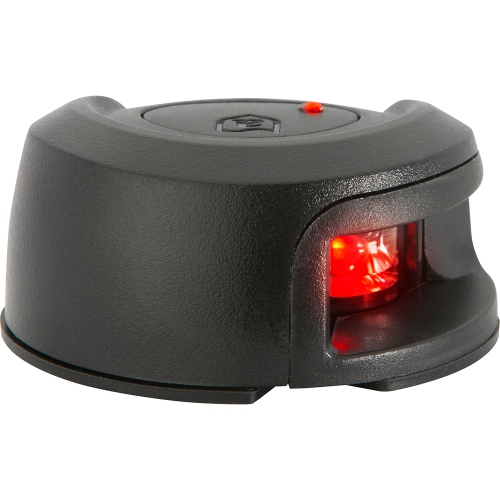
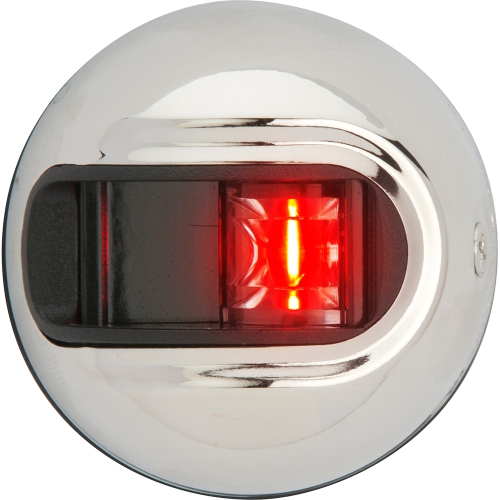
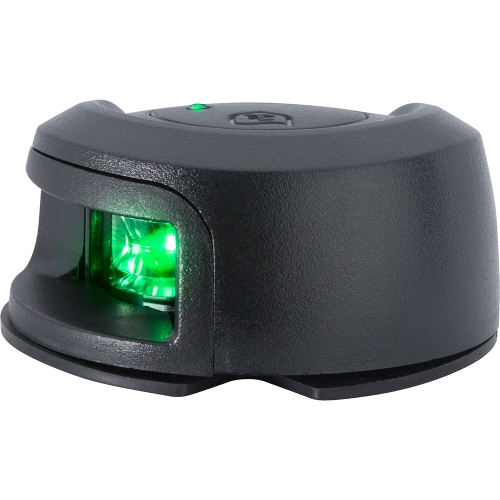

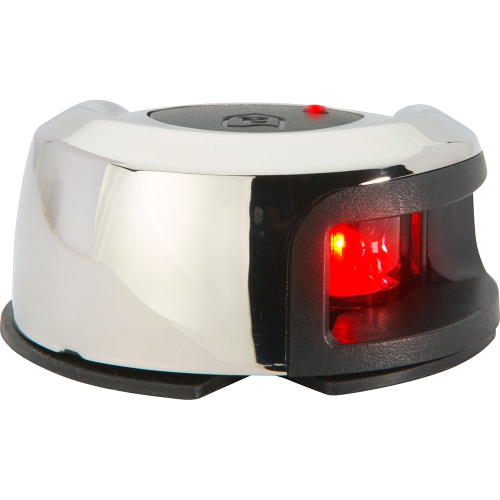


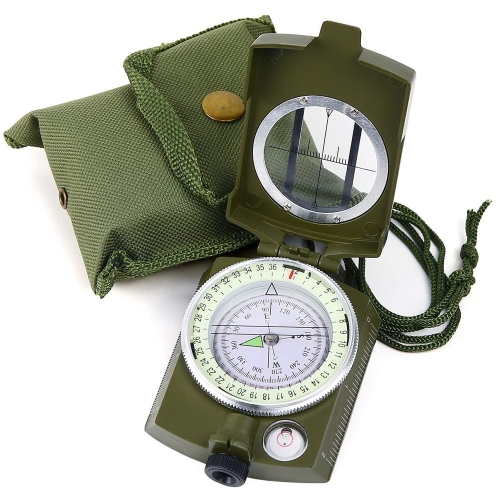
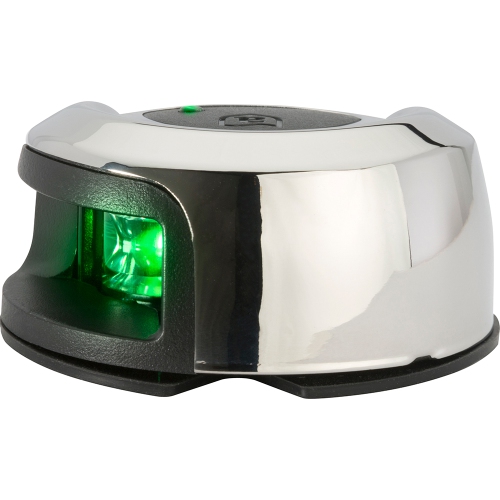
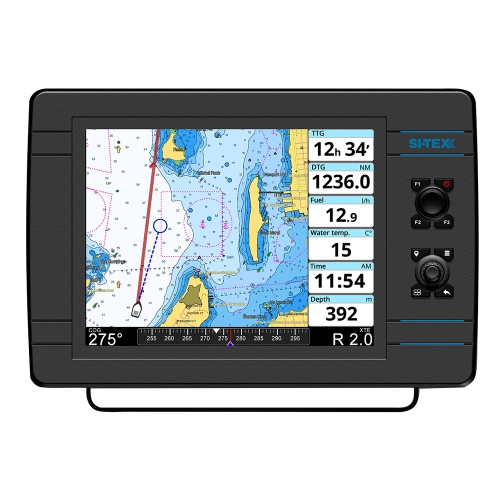
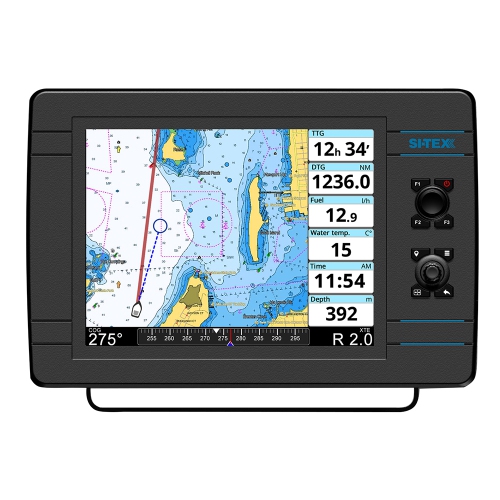
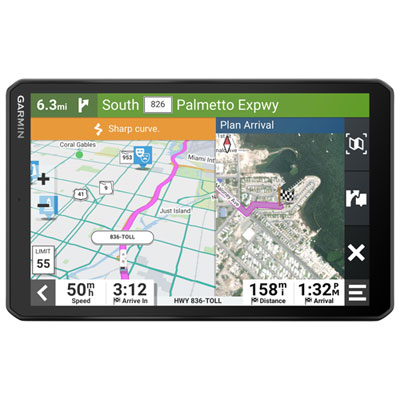

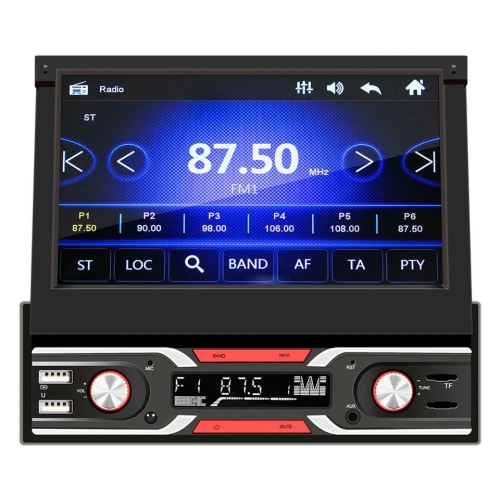
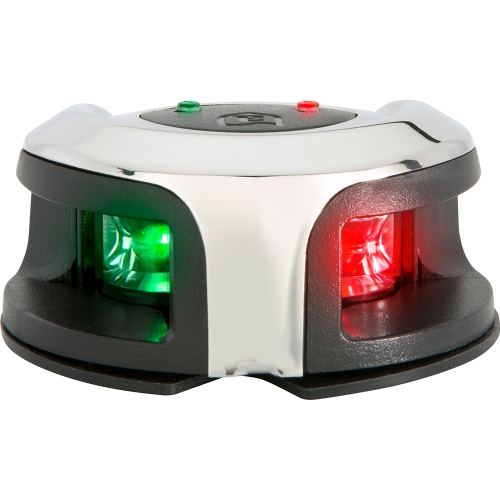


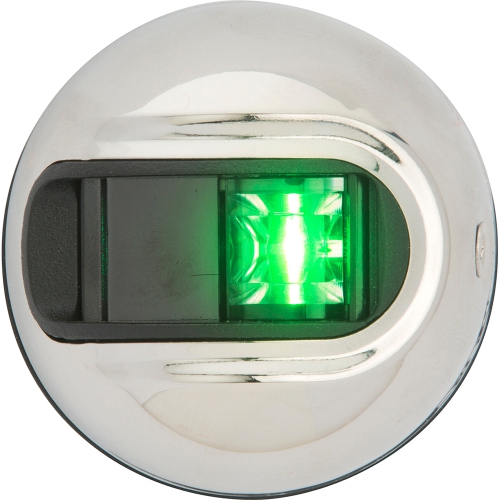

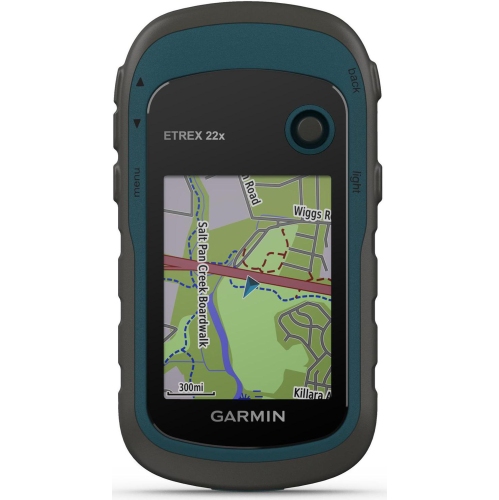
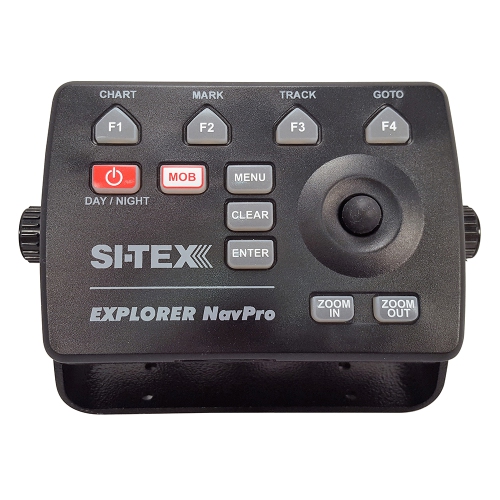


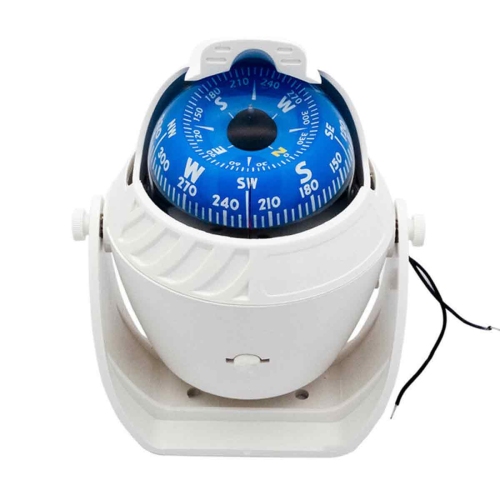
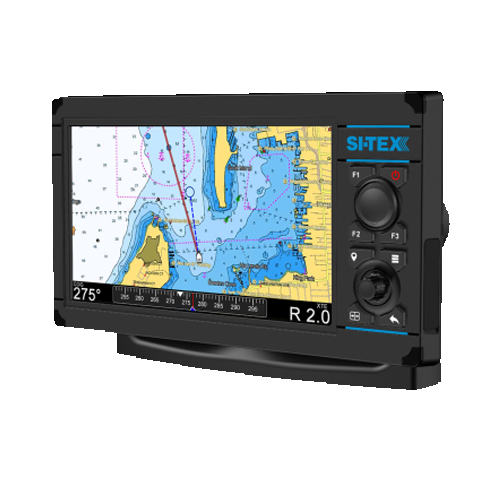


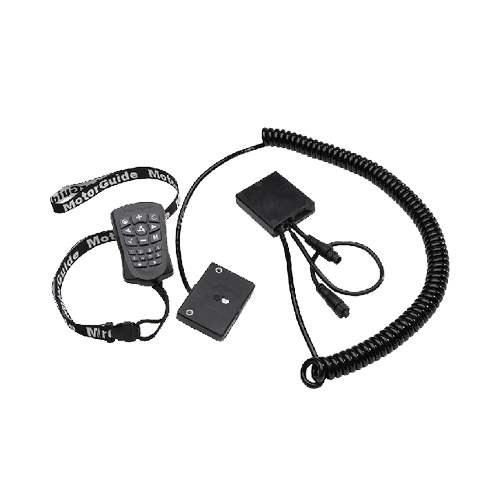
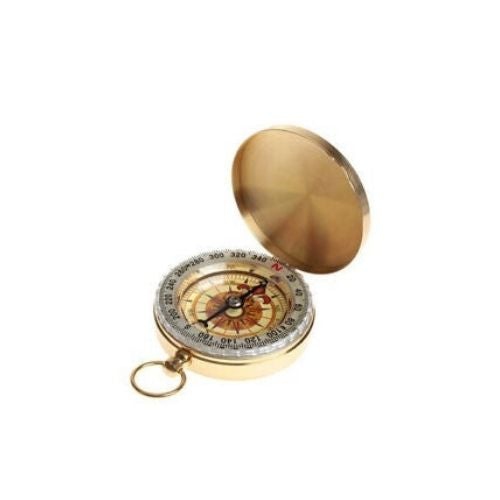

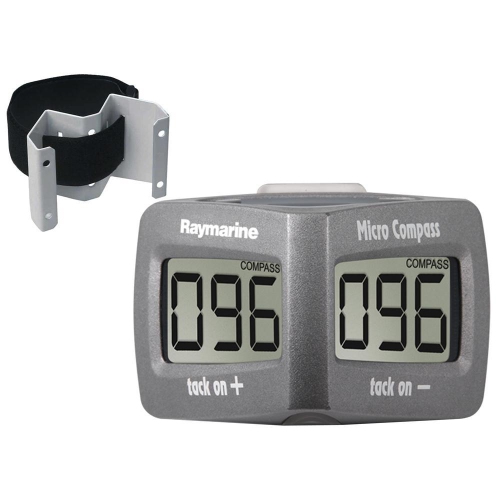
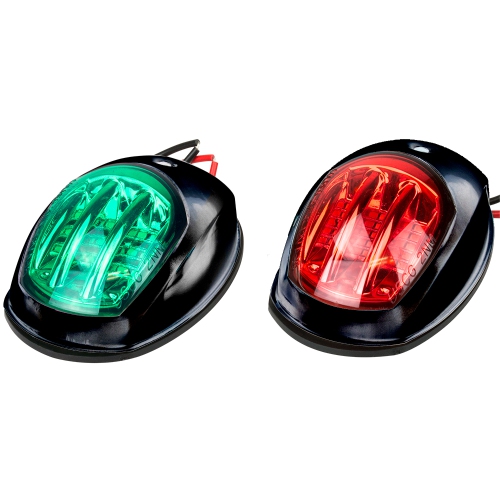
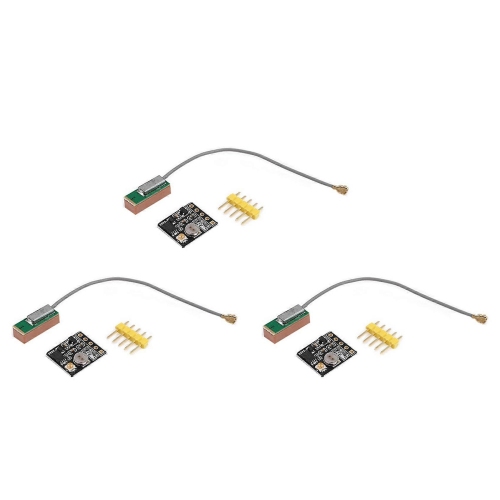
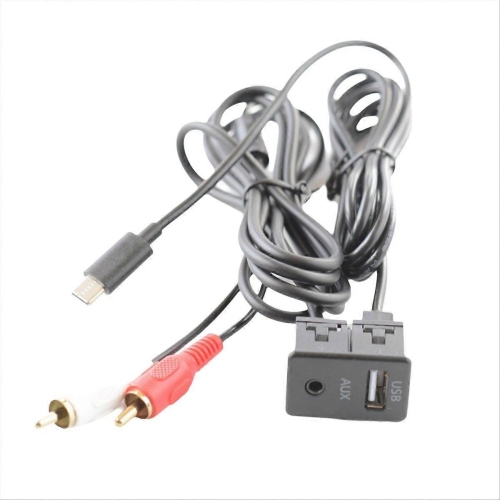
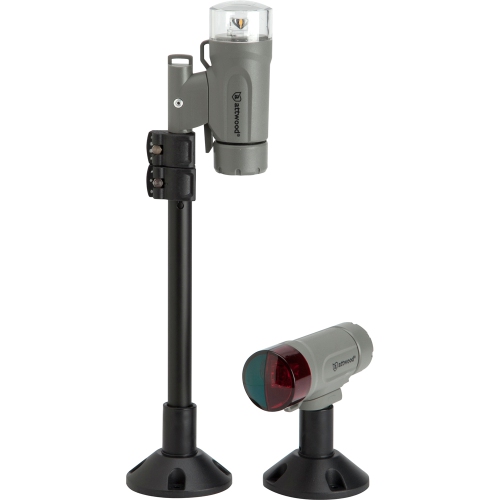
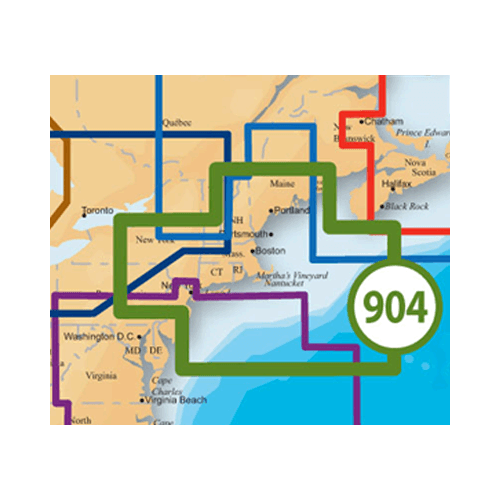
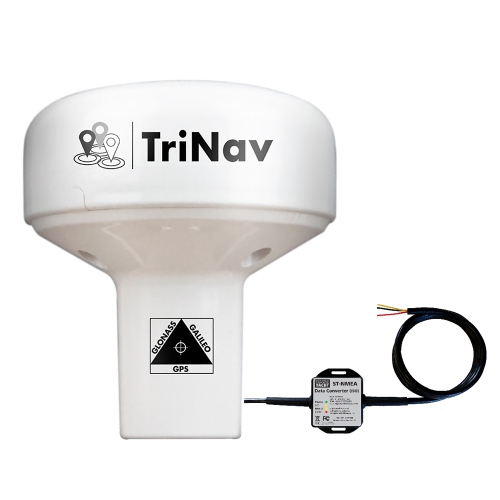


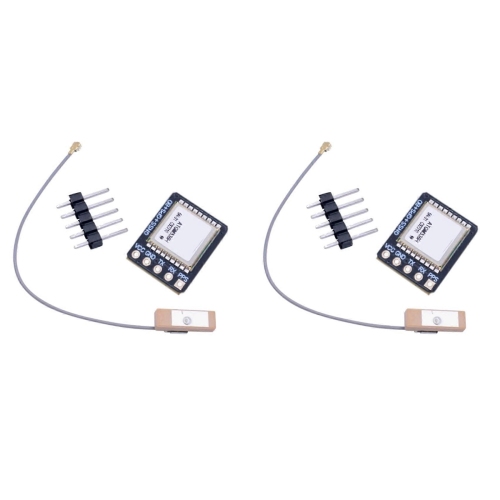

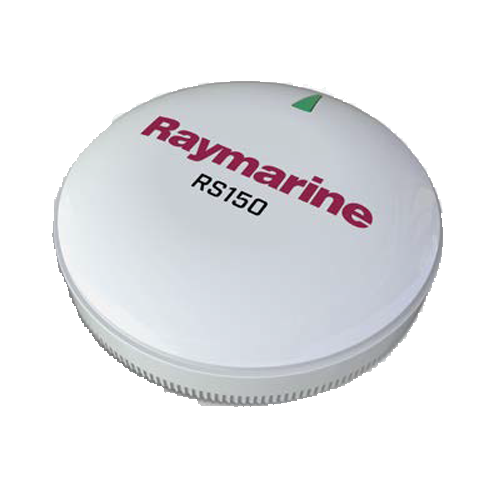
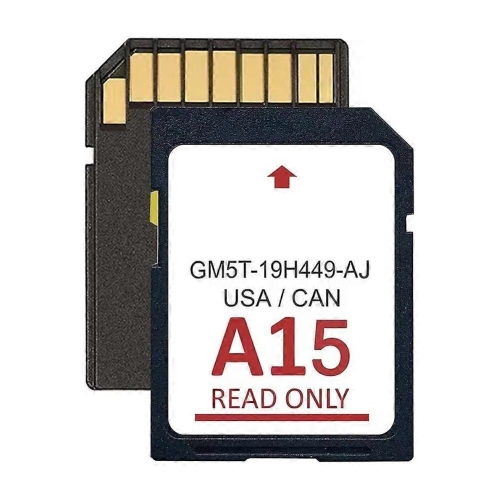
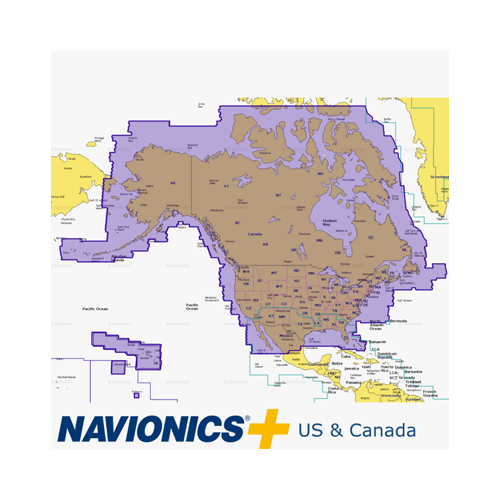
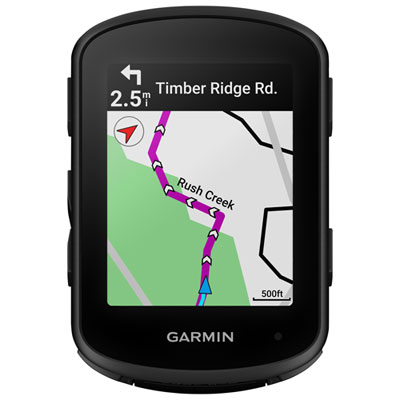
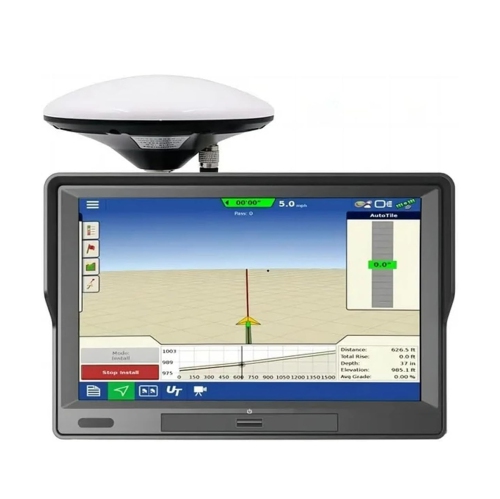

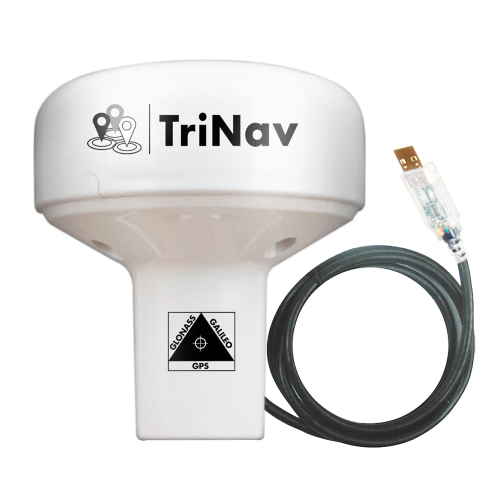
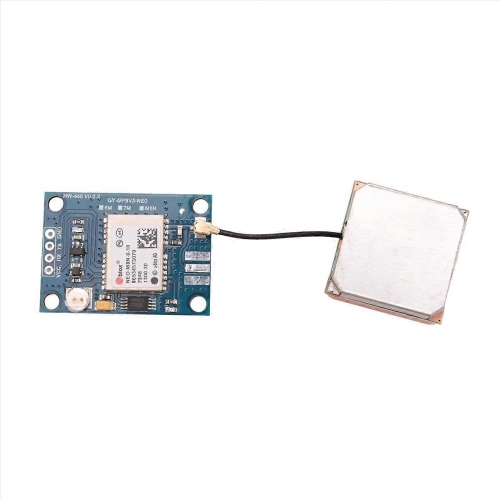

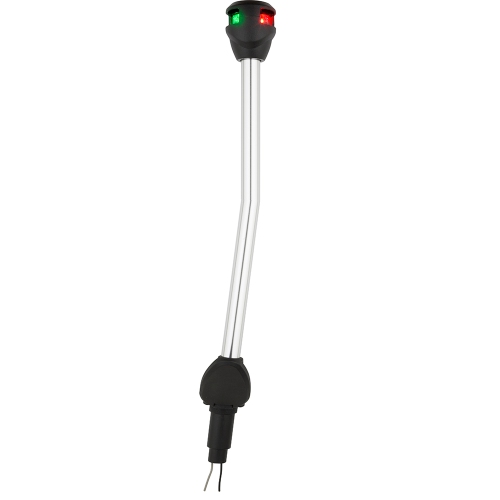
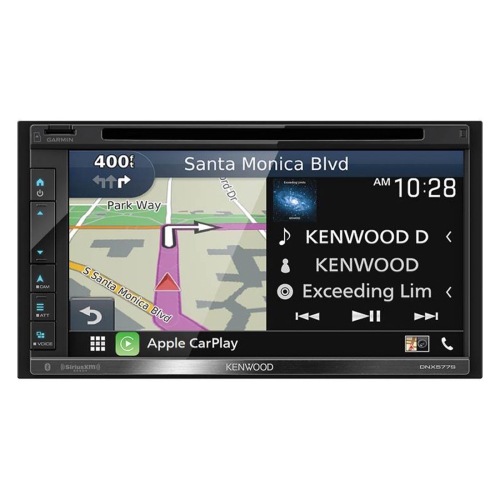

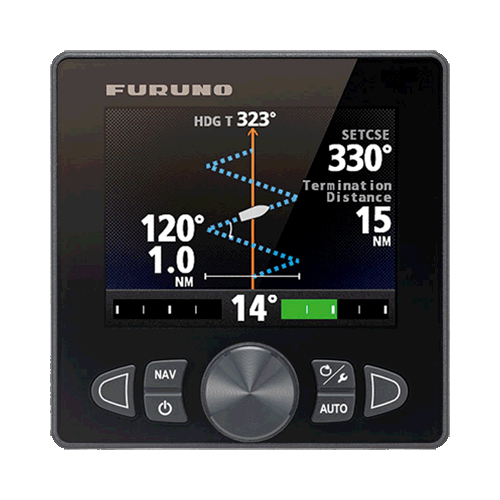
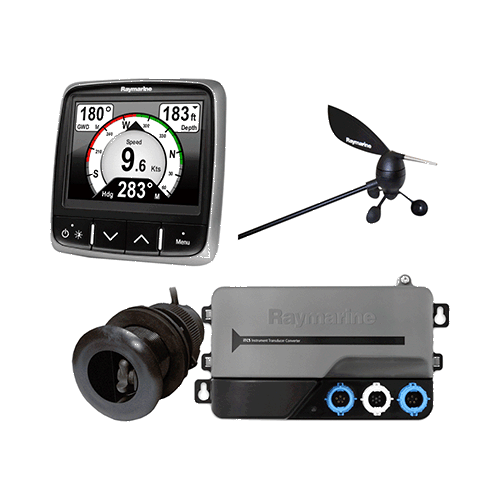
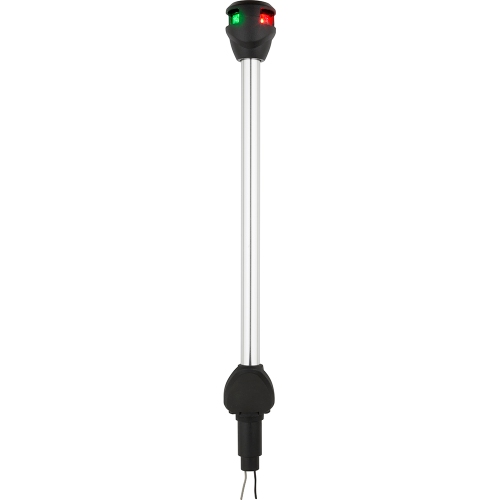
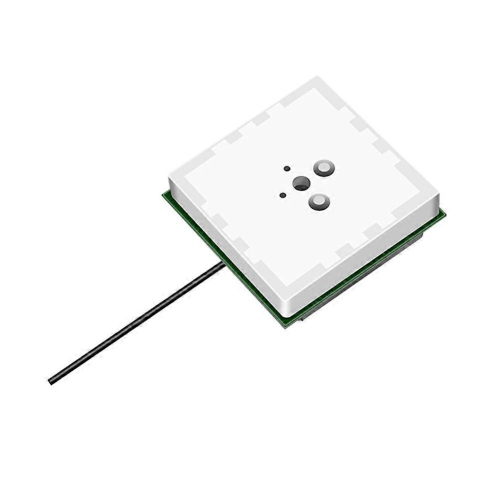

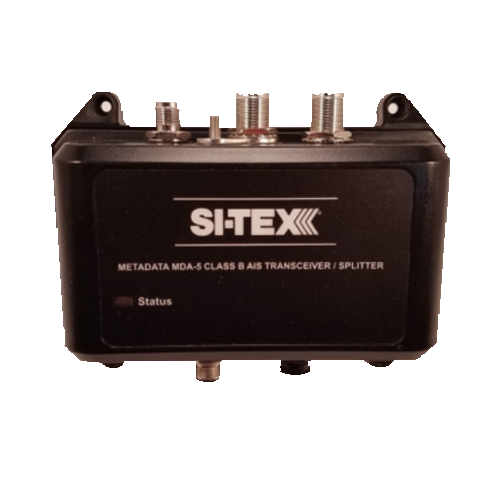
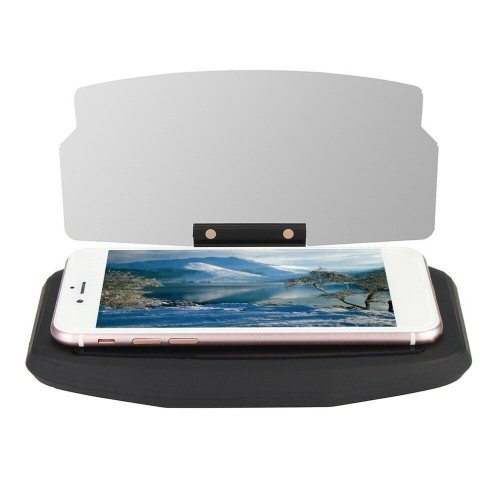

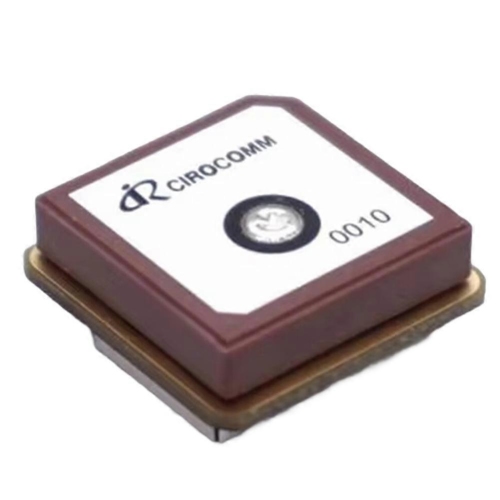



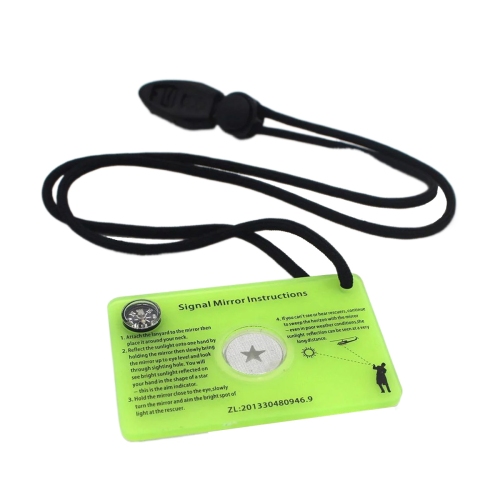
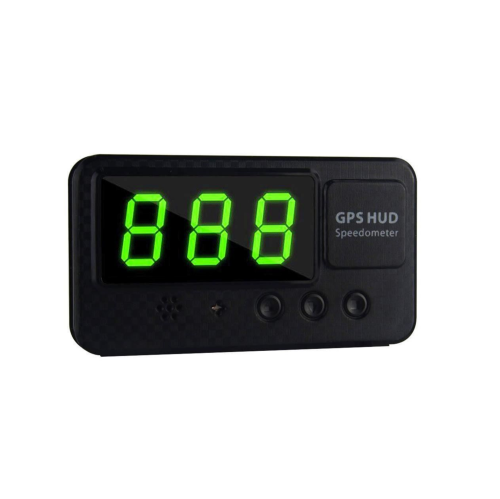
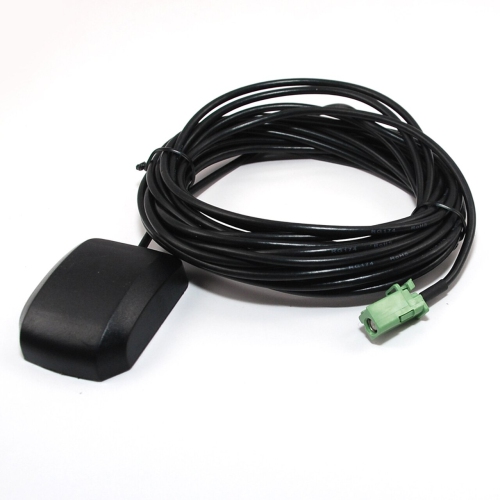


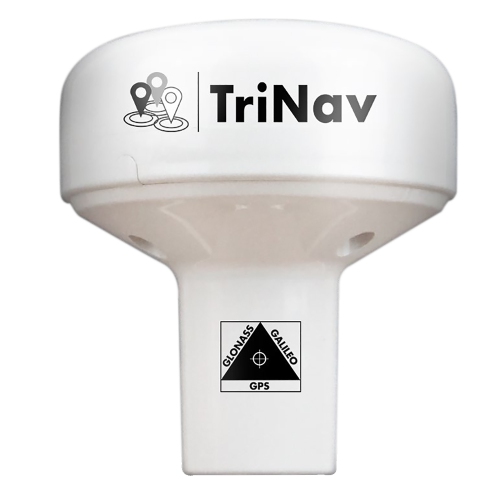
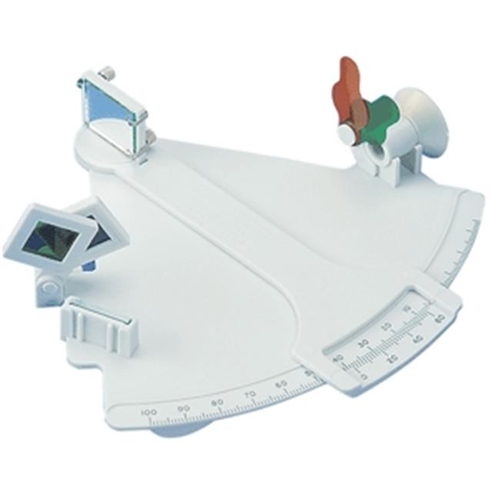
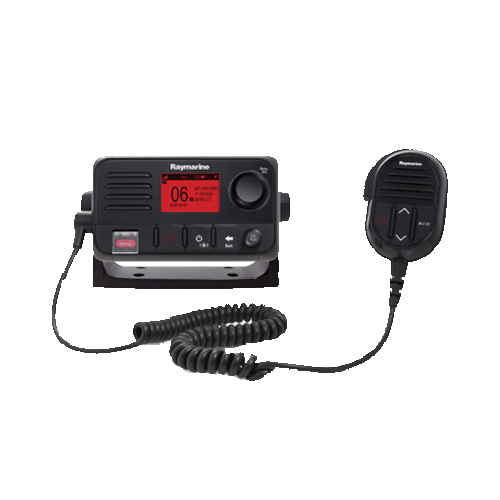
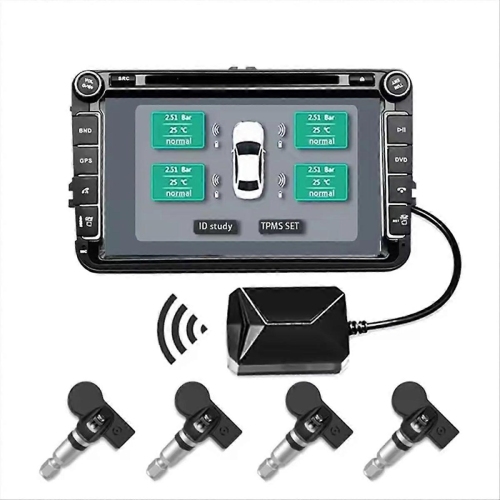
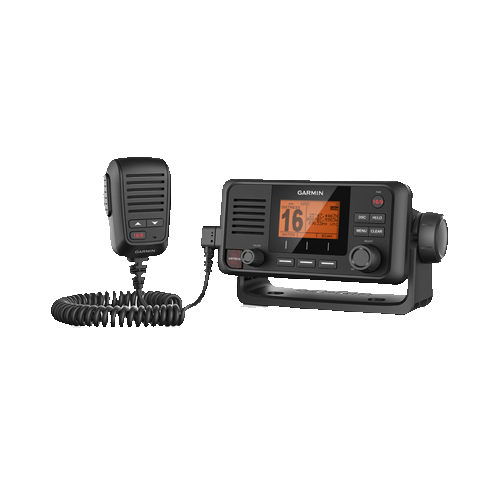

How navigation tools support safer, more confident journeys
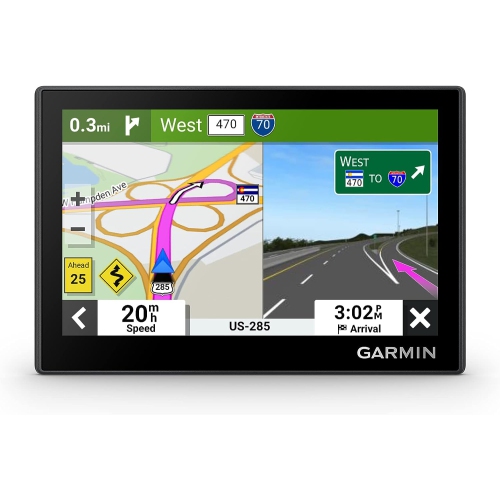
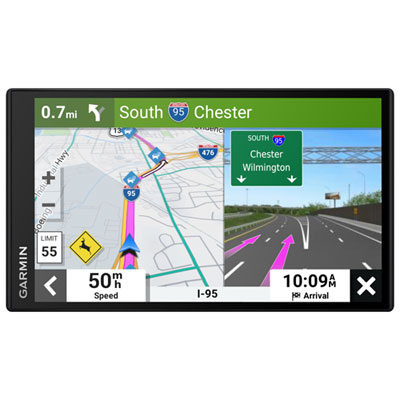
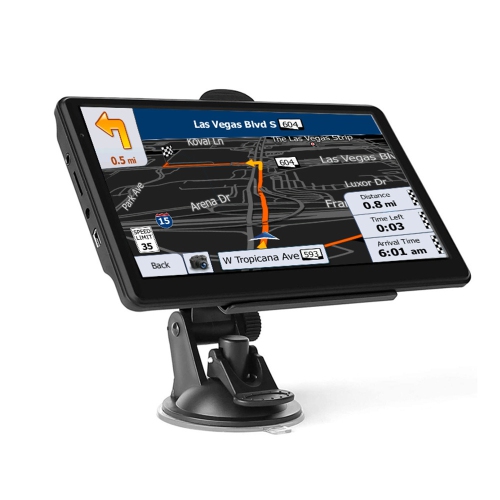
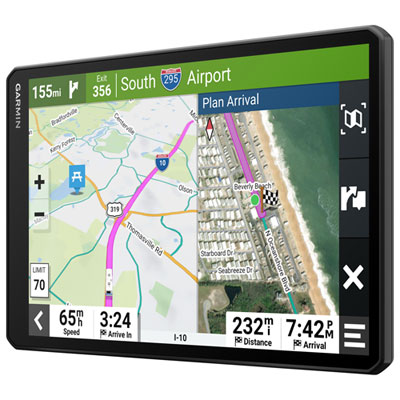
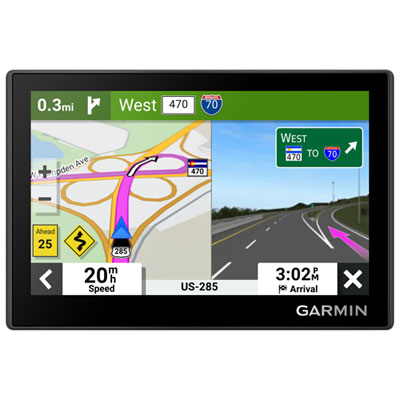
Navigational aids help people determine where they are, maintain a safe course, and reach a destination with greater confidence. In practical terms, they can include visual, audible, and electronic tools used on roads, trails, waterways, and in the air. A visible marker may identify a channel, shoreline, crossing, or other hazard, while a sound signal can provide an important warning when fog, rain, darkness, or terrain limits visibility. Electronic navigation tools use satellite positioning, digital maps, direction data, and other location services to help users understand their surroundings and make informed decisions as conditions change. This broad category is useful for drivers planning an unfamiliar route, boaters travelling between marinas, hikers following a marked path, pilots reviewing their position, and anyone who values dependable guidance away from familiar surroundings. For road travel, navigation technology can make a long drive easier to manage by displaying upcoming turns, estimating arrival times, identifying alternate routes, and helping drivers keep their attention on the road rather than searching through printed directions. A dedicated device can also be helpful for people who prefer a clear, purpose-built display or who travel through areas where mobile coverage may be inconsistent. Explore related Navigation Systems to find options designed to support confident travel by car.
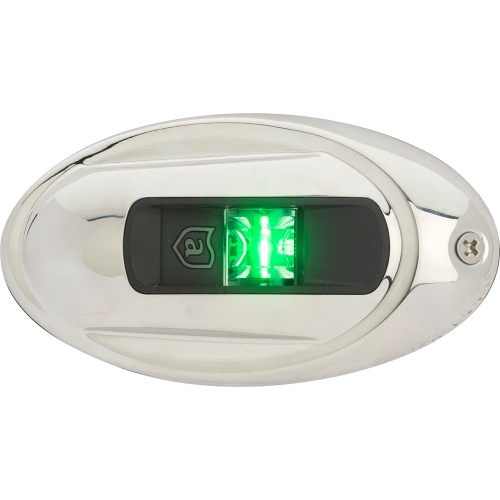
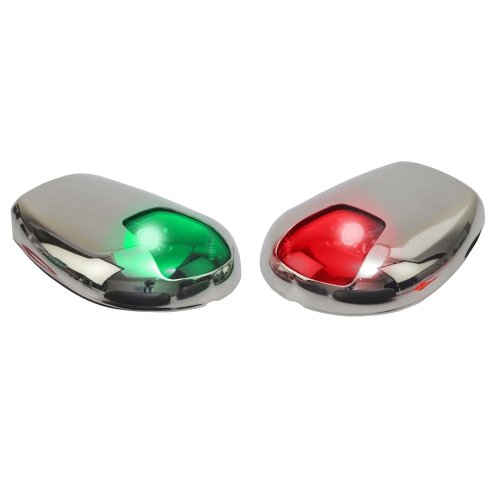
Choosing the right navigational aid starts with considering where, how, and how often it will be used. For driving, look at screen visibility, mounting options, spoken directions, map coverage, route planning tools, and the ease of entering an address before setting off. A bright display that can be read at a glance is valuable when sunlight hits the dashboard, while clear voice guidance is useful when a driver needs to keep their eyes on traffic. Travellers who cross provincial or national borders should review map regions and update options, and people who spend time in rural areas may want to pay close attention to how the device handles limited connectivity. For boating, navigation aids should be selected with the vessel, waterway, and expected conditions in mind. Position information, chart detail, readable displays, waterproof construction, power requirements, and visibility in glare or low light can all affect performance on the water. Traditional visual references, including markers with distinct colours, shapes, and lights, remain important because they communicate the edges of channels and the location of hazards. Audible signals such as bells, horns, or fog warnings can add another layer of awareness when distance and visibility are difficult to judge. In aviation, navigational aids may support route planning, position checks, and approach awareness, but they should always be used alongside approved procedures, current charts, and appropriate training. No single device replaces sound judgement: users should learn the controls, confirm route information before departure, keep maps and software updated, and carry a backup method of finding their way when conditions or technology change unexpectedly.
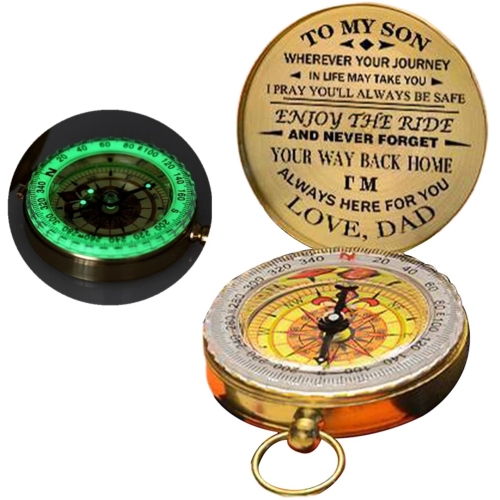
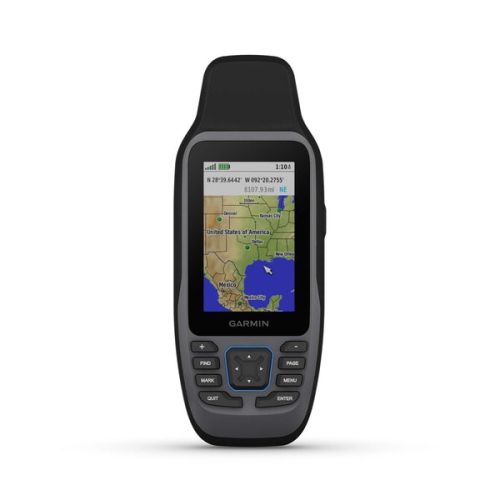
Navigational aids can also make thoughtful gifts for people who enjoy road trips, fishing, camping, boating, cycling, hiking, or exploring new places. A first-time driver may appreciate straightforward turn-by-turn support for commuting or visiting friends in unfamiliar neighbourhoods, while an experienced traveller may value a more capable tool for planning routes beyond major highways. For a family that spends weekends at a cabin, a compact direction finder or reliable location device can be useful for marking trails, returning to a launch point, or keeping track of a planned journey. Outdoor users should consider size, weight, battery life, weather resistance, readability, and whether the device can be operated with cold or gloved hands. During the cooler months, shorter daylight, changing road conditions, low cloud, fog, and heavy precipitation can make preparation especially important. Keeping a navigation aid charged, storing it where it is easy to reach, and checking the planned route before leaving can reduce distractions and make an outing feel more organized. It is also wise to confirm local rules and navigation practices, particularly on waterways and in aviation settings, where markers, signals, charts, and electronic information work together. Whether used for a daily drive, a weekend on the water, or a carefully planned journey through unfamiliar country, the right navigational aid can provide useful direction, timely information, and peace of mind from departure to arrival.
Top selling and popular products
-
 Your price for this item is $31.34
-
 Your price for this item is $30.54
-
 Your price for this item is $38.85
-
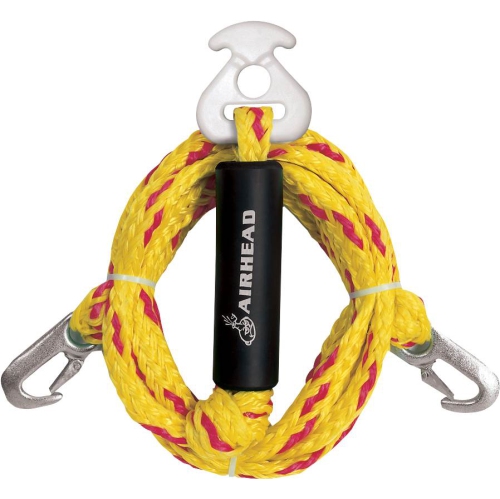 Your price for this item is $63.99
-
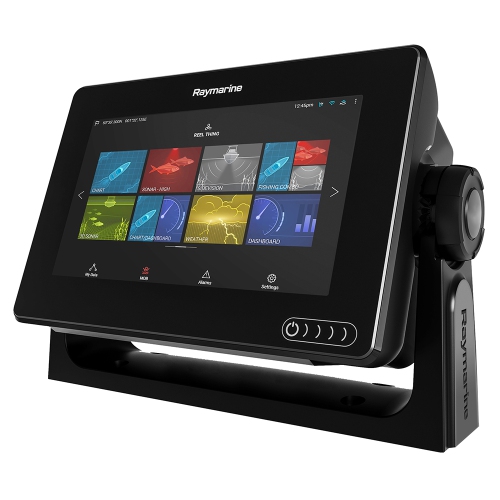 Your price for this item is $844.91
-
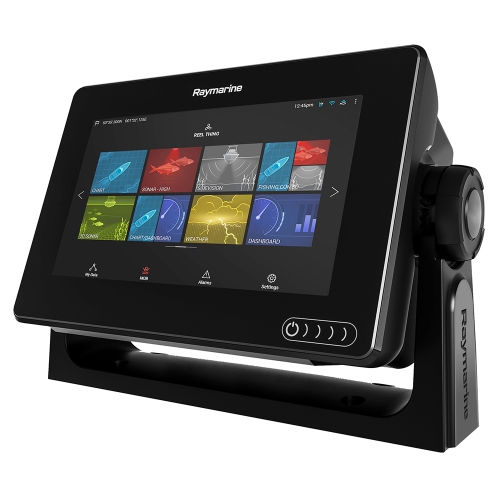 Your price for this item is $909.33
-
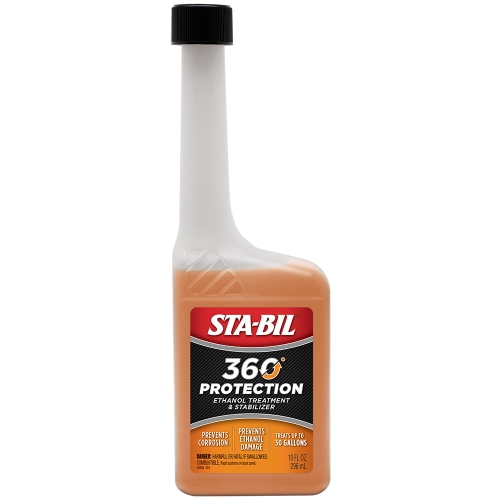 Your price for this item is $31.38
-
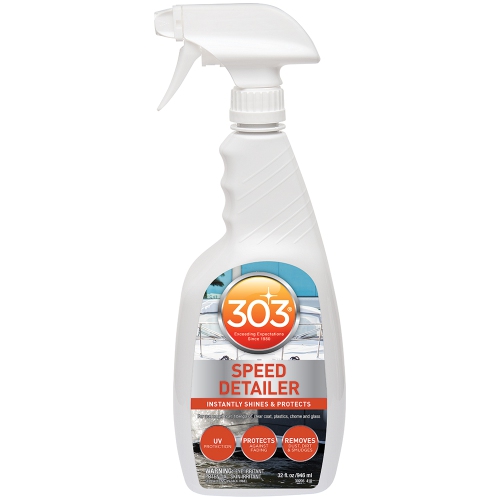 Your price for this item is $35.35
Discover more categories related to Navigational Aids
Top Collections:
Pokemon Centers, Best Cameras for Sports Photography, Kindle Devices, Samsung Galaxy Phones, Canon G7X Cameras, Pokémon 30th Celebration Cards, Refurbished Apple Laptops, iPhone 15 Apple, Laptops for Students, Budget Smartphones
Some products may be subject to Environmental Handling Fees
(EHF) depending on your province.
Learn more about EHFs.