RV Cameras
Enhance your RV driving experience with our selection of advanced RV cameras designed to provide you with improved safety and peace of mind on the road. Whether you're navigating tight parking spots, changing lanes on the highway, or simply reversing into a campsite, these innovative cameras offer enhanced visibility and convenience to help you maneuver your vehicle with confidence. Explore a range of options including wireless backup cameras, rearview mirror cameras, and more, all engineered to make your travels safer and more enjoyable. Upgrade your RV today with our top-quality selection of RV cameras.
Sort
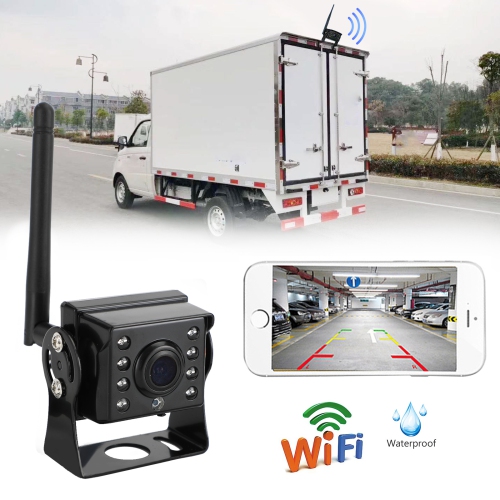

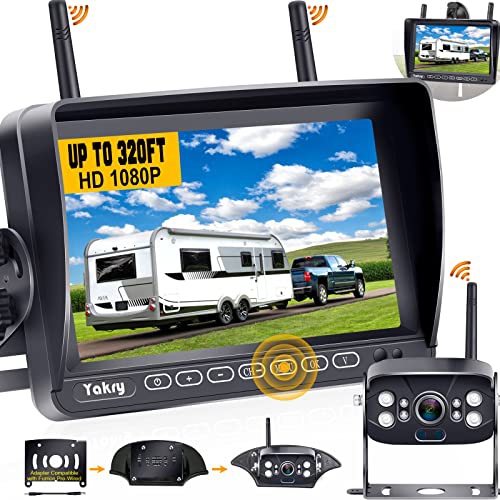
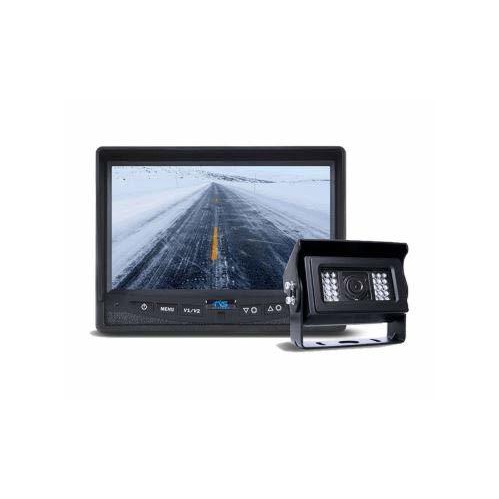
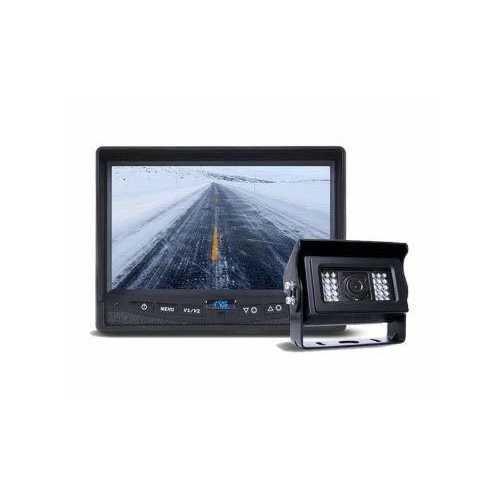
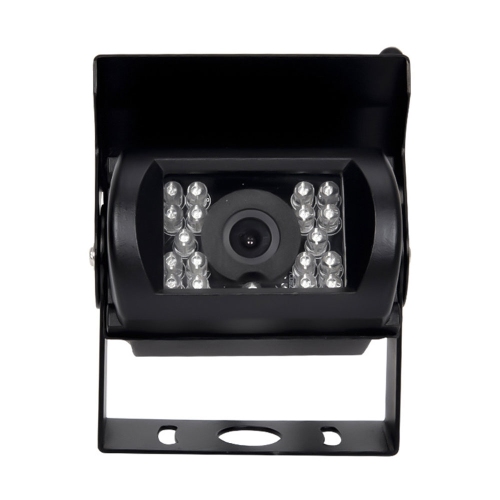
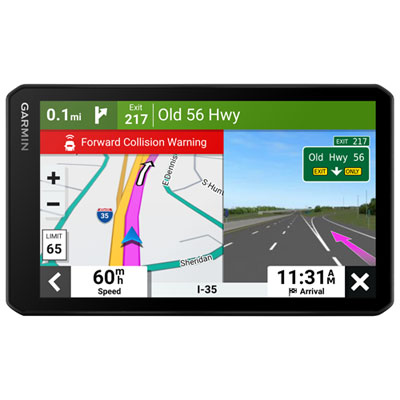
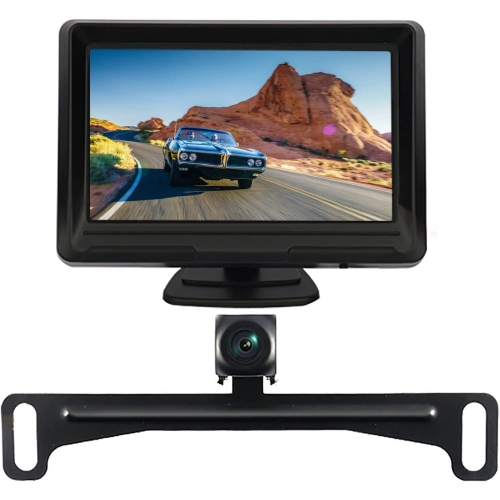
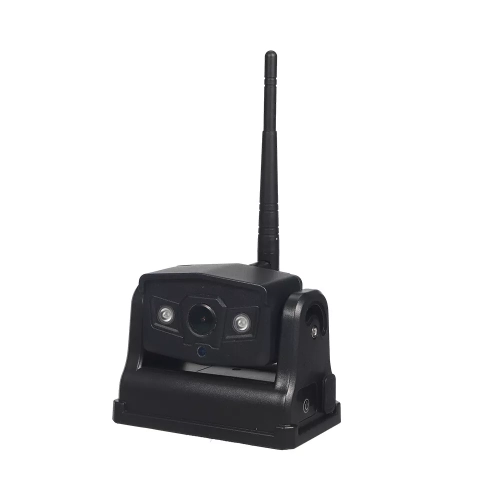
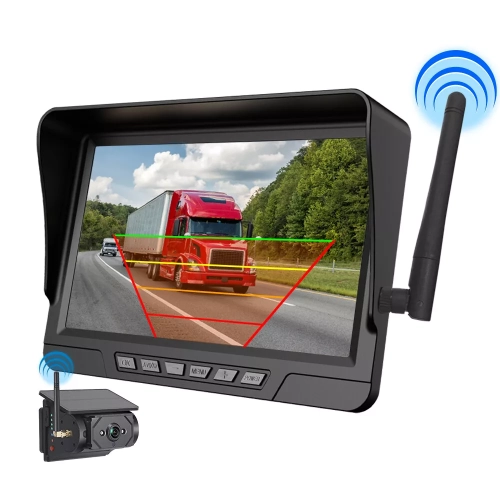
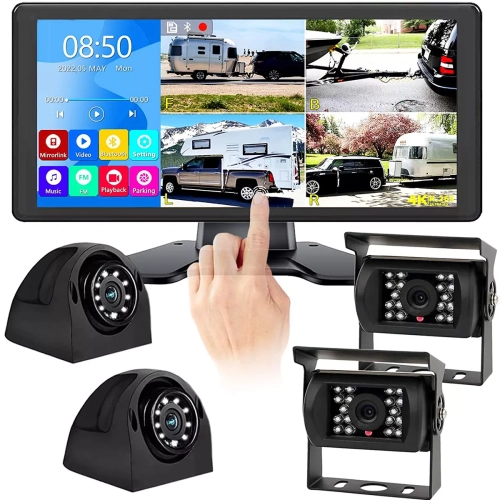
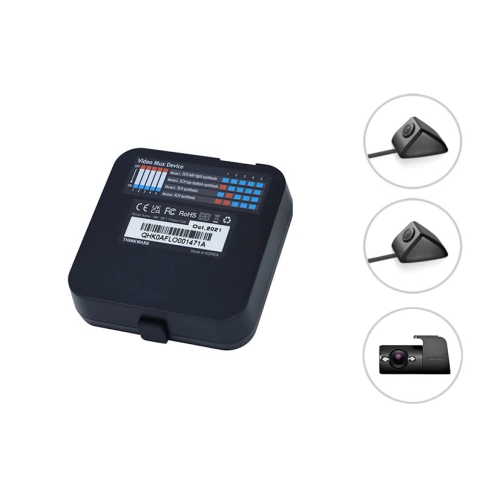
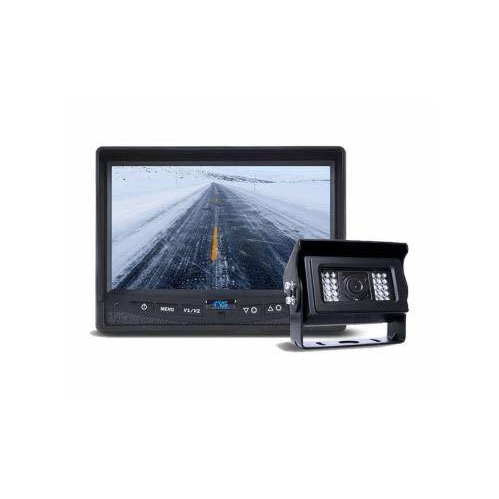

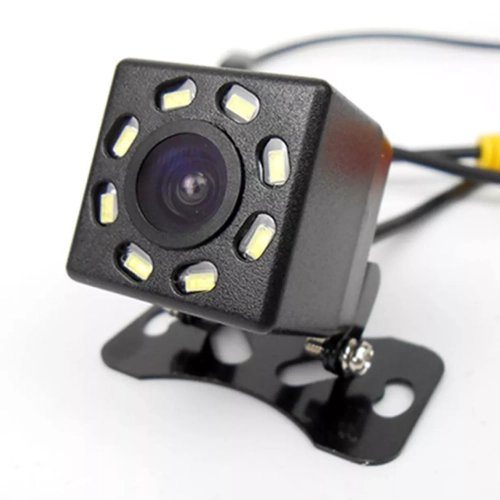
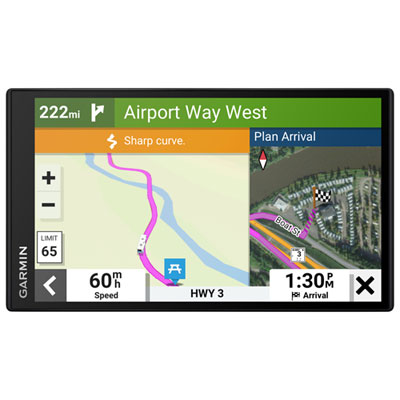

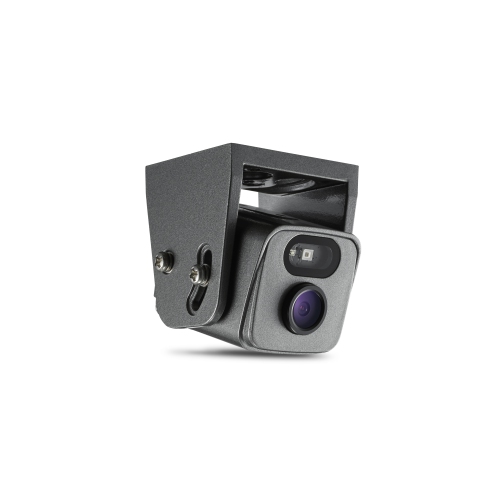
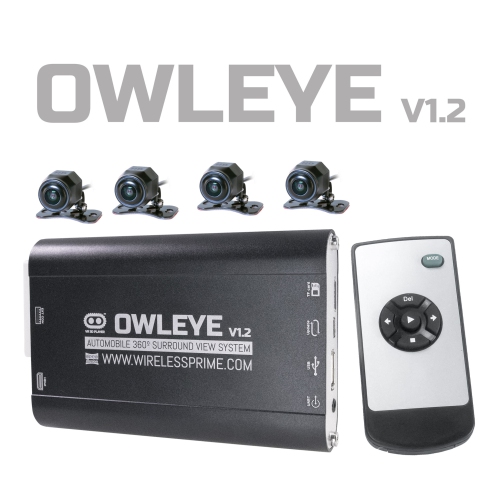
Rear and side views beyond your RV’s mirrors
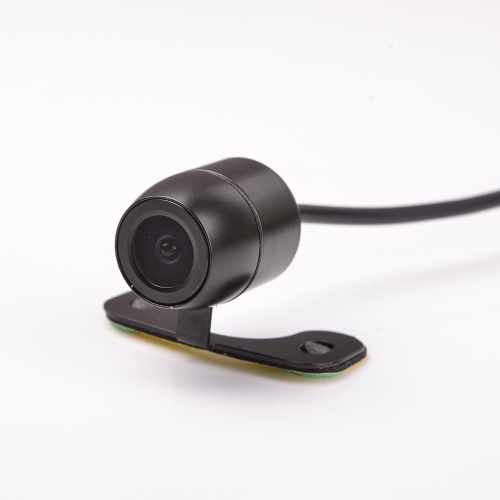
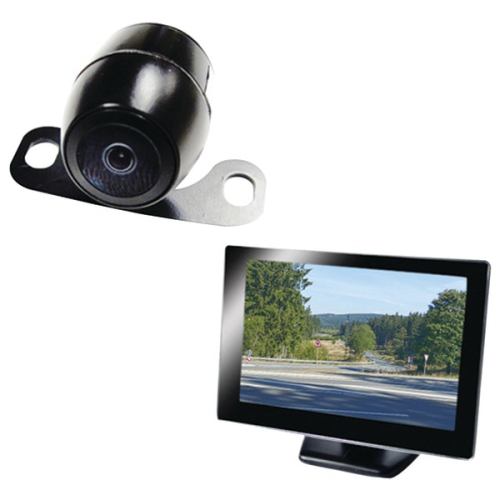
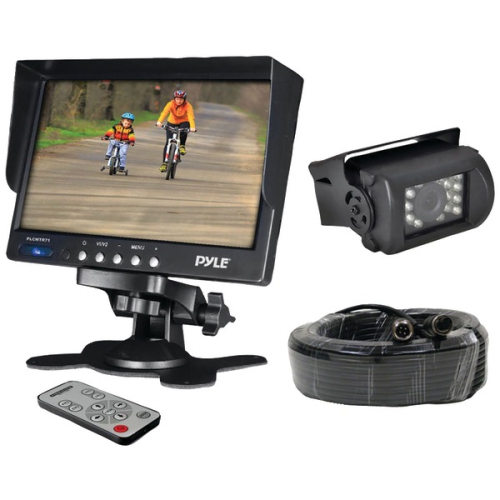
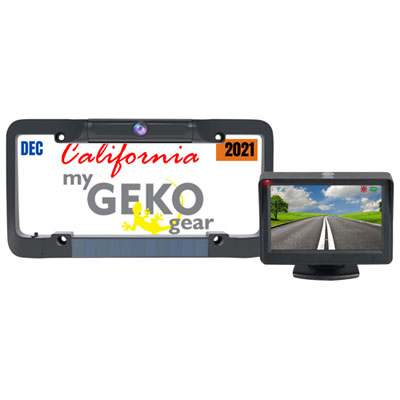
RV cameras provide a live view of areas behind or beside a recreational vehicle, helping drivers judge clearance, spot obstacles, and manoeuvre with greater confidence. They are particularly useful on motorhomes, travel trailers, and fifth wheels, where the vehicle’s length and bodywork can limit what is visible through mirrors alone. A rear camera can reveal a low campground post behind a trailer, while side cameras can add useful views along the body when turning or positioning the vehicle. These systems supplement mirrors, direct observation, and a spotter; they do not eliminate every blind spot or replace checking the area before moving. Backup cameras are generally intended to assist with reversing, while observation cameras can provide an ongoing rear view when properly powered and configured for that use. That distinction matters for drivers who want to keep an eye on a towed vehicle or the space behind a trailer between parking stops. An RV camera system typically combines one or more cameras with a compatible display, although some designs send video to a supported mobile device. Single-camera setups suit drivers who mainly need help backing into a campsite or storage space. Multi-camera systems can bring rear and side views together on one screen, offering more context around a larger vehicle. For owners focused on trailer parking, Backup Cameras for Campers offers a closely related category. These cameras can be useful for first-time RV owners learning the dimensions of a longer vehicle, experienced travellers navigating tight campground lanes, and anyone who regularly parks a trailer beside a garage or fence. Their value comes from making otherwise difficult-to-see spaces more visible, rather than making the vehicle itself easier to turn. A clear camera view still needs to be interpreted alongside the trailer’s turning path, rear overhang, and clearance above and beside it.
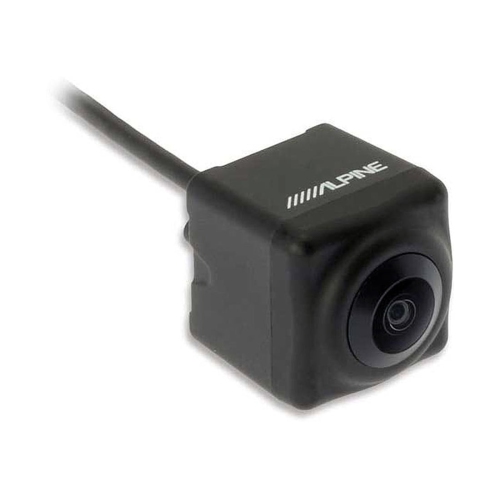
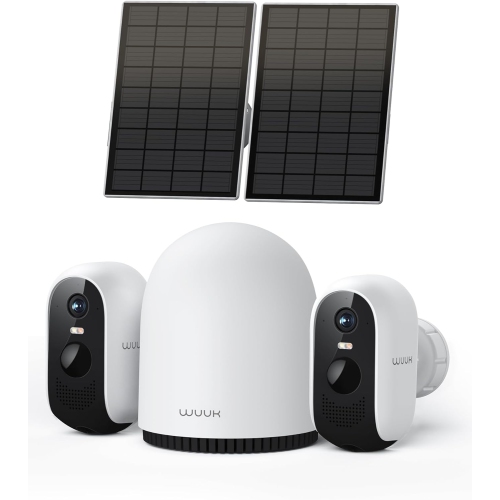
The connection type and installation fit are central differences among RV camera systems. Wired cameras use a physical video connection between the camera and display, which can provide a consistent signal but requires a suitable cable route through or along the vehicle. Wireless systems transmit video without that long video cable, although the camera and monitor usually still need power. On a towable RV, the distance between the rear camera and the driver’s seat, along with metal bodywork and other obstructions, can affect wireless reception. An advertised open-area transmission range is not a guarantee of the same performance through a trailer and tow vehicle. Camera placement, antenna position, and compatibility with any supported signal accessories therefore matter as much as the stated range. A pre-wired camera mount can simplify installation, but the presence of a bracket or connector does not establish that every camera will fit or function. Mounting dimensions, connector design, supply voltage, and the camera’s communication system all need to match the intended setup. Power arrangements also influence everyday use: a camera connected to a reverse-light circuit may operate only while reversing, whereas a suitable ongoing power connection may support observation while driving. Professional installation can help address cable routing, circuit compatibility, and secure mounting without interfering with other vehicle systems. The camera housing, bracket, and fasteners should be suited to exterior vehicle use, with sturdy construction that tolerates vibration and routine travel. Sealed cable connections and a clearly stated ingress-protection rating are useful details when assessing durability. For travel trailers and fifth wheels, any wired connection crossing between the tow vehicle and trailer also needs to accommodate hitch movement and routine disconnection. Inside the cab, a stable monitor mount should keep the screen within a comfortable glance while leaving the road, vehicle controls, and airbags unobstructed. A system that fits the RV properly should feel like a practical addition to the driving position, not another object competing for attention.
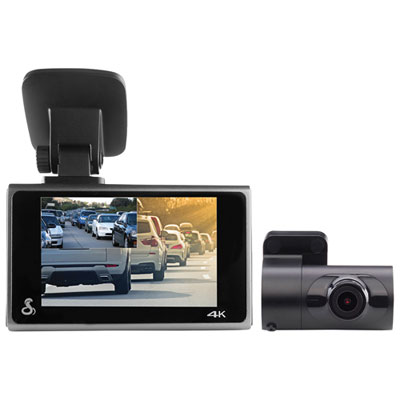
Image quality is most useful when it helps the driver distinguish relevant details quickly. Resolution contributes to clarity, but lens angle, camera position, screen size, and video delay also affect how easily a view can be understood. A wide-angle lens can show more of a campsite entrance or parking space, though it may make objects appear farther away and distort the edges of the image. Adjustable camera tilt helps balance a view of the rear bumper and nearby ground with a view farther behind the vehicle. Parking guidelines can provide a reference when reversing, but fixed lines do not necessarily represent the RV’s exact width or turning path. Their usefulness depends on mounting position and whether adjustment or calibration is supported. Infrared night vision can improve visibility in low light, although its effective distance varies and nearby surfaces may reflect illumination back into the lens. A larger display can make small obstacles easier to identify, while split-screen viewing allows several camera feeds to appear together at the cost of making each individual image smaller. Drivers who move between a full rear view and side views may appreciate straightforward controls and predictable switching. Recording is a separate feature from live viewing: not every RV backup camera stores footage, and those that do may require compatible memory cards with specified capacity and speed. Loop recording, supported camera channels, and access to saved clips can differ between systems. Routine care helps preserve the view and the installation. Dust, road film, and fingerprints can soften an otherwise sharp image, so gentle lens cleaning with appropriate materials is preferable to abrasive wiping. Periodic checks of mounting screws, cable supports, connectors, and the camera angle can catch movement or wear before it affects visibility. Removable monitors should be stored securely when detached, and exposed connectors should be protected as directed by the manufacturer. For an RV owner receiving a camera system as a gift, confirming the vehicle’s existing wiring, display compatibility, and preferred use is especially important. The best fit is a system that supplies the needed views clearly, works with the vehicle’s layout, and remains straightforward to use each time the RV leaves its parking space.
The connection type and installation fit are central differences among RV camera systems. Wired cameras use a physical video connection between the camera and display, which can provide a consistent signal but requires a suitable cable route through or along the vehicle. Wireless systems transmit video without that long video cable, although the camera and monitor usually still need power. On a towable RV, the distance between the rear camera and the driver’s seat, along with metal bodywork and other obstructions, can affect wireless reception. An advertised open-area transmission range is not a guarantee of the same performance through a trailer and tow vehicle. Camera placement, antenna position, and compatibility with any supported signal accessories therefore matter as much as the stated range. A pre-wired camera mount can simplify installation, but the presence of a bracket or connector does not establish that every camera will fit or function. Mounting dimensions, connector design, supply voltage, and the camera’s communication system all need to match the intended setup. Power arrangements also influence everyday use: a camera connected to a reverse-light circuit may operate only while reversing, whereas a suitable ongoing power connection may support observation while driving. Professional installation can help address cable routing, circuit compatibility, and secure mounting without interfering with other vehicle systems. The camera housing, bracket, and fasteners should be suited to exterior vehicle use, with sturdy construction that tolerates vibration and routine travel. Sealed cable connections and a clearly stated ingress-protection rating are useful details when assessing durability. For travel trailers and fifth wheels, any wired connection crossing between the tow vehicle and trailer also needs to accommodate hitch movement and routine disconnection. Inside the cab, a stable monitor mount should keep the screen within a comfortable glance while leaving the road, vehicle controls, and airbags unobstructed. A system that fits the RV properly should feel like a practical addition to the driving position, not another object competing for attention.
Image quality is most useful when it helps the driver distinguish relevant details quickly. Resolution contributes to clarity, but lens angle, camera position, screen size, and video delay also affect how easily a view can be understood. A wide-angle lens can show more of a campsite entrance or parking space, though it may make objects appear farther away and distort the edges of the image. Adjustable camera tilt helps balance a view of the rear bumper and nearby ground with a view farther behind the vehicle. Parking guidelines can provide a reference when reversing, but fixed lines do not necessarily represent the RV’s exact width or turning path. Their usefulness depends on mounting position and whether adjustment or calibration is supported. Infrared night vision can improve visibility in low light, although its effective distance varies and nearby surfaces may reflect illumination back into the lens. A larger display can make small obstacles easier to identify, while split-screen viewing allows several camera feeds to appear together at the cost of making each individual image smaller. Drivers who move between a full rear view and side views may appreciate straightforward controls and predictable switching. Recording is a separate feature from live viewing: not every RV backup camera stores footage, and those that do may require compatible memory cards with specified capacity and speed. Loop recording, supported camera channels, and access to saved clips can differ between systems. Routine care helps preserve the view and the installation. Dust, road film, and fingerprints can soften an otherwise sharp image, so gentle lens cleaning with appropriate materials is preferable to abrasive wiping. Periodic checks of mounting screws, cable supports, connectors, and the camera angle can catch movement or wear before it affects visibility. Removable monitors should be stored securely when detached, and exposed connectors should be protected as directed by the manufacturer. For an RV owner receiving a camera system as a gift, confirming the vehicle’s existing wiring, display compatibility, and preferred use is especially important. The best fit is a system that supplies the needed views clearly, works with the vehicle’s layout, and remains straightforward to use each time the RV leaves its parking space.
Top selling and popular products
-
 Your price for this item is $199.97
 -
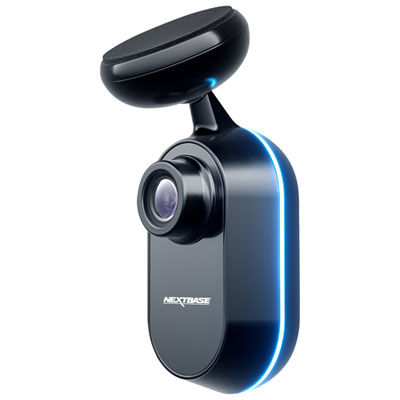 Your price for this item is $249.99
 -
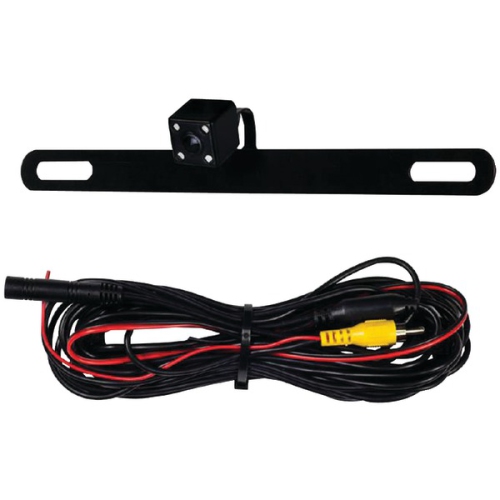 Your price for this item is $118.29
 -
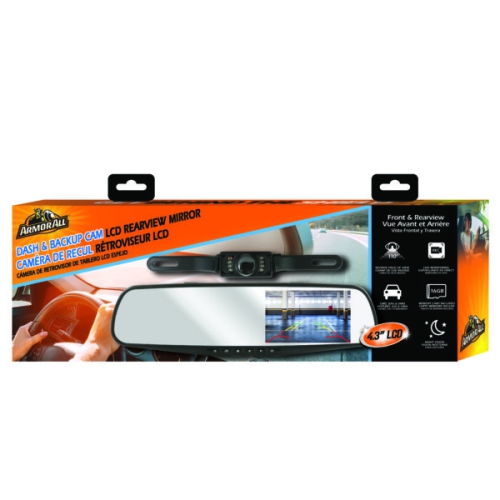 Your price for this item is $70.88
 -
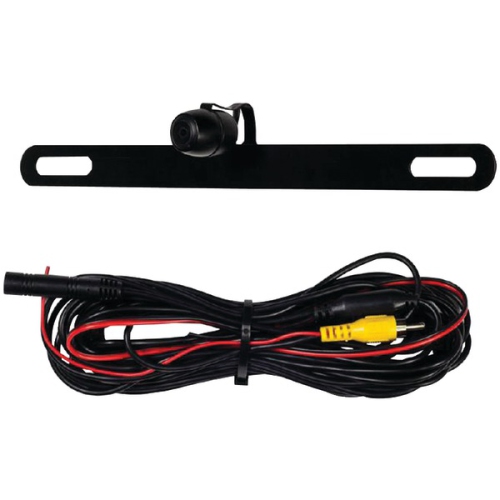 Your price for this item is $119.89
 -
 Your price for this item is $413.16
 -
 Your price for this item is $3000
 -
 Your price for this item is $298
Discover more categories related to RV Cameras
Top Collections:
Pokemon Centers, Kindle Devices, Best Budget Office Chairs, Apple iPhones 16, Best Laptops for Writers, iPhone 15 Apple, Canon G7X Cameras, Refurbished Apple Laptops, Alarm Clock, Motorola Razr Phones
Some products may be subject to Environmental Handling Fees
(EHF) depending on your province.
Learn more about EHFs.