Truck Cameras
Whether you're a professional truck driver or simply want to enhance your vehicle's safety, investing in a reliable truck camera is a smart choice. These innovative devices provide an extra set of eyes on the road, allowing you to navigate tight spaces, park with ease, and capture important moments while on the go. With a wide range of options available, finding the perfect truck camera to suit your needs has never been easier. Explore our selection of high-quality truck cameras and take your driving experience to the next level.
Sort
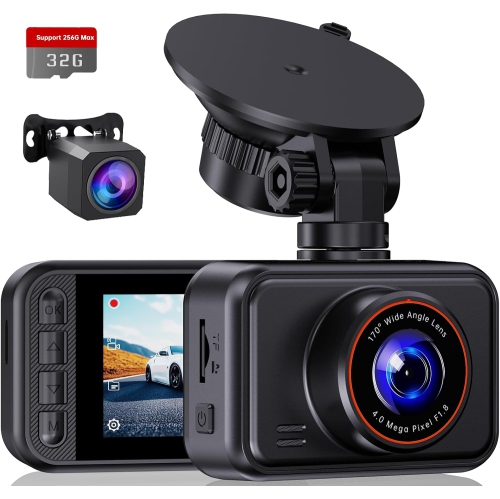
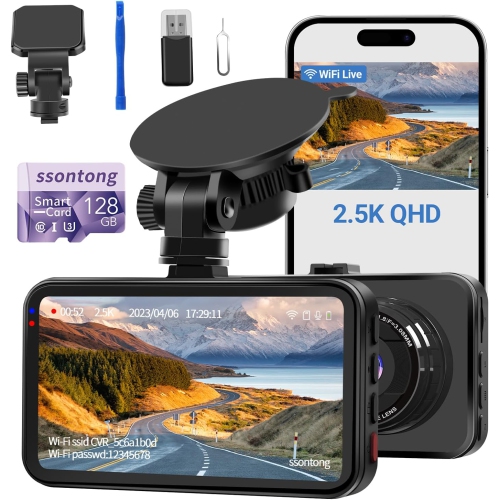
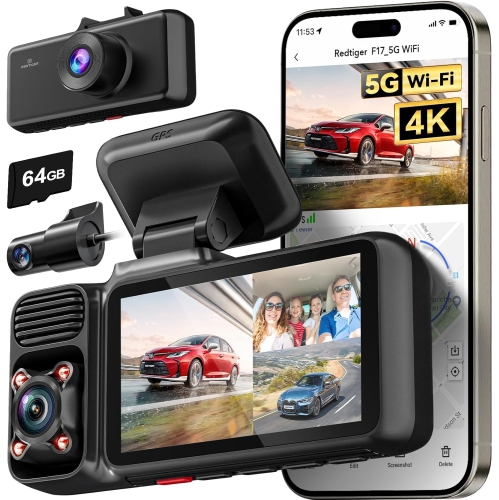
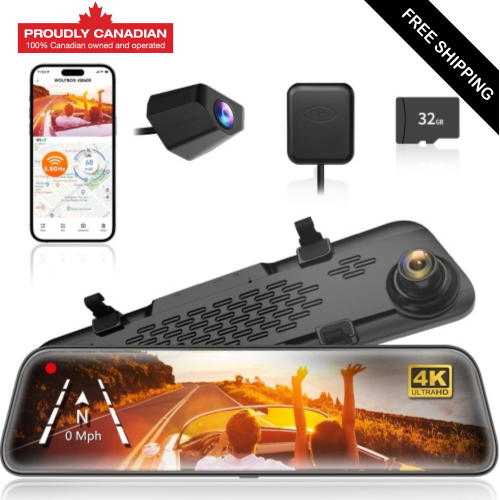
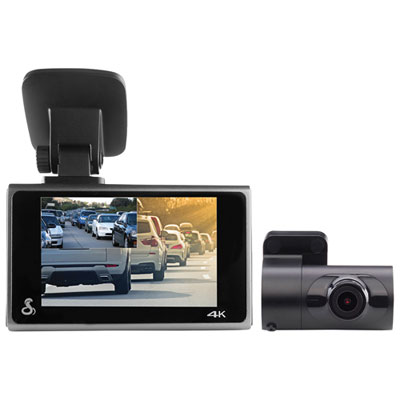
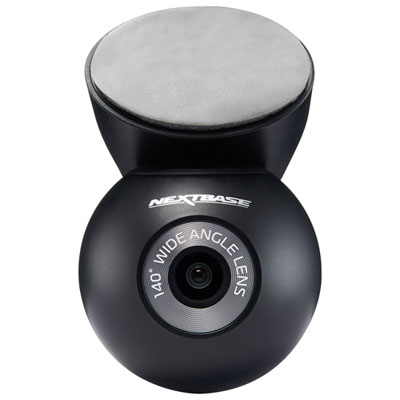
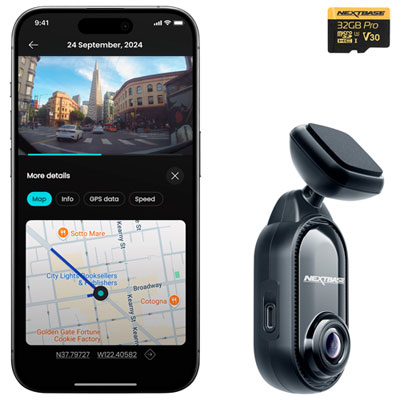
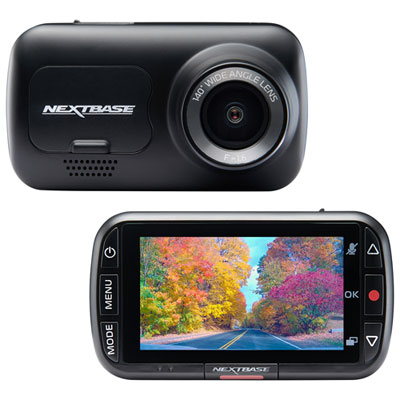
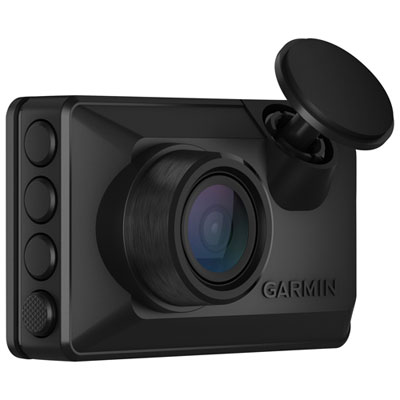

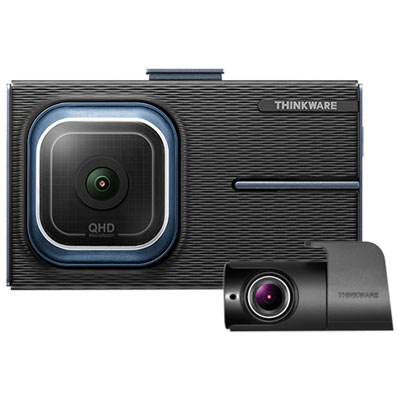

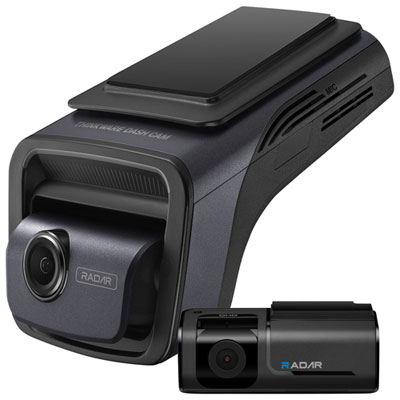
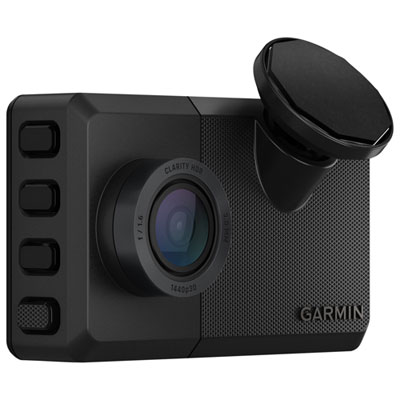

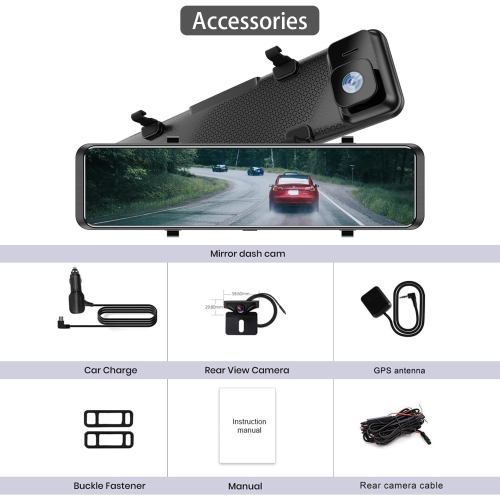


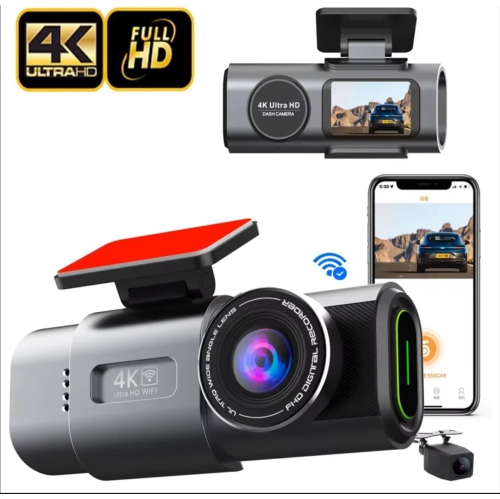
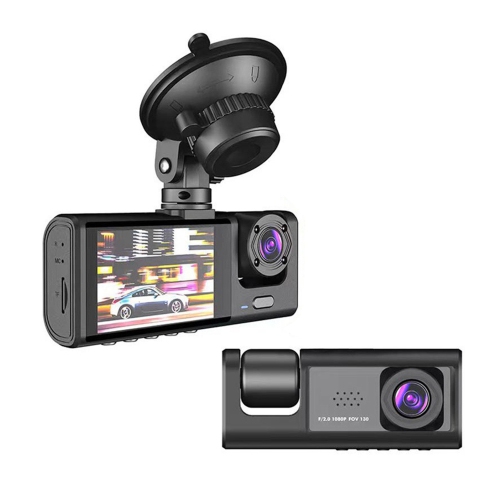
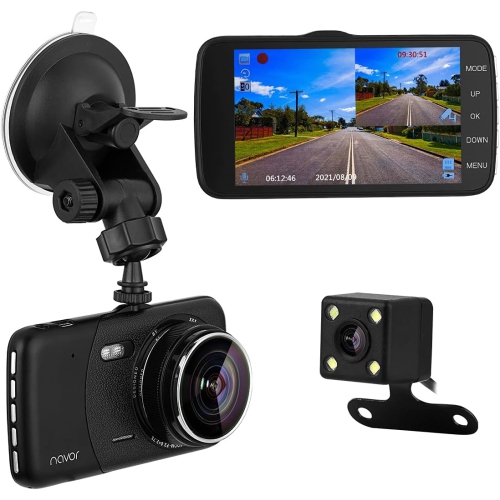
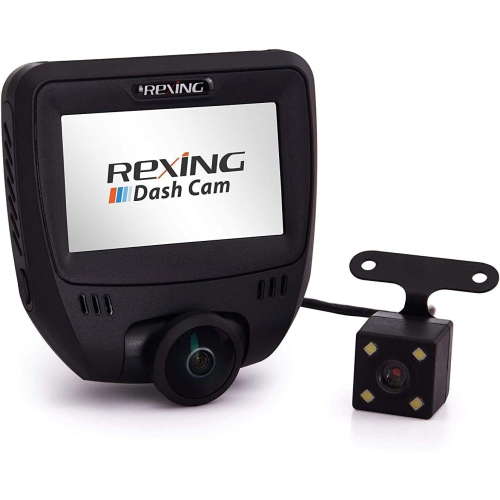

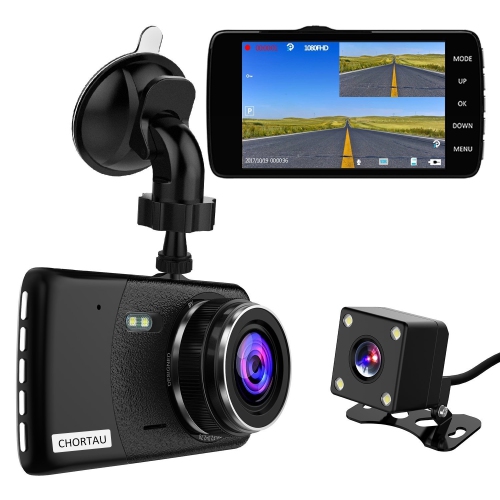
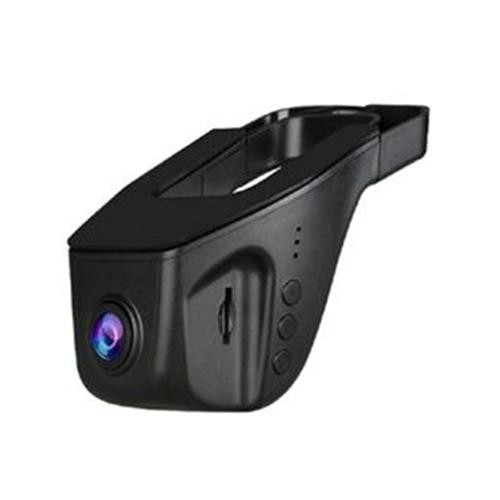

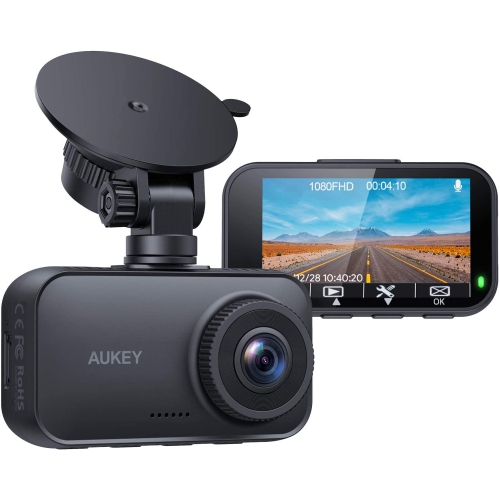

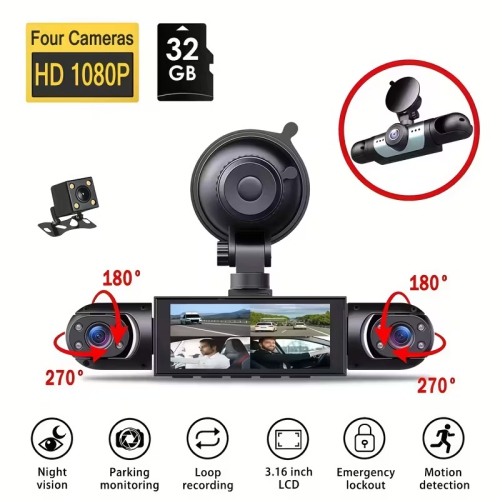
Clearer views for towing, reversing, and navigating tight spaces
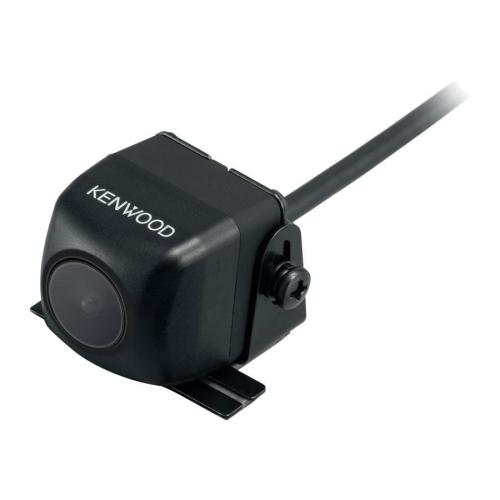
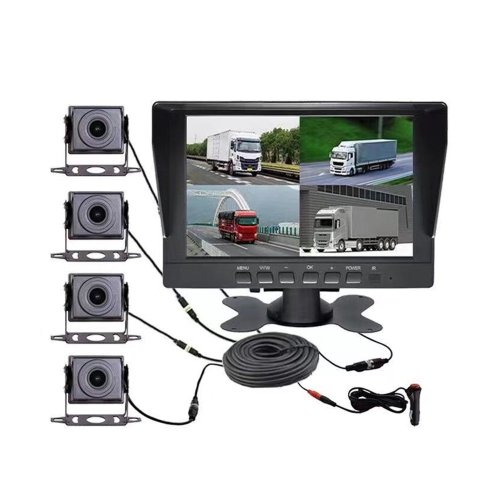
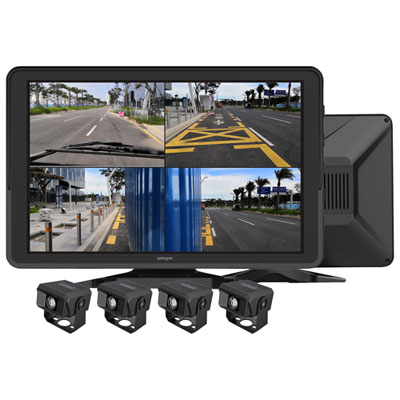
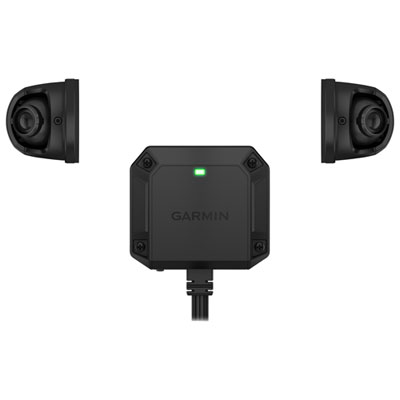
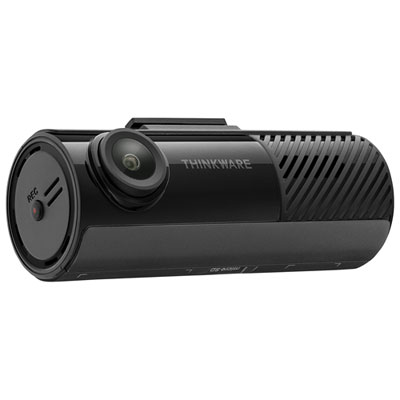
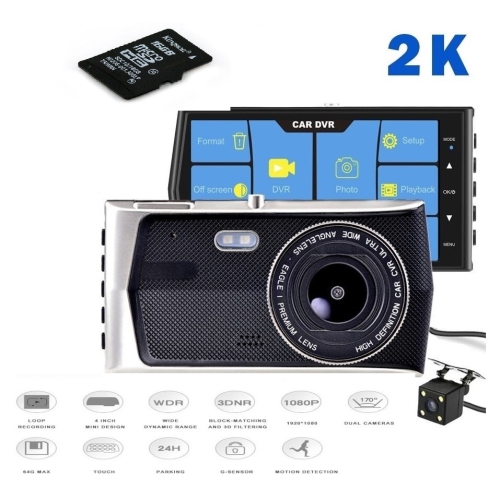
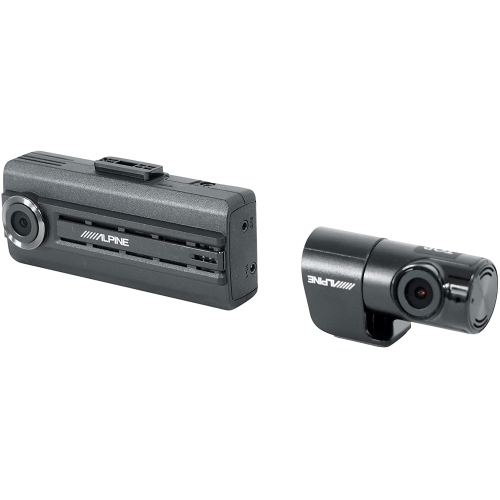
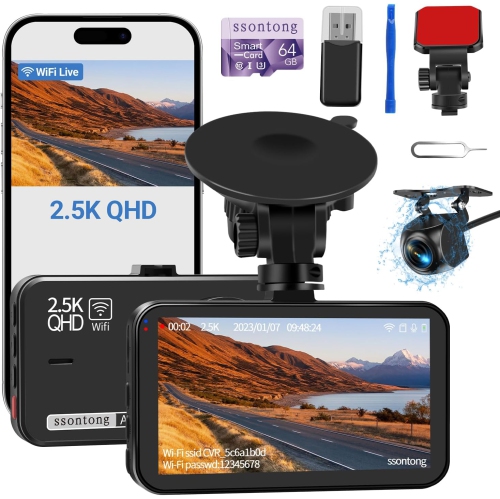
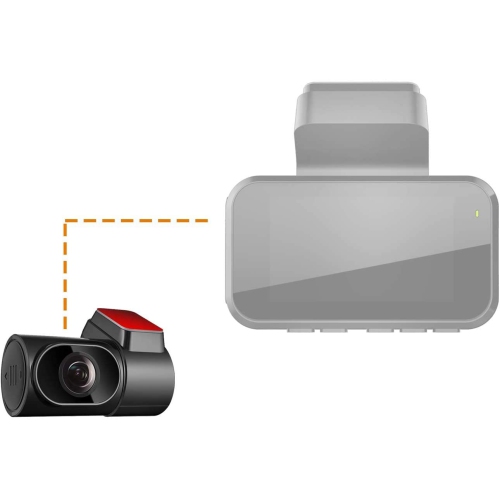
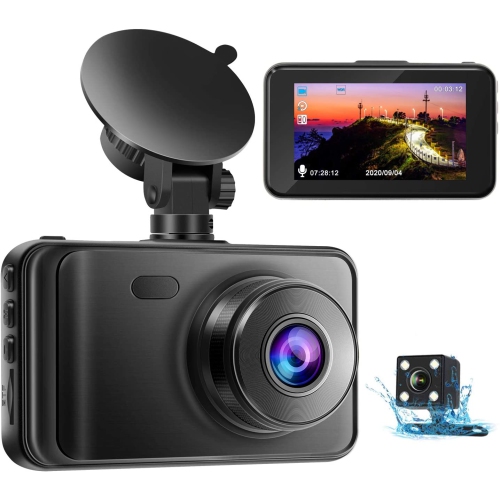
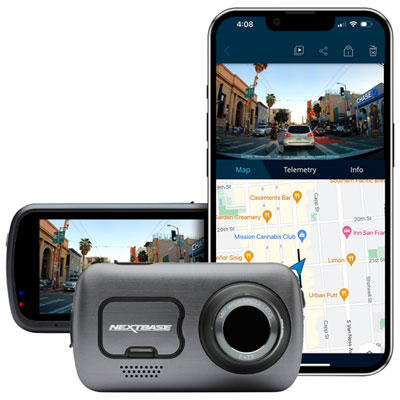
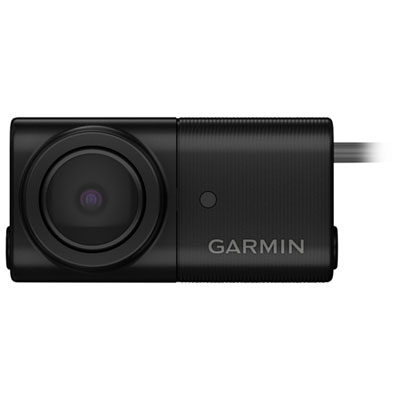
Truck cameras can make a noticeable difference whenever a large vehicle needs a clearer view of its surroundings. A pickup truck towing a trailer, a delivery vehicle making frequent stops, a recreational vehicle travelling unfamiliar roads, and a commercial rig navigating loading areas can all benefit from added visibility. Depending on the setup, truck cameras may provide a live view behind the vehicle, record the road ahead, monitor side areas, or help reduce blind spots that are difficult to check using mirrors alone. Backup and reversing cameras are especially useful when hitching a trailer, lining up with a loading dock, reversing into a narrow driveway, or manoeuvring through a busy campground. For box trucks and other vehicles with limited rear visibility, a dedicated Backup Cameras for Box Trucks system can offer a more practical view than relying solely on mirrors. Some cameras use wired connections for a dependable signal, while wireless designs can simplify installation and may be convenient for trailers or vehicles where running a long cable is challenging. A monitor mounted on the dashboard or within the cab can display the camera feed, and certain systems switch automatically to the rear view when reverse gear is selected. Before choosing a camera, consider the size and layout of the truck, whether a trailer will be attached regularly, how much of the vehicle needs to be visible, and whether the display should remain on continuously or activate only during reversing.
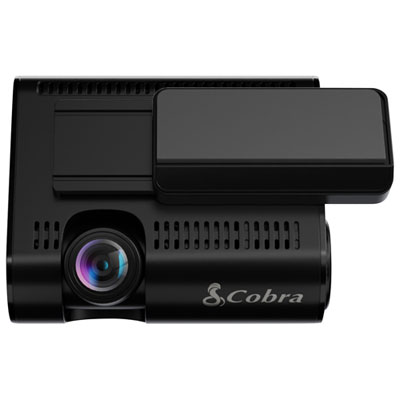
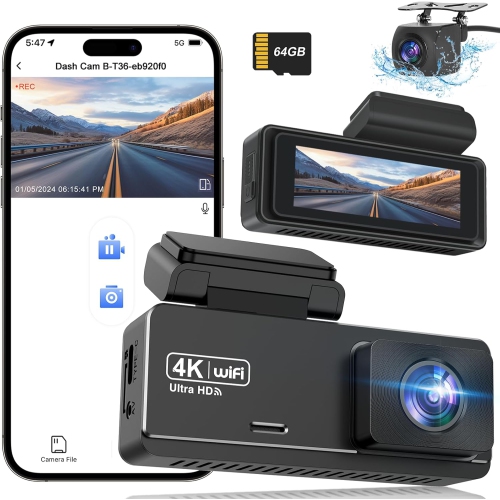
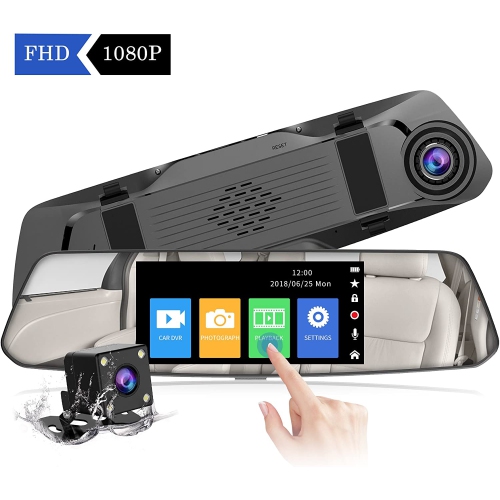
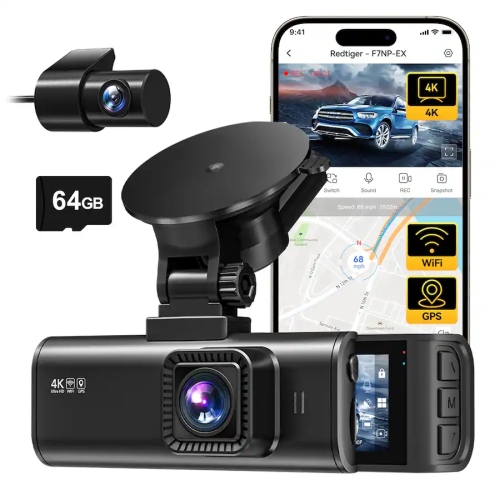
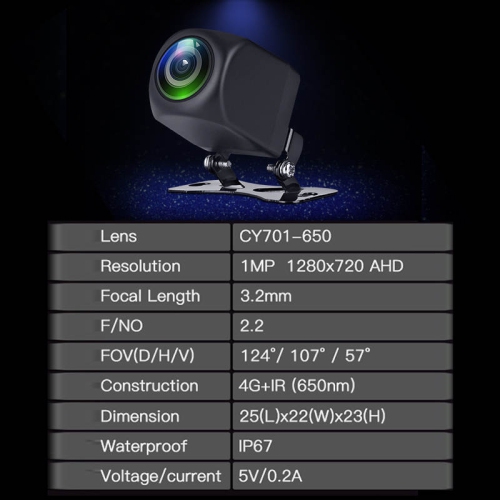
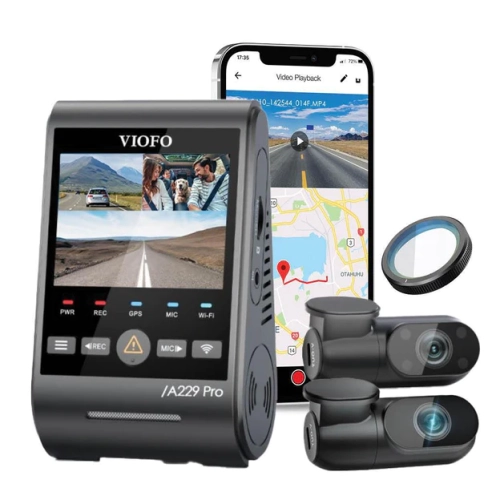
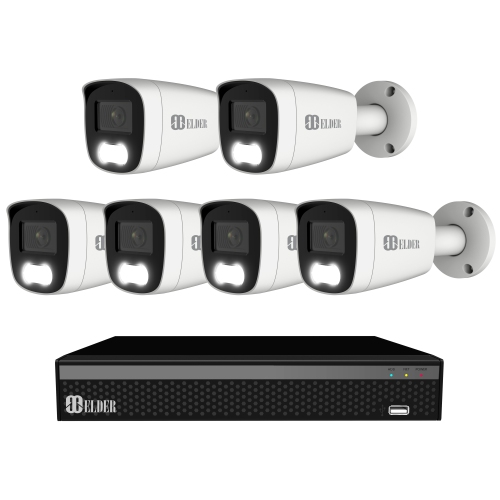
Image quality is another important consideration, particularly for drivers who spend time on highways, in poorly lit yards, or on roads where rain, snow, dust, and road spray can quickly reduce visibility. Full HD resolution can provide a detailed view for everyday reversing and recording, while higher-resolution cameras may make signs, lane markings, and nearby vehicles easier to distinguish. A wide viewing angle can reveal more of the area behind or beside a truck, although an extremely wide lens may make objects appear farther away than they are. Parking guidelines, distance markers, and adjustable viewing angles can help with judging the position of a hitch, trailer corner, loading platform, or curb. Night vision is valuable during early departures, evening arrivals, and darker rural routes; infrared illumination or a low-light image sensor can help the camera produce a usable picture when natural light is limited. Weather resistance also matters because a camera mounted outside the vehicle must handle rain, road grime, mud, and changing temperatures. Look for a durable housing and a suitable water-resistance rating, particularly when the camera will be installed near a bumper, side mirror, trailer, or rear door. A lens cover that is easy to clean can be helpful after driving through wet or dusty conditions. For dash camera systems, recording features such as loop recording, automatic file protection, a wide dynamic range, and support for a high-capacity memory card can make everyday use more convenient. Loop recording allows older footage to be overwritten when storage is full, while impact detection can help protect clips if a collision or sudden movement is detected. Some setups support front, rear, and side cameras at the same time, creating a multi-channel view that can be useful for large trucks, buses, motorhomes, and vehicles that regularly change lanes or make tight turns. Other systems focus on one specific task, such as reversing or monitoring a trailer, and may be the better fit when a straightforward installation is preferred.
The right truck camera depends on how the vehicle is used and who will be operating it. A driver who spends most of the day delivering goods may value a reliable rear view, clear visibility around loading zones, and recording that can document road conditions or unexpected incidents. Someone towing a boat, utility trailer, or camper may prioritize a wireless camera that helps with hitching, backing into a site, and checking traffic behind the trailer without repeatedly getting out of the cab. Owners of pickup trucks may appreciate a compact backup camera for crowded parking lots, narrow driveways, and weekend trips when the truck is carrying equipment that blocks the rear window. Professional fleets may look for broader coverage, multiple camera inputs, driver assistance alerts, blind-spot monitoring, or a 360-degree view that helps with busy depots and urban streets. Installation should be planned around power access, cable routing, camera placement, and the position of the monitor. A camera should be mounted securely without obstructing lights, licence plates, doors, mirrors, or the driver’s forward view. Wireless models still need a reliable power source and may be affected by distance, interference, or obstructions between the camera and display, while wired systems generally require more installation work but can provide a consistent connection. It is also worth checking whether the camera is designed for a 12-volt vehicle system, whether a trailer connection is included, and whether additional cables, brackets, memory cards, or professional installation may be needed. Truck cameras can be a thoughtful gift for a new truck owner, a family member who tows recreational equipment, a tradesperson who works from a service vehicle, or a driver preparing for longer journeys during the warmer and cooler seasons. They can also be a practical addition for someone who finds large vehicles intimidating in tight spaces, offering a more complete view of the area around the vehicle while complementing careful mirror checks and safe driving habits. With the right combination of coverage, image quality, durability, recording, and installation features, a truck camera can become a dependable part of everyday driving rather than an occasional accessory used only when reversing.
Image quality is another important consideration, particularly for drivers who spend time on highways, in poorly lit yards, or on roads where rain, snow, dust, and road spray can quickly reduce visibility. Full HD resolution can provide a detailed view for everyday reversing and recording, while higher-resolution cameras may make signs, lane markings, and nearby vehicles easier to distinguish. A wide viewing angle can reveal more of the area behind or beside a truck, although an extremely wide lens may make objects appear farther away than they are. Parking guidelines, distance markers, and adjustable viewing angles can help with judging the position of a hitch, trailer corner, loading platform, or curb. Night vision is valuable during early departures, evening arrivals, and darker rural routes; infrared illumination or a low-light image sensor can help the camera produce a usable picture when natural light is limited. Weather resistance also matters because a camera mounted outside the vehicle must handle rain, road grime, mud, and changing temperatures. Look for a durable housing and a suitable water-resistance rating, particularly when the camera will be installed near a bumper, side mirror, trailer, or rear door. A lens cover that is easy to clean can be helpful after driving through wet or dusty conditions. For dash camera systems, recording features such as loop recording, automatic file protection, a wide dynamic range, and support for a high-capacity memory card can make everyday use more convenient. Loop recording allows older footage to be overwritten when storage is full, while impact detection can help protect clips if a collision or sudden movement is detected. Some setups support front, rear, and side cameras at the same time, creating a multi-channel view that can be useful for large trucks, buses, motorhomes, and vehicles that regularly change lanes or make tight turns. Other systems focus on one specific task, such as reversing or monitoring a trailer, and may be the better fit when a straightforward installation is preferred.
The right truck camera depends on how the vehicle is used and who will be operating it. A driver who spends most of the day delivering goods may value a reliable rear view, clear visibility around loading zones, and recording that can document road conditions or unexpected incidents. Someone towing a boat, utility trailer, or camper may prioritize a wireless camera that helps with hitching, backing into a site, and checking traffic behind the trailer without repeatedly getting out of the cab. Owners of pickup trucks may appreciate a compact backup camera for crowded parking lots, narrow driveways, and weekend trips when the truck is carrying equipment that blocks the rear window. Professional fleets may look for broader coverage, multiple camera inputs, driver assistance alerts, blind-spot monitoring, or a 360-degree view that helps with busy depots and urban streets. Installation should be planned around power access, cable routing, camera placement, and the position of the monitor. A camera should be mounted securely without obstructing lights, licence plates, doors, mirrors, or the driver’s forward view. Wireless models still need a reliable power source and may be affected by distance, interference, or obstructions between the camera and display, while wired systems generally require more installation work but can provide a consistent connection. It is also worth checking whether the camera is designed for a 12-volt vehicle system, whether a trailer connection is included, and whether additional cables, brackets, memory cards, or professional installation may be needed. Truck cameras can be a thoughtful gift for a new truck owner, a family member who tows recreational equipment, a tradesperson who works from a service vehicle, or a driver preparing for longer journeys during the warmer and cooler seasons. They can also be a practical addition for someone who finds large vehicles intimidating in tight spaces, offering a more complete view of the area around the vehicle while complementing careful mirror checks and safe driving habits. With the right combination of coverage, image quality, durability, recording, and installation features, a truck camera can become a dependable part of everyday driving rather than an occasional accessory used only when reversing.
Top selling and popular products
-
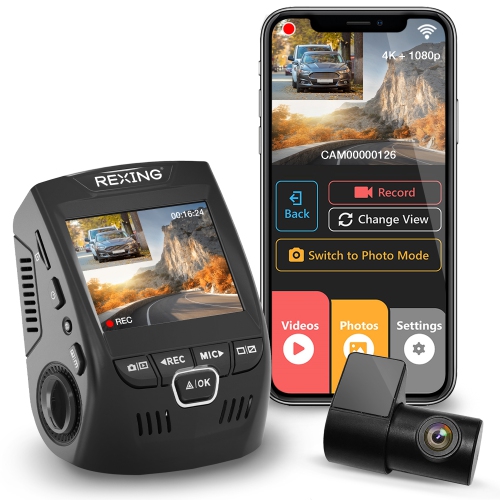 Your price for this item is $159.99
 -
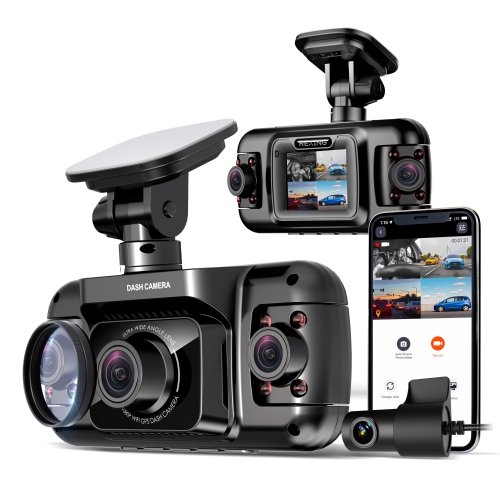 Your price for this item is $327.99
 -
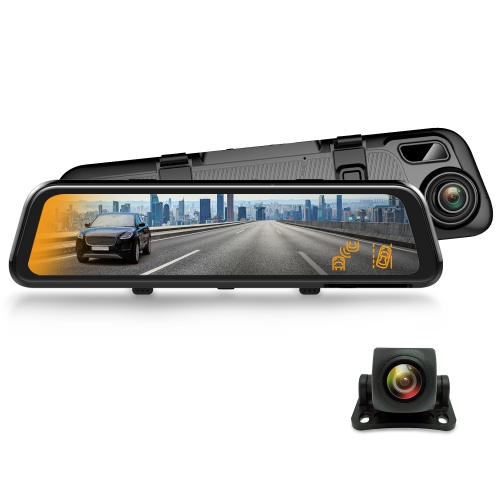 Your price for this item is $129.99
 -
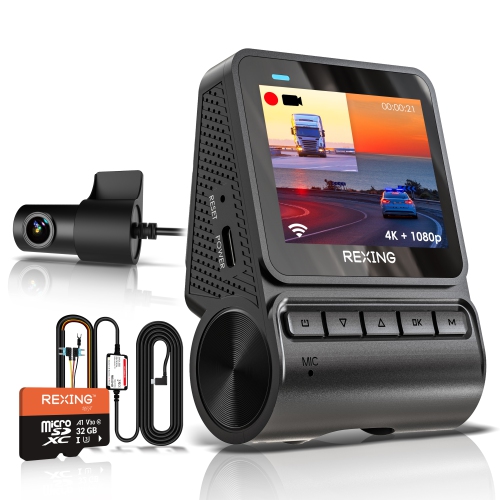 Your price for this item is $229.99
 -
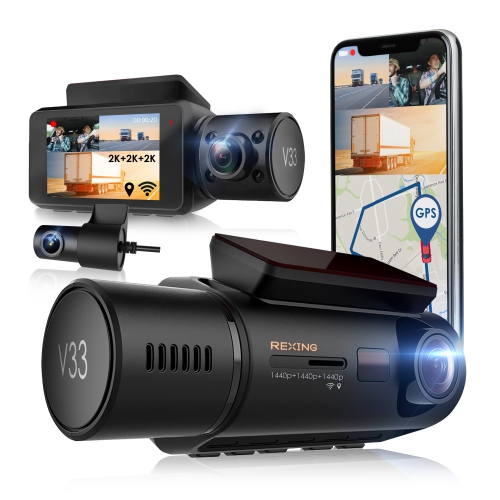 Your price for this item is $327.99
 -
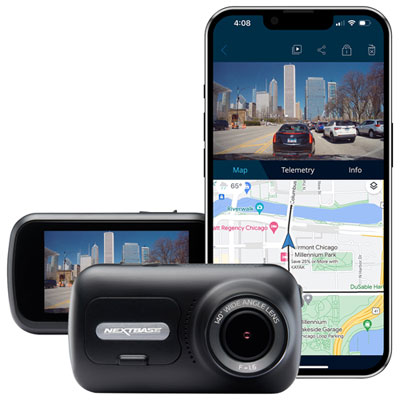 Your price for this item is $199.99
 -
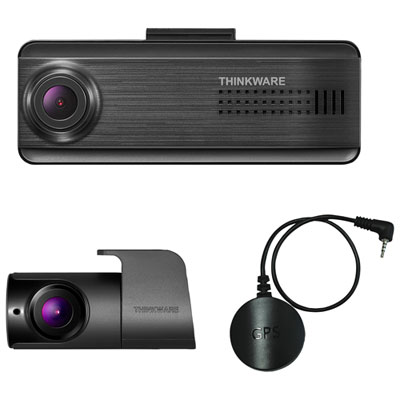 Your price for this item is $179.99
 -
 Your price for this item is $349.99
Discover more categories related to Truck Cameras

Top Collections:
Pokemon Centers, Kindle Devices, Best Budget Office Chairs, Apple iPhones 16, Best Laptops for Writers, iPhone 15 Apple, Canon G7X Cameras, Refurbished Apple Laptops, Alarm Clock, Motorola Razr Phones
Some products may be subject to Environmental Handling Fees
(EHF) depending on your province.
Learn more about EHFs.