Water Pressure Gauge
Accurate water pressure management is essential for maintaining the efficiency and longevity of your plumbing system. A reliable water pressure gauge is a crucial tool for monitoring and ensuring optimal water flow in residential, commercial, or industrial settings. Whether you're a homeowner looking to maintain your household's plumbing health or a professional seeking precise measurements for larger systems, a quality water pressure gauge can provide the insights you need. Explore a range of options designed to help you keep your water systems running smoothly and efficiently.
Sort

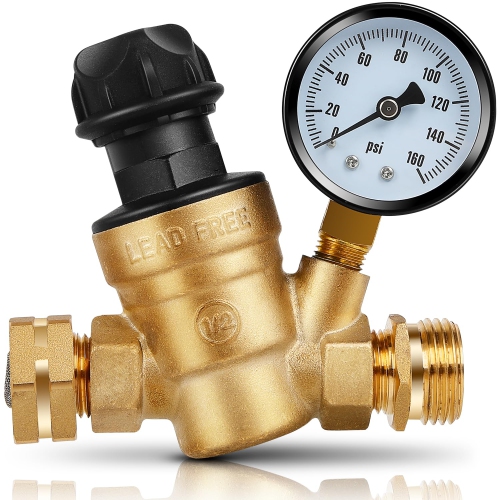
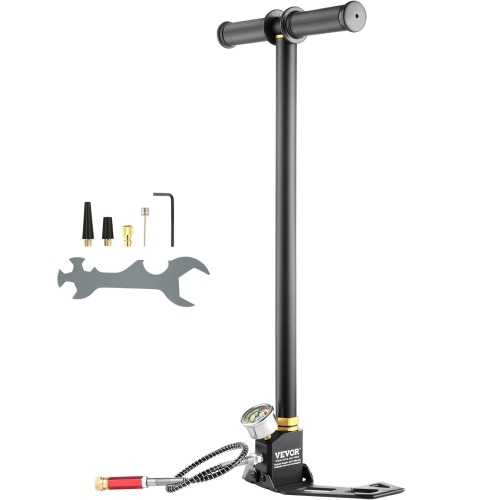
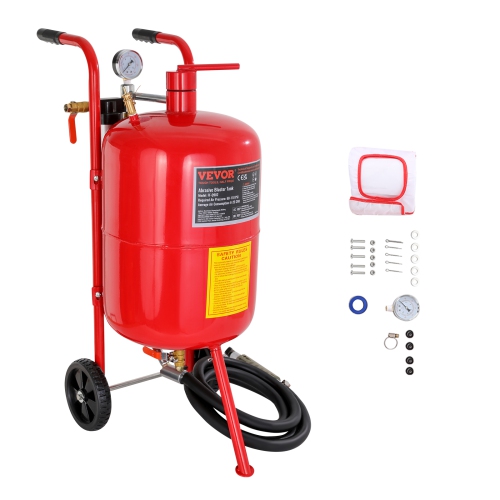
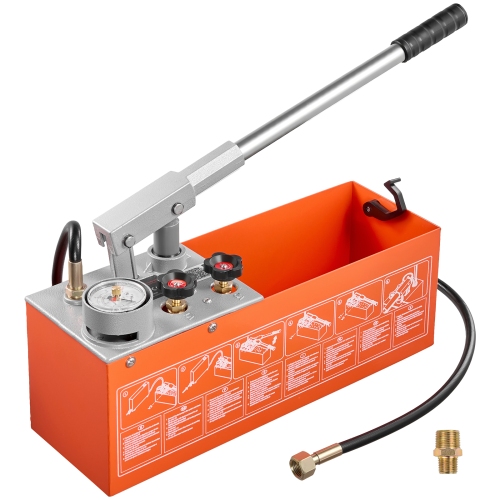
What pressure readings reveal about your home’s plumbing
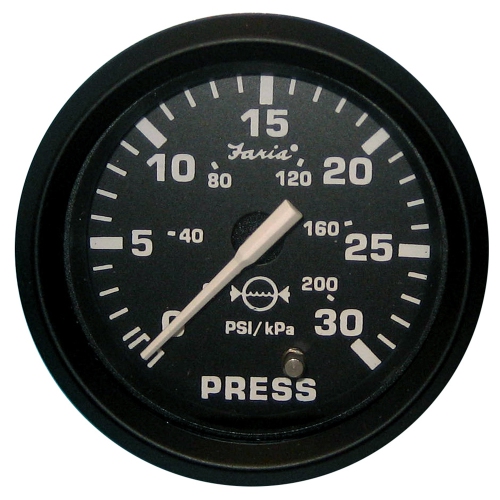
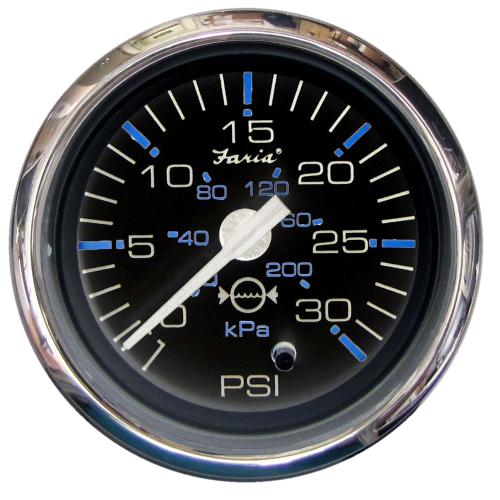
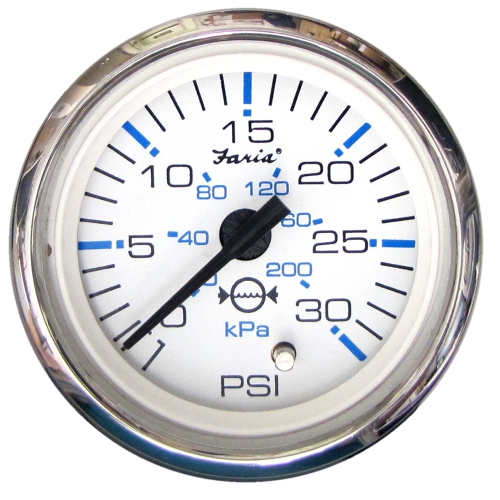
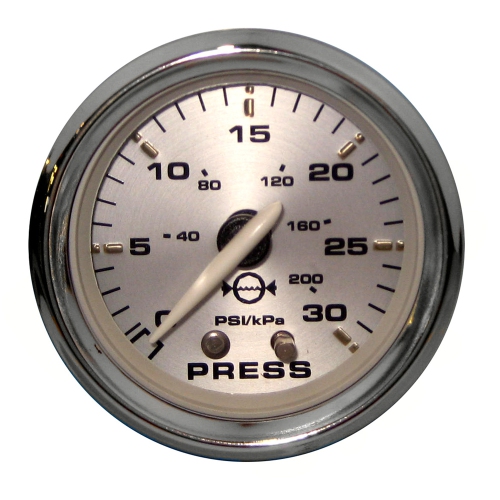
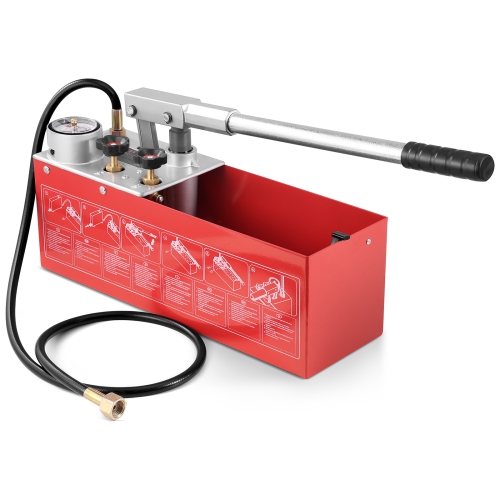
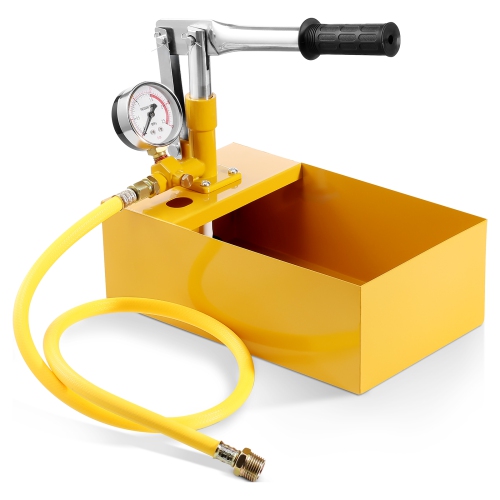
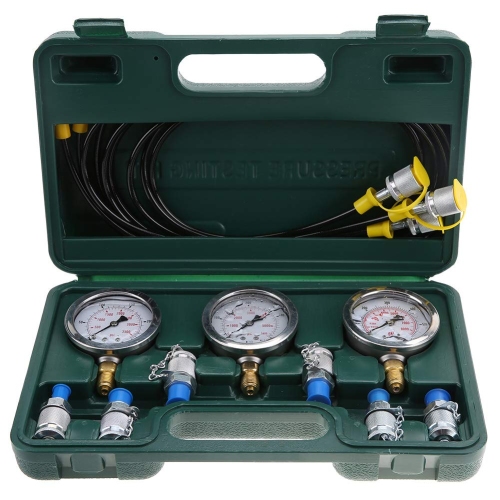
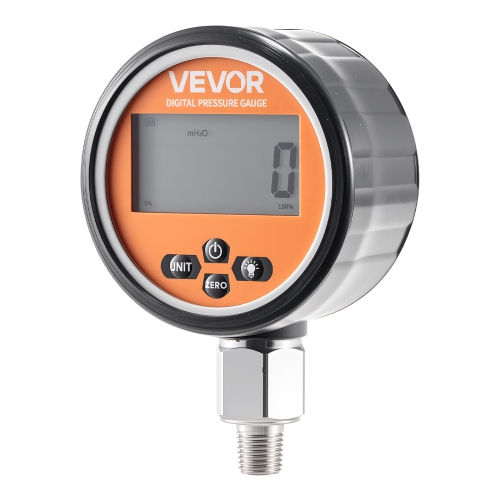
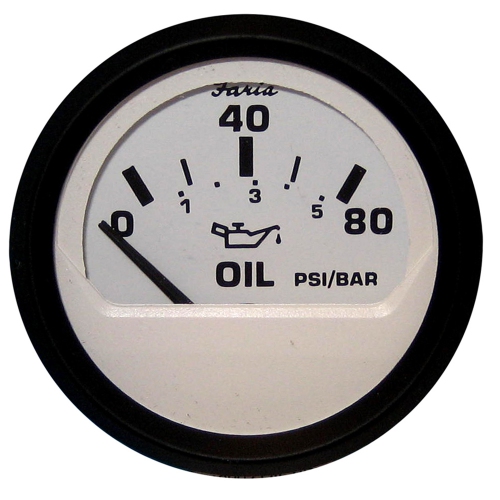
A water pressure gauge measures the pressure of water inside a plumbing line, giving a clear numerical reading of conditions that are otherwise difficult to judge from a running tap. Most display pressure in pounds per square inch, marked as PSI, while some also show kilopascals, or kPa, for a metric reference. These instruments are useful for homeowners checking household water pressure, property managers comparing readings across buildings, and tradespeople assessing plumbing, irrigation, or filtration equipment. A weak shower, a hose that loses strength when another tap opens, or unusually forceful water at a laundry connection can all prompt a closer look. The gauge provides a measurement rather than a diagnosis: low flow can also result from a blocked aerator, a partially closed valve, or restricted pipework. Static pressure is measured when no water is being used, while a reading taken during water use shows how pressure changes under demand. Many homes operate comfortably around 40–60 PSI, although the appropriate range depends on the plumbing system, equipment requirements, and local rules. Readings above 80 PSI generally warrant assessment by a qualified plumber, since excessive pressure can strain appliance hoses, valves, and plumbing connections. A pressure gauge does not reduce pressure or prevent surges; it helps reveal conditions that may need attention. For occasional household checks, a portable gauge with a hose-thread connection offers a straightforward format. Permanently mounted gauges serve a different purpose, providing a visible reading at a pump, filter, or other suitable point in a system. Matching the instrument to that purpose matters more than choosing the largest dial or highest pressure rating. Someone checking a garden tap a few times a year has different needs from someone monitoring a well pump or watching pressure changes across water treatment equipment. In each case, a readable scale, a suitable connection, and compatibility with the water supply are the foundations of a useful measurement.
Connection type and physical fit are central considerations when comparing water pressure gauges. Many portable household testers attach to a standard 3/4-inch garden hose connection, such as a compatible outdoor hose bib or laundry supply outlet. That fitting is not interchangeable with the tapered pipe threads found on many gauges designed for fixed installation, even when the stated sizes look similar. A hose-thread fitting usually seals against a washer, whereas a pipe-thread connection may require an appropriate sealant according to its installation instructions. A missing washer, damaged thread, or poorly matched adapter can create a leak and make testing less reliable. Lower-mounted and rear-mounted connections also place the dial differently, which matters when a gauge must fit beside a wall, below a laundry sink, or within a compact equipment assembly. Dial diameter, contrasting markings, and clearly spaced increments affect readability, especially in a dim utility room. The measurement range should cover the pressure expected in the system with suitable headroom, while still offering enough detail for the task. A very broad scale can make small household pressure changes harder to distinguish. Accuracy specifications are worth considering alongside range because a finely marked face alone does not guarantee precise readings. Analogue gauges show pressure with a pointer and need no battery, while digital formats can offer a numerical display and additional functions, depending on the design. A maximum-reading pointer can retain the highest pressure reached during a test period, helping reveal changes that an occasional glance might miss. It does not necessarily capture every rapid pressure transient, however, and should not be treated as a complete assessment of water hammer. For an accurate static reading, the gauge needs a suitable water connection, an open supply valve, and no active water use elsewhere in the system, including automatic appliances. This makes it easier to compare readings taken at different times without confusing normal demand-related changes with a persistent pressure issue.
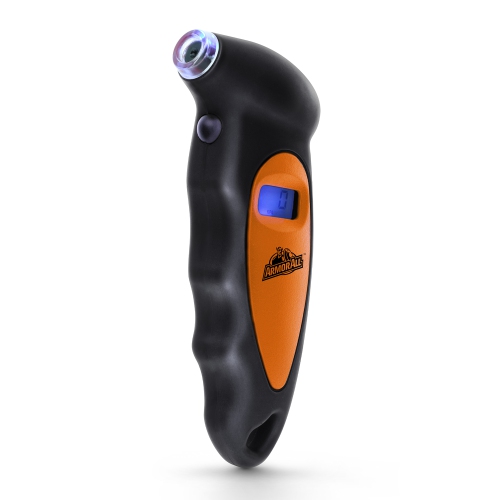
Materials, temperature limits, and care requirements help distinguish a gauge suited to occasional checks from one intended for regular service. Brass and stainless steel are common connection materials, while cases and dial windows may use metal, plastic, or glass. The right combination depends on exposure to moisture, the possibility of knocks, and the medium being measured. A metal housing can offer useful protection in a busy tool bag, but housing strength does not establish the pressure rating or suitability for drinking water. Components that contact potable water should be specifically approved for that application, and a gauge intended for cold water should not be assumed suitable for a hot-water line. Likewise, equipment used with pool chemicals, heating fluids, or other liquids requires compatibility with those substances. Liquid-filled gauges can damp pointer movement where pumps or vibration make a dry dial difficult to read, though filling alone does not guarantee better accuracy. Around a well pump, a steady, legible display can help make cycling behaviour easier to observe; near a filter, pressure readings can support maintenance checks when interpreted according to the system’s instructions. For portable gauges, allowing residual water to drain before storage is particularly important during the cooler months, when water trapped inside a fitting or sensing element could freeze and cause damage. A dry storage space, protection from drops, and a quick inspection of the washer and threads help keep the instrument ready for its next use. A pointer that fails to return to zero, a cracked window, or leakage at the body calls for assessment or replacement rather than guesswork. Water and air pressure tools may share familiar units, but their fittings and intended applications differ; a Tire Gauge is designed for tyre valve connections rather than household water outlets. For a home maintenance kit or a practical gift for someone who looks after a property, a water pressure gauge is most useful when its connection, range, and construction match the work at hand. Those details turn a simple dial into a dependable reference for routine plumbing checks and informed conversations with a professional.
Connection type and physical fit are central considerations when comparing water pressure gauges. Many portable household testers attach to a standard 3/4-inch garden hose connection, such as a compatible outdoor hose bib or laundry supply outlet. That fitting is not interchangeable with the tapered pipe threads found on many gauges designed for fixed installation, even when the stated sizes look similar. A hose-thread fitting usually seals against a washer, whereas a pipe-thread connection may require an appropriate sealant according to its installation instructions. A missing washer, damaged thread, or poorly matched adapter can create a leak and make testing less reliable. Lower-mounted and rear-mounted connections also place the dial differently, which matters when a gauge must fit beside a wall, below a laundry sink, or within a compact equipment assembly. Dial diameter, contrasting markings, and clearly spaced increments affect readability, especially in a dim utility room. The measurement range should cover the pressure expected in the system with suitable headroom, while still offering enough detail for the task. A very broad scale can make small household pressure changes harder to distinguish. Accuracy specifications are worth considering alongside range because a finely marked face alone does not guarantee precise readings. Analogue gauges show pressure with a pointer and need no battery, while digital formats can offer a numerical display and additional functions, depending on the design. A maximum-reading pointer can retain the highest pressure reached during a test period, helping reveal changes that an occasional glance might miss. It does not necessarily capture every rapid pressure transient, however, and should not be treated as a complete assessment of water hammer. For an accurate static reading, the gauge needs a suitable water connection, an open supply valve, and no active water use elsewhere in the system, including automatic appliances. This makes it easier to compare readings taken at different times without confusing normal demand-related changes with a persistent pressure issue.
Materials, temperature limits, and care requirements help distinguish a gauge suited to occasional checks from one intended for regular service. Brass and stainless steel are common connection materials, while cases and dial windows may use metal, plastic, or glass. The right combination depends on exposure to moisture, the possibility of knocks, and the medium being measured. A metal housing can offer useful protection in a busy tool bag, but housing strength does not establish the pressure rating or suitability for drinking water. Components that contact potable water should be specifically approved for that application, and a gauge intended for cold water should not be assumed suitable for a hot-water line. Likewise, equipment used with pool chemicals, heating fluids, or other liquids requires compatibility with those substances. Liquid-filled gauges can damp pointer movement where pumps or vibration make a dry dial difficult to read, though filling alone does not guarantee better accuracy. Around a well pump, a steady, legible display can help make cycling behaviour easier to observe; near a filter, pressure readings can support maintenance checks when interpreted according to the system’s instructions. For portable gauges, allowing residual water to drain before storage is particularly important during the cooler months, when water trapped inside a fitting or sensing element could freeze and cause damage. A dry storage space, protection from drops, and a quick inspection of the washer and threads help keep the instrument ready for its next use. A pointer that fails to return to zero, a cracked window, or leakage at the body calls for assessment or replacement rather than guesswork. Water and air pressure tools may share familiar units, but their fittings and intended applications differ; a Tire Gauge is designed for tyre valve connections rather than household water outlets. For a home maintenance kit or a practical gift for someone who looks after a property, a water pressure gauge is most useful when its connection, range, and construction match the work at hand. Those details turn a simple dial into a dependable reference for routine plumbing checks and informed conversations with a professional.
Top selling and popular products
-
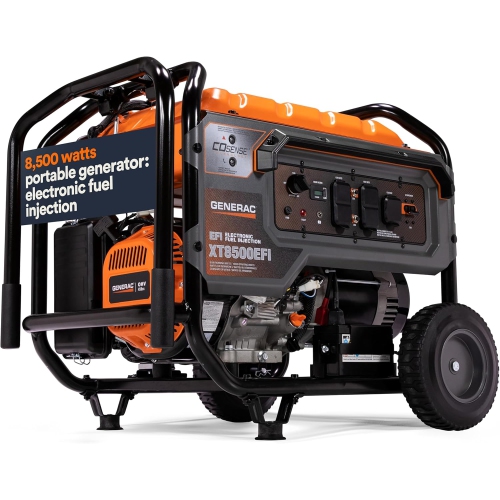 Your price for this item is $3000
 -
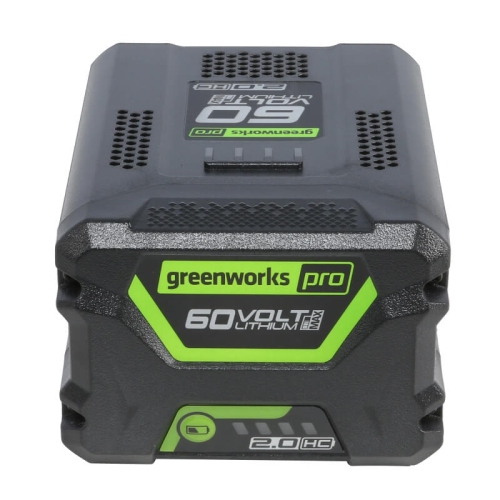 Your price for this item is $124.45
 -
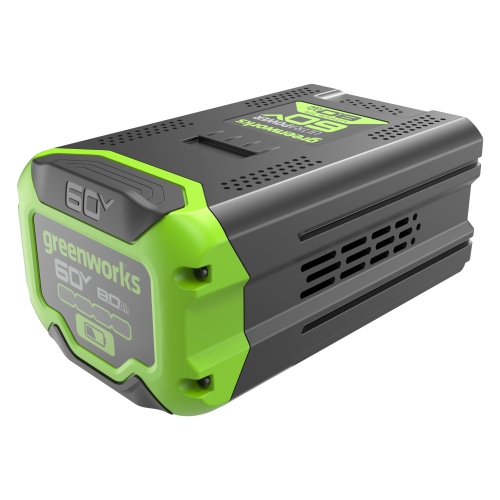 Your price for this item is $329.99
 -
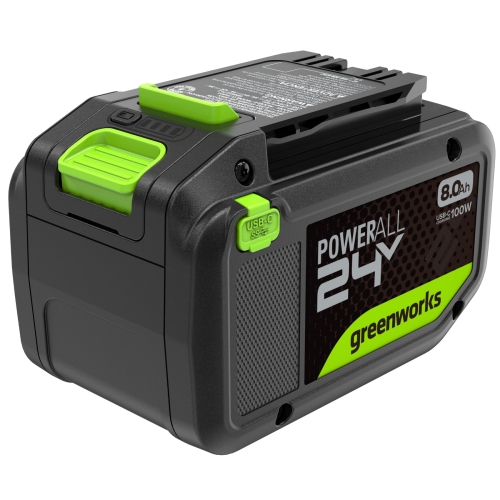 Your price for this item is $139.99
 -
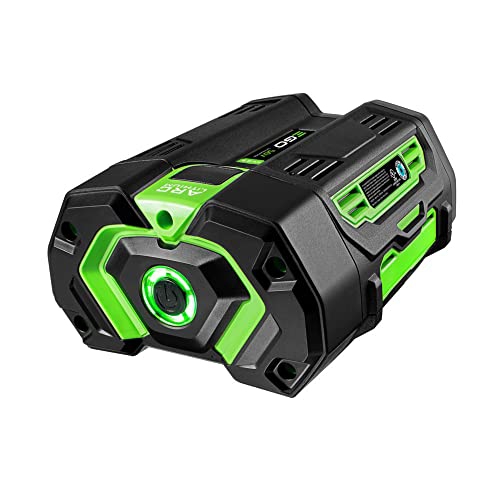 Your price for this item is $264
 -
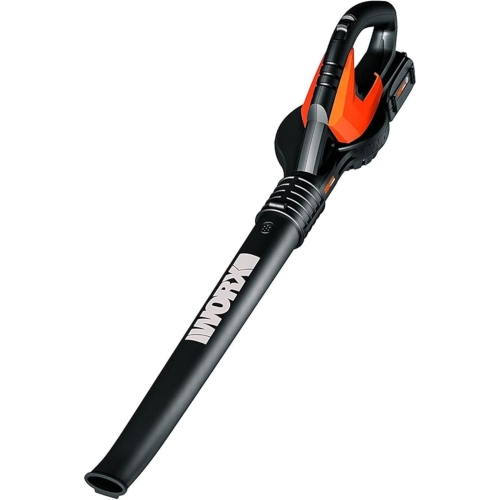 Your price for this item is $217.55
 -
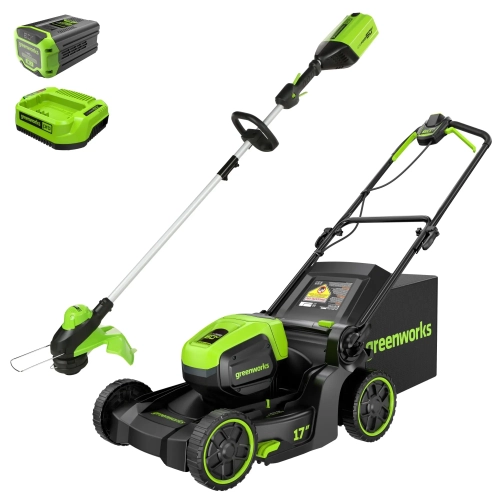 Your price for this item is $739.99
 -
 Your price for this item is $599.99
Discover more categories related to Water Pressure Gauge
Top Collections:
Pokemon Centers, Kindle Devices, Best Budget Office Chairs, Apple iPhones 16, Best Laptops for Writers, iPhone 15 Apple, Canon G7X Cameras, Refurbished Apple Laptops, Alarm Clock, Motorola Razr Phones
Some products may be subject to Environmental Handling Fees
(EHF) depending on your province.
Learn more about EHFs.