VHF Radios
Stay connected and enhance your communication on the water or in remote locations with a VHF Radio. Whether you’re an avid boater, outdoor enthusiast, or need reliable two-way communication for work or recreation, a VHF Radio offers dependable performance to keep you in touch when it matters most. Explore a range of options designed to meet your needs and enjoy added confidence wherever your adventures take you.
Sort

Communication on the water without relying on cellular coverage
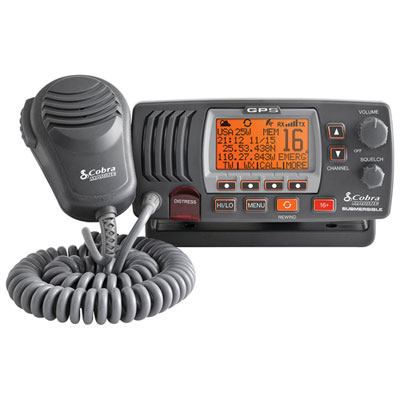
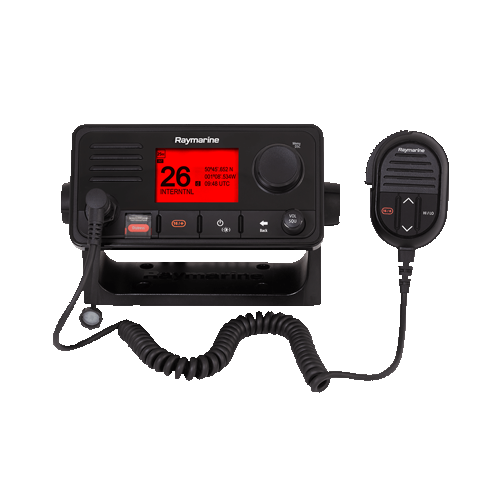
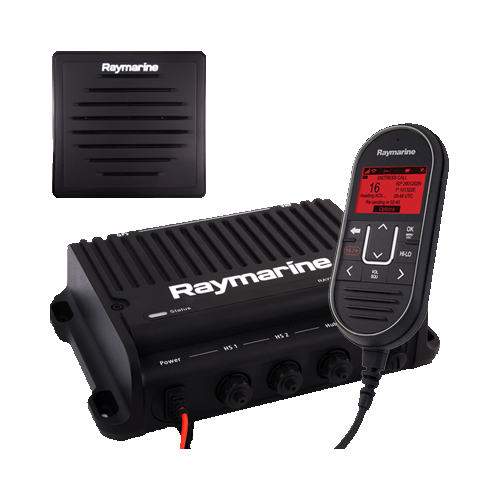
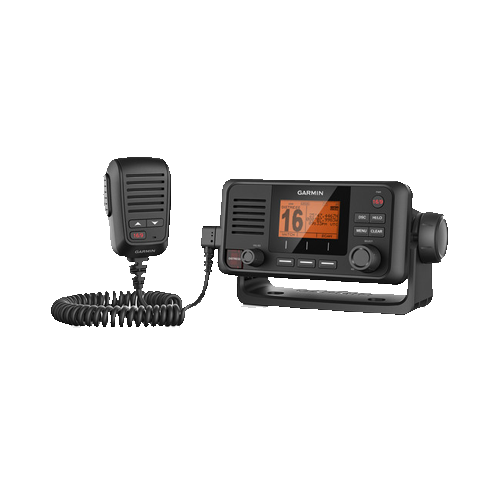
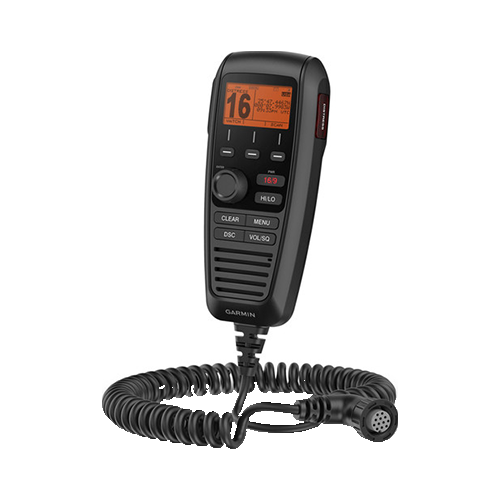
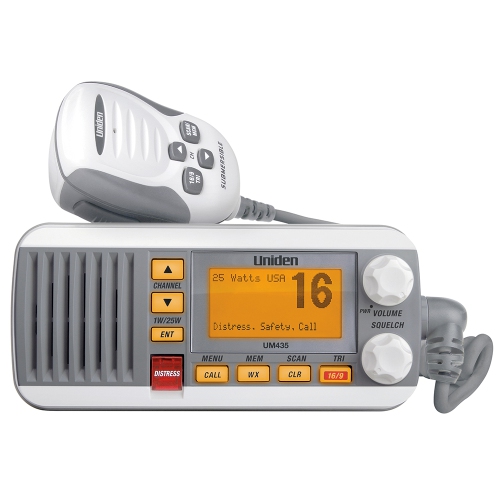
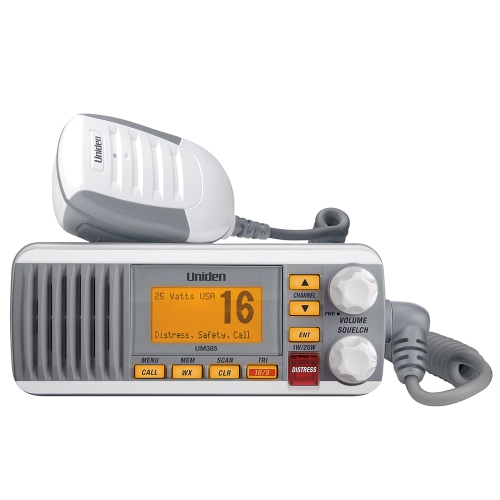
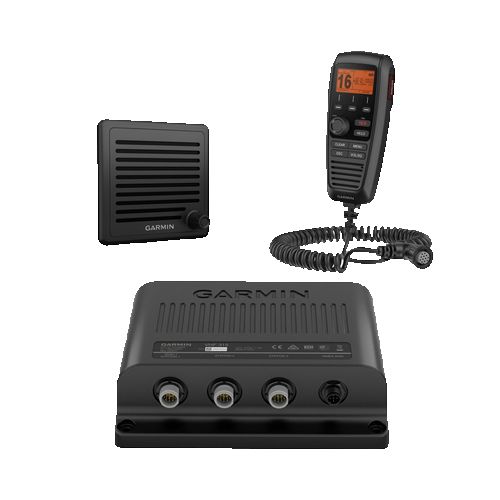
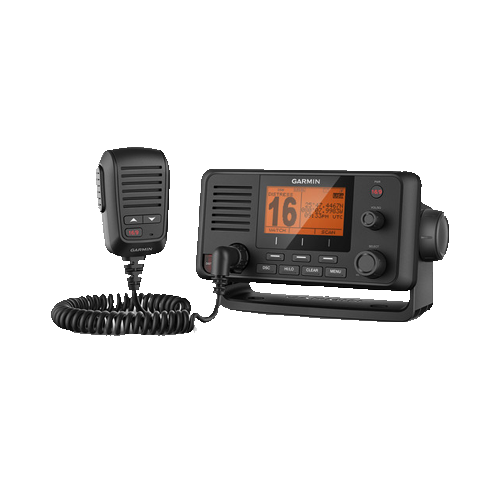
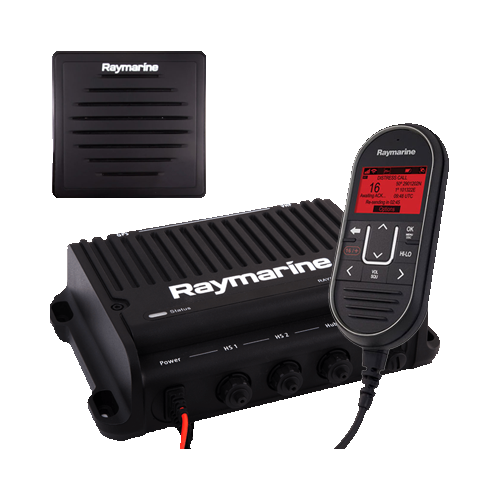
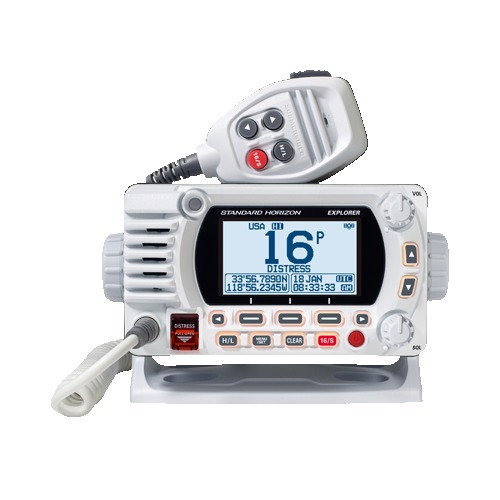
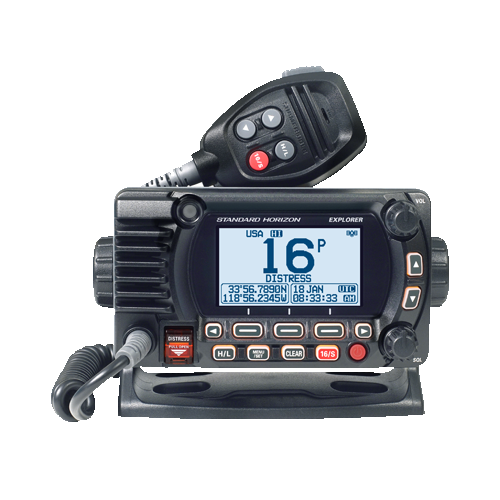
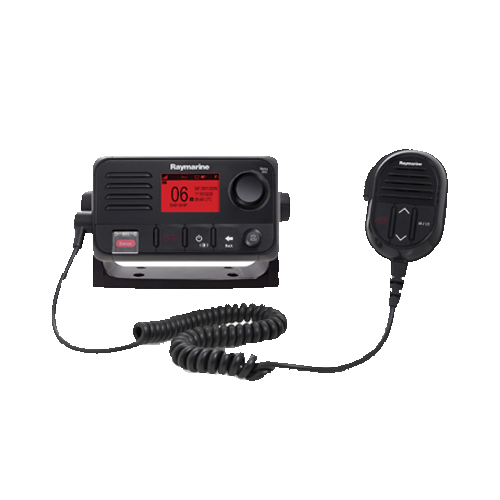
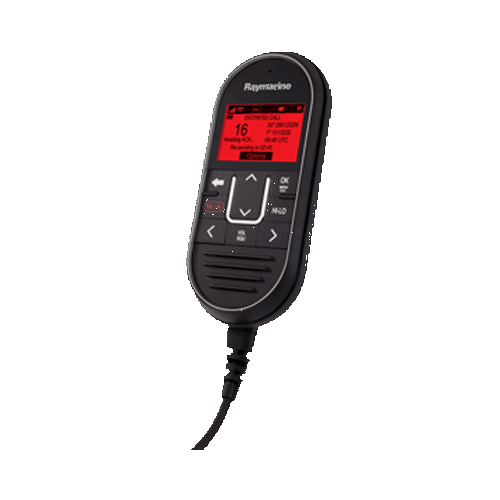
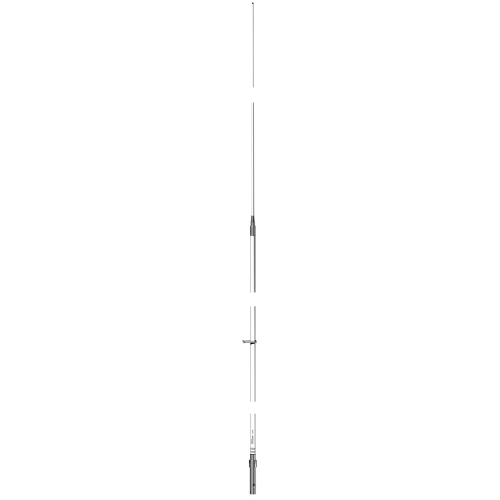
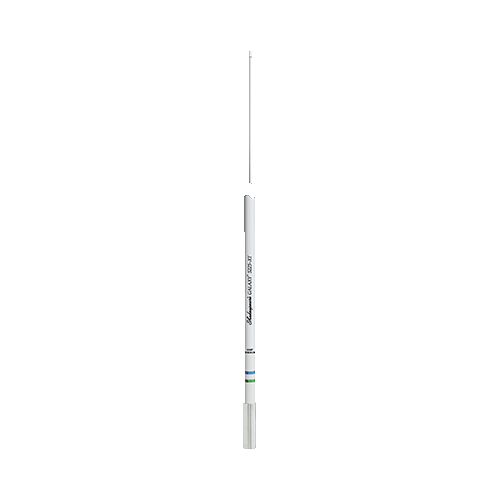
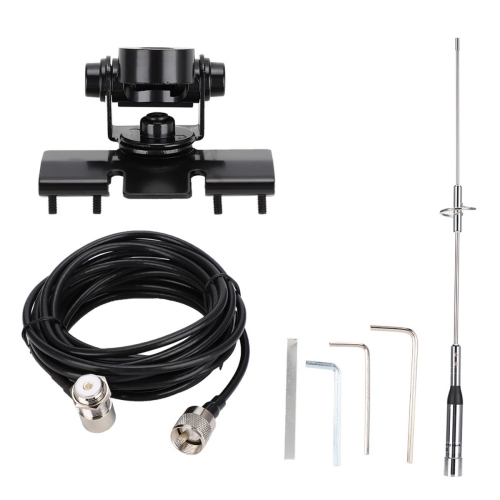
VHF radios provide short-range, two-way communication between boats, marinas, shore stations, and marine emergency responders. VHF stands for very high frequency, and marine VHF radios operate on designated channels that help people on the water stay in touch without relying on cellular coverage. For recreational boaters, anglers, sailors, and working crews, that connection can be useful for anything from arranging a marina arrival to requesting assistance when a trip takes an unexpected turn. Unlike a phone call to one person, a marine VHF transmission can be heard by other stations monitoring the same channel and within radio range. That shared communication is particularly valuable when nearby vessels may be able to help. Handheld and fixed-mount VHF radios serve different needs: handheld units have their own batteries and compact antennas, while fixed-mount units connect to a vessel’s electrical supply and a separate marine antenna. Marine VHF communication is largely line of sight, so antenna height, terrain, obstructions, and installation quality all affect usable range. A low handheld antenna close to the water generally offers less reach than a properly installed antenna mounted higher on a boat. Fixed-mount marine radios commonly provide up to 25 watts of transmit power, while handheld units typically operate at lower power levels. Higher power can help, but it does not overcome every obstruction or guarantee a particular distance. For that reason, a stated maximum range is less useful on its own than understanding where and how the radio will be used. Sheltered bays, open stretches of water, and shorelines bordered by steep hills can produce very different results. Marine VHF radios are designed for marine communications rather than casual conversations on land, and they are not interchangeable with ordinary recreational walkie-talkies. Choosing a radio intended for Canadian marine use helps ensure its channel settings and functions suit boating here, whether the trip involves a small fishing boat, a family cruiser, or a sailboat with a dedicated helm station.
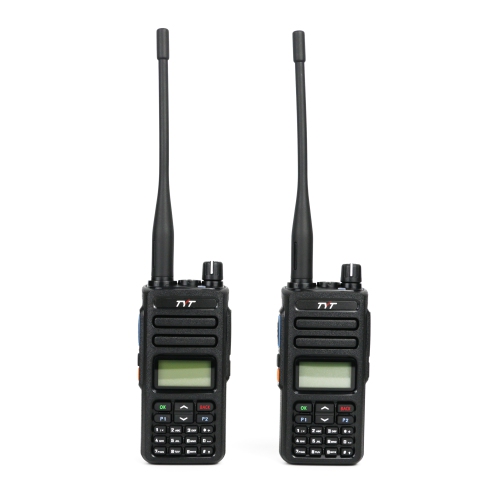
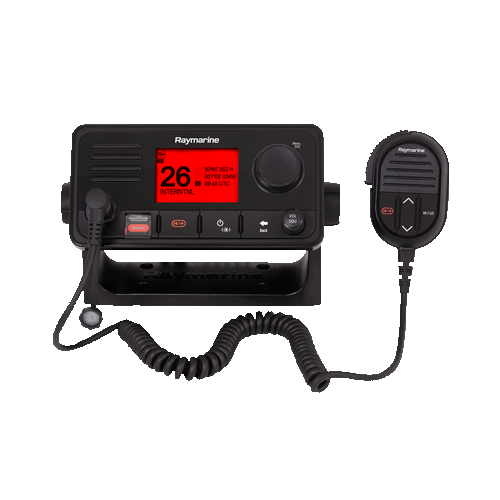
Portability is often the deciding factor for smaller craft, shared boats, and boaters who want a backup within easy reach. Handheld Vhf Marine Radios can move between vessels and remain accessible away from the helm, provided they are secured appropriately. The details become especially noticeable when hands are wet, a jacket is bulky, or the deck is moving beneath your feet. A textured grip, clearly separated buttons, a readable display, and controls that work comfortably with gloves can matter more in those moments than a lengthy feature list. Waterproofing deserves close attention, too. An IPX7 rating generally indicates protection during temporary immersion under specified test conditions, while IPX8 immersion limits are defined by the manufacturer. Neither rating, by itself, means a radio floats. Buoyant construction is a separate feature, and some floating radios include a water-activated light to help make them easier to spot. Check whether buoyancy depends on the supplied battery or particular accessories, since changing the setup can affect performance. Battery capacity, charging options, and the availability of compatible replacement batteries are also practical purchase considerations. Published battery-life figures usually assume a particular balance of transmitting, receiving, and standby time; frequent transmissions can shorten operating time considerably. During the cooler months, battery performance can decline, making a charged spare or suitable charging arrangement especially useful where supported. For a fixed-mount VHF radio, the purchase involves more than finding room for the display. Antenna compatibility, mounting height, cable routing, electrical connections, and access to the microphone all influence the finished setup. A compact unit may fit a crowded console, while a larger screen can be easier to read from the normal steering position. Clear speaker output and support for an external speaker can help aboard boats with engine or wind noise. A handheld makes a thoughtful gift for a boater who values portable equipment, but checking their existing setup, charging needs, and preferred controls helps avoid giving them something that is awkward to use or duplicates what they already carry.
Safety-related features distinguish many marine VHF radios, particularly Digital Selective Calling, usually shortened to DSC. On a suitably equipped and correctly configured radio, DSC can send a digital distress alert that identifies the vessel and includes its position when valid location data is available. This requires a properly assigned and programmed Maritime Mobile Service Identity, or MMSI, along with an internal GNSS/GPS receiver or a compatible external position source for location information. Built-in GPS simplifies that arrangement by allowing the radio to obtain its own position rather than depending on a separate navigation device and connection. It is worth distinguishing a radio with an integrated receiver from one that merely accepts GPS data, since the latter needs additional equipment to supply a position. DSC is not a substitute for voice communication: a distress alert normally needs to be followed by a voice call, and its reach still depends on radio coverage and receiving stations. Channel 16 is used for marine distress, safety, and calling; routine conversations should move to an appropriate working channel. In Canada, operators of marine VHF radios generally need the Restricted Operator Certificate (Maritime), commonly called the ROC(M), and DSC-equipped radios need the correct MMSI programming to use their identification functions properly. These requirements make training and setup part of owning the equipment, not an optional finishing touch. Beyond distress functions, useful features may include weather-channel reception where broadcasts are available, channel scanning, and dual-watch or tri-watch modes that monitor selected channels. Their value depends on the waters travelled and the operator’s habits. A sailor spending long periods at the helm may appreciate straightforward monitoring controls, while an angler moving around a small boat may place more importance on a secure clip and loud, intelligible audio. Salt spray, damp storage, and repeated handling also make accessible cleaning instructions and suitable protective accessories worth considering. The best fit is a VHF radio that suits the vessel, stays accessible, and is simple enough to operate confidently when visibility drops, the wind rises, or a clear message matters most.
Portability is often the deciding factor for smaller craft, shared boats, and boaters who want a backup within easy reach. Handheld Vhf Marine Radios can move between vessels and remain accessible away from the helm, provided they are secured appropriately. The details become especially noticeable when hands are wet, a jacket is bulky, or the deck is moving beneath your feet. A textured grip, clearly separated buttons, a readable display, and controls that work comfortably with gloves can matter more in those moments than a lengthy feature list. Waterproofing deserves close attention, too. An IPX7 rating generally indicates protection during temporary immersion under specified test conditions, while IPX8 immersion limits are defined by the manufacturer. Neither rating, by itself, means a radio floats. Buoyant construction is a separate feature, and some floating radios include a water-activated light to help make them easier to spot. Check whether buoyancy depends on the supplied battery or particular accessories, since changing the setup can affect performance. Battery capacity, charging options, and the availability of compatible replacement batteries are also practical purchase considerations. Published battery-life figures usually assume a particular balance of transmitting, receiving, and standby time; frequent transmissions can shorten operating time considerably. During the cooler months, battery performance can decline, making a charged spare or suitable charging arrangement especially useful where supported. For a fixed-mount VHF radio, the purchase involves more than finding room for the display. Antenna compatibility, mounting height, cable routing, electrical connections, and access to the microphone all influence the finished setup. A compact unit may fit a crowded console, while a larger screen can be easier to read from the normal steering position. Clear speaker output and support for an external speaker can help aboard boats with engine or wind noise. A handheld makes a thoughtful gift for a boater who values portable equipment, but checking their existing setup, charging needs, and preferred controls helps avoid giving them something that is awkward to use or duplicates what they already carry.
Safety-related features distinguish many marine VHF radios, particularly Digital Selective Calling, usually shortened to DSC. On a suitably equipped and correctly configured radio, DSC can send a digital distress alert that identifies the vessel and includes its position when valid location data is available. This requires a properly assigned and programmed Maritime Mobile Service Identity, or MMSI, along with an internal GNSS/GPS receiver or a compatible external position source for location information. Built-in GPS simplifies that arrangement by allowing the radio to obtain its own position rather than depending on a separate navigation device and connection. It is worth distinguishing a radio with an integrated receiver from one that merely accepts GPS data, since the latter needs additional equipment to supply a position. DSC is not a substitute for voice communication: a distress alert normally needs to be followed by a voice call, and its reach still depends on radio coverage and receiving stations. Channel 16 is used for marine distress, safety, and calling; routine conversations should move to an appropriate working channel. In Canada, operators of marine VHF radios generally need the Restricted Operator Certificate (Maritime), commonly called the ROC(M), and DSC-equipped radios need the correct MMSI programming to use their identification functions properly. These requirements make training and setup part of owning the equipment, not an optional finishing touch. Beyond distress functions, useful features may include weather-channel reception where broadcasts are available, channel scanning, and dual-watch or tri-watch modes that monitor selected channels. Their value depends on the waters travelled and the operator’s habits. A sailor spending long periods at the helm may appreciate straightforward monitoring controls, while an angler moving around a small boat may place more importance on a secure clip and loud, intelligible audio. Salt spray, damp storage, and repeated handling also make accessible cleaning instructions and suitable protective accessories worth considering. The best fit is a VHF radio that suits the vessel, stays accessible, and is simple enough to operate confidently when visibility drops, the wind rises, or a clear message matters most.
Top selling and popular products
-
 Your price for this item is $59.99
 -
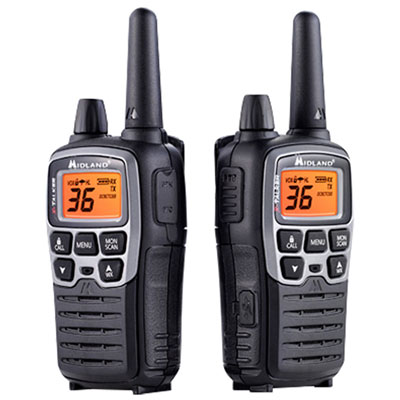 Your price for this item is $139.99
 -
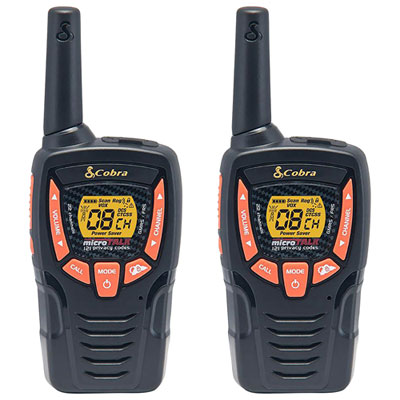 Your price for this item is $74.99
 -
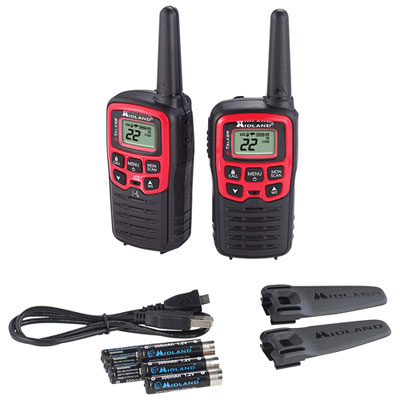 Your price for this item is $89.99
 -
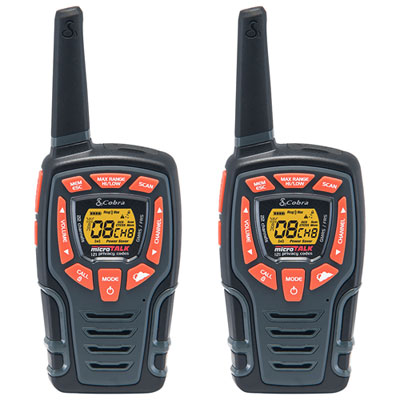 Your price for this item is $109.99
 -
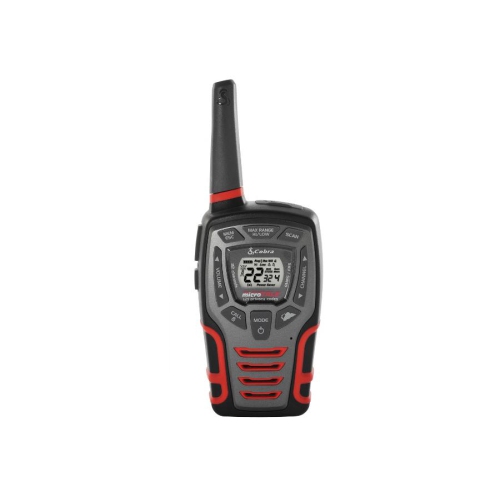 Your price for this item is $136.44
 -
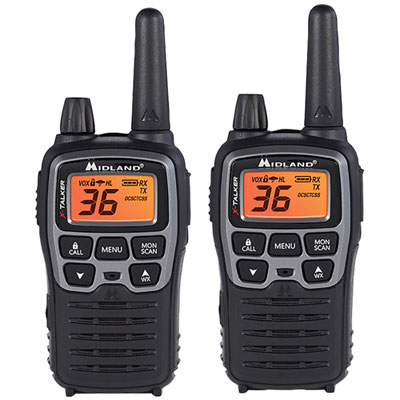 Your price for this item is $179.99
 -
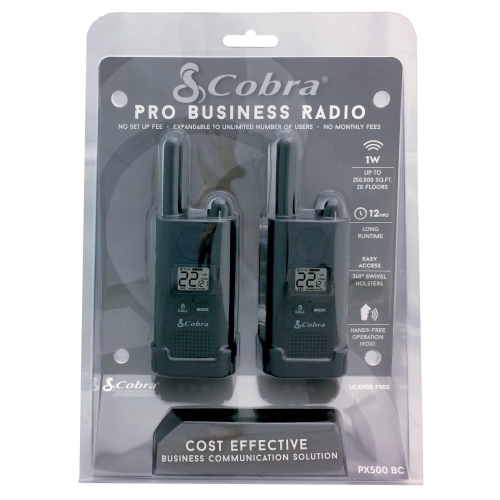 Your price for this item is $57.25
Discover more categories related to VHF Radios
Top Collections:
Pokemon Centers, Kindle Devices, Best Budget Office Chairs, Apple iPhones 16, Best Laptops for Writers, iPhone 15 Apple, Canon G7X Cameras, Refurbished Apple Laptops, Alarm Clock, Motorola Razr Phones
Some products may be subject to Environmental Handling Fees
(EHF) depending on your province.
Learn more about EHFs.