Emergency Car Repair Kits
Emergency car repair kits are essential for handling unexpected roadside situations with confidence and ease. Designed to keep you prepared for common vehicle issues, these kits offer a convenient solution when you need it most. Whether you're heading out on a road trip or navigating daily commutes, having an emergency car repair kit in your vehicle can help you stay on track and minimize disruptions. Explore a wide selection of emergency car repair kits to find the right fit for your needs and drive with greater peace of mind.
Sort

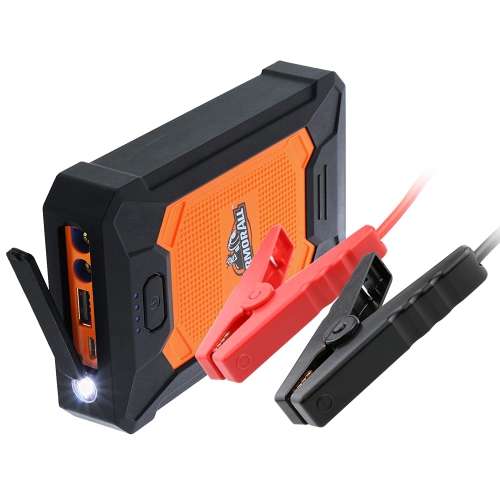
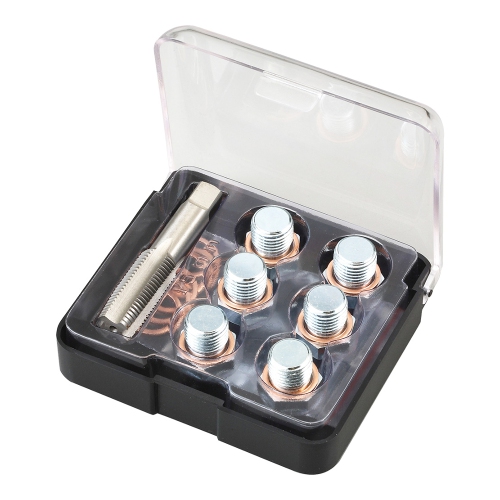
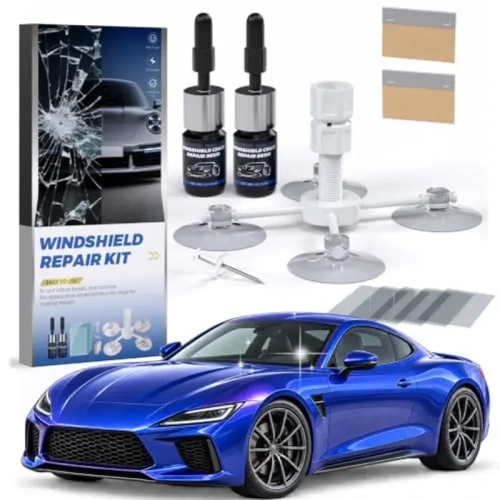
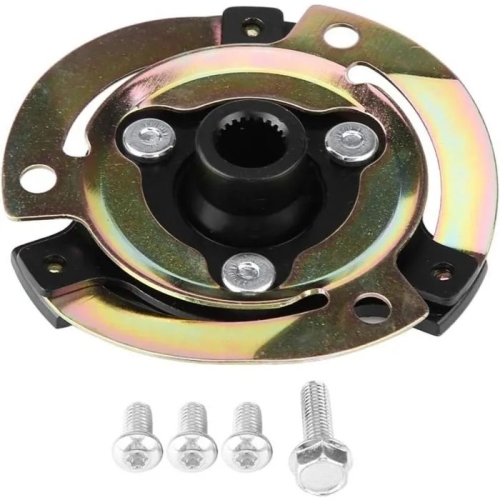

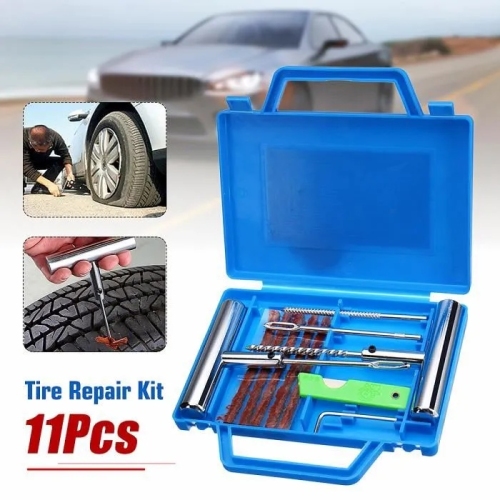
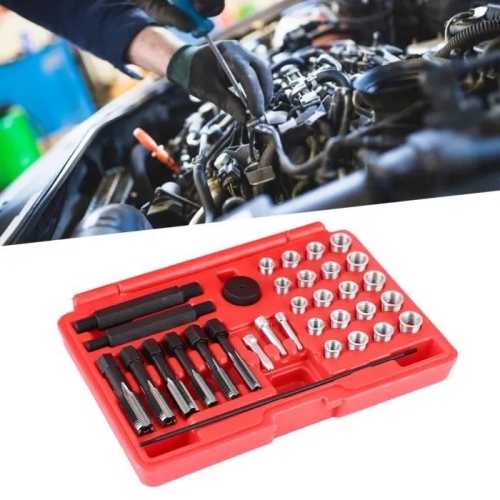
What your roadside tools can and cannot handle
Emergency car repair kits combine basic automotive tools and roadside essentials in a portable package, helping drivers manage minor vehicle problems and prepare for the wait when professional assistance is needed. Depending on the contents, a kit may support a battery boost, a tire pressure check, temporary tire inflation, or a small adjustment that calls for a screwdriver or pliers. The distinction between repair supplies and safety supplies matters: tools address a limited range of mechanical issues, while a flashlight, reflective warning equipment, work gloves, and first aid supplies support other roadside needs. Not every kit includes both groups, and a large piece count does not necessarily mean the contents suit a particular vehicle. For everyday commuting, useful essentials are those that match the car, are straightforward to handle, and remain easy to find when the trunk is full. For longer drives, a more comprehensive case may offer space for additional supplies without scattering loose tools among luggage. Battery-related equipment deserves particular attention. Jumper cables require a suitable external power source, while a portable jump starter carries its own stored power and needs regular charging. Compatibility depends on the vehicle’s electrical system, engine requirements, and manufacturer’s instructions, rather than simply the size of the carrying case. A tire inflator serves a different purpose: it can restore pressure in suitable circumstances, but it cannot make a damaged tire safe to drive on. Sealant-based solutions are temporary, have limits on the types of punctures they can address, and may carry restrictions involving tire pressure monitoring systems. Sidewall damage, a damaged wheel, or a tire that has been driven while flat calls for assessment rather than an assumed quick fix. A well-matched emergency car repair kit offers practical support for manageable problems without suggesting that every roadside fault can be repaired where it happens.
The construction of the case and the quality of its contents affect how useful an automotive emergency kit remains after repeated trips. Tightly woven nylon or polyester cases can provide flexible storage, while rigid cases help keep components separated and protected from knocks. Reinforced handles, securely stitched seams, dependable zippers, and compartments sized for the tools make a difference when a case is repeatedly lifted out of a cargo area. A water-resistant outer layer can help protect against incidental spills, although that description does not mean a case is waterproof. Inside, fitted loops and dividers reduce tangling and keep metal tools from rubbing against cables, gauges, or lights. Tool materials matter as much as presentation: well-finished steel components, corrosion-resistant coatings, comfortable grips, and clearly marked sizes are useful details for equipment that may spend long periods in storage. Jumper cable suitability involves cable gauge, length, conductor material, insulation, and clamp quality, not thickness alone. Clamps need an appropriate connection point, and cable length needs to suit the vehicle layout without encouraging unsafe positioning. For powered inflators, relevant details include the power connection, cord and hose reach, pressure range, and operating limits. A hose that reaches each tire valve without strain is more useful than an impressive specification that does not suit the vehicle. Readable pressure markings and compatibility with the vehicle’s required tire pressures also deserve attention. Compact cars, SUVs, vans, and pickup trucks can have different storage and equipment requirements, so a kit described as universal still needs to be checked against the owner’s manual. Hybrid and electric vehicles have specific procedures for their low-voltage systems; general roadside tools are not intended for work on high-voltage components. Likewise, a small hand-tool set does not automatically include suitable wheel-changing equipment. Jacks, lifting points, and wheel tools have separate requirements, and wheel removal is not an appropriate task in every roadside location.
Emergency car repair kits suit a wide range of drivers, from someone making short daily journeys to a household sharing one vehicle between several people. A clearly organized case is especially useful in a shared car because each driver can locate essential equipment without relying on another person’s memory. New drivers may appreciate a practical gift that supports vehicle ownership, provided the contents match their car and their level of familiarity with basic tools. For a student travelling between home and campus, a compact case can fit around bags and other belongings; for a family vehicle, secure storage helps prevent equipment from shifting among groceries, sports gear, and luggage. Drivers who spend more time on the road may value a layout that makes routine checks and replacement of used supplies simple. Personalizing a kit does not have to mean filling every pocket. Space for a vehicle-specific accessory or a printed set of equipment instructions can be more useful than duplicate tools. Care is largely about keeping the contents ready for their intended use: clean, dry tools are less prone to corrosion, intact cable insulation matters for electrical equipment, and batteries or rechargeable devices need attention according to their manufacturers’ directions. Sealants and first aid supplies may have expiry dates, while a flashlight that worked when the kit was packed may need fresh batteries later. After any roadside use, replacing consumed supplies and returning tools to their compartments helps preserve the kit’s usefulness for the next journey. Drivers looking beyond basic repair tools can also explore Roadside Emergency Kits for a broader approach to preparedness. Whatever the combination of supplies, a kit works best alongside a charged phone, access to assistance, and an understanding of its limits. A secure location away from moving traffic is essential before considering any roadside task. When access is unsafe, the problem is unfamiliar, or the equipment is unsuitable, professional help takes priority over attempting a repair.
Top selling and popular products
-
 Your price for this item is $49.98
-
 Your price for this item is $63.51
-
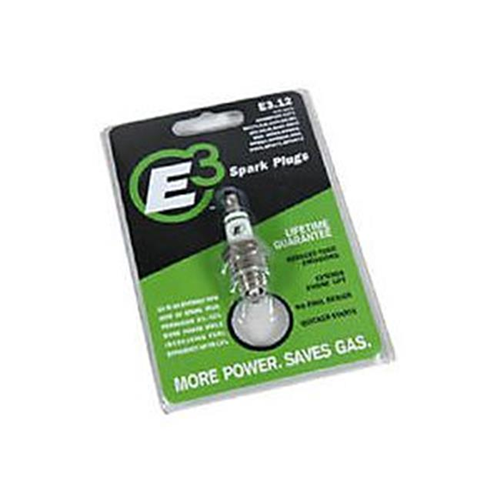 Your price for this item is $25.02
-
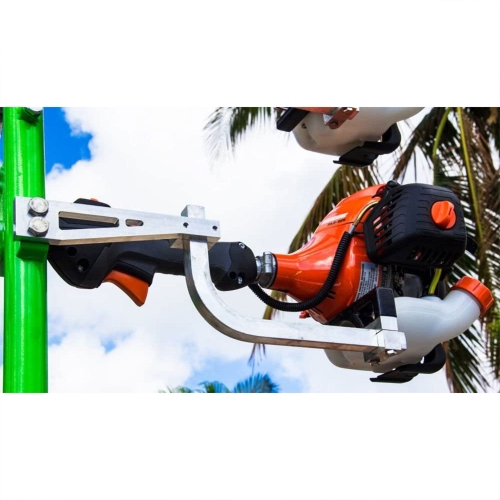 Your price for this item is $1161.99
-
 Your price for this item is $186.99
-
 Your price for this item is $582.99
-
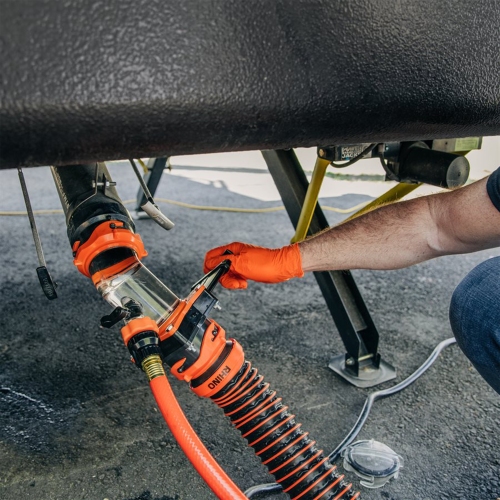 Your price for this item is $154.99
-
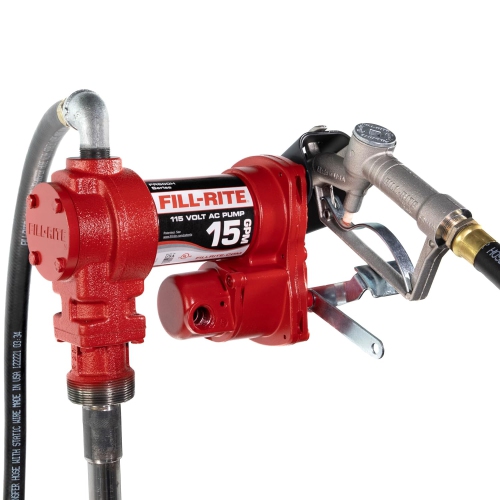 Your price for this item is $799.99
Discover more categories related to Emergency Car Repair Kits
Top Collections:
Best Black Friday Deals This Year, Best Black Friday Deals On Electronics, Kindle Devices, Pokemon Centers, Best Black Friday Deals On Apple Products, Best Cameras for Sports Photography, Dyson Airwrap, Pokémon 30th Celebration Cards, Apple iPhone 17 Pro, Canon G7X Cameras
Some products may be subject to Environmental Handling Fees
(EHF) depending on your province.
Learn more about EHFs.