Car Stereo Installations
Revamp your driving experience with seamless car stereo installations that bring high-quality sound and modern connectivity right to your fingertips. Whether you're looking to upgrade your vehicle's audio system or simply want to enjoy your favorite tunes in crystal-clear quality, our range of installation services ensures a perfect fit for every car model. With professional expertise and a commitment to excellence, we make it easy to transform your ride into an entertainment hub on wheels. Discover how effortless it can be to enhance your vehicle's sound system with our comprehensive car stereo installations today.
Sort
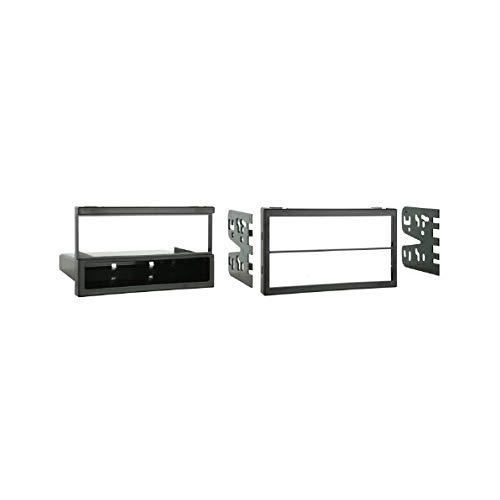
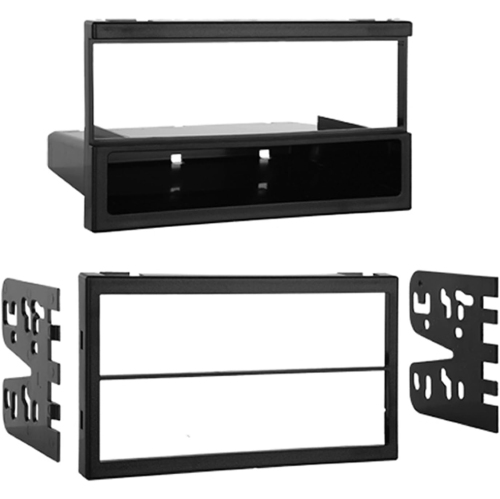


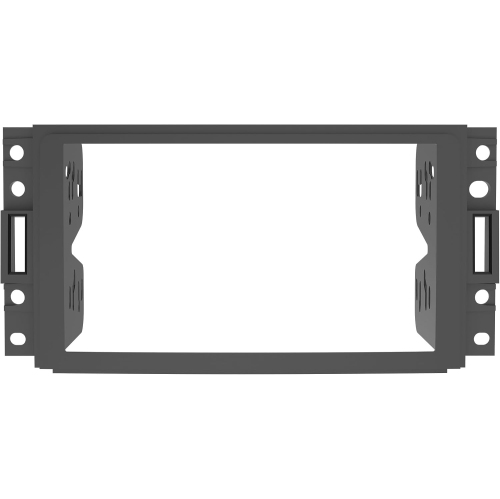

Better car audio takes more than a new stereo
Car stereo installations help bring a vehicle’s sound system and everyday listening habits into closer alignment. The work involves more than fitting a new stereo into an opening in the dashboard: it connects the audio equipment, vehicle wiring, controls, and cabin layout so that the finished setup feels practical to use. For someone who spends hours travelling between appointments, that might mean clearer spoken directions and more intelligible podcasts. For a music enthusiast, the priority could be better separation between vocals and instruments, with bass that has presence without overwhelming everything else. Families sharing a vehicle may value straightforward controls and a setup that works comfortably for more than one driver. Professional installation can also be relevant when replacing a faulty stereo, updating an older vehicle’s audio connections, or integrating equipment that requires more planning than a direct replacement. The experience depends on both the vehicle and the intended result. A compact car with a simple factory system presents different considerations from a larger vehicle with an existing amplifier, steering wheel controls, or audio functions built into a central display. Even within the same model range, different trim levels can change the connections and integration work involved. This makes the vehicle’s year, make, model, and existing equipment important details when discussing an installation. A clear description of everyday use is just as helpful: hearing a caller over road noise, keeping navigation prompts audible, or enjoying music at a comfortable volume each puts a different emphasis on the finished system. Where compatible hands-free features are involved, thoughtful microphone placement and accessible controls can support easier operation, though setup and adjustments should take place while parked. A well-planned installation is ultimately about making the system feel at home in the vehicle, with secure connections, a tidy appearance, and functions that suit the way the vehicle is used. That balance matters whether the goal is a modest replacement or a more involved audio upgrade.
Compatibility is central to car stereo installation because the visible dashboard opening tells only part of the story. Behind it, factory wiring, mounting points, data connections, and integrated vehicle functions can all affect how replacement equipment fits and operates. Some vehicles have a relatively straightforward audio layout, while others link the stereo to warning sounds, camera displays, vehicle settings, or an existing amplified system. Retaining those functions may require compatible interfaces and additional integration work; not every feature can necessarily be carried over to every replacement setup. The physical finish matters too. A properly matched dash fitting helps avoid awkward gaps, while secure mounting keeps the stereo stable during everyday driving. Wiring connections need to suit the vehicle and equipment, with cables routed away from pedals, moving mechanisms, and areas where they could be pinched or rubbed. When an installation includes an amplifier, the work also involves appropriate power connections, circuit protection, grounding, and a secure location with suitable ventilation. These details are largely hidden once the vehicle is back together, but they contribute to dependable operation and a clean result. Speaker-related work introduces another set of fit considerations, including mounting depth, door clearance, connector compatibility, and the space behind interior panels. Browsing Car Stereo Speakers can help clarify listening preferences, while an installation assessment establishes how a speaker change would work within the vehicle’s existing layout. For example, a speaker that appears to match an opening may still need a mounting adapter or have clearance requirements that affect the installation. Existing factory amplification can also influence compatibility and the work needed to achieve balanced sound. Discussing the complete setup helps distinguish a straightforward replacement from a broader system change. It also creates an opportunity to identify which factory features matter most to the driver before work begins, rather than discovering an unexpected limitation after the dashboard has been reassembled. That conversation keeps expectations grounded in the vehicle’s actual configuration and the agreed scope of service.
The quality of a car stereo installation becomes especially noticeable in the small details of daily use. A dashboard that sits neatly, door panels that are properly refitted, and wiring that stays out of sight all help the work blend into the cabin. Securely mounted equipment and carefully routed cables can also reduce the chance of movement, rattles, or strain on connections. Sound adjustment is another important part of the finished experience when it falls within the installation scope. Volume alone does not determine how satisfying a system sounds: speaker balance, bass level, and the relationship between different parts of the system affect whether vocals feel centred and instruments remain distinct. In a vehicle, listeners sit at different distances from each speaker, and reflective glass and interior surfaces influence what reaches their ears. Appropriate adjustments can help account for those conditions without promising that every seat will sound identical. A driver who mostly listens to talk radio may prefer a different balance from someone who enjoys detailed acoustic recordings or bass-heavy music. An opportunity to hear familiar audio during a handover can make those preferences easier to describe. Functional checks are equally useful, including confirming the agreed audio sources, compatible controls, and any retained factory features. Where phone integration forms part of the work, understanding the connection process and microphone behaviour can make the system easier to use after the appointment. A clear handover should also distinguish installed functions from features that depend on a compatible phone, separate account, or other requirements. Afterwards, everyday care is generally about keeping controls and accessible surfaces clean according to the equipment manufacturer’s directions, avoiding spills around electronics, and leaving secured wiring undisturbed. If a connection becomes intermittent or an unfamiliar noise develops, having the installation assessed is preferable to pulling apart trim or altering wiring without knowing the cause. With the fit, connections, and agreed functions considered together, a stereo installation can provide a more cohesive listening experience without making the vehicle feel unnecessarily complicated.
Top selling and popular products
-
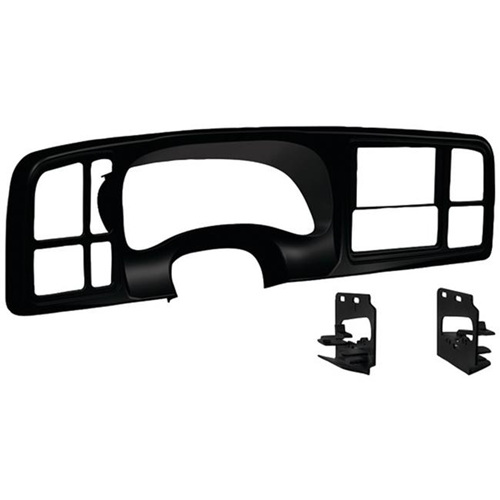 Your price for this item is $378.94
-
 Your price for this item is $59.98
-
 Your price for this item is $399.99
-
 Your price for this item is $279.99
-
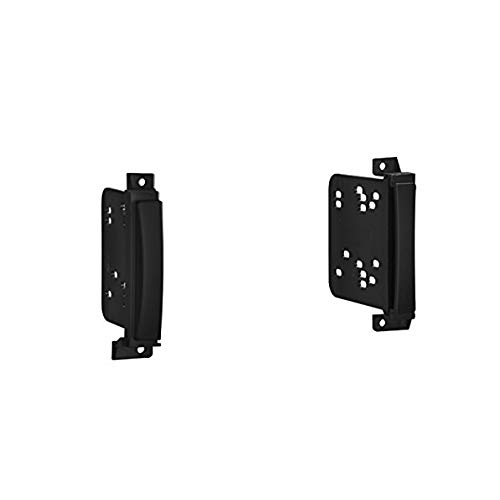 Your price for this item is $47.35
-
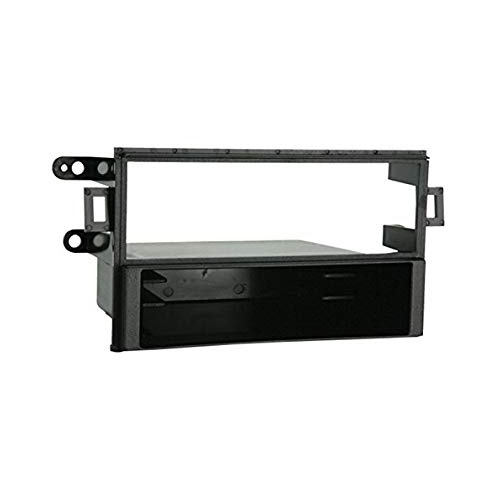 Your price for this item is $47.35
-
 Your price for this item is $107.36
-
 Your price for this item is $52.61
Discover more categories related to Car Stereo Installations

Top Collections:
Pokemon Centers, Pokémon 30th Celebration Cards, Best Budget Office Chairs, Kindle Devices, Best Cameras for Sports Photography, Canon G7X Cameras, Best Black Friday Deals On Electronics, Best Laptops for Writers, iPhone 15 Apple, Jackery Power Stations
Some products may be subject to Environmental Handling Fees
(EHF) depending on your province.
Learn more about EHFs.