Compustar
Explore the latest selection of Compustar products designed to enhance your driving experience. Whether you're looking to upgrade your vehicle's security or add convenience to your daily routine, Compustar offers a variety of solutions to fit your needs. Find options that suit different vehicles and preferences, all in one place. Shop Compustar at Best Buy and discover reliable choices for automotive technology.
Sort


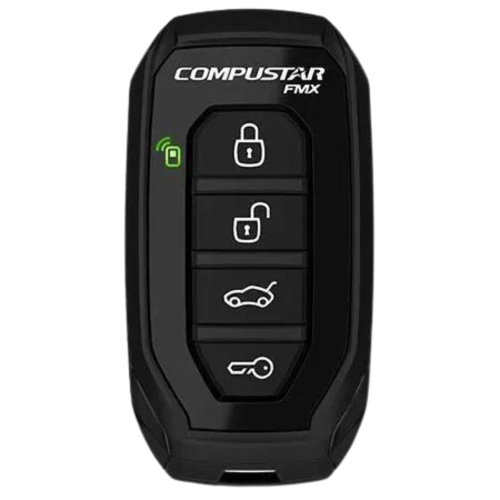


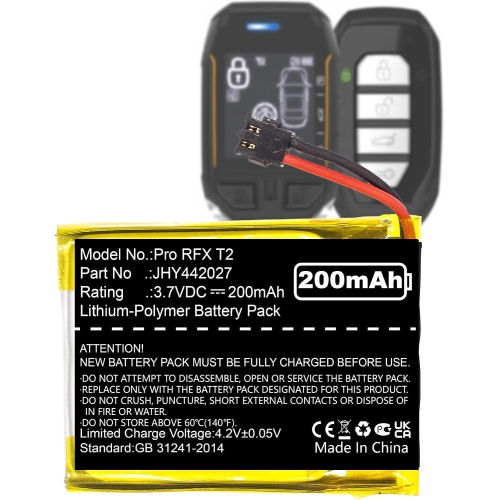
What sets remote starters apart from vehicle alarms
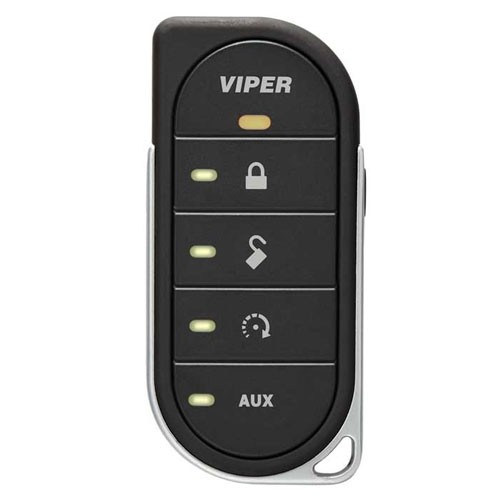
Aftermarket remote car starters, keyless entry systems, and vehicle alarms add different kinds of convenience and protection to everyday driving. A remote starter lets a compatible vehicle’s engine start from outside the vehicle, while keyless entry provides remote locking and unlocking. An alarm monitors supported entry points or sensors and can sound a warning when it detects a triggering event. These functions may share a remote, but they are not interchangeable, and a remote start system does not necessarily include an alarm. The distinction matters for a driver who wants a simple way to lock up after unloading groceries versus someone who also wants alerts about a possible break-in. A one-way remote sends commands without receiving a return status from the system. A two-way remote can confirm supported actions through lights, sounds, vibration, or a display, depending on its design. That feedback is useful when the vehicle is parked beyond a clear line of sight, although it is not a promise of uninterrupted communication. Advertised operating range generally reflects favourable conditions; concrete walls, nearby buildings, underground parking, radio interference, and the location of the vehicle can reduce usable range. A remote that works across an open parking lot may behave differently through several floors of a building. Button layout also affects everyday use: distinct lock and start controls can be easier to identify by touch, while a display can make status information easier to interpret. Smartphone control is a separate capability that requires compatible connected hardware, an app, and an active service where applicable. Cellular coverage at the vehicle, phone connectivity, and account access all affect how that connection works. Location tracking, trip information, or security notifications may be supported by some connected setups, but these features should not be assumed to come with every remote starter. For shared vehicles, supported access settings can let authorized household members operate the system without passing a single remote back and forth.
Vehicle fit is about electronic compatibility rather than the size or appearance of the remote. The vehicle’s year, make, model, trim, transmission, and ignition type help determine which control hardware, interface modules, and installation methods are appropriate. Factory alarms, immobilizers, power locks, and push-button ignition can all influence how an aftermarket system integrates with the vehicle. Even vehicles with similar dashboards may require different connections or programming. Professional installation helps ensure that the equipment is matched to the vehicle and that wiring, antennas, and control modules are positioned correctly. Well-secured wiring and carefully placed components matter for long-term reliability, while installation around steering columns and dashboards must account for airbags, pedals, and other moving parts. The finished setup should have clearly explained controls and predictable behaviour, including what happens when a door opens or the driver presses the brake after a remote start. Some vehicles support a handover to normal driving with an authorized key present; others require the engine to stop and be started again through the usual ignition procedure. Manual-transmission vehicles need equipment specifically designed for that application and a supported safety sequence that confirms appropriate starting conditions. Compatibility with diesel engines or other powertrain configurations also requires confirmation rather than assumption. These details are especially important when adding convenience features to a vehicle that already has factory-installed remote functions. Clear installation documentation can help distinguish what the original key controls from what the added remote or app controls. Safe operation remains essential regardless of the system’s features. Remote starting is not appropriate in a garage or another enclosed space, even with a door open, because exhaust can accumulate. Local rules about idling and unattended running vehicles still apply. Remote access also does not make it safe to leave children or pets unattended in a vehicle, and security features should never replace normal precautions such as locking doors and keeping keys secure.
Vehicle security equipment serves a different purpose from remote starting, even when both are combined in one installation. Door monitoring, impact sensing, and optional tilt or movement detection can respond to different events, so the coverage depends on the sensors fitted and how they are configured. A siren provides an audible warning, while a compatible two-way remote or connected app may provide an additional notification. Neither an alarm nor a location feature guarantees that theft will be prevented or a vehicle recovered. For a broader look at this category, Vehicle Alarm Systems covers equipment focused on detecting and signalling potential intrusion. Sensor adjustment matters in everyday use: excessive sensitivity can lead to nuisance alerts from ordinary activity nearby, while an appropriate setting helps make warnings more meaningful. The handheld remote deserves attention as well, since it is often carried alongside keys, placed in bags, and handled repeatedly throughout the day. Moulded plastic housings, button construction, and screen protection influence how a remote stands up to routine wear. Any stated resistance to water or impacts applies only within the manufacturer’s specified limits; a sealed-looking case should not be treated as suitable for immersion. A soft cloth, gentle handling, and separation from sharp objects help protect buttons and displays. Battery type and charging requirements vary, and reduced responsiveness can be a reason to check the power source before assuming the vehicle hardware has failed. Replacement remotes need compatible programming rather than simply a matching appearance. For commuters, shared households, and drivers who regularly carry work equipment or shopping bags, straightforward controls can be more useful than a long feature list. These systems can also make thoughtful gifts for vehicle owners, provided the vehicle details, preferred controls, and installation arrangements are confirmed beforehand. For connected features, account ownership and access permissions should remain with the intended vehicle owner so that convenience does not come at the expense of privacy.
Top selling and popular products
-
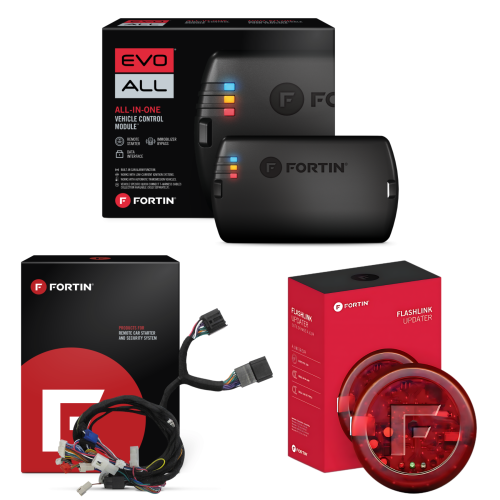 Your price for this item is $229.98
-
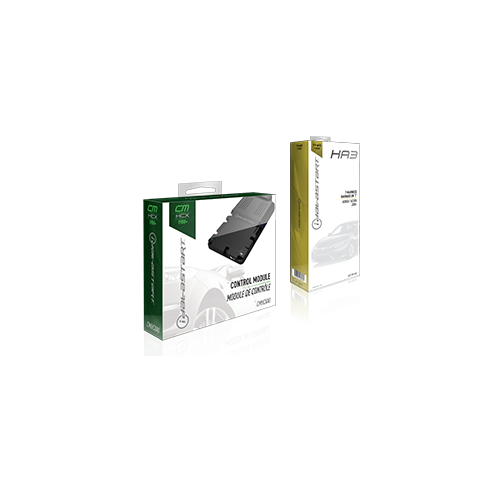 Your price for this item is $289
-
 Your price for this item is $106
-
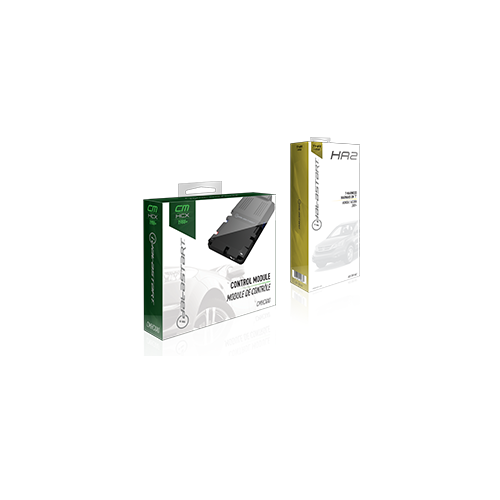 Your price for this item is $289
-
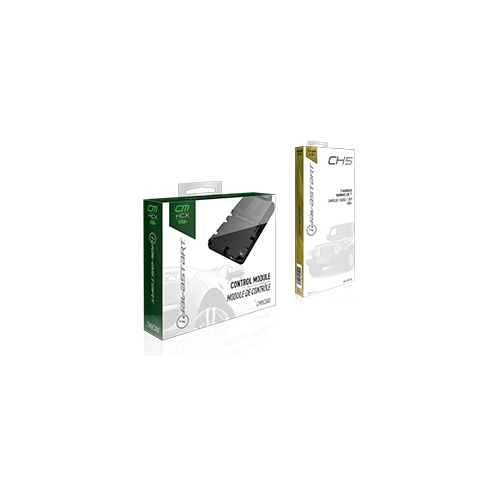 Your price for this item is $259
-
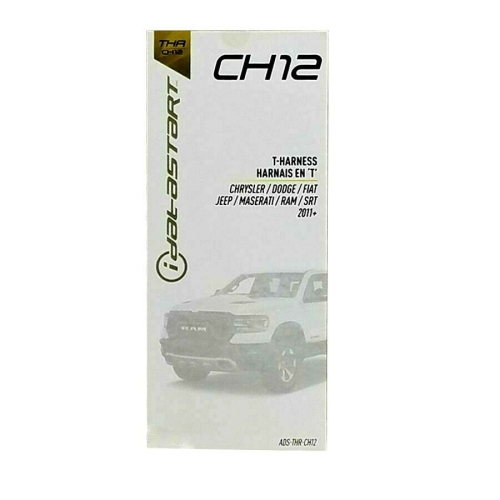 Your price for this item is $289
-
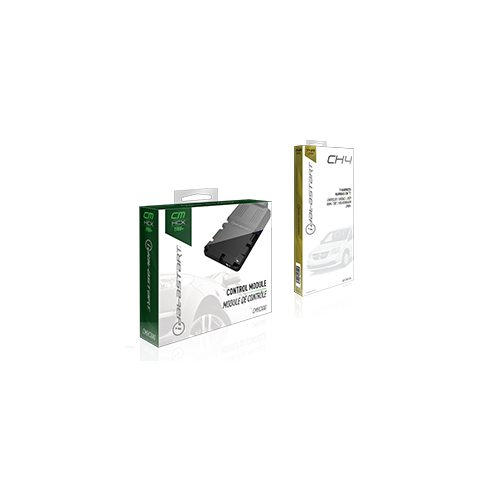 Your price for this item is $259
-
 Your price for this item is $289
Discover more categories related to Compustar
Top Collections:
Pokemon Centers, Pokémon 30th Celebration Cards, Best Budget Office Chairs, Kindle Devices, Best Cameras for Sports Photography, Canon G7X Cameras, Best Black Friday Deals On Electronics, Best Laptops for Writers, iPhone 15 Apple, Jackery Power Stations
Some products may be subject to Environmental Handling Fees
(EHF) depending on your province.
Learn more about EHFs.