Marine Amplifiers for Boats
Marine Amplifiers for Boats deliver the power and clarity needed to enhance your on-water audio experience. Designed to handle the unique challenges of boating environments, these amplifiers help you enjoy your favorite tunes while cruising, fishing, or relaxing on the water. Explore a wide selection of options to find the perfect match for your boat’s sound system and make every outing more enjoyable with rich, dynamic sound.
Sort
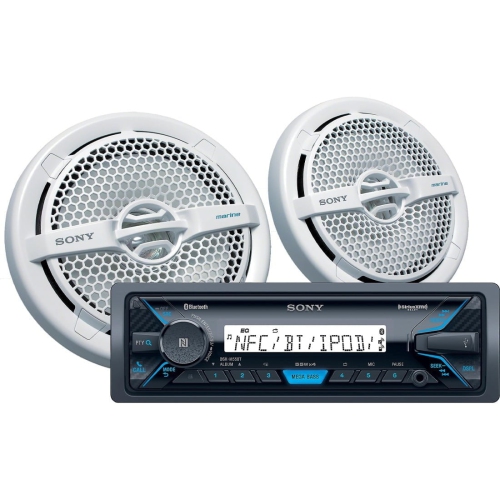
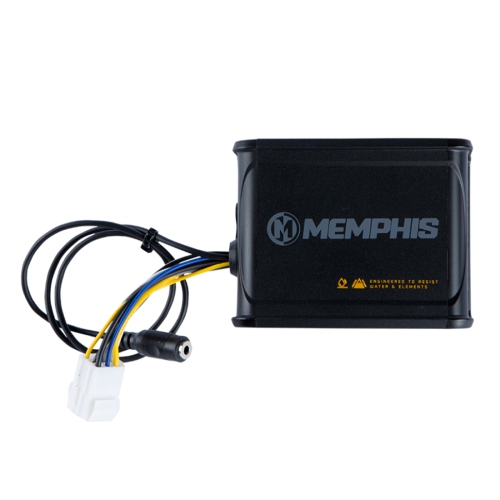
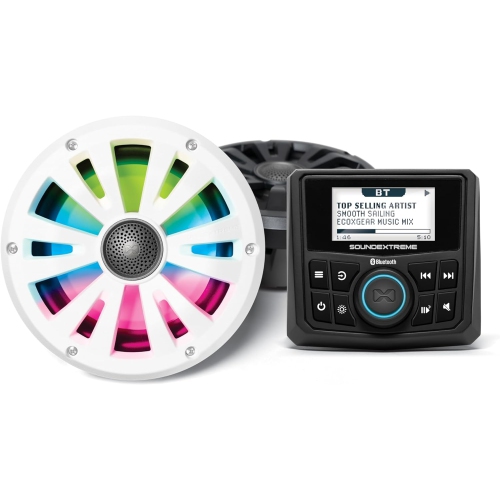

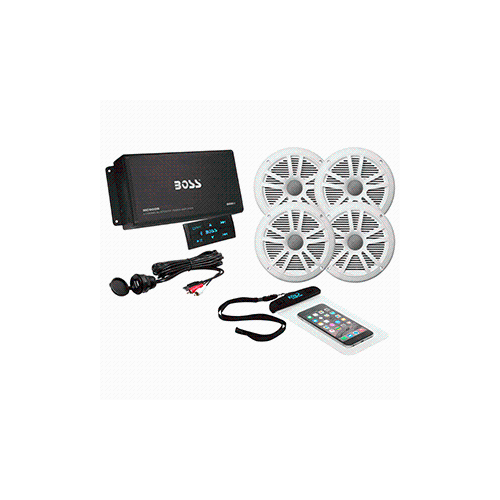
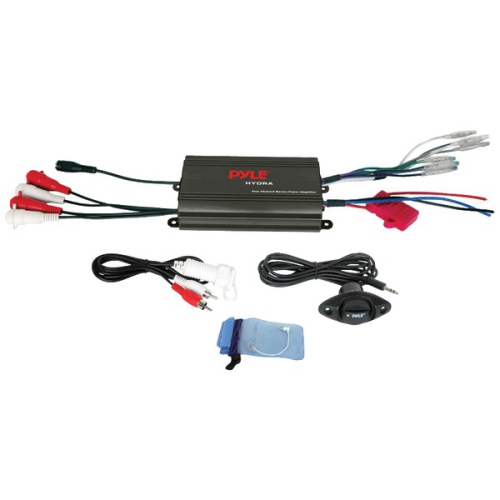
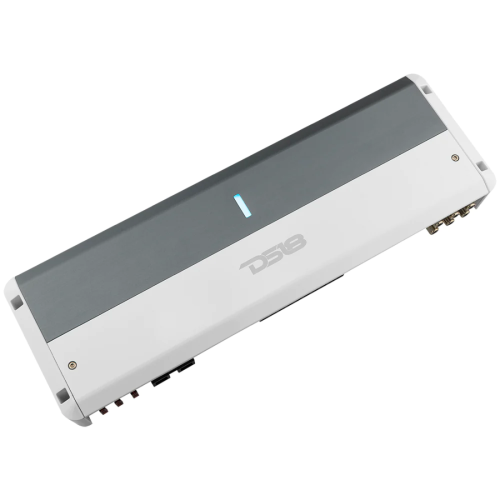
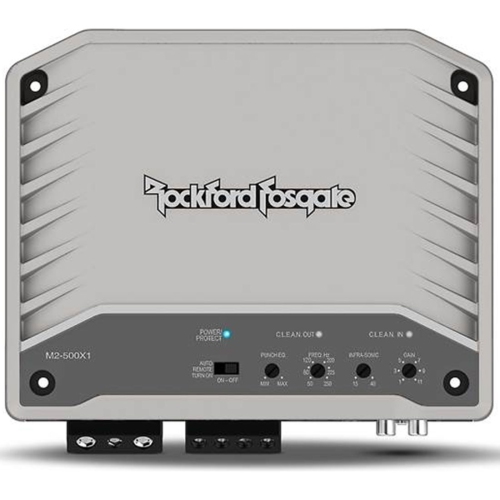
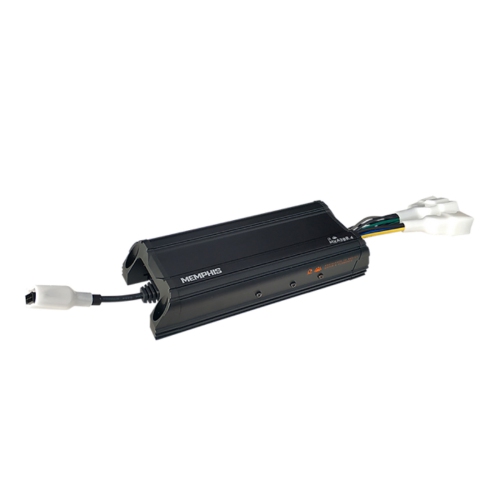
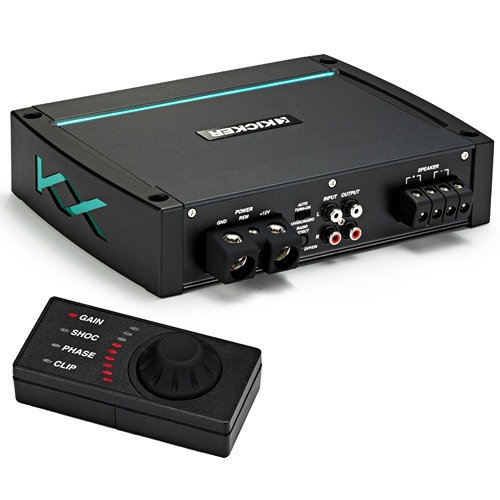
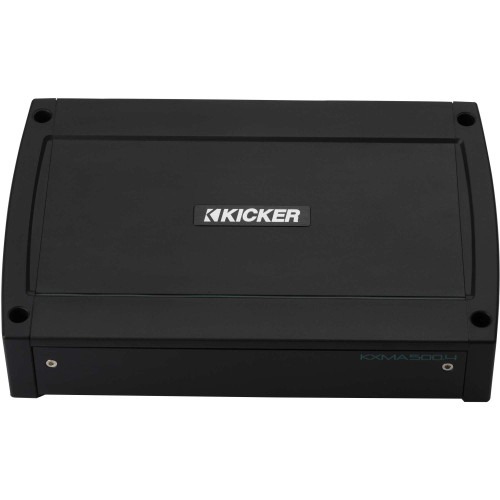
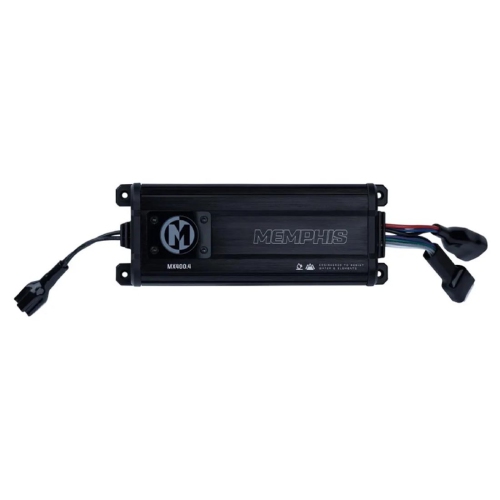

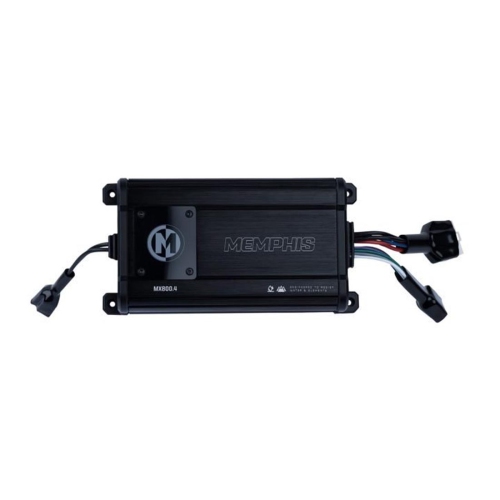
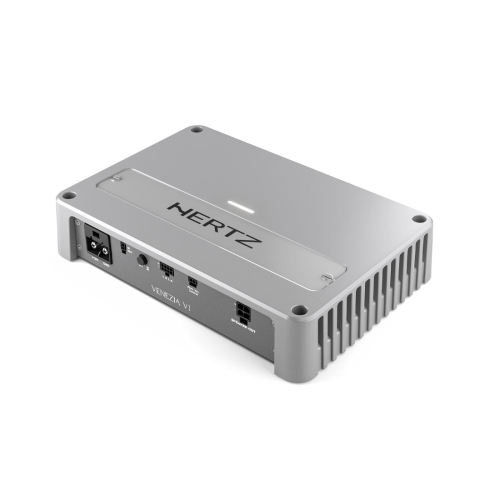
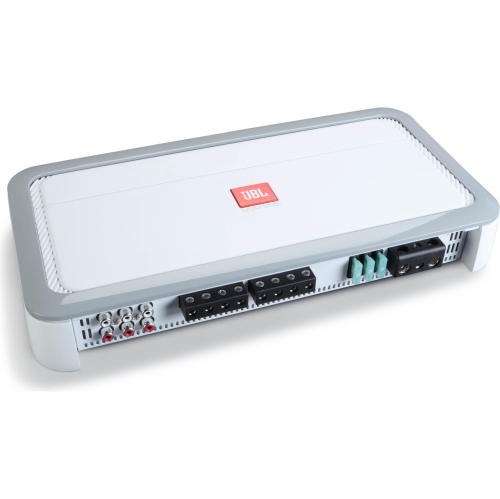
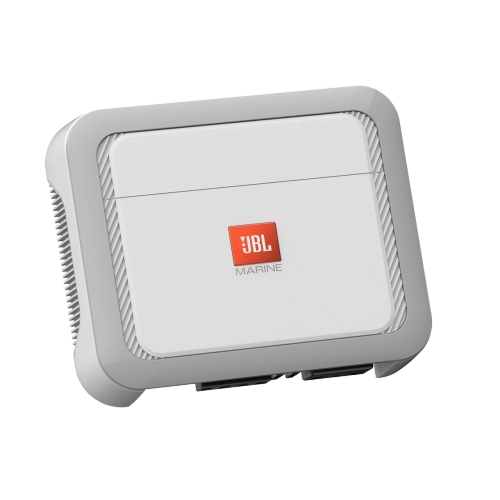
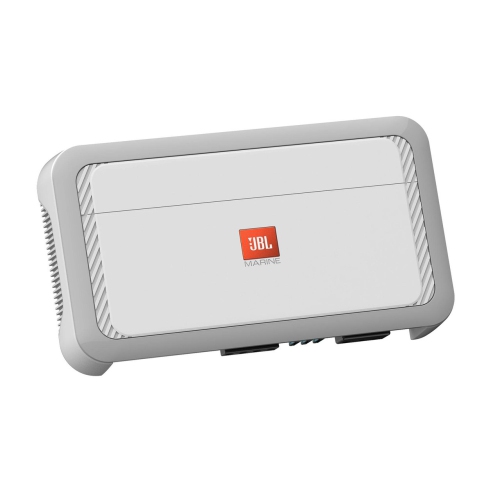

Clearer onboard music starts with well-matched amplifier power
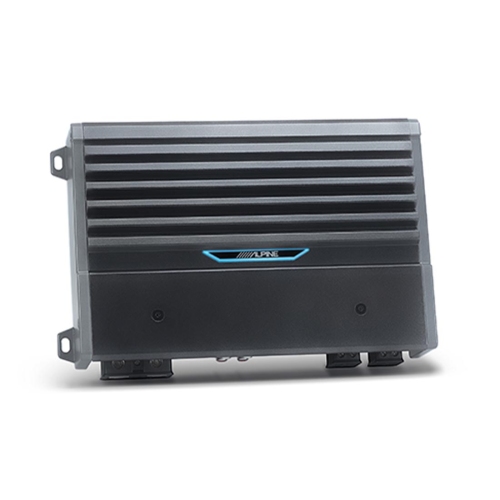
Marine amplifiers for boats supply the power that helps an onboard audio system reproduce music with greater clarity, control, and useful volume. A boat’s stereo receiver provides the audio signal, while an external amplifier drives compatible speakers or subwoofers with more power than many receivers can deliver on their own. That additional headroom can help vocals remain distinct and bass sound more controlled when engine noise, moving water, and the open layout of a boat compete with the music. The benefit is not simply louder playback: a properly matched system can sound fuller at comfortable listening levels, whether passengers are sitting near the helm, relaxing in the cockpit, or sharing a meal at the dock. Unlike a car cabin, an open deck offers few surfaces to contain sound, and listeners may be spread across several seating areas. Speaker placement, amplifier output, and the distance between speakers and listeners all affect the result. Marine amplifiers are designed with onboard conditions in mind, although their protective features vary. These may include conformal-coated circuit boards, corrosion-resistant connections, stainless-steel hardware, and housings designed to limit moisture exposure. A conformal coating adds a protective layer over electronic components, but it does not make the entire amplifier waterproof. Where an ingress protection rating is provided, that rating describes tested resistance to dust or water under specified conditions; it is not permission to install the amplifier anywhere on the boat. Even a marine-rated unit generally benefits from a sheltered, ventilated mounting location away from pooled water, direct spray, and wet storage gear. For freshwater runabouts, fishing boats, pontoons, and cruising boats, the right amplifier combines suitable power with a physical design that fits the vessel. On saltwater boats, protective materials and careful installation are especially important because salt residue can accelerate corrosion at exposed connections. The amplifier’s construction matters, but so does the way it becomes part of the boat’s electrical and audio systems.
Channel count is one of the clearest ways to distinguish marine amplifiers because it helps determine how many speakers or subwoofers the system can support. A two-channel amplifier commonly powers a single pair of speakers, making it a practical format for a straightforward setup near the helm or in a small cockpit. A four-channel amplifier typically supports four speakers, allowing sound to reach both forward and rear seating areas without relying on one pair playing excessively loudly. Some bridgeable four-channel designs can power a pair of speakers plus a compatible subwoofer, provided the manufacturer permits that configuration and the connected impedance meets its requirements. Five-channel amplifiers often combine four full-range speaker channels with a dedicated subwoofer channel, while six-channel designs offer other options for larger layouts. Channel count alone does not guarantee independent listening zones: separate volume control also depends on the receiver, signal routing, and any compatible zone controls. A monoblock amplifier is generally intended for a subwoofer and can suit a system that already has adequate power for its full-range speakers. When comparing output, continuous RMS power at the intended speaker impedance is more useful than a peak-power figure. Impedance, expressed in ohms, affects the electrical load presented to the amplifier, and wiring multiple speakers together changes that load. Matching amplifier output to the speakers’ recommended power range helps the system perform as intended; both excessive power and a heavily clipped signal can damage speakers. For a complete system, High Power Marine Speakers should be matched by impedance, power handling, sensitivity, and mounting requirements rather than by power claims alone. High-pass filters can reduce deep bass sent to smaller full-range speakers, while low-pass filters direct an appropriate bass range to a subwoofer. These adjustments help each component handle the frequencies it reproduces effectively. Gain settings then match amplifier input sensitivity to the source signal; gain is not an extra volume control. Correct adjustment helps preserve clean sound across the listening range without asking the system to overcome every competing sound on the water.
Physical fit and electrical compatibility deserve as much attention as audio output. Compact Class D marine amplifiers are popular for installations with limited space because their efficient design generally produces less waste heat than comparable Class A/B designs, though they still need ventilation and mounting clearance. Dimensions should account for the housing, brackets, cable bends, and access to terminals and adjustment controls. An amplifier tucked behind a helm panel must leave room for steering components and existing wiring, while one mounted inside a console should remain accessible for inspection. Secure mounting helps protect connections from vibration, and the mounting surface must support the unit without compromising the hull or other systems. Many marine audio amplifiers use a nominal 12-volt DC supply, but compatibility with the boat’s electrical system must be confirmed. Cable size depends on current demand and cable-run length, with appropriately rated circuit protection near the power source and connections made according to the equipment and vessel requirements. Marine-grade tinned copper cable and suitable protected terminals can help limit corrosion-related connection problems. Installation in spaces where gasoline vapours may accumulate requires particular care: a marine audio label does not automatically mean an amplifier is ignition protected or suitable for that location. Professional installation is valuable when cable routing, battery arrangements, or compartment suitability is uncertain. Battery capacity also affects how long music can play with the engine off, and higher output increases demand on the electrical system. In everyday use, sensible listening levels preserve awareness of passengers, nearby boats, and audible signals. Routine care is straightforward but important: with power safely disconnected, accessible wiring and mounting points can be checked for looseness, corrosion, or signs of moisture, following the manufacturer’s maintenance directions. Keeping ventilation paths clear and avoiding direct washdown spray helps protect the installation. For boat owners who enjoy music while cruising, fishing, or gathering at the dock, a well-integrated marine amplifier supports clear, balanced sound without making the audio equipment the focus of the trip.
Channel count is one of the clearest ways to distinguish marine amplifiers because it helps determine how many speakers or subwoofers the system can support. A two-channel amplifier commonly powers a single pair of speakers, making it a practical format for a straightforward setup near the helm or in a small cockpit. A four-channel amplifier typically supports four speakers, allowing sound to reach both forward and rear seating areas without relying on one pair playing excessively loudly. Some bridgeable four-channel designs can power a pair of speakers plus a compatible subwoofer, provided the manufacturer permits that configuration and the connected impedance meets its requirements. Five-channel amplifiers often combine four full-range speaker channels with a dedicated subwoofer channel, while six-channel designs offer other options for larger layouts. Channel count alone does not guarantee independent listening zones: separate volume control also depends on the receiver, signal routing, and any compatible zone controls. A monoblock amplifier is generally intended for a subwoofer and can suit a system that already has adequate power for its full-range speakers. When comparing output, continuous RMS power at the intended speaker impedance is more useful than a peak-power figure. Impedance, expressed in ohms, affects the electrical load presented to the amplifier, and wiring multiple speakers together changes that load. Matching amplifier output to the speakers’ recommended power range helps the system perform as intended; both excessive power and a heavily clipped signal can damage speakers. For a complete system, High Power Marine Speakers should be matched by impedance, power handling, sensitivity, and mounting requirements rather than by power claims alone. High-pass filters can reduce deep bass sent to smaller full-range speakers, while low-pass filters direct an appropriate bass range to a subwoofer. These adjustments help each component handle the frequencies it reproduces effectively. Gain settings then match amplifier input sensitivity to the source signal; gain is not an extra volume control. Correct adjustment helps preserve clean sound across the listening range without asking the system to overcome every competing sound on the water.
Physical fit and electrical compatibility deserve as much attention as audio output. Compact Class D marine amplifiers are popular for installations with limited space because their efficient design generally produces less waste heat than comparable Class A/B designs, though they still need ventilation and mounting clearance. Dimensions should account for the housing, brackets, cable bends, and access to terminals and adjustment controls. An amplifier tucked behind a helm panel must leave room for steering components and existing wiring, while one mounted inside a console should remain accessible for inspection. Secure mounting helps protect connections from vibration, and the mounting surface must support the unit without compromising the hull or other systems. Many marine audio amplifiers use a nominal 12-volt DC supply, but compatibility with the boat’s electrical system must be confirmed. Cable size depends on current demand and cable-run length, with appropriately rated circuit protection near the power source and connections made according to the equipment and vessel requirements. Marine-grade tinned copper cable and suitable protected terminals can help limit corrosion-related connection problems. Installation in spaces where gasoline vapours may accumulate requires particular care: a marine audio label does not automatically mean an amplifier is ignition protected or suitable for that location. Professional installation is valuable when cable routing, battery arrangements, or compartment suitability is uncertain. Battery capacity also affects how long music can play with the engine off, and higher output increases demand on the electrical system. In everyday use, sensible listening levels preserve awareness of passengers, nearby boats, and audible signals. Routine care is straightforward but important: with power safely disconnected, accessible wiring and mounting points can be checked for looseness, corrosion, or signs of moisture, following the manufacturer’s maintenance directions. Keeping ventilation paths clear and avoiding direct washdown spray helps protect the installation. For boat owners who enjoy music while cruising, fishing, or gathering at the dock, a well-integrated marine amplifier supports clear, balanced sound without making the audio equipment the focus of the trip.
Top selling and popular products
-
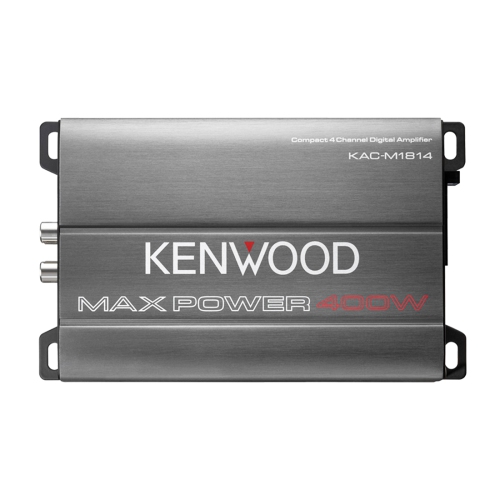 Your price for this item is $178
 -
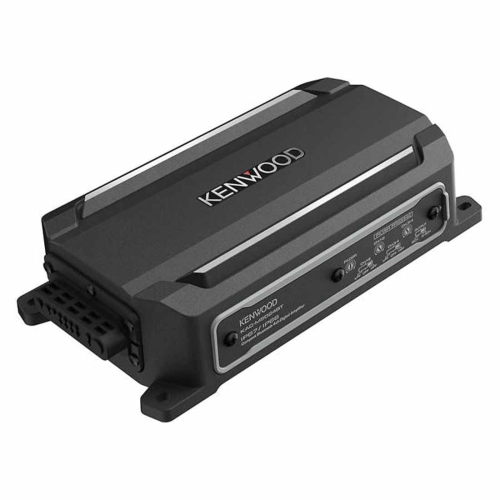 Your price for this item is $548
 -
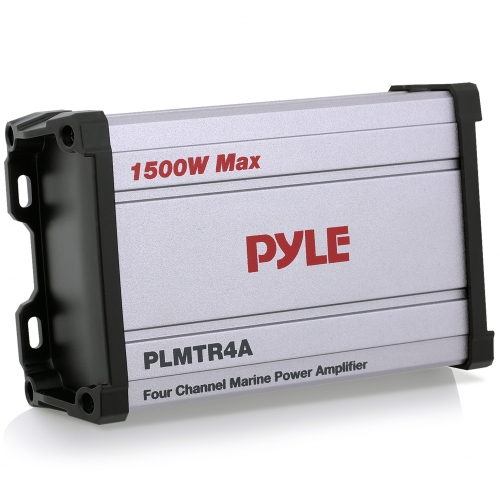 Your price for this item is $99.99
 -
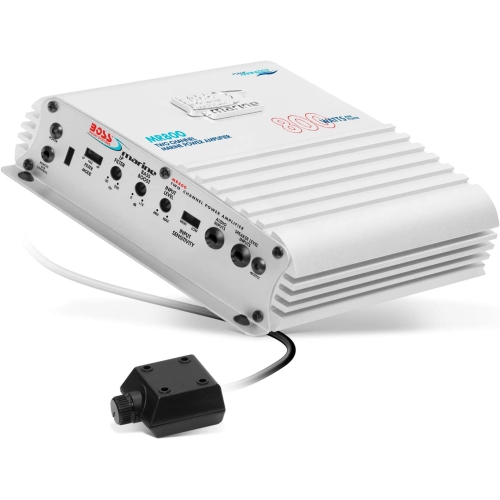 Your price for this item is $130.13
 -
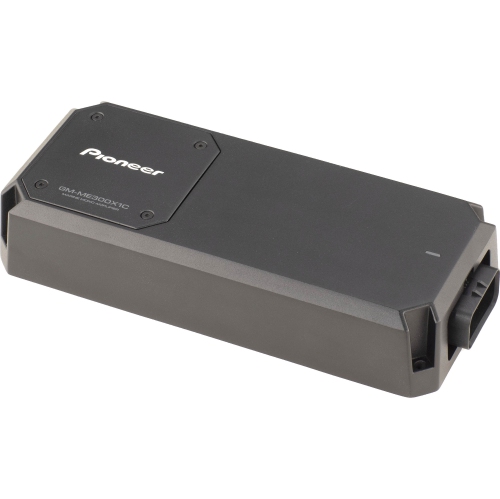 Your price for this item is $208
 -
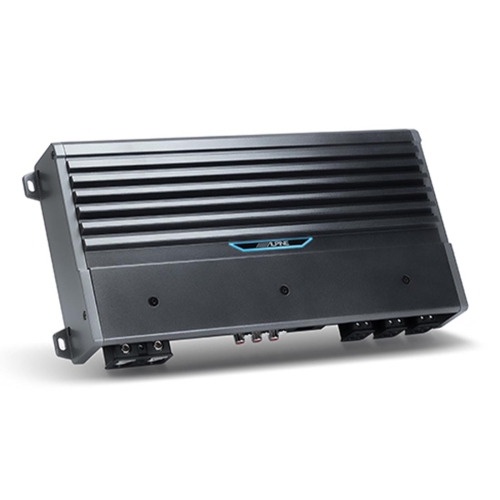 Your price for this item is $1598
 -
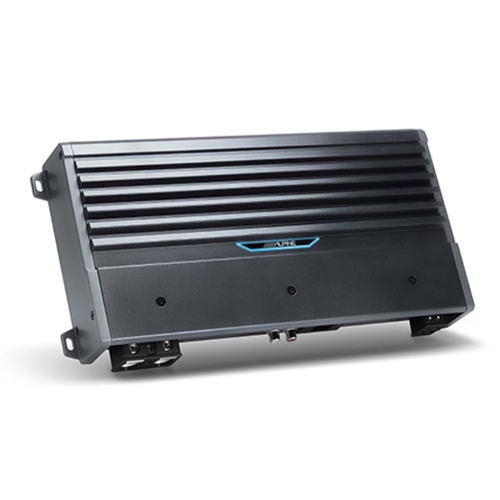 Your price for this item is $1398
 -
 Your price for this item is $1398
Discover more categories related to Marine Amplifiers for Boats
Top Collections:
Pokemon Centers, Kindle Devices, Best Budget Office Chairs, Apple iPhones 16, Best Laptops for Writers, iPhone 15 Apple, Canon G7X Cameras, Refurbished Apple Laptops, Alarm Clock, Motorola Razr Phones
Some products may be subject to Environmental Handling Fees
(EHF) depending on your province.
Learn more about EHFs.