Marine Speakers for Pontoon Boats
Marine Speakers for Pontoon Boats deliver high-quality sound designed to enhance every moment on the water. Whether you're hosting a lively gathering or enjoying a peaceful cruise, the right speakers can make all the difference in your pontoon boat experience. Explore a wide selection of options tailored to withstand marine conditions while providing clear, powerful audio for your favorite playlists and entertainment needs. Find the perfect Marine Speakers for Pontoon Boats to elevate your time on the waves.
Sort
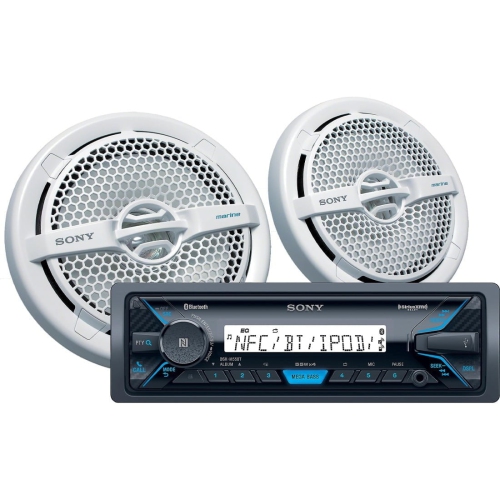
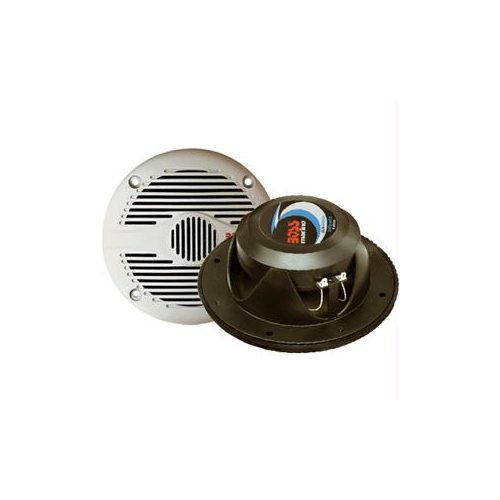

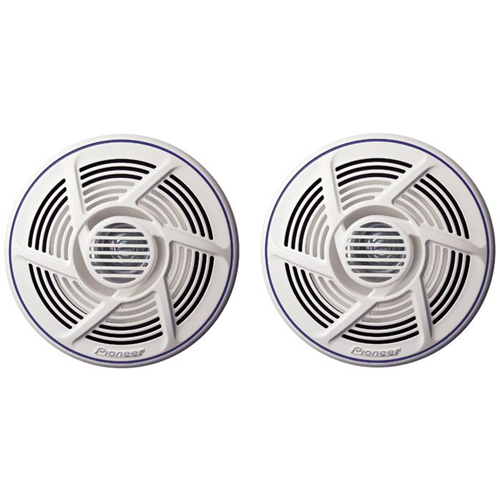
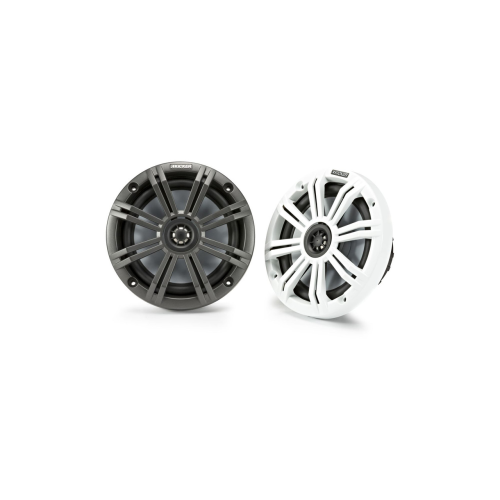
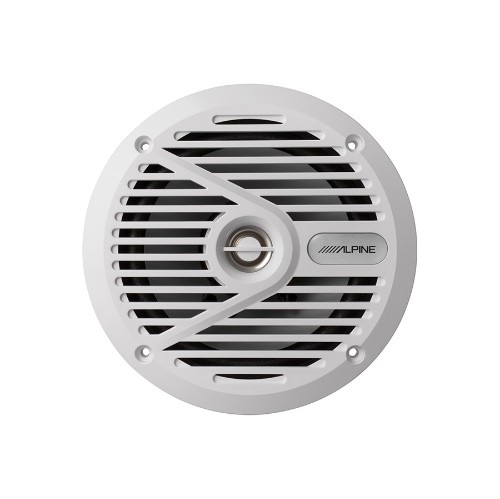

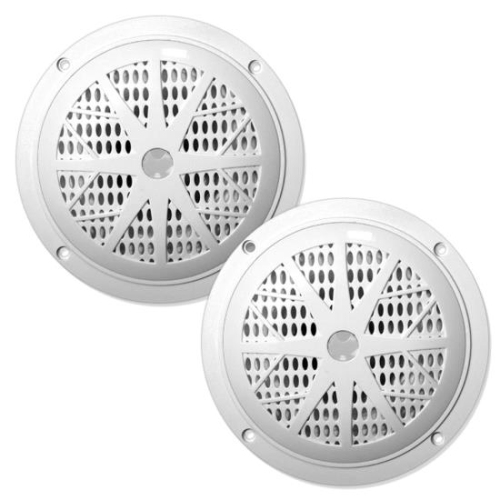
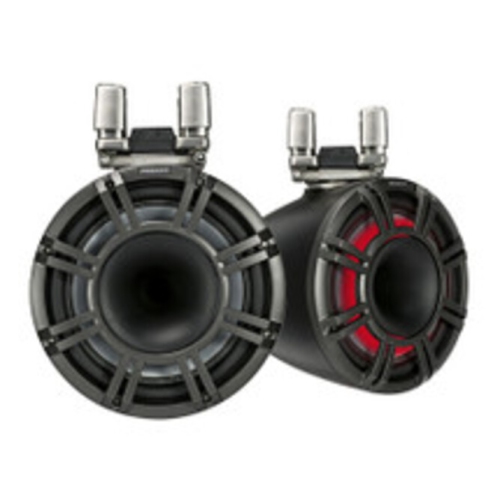
Balanced sound from the bow lounges to the helm
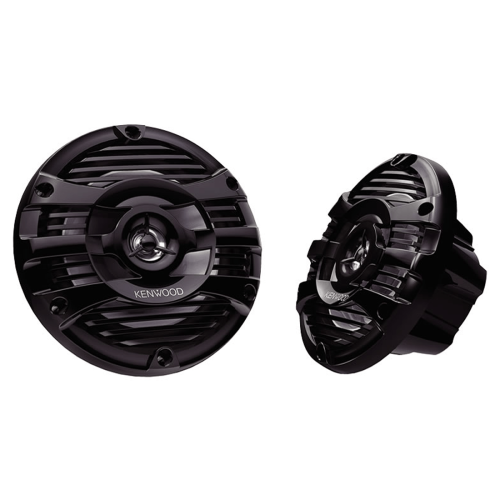
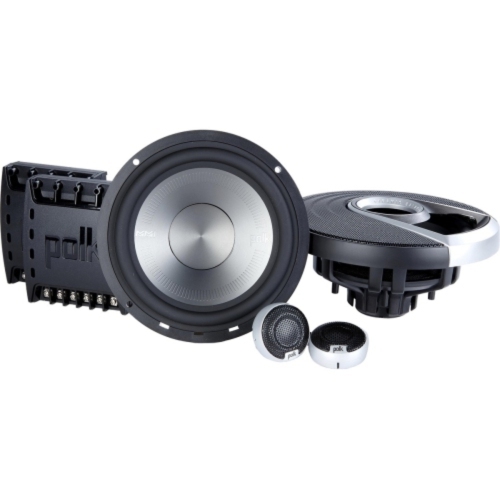
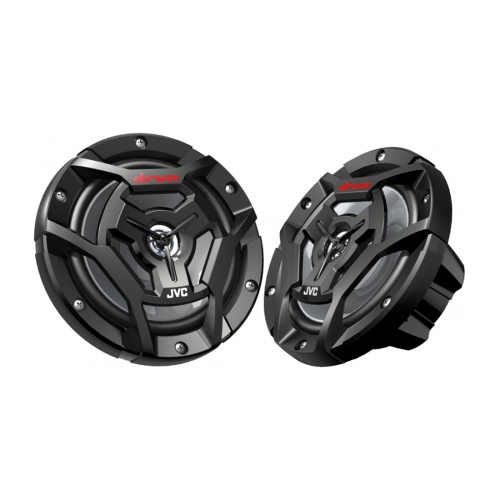
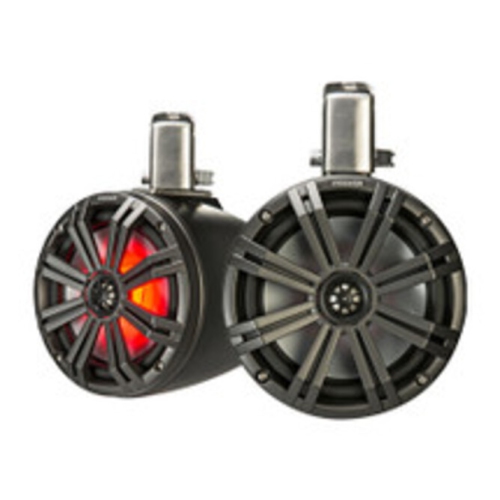
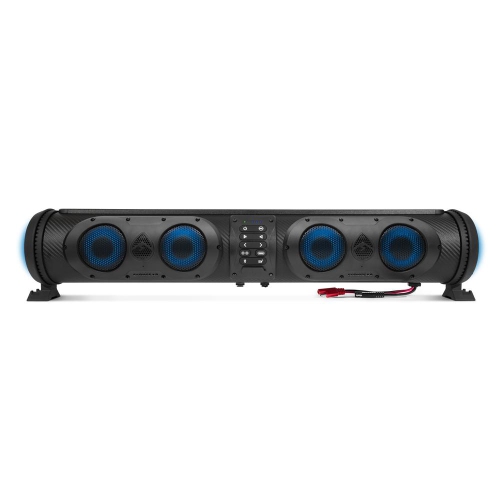
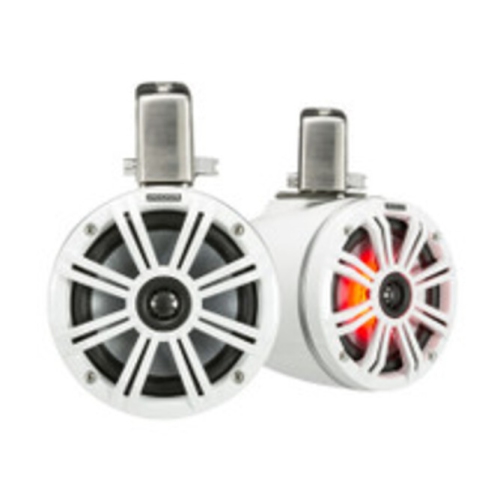
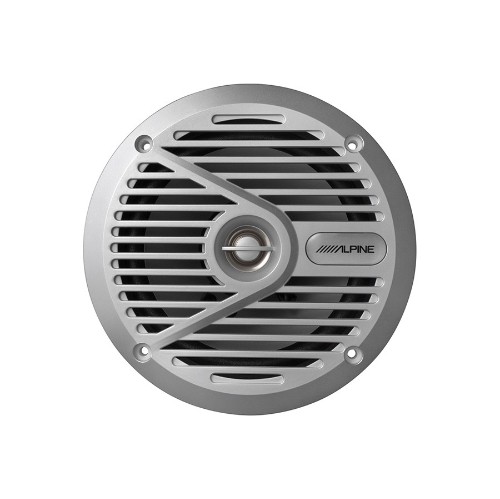
Marine speakers for pontoon boats bring music, radio, and spoken audio to an open deck, where sound has to reach across seating areas without the help of a car’s enclosed cabin. A pontoon’s broad layout makes balanced coverage especially important: passengers relaxing on the bow lounges should be able to hear comfortably without making conversation difficult for anyone sitting near the helm. Purpose-built marine speakers differ from ordinary indoor or car speakers through materials and construction intended to withstand moisture, sunlight, and the demands of boating. Depending on the design, these features may include polypropylene cones, rubber surrounds, UV-resistant grilles, corrosion-resistant hardware, and protected electrical connections. Water resistance still varies between models, so a marine designation alone does not mean a speaker can be submerged or cleaned with a pressure washer. An IP rating describes tested protection against dust and water under defined conditions; for example, IP65 indicates a dust-tight enclosure and resistance to water jets, not immersion. The rating’s scope also matters, since protection may apply to the exposed face rather than every part of an installed speaker. For a pontoon used on freshwater lakes, resistance to splashes and sunlight remains useful, while saltwater outings place additional demands on hardware and connections. Sound quality deserves equal attention. Clear vocals and a balanced midrange make a playlist enjoyable at modest levels, while controlled bass gives music body without overwhelming a quiet anchorage. Coaxial marine speakers combine a woofer and tweeter in one assembly, making them a practical format for many existing speaker positions. Larger drivers can offer greater bass output, but their size alone does not determine clarity or how well sound travels around the boat. A well-matched set can suit family cruises, fishing trips, and dockside gatherings alike. For a boat owner receiving speakers as a gift, confirmed mounting dimensions and stereo compatibility are more useful than choosing by appearance or a headline power figure.
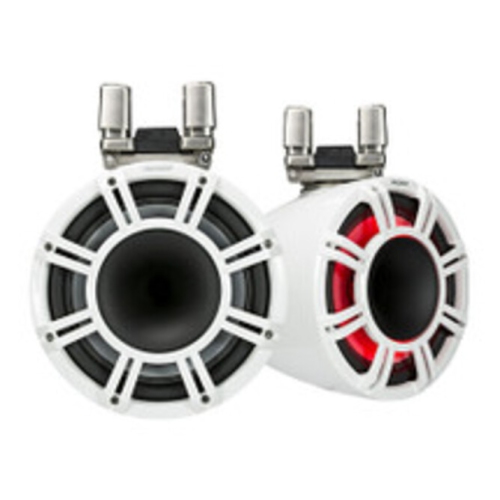
Fit begins with the boat’s existing openings, available depth, and mounting surfaces. A 6.5-inch marine speaker is a common option for pontoon boats, but that nominal size does not guarantee a direct replacement. Cutout diameter, overall grille diameter, screw spacing, and the depth behind the mounting flange can differ even among speakers described as the same size. Seat bases and helm panels may also have storage compartments, wiring, or structural parts immediately behind them. A replacement needs clearance for both the speaker basket and its terminals, with enough room to route cables without pinching them. Flat, rigid mounting surfaces help limit vibration, and suitable gaskets help seal the front mounting area when installed as specified. Flush-mount speakers provide a tidy appearance where a suitable panel and rear cavity exist; enclosed or surface-mount designs may suit layouts without that space, provided their mounting requirements are compatible with the boat. Speaker placement has just as much influence on everyday enjoyment as the driver size. On some pontoons, forward speakers aimed towards the rear seating and rear speakers aimed towards the bow can create overlapping coverage through the centre of the deck. That arrangement is not universal: seat backs, passengers, furniture, and the helm can all block the direct sound path. A speaker mounted low beneath a lounge may sound clear when the boat is empty but become harder to hear once people are seated in front of it. Distributing sound across several suitable positions can be more comfortable than relying on one pair playing loudly at one end. Any new mounting position should preserve access to storage, avoid boarding routes, and remain clear of controls and safety equipment. Grille colour and shape can complement upholstery and trim, while integrated lighting adds a decorative detail on compatible systems. Lighting may need separate wiring and a controller, so its electrical requirements matter alongside the speaker connections. Secure mounting also helps keep grilles from rattling when the boat is underway.
Electrical matching helps marine speakers deliver the sound their construction and placement make possible. Continuous power handling, often expressed as RMS power, is generally more useful for system matching than a much larger peak-power number. Speaker impedance must fall within the stereo or amplifier’s supported load range, and any plan to connect multiple speakers to one channel needs to account for the resulting load. Sensitivity also affects output, although comparisons are most meaningful when manufacturers use the same measurement method. A compatible head unit may provide enough power for relaxed listening, while a dedicated amplifier can offer more headroom for a larger seating area. For systems that need that extra capacity, marine amplifiers for boats provide options to match with speaker power requirements, channel counts, and installation space. More amplifier power does not automatically produce better sound; appropriate gain settings and crossover adjustments help avoid distortion and excessive cone movement. A high-pass filter can reduce deep-bass demands on smaller full-range speakers, with a suitably installed marine subwoofer handling lower frequencies when fuller bass is part of the system. Wiring quality supports dependable performance, too. Tinned marine-grade copper speaker wire helps resist corrosion, but the appropriate gauge depends on cable length, speaker impedance, and power rather than a single rule for every boat. Protected connections, secured cable runs, and correctly fused amplifier power wiring help make the installation reliable. Electrical work must also respect the boat’s battery capacity and charging system, particularly during long listening sessions with the engine off. Routine care is straightforward: follow the manufacturer’s cleaning directions, remove surface residue with suitable gentle methods, and keep harsh cleaners away from cones, surrounds, and grilles. After saltwater exposure, use only the rinsing method the manufacturer permits and avoid directing pressurized water at the speakers. Periodic checks for loose fasteners, damaged seals, and corroded terminals can catch small issues before they affect playback. The result is a system suited to life aboard, with comfortable coverage that leaves room for conversation and awareness of nearby boats.
Fit begins with the boat’s existing openings, available depth, and mounting surfaces. A 6.5-inch marine speaker is a common option for pontoon boats, but that nominal size does not guarantee a direct replacement. Cutout diameter, overall grille diameter, screw spacing, and the depth behind the mounting flange can differ even among speakers described as the same size. Seat bases and helm panels may also have storage compartments, wiring, or structural parts immediately behind them. A replacement needs clearance for both the speaker basket and its terminals, with enough room to route cables without pinching them. Flat, rigid mounting surfaces help limit vibration, and suitable gaskets help seal the front mounting area when installed as specified. Flush-mount speakers provide a tidy appearance where a suitable panel and rear cavity exist; enclosed or surface-mount designs may suit layouts without that space, provided their mounting requirements are compatible with the boat. Speaker placement has just as much influence on everyday enjoyment as the driver size. On some pontoons, forward speakers aimed towards the rear seating and rear speakers aimed towards the bow can create overlapping coverage through the centre of the deck. That arrangement is not universal: seat backs, passengers, furniture, and the helm can all block the direct sound path. A speaker mounted low beneath a lounge may sound clear when the boat is empty but become harder to hear once people are seated in front of it. Distributing sound across several suitable positions can be more comfortable than relying on one pair playing loudly at one end. Any new mounting position should preserve access to storage, avoid boarding routes, and remain clear of controls and safety equipment. Grille colour and shape can complement upholstery and trim, while integrated lighting adds a decorative detail on compatible systems. Lighting may need separate wiring and a controller, so its electrical requirements matter alongside the speaker connections. Secure mounting also helps keep grilles from rattling when the boat is underway.
Electrical matching helps marine speakers deliver the sound their construction and placement make possible. Continuous power handling, often expressed as RMS power, is generally more useful for system matching than a much larger peak-power number. Speaker impedance must fall within the stereo or amplifier’s supported load range, and any plan to connect multiple speakers to one channel needs to account for the resulting load. Sensitivity also affects output, although comparisons are most meaningful when manufacturers use the same measurement method. A compatible head unit may provide enough power for relaxed listening, while a dedicated amplifier can offer more headroom for a larger seating area. For systems that need that extra capacity, marine amplifiers for boats provide options to match with speaker power requirements, channel counts, and installation space. More amplifier power does not automatically produce better sound; appropriate gain settings and crossover adjustments help avoid distortion and excessive cone movement. A high-pass filter can reduce deep-bass demands on smaller full-range speakers, with a suitably installed marine subwoofer handling lower frequencies when fuller bass is part of the system. Wiring quality supports dependable performance, too. Tinned marine-grade copper speaker wire helps resist corrosion, but the appropriate gauge depends on cable length, speaker impedance, and power rather than a single rule for every boat. Protected connections, secured cable runs, and correctly fused amplifier power wiring help make the installation reliable. Electrical work must also respect the boat’s battery capacity and charging system, particularly during long listening sessions with the engine off. Routine care is straightforward: follow the manufacturer’s cleaning directions, remove surface residue with suitable gentle methods, and keep harsh cleaners away from cones, surrounds, and grilles. After saltwater exposure, use only the rinsing method the manufacturer permits and avoid directing pressurized water at the speakers. Periodic checks for loose fasteners, damaged seals, and corroded terminals can catch small issues before they affect playback. The result is a system suited to life aboard, with comfortable coverage that leaves room for conversation and awareness of nearby boats.
Top selling and popular products
-
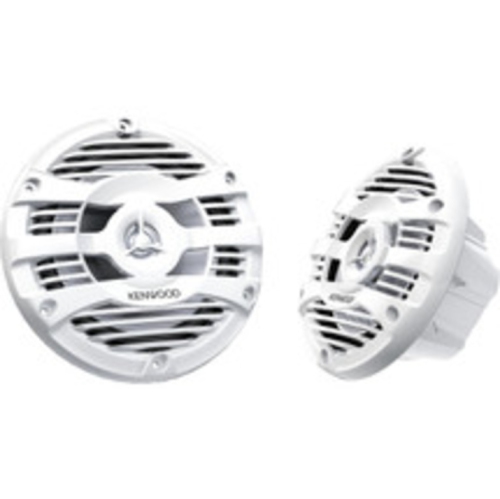 Your price for this item is $148
 -
 Your price for this item is $98
 -
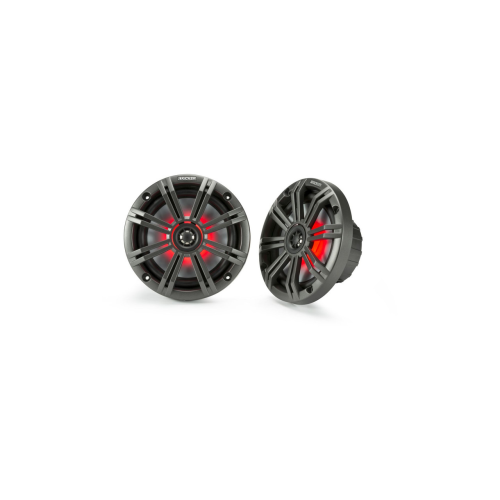 Your price for this item is $299.95
 -
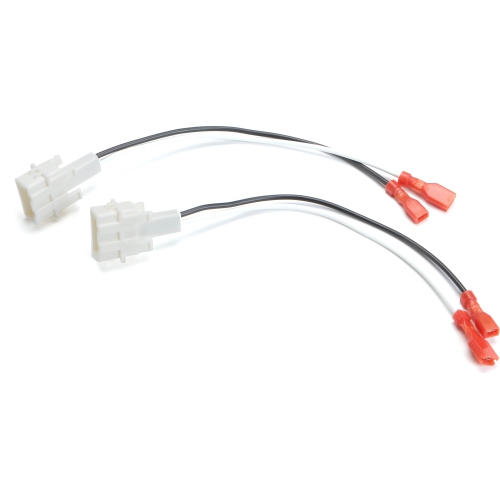 Your price for this item is $34.72
 -
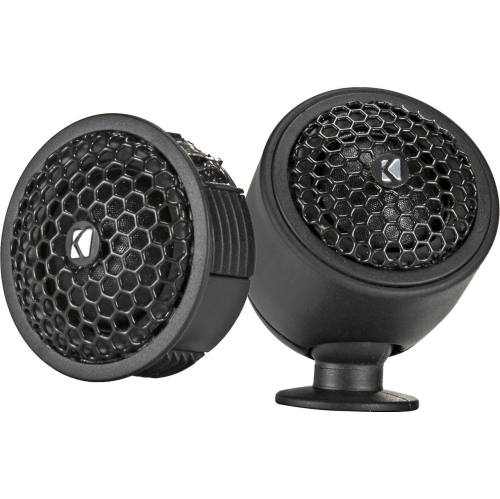 Your price for this item is $169.95
 -
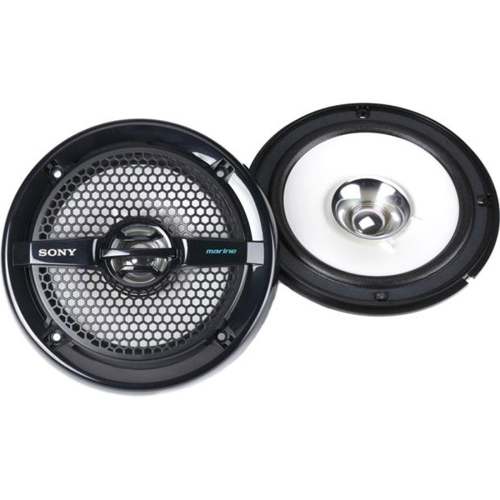 Your price for this item is $88
 -
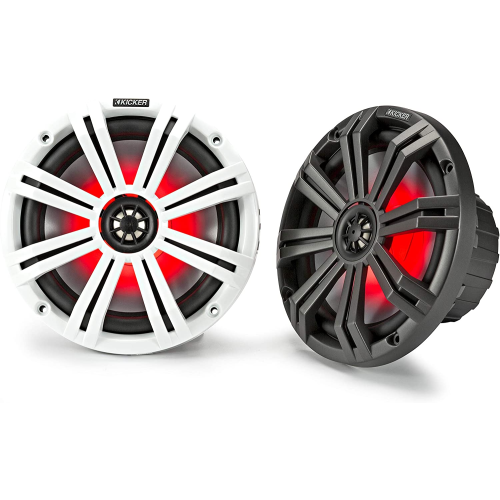 Your price for this item is $399.95
 -
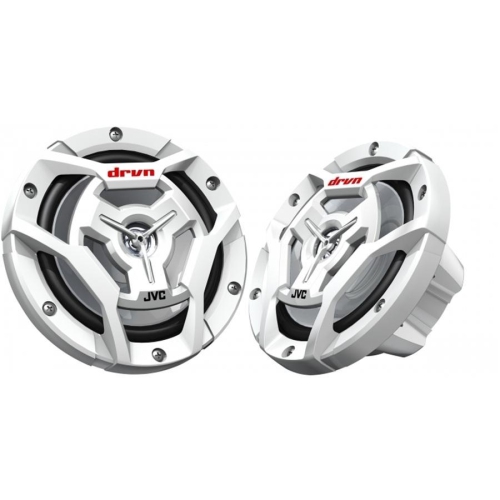 Your price for this item is $118
Discover more categories related to Marine Speakers for Pontoon Boats
Top Collections:
Pokemon Centers, Kindle Devices, Best Budget Office Chairs, Apple iPhones 16, Best Laptops for Writers, iPhone 15 Apple, Canon G7X Cameras, Refurbished Apple Laptops, Alarm Clock, Motorola Razr Phones
Some products may be subject to Environmental Handling Fees
(EHF) depending on your province.
Learn more about EHFs.