Cell Phones For Mobile Gaming Performance
Cell Phones For Mobile Gaming Performance are designed to deliver a smooth and immersive gaming experience wherever you go. With options that cater to a variety of preferences and budgets, you can find devices that handle intensive games with ease. Explore models that prioritize speed, responsiveness, and display quality to elevate your mobile gaming sessions. Whether you’re looking for longer playtime or enhanced visuals, discover cell phones for mobile gaming performance that help you stay ahead in every match.




Why smooth gameplay takes more than a fast chip
The display is where many of those differences show up. A 120 Hz screen can refresh more often than a 60 Hz screen, but a game needs to deliver enough frames to take full advantage of the higher refresh rate. Some games set their own frame rate limits, and others offer a choice between smoother motion and more detailed graphics. Touch responsiveness is separate from refresh rate: a screen that checks for input more often can pick up a quick tap or swipe sooner, which can matter when timing a jump or hitting a note in a rhythm game. Display size affects play in more practical ways. A larger screen leaves more room for maps, small text and on-screen controls. A narrower phone may be easier to hold in portrait mode or to reach across with a thumb. Battery capacity tells only part of the story for either size. Brightness, graphics settings, frame rate and connection quality all affect how much power a game uses. A lower frame rate setting can extend a session when smooth scrolling or quick camera movement is less important, while a convenient charging port position can keep the cable out of the way when the phone is held sideways. Online play adds another consideration. Smooth animation does not prevent delays if the connection to the game server is unstable. A steady Wi-Fi or cellular connection matters for multiplayer games and is particularly important for cloud gaming, where the game runs remotely and streams to the phone. For games that run directly on the device, the processor and cooling have a greater effect on how the game looks and feels. A phone used mainly for streaming games may benefit more from a reliable connection and good controller support than from extra graphics power. Players who rely on sound cues may also prefer a speaker layout that keeps audio clear when both hands wrap around the phone.
Build and fit matter on a device that doubles as a handheld gaming screen and an everyday cell phone. A wider body can give both hands more room in landscape mode, but added weight is noticeable in a long session, especially if most of it rests on the little fingers. Rounded edges and a textured case can make the phone easier to hold, while a thicker case may change how well it fits a clip-on controller or how easily a thumb reaches the edge of the display. Glass backs can feel smooth but are more vulnerable to cracks after a drop; the grip of a metal or plastic frame often has as much to do with its finish and shape as the material itself. A case with raised edges can help keep the screen and camera from resting directly on a tabletop. A compatible screen protector can help guard against scratches without getting in the way of touch controls or an in-display fingerprint reader. A soft, lint-free cloth is useful for clearing smudges from the display, especially where thumbs tend to rest over the same controls. For shared spaces, headset support may matter more than built-in speaker volume, and for players who prefer physical buttons, compatibility with both the controller and the games matters more than the phone’s appearance. A phone for someone who fits in a short match during a break may look different from one for a player who spends an evening exploring a detailed game world. It can also make a practical gift for someone whose phone already doubles as a handheld console. The recipient’s usual games, mobile carrier, preferred way to play and existing accessories are useful points of reference. The best fit balances game performance with the details that matter between sessions, from how easily the phone slips into a pocket to whether it can handle a full day of calls, messages and play.
FAQ
What features should I look for in a cell phone for the best mobile gaming performance?
For optimal mobile gaming performance, look for a cell phone with a high-refresh-rate display (such as 90Hz or 120Hz), a powerful processor (like Snapdragon 8 series or Apple A-series chips), ample RAM (at least 6GB or more), and advanced cooling systems to prevent overheating during extended play.
How does the type of processor affect mobile gaming on a cell phone?
The processor, or chipset, is crucial for smooth gameplay. High-end processors handle complex graphics and multitasking better, reducing lag and ensuring games run at higher frame rates. Look for phones with flagship-level processors for the best experience.
Why is screen refresh rate important for gaming on a cell phone?
A higher screen refresh rate, such as 90Hz or 120Hz, allows games to display more frames per second, resulting in smoother visuals and more responsive gameplay. This can give players an edge in fast-paced games where quick reactions matter.
Is battery life important when choosing a cell phone for gaming?
Yes, battery life is very important because gaming can drain your battery quickly. Phones designed for gaming often feature larger batteries and fast charging capabilities to keep you playing longer without frequent interruptions.
Do gaming phones offer special features compared to regular smartphones?
Many phones designed specifically for gaming include features like customizable game modes, shoulder triggers, enhanced cooling systems, and software optimizations that prioritize gaming performance over background tasks.
Top selling and popular products
-
 Your price for this item is $639.99
-
 Your price for this item is $120
-
 Your price for this item is $634.99
-
 Your price for this item is $189.99
-
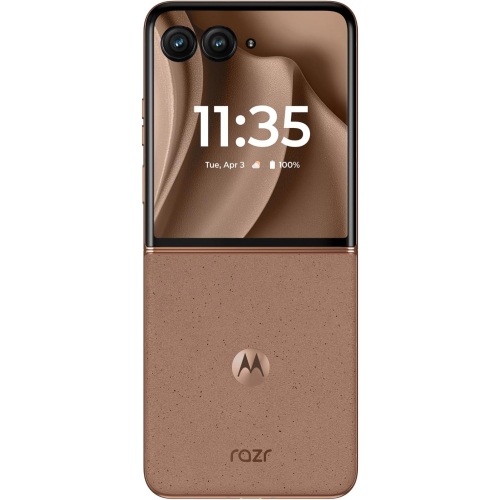 Your price for this item is $789.99
-
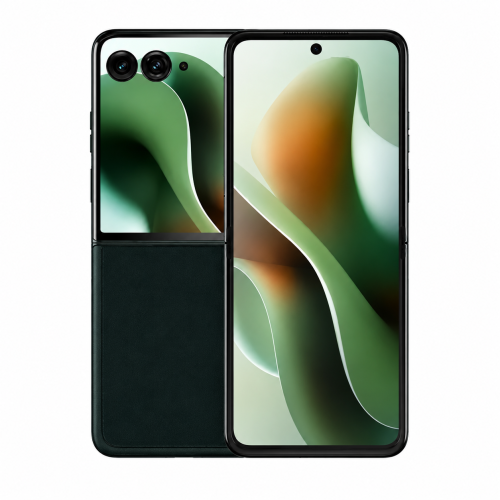 Your price for this item is $1204.17
-
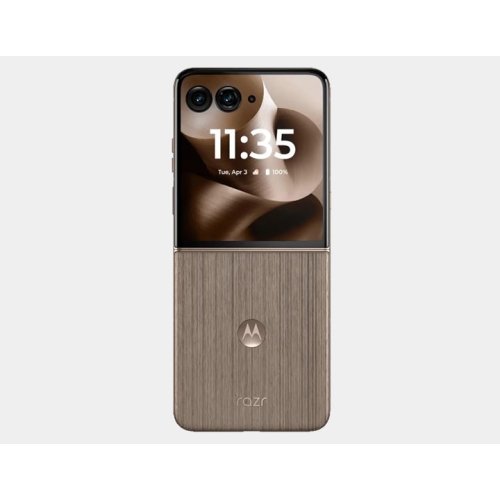 Your price for this item is $1362.99
-
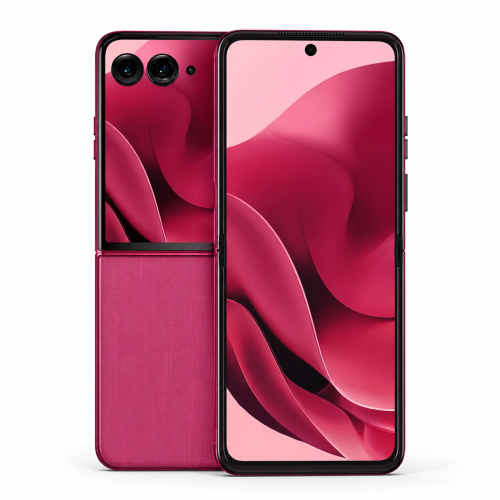 Your price for this item is $2651.99

