Cell Phones For Gaming With Fast Processor
Cell Phones For Gaming With Fast Processor are designed to deliver smooth and responsive gameplay, helping you stay ahead in every match. Whether you enjoy fast-paced action titles or immersive role-playing games, these cell phones offer the performance needed for a seamless mobile gaming experience. Discover options that keep you connected and in control during your favorite gaming sessions, all while enjoying impressive visuals and quick load times. Find the right device to match your gaming style and stay competitive wherever you play.
Sort


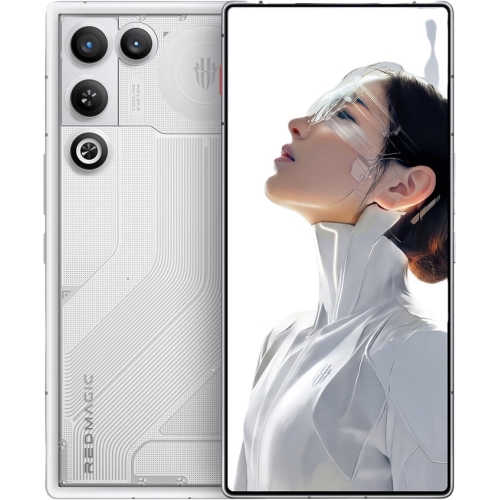
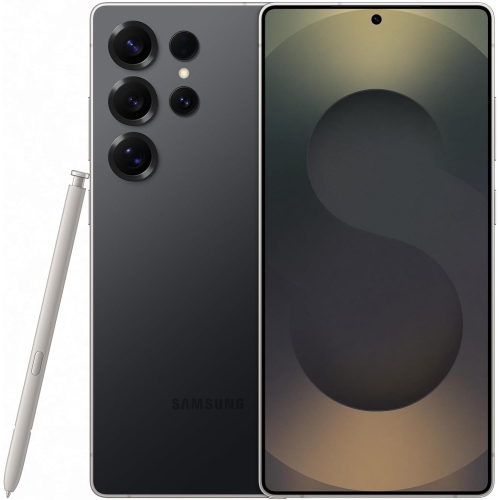


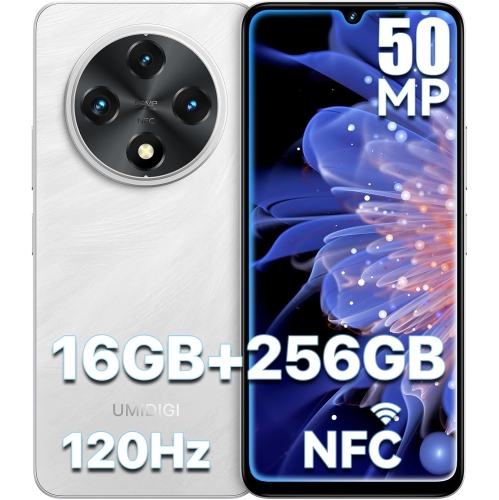


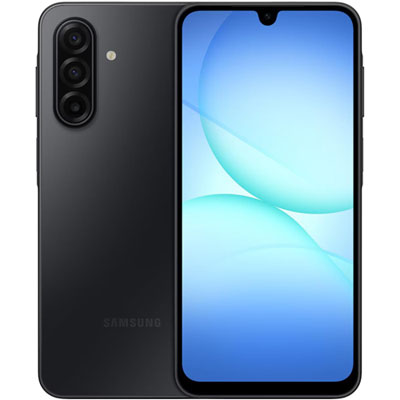
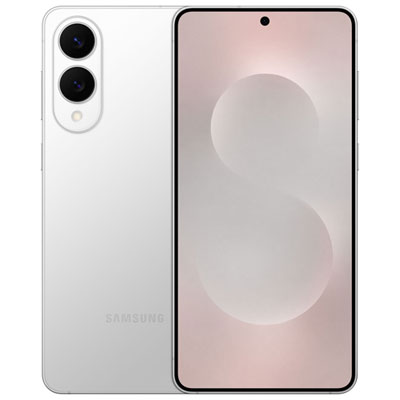

Smooth gameplay takes more than a fast chip
Cell phones for gaming with fast processors combine capable central processing units, strong graphics performance, and responsive memory to handle demanding mobile games. The processor coordinates everything from character movement and physics calculations to background tasks, while its graphics processing unit renders detailed scenes, lighting, and effects. In a busy multiplayer match, that combination can help keep movement fluid as opponents appear, effects fill the screen, and voice chat runs alongside the game. Performance depends on more than a chip’s advertised clock speed, though. Processor architecture, game optimization, graphics settings, and the phone’s ability to manage heat all influence how consistently it plays. A phone that delivers a brief burst of speed may behave differently after an extended session, making sustained performance particularly relevant for racing games, competitive shooters, and expansive role-playing adventures. Heat spreaders, vapour chambers, and other internal cooling designs help move heat away from key components, although their effectiveness varies by device. Memory and storage contribute in different ways. RAM holds active game data and supports switching between a game, messaging, and other apps; having more RAM does not automatically produce higher frame rates once a game’s needs are met. Storage capacity determines how much room remains for game installations, downloaded content, screenshots, and recordings, while storage speed can affect loading and installation times. Large games may need additional free space for updates beyond their initial download size. For someone who regularly moves between several games, generous internal storage can be more practical than repeatedly deleting and downloading files. A fast processor also supports everyday use beyond gaming, including editing short clips, navigating maps, and keeping several apps open. That makes these phones relevant both to dedicated mobile players and to people who want one device for entertainment, communication, and daily tasks. Compatibility remains essential: a game’s operating system requirements, supported graphics features, and device-specific settings determine which capabilities can actually be used.
The display translates processing power into something visible, whether that is a cleaner view of a distant rival or smoother scenery through a fast corner. A high refresh rate allows the screen to update more frequently, but refresh rate and game frame rate are not the same measurement. A 120Hz or 144Hz display can show very fluid motion when the game and hardware support a matching frame rate; it cannot make a game running at a lower frame rate generate extra rendered frames. Some titles also restrict higher frame-rate settings to supported devices. Touch responsiveness matters separately, particularly when aiming, changing direction, or tapping several controls in quick succession. Touch sampling specifications describe how often touch input is checked, rather than how frequently the image refreshes. Resolution, contrast, brightness, and colour reproduction contribute to clarity, while adjustable settings let players balance visual detail against battery use and processing demands. OLED displays can provide deep blacks and strong contrast, although overall screen quality depends on the individual panel and its tuning. Screen dimensions and shape also affect comfort. A larger display can give on-screen controls more room, while a narrower body may be easier to hold during a lengthy session or carry throughout the day. Flat edges, curved glass, camera placement, and speaker positioning can all change how a phone feels when held horizontally. Stereo speakers may make game audio easier to follow, provided hands do not cover their openings. Headphones can offer a more private experience, with connection type and audio delay influencing how closely sound follows the action. Some phones support customizable touch zones or additional gaming controls, but compatibility varies by game and accessory. These details matter alongside processor specifications because a powerful device still needs to feel manageable in the hands. Screen responsiveness, sound, and comfortable controls all contribute to the everyday appeal of cell phones for mobile gaming performance, whether play means a quick puzzle on a break or a longer cooperative session.
Battery capacity, charging behaviour, connectivity, and construction round out the experience of owning a gaming-capable phone. A larger battery can provide more energy between charges, but capacity alone does not establish play time: display brightness, frame-rate settings, processor efficiency, network conditions, and the game itself all affect consumption. Fast charging can shorten a charging break when the phone, charger, and cable support compatible standards. On supported devices, bypass charging can supply power to the phone while reducing reliance on charging the battery during play, though implementation differs. Wireless connectivity matters most for online play and streaming. A fast processor cannot correct a congested connection or a distant game server, and low, consistent latency is often more important to a competitive match than a high headline download speed. Wi-Fi capability, cellular network compatibility, router placement, and local coverage each influence the connection. Cloud gaming places more emphasis on a stable network because the game is rendered remotely, whereas games installed on the phone rely more heavily on its own processor and graphics hardware. For daily handling, glass, metal, and polymer construction offer different combinations of weight, grip, and feel. A case can improve hold and help protect against everyday bumps, but it should fit correctly without obstructing ports, microphones, speakers, or dedicated cooling openings. Screen protectors also need to work with the display and any fingerprint reader. Water-resistance ratings have specific limits and should not be treated as a promise against all liquid damage. Routine care includes wiping the device with a soft, lint-free cloth and following the manufacturer’s cleaning and charging directions. Software support matters over time, too, as security updates and operating system compatibility help maintain everyday usefulness. As a gift, a gaming-capable phone is most useful when it suits the recipient’s preferred games, hand comfort, carrier requirements, and existing accessories. The strongest overall fit balances fast processing with a screen, battery, connection, and physical design suited to how the phone will actually be used.
Top selling and popular products
-
 Your price for this item is $639.99
-
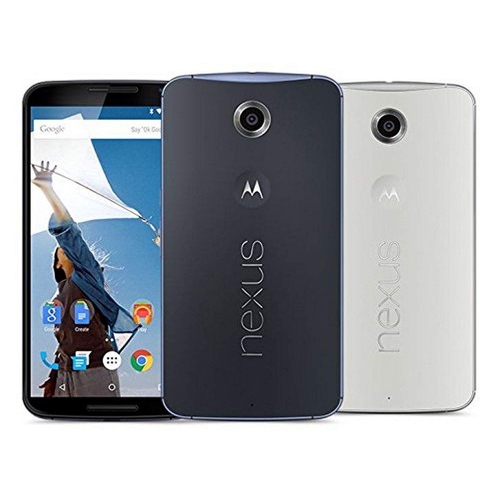 Your price for this item is $120
-
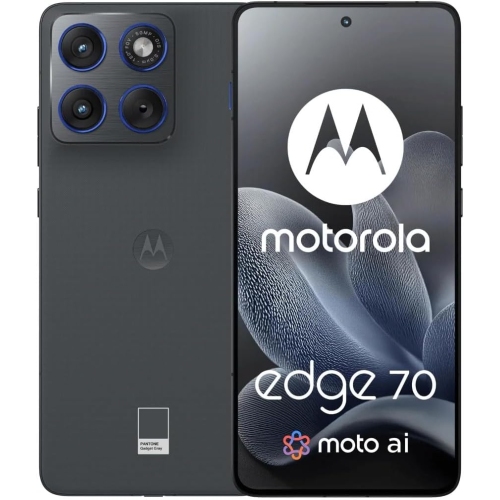 Your price for this item is $634.99
-
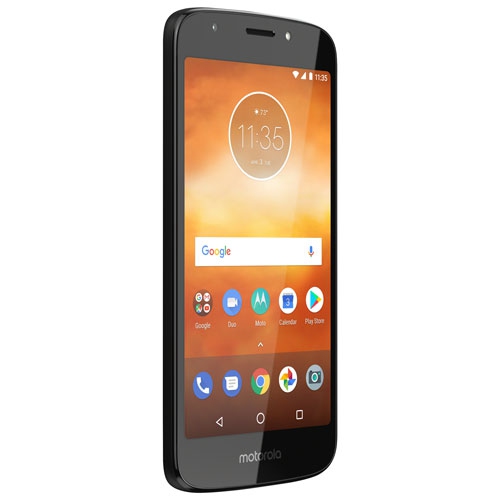 Your price for this item is $189.99
-
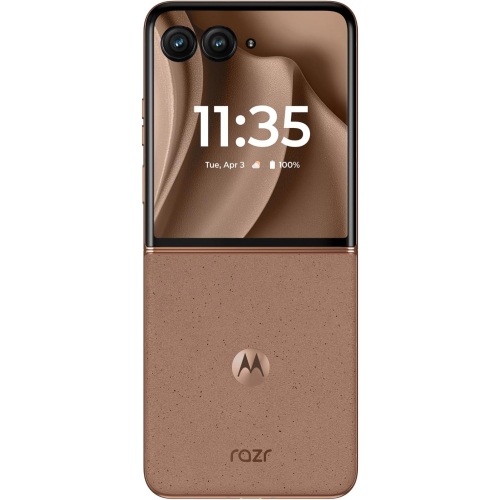 Your price for this item is $789.99
-
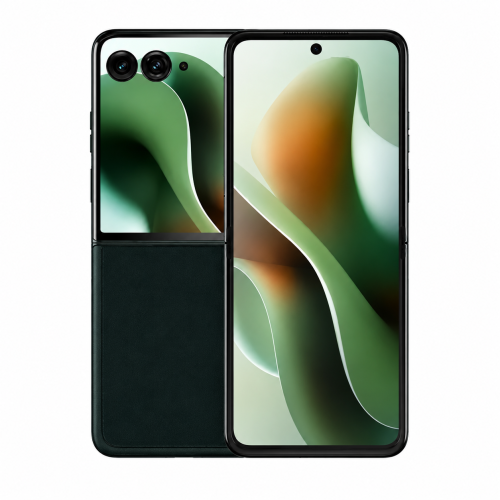 Your price for this item is $1204.17
-
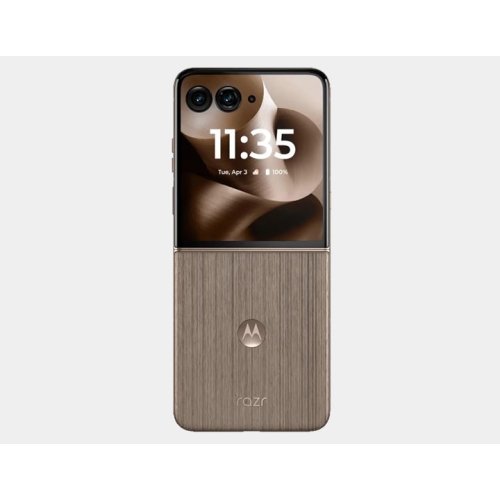 Your price for this item is $1362.99
-
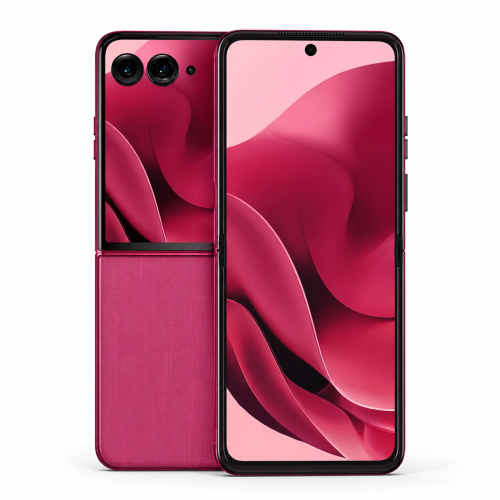 Your price for this item is $2651.99
Discover more categories related to Cell Phones For Gaming With Fast Processor


Top Collections:
Best Black Friday Deals This Year, Best Black Friday Deals On Electronics, Kindle Devices, Pokemon Centers, Best Black Friday Deals On Apple Products, Best Cameras for Sports Photography, Dyson Airwrap, Pokémon 30th Celebration Cards, Apple iPhone 17 Pro, Canon G7X Cameras
Some products may be subject to Environmental Handling Fees
(EHF) depending on your province.
Learn more about EHFs.