Magnetic Cases
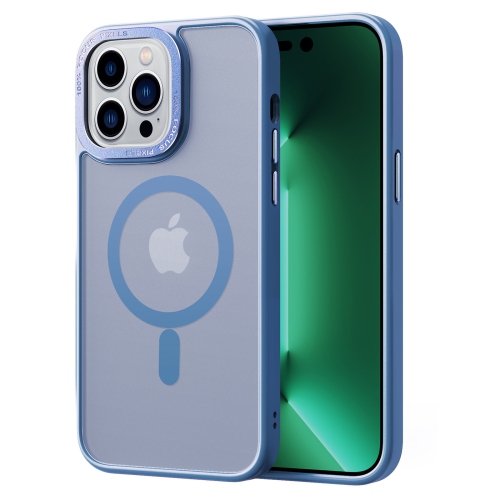
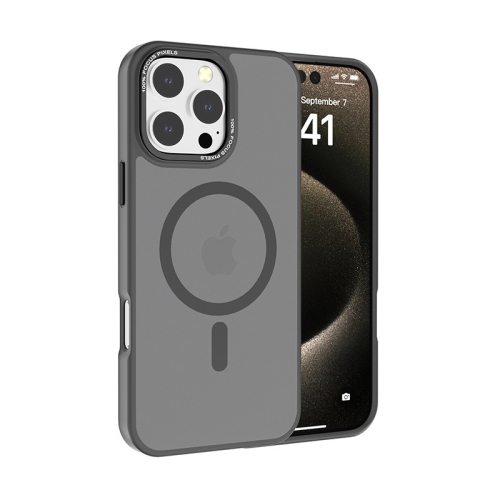
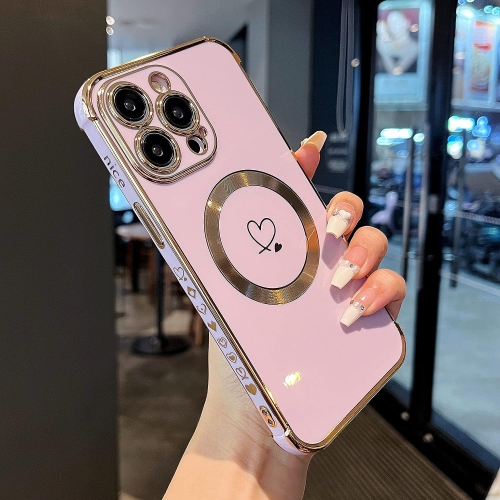
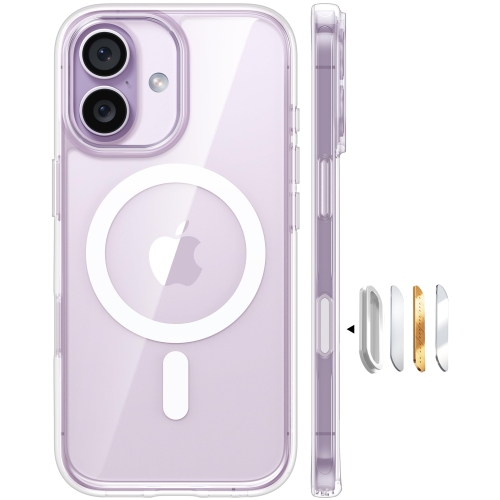
Keep your phone safe and stylish with our selection of magnetic cases. These innovative accessories provide a secure fit for your device while adding a touch of flair to your everyday look. Whether you're looking for a sleek design or a pop of color, our magnetic cases offer both protection and style in one convenient package. Explore our range of options to find the perfect magnetic case to suit your personality and keep your phone protected from daily wear and tear.
Sort
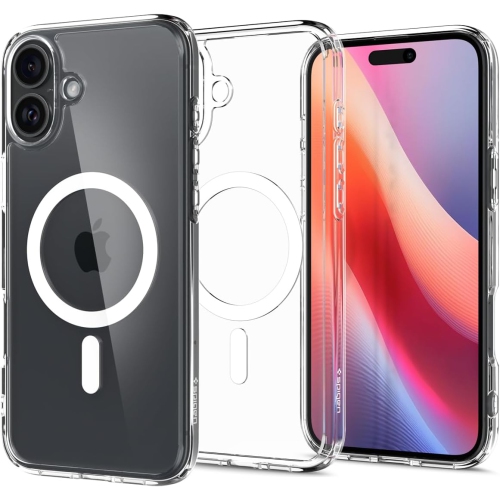
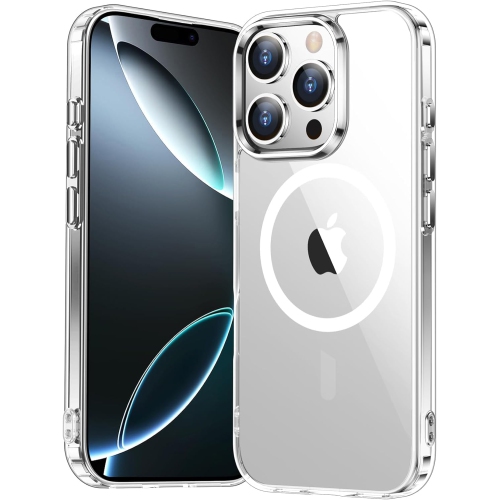

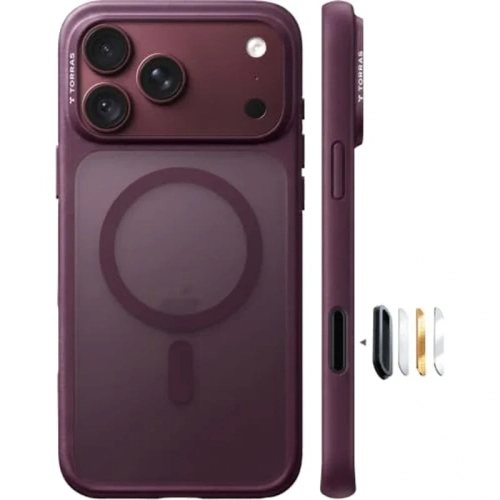
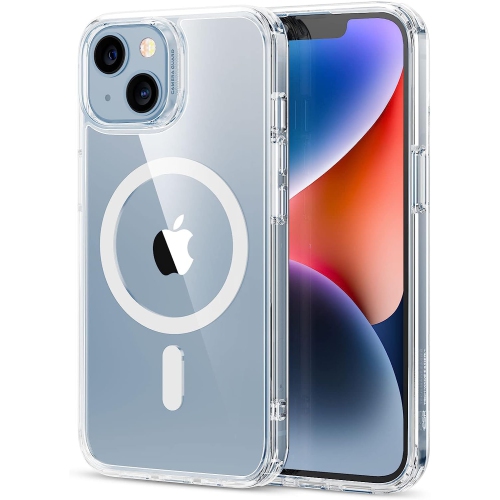



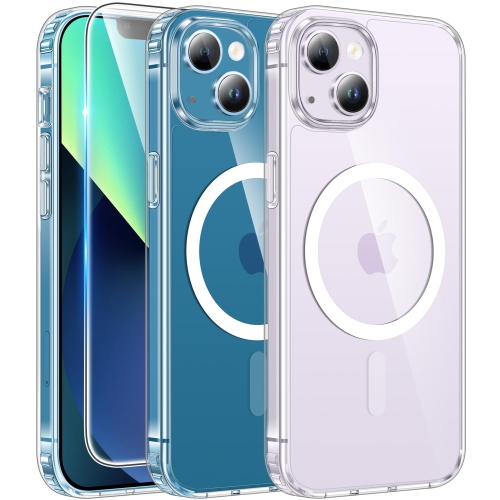
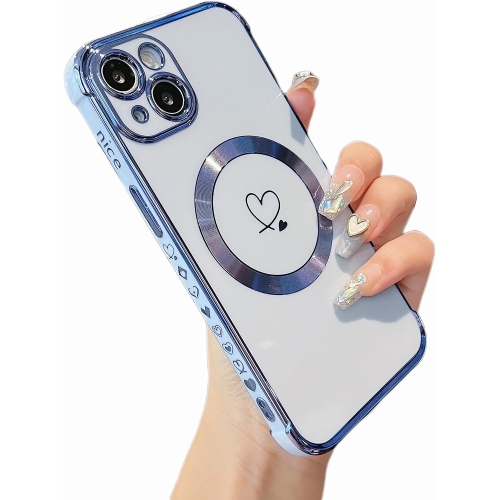
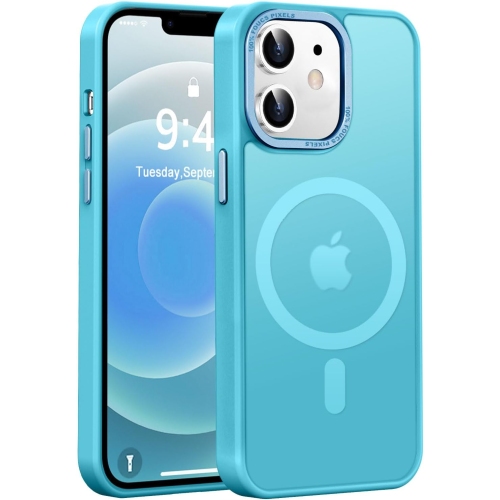
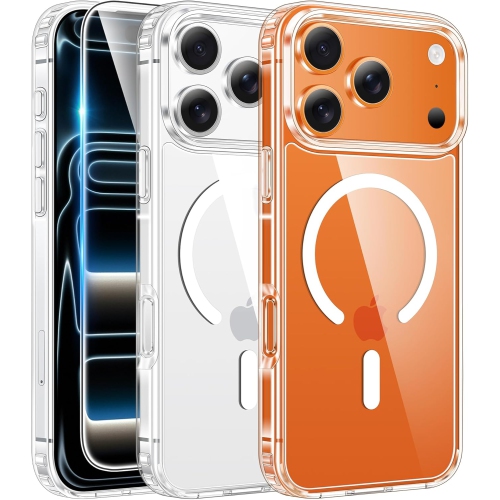







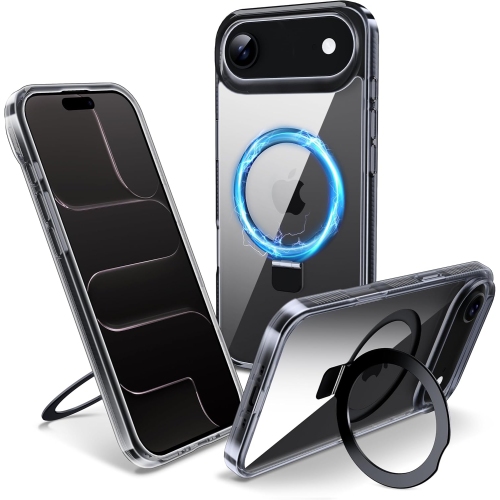


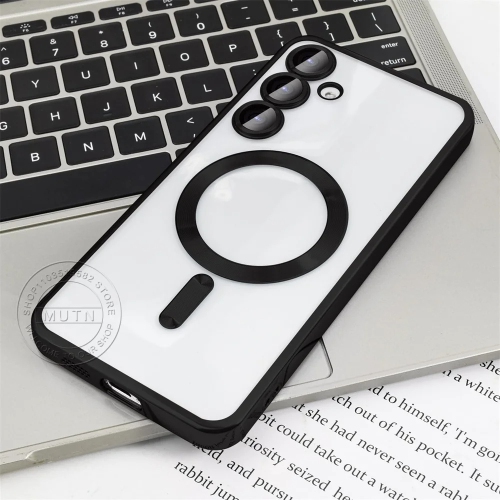
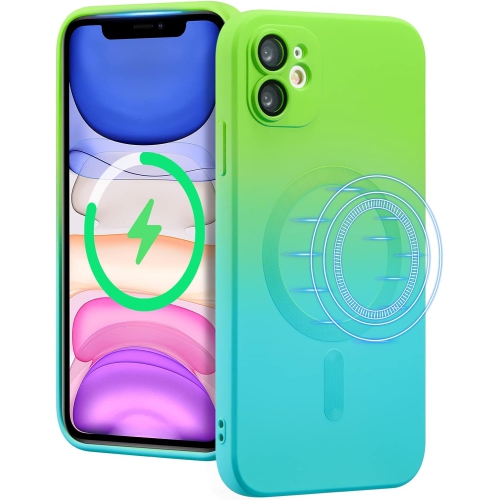
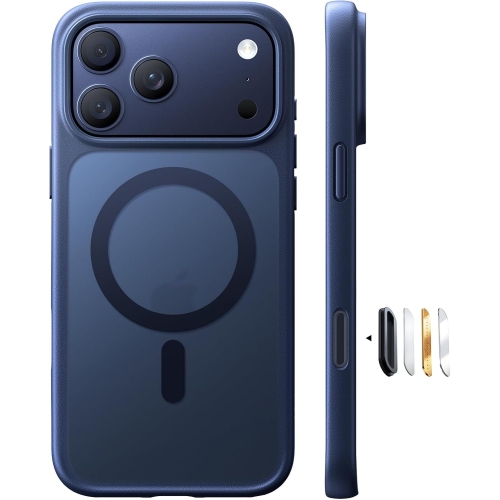
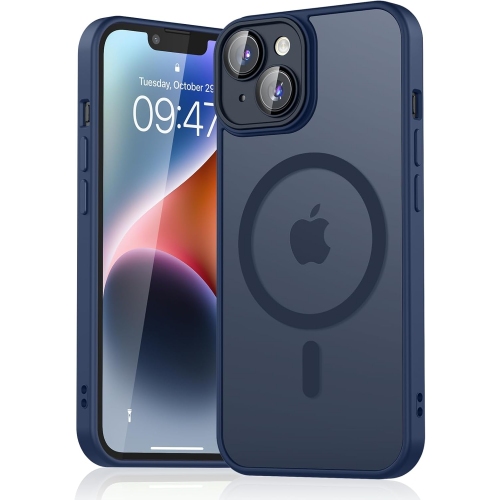
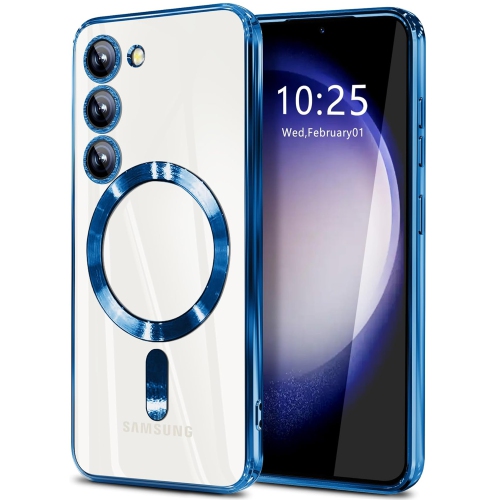

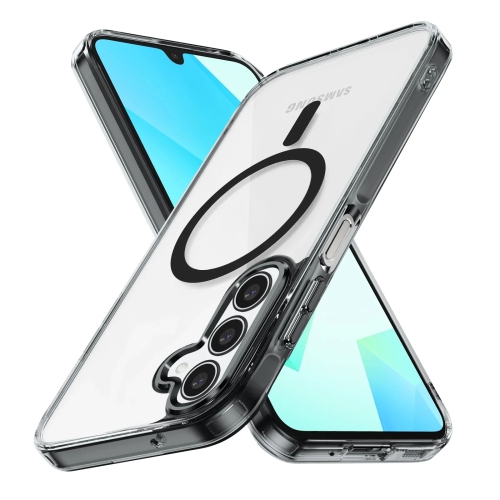

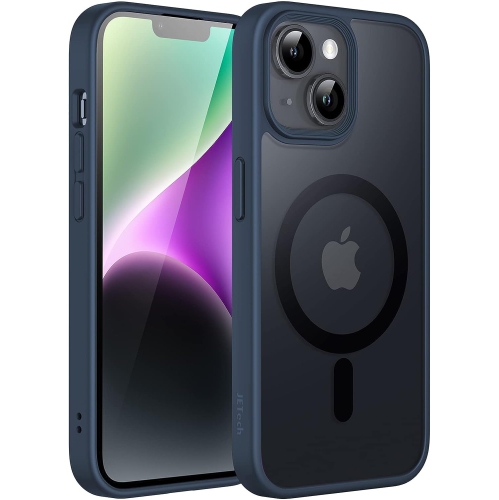



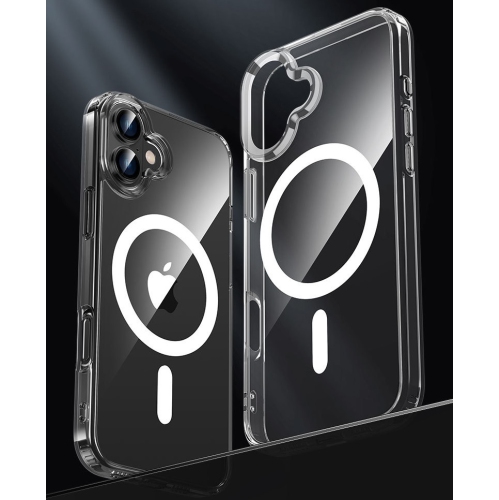
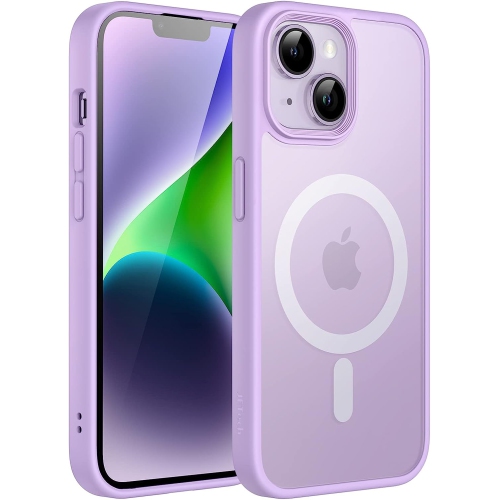
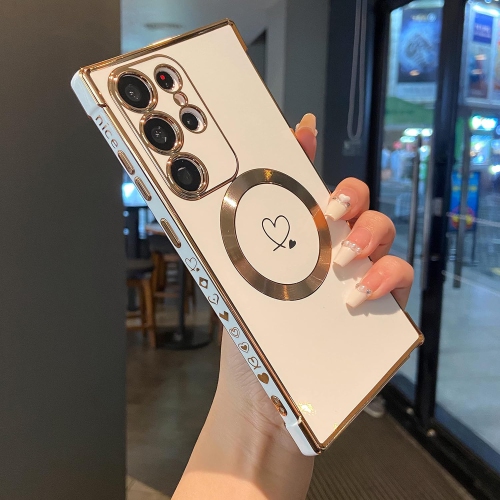

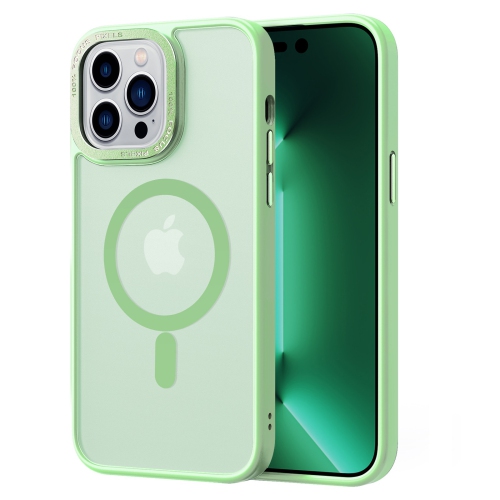




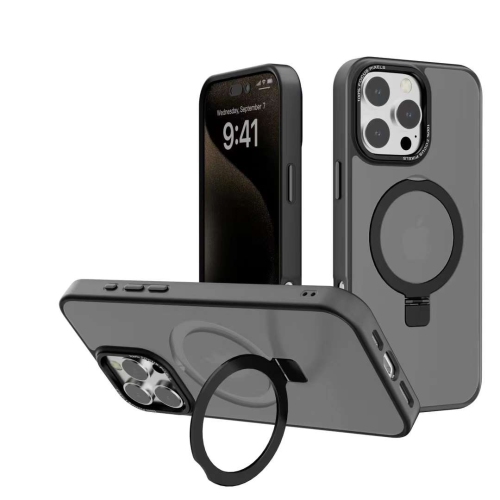


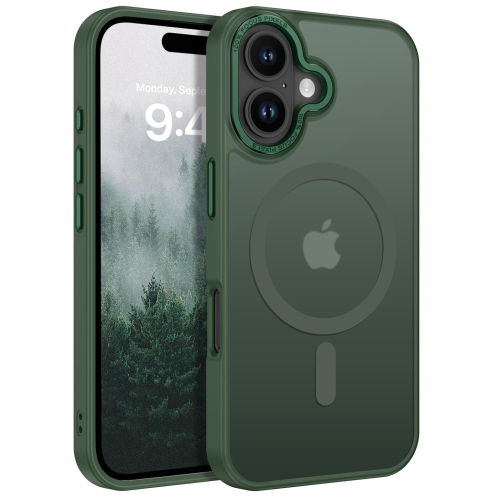
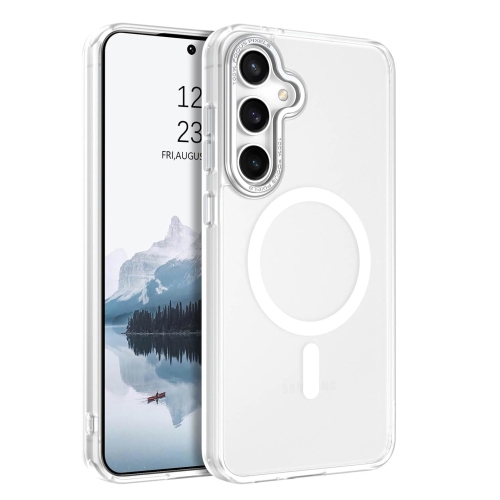
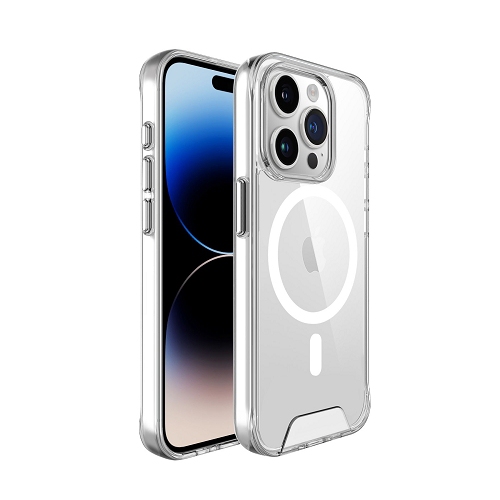



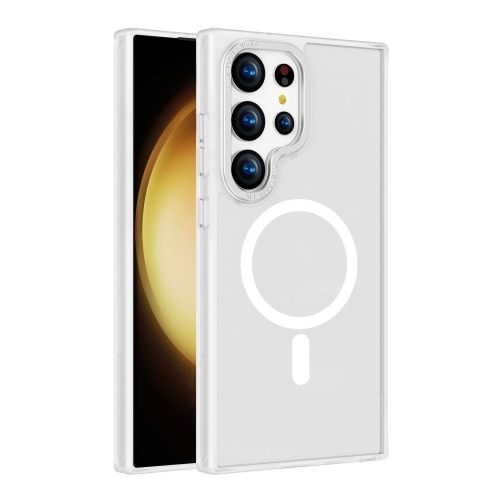
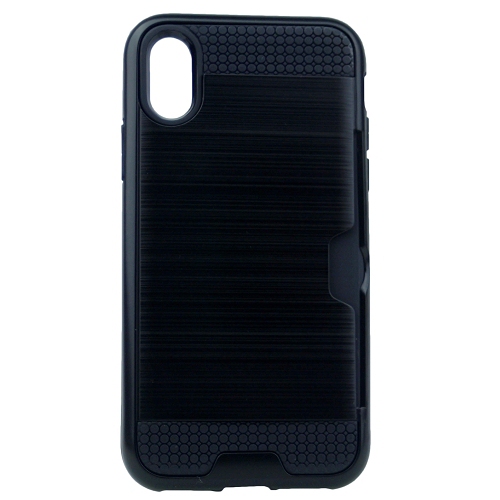
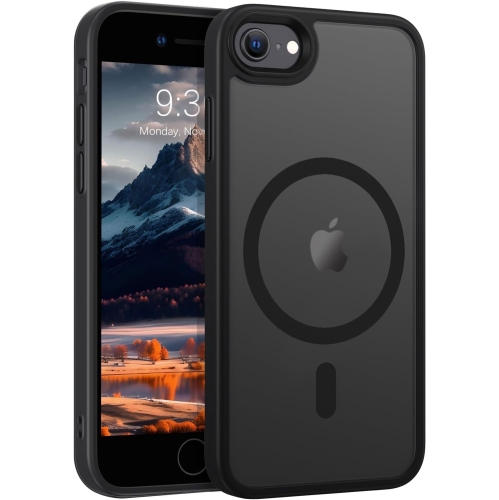
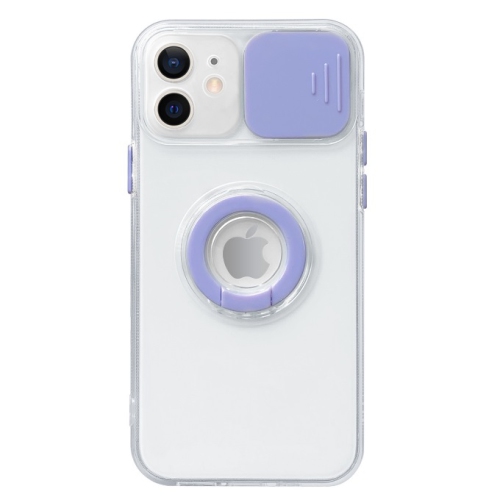
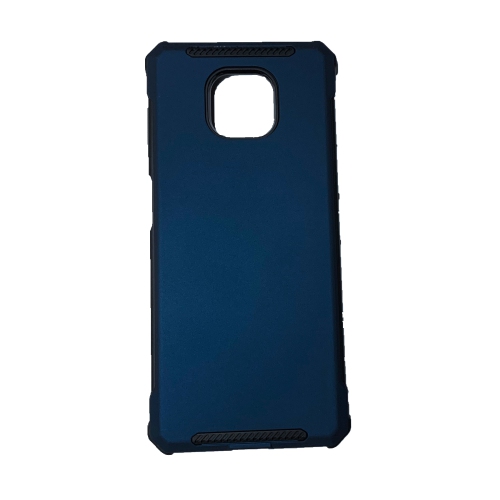
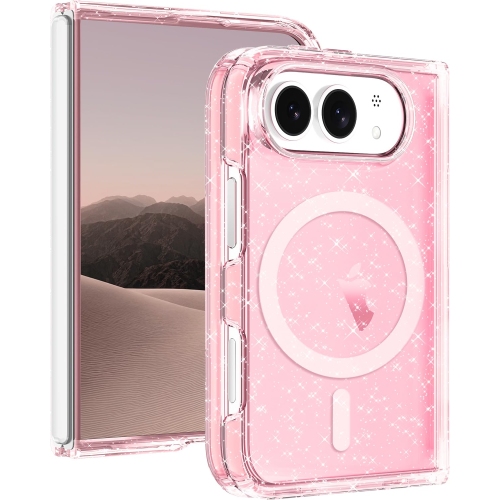
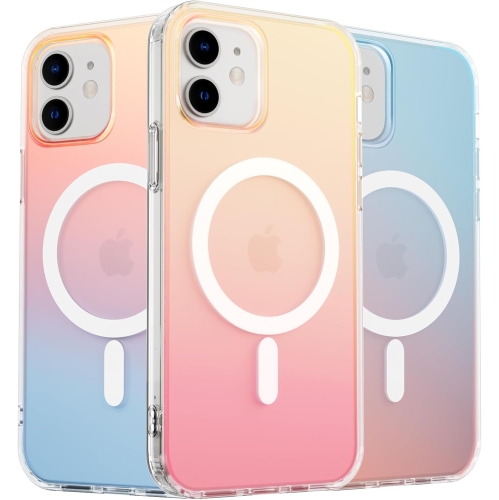
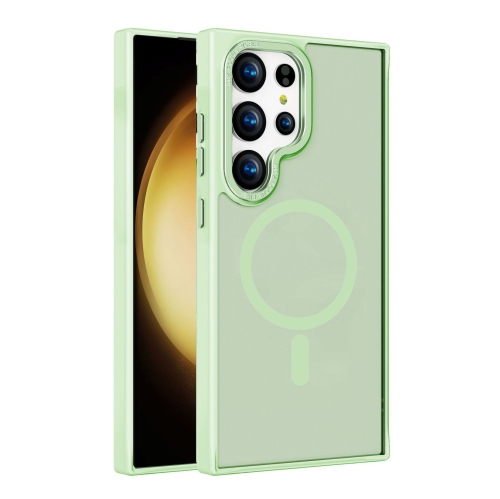





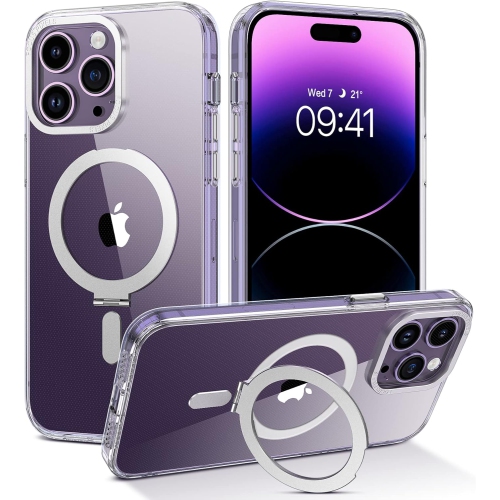
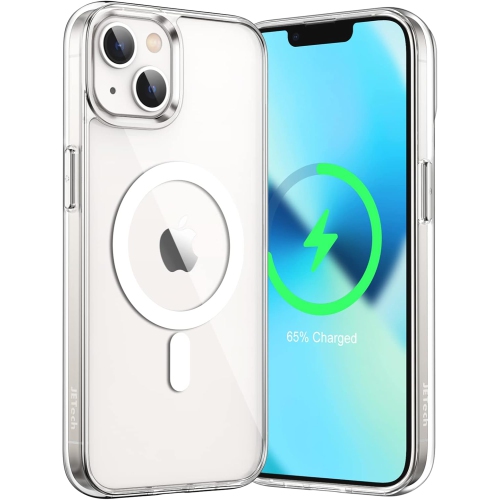
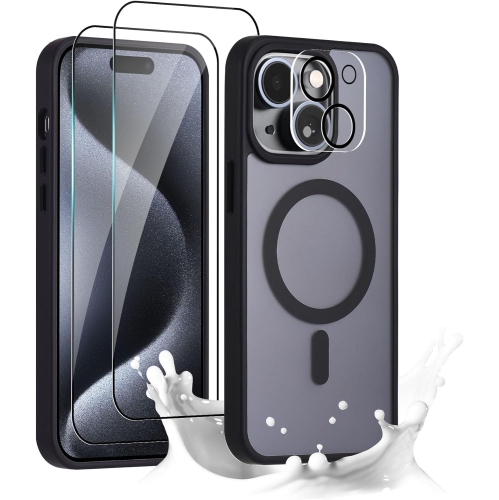
Why magnetic compatibility goes beyond a strong hold
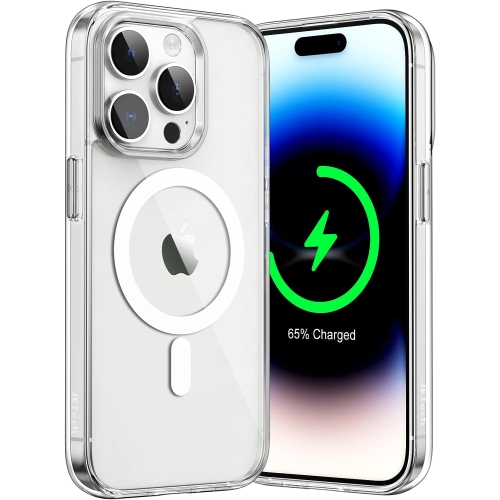
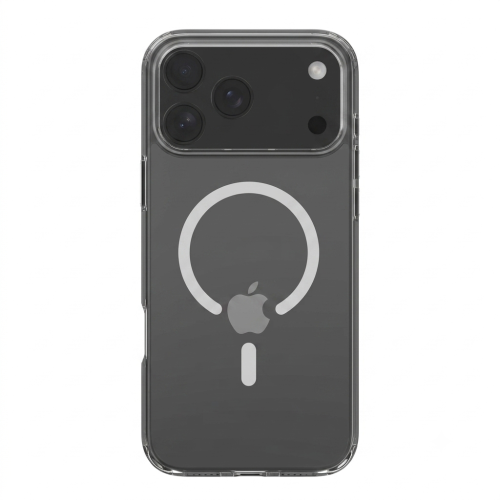
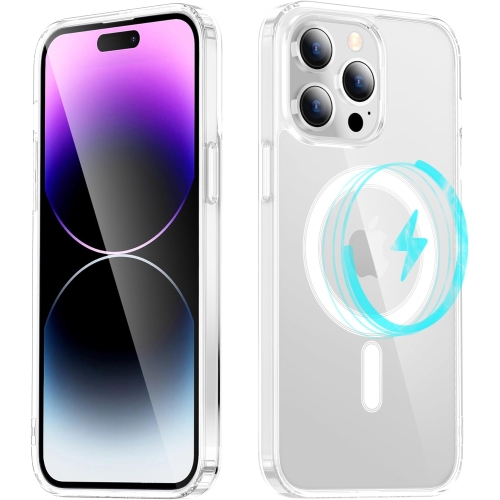
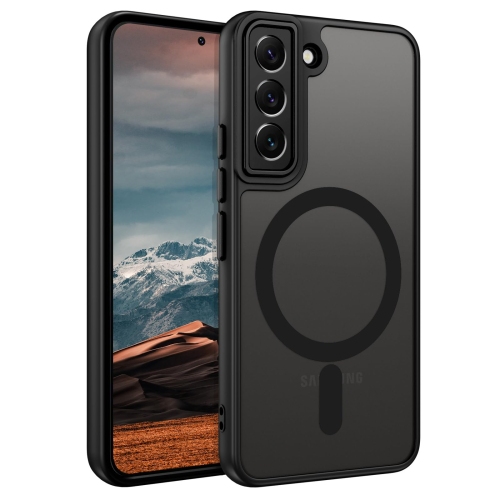
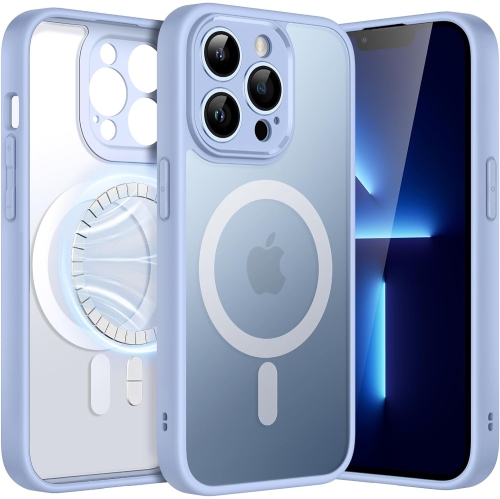
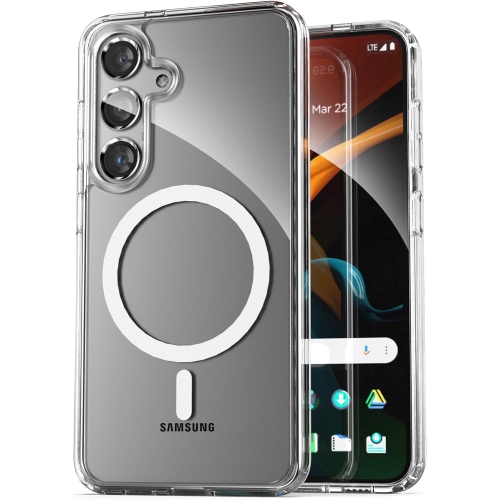
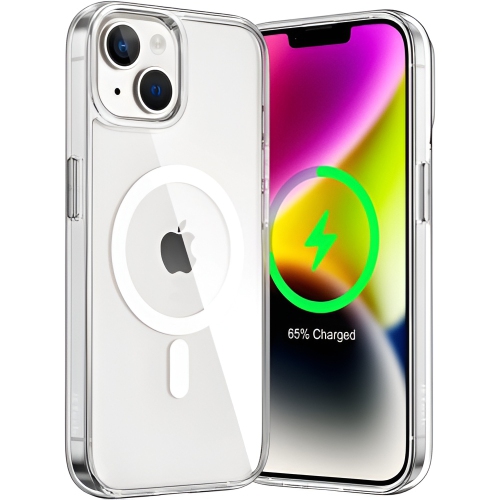
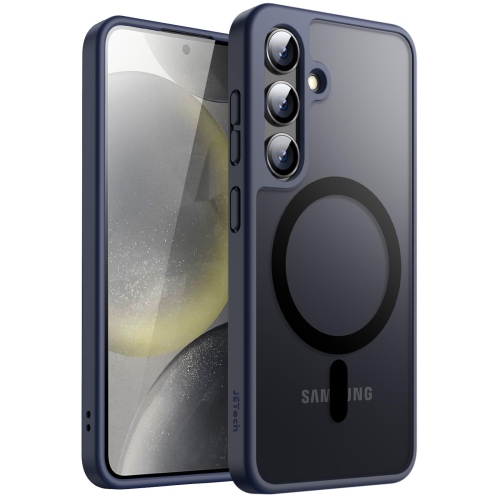
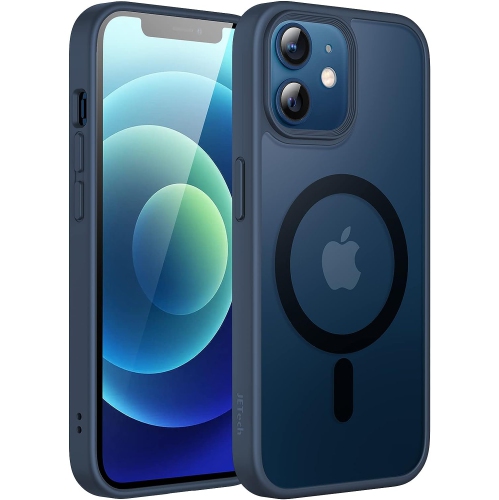
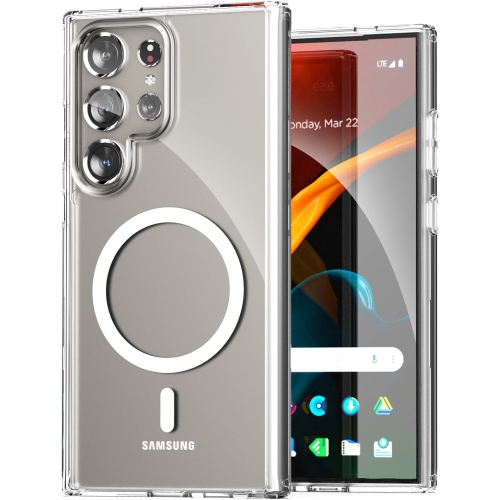
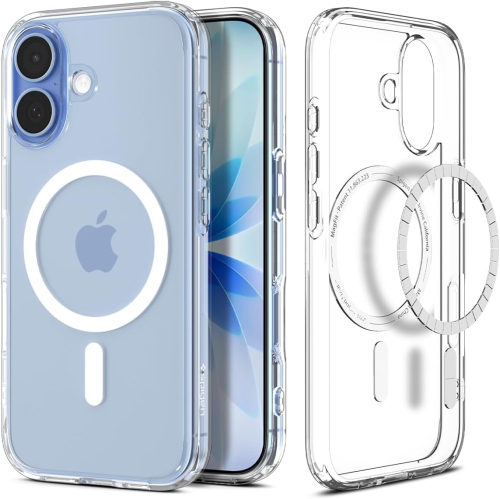
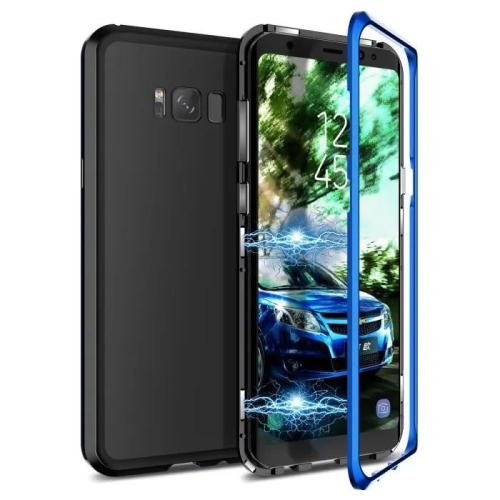
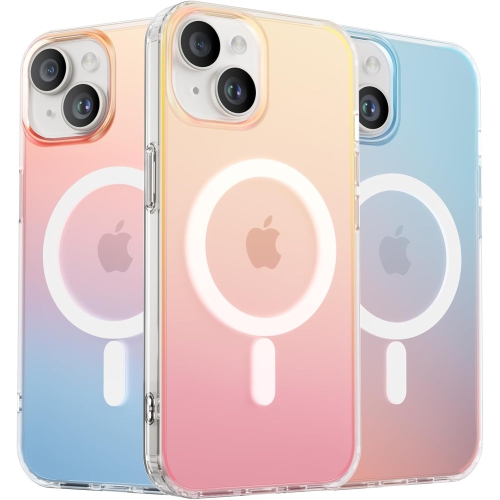
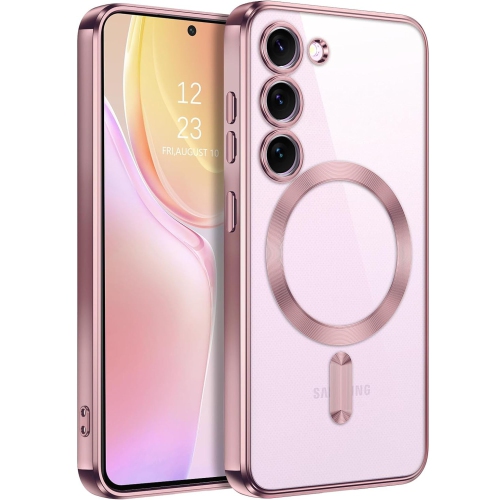
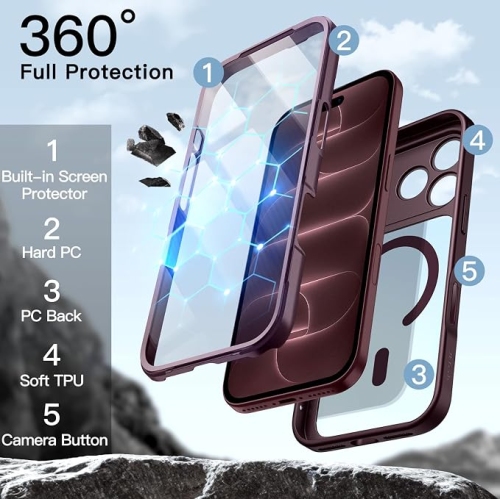
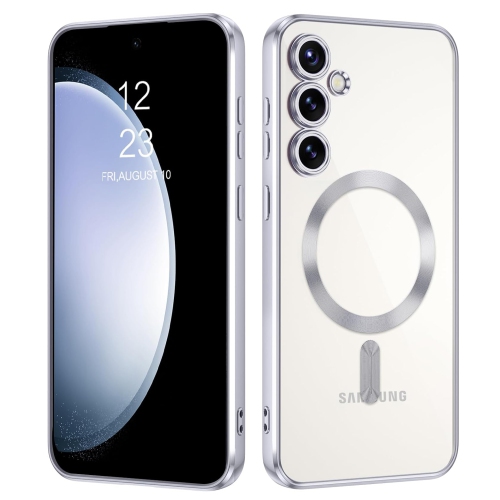
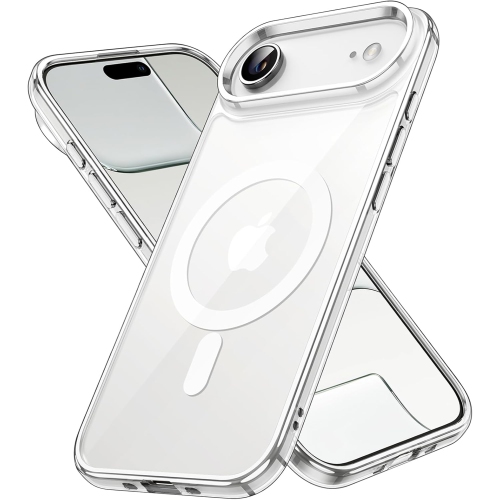
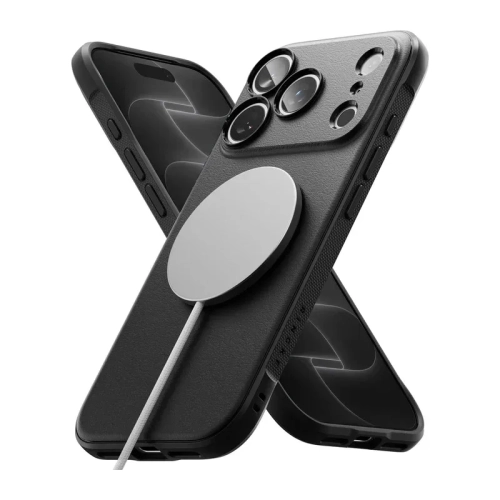
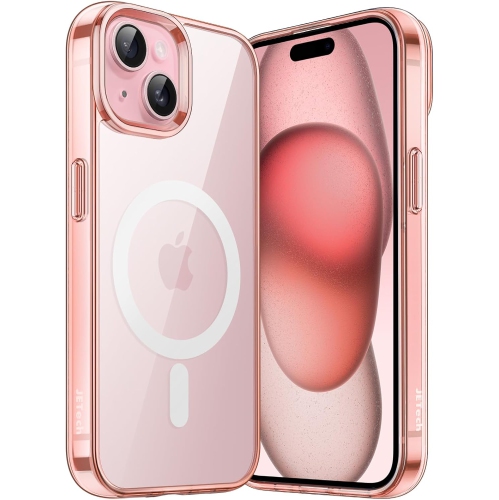
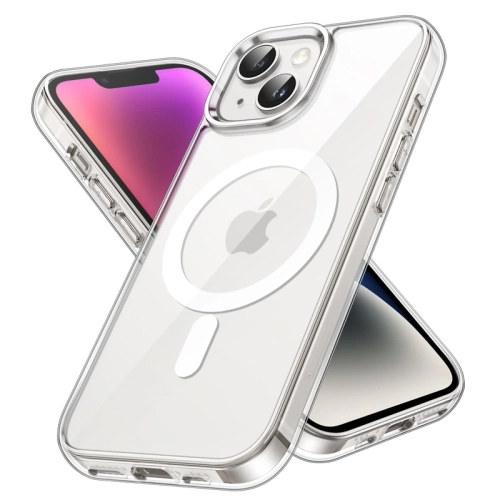
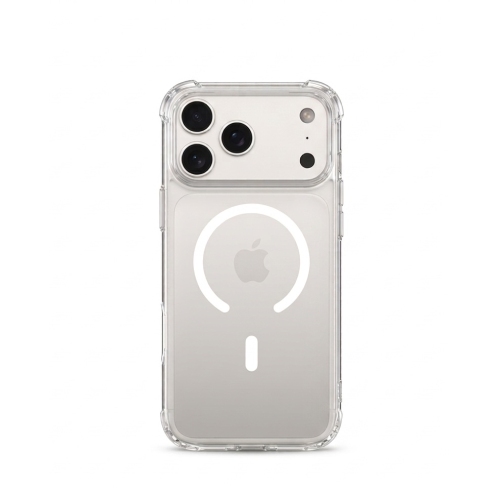
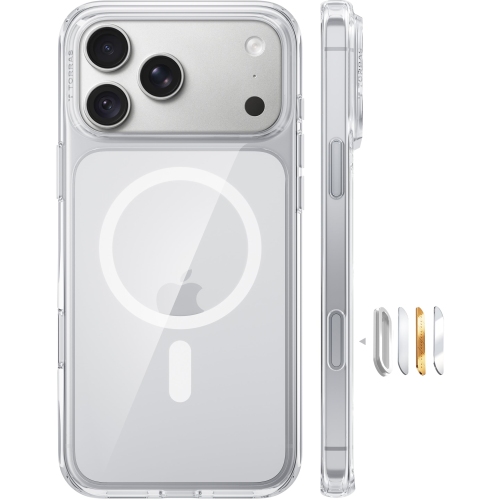
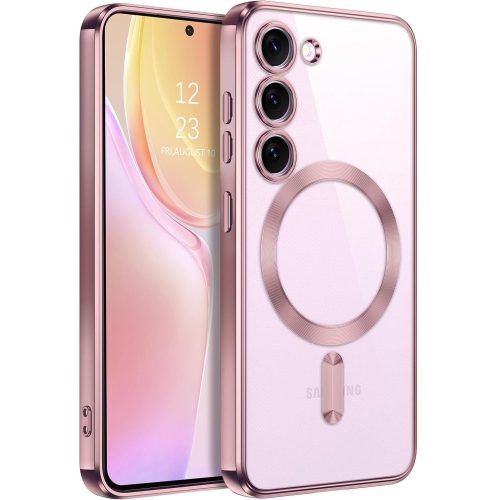
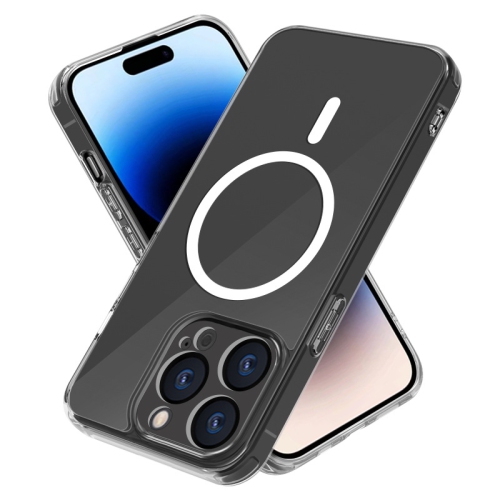
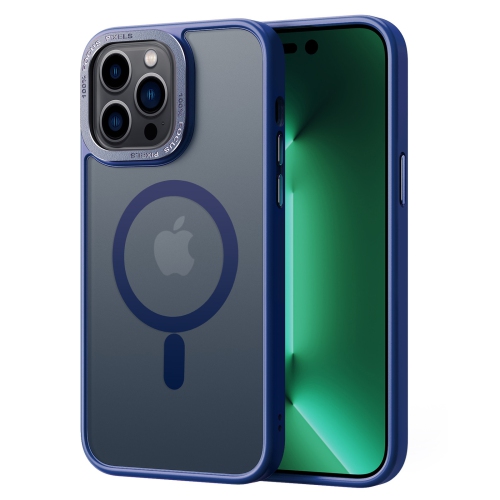
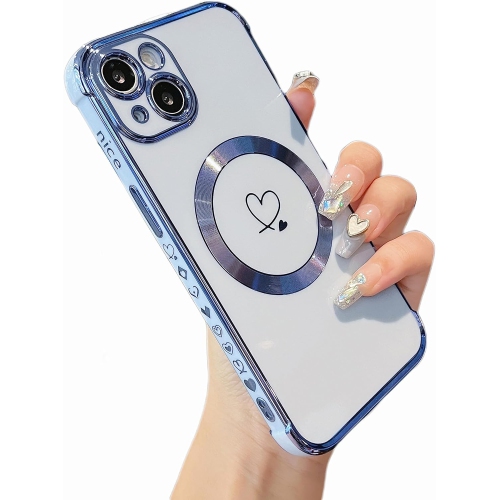
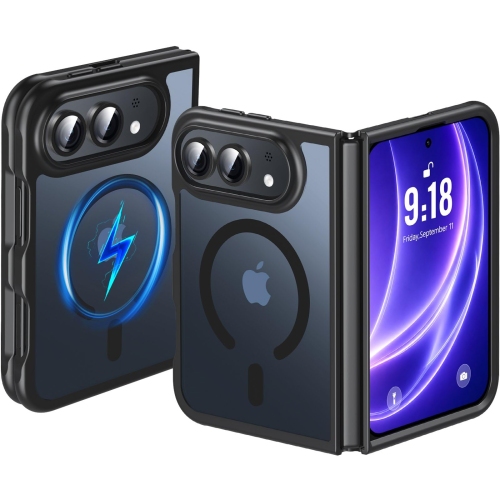
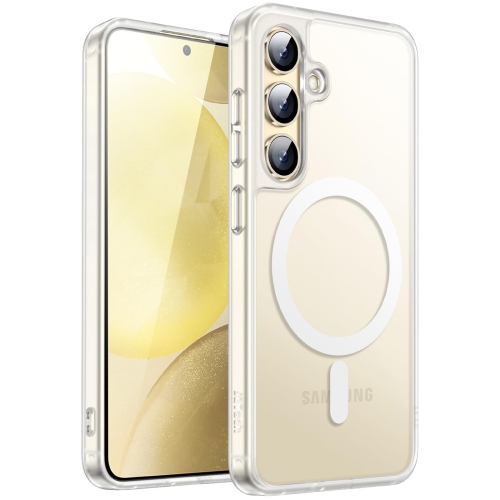
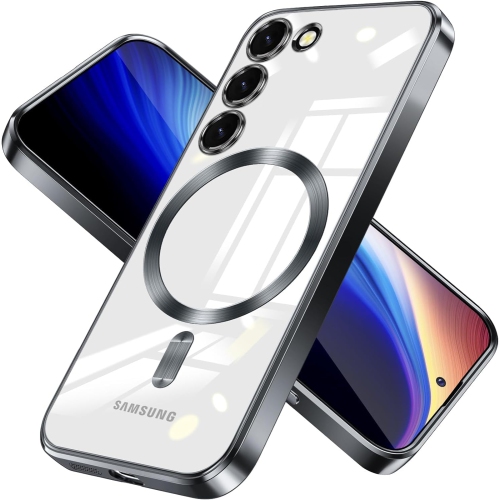
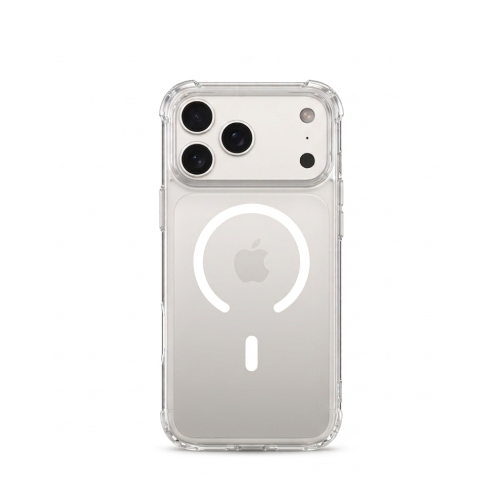
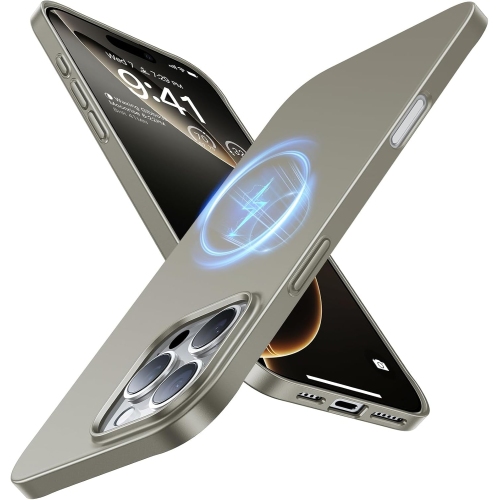
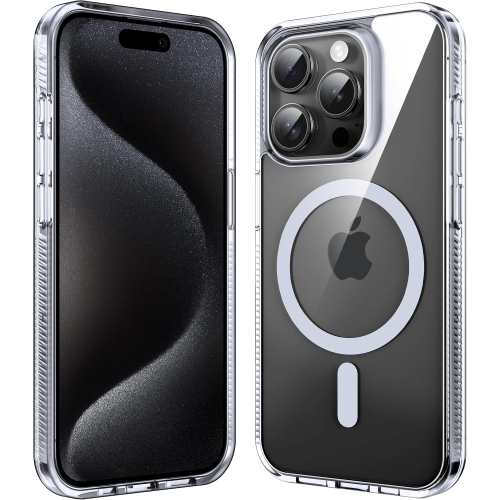
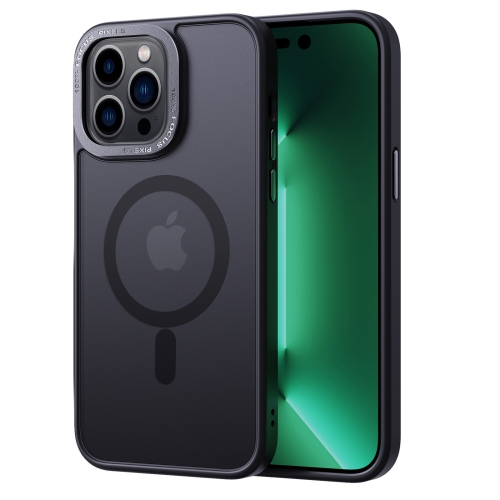
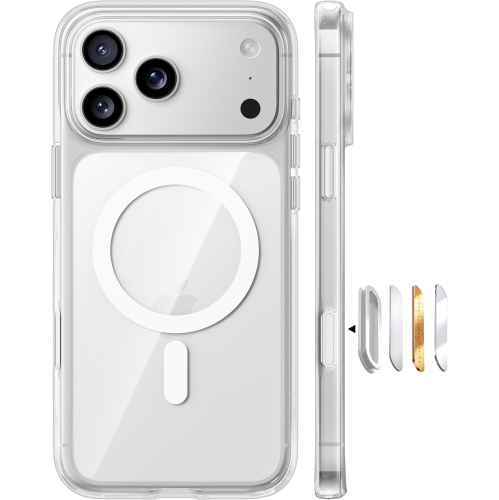
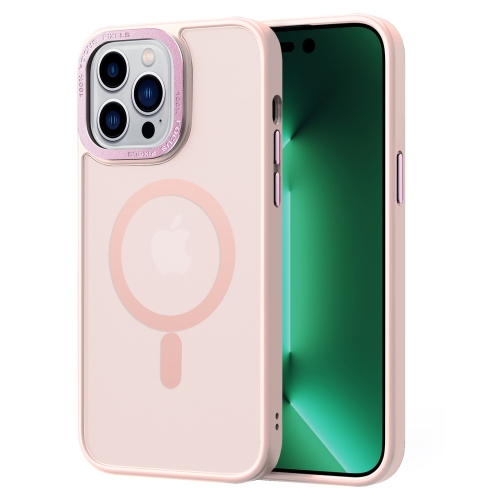
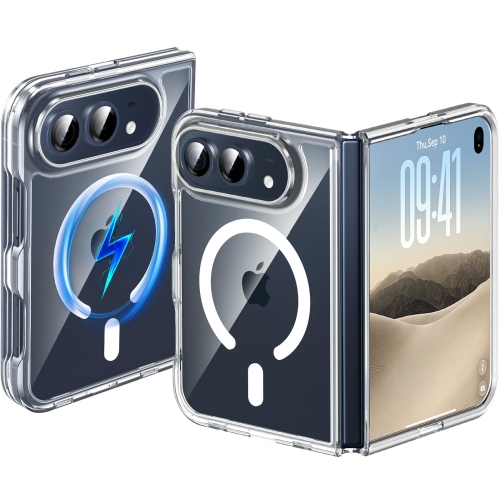
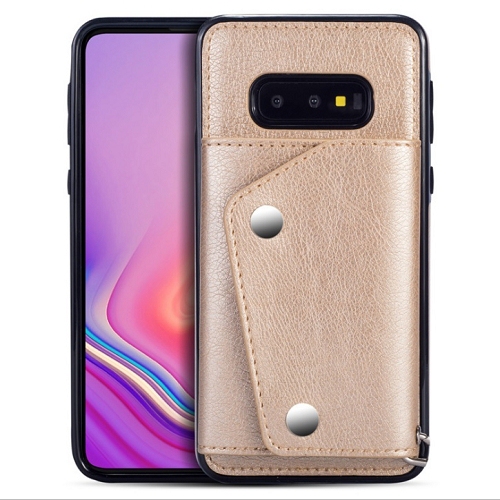
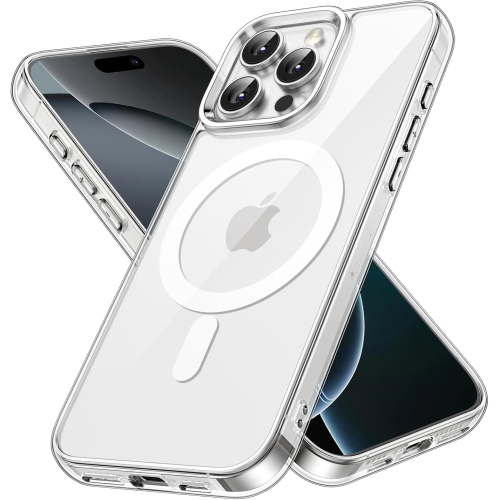
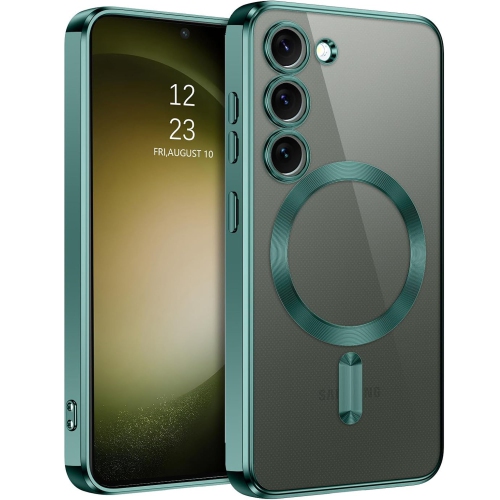
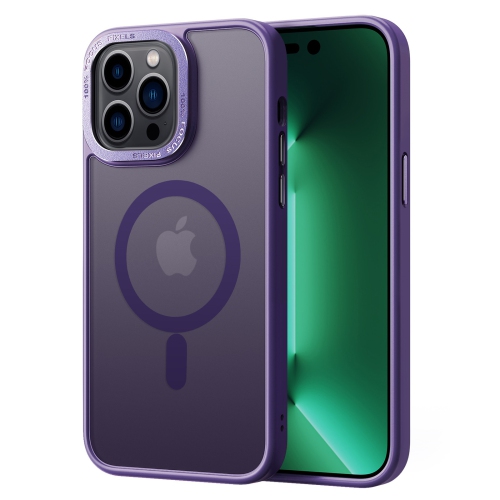
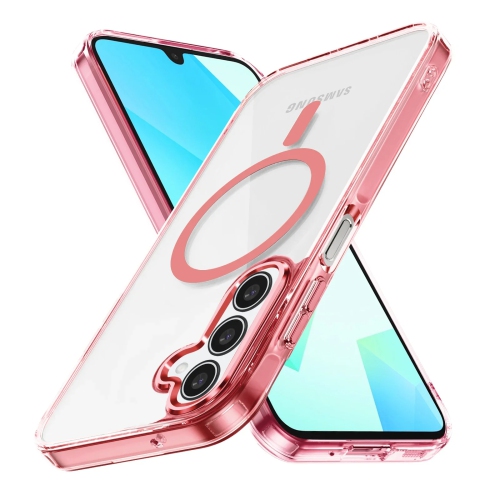
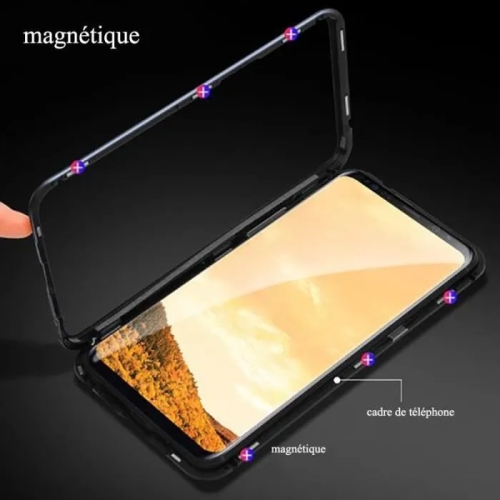
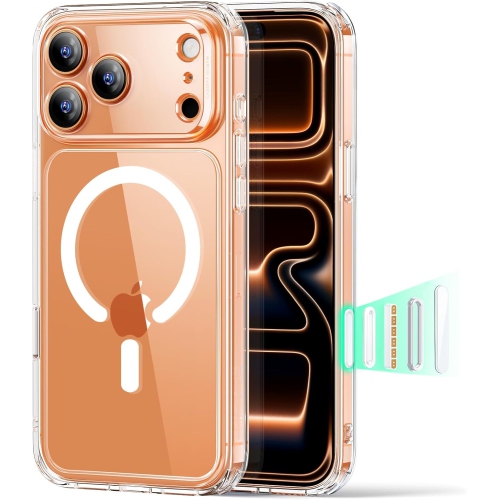
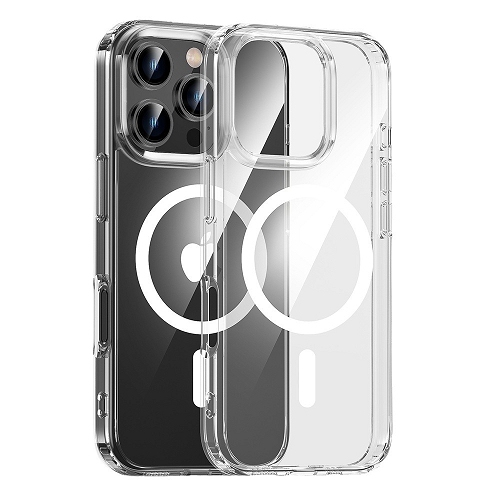
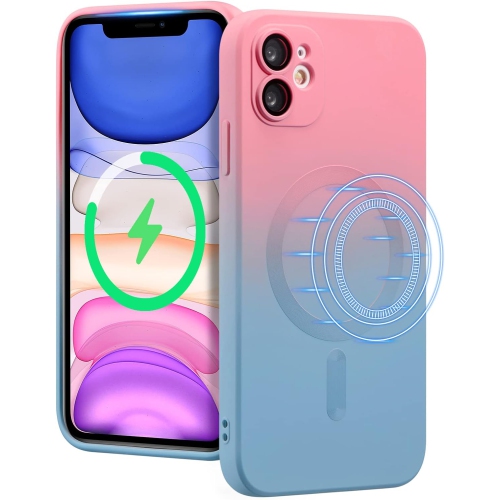
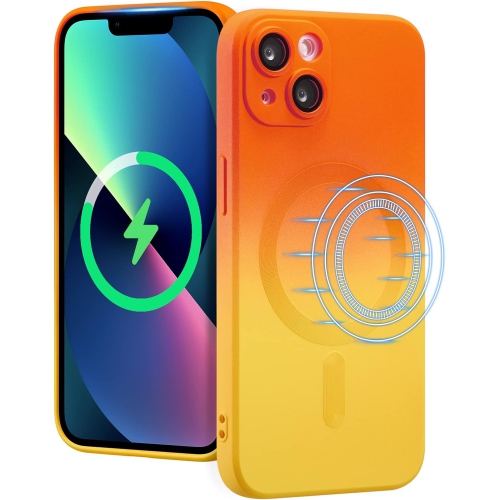
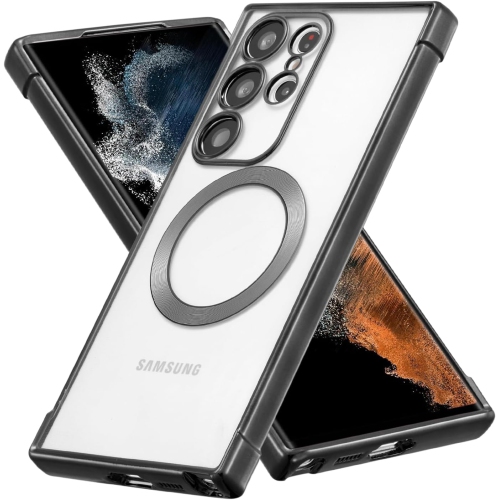
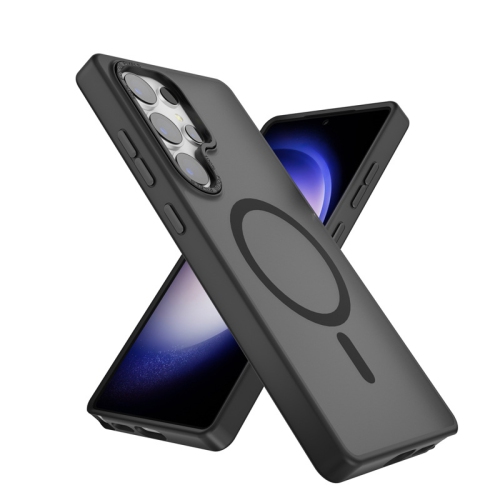
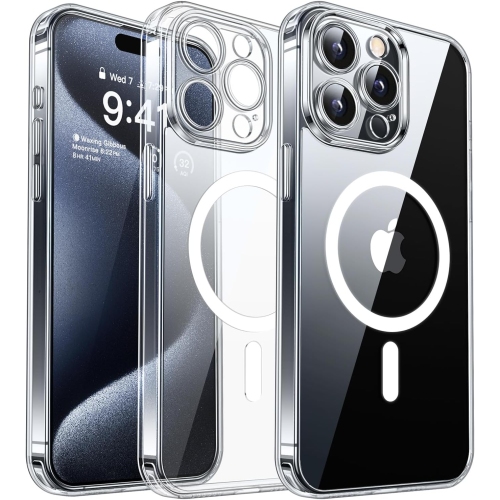
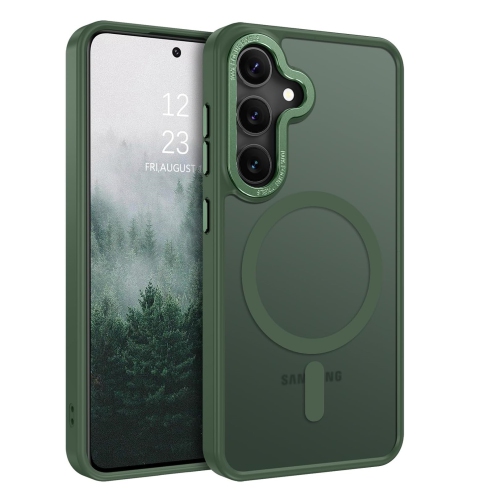
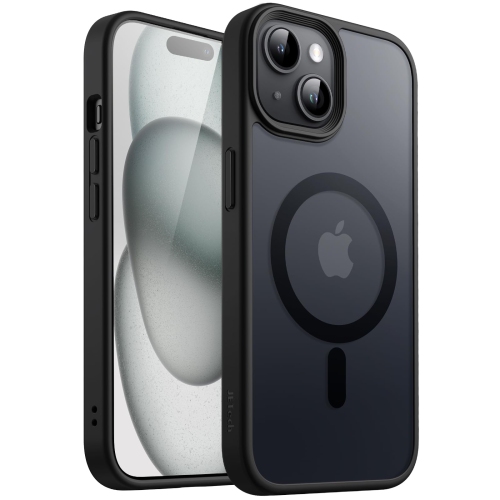
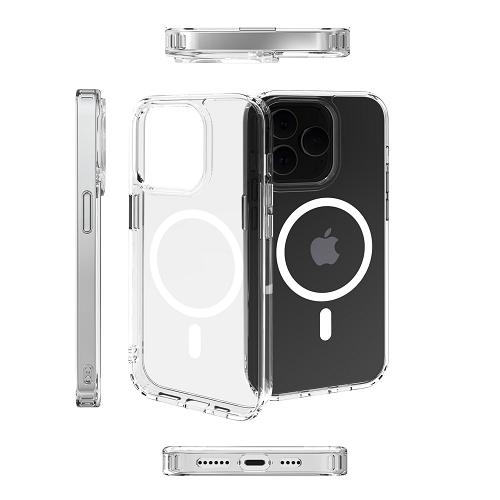
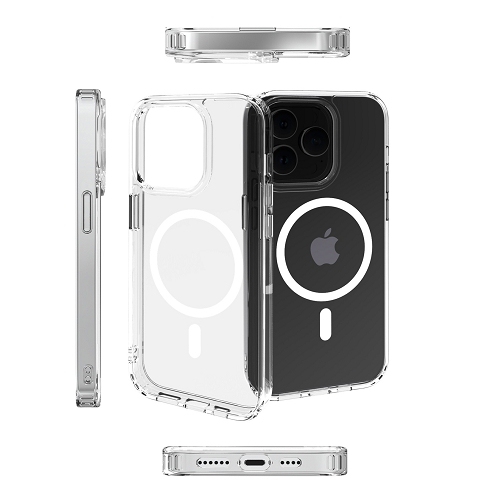
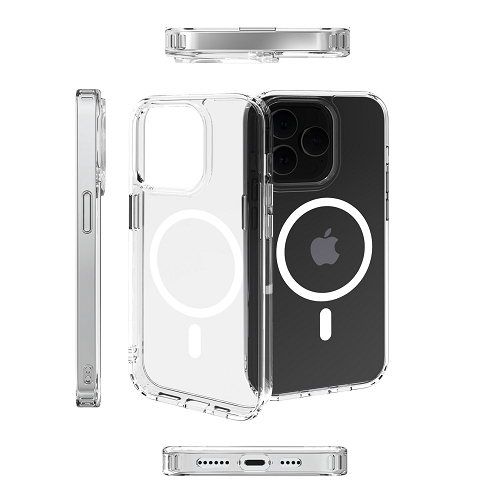
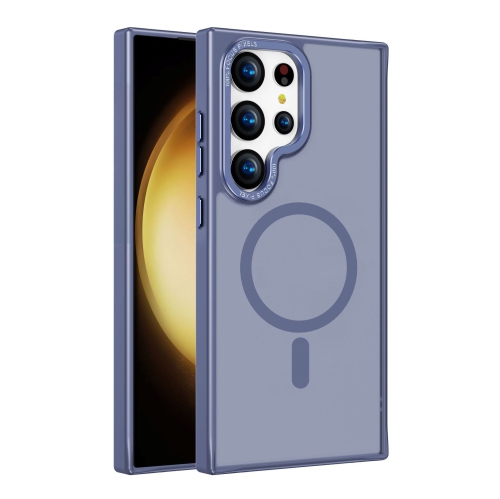
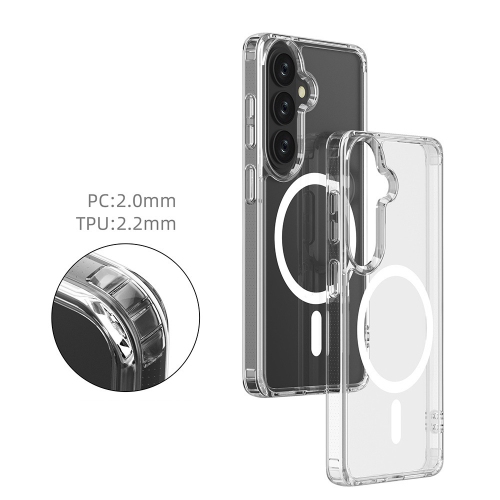
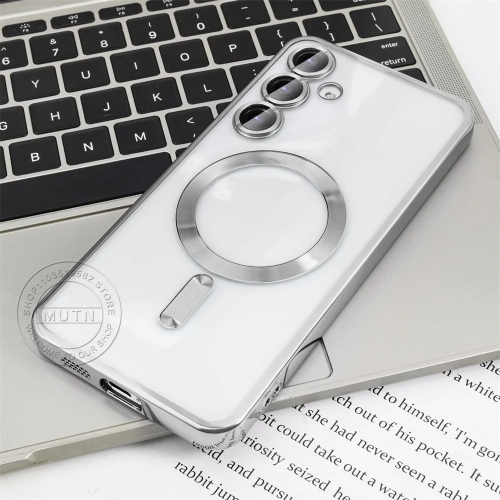
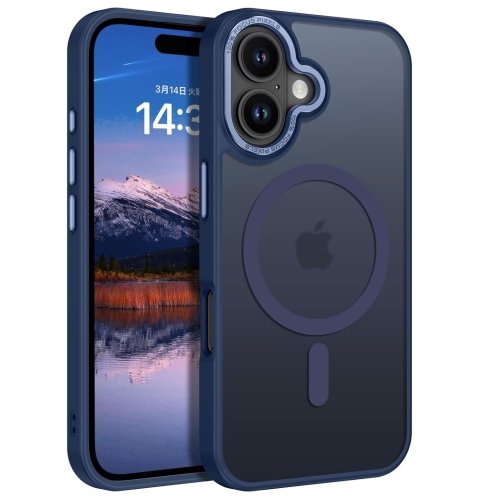
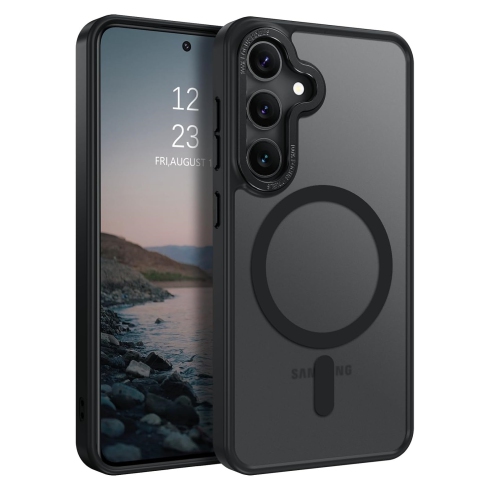
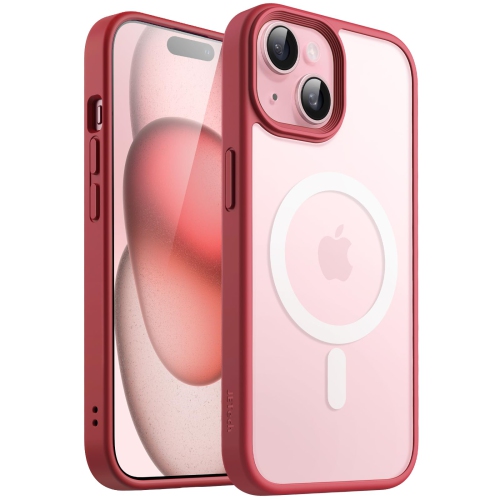
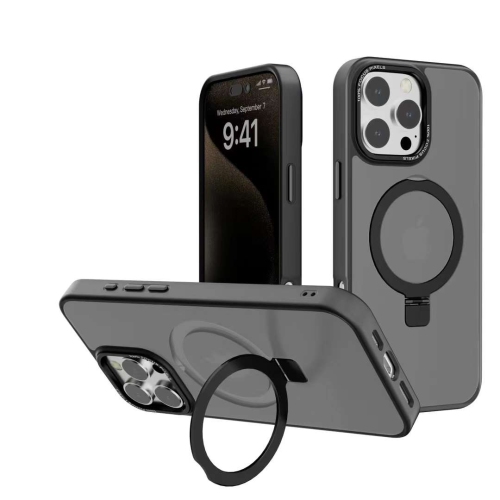
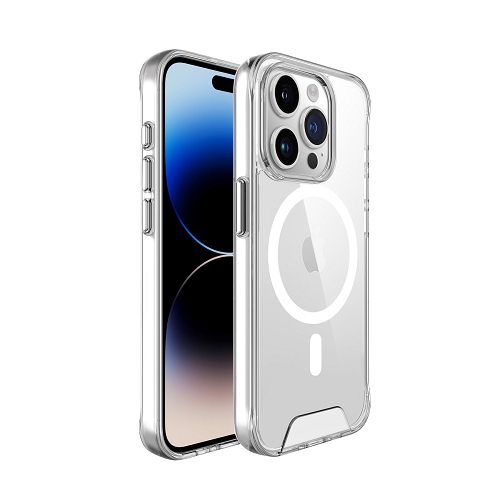
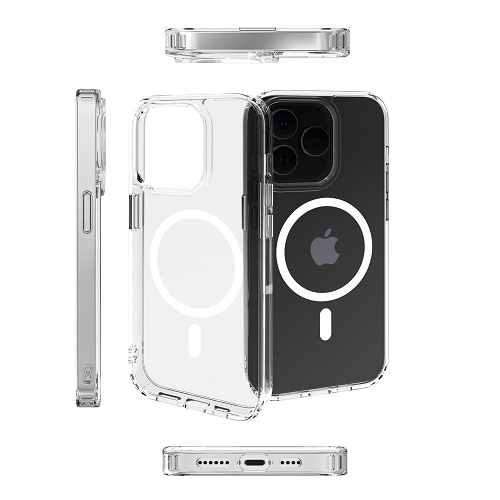
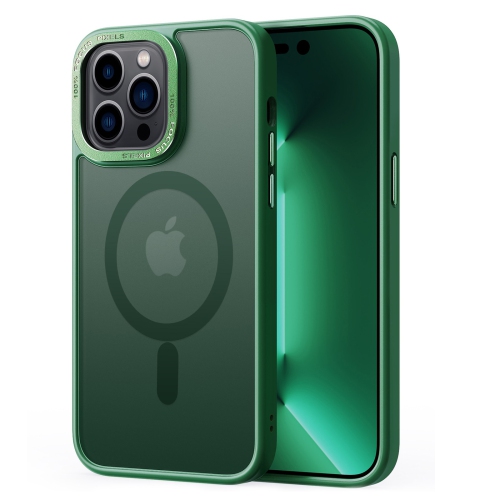
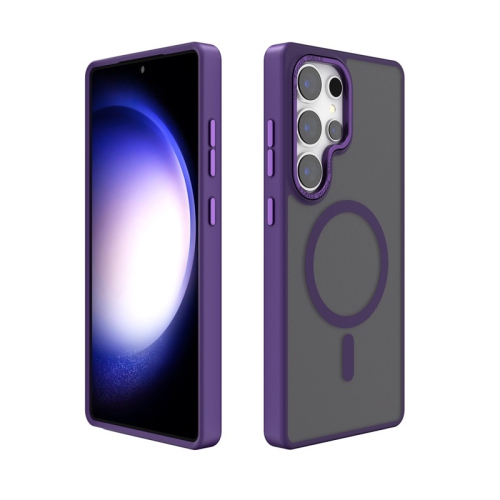
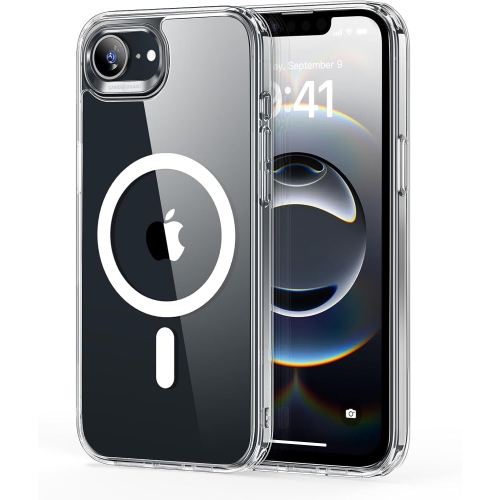
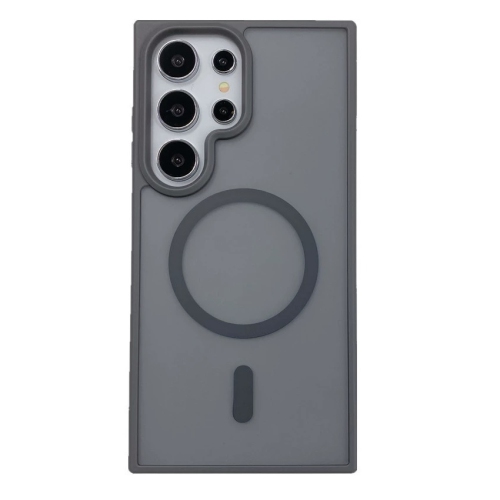
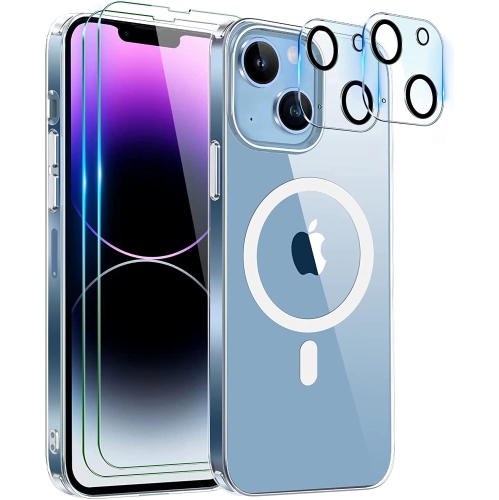
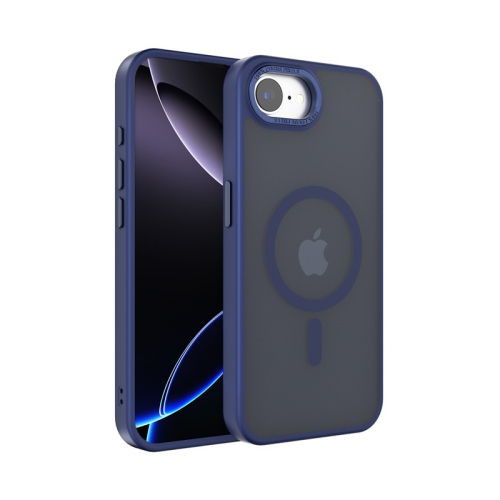
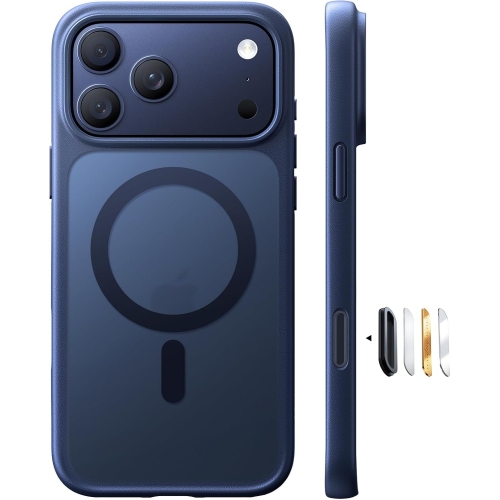
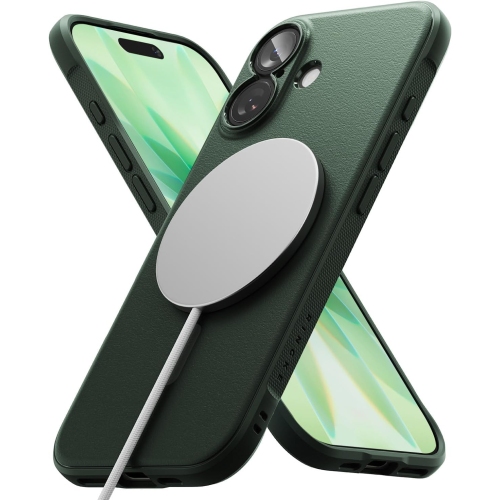
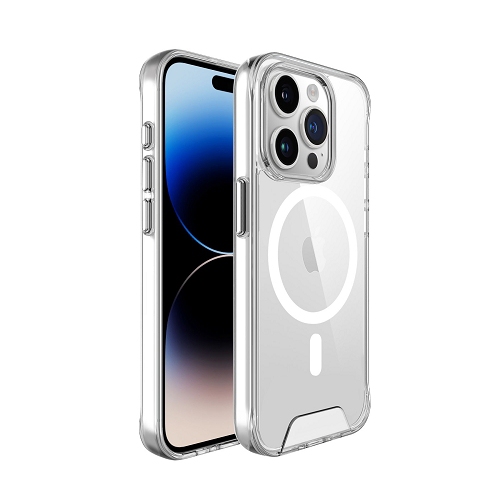
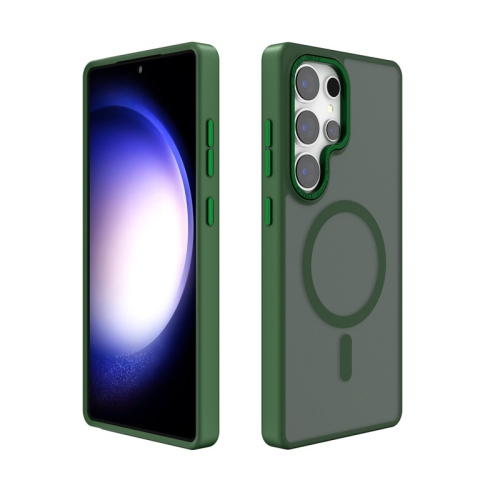
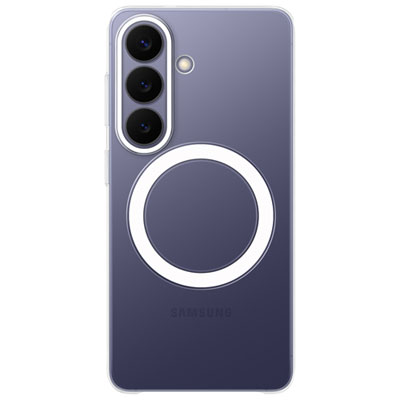
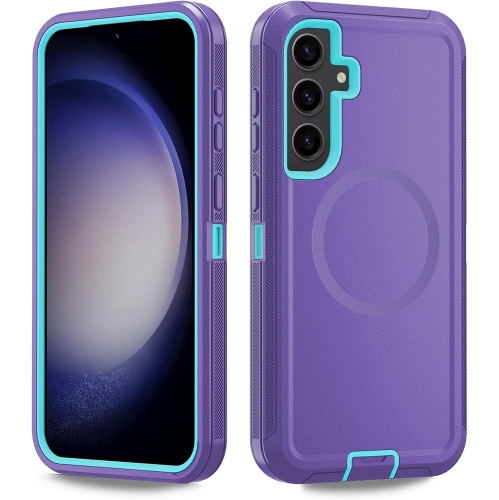
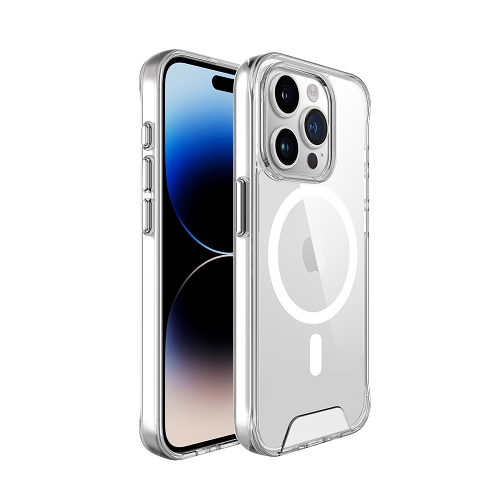
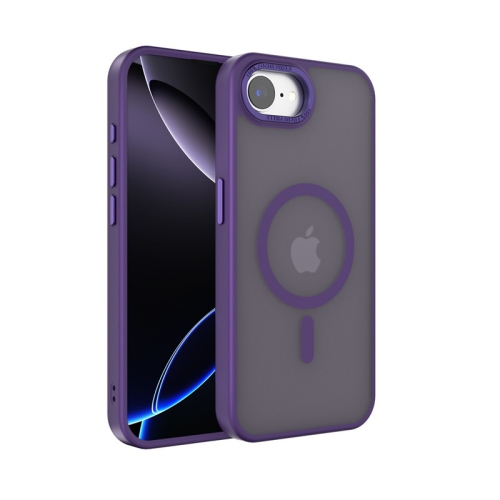
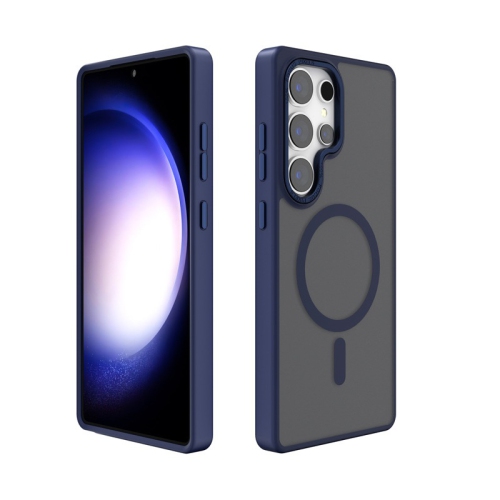
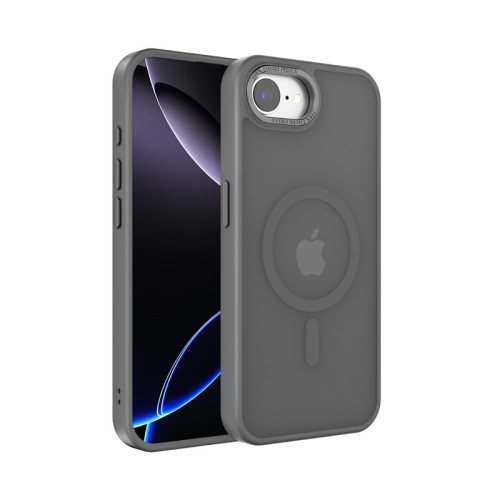
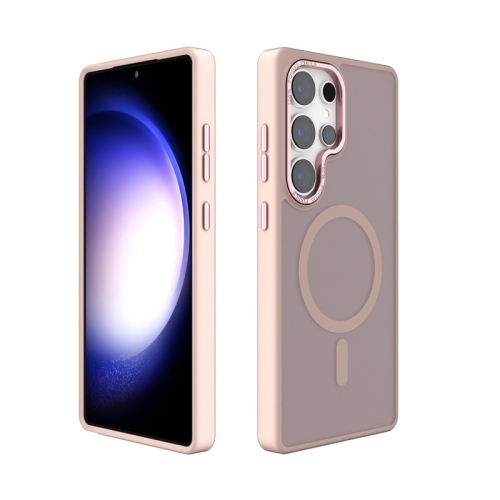
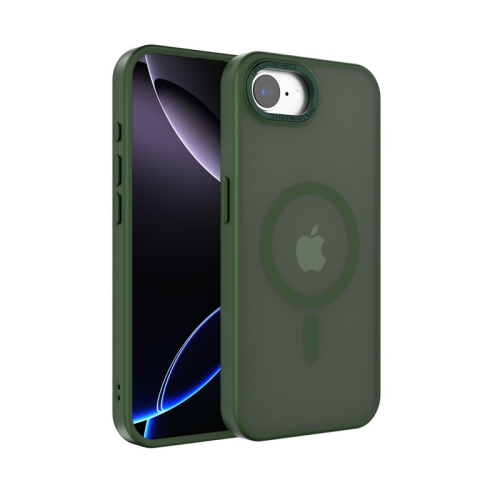
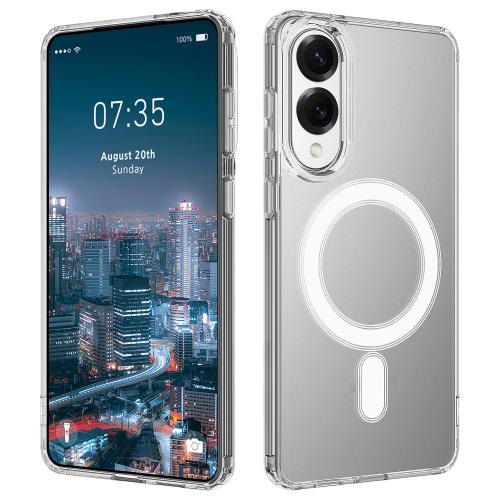
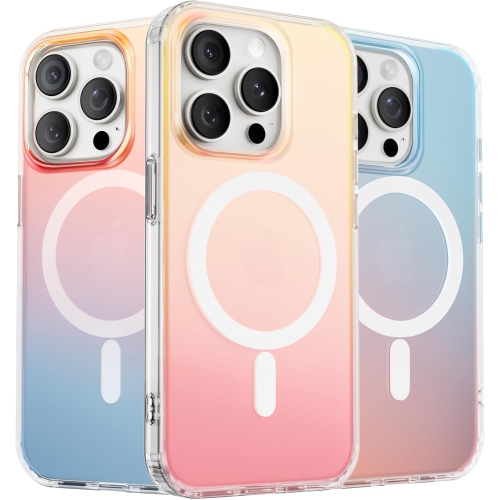
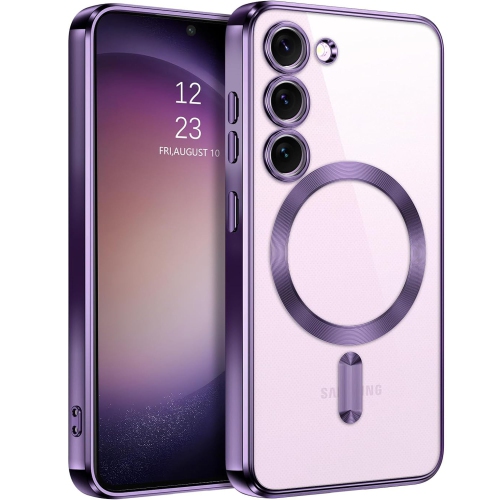
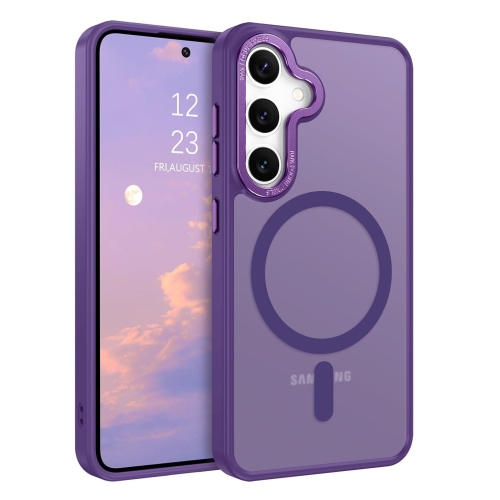
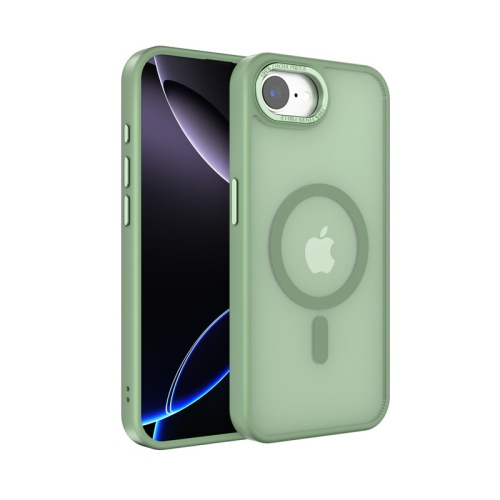
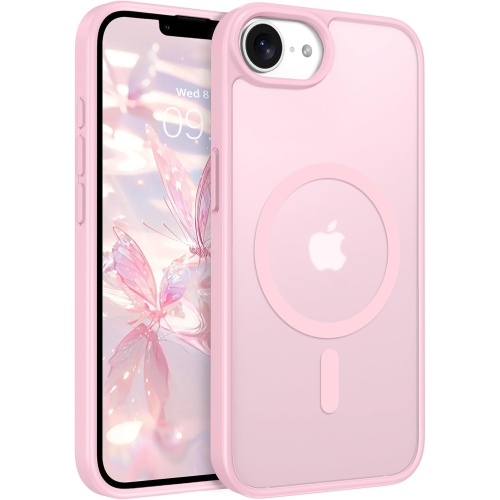
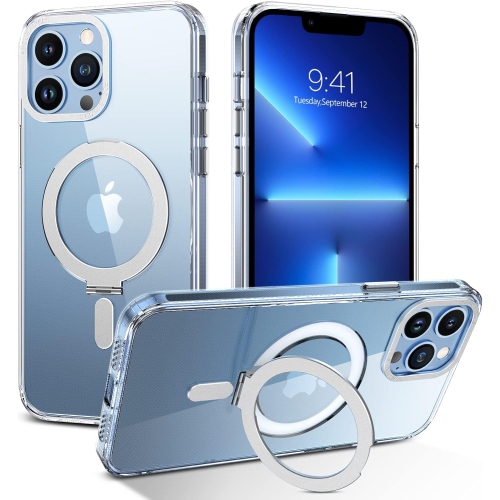
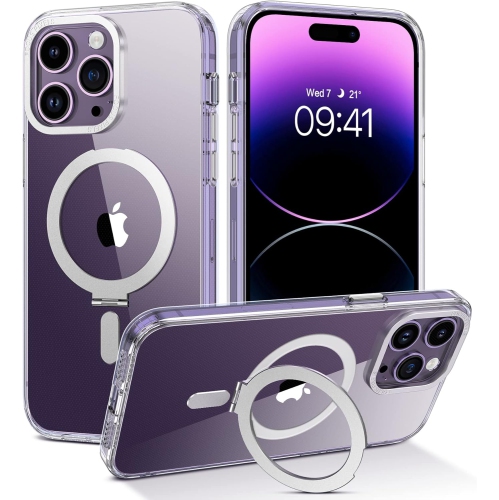
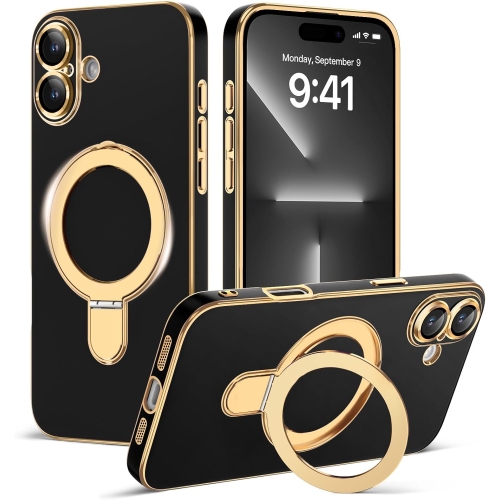
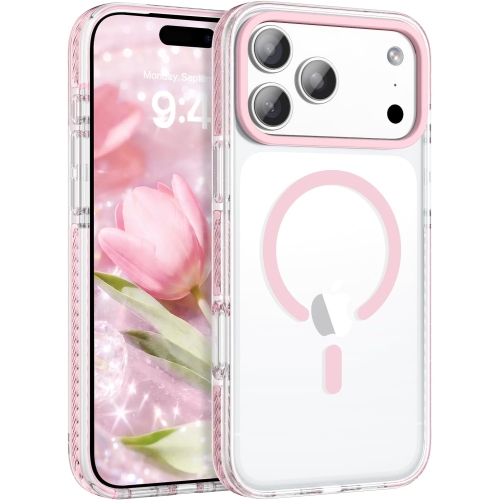
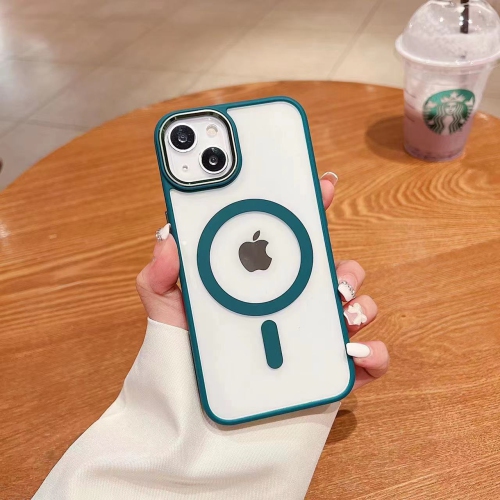
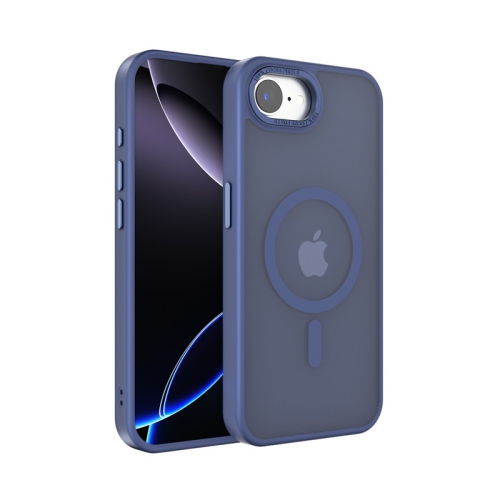
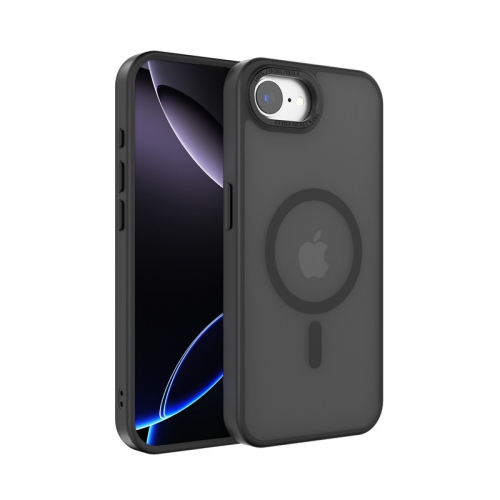
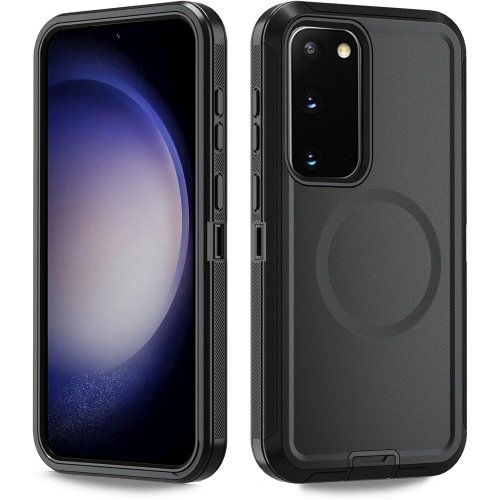
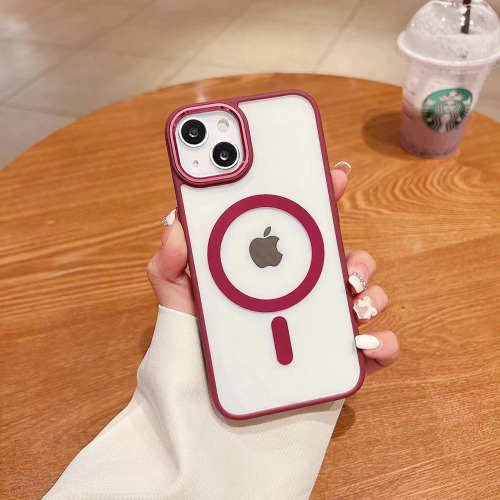
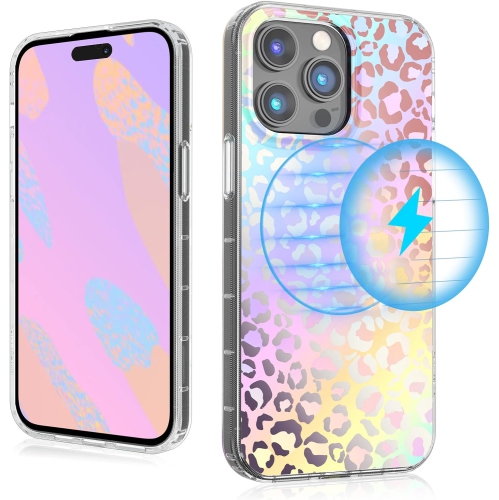
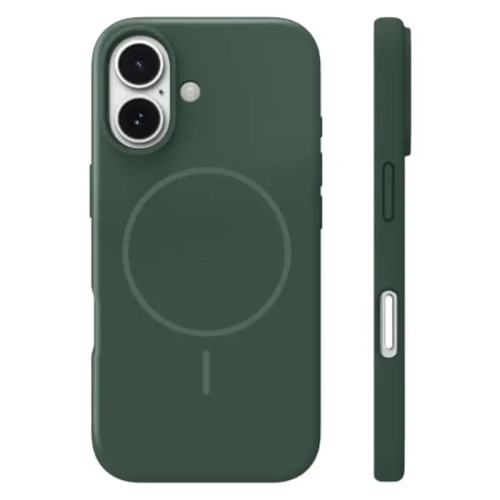
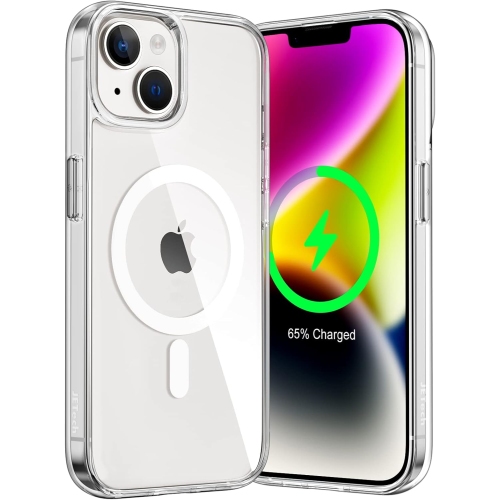
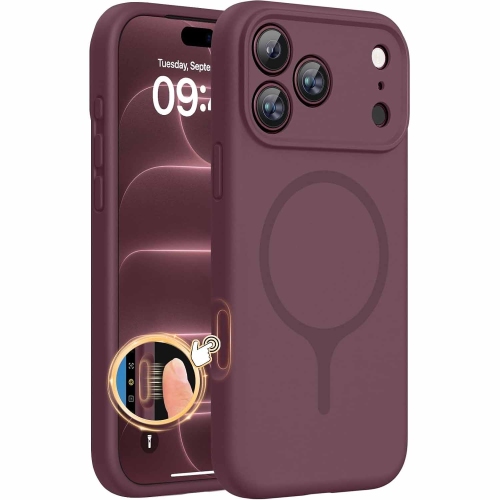
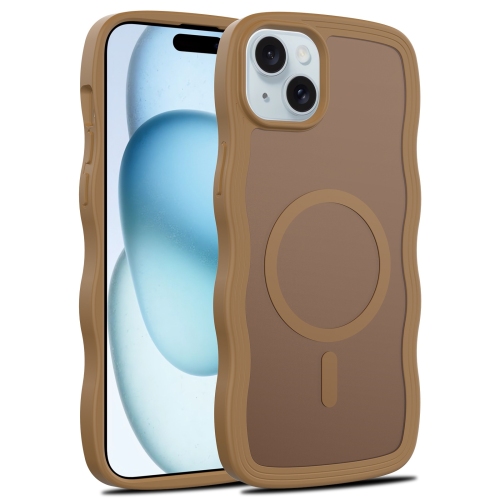
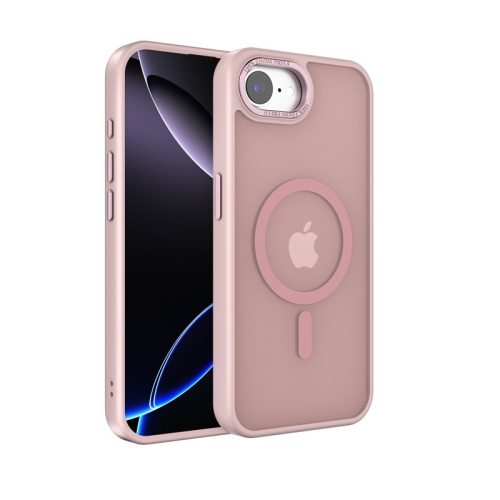
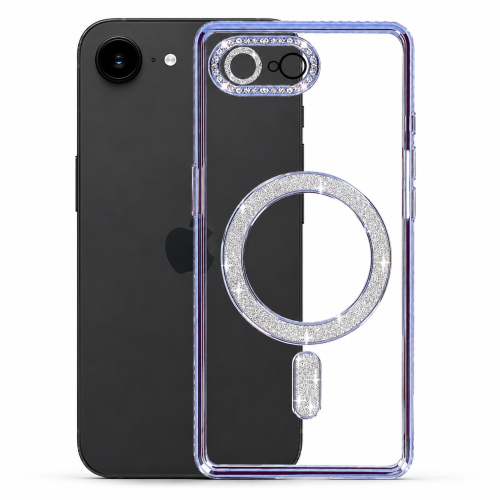
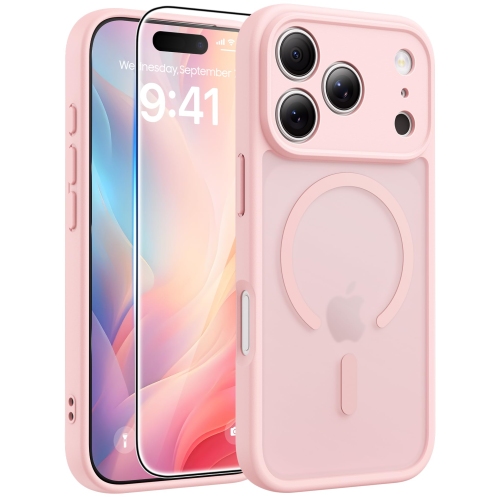
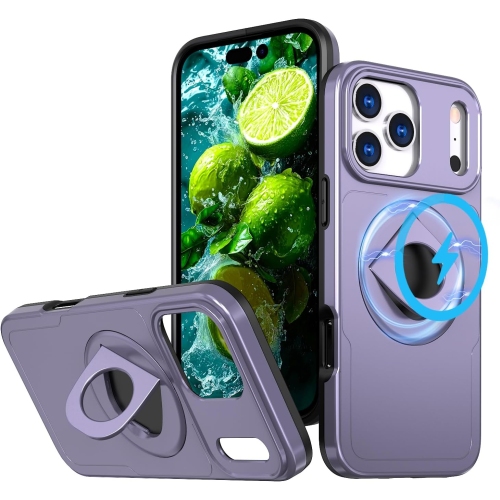
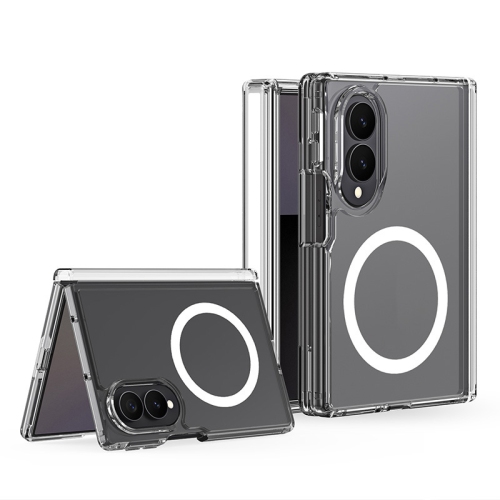
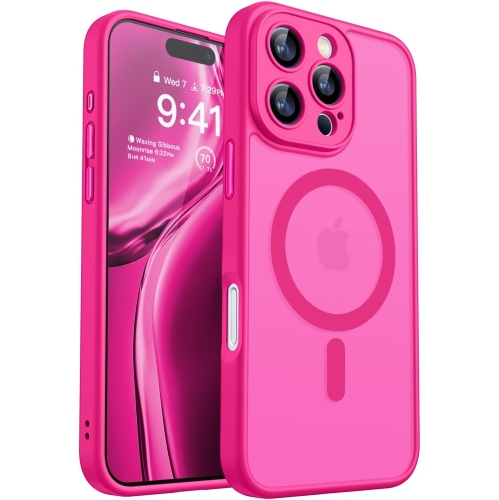
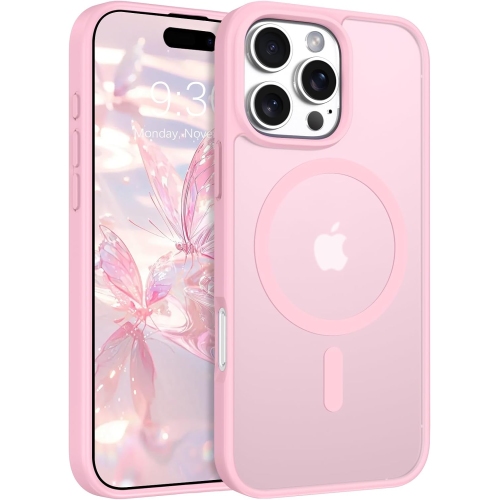
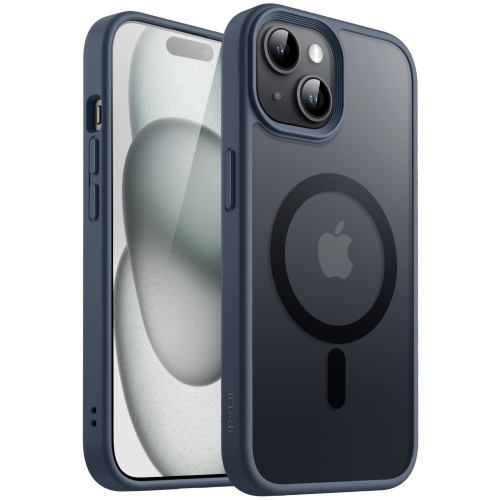
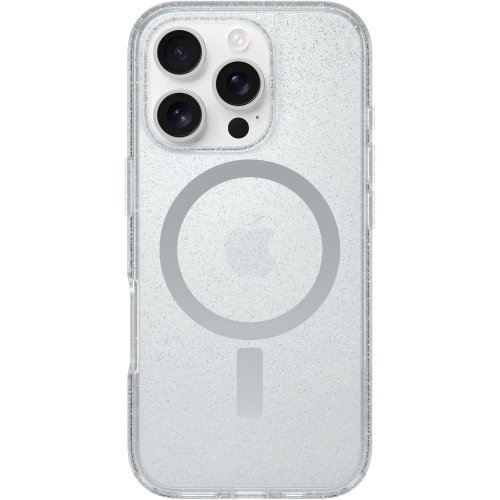
Magnetic cases are protective phone covers with integrated magnets that help attach a device to compatible chargers, mounts, stands, and other accessories. Many designs use a ring of small magnets, often made from neodymium, positioned around the phone’s wireless charging area. This arrangement helps a compatible charging pad settle into alignment and gives magnetic accessories a defined attachment point. The magnets support attachment; they do not charge the phone themselves or add wireless charging to a device that lacks that capability. Compatibility therefore involves more than whether an accessory sticks to the back. The phone, case, and charging accessory need to work together, and a case described as magnetic is not automatically suitable for every magnetic mount or wireless charger. Some designs use a metal plate for mounting rather than an integrated magnetic ring, and a plate positioned over the charging area can interfere with wireless charging. Exact phone fit matters just as much. Two phones with similar screen sizes can have different camera layouts, button positions, and body dimensions, so a model-specific case helps keep the charging port, microphones, speakers, and controls accessible. A properly fitted cover should sit securely around the corners without pressing buttons or crowding the camera lenses. Thickness also affects the experience: a slim back can keep the phone easy to slip into a pocket, while a more substantial construction may provide additional cushioning at the edges. Neither thickness nor magnetic strength alone establishes how well a case protects against drops. The broader category of magnetic covers also encompasses designs with magnetic closures, including folio styles whose magnets hold a front flap shut rather than attach the device to a charger. Understanding that distinction makes the intended function clearer, whether the priority is convenient charging, a secure connection to a desk stand, or a cover that stays closed inside a bag.
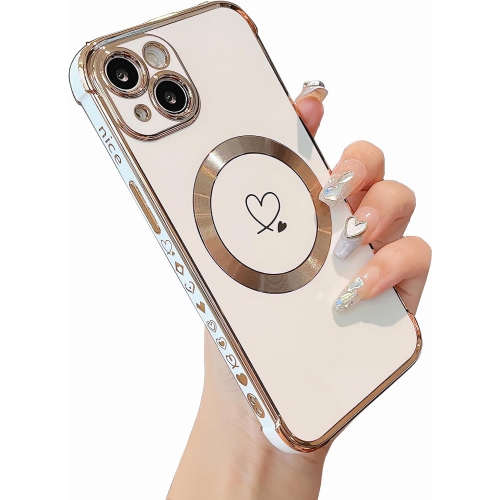
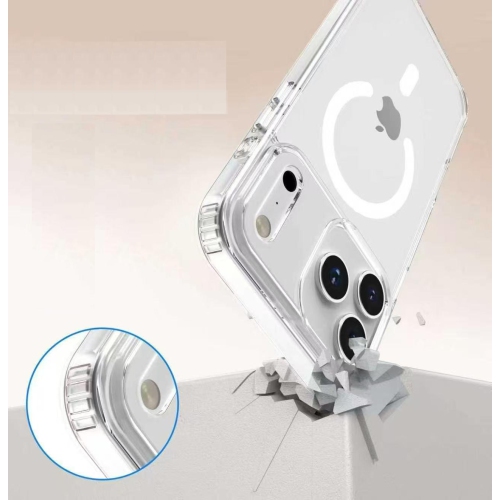
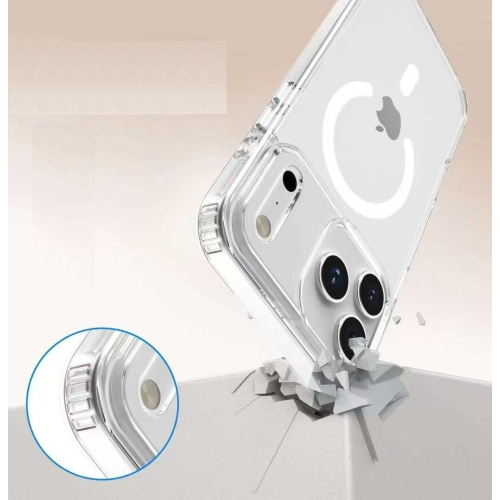
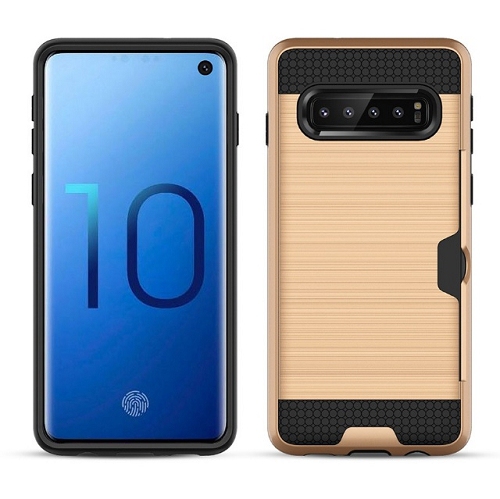
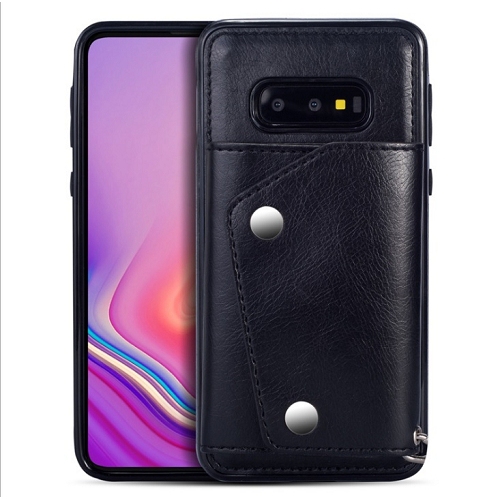
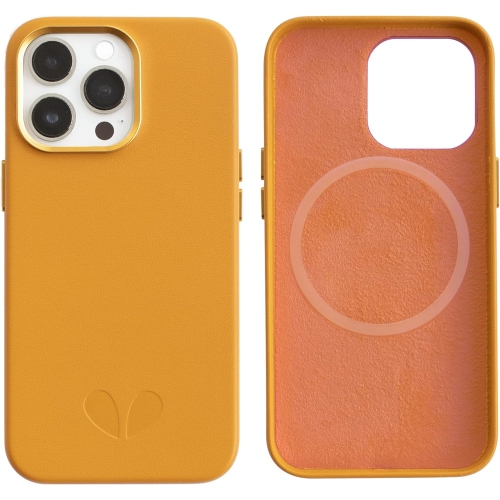
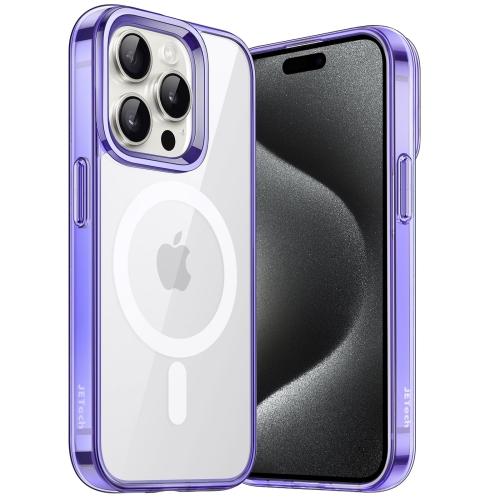
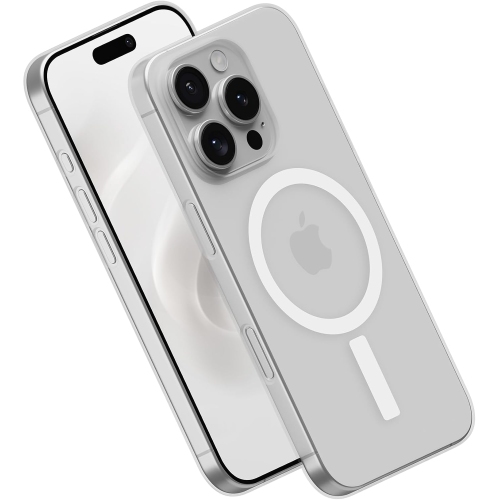
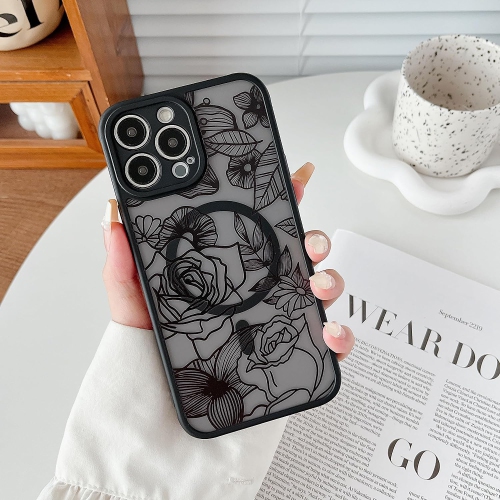
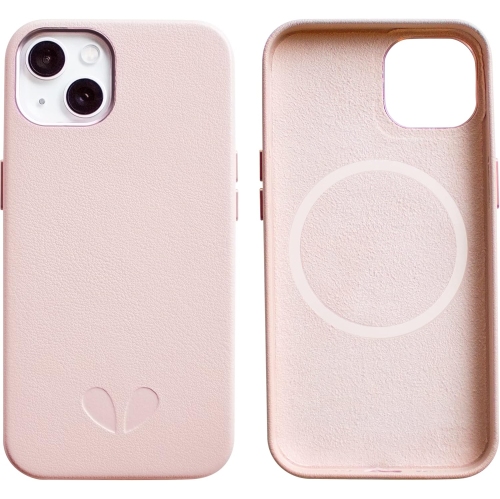
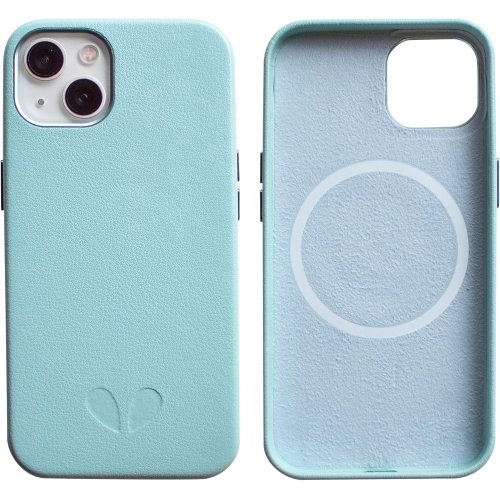
Materials influence how a magnetic case feels in the hand, how easily it slides into a pocket, and how it wears through everyday handling. Flexible thermoplastic polyurethane, commonly called TPU, can wrap around corners and make a case easier to install or remove. Rigid polycarbonate backs provide structure, while combinations of flexible edges and harder rear panels balance those different qualities. Silicone finishes often have a soft, grippy feel, although some surfaces attract lint or resist sliding into a closely fitted pocket. Textured backs and patterned sidewalls can make a large phone feel more manageable when typing a message or taking a photo with one hand. Clear cases leave the phone’s colour visible, but scratches, surface wear, and yellowing may become more noticeable over time; resistance varies with the material and its treatment. Opaque finishes can conceal some marks, while matte surfaces may reduce the appearance of fingerprints without eliminating them. Leather and leather-like finishes offer another feel, with care requirements that depend on the material rather than appearance alone. Beyond the back panel, useful construction details include reinforced corners, covered buttons with a distinct response, and raised edges around the screen and camera opening. Those raised edges can help reduce contact with a flat tabletop, but they cannot prevent every impact, particularly on an uneven surface. Any stated drop protection should be considered in the context of its test conditions, and a protective case should not be assumed to provide water resistance. Everyday care is straightforward: remove the phone periodically, clear away trapped grit, and wipe the case using a method approved for its material. Dust caught between the cover and the phone can rub against the finish as the case shifts. Thorough drying before reassembly, gentle cleaning around seams, and occasional checks for stretched corners, cracks, or loose components help keep the fit dependable. Harsh cleaners and abrasive pads can damage coatings, clear panels, or soft-touch finishes, so material-specific care directions matter.
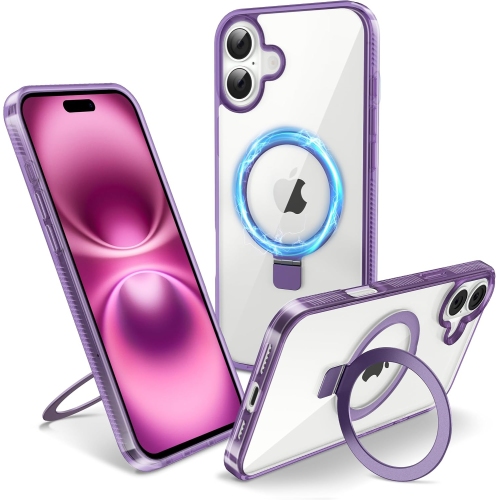
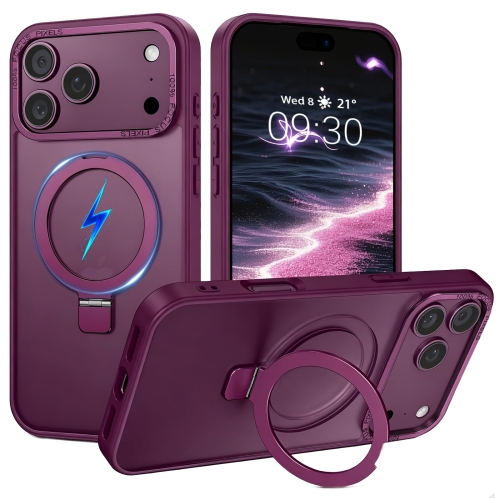
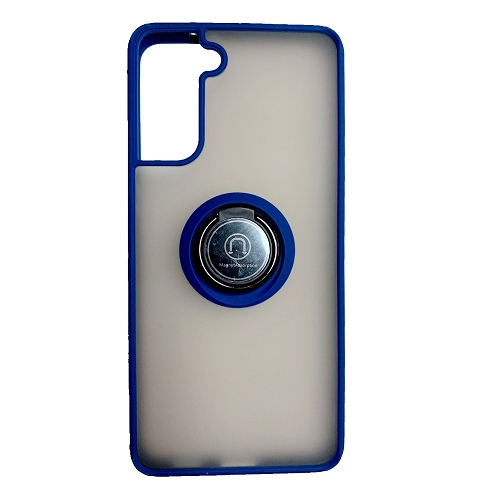
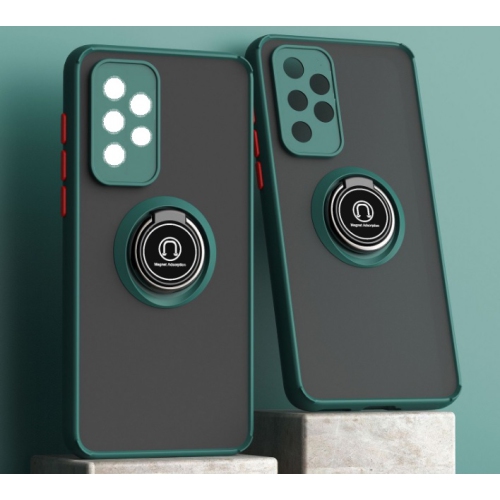
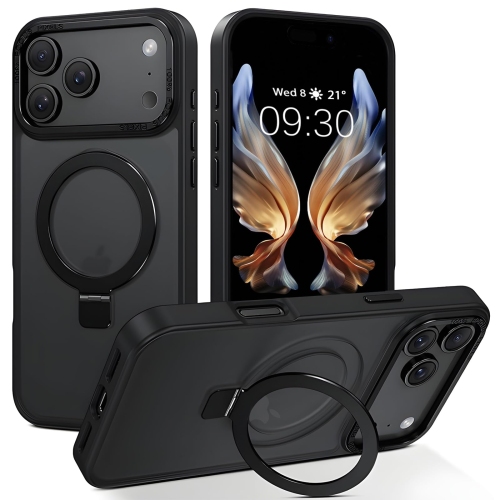
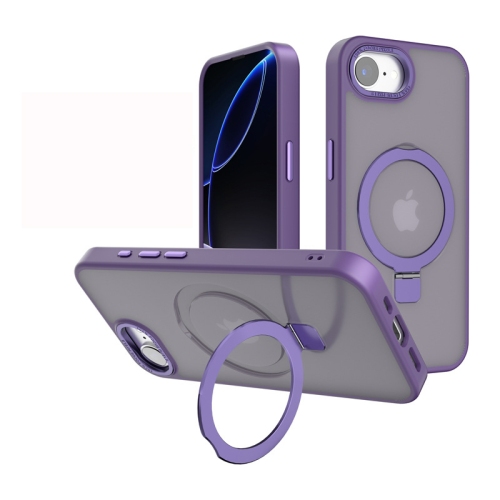
The value of a magnetic phone case often becomes clearest during ordinary routines. At a desk, a compatible stand can hold the screen upright for a video call, keep a recipe visible on a kitchen counter, or place notifications within easy view without leaving the phone flat beside a keyboard. In a vehicle, a compatible mount can provide a convenient place for navigation, provided it is installed according to its directions and positioned without obstructing the driver’s view or controls. Attachment strength varies with the case, accessory, phone weight, and mounting position; a firm connection on a stationary desk does not establish how the same setup will behave over bumps. Magnetic wallets and card holders add another consideration, since their footprint needs to clear the camera area and remain comfortable to hold. Removable accessories generally need to come off before wireless charging, and cards should not sit between the phone and charger. Kickstands and finger grips can make watching a programme or holding a larger phone more comfortable, but their placement may affect charging or prevent another accessory from sitting flush. A magnetic connection is convenient for attaching and removing accessories, not a substitute for a locking attachment where a fall would have serious consequences. For someone who moves between a home office, a commute, and a shared living space, a case that works with existing accessories can reduce the need to change covers throughout the day. For a gift, the recipient’s exact phone model and preferred case style are more useful starting points than screen size alone. Someone who carries a phone in a small bag may favour a smooth, low-profile finish, while someone who frequently handles it on the move may appreciate textured edges and more substantial corner protection. The most suitable combination brings together accurate fit, comfortable handling, appropriate protection, and verified accessory compatibility, with each feature supporting how the phone is actually used.
Top selling and popular products
-
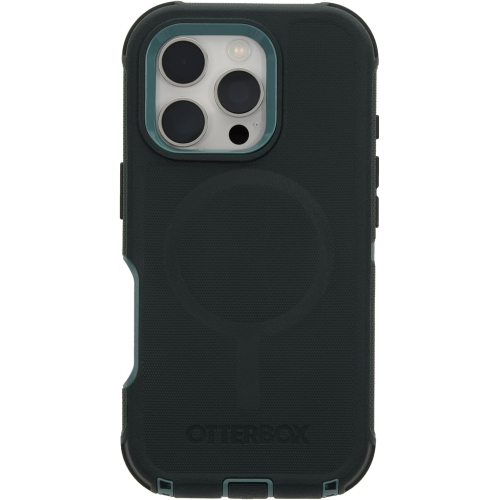 Your price for this item is $195
-
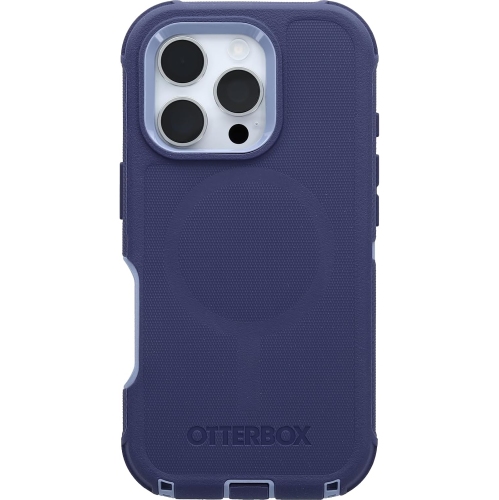 Your price for this item is $198
-
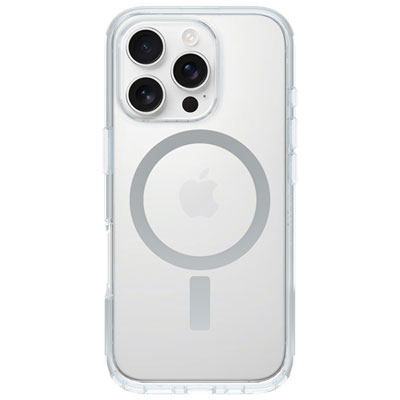 Your price for this item is $59.97
-
 Your price for this item is $24.99
-
 Your price for this item is $19.98
-
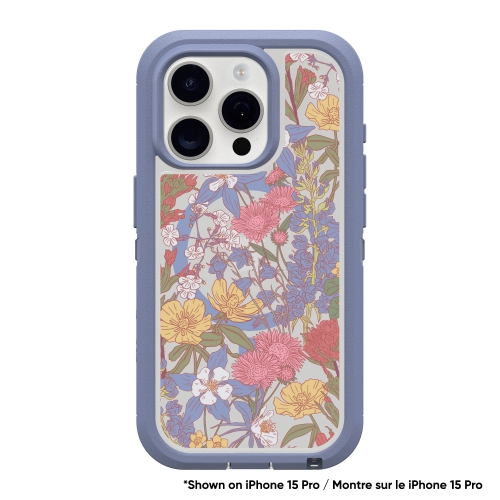 Your price for this item is $85.88
-
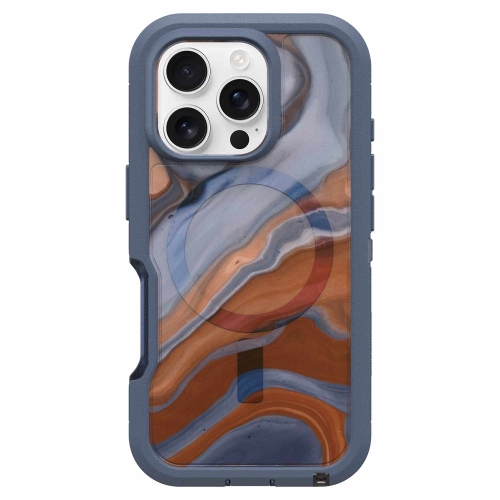 Your price for this item is $99.99
-
 Your price for this item is $130
Discover more categories related to Magnetic Cases
Top Collections:
Best Black Friday Deals This Year, Best Black Friday Deals On Electronics, Kindle Devices, Pokemon Centers, Best Black Friday Deals On Apple Products, Best Cameras for Sports Photography, Dyson Airwrap, Pokémon 30th Celebration Cards, Apple iPhone 17 Pro, Canon G7X Cameras
Some products may be subject to Environmental Handling Fees
(EHF) depending on your province.
Learn more about EHFs.