Magnetic Tablet Cases
Magnetic Tablet Case options offer a convenient and stylish way to protect your device while enhancing everyday usability. Designed to fit a variety of tablet models, these cases provide a secure hold and effortless access for work, study, or entertainment. Explore the selection of Magnetic Tablet Case choices to find the perfect match for your tablet and lifestyle needs.
Sort
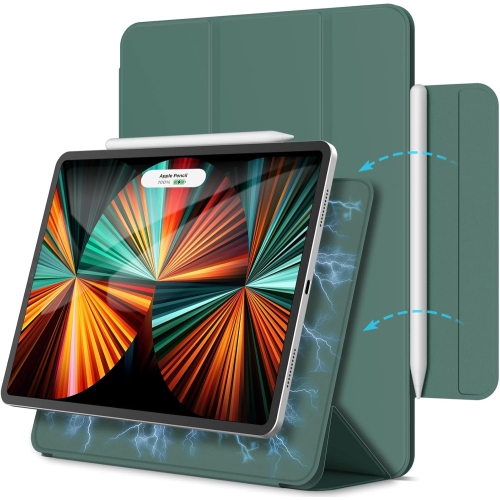
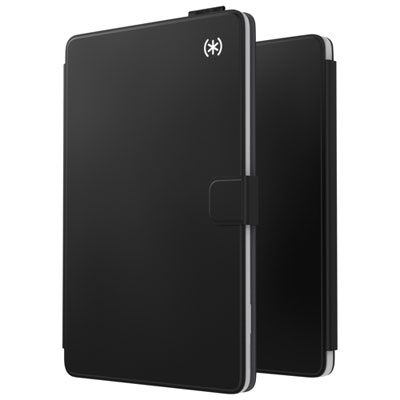
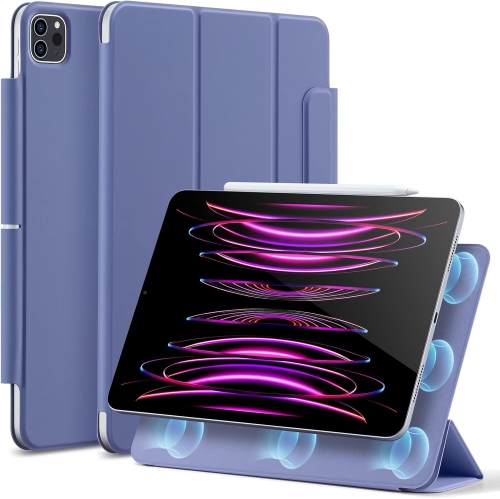
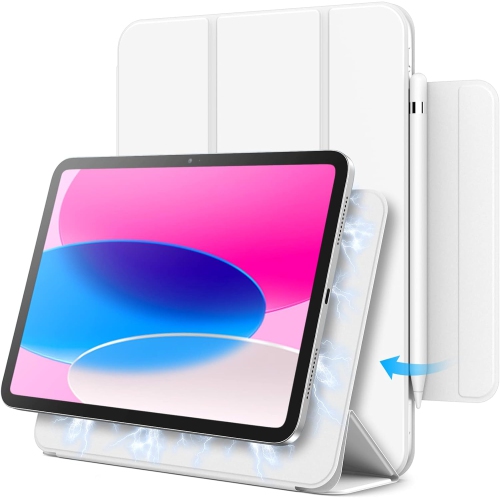
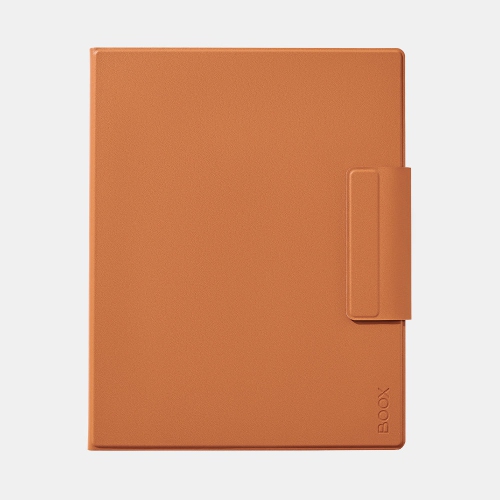
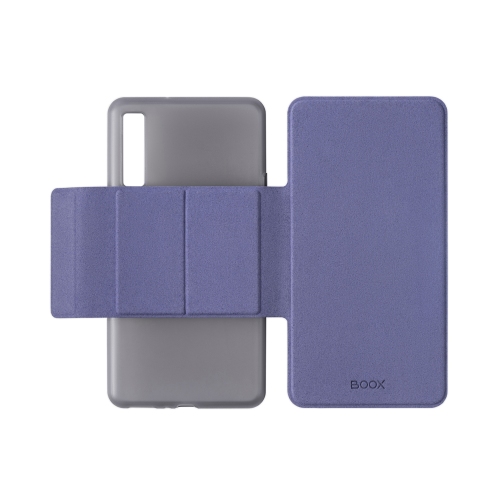
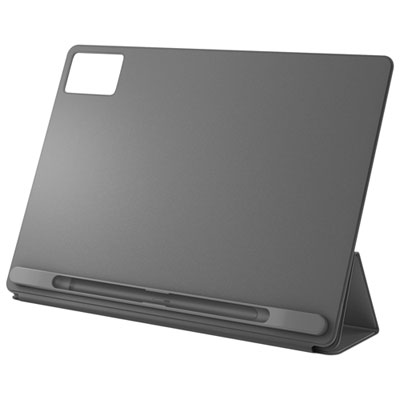
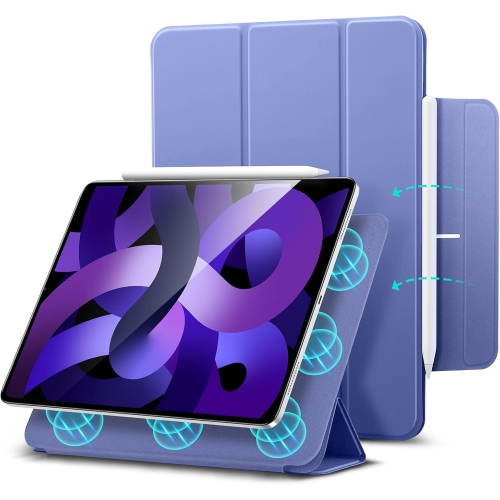
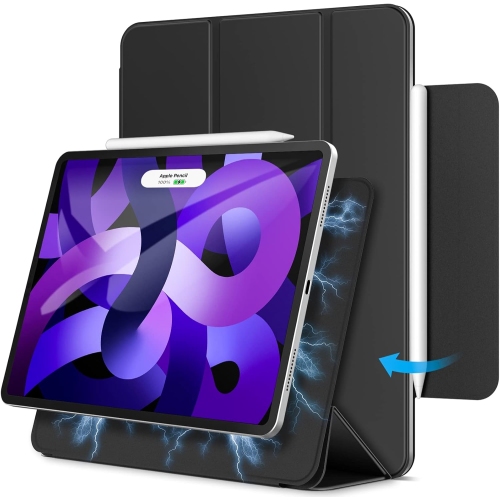
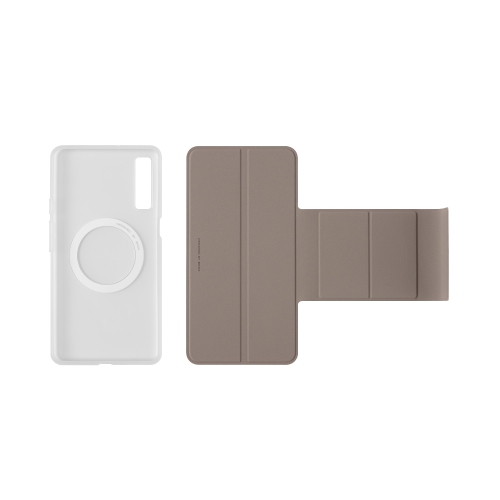
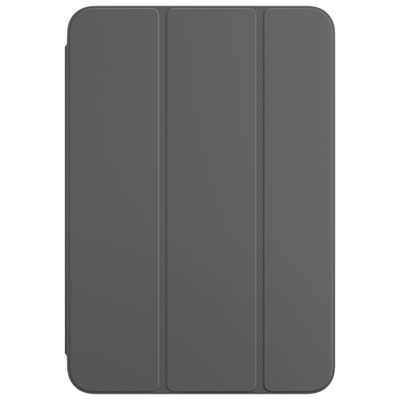
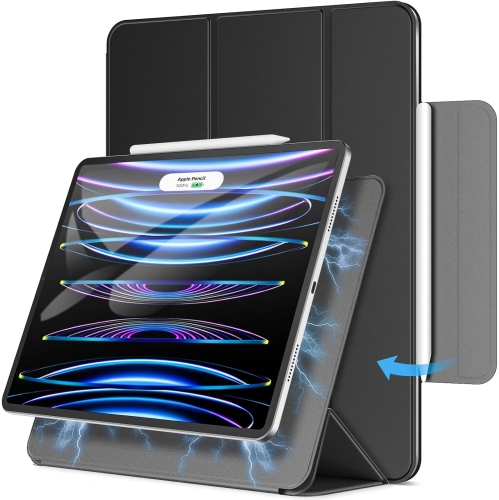
A magnetic closure is only part of the story
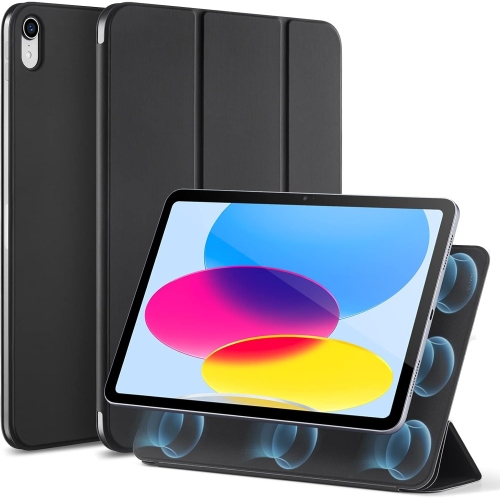
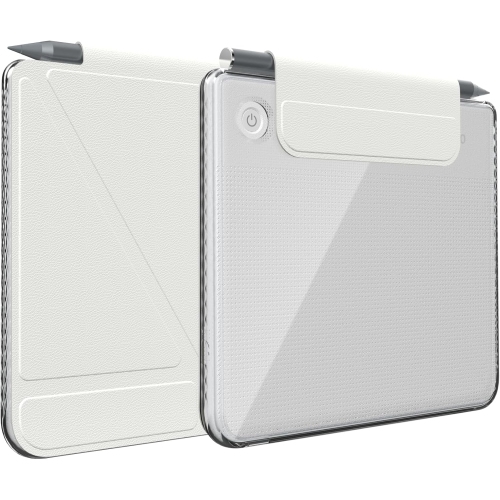
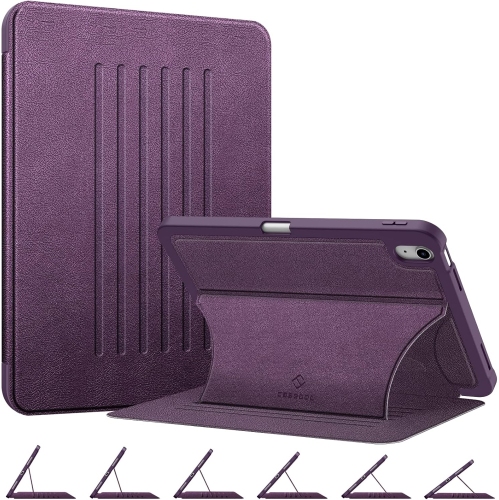
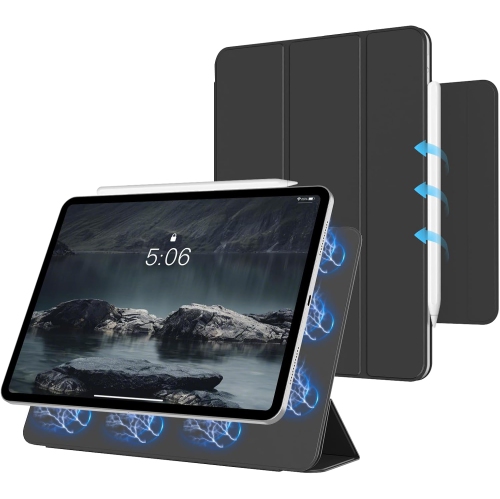
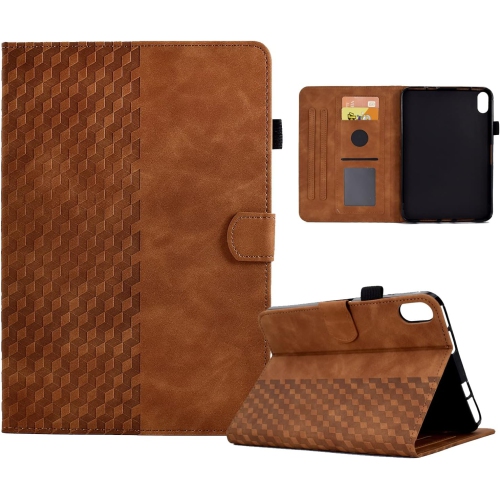
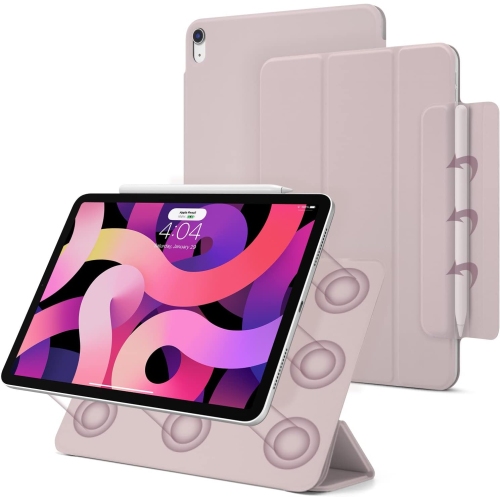
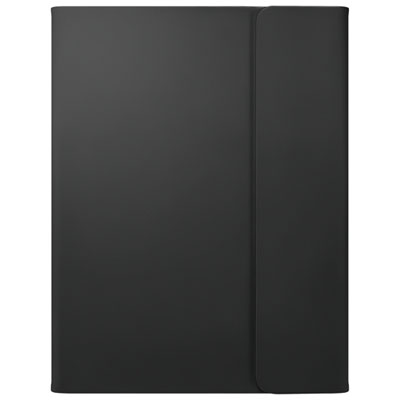
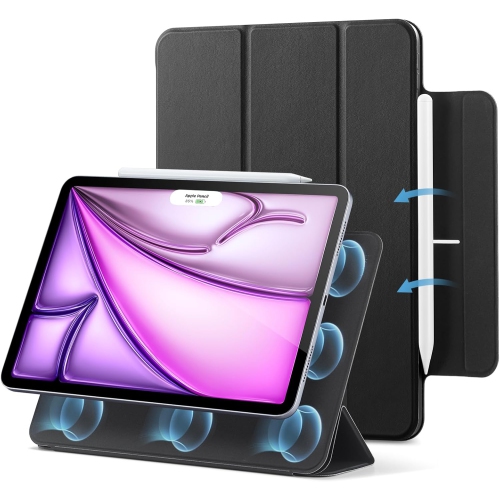
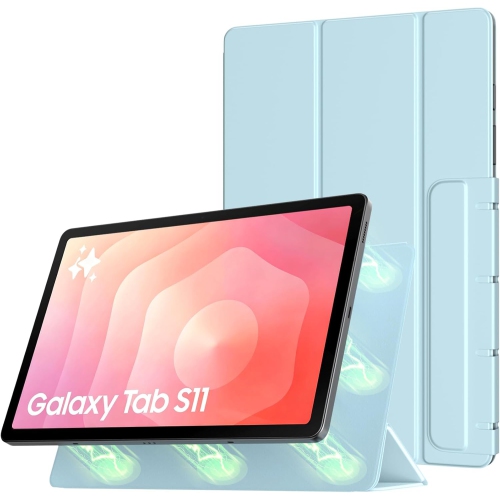
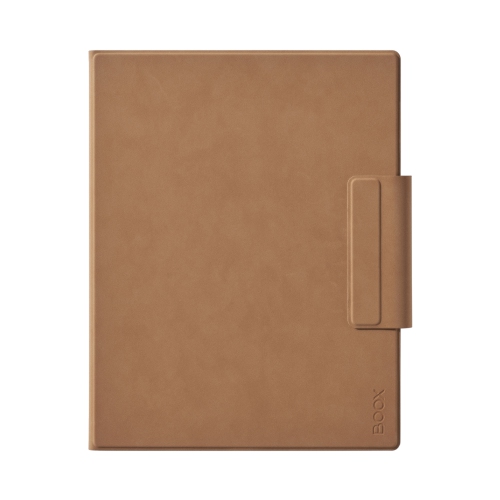
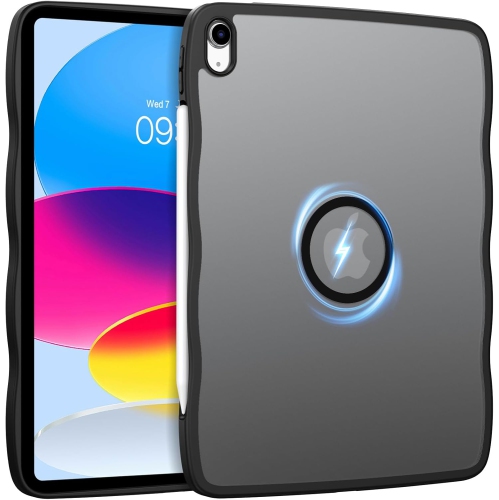
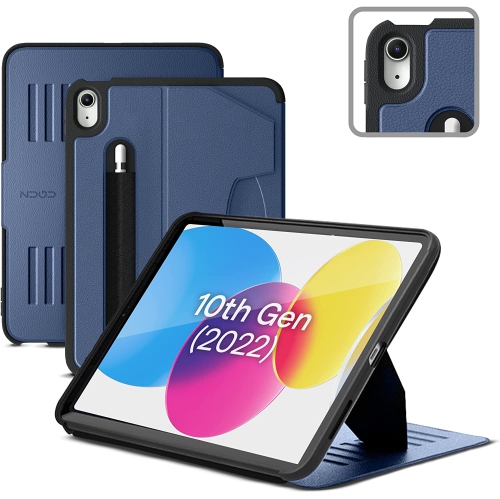
Magnetic tablet cases use magnets to attach a cover to a compatible tablet, secure a folio flap, or connect a removable shell to a stand or keyboard section. These designs serve different purposes, so a magnetic closure does not necessarily mean the entire case attaches magnetically to the device. A slim magnetic folio may leave the tablet’s edges largely exposed, while a case with a fitted shell can combine magnetic features with coverage around the corners. The appeal is convenience: opening a book-style cover, folding it into a support, or separating the tablet from its stand can make everyday tasks feel less fiddly. When comparing Magnetic Cases, start with the tablet’s exact model name, generation, and screen size rather than size alone. Two tablets with the same screen measurement can have different dimensions, camera positions, connector locations, and internal magnet arrangements. A suitable case should leave charging ports, speakers, microphones, buttons, and cameras accessible without stretching the shell or placing pressure on the device. The fit around a fingerprint reader also matters, particularly when it is built into a side button. For tablets that support automatic sleep and wake, a compatible cover can switch the screen off when closed and wake it when opened. This function depends on the case design and the tablet’s sensors; it is not a feature of every magnetic cover. Stylus compatibility deserves the same attention. A storage loop may keep a pen close at hand without supporting magnetic pairing or wireless charging, while an exposed charging edge may allow attachment but provide little protection against the pen being knocked loose inside a bag. Checking these details helps distinguish a case that simply closes neatly from one that supports the way the tablet is actually used. Any built-in connector needed for a keyboard or another accessory should remain accessible, and a charging cable should fit comfortably through its opening without having to remove the case.
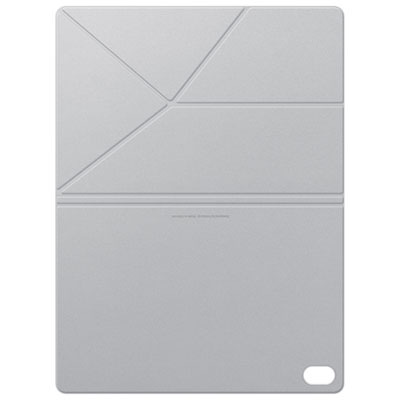
Stand design has a noticeable effect on comfort, whether a tablet is used for reading, sketching, video calls, or following a recipe on a kitchen countertop. A trifold cover typically folds into a triangular support, often providing an upright position for viewing and a lower position for typing or drawing. Other designs use a separate kickstand, a series of grooves, or a detachable magnetic panel to create different angles. The useful distinction is not simply how many positions a case offers, but whether those positions remain steady during normal interaction. Watching a film places different demands on a stand than tapping an on-screen keyboard or pressing a stylus against the display. A broad support area and a surface that resists sliding can help on a desk or table, while a narrow folding stand may be less comfortable on a lap or soft cushion. Portrait support is worth checking for reading documents, viewing sheet music, or joining a video call without a wide camera frame. Landscape support is often practical for streaming, working with a keyboard, or keeping reference material beside a laptop. Detachable designs can suit someone who wants a stand at a desktop work surface and a lighter tablet for reading on the sofa, provided the remaining shell offers the desired coverage. Materials also influence the feel of daily use. Synthetic leather exteriors can provide a book-like finish, fabric surfaces add texture, and rigid plastic panels help a folding cover hold its shape. Flexible edge materials can make a fitted shell easier to remove, while a soft microfibre lining provides a gentler contact surface against the screen. Smooth finishes slide easily into a bag; textured finishes may feel more secure in the hand. Reinforced folds, neatly finished seams, and firmly attached lining are useful details to examine because the same hinge areas are flexed repeatedly. Colour can be practical as well as personal: a distinctive cover makes a shared tablet easier to identify, while a darker finish may make everyday marks less noticeable.
Protection should be judged by the construction of the whole case rather than the strength of its magnets alone. A magnetic folio can help shield a screen from contact with other objects when closed, but a thin cover is not a substitute for a cushioned case designed for drops. Exposed corners, open sides, and a detachable back all affect how much of the tablet remains vulnerable. Raised edges may help keep the screen or camera away from a flat surface, although they cannot prevent every impact. For commuting or travel, a case that closes securely can sit inside a padded sleeve or a dedicated tablet compartment; keys, loose chargers, and other hard objects are best kept separate. Carry the tablet by its body rather than lifting it by a folded cover, and avoid assuming that a magnetic panel can safely hold it on a refrigerator or another metal surface unless that use is expressly supported. Care is generally straightforward, but the material’s cleaning directions should take priority. Remove loose dust and grit from the lining regularly, since particles trapped between the cover and screen can rub against the glass. A soft, slightly damp cloth may suit some exterior finishes, while leather and fabric can require different treatment. Avoid soaking the case, spraying cleaner directly onto the tablet, or leaving moisture around ports and seams. Let a cleaned case dry fully before refitting it, and check folding sections for peeling, splitting, or weakened support. A magnetic tablet case can be a thoughtful gift for a student carrying course notes, a reader who likes a supported screen, an artist using a stylus, or someone who joins frequent video calls. The most useful choice follows that person’s habits and exact device details. A slim folio suits light carrying and reading, while more substantial edge coverage or a stable adjustable stand may matter more for a shared household tablet. Matching those priorities keeps the case useful beyond its appearance.
Top selling and popular products
-
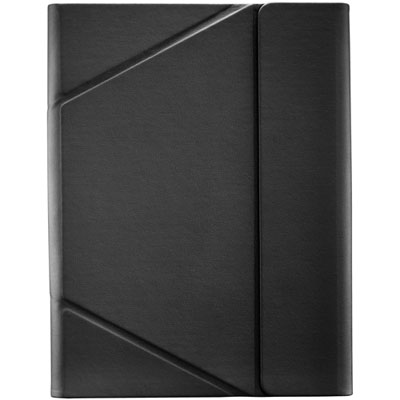 Your price for this item is $44.99
-
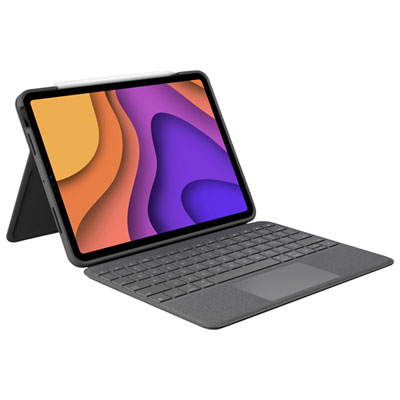 Your price for this item is $229.99
-
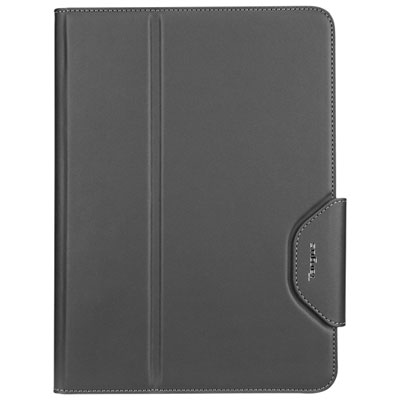 Your price for this item is $62.99
-
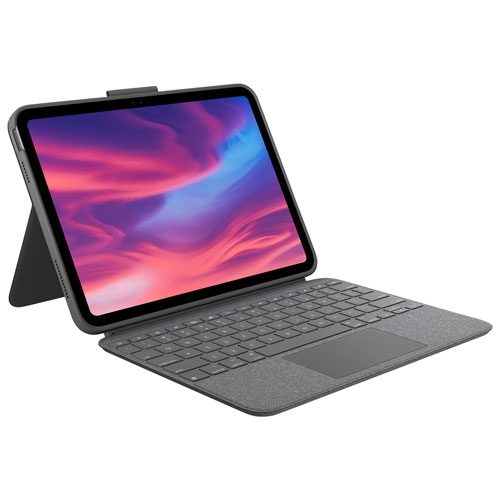 Your price for this item is $179.99
-
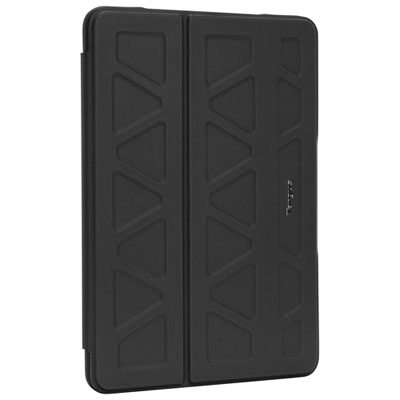 Your price for this item is $41.98
-
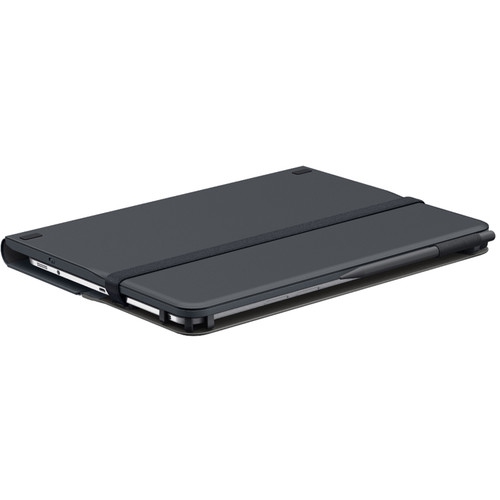 Your price for this item is $115.68
-
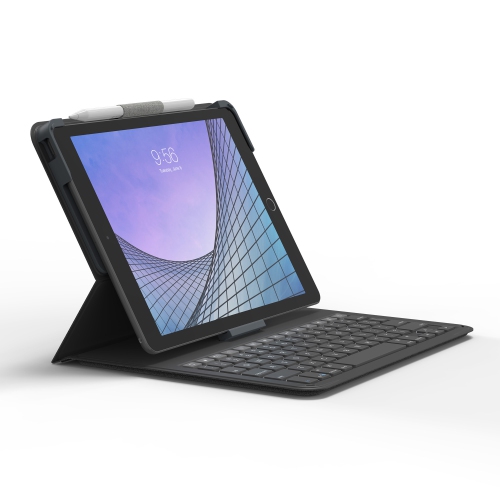 Your price for this item is $69.99
-
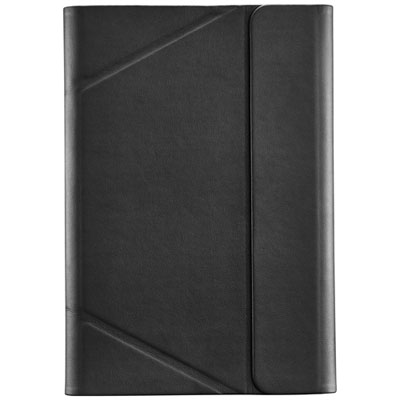 Your price for this item is $39.99
Discover more categories related to Magnetic Tablet Cases

Top Collections:
Best Black Friday Deals This Year, Best Black Friday Deals On Electronics, Kindle Devices, Pokemon Centers, Best Black Friday Deals On Apple Products, Best Cameras for Sports Photography, Dyson Airwrap, Pokémon 30th Celebration Cards, Apple iPhone 17 Pro, Canon G7X Cameras
Some products may be subject to Environmental Handling Fees
(EHF) depending on your province.
Learn more about EHFs.