Phone Parts
Explore a wide range of phone parts to keep your devices running smoothly and efficiently. Whether you're looking to replace a worn-out component or upgrade for enhanced performance, you'll find everything you need to ensure your phone stays in top shape. From screens and batteries to internal connectors and more, the right parts can extend the life of your device and improve its functionality. Dive into our selection and discover high-quality replacements that meet your needs, all designed to fit seamlessly with your existing technology.
Sort

































































Why similar-looking phones can need different replacement components
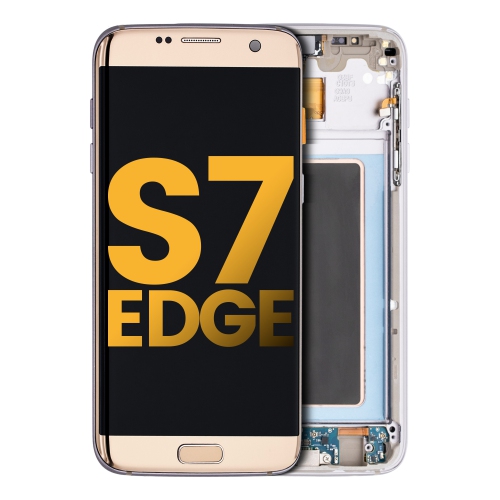
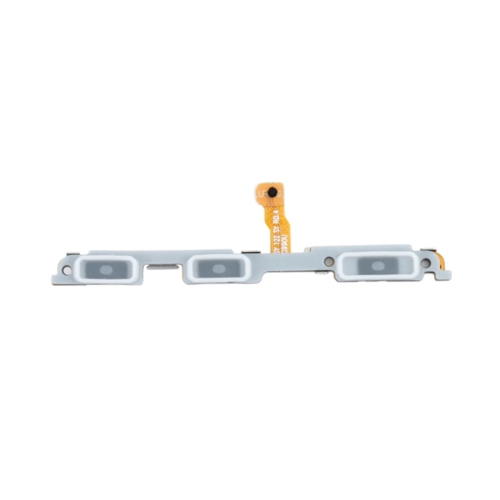
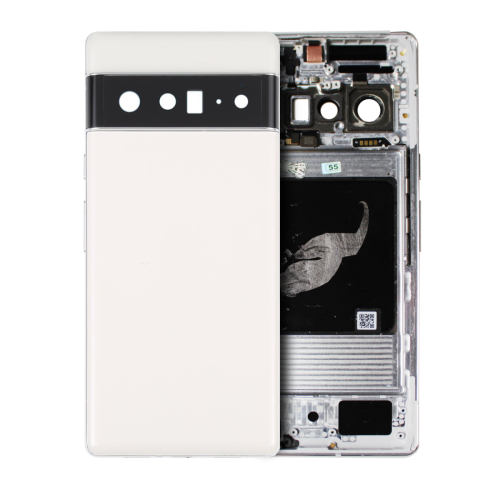
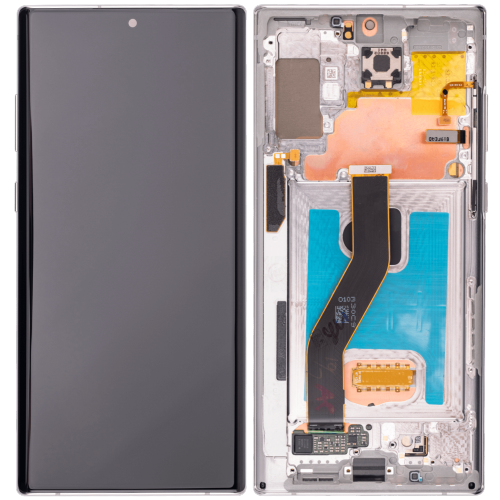
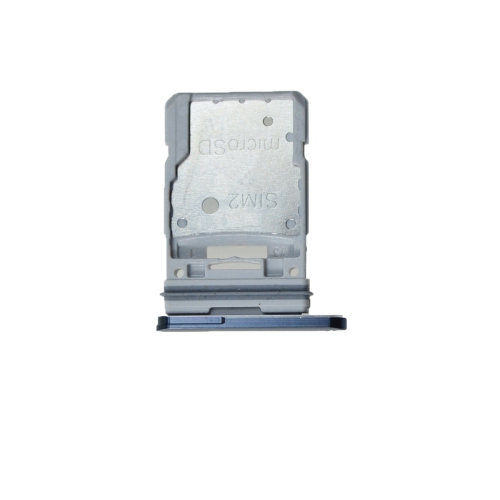
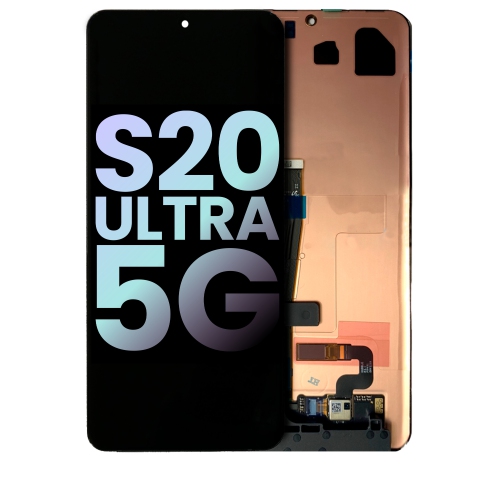
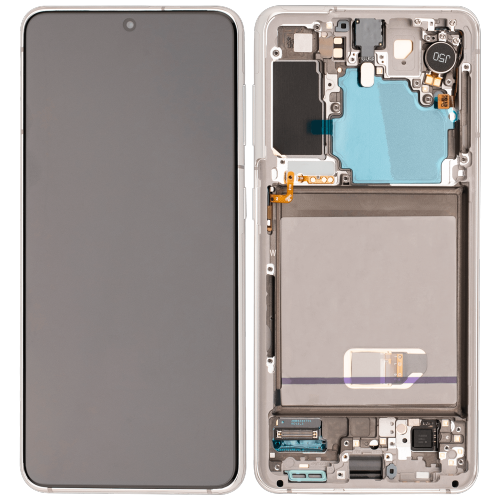
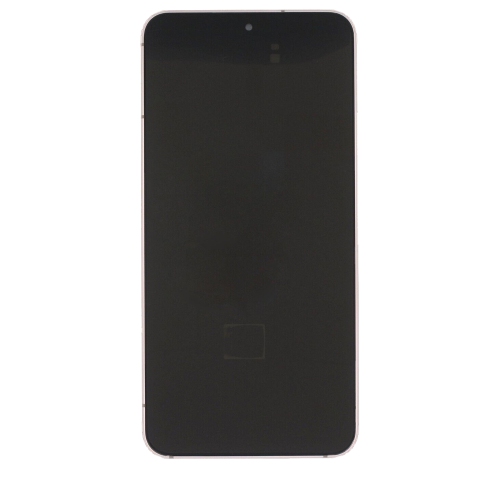
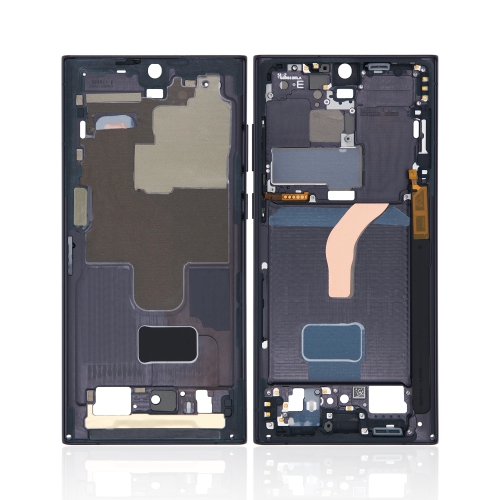
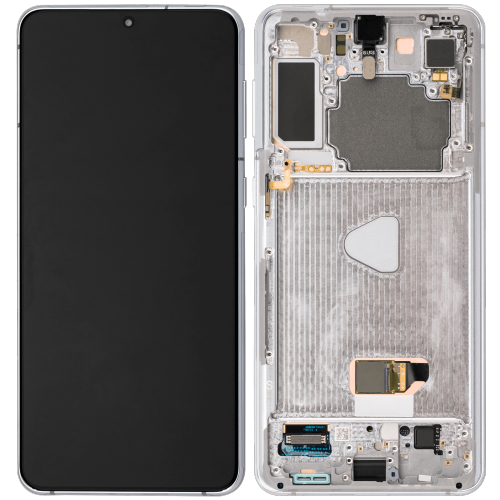
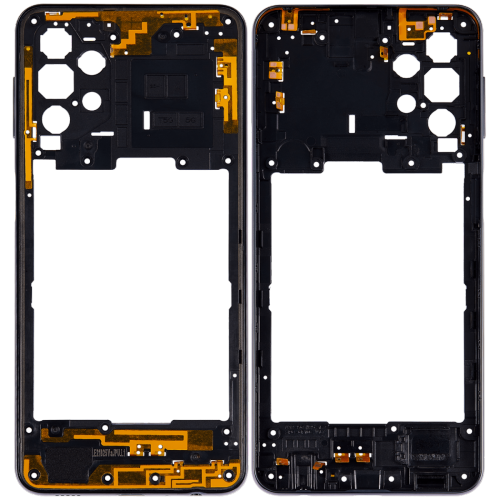
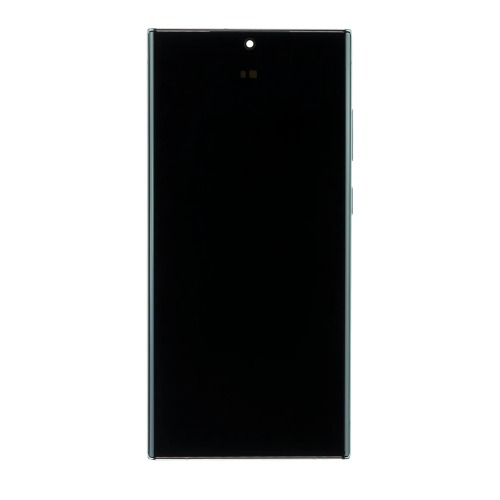
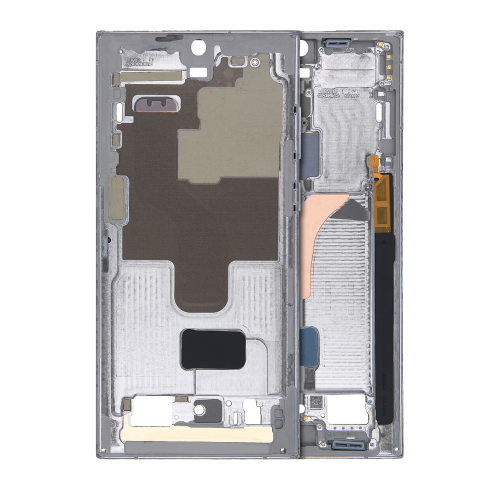
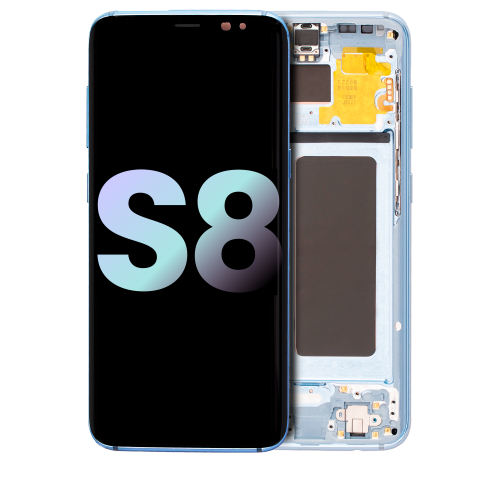
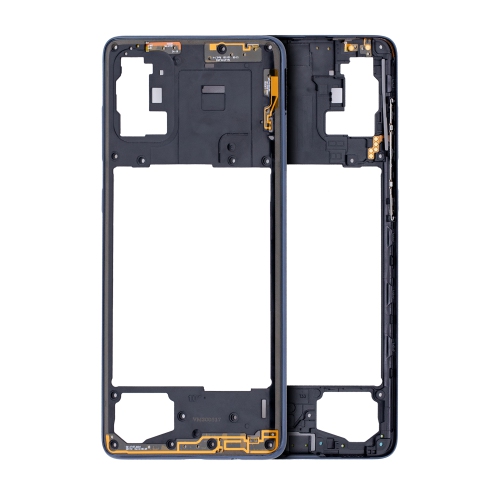
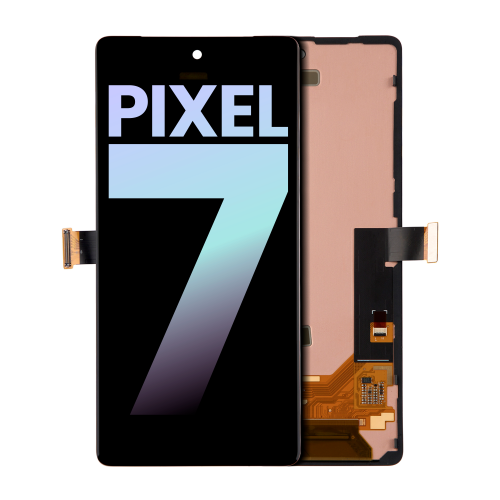
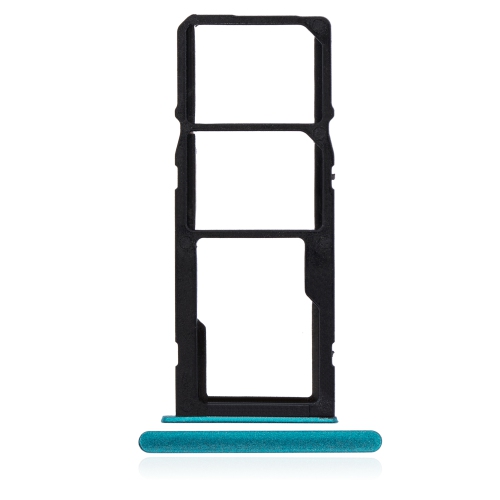
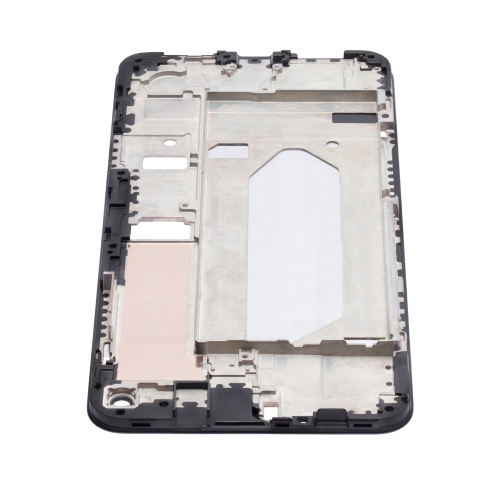
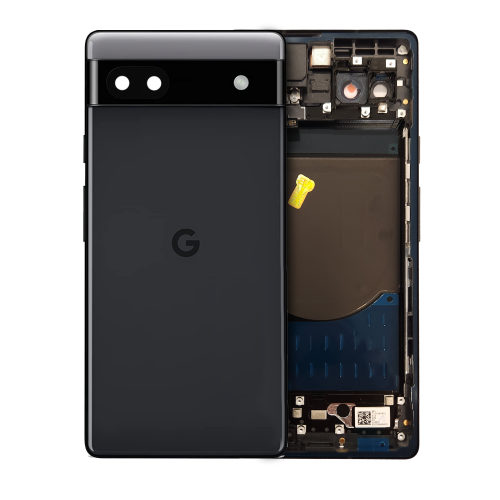
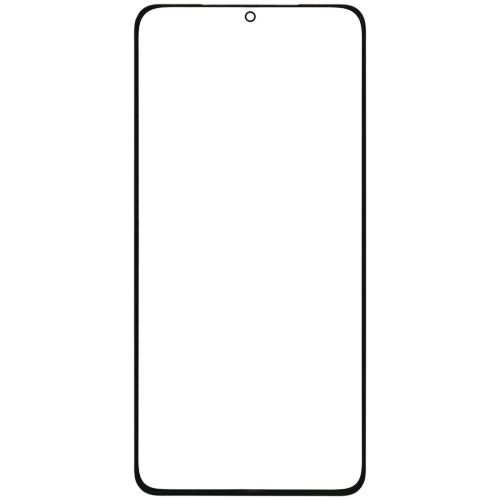
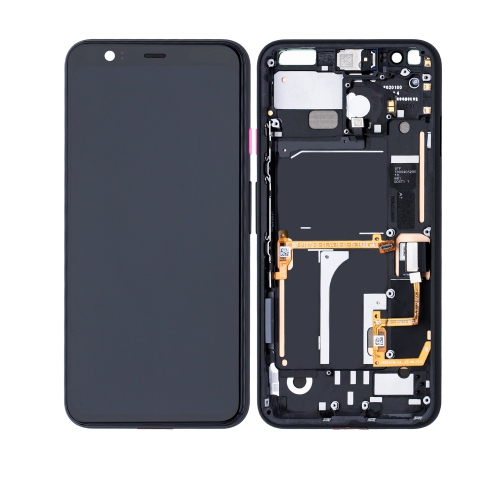
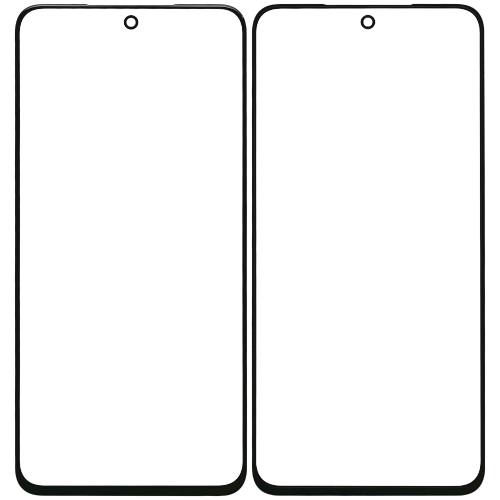
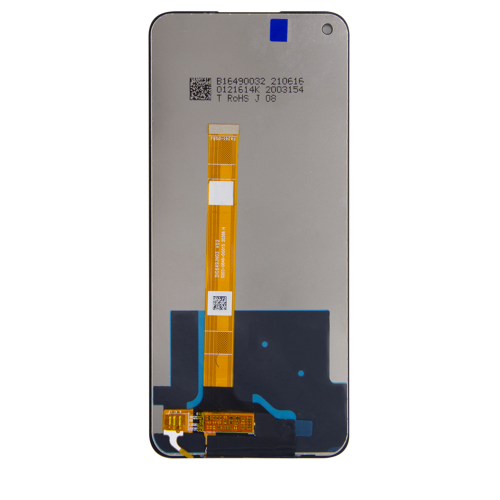
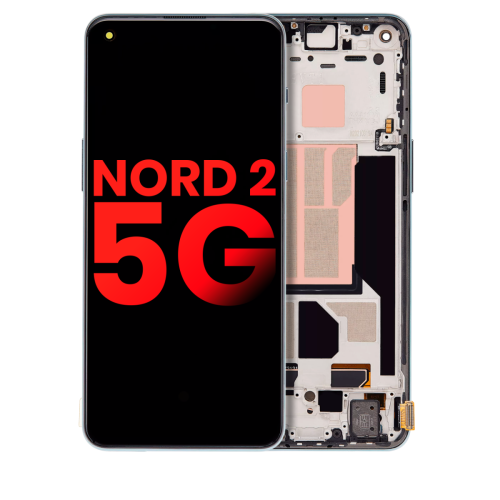
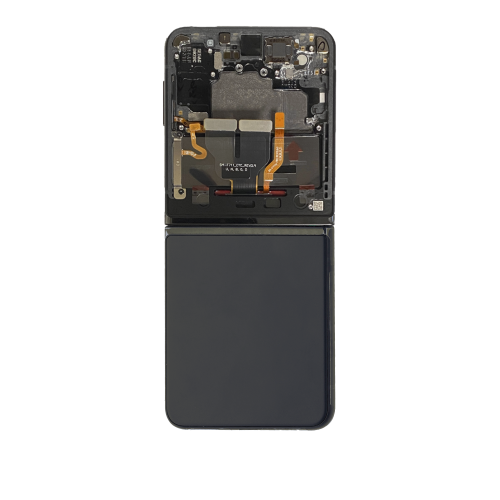
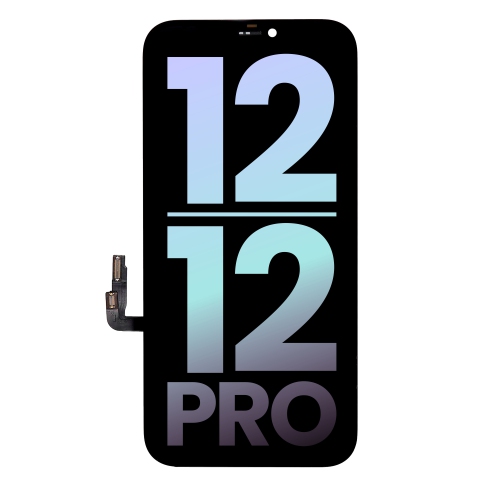
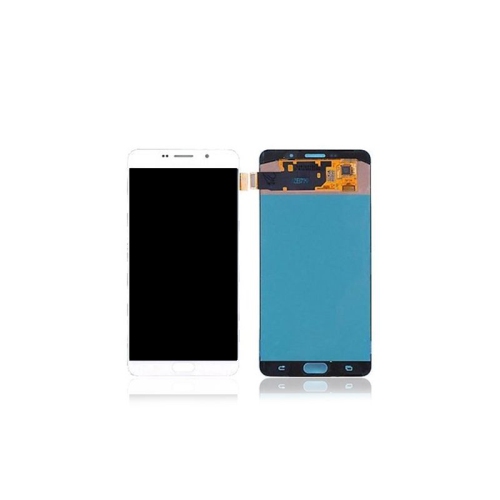
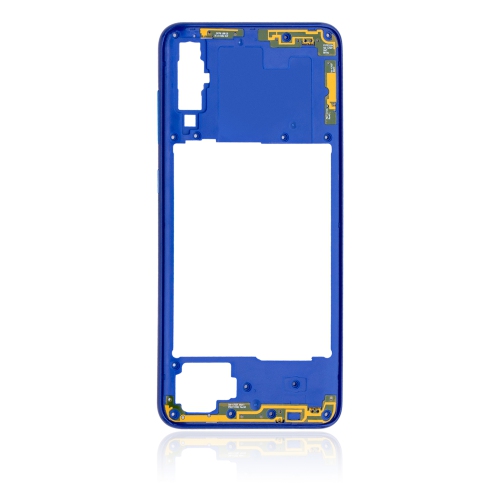
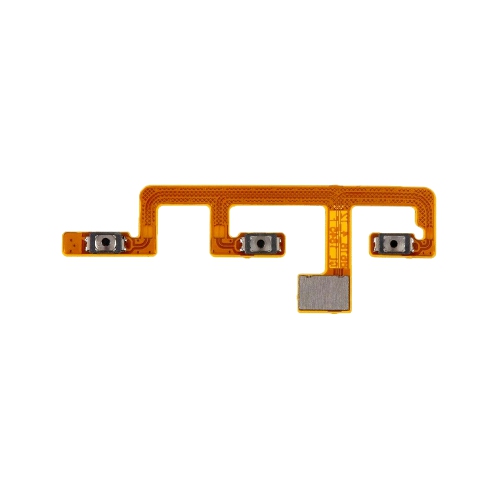
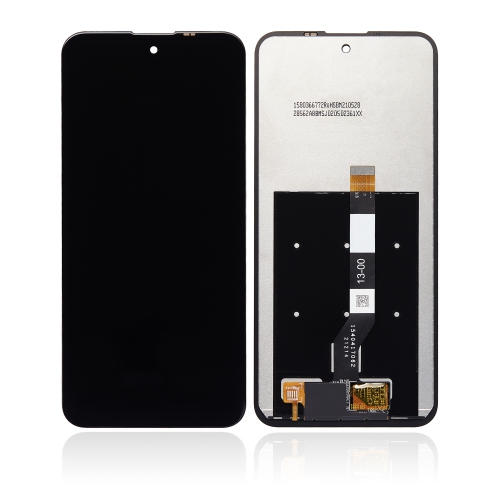
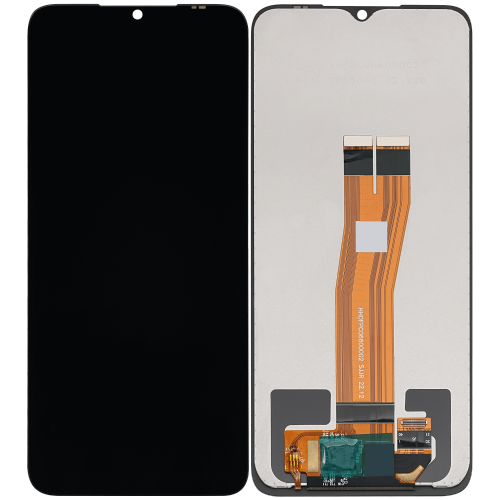
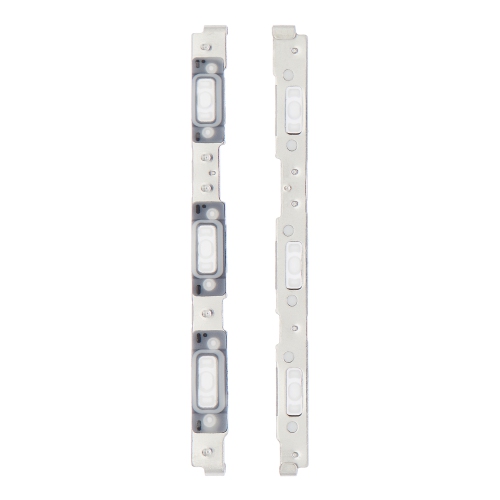
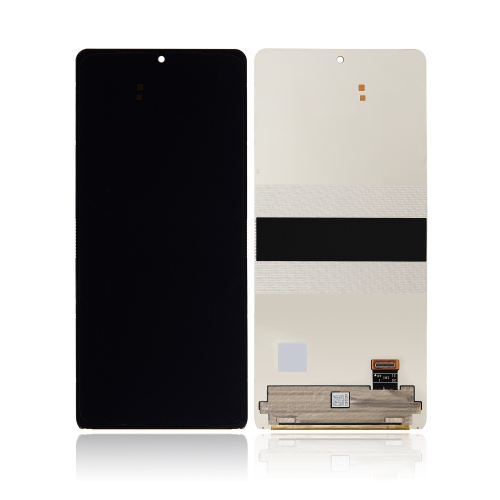
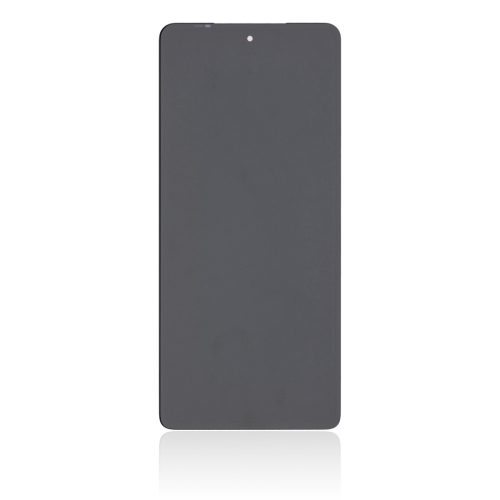
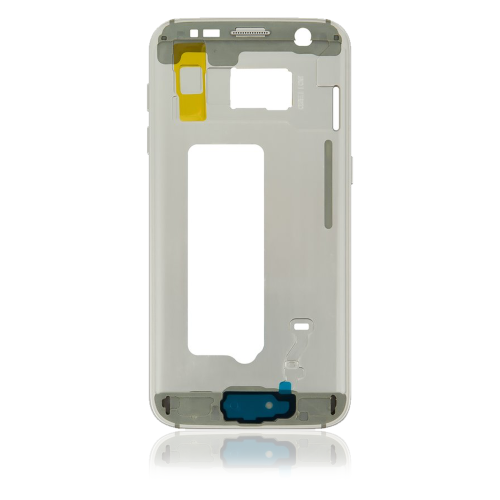
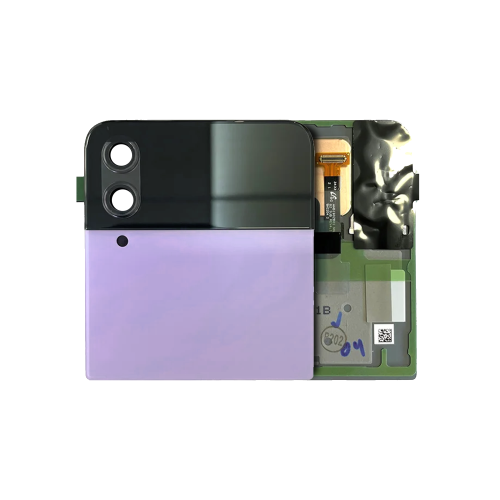
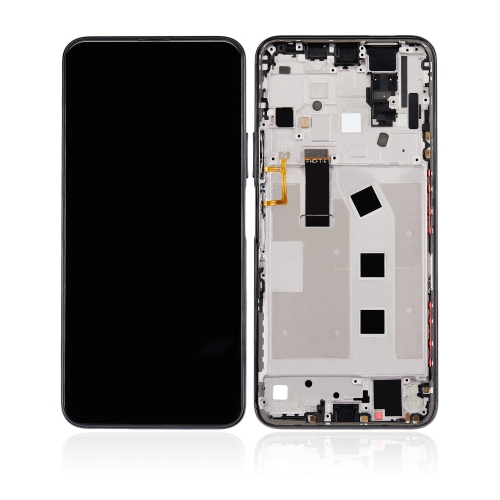
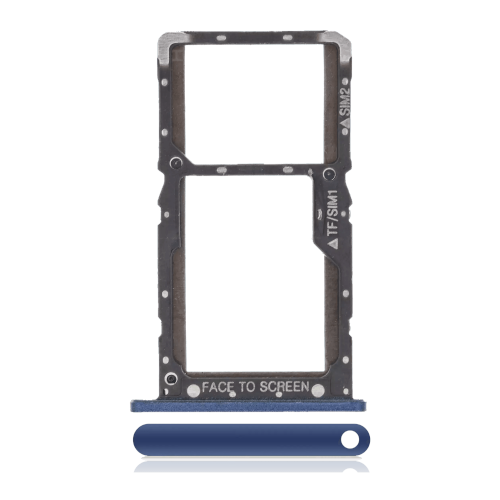
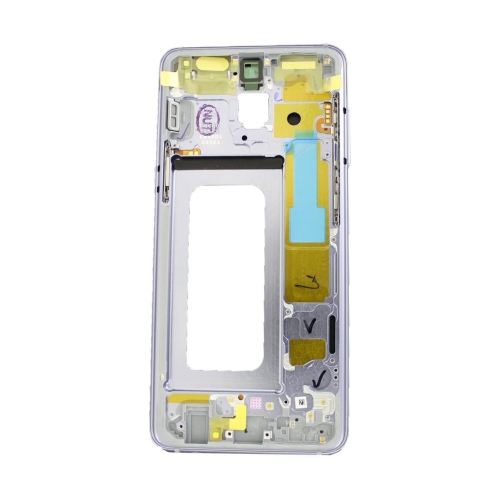
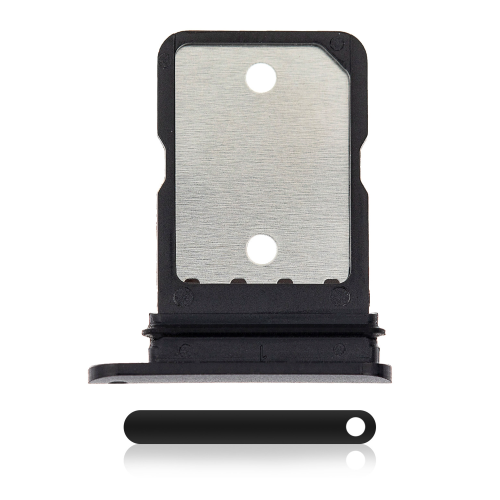
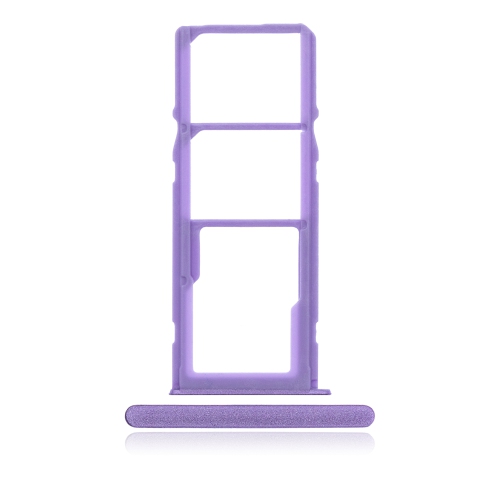
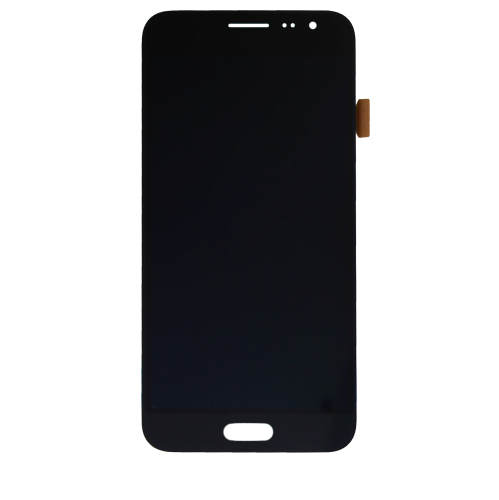
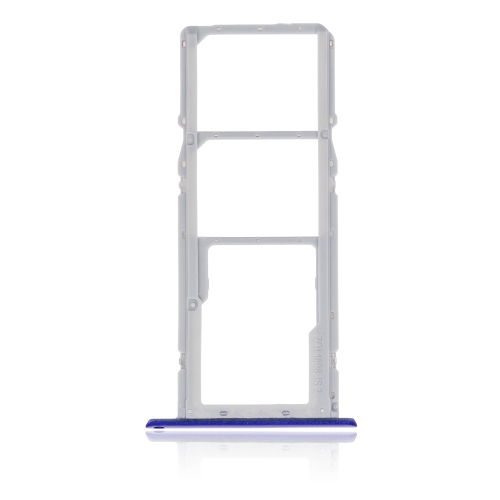
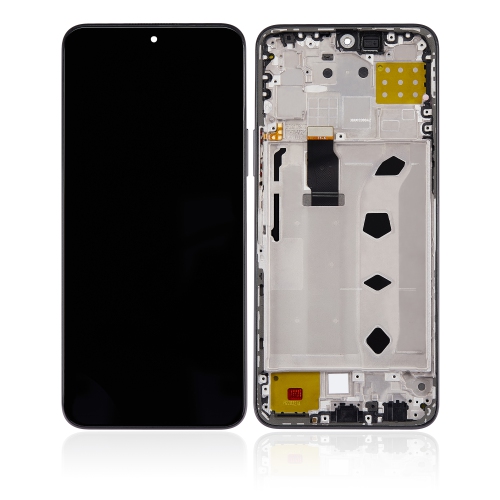
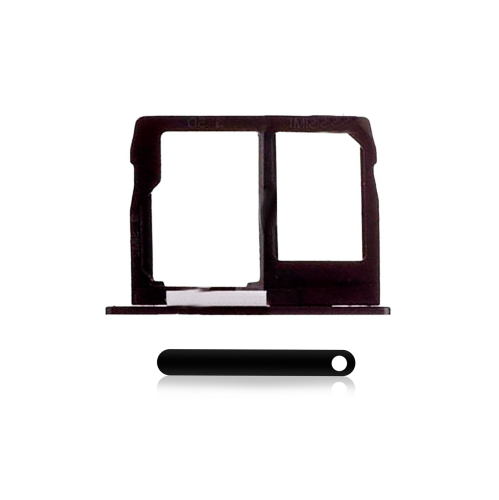
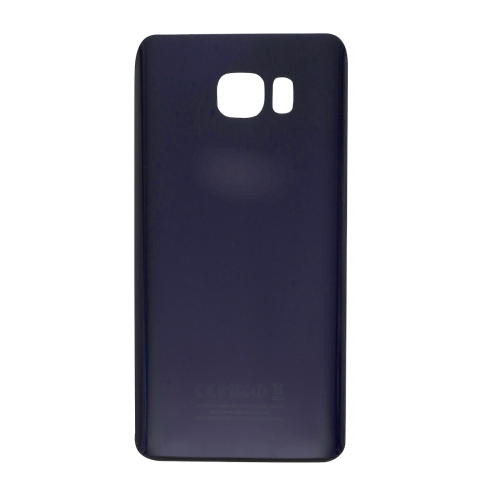
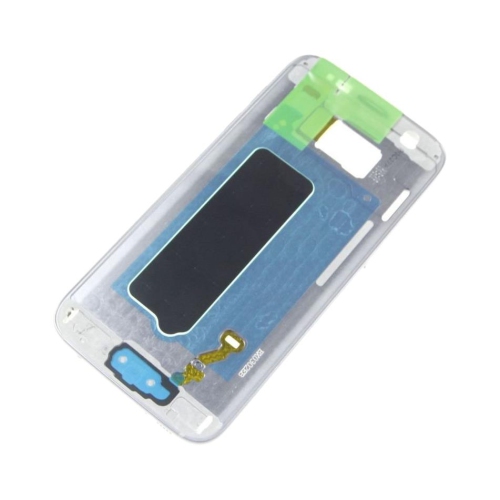
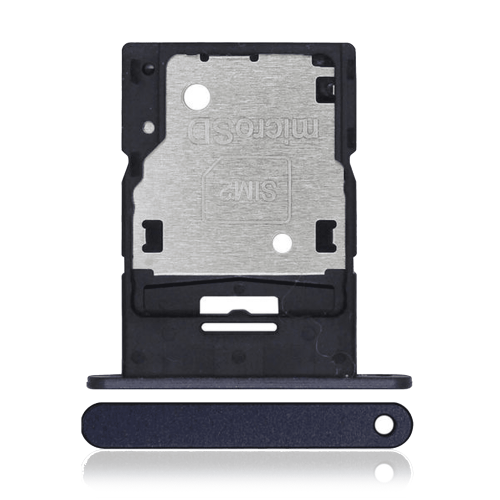
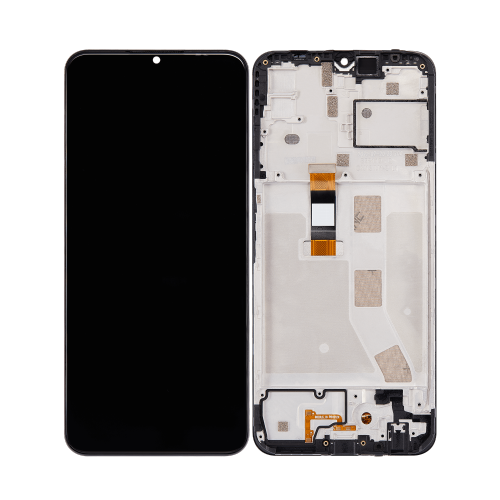
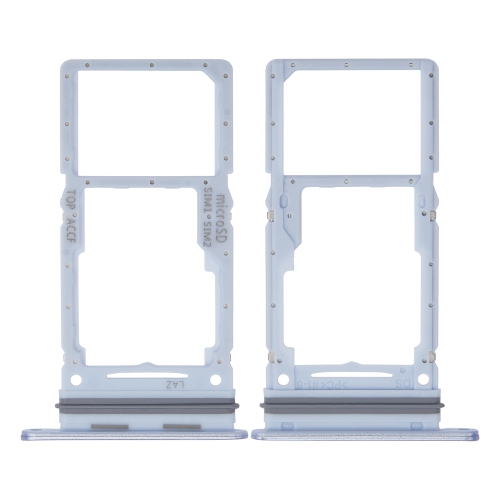
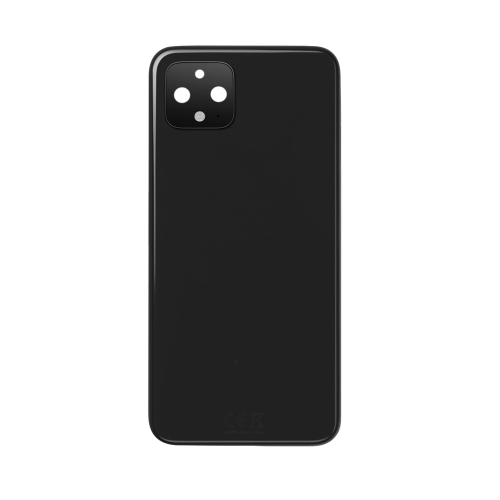
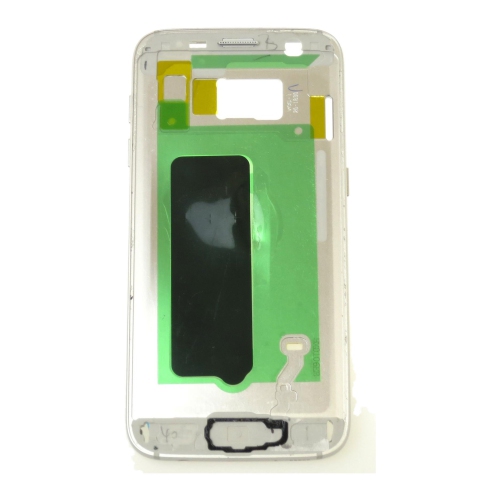
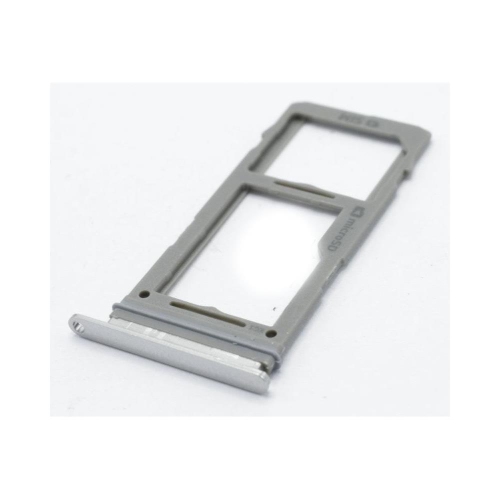
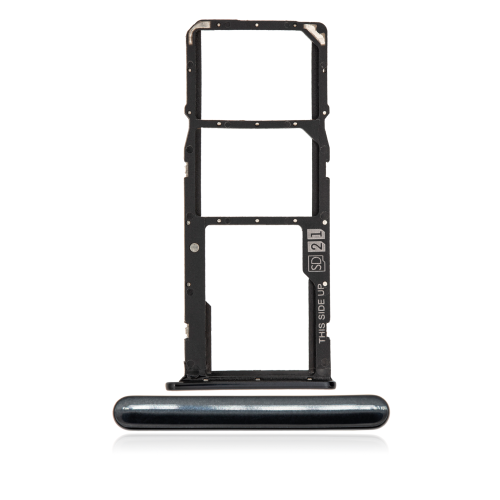
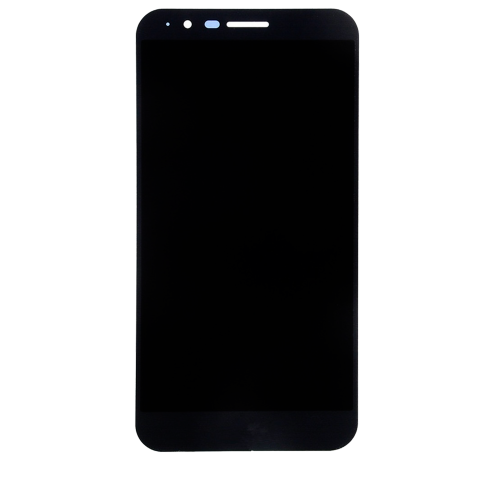
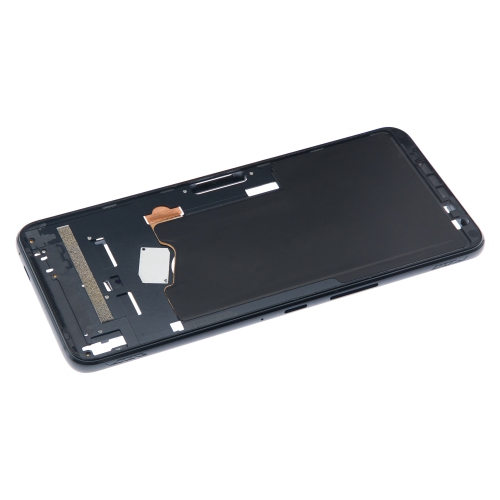
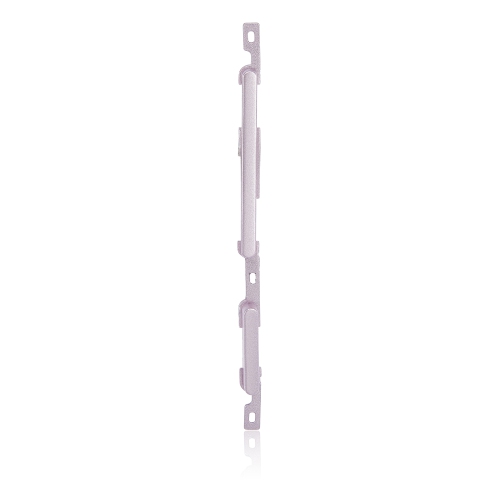
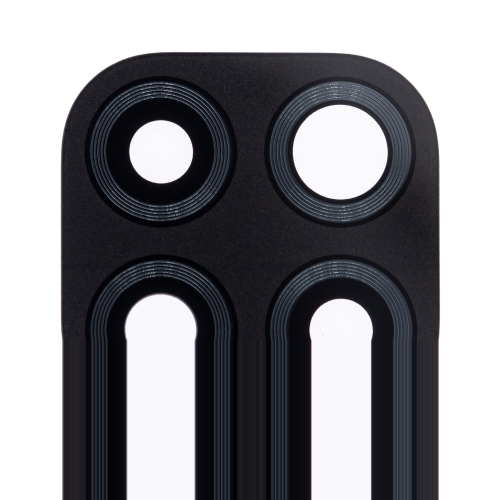
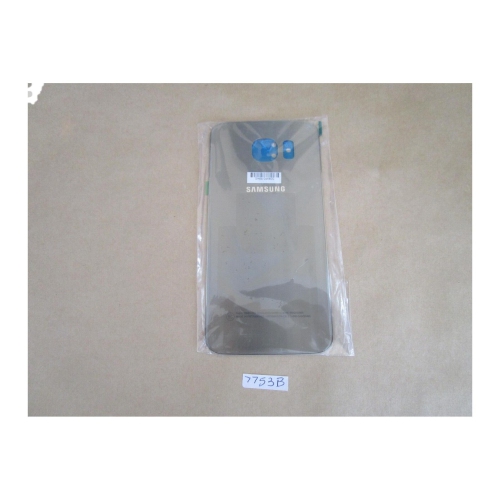
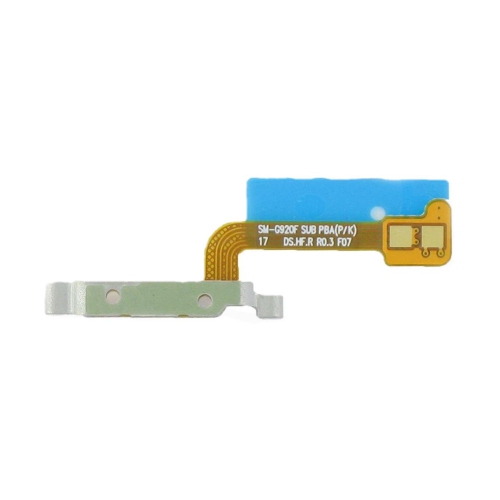
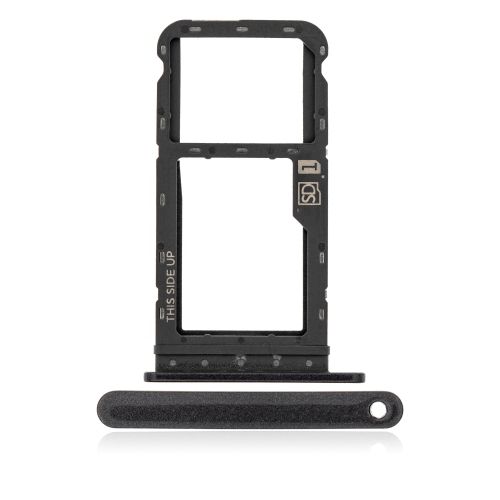
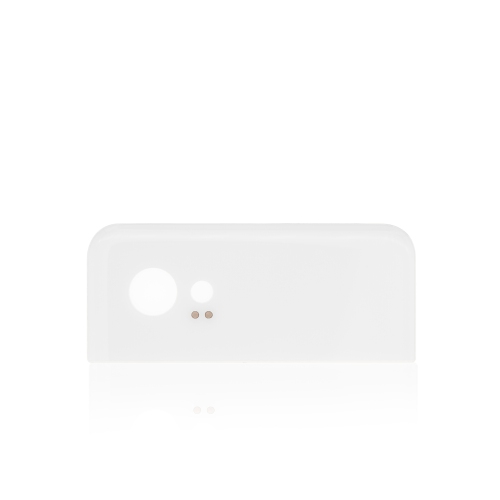
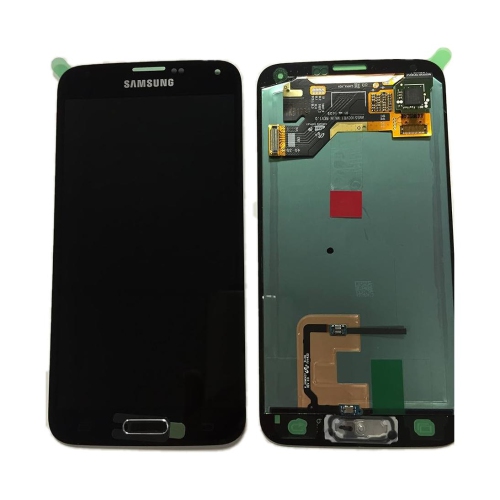
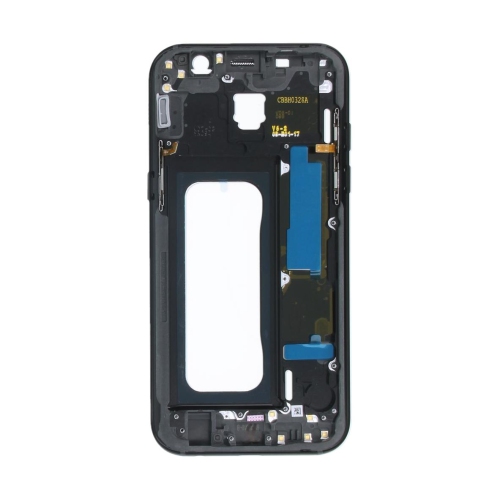
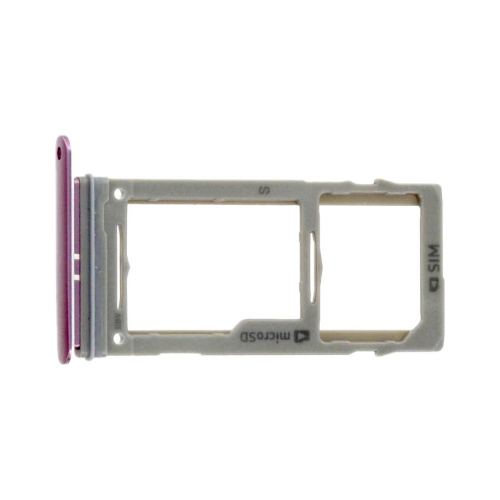
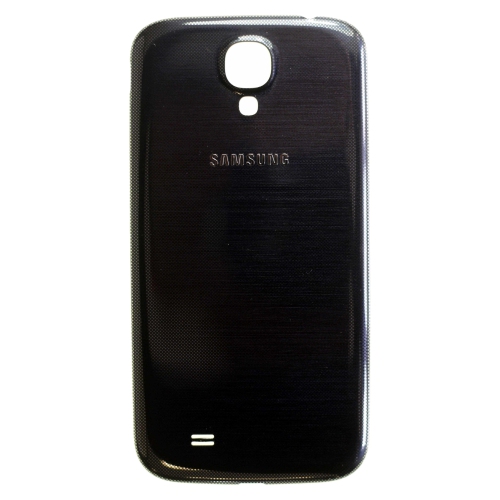
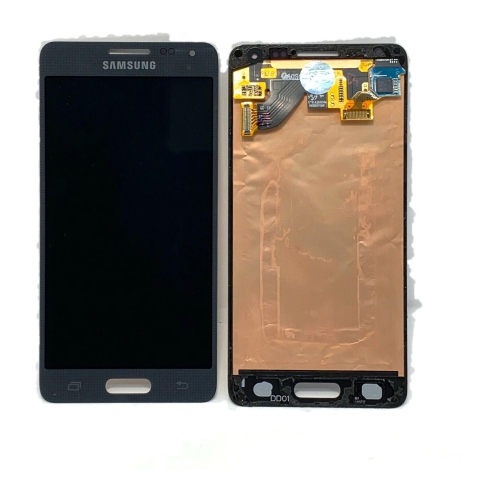
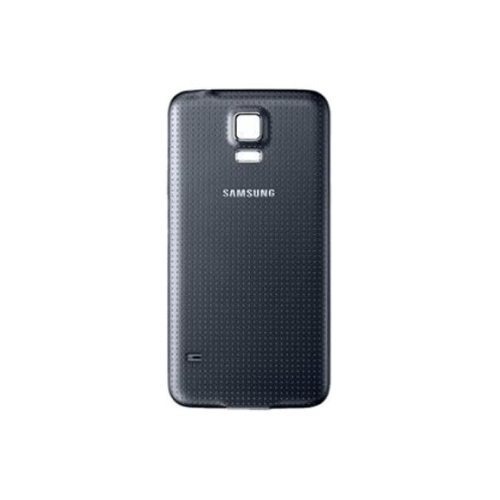
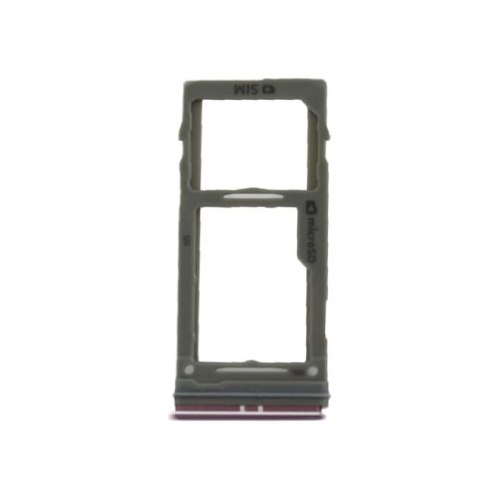
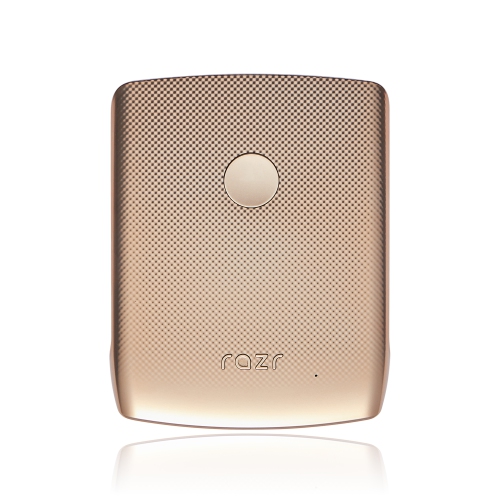
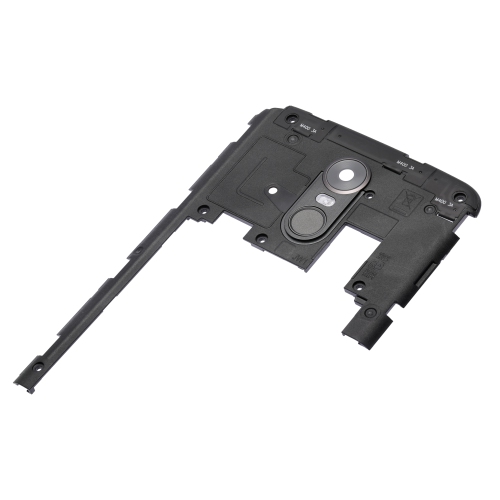
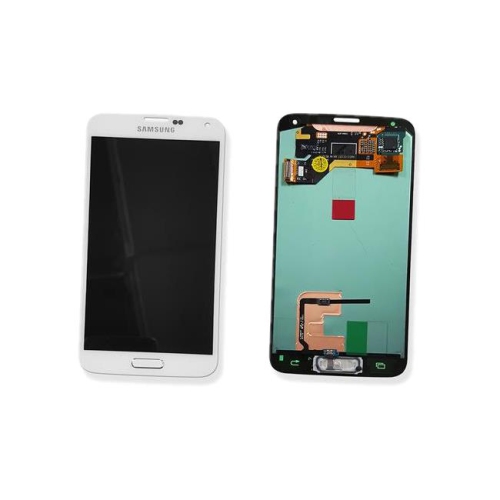
Phone parts are the physical components that make up a mobile phone, from its outer housing and touchscreen to the battery, charging port, cameras, and internal circuit boards. Replacement phone parts serve a different purpose from everyday accessories: they replace damaged or worn hardware rather than simply adding protection or a new feature. A cracked display, a loose charging connection, or a broken volume button may involve very different components, even when the phones look identical from the outside. Screen assemblies are among the most recognizable parts. They can include the display panel, which produces the image, and the digitizer, which registers taps and swipes; some assemblies also include the front glass or supporting frame. LCD and OLED displays use different technologies, so the correct replacement depends on the phone’s original design and supported specifications. A screen that lights up properly still needs accurate touch response and a precise fit around the camera, speaker, and sensors. Housings, back panels, and midframes give the device its shape and support the components inside. Depending on the design, these structures may use glass, metal, plastic, or a combination of materials, each with its own feel, finish, and resistance to everyday wear. Small exterior parts matter as well: button covers need to align with their underlying switches, while a SIM card tray must match the device’s opening and card arrangement. A physical SIM tray holds a removable SIM card; an eSIM is built into the device and does not sit in that tray. Cosmetic changes are a separate consideration. The Phone Skin category relates to surface coverings rather than structural repairs, so a skin is not a substitute for cracked back glass or a bent frame. That distinction helps separate a change in appearance from the replacement of hardware that supports the phone’s function.
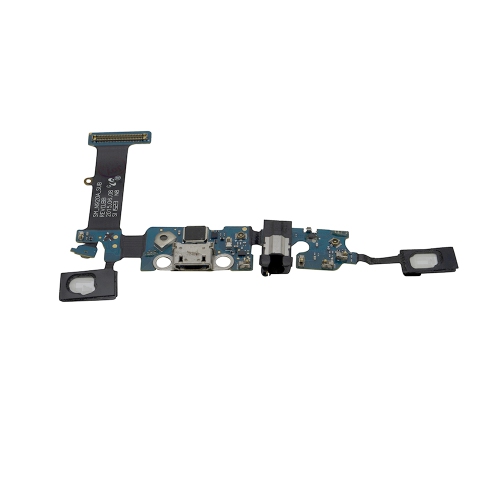
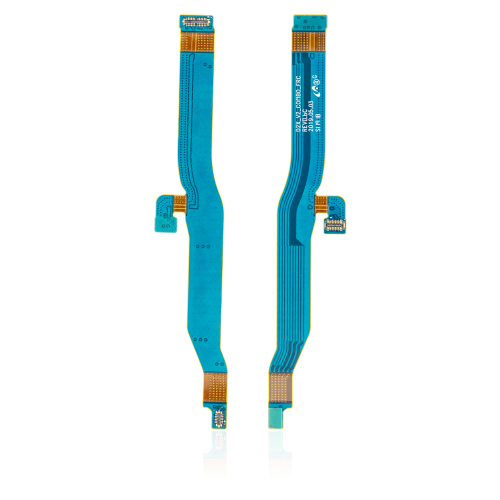
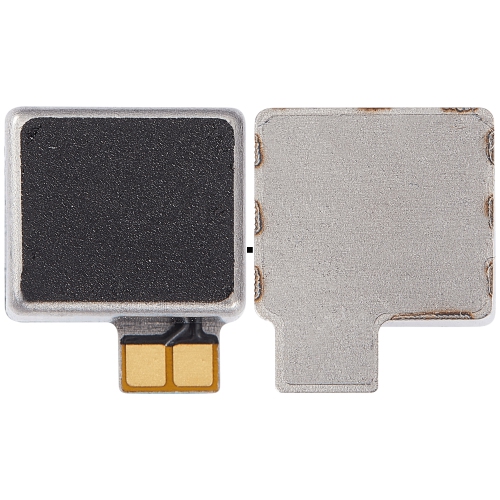
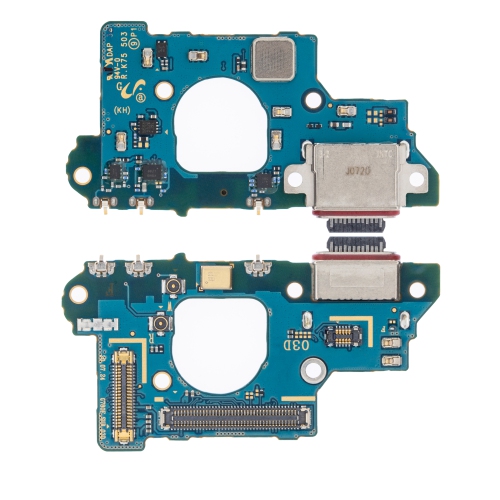
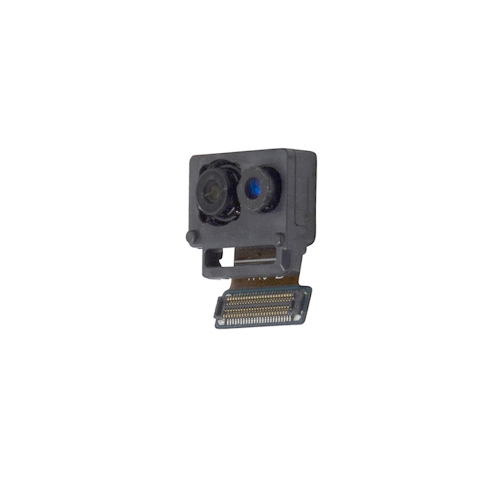
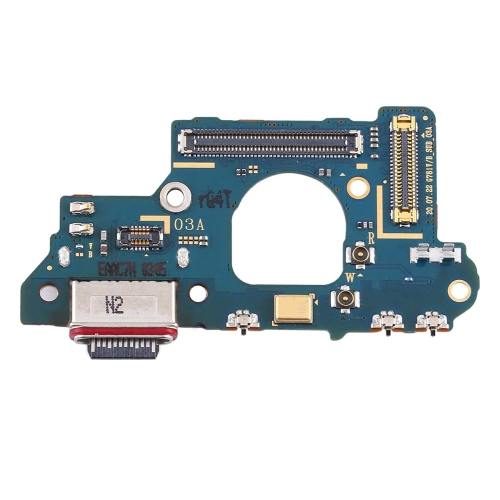
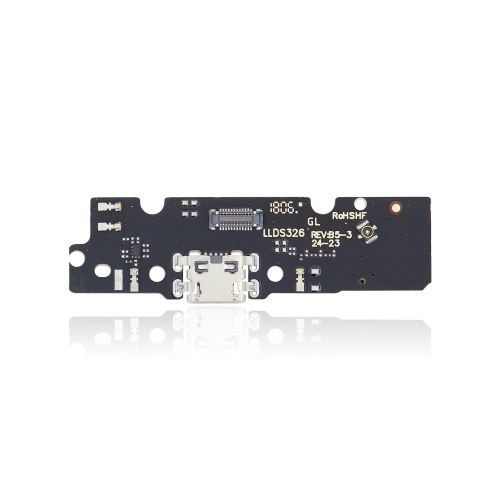
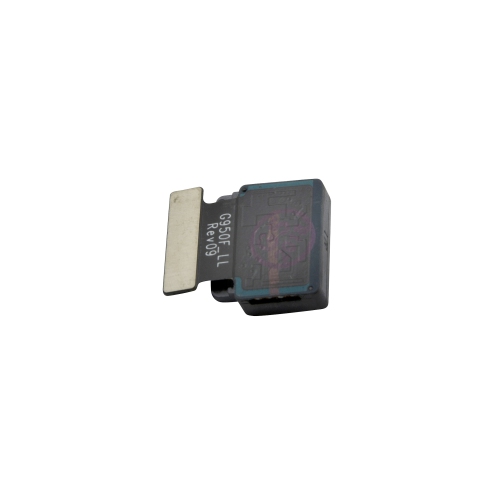
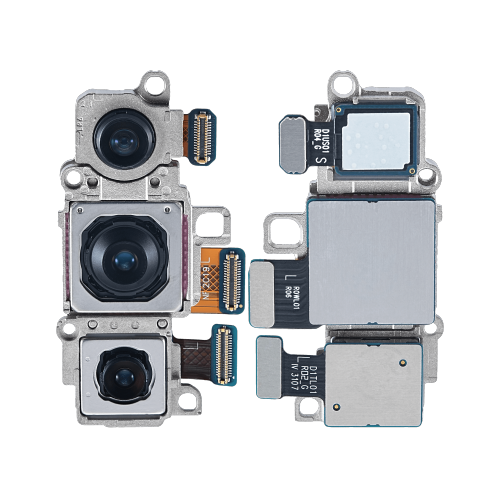
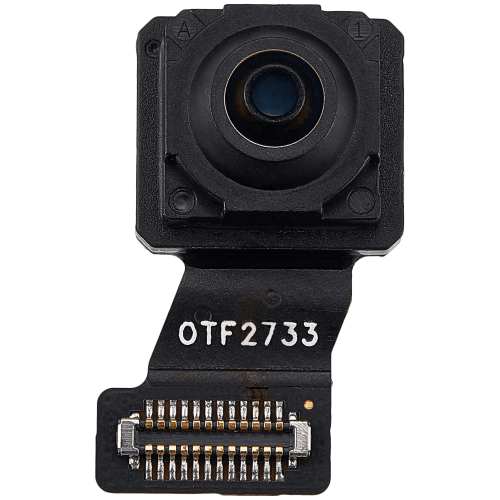
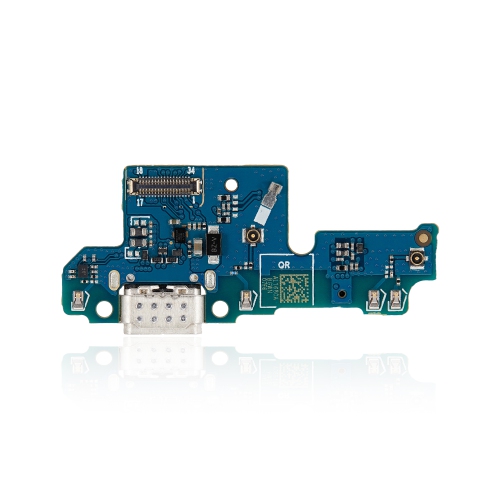
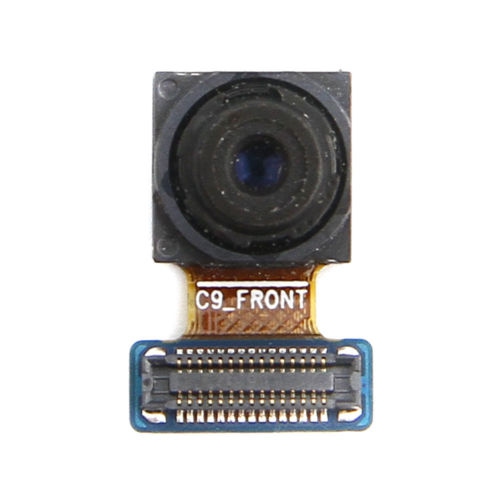
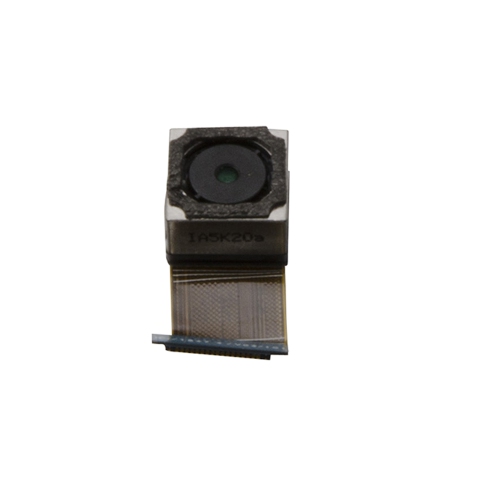
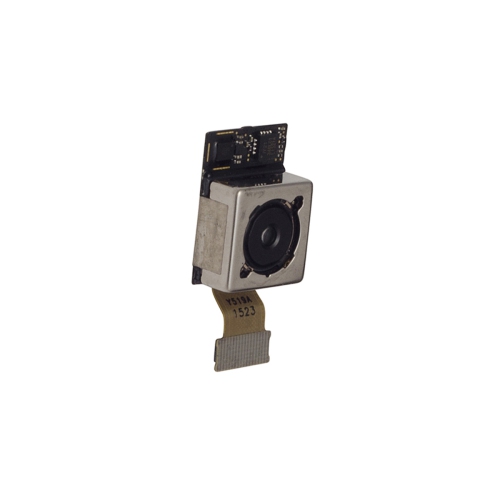
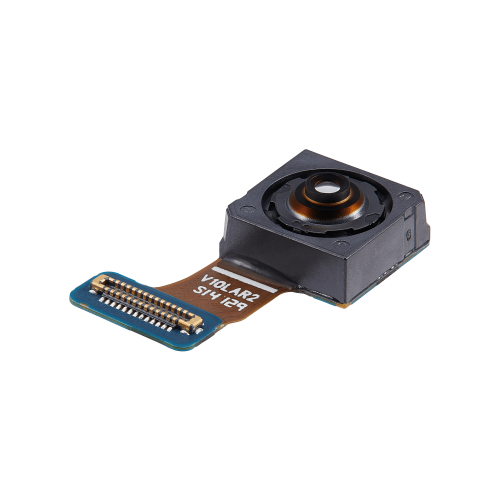
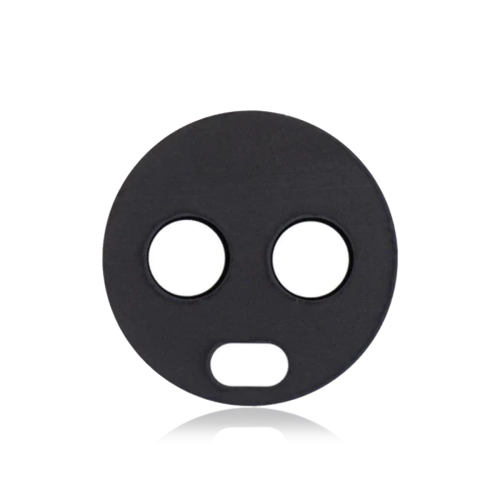
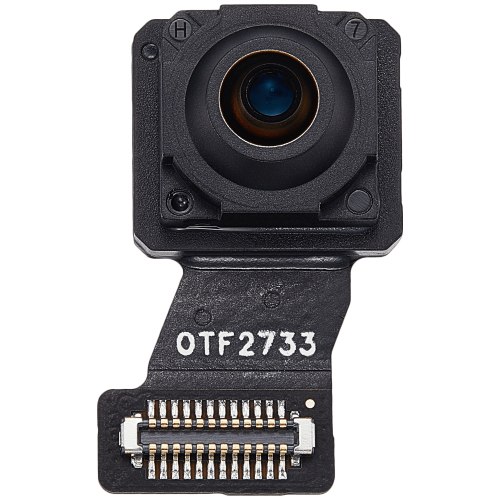
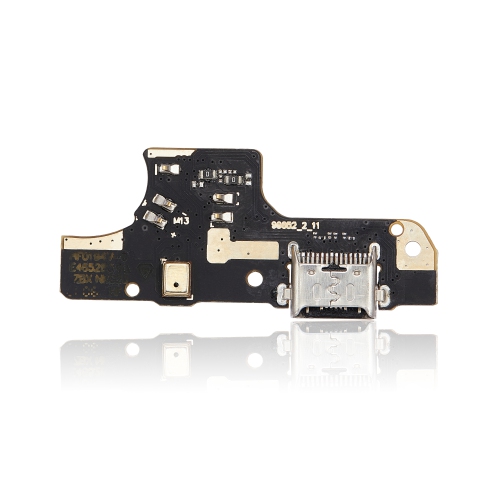
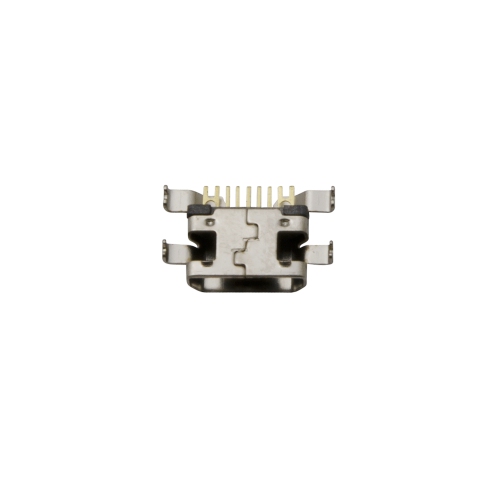
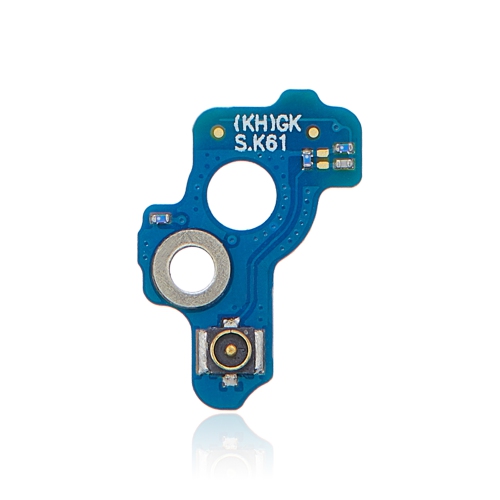
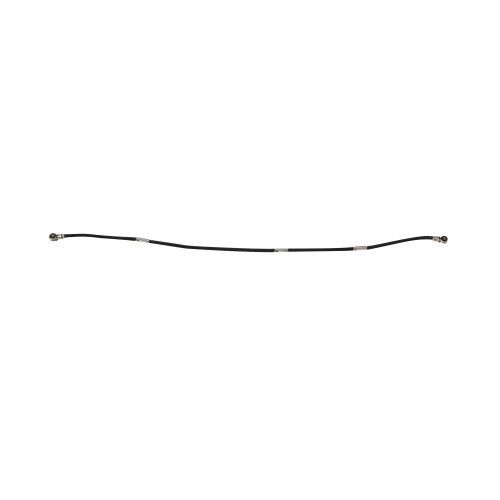
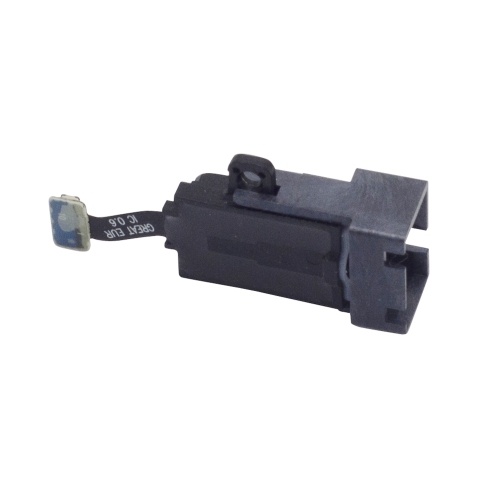
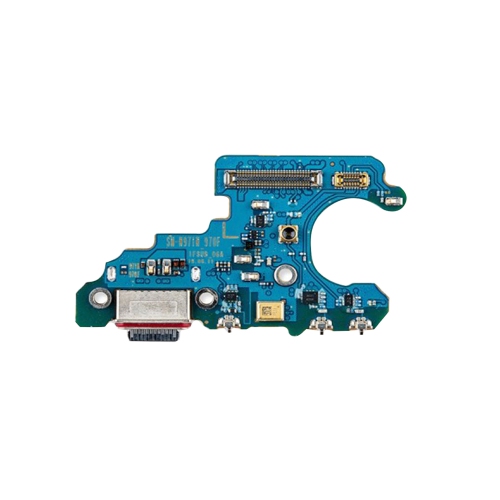
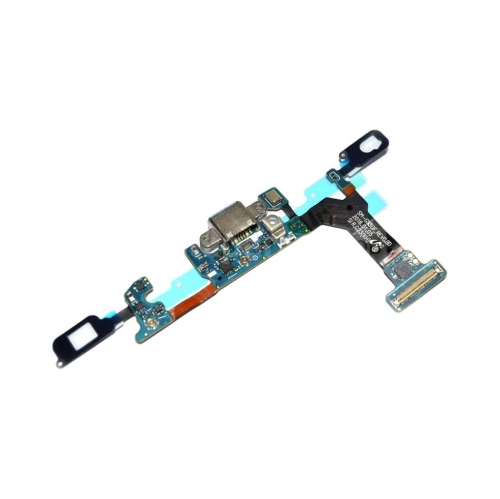
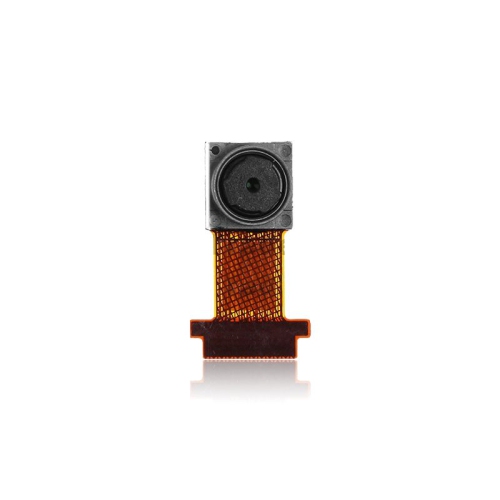
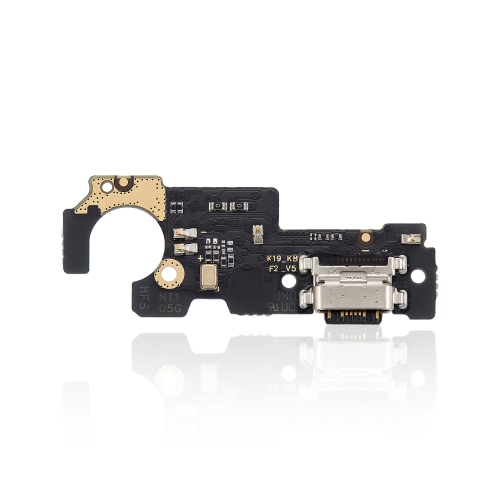
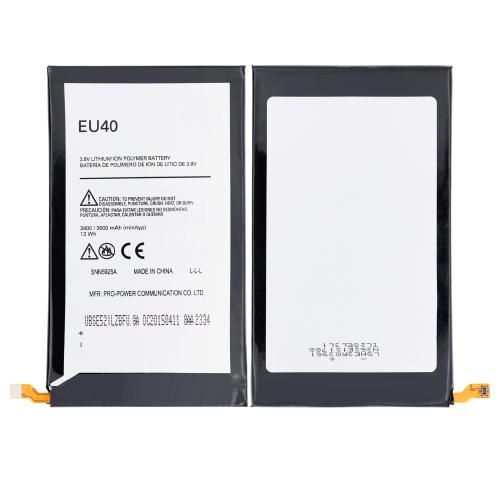
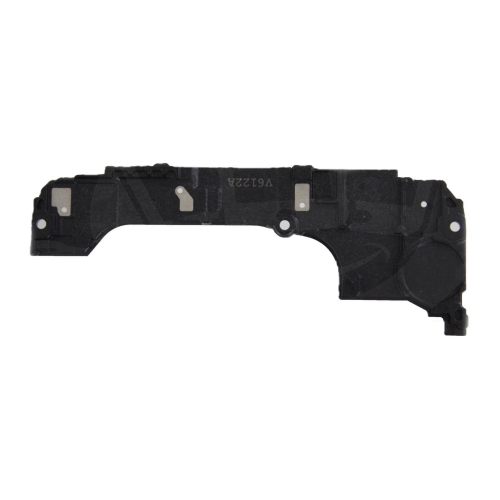
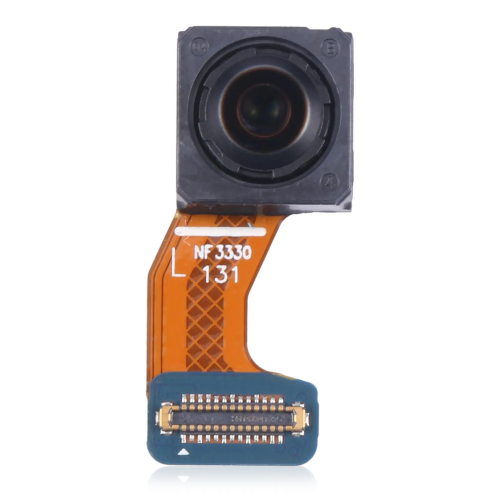
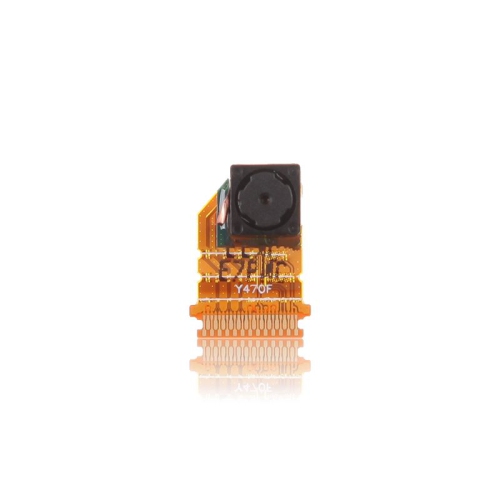
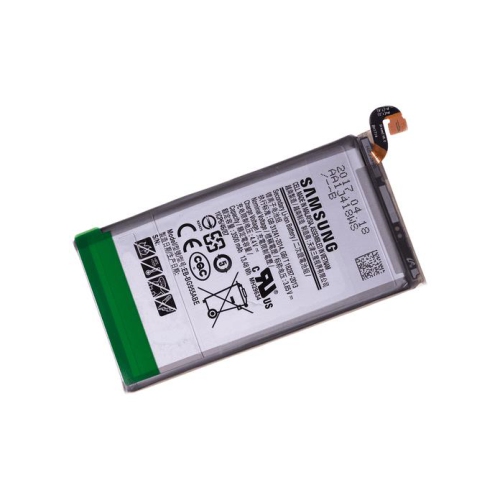
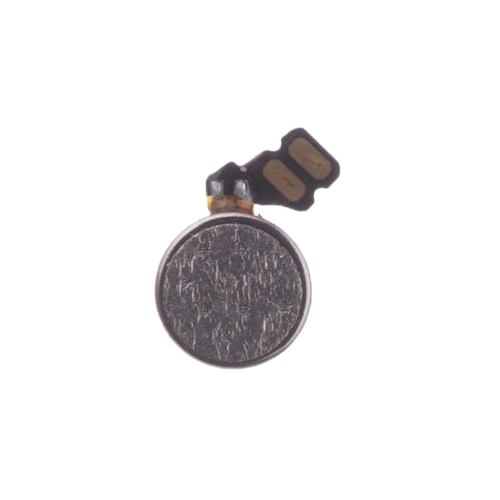
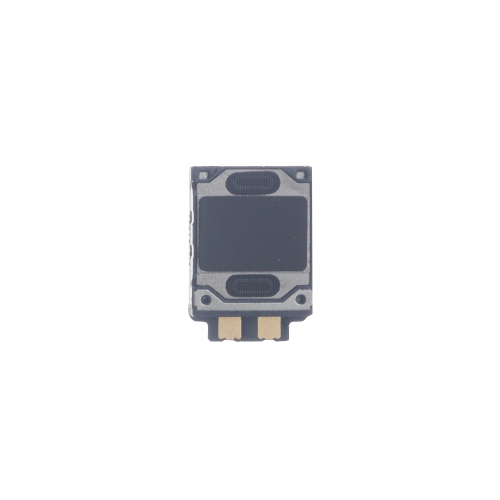
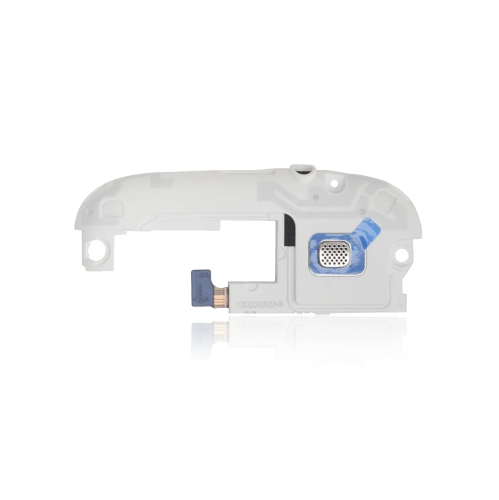
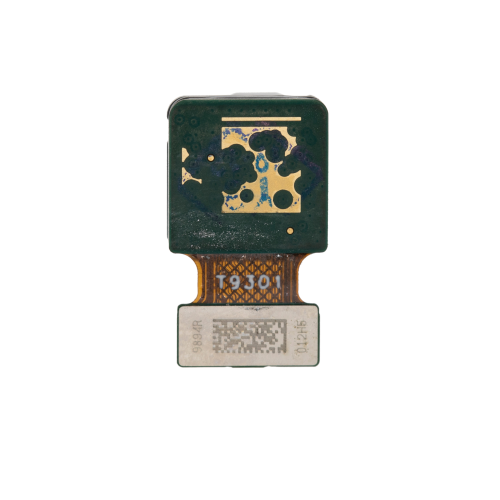
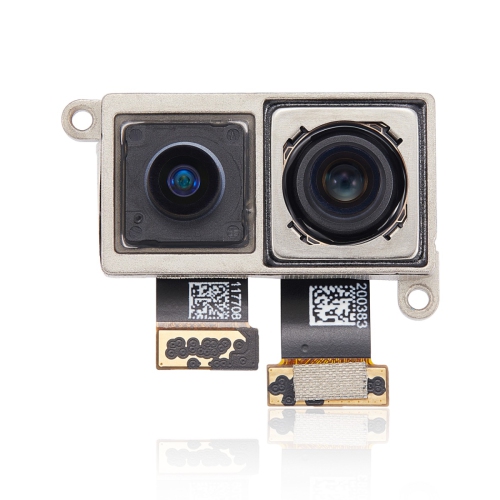
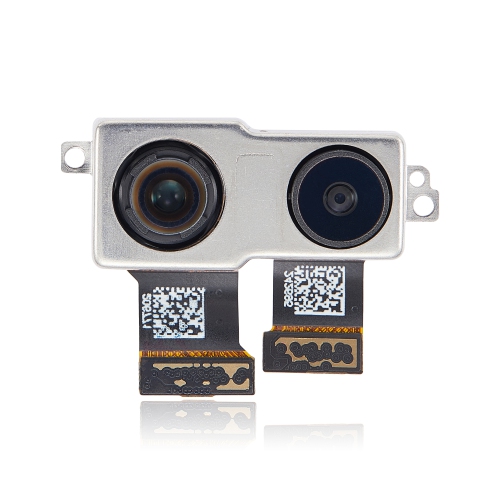
Inside a smartphone, closely connected electronic parts handle power, communication, sound, photography, and movement detection. The rechargeable lithium-ion battery supplies energy to the device, while charging circuitry manages how incoming power reaches it. A replacement battery needs the correct dimensions, connector, electrical specifications, and compatibility with the phone’s power-management system; a similar shape alone does not establish a suitable match. Charging ports may be part of a small daughterboard or connected through a flexible cable, and some assemblies also carry microphones or other components. This means a port-related repair can involve more than the visible socket where a cable plugs in. Camera modules combine lenses and image sensors, with certain designs incorporating autofocus or optical image stabilization. Front and rear cameras are not interchangeable, and a module’s connection, mounting position, and software support all affect whether it will work correctly. Speakers turn electrical signals into sound for calls and media, while microphones capture speech and other audio. Earpiece speakers, loudspeakers, and microphones have distinct roles, so a quiet call and muffled voice recording do not necessarily point to the same faulty part. Haptic motors create the small vibrations felt during notifications and touch feedback. Sensors support functions such as automatic screen brightness, orientation changes, and turning the display off when the phone is held near the face. The mainboard links these systems and houses much of the phone’s processing, memory, storage, and communications hardware. Many of those chips are soldered in place rather than designed as individually swappable upgrades. Antennas and associated circuitry support cellular service, Wi-Fi, Bluetooth, and other wireless functions, but changing one component does not automatically add a feature the phone was never designed to support. For everyday use, the value of a suitable replacement part is practical: clear conversations, reliable touch input, steady charging connections, and photographs without an obstruction from damaged camera glass. Restoring those functions depends on both the correct component and the condition of the surrounding hardware.
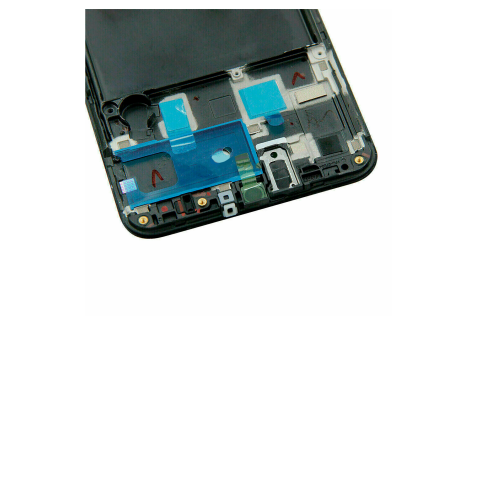
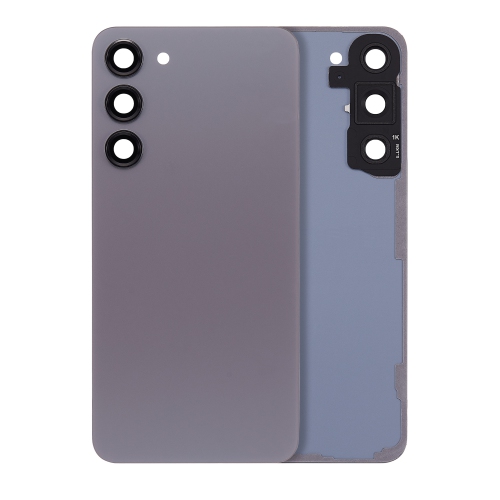
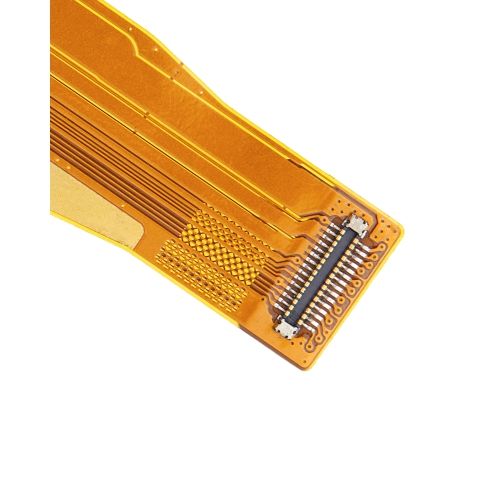
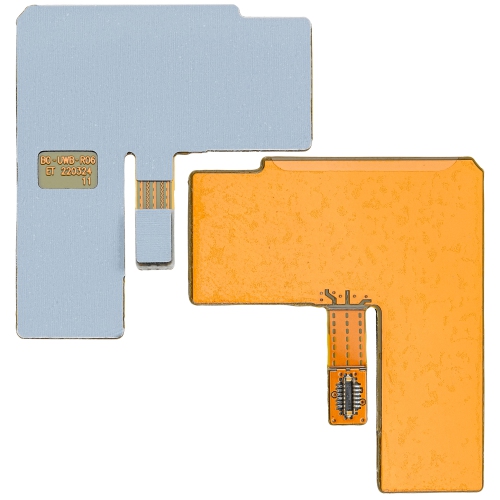
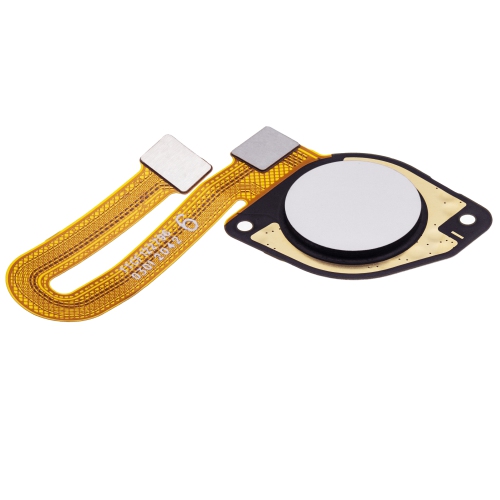
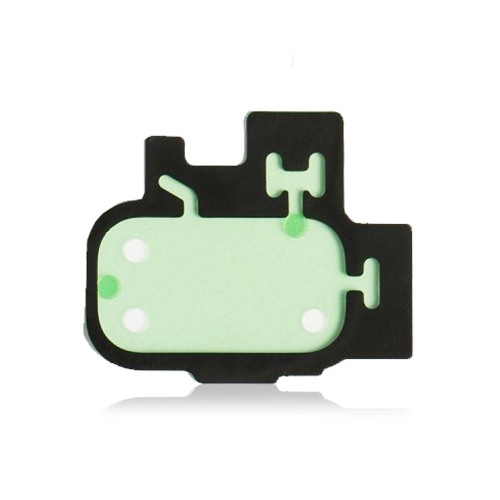
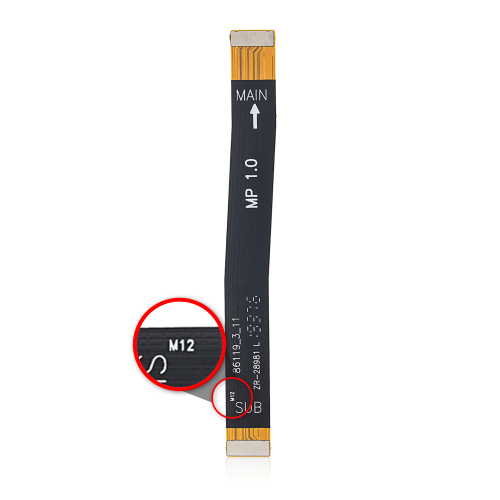
Compatibility is the central consideration with replacement phone parts because small differences can determine whether a component fits, connects, and operates as intended. The exact model number, hardware revision, and regional version can matter more than the general appearance or screen size. Two devices with matching outer dimensions may use different flex cables, screw positions, connectors, or sensor arrangements. Colour and finish are relevant for visible parts, but internal alignment and electrical compatibility take priority over a close visual match. Assembly contents also vary: a display panel and a display supplied with a frame are not necessarily equivalent, just as a back panel may or may not include camera glass, adhesive, or small fittings. These distinctions are especially useful to repair technicians and experienced hobbyists working with compact devices where a missing bracket or damaged cable can interrupt an otherwise straightforward repair. For someone arranging a repair through a service provider, knowing which component is involved can make discussions about the work more precise without turning the purchase into a do-it-yourself project. Durability depends on material quality, manufacturing accuracy, installation, and the condition of neighbouring parts. A new screen cannot correct a distorted frame, and a fresh charging port will not resolve every fault in the power system. Some components also require calibration or software pairing, particularly where cameras, displays, batteries, or biometric features are involved. Opening a phone can disturb its original seals, so replacement adhesive alone should not be taken as proof that the original water-resistance rating has been restored. Care after repair remains important: gentle cleaning with methods suitable for the device, avoiding pressure on exposed connectors, and protection against drops all help limit further damage. Loose batteries and delicate electronic assemblies require appropriate handling, and damaged or swollen batteries warrant professional attention. Well-matched phone parts support targeted repairs for a daily communication device, a work handset, or a phone being passed along to a family member, with fit and dependable operation taking precedence over appearance alone.
Top selling and popular products
-
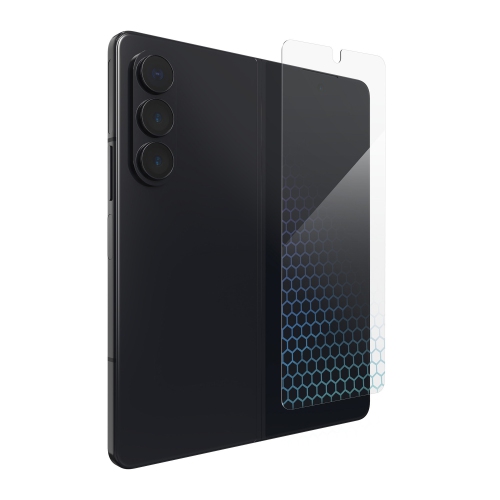 Your price for this item is $59.99
-
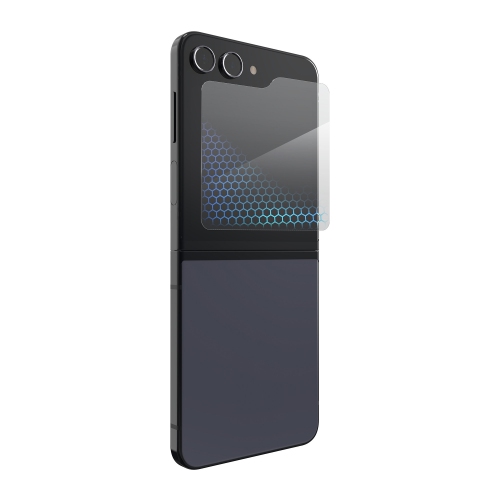 Your price for this item is $59.99
-
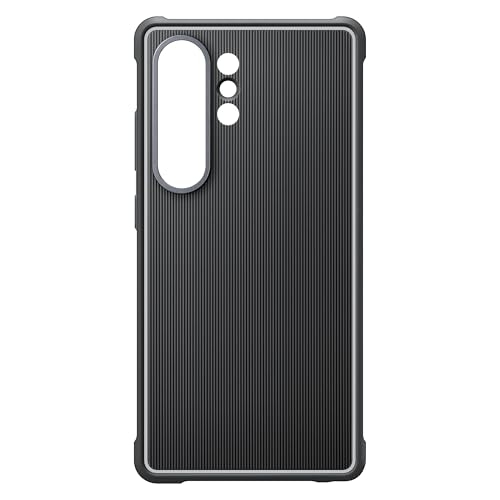 Your price for this item is $69.99
-
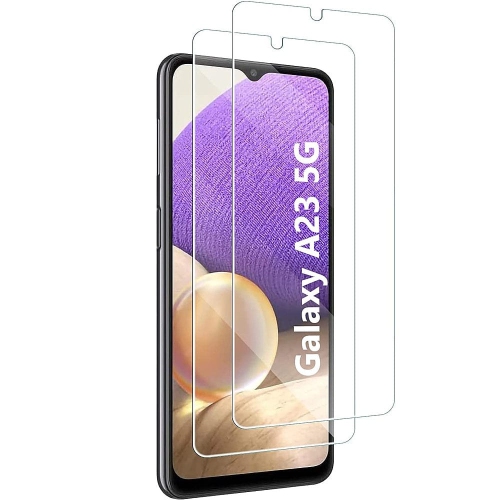 Your price for this item is $52
-
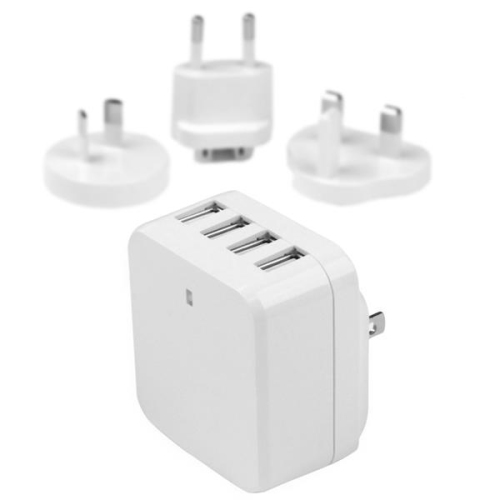 Your price for this item is $49.99
-
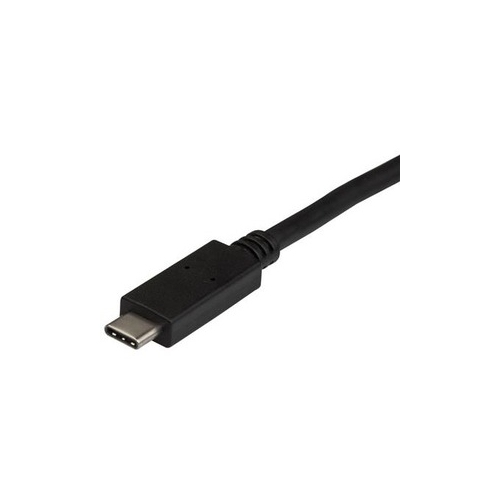 Your price for this item is $32.37
-
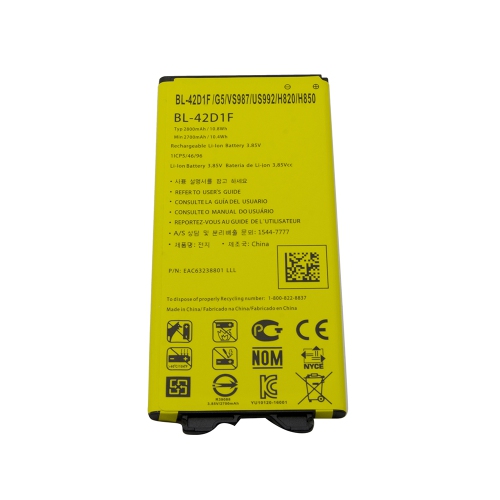 Your price for this item is $14.79
-
 Your price for this item is $16.79
Discover more categories related to Phone Parts


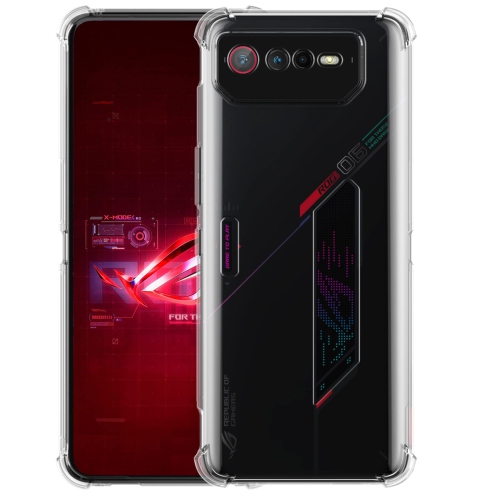

Top Collections:
Pokemon Centers, Pokémon 30th Celebration Cards, Best Budget Office Chairs, Kindle Devices, Best Cameras for Sports Photography, Canon G7X Cameras, Best Black Friday Deals On Electronics, Best Laptops for Writers, iPhone 15 Apple, Jackery Power Stations
Some products may be subject to Environmental Handling Fees
(EHF) depending on your province.
Learn more about EHFs.