PPS Chargers
Looking to power up your devices with the latest technology? Our selection of PPS chargers offers fast and efficient charging solutions for all your electronic gadgets. Say goodbye to long charging times and hello to quick and convenient power-ups. With a range of options to choose from, you can find the perfect PPS charger to keep your devices juiced up and ready to go at a moment's notice. Upgrade your charging game today and experience the convenience of cutting-edge technology at your fingertips.
Sort
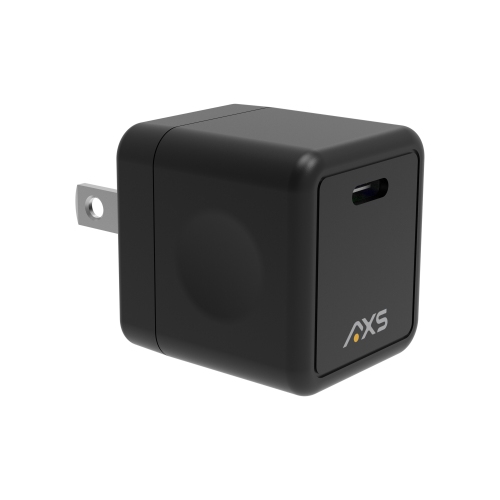
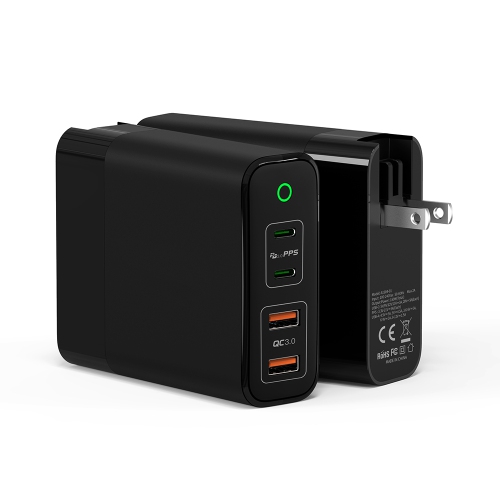
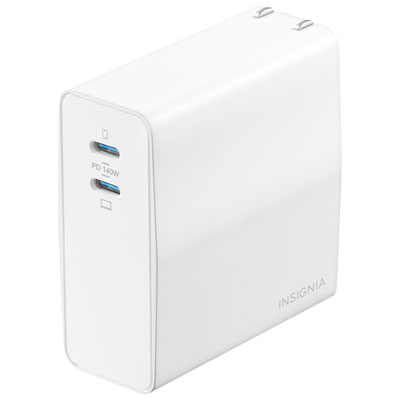
Why fast charging depends on more than wattage
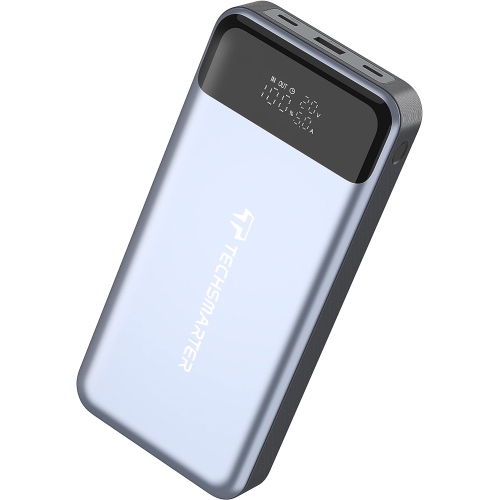
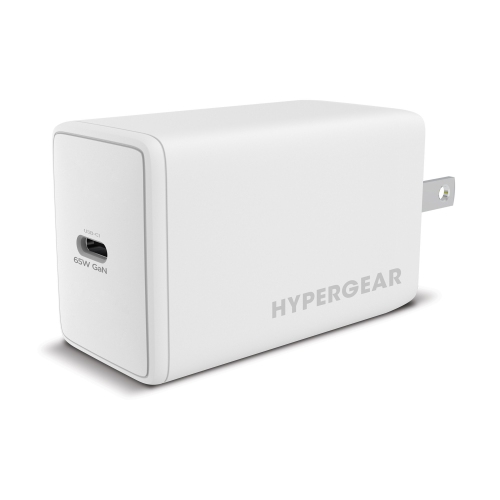
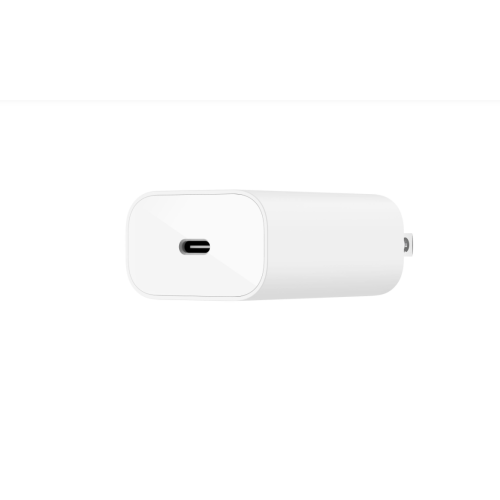
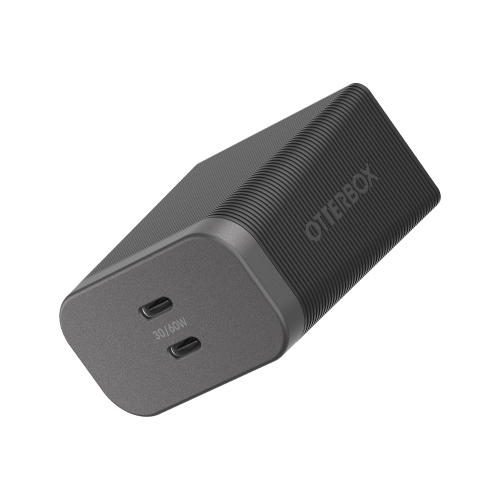
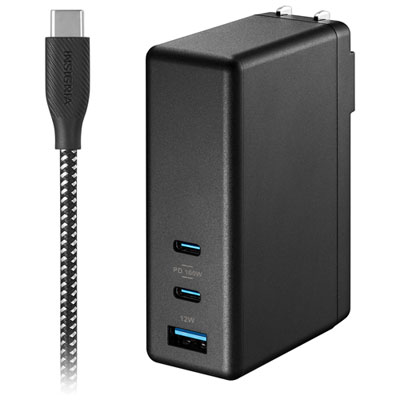
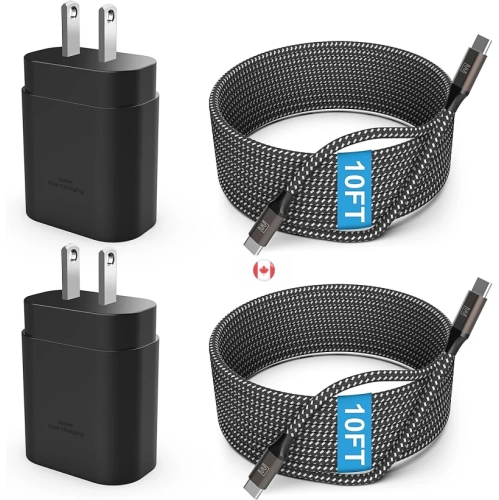
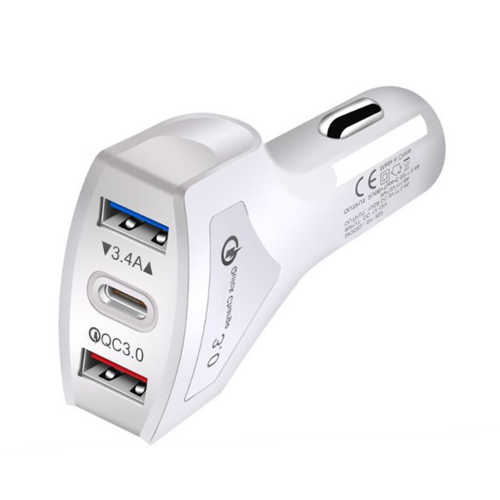
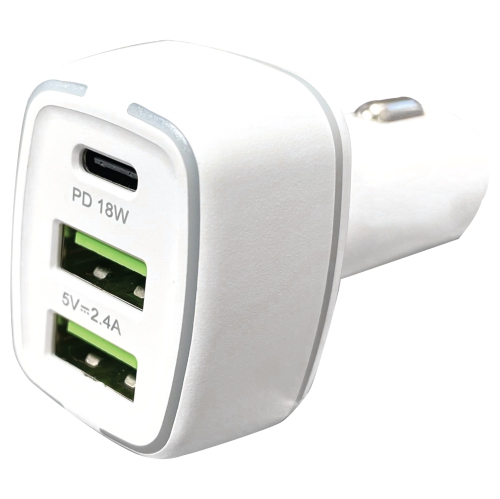
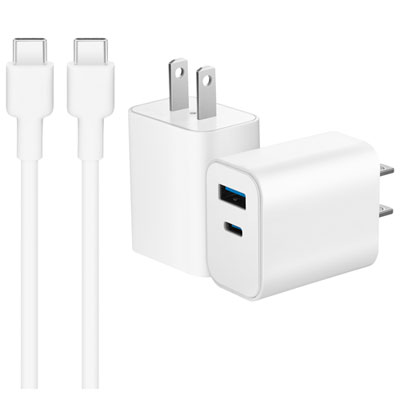
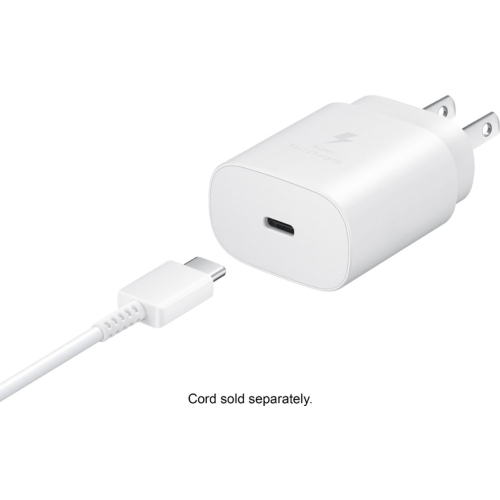
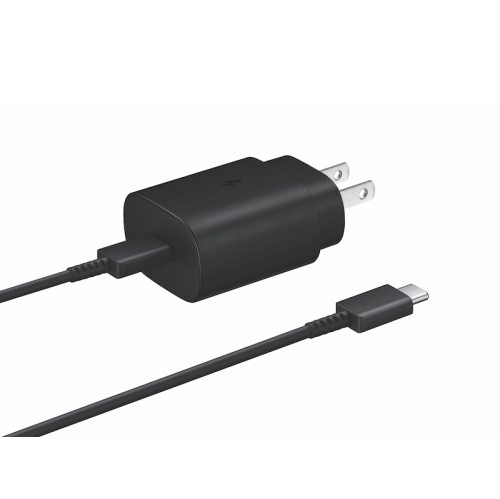
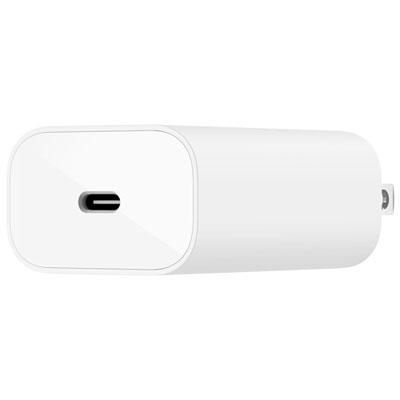
PPS chargers are USB-C power adapters that support Programmable Power Supply, a feature within USB Power Delivery that lets a compatible device request small adjustments to charging voltage and current. Rather than relying only on fixed voltage levels, a PPS charger responds to the device’s changing power requirements throughout a charging session. This communication can support fast charging while helping reduce the heat generated by power conversion inside a compatible device. The device still controls how much power it accepts, and charging usually slows as its battery approaches full capacity. PPS is particularly relevant to smartphones that require this protocol for their fastest wired charging modes, but it can also be useful for other compatible USB-C devices. A USB-C connector alone does not confirm PPS support: the charger, device, and cable must work together to deliver the intended charging performance. Likewise, a high wattage printed on an adapter does not automatically mean a phone will charge at that rate. The charger must offer the voltage range and current that the device’s charging mode requires. Product specifications may list PPS output separately from fixed USB Power Delivery outputs, making that distinction useful when comparing adapters. A charger with more power than a device needs will not force the full amount into it when both follow the appropriate charging standards; the device draws power within the limits established through their connection. For everyday use, this means a suitable PPS adapter can serve as a bedside phone charger, a compact companion in a work bag, or part of a shared household charging area. Someone who plugs in briefly before leaving home may value support for their phone’s fastest compatible charging mode, while someone charging overnight may place greater importance on a tidy cable arrangement and an adapter that fits neatly beside the furniture. In either setting, the practical benefit comes from matching the charger’s capabilities to the device rather than choosing by wattage alone.
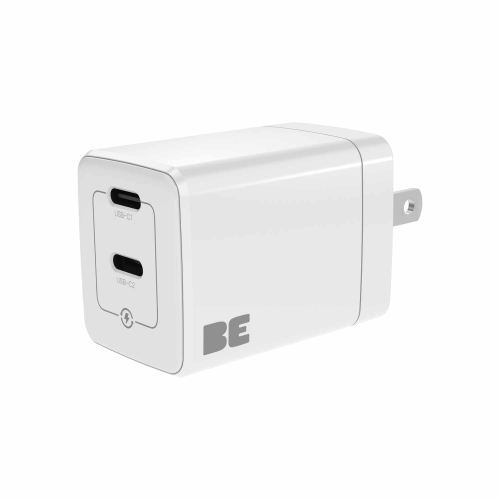
The differences between PPS chargers become more noticeable when several devices share an outlet. A single-port adapter keeps a phone charging setup straightforward, while a multiport model can provide connections for a phone, tablet, headphones, or other compatible electronics. On multiport chargers, the stated total wattage may be shared across the ports rather than supplied through each one. Connecting another device can change the power assigned to the first, and some chargers briefly pause output while they redistribute it. Port-by-port specifications therefore matter just as much as the overall rating. PPS support may also be limited to particular USB-C ports or connection combinations. For a desk where a laptop stays plugged in while a phone charges between calls, the useful specification is the output provided with both devices connected. Some laptops use fixed USB Power Delivery profiles rather than PPS, so laptop compatibility should be checked independently of phone fast-charging support. Cables deserve the same attention. Their connector type, power rating, length, and condition all affect how well the arrangement works. Charging modes that require more than 3 A need a suitable 5 A USB-C cable with electronic identification, even when the overall wattage might appear modest. A cable supplied with an older accessory may not support a newer device’s intended charging mode. Shorter leads can keep a kitchen counter or bedside table orderly, while a longer lead may be more comfortable when an outlet sits behind a desk. Excess cable should not hang across a walkway or pull sideways on a charging port. Alongside desktop accessories such as PC Switches, a PPS charger can form part of a more organized workspace, with each accessory serving its own purpose. A dedicated place for the adapter and a clearly routed charging cable can make a shared desk easier to use without repeatedly unplugging equipment or reaching behind furniture.
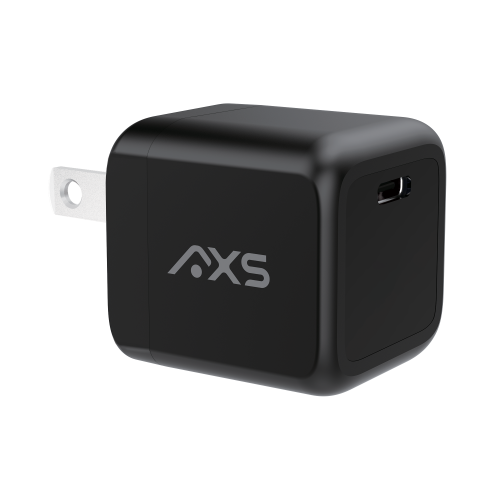
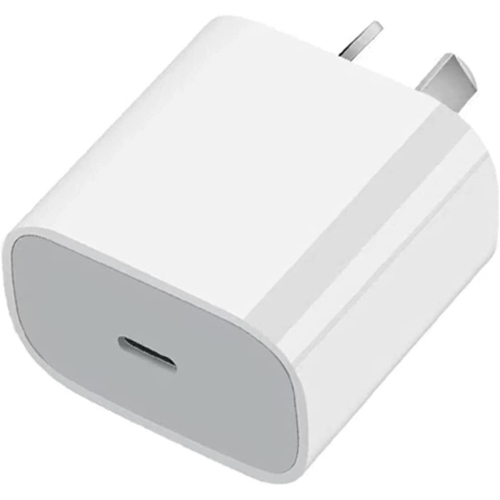
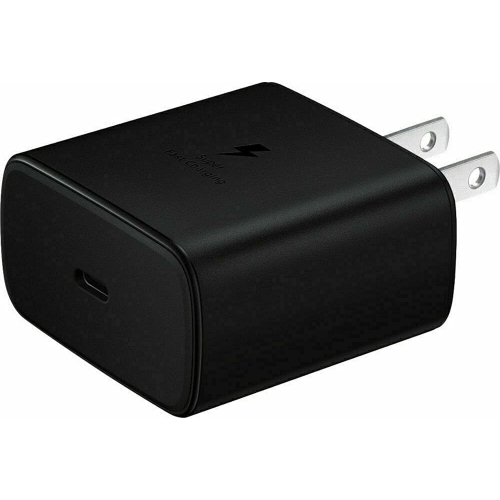
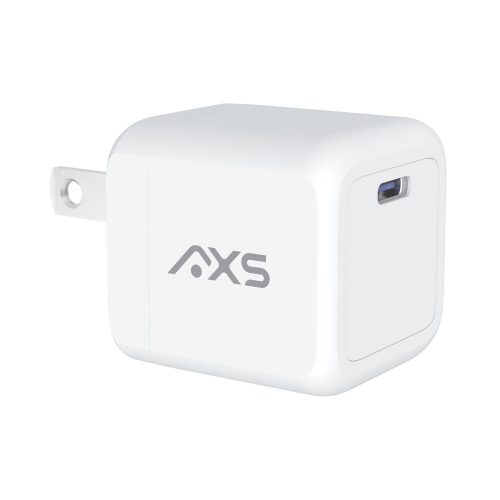
Physical design matters when a charger moves between home, work, and travel. Many adapters have moulded plastic housings, with differences in surface finish, plug placement, and overall shape affecting how comfortably they fit into everyday spaces. A broad charger can overlap neighbouring sockets on a power bar, while a long body may project farther from a wall than expected. Foldable prongs can make an adapter easier to pack and help prevent exposed metal ends from catching on other belongings. Some PPS chargers use gallium nitride, often identified as GaN, in their internal power components. This technology can allow a compact design at higher power levels, but the label by itself does not establish charging compatibility, build quality, or the amount of power delivered through each port. Solid construction, clearly marked electrical ratings, and safety certification recognized in Canada are useful considerations for an accessory that may be plugged in daily. Protective features can include safeguards against excessive current, excessive voltage, and overheating, although their presence should be verified in the specifications. A charger may feel warm during use, particularly when supplying substantial power, but it should remain uncovered and positioned where air can circulate. Avoid trapping it beneath bedding, using it near liquids, or continuing to use an adapter with a cracked case, bent prongs, loose connections, or scorch marks. Routine care is simple: unplug the charger before wiping its exterior with a soft, dry cloth, keep its ports free of debris, and remove cables by holding the connector rather than tugging on the cord. For travel, check the printed input-voltage range and remember that accepting a destination’s voltage does not mean the plug will fit its outlets. As a practical gift, a PPS charger suits students, commuters, frequent travellers, or anyone building a dependable everyday charging setup, provided it matches their devices. Pairing the right output capabilities with a suitably rated cable, a manageable size, and enough ports for the intended use makes the adapter a more useful addition than an impressive power rating on its own.
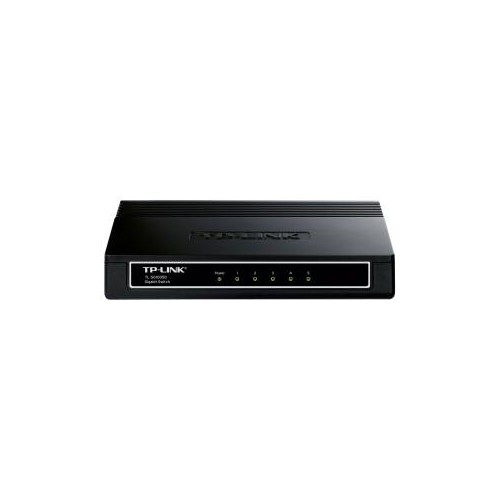
The differences between PPS chargers become more noticeable when several devices share an outlet. A single-port adapter keeps a phone charging setup straightforward, while a multiport model can provide connections for a phone, tablet, headphones, or other compatible electronics. On multiport chargers, the stated total wattage may be shared across the ports rather than supplied through each one. Connecting another device can change the power assigned to the first, and some chargers briefly pause output while they redistribute it. Port-by-port specifications therefore matter just as much as the overall rating. PPS support may also be limited to particular USB-C ports or connection combinations. For a desk where a laptop stays plugged in while a phone charges between calls, the useful specification is the output provided with both devices connected. Some laptops use fixed USB Power Delivery profiles rather than PPS, so laptop compatibility should be checked independently of phone fast-charging support. Cables deserve the same attention. Their connector type, power rating, length, and condition all affect how well the arrangement works. Charging modes that require more than 3 A need a suitable 5 A USB-C cable with electronic identification, even when the overall wattage might appear modest. A cable supplied with an older accessory may not support a newer device’s intended charging mode. Shorter leads can keep a kitchen counter or bedside table orderly, while a longer lead may be more comfortable when an outlet sits behind a desk. Excess cable should not hang across a walkway or pull sideways on a charging port. Alongside desktop accessories such as PC Switches, a PPS charger can form part of a more organized workspace, with each accessory serving its own purpose. A dedicated place for the adapter and a clearly routed charging cable can make a shared desk easier to use without repeatedly unplugging equipment or reaching behind furniture.
Physical design matters when a charger moves between home, work, and travel. Many adapters have moulded plastic housings, with differences in surface finish, plug placement, and overall shape affecting how comfortably they fit into everyday spaces. A broad charger can overlap neighbouring sockets on a power bar, while a long body may project farther from a wall than expected. Foldable prongs can make an adapter easier to pack and help prevent exposed metal ends from catching on other belongings. Some PPS chargers use gallium nitride, often identified as GaN, in their internal power components. This technology can allow a compact design at higher power levels, but the label by itself does not establish charging compatibility, build quality, or the amount of power delivered through each port. Solid construction, clearly marked electrical ratings, and safety certification recognized in Canada are useful considerations for an accessory that may be plugged in daily. Protective features can include safeguards against excessive current, excessive voltage, and overheating, although their presence should be verified in the specifications. A charger may feel warm during use, particularly when supplying substantial power, but it should remain uncovered and positioned where air can circulate. Avoid trapping it beneath bedding, using it near liquids, or continuing to use an adapter with a cracked case, bent prongs, loose connections, or scorch marks. Routine care is simple: unplug the charger before wiping its exterior with a soft, dry cloth, keep its ports free of debris, and remove cables by holding the connector rather than tugging on the cord. For travel, check the printed input-voltage range and remember that accepting a destination’s voltage does not mean the plug will fit its outlets. As a practical gift, a PPS charger suits students, commuters, frequent travellers, or anyone building a dependable everyday charging setup, provided it matches their devices. Pairing the right output capabilities with a suitably rated cable, a manageable size, and enough ports for the intended use makes the adapter a more useful addition than an impressive power rating on its own.
Top selling and popular products
-
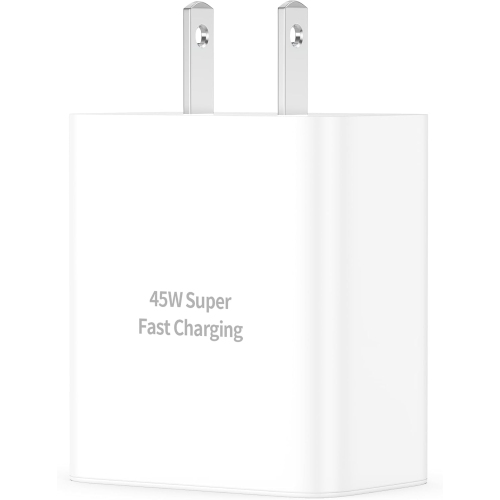 Your price for this item is $27.99
 -
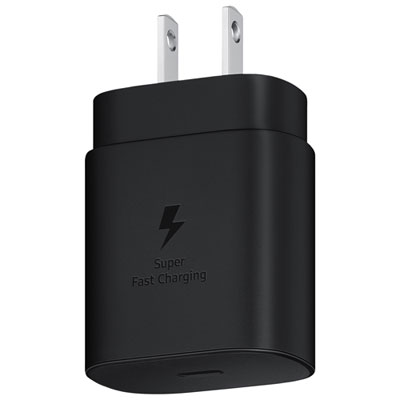 Your price for this item is $24.99
 -
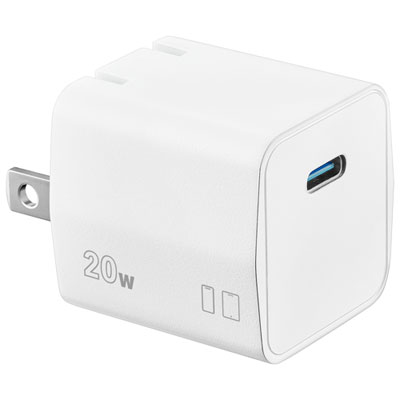 Your price for this item is $16.99
 -
 Your price for this item is $24.99
 -
 Your price for this item is $25
 -
 Your price for this item is $14.96
 -
 Your price for this item is $19.99
 -
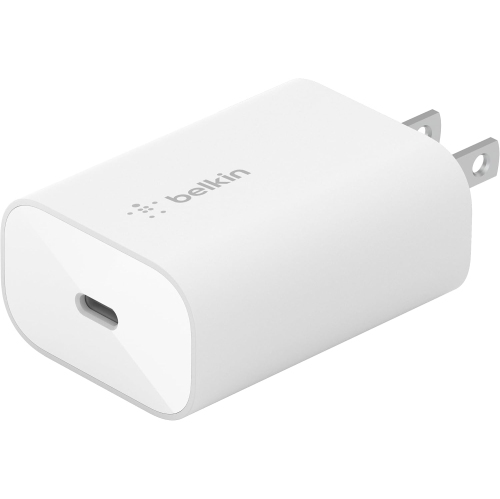 Your price for this item is $61
Discover more categories related to PPS Chargers
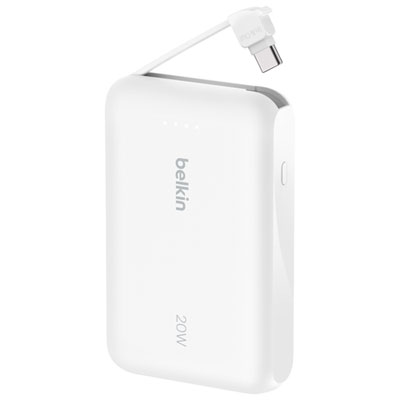
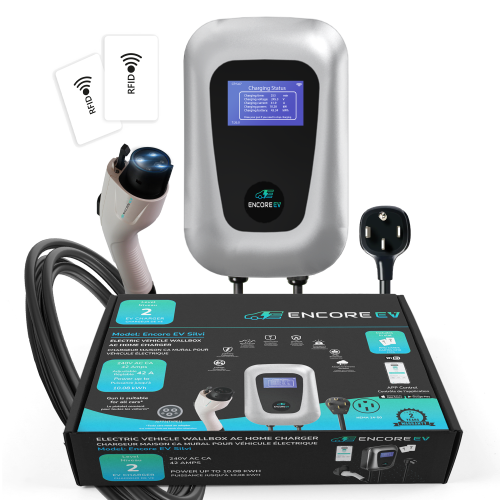
Top Collections:
Pokemon Centers, Kindle Devices, Best Budget Office Chairs, Apple iPhones 16, Best Laptops for Writers, iPhone 15 Apple, Canon G7X Cameras, Refurbished Apple Laptops, Alarm Clock, Motorola Razr Phones
Some products may be subject to Environmental Handling Fees
(EHF) depending on your province.
Learn more about EHFs.