Wireless Charger Qi2
Wireless Charger Qi2 options make powering up your devices effortless and convenient. Designed for seamless compatibility with a wide range of smartphones and accessories, these chargers offer an easy solution for keeping your tech ready to go. With a variety of sleek designs and user-friendly features, finding the right Wireless Charger Qi2 to fit your needs is simple. Explore the latest selection and enjoy efficient charging at home, in the office, or on the move.
Sort











Why magnetic alignment matters for everyday phone charging
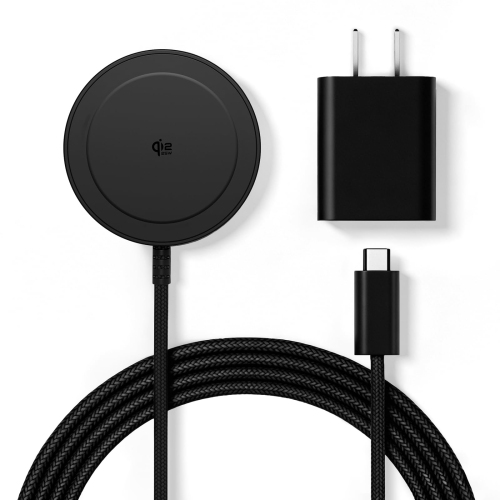
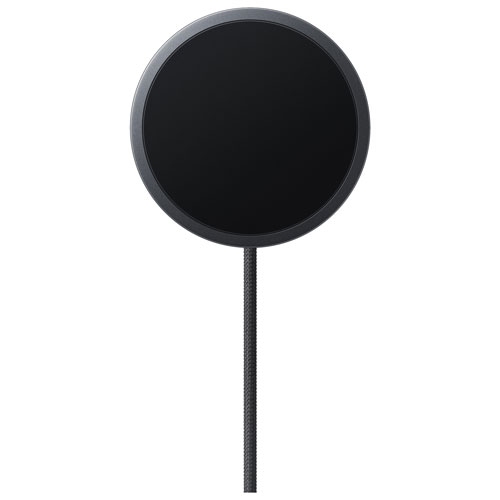
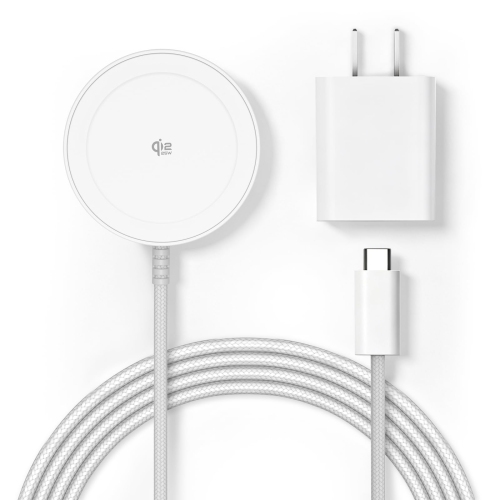
Qi2 wireless chargers use magnetic alignment to position a compatible device over a charging coil, transferring power without plugging a cable into the device itself. Developed by the Wireless Power Consortium, Qi2 builds on the Qi wireless charging standard with a magnetic connection that helps keep the charging coils aligned. That alignment matters in everyday use: a phone placed on a desk pad or attached to a bedside stand is less likely to sit off-centre and miss its charging position. The original Qi2 specification supports wireless charging at up to 15W, while the newer Qi2 25W specification supports up to 25W with compatible equipment. These figures describe maximum supported output, not a charging speed that every phone will receive. Actual performance depends on the phone’s supported wireless charging rate, the charger, the power adapter, the cable, and operating conditions. A phone that accepts a lower wireless input will not gain a higher charging rate simply by attaching to a more powerful charger. Compatibility also involves more than whether a device has magnets. Some phones have native Qi2 support, while certain Qi2 Ready phones require a designated compatible case to complete the magnetic charging setup. A magnetic case or stick-on ring alone does not give an unsupported phone Qi2 certification or faster wireless charging. Case thickness, camera protection, and metal attachments can also affect how securely a phone sits against the charging surface. Checking compatibility with the exact phone model and case helps distinguish a convenient magnetic fit from a fully supported Qi2 charging connection. For devices that use the broader Qi standard, Qi Standard Wireless Chargers provide another relevant category to explore, with magnetic attachment and charging performance depending on the individual device and charger. The distinction is useful in households where several phones share a charging space but do not all support the same wireless charging features.
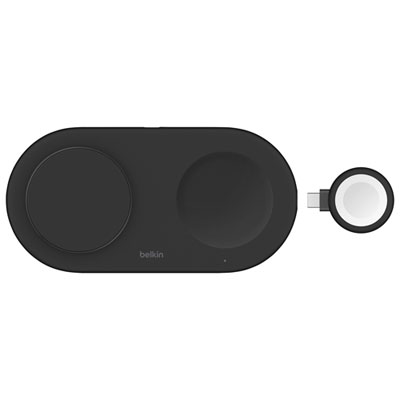
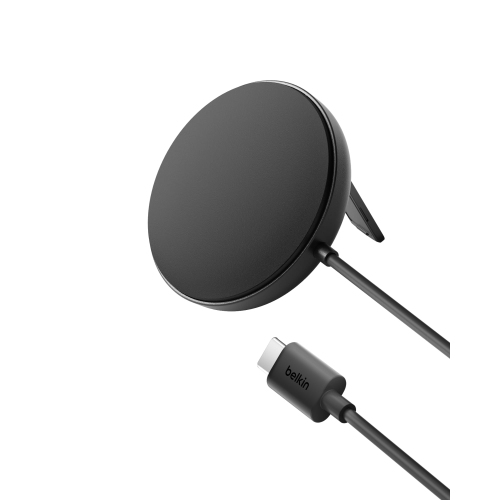
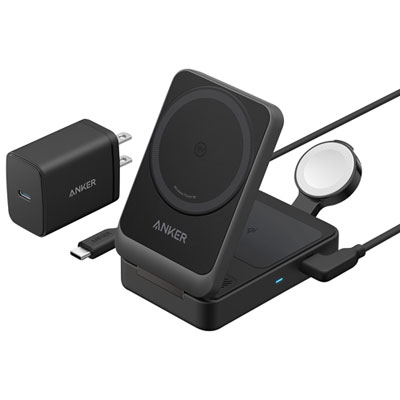
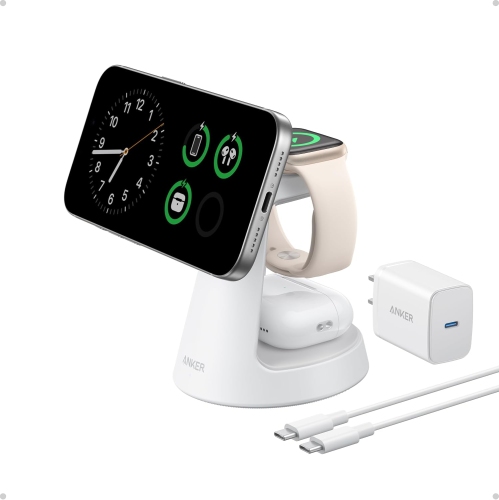
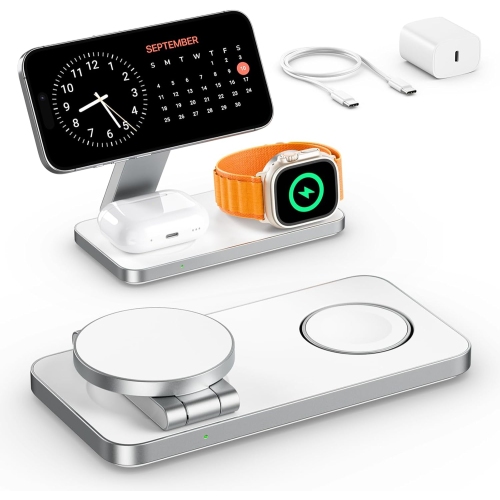
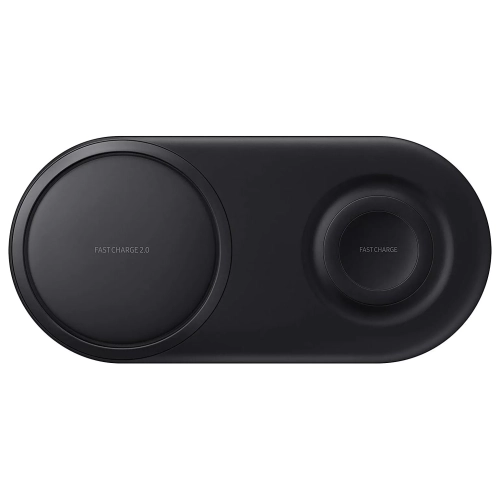
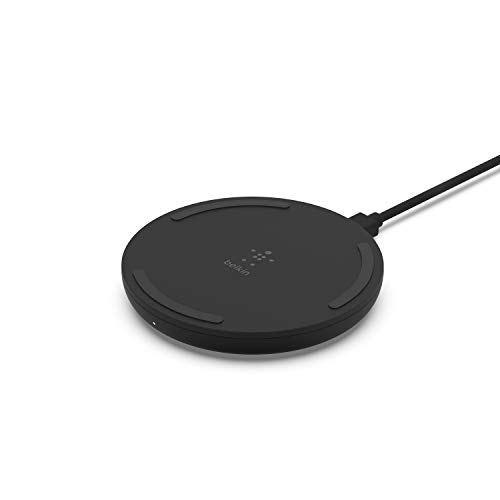
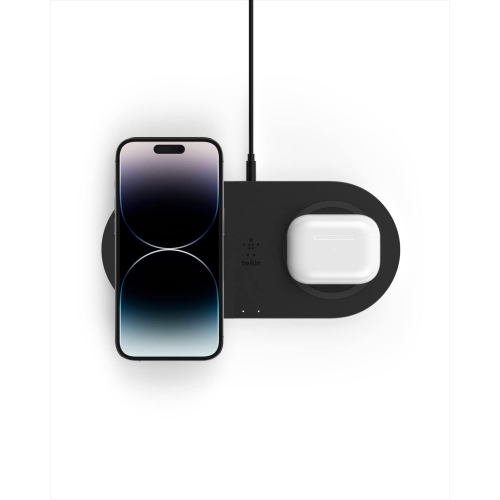
The shape of a Qi2 wireless charger has a noticeable effect on how it fits into a room and a daily routine. A flat pad keeps a phone close to the desktop and suits charging between tasks, while an upright stand leaves the screen visible for notifications, video calls, or a recipe on the kitchen counter. An adjustable stand can make the viewing angle more comfortable, although portrait and landscape support depend on the design and the phone’s position. At a workstation, a stable base helps keep the charger in place when the phone is removed; beside a bed, a restrained status light can be less distracting than a bright indicator. Multi-device charging stations bring several charging positions together, reducing the need to spread separate cables across a table. Their charging surfaces are not necessarily interchangeable, however. A phone pad may use Qi2, an earbud position may use conventional Qi charging, and a watch position may require a dedicated charging system. The supported output for each position matters as much as the station’s total power rating, particularly when several devices charge at once. Power delivery starts at the wall adapter, so a charger’s advertised wireless output may require a compatible USB-C power adapter and a cable with the appropriate rating. An adapter included with an older device may not provide the power or charging protocol needed for maximum performance. Materials contribute to the experience, too. A metal support arm can provide rigidity, a textured charging surface can help resist sliding, and a weighted base can improve stability. Smooth plastic surfaces are easy to wipe clean, while hinges and folding joints deserve attention on chargers that will be adjusted frequently. A soft contact surface can help protect the phone or case from rubbing against harder edges. These details become especially noticeable with a larger phone, a substantial camera bump, or a case that changes how evenly the device rests against the charger.
Portable Qi2 chargers and magnetic power banks bring the same alignment principle to commuting, travel, and days spent away from a wall outlet, but their dimensions and weight deserve attention alongside battery capacity. A compact battery attached to the back of a phone may be comfortable for messaging yet feel bulky during a long call. Its shape should leave the camera clear and allow a secure grip without pressing awkwardly against the fingers. Battery capacity expressed in milliamp-hours does not translate directly into a guaranteed number of full phone charges, because energy is lost during conversion and wireless power transfer. Usable charging capacity also varies with the phone’s battery size and whether the screen, navigation, or other demanding features remain active. In a vehicle, a Qi2 charging mount combines power with a place to hold the phone, making mount stability, viewing angle, cable routing, and vehicle compatibility important. Magnetic attachment helps align the phone, but secure mounting still depends on the holder, attachment surface, case, and driving conditions. Vent mounts should suit the vent design, and any installation should leave controls, visibility, and safety equipment unobstructed. Across home, portable, and vehicle use, wireless charging works best when the contact surfaces are clean and free of coins, keys, metal plates, or cards caught between the phone and charger. Some warmth during charging is normal; charging speed may reduce as the device manages heat, especially during demanding use. Open placement is preferable to covering a charger with bedding or leaving it beneath other objects. Care generally involves unplugging the charger and wiping it with a soft, dry cloth, following the manufacturer’s instructions for any further cleaning. Cables, connectors, and adjustable joints also benefit from gentle handling rather than repeated pulling or twisting. As a gift, a Qi2 wireless charger is most useful when matched to the recipient’s phone and habits: a stable desk stand for someone who keeps notifications in view, a shared charging station for several compatible devices, or a compact portable option for someone frequently on the move.
Top selling and popular products
-
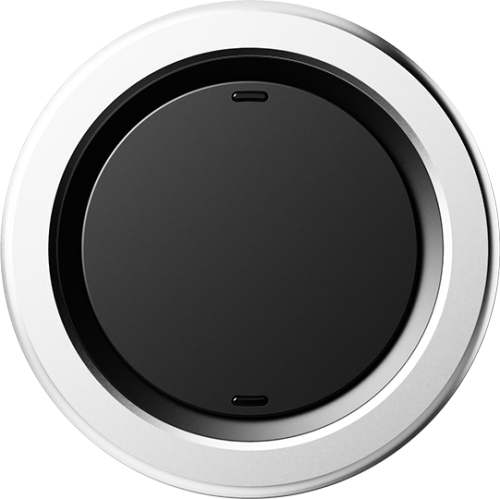 Your price for this item is $34.99
-
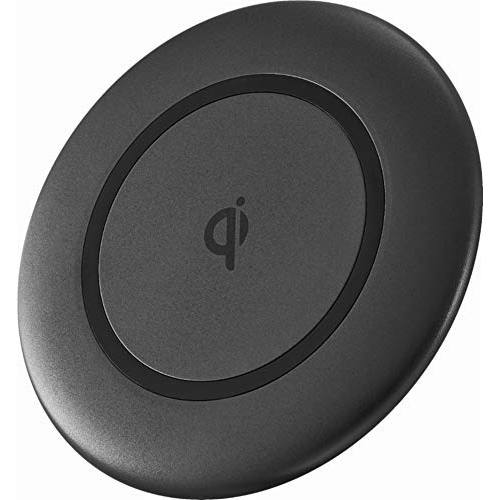 Your price for this item is $39
-
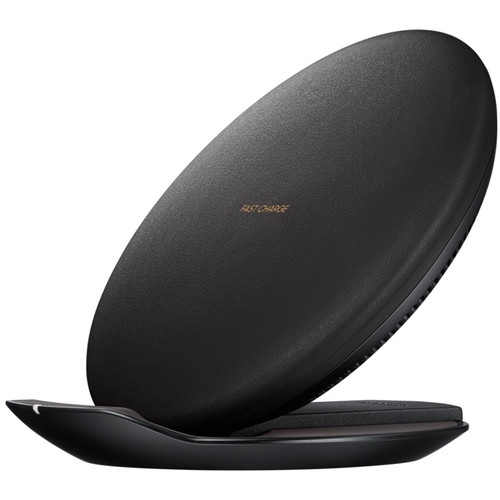 Your price for this item is $73.92
-
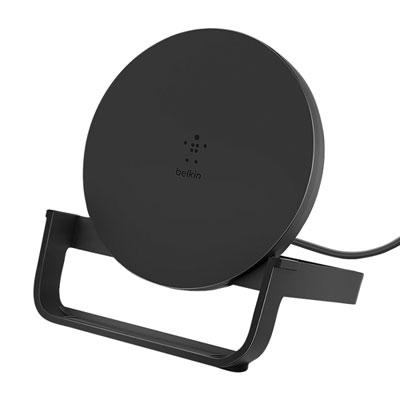 Your price for this item is $39.95
-
 Your price for this item is $179.95
-
 Your price for this item is $74.99
-
 Your price for this item is $39.99
-
 Your price for this item is $36.99
Discover more categories related to Wireless Charger Qi2


Top Collections:
Pokemon Centers, Kindle Devices, Best Cameras for Sports Photography, Pokémon 30th Celebration Cards, Apple iPhones 16, Canon G7X Cameras, iPhone 15 Apple, Flip Phones, Samsung Galaxy Phones, Alarm Clock
Some products may be subject to Environmental Handling Fees
(EHF) depending on your province.
Learn more about EHFs.