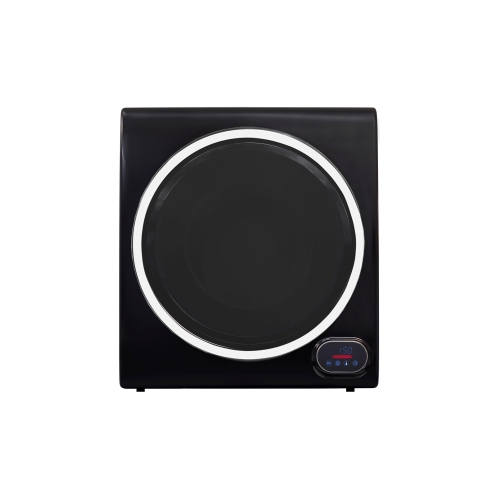
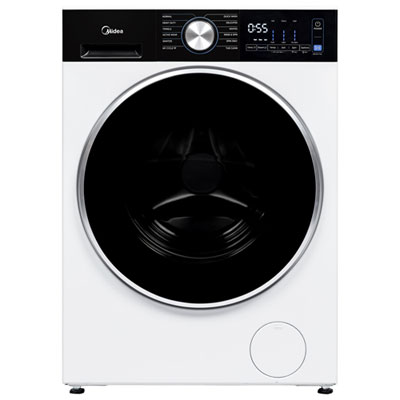
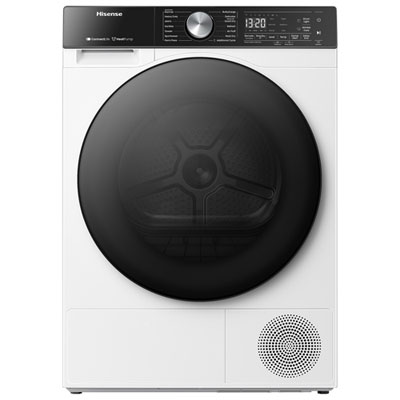
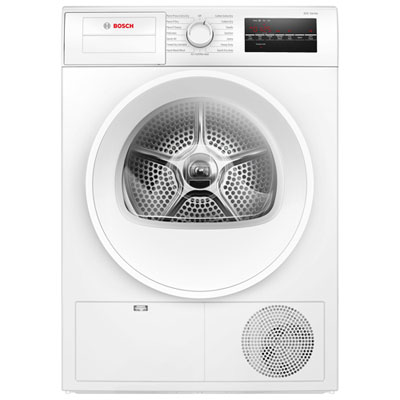
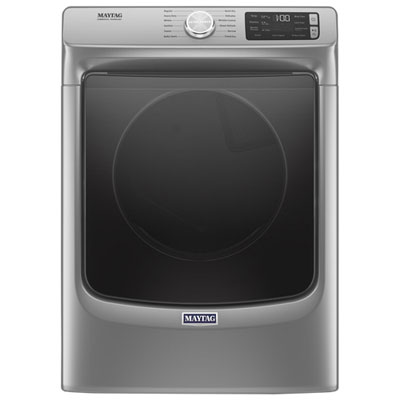
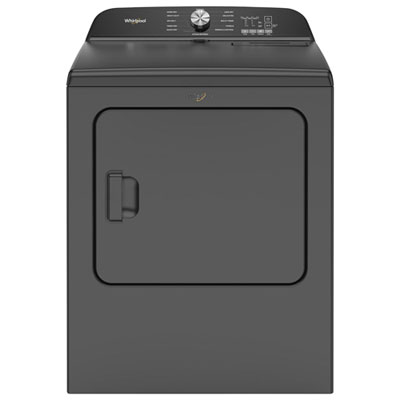
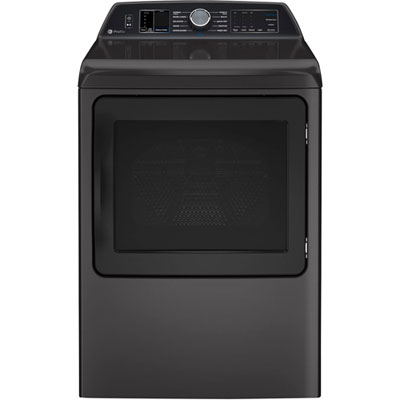
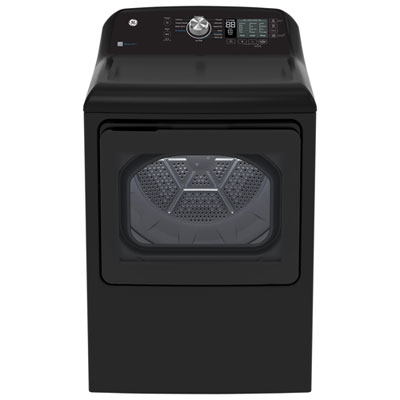
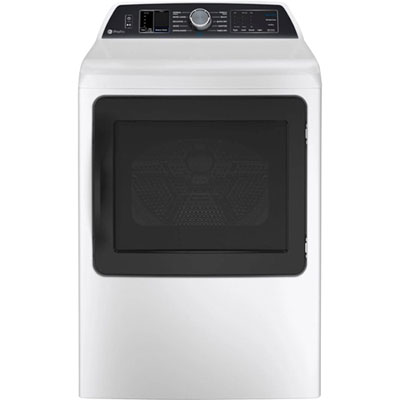
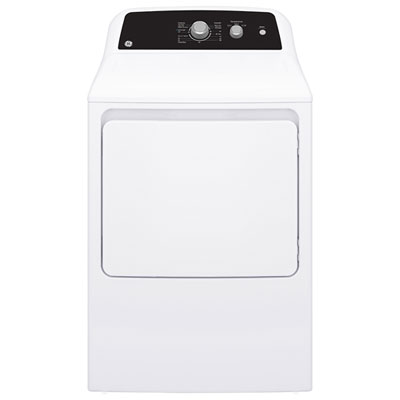
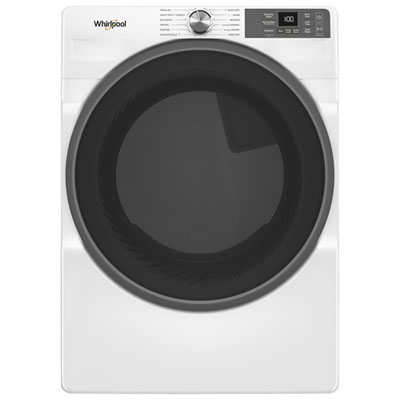
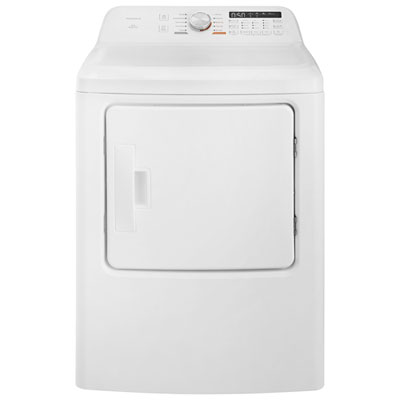
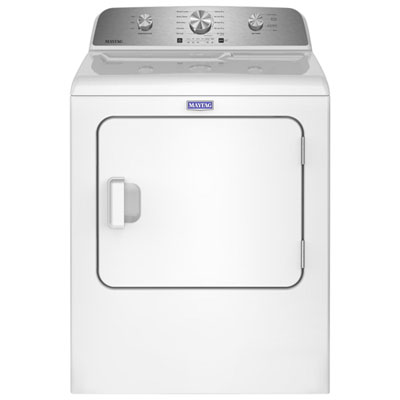
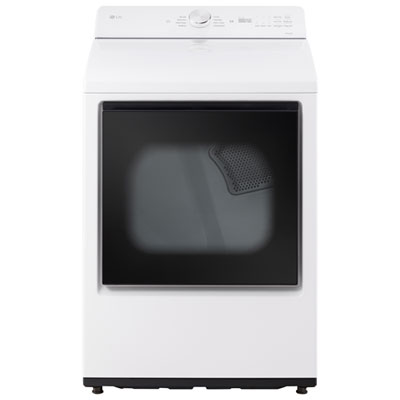
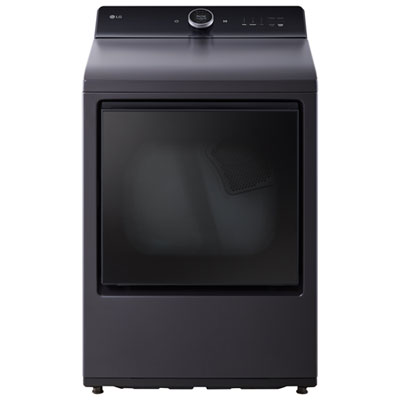
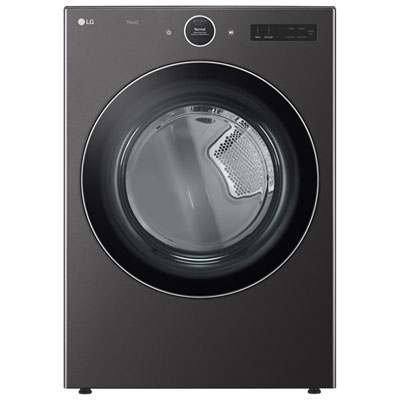
Compact Electric Dryers for Apartments

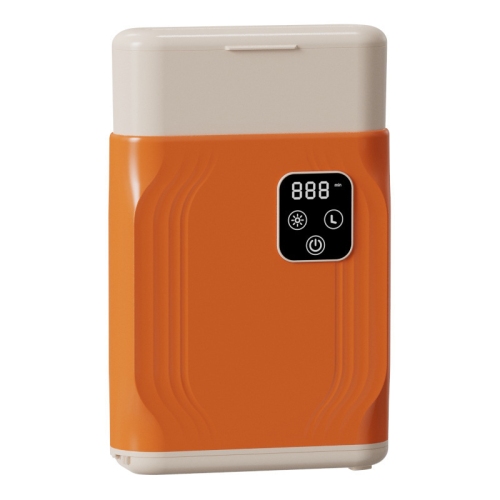
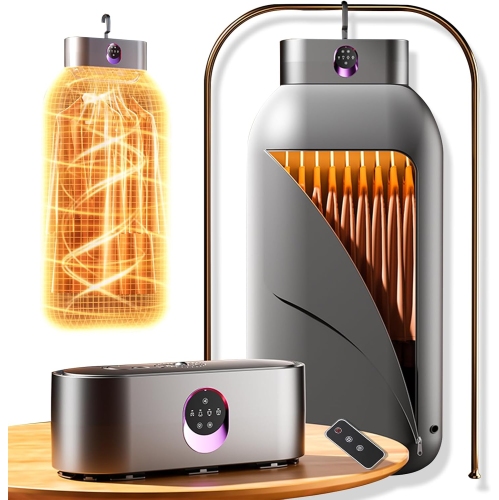
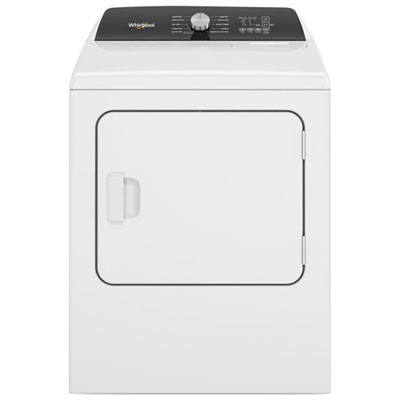
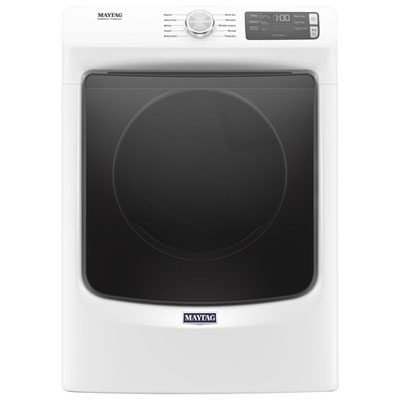
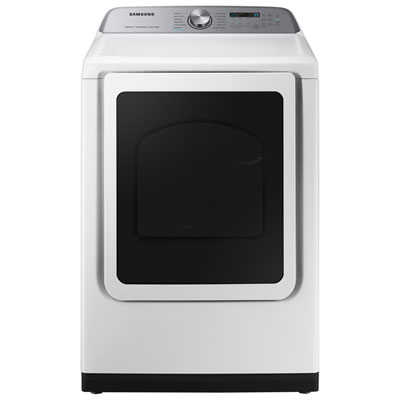
Compact electric dryers for apartments offer a space-conscious option for drying laundry at home. Browse smaller electric dryers with your available space and typical laundry load in mind, and compare dimensions, capacity, venting requirements, and electrical connections to find a model that suits your apartment’s setup.
Sort

A smaller dryer still needs room to work

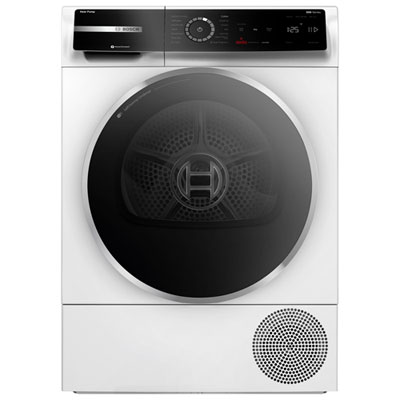
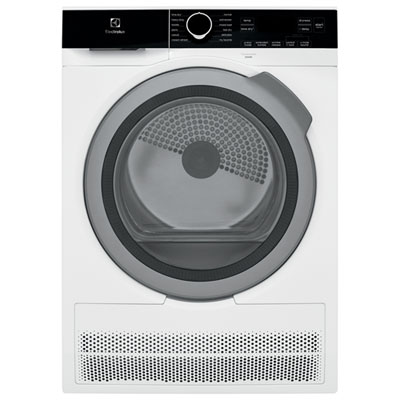
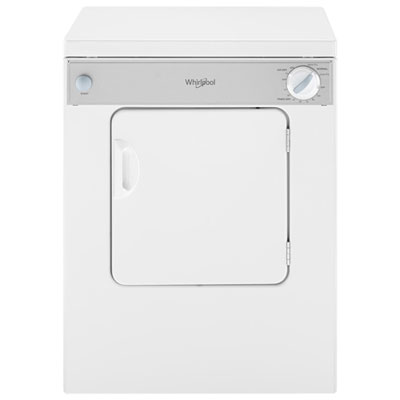
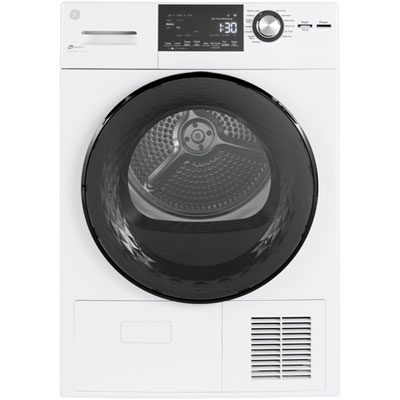
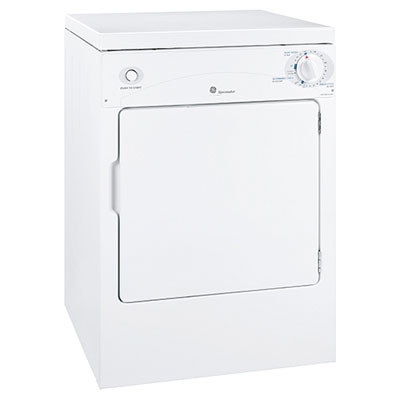
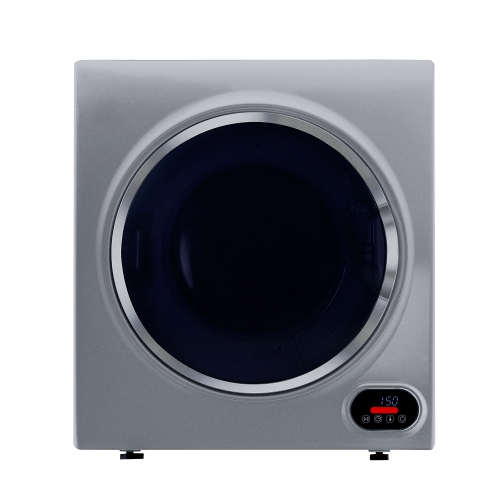
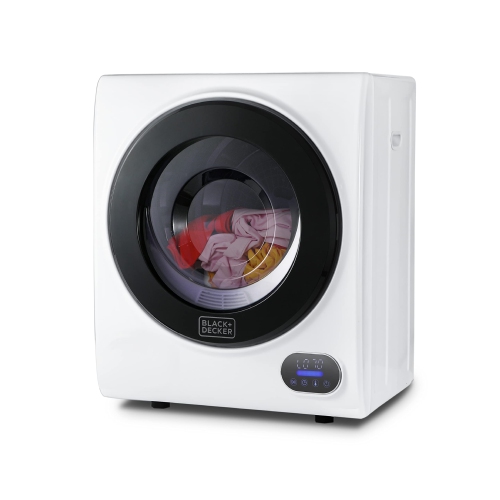
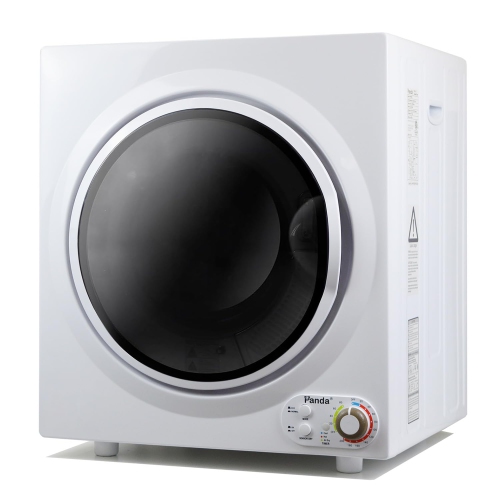
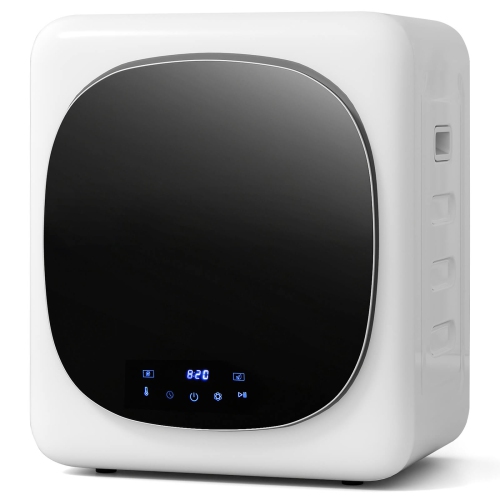
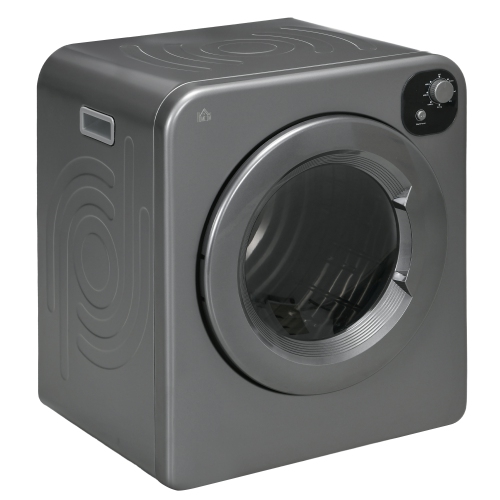
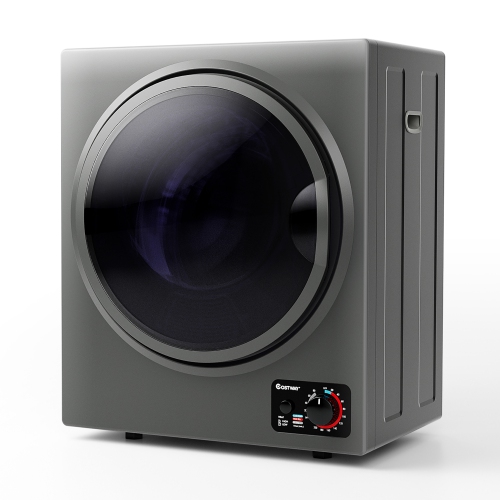
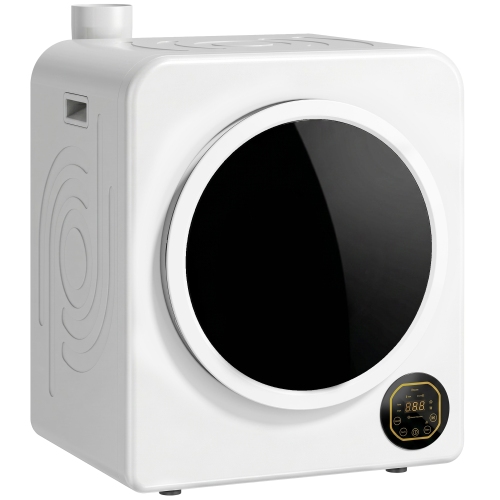
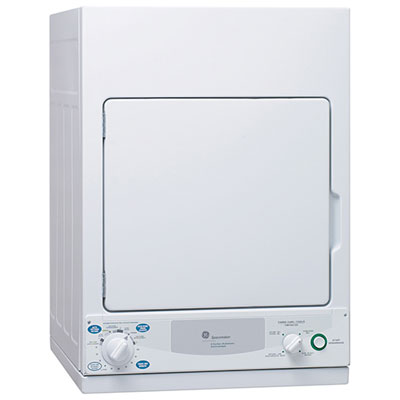
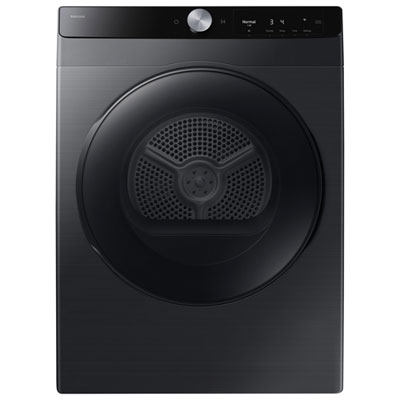
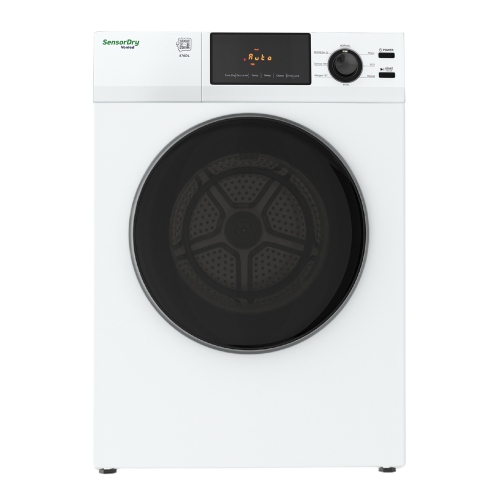
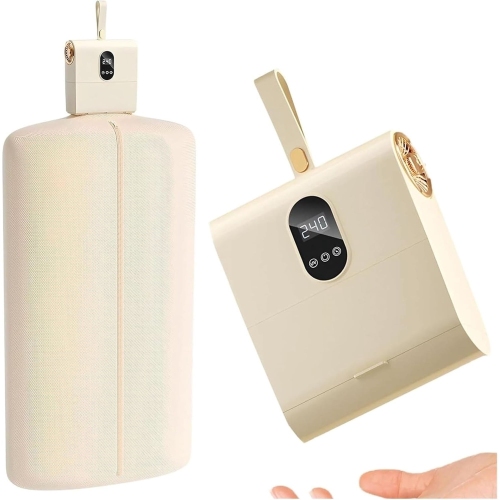
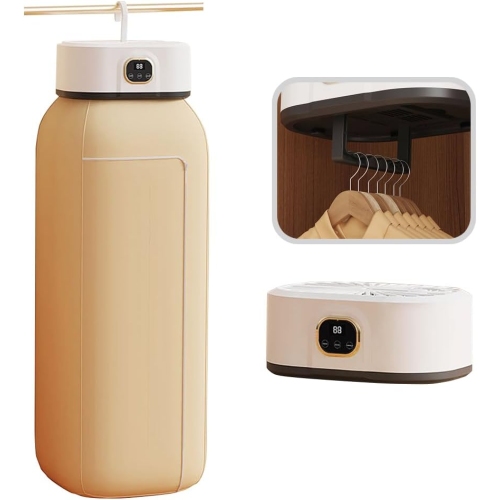
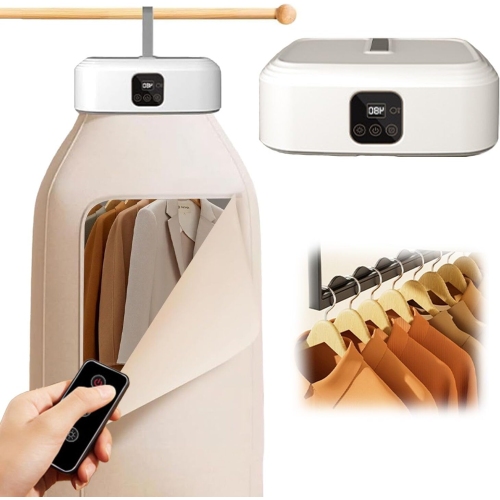
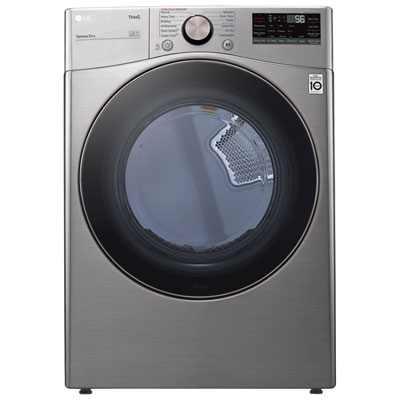
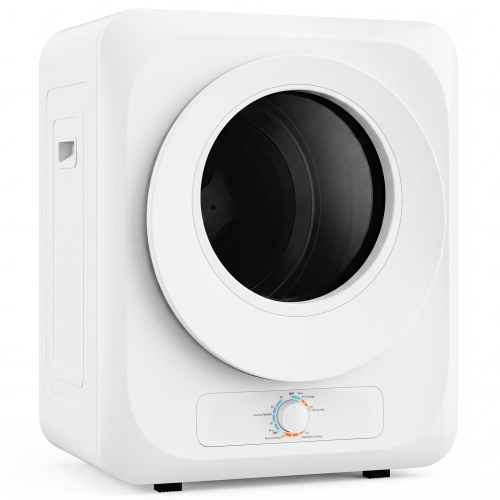
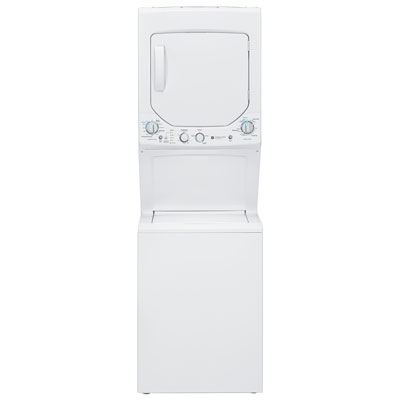
Compact electric dryers for apartments bring everyday laundry closer to home without requiring the footprint of a full-size laundry pair. Their smaller dimensions suit many apartment layouts, from a dedicated laundry nook beside the kitchen to a utility area off the hallway. For someone living alone, a couple sharing a condo, or a small household managing frequent loads, a compact dryer can make it easier to keep work shirts, towels, gym clothes, and bedding in regular rotation. The appeal is practical: a basket of freshly washed clothes can move straight into the dryer rather than making another trip to a shared laundry room. Fit involves more than the appliance’s width, however. Cabinet height and depth, the space needed behind the machine for connections, and the room required to open the door all affect how comfortably it works in a small home. A door that swings into a narrow passage can make loading awkward, while a dryer positioned close to shelving may need additional clearance for access and servicing. Delivery access matters, too, particularly in buildings with tight stairwells, small lifts, or narrow suite entrances. Compact capacity is best understood in terms of the laundry being dried: several lightweight shirts take up space differently from thick bath towels, and a bulky duvet may need a larger drum even when its weight seems manageable. Clothes also need room to tumble rather than sit packed together. Matching the dryer’s usable capacity to the washer and typical load size helps keep laundry moving without routinely splitting one wash into several drying cycles. Side-by-side placement can leave room above for storage where installation requirements permit, while stacking can free up floor space when both appliances are approved for the arrangement and joined with the correct stacking kit. Wall mounting is suitable only for dryers specifically designed for it, with secure support and installation that meet the manufacturer’s requirements.

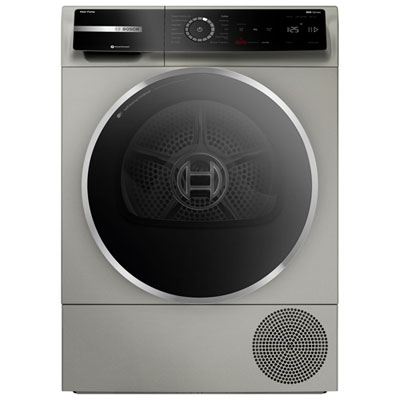
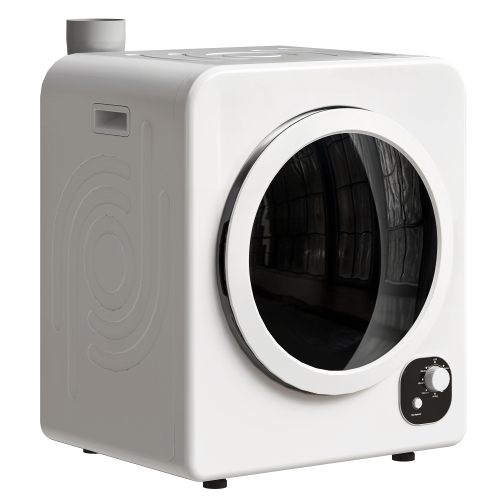
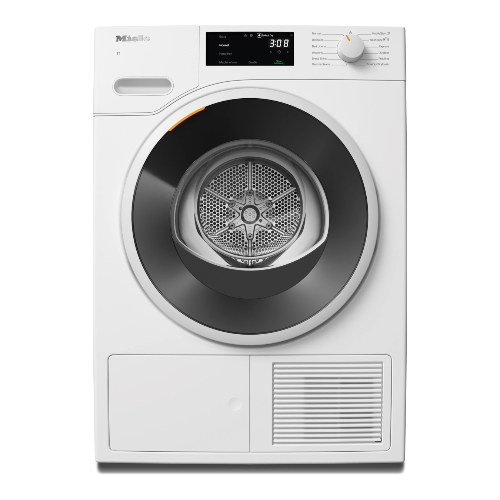
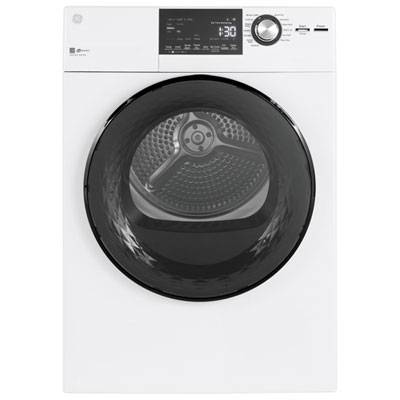
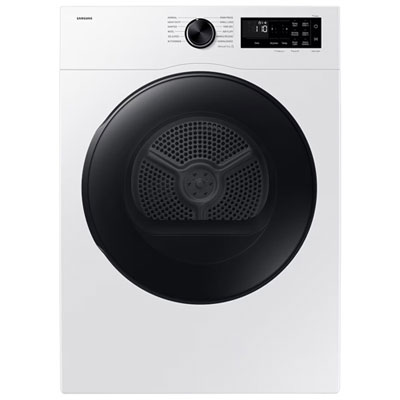
Electrical connections and moisture handling are important distinctions among compact electric dryers, especially in rental apartments and condos where the laundry space may already have fixed connections. Some smaller dryers are designed for a suitable 120-volt connection, while others require a compatible 240-volt supply. The appliance’s specified voltage, receptacle, circuit, and installation requirements determine whether it can be used in a particular space; a nearby outlet alone does not establish compatibility. Power requirements also vary independently of cabinet size, so a compact footprint should not be taken to mean that a dryer connects like a countertop appliance. Vented electric dryers move moist air through an exhaust duct to the outdoors and need an approved vent route. The duct’s length, bends, material, and condition can affect airflow, and exhausting into a closet, hallway, or another indoor space is not a substitute for proper outdoor venting. Ventless dryers handle moisture differently. Condenser and heat pump designs collect water removed from clothing, using a reservoir that needs emptying or a compatible drain connection, depending on the model and installation. These designs can offer more placement flexibility where an outdoor exhaust connection is absent, but they still need the specified room conditions, clearances, and access for maintenance. A closed cupboard is not automatically a suitable laundry space simply because a dryer is ventless. Building rules, lease terms, and condo requirements can also shape what is permitted, particularly when installation involves electrical work, drainage, cabinetry, or an exterior vent. Professional installation may be necessary to establish safe connections and confirm that the chosen location is appropriate. Day-to-day comfort deserves attention as well. In an apartment where the laundry area sits beside a bedroom or home office, operating sound can be noticeable. A firm, level surface and correctly adjusted feet help support stable operation, while loose objects resting against the cabinet can create unwanted rattling. Accessible controls, a comfortable loading height, and enough space to handle a laundry basket make a compact setup easier to live with.

The drying features that matter most often come down to the fabrics in regular use and how closely laundry needs to fit around a daily routine. A household drying cotton T-shirts and towels may have different needs from someone caring for lightweight office clothing, stretch fabrics, or garments with delicate trim. Fabric care labels remain the starting point: some pieces tolerate tumble drying, others require a lower heat setting, and some should be dried flat or hung instead. Sensor-controlled cycles can adjust drying time according to detected moisture, while timed settings provide a set run time; the available programmes and adjustment options vary by dryer. Lower heat settings can be useful for compatible fabrics, although drying time depends on the load, its starting moisture level, and the appliance design. A compact drum works most effectively when clothing has space to separate and tumble, and washing machine spin performance influences how much moisture the dryer must remove. Mixing a heavy towel with thin shirts can leave the load drying unevenly, making smaller groups of similar fabrics a practical fit for compact machines. Drum construction also deserves consideration. Stainless steel and coated drum surfaces are common, and a smooth interior helps clothing move without catching on rough spots. Accessible lint filters and straightforward reservoir removal, where applicable, make routine care less cumbersome in a tight laundry area. Lint screens need cleaning as directed, generally after each load, and other filters, heat exchangers, ducts, or moisture collection components need attention according to the manufacturer’s instructions. Clear airflow paths and regular care support consistent performance and help prevent avoidable buildup. Durability depends not only on materials but also on correct installation, sensible loading, and maintenance throughout use. For a broader look at small-format drying options, Compact Clothes Dryers provides a related category to explore. In an apartment, a well-matched electric dryer is ultimately one that suits the available connections, leaves the living space functional, and handles the household’s usual laundry without turning every load into a rearrangement of the room.
FAQ

Some products may be subject to Environmental Handling Fees (EHF) depending on your province. Learn more about EHFs.