10GB SFP Transceivers
Looking to upgrade your network's performance? Look no further than our collection of 10gb SFP transceivers. These high-speed modules are designed to enhance data transmission and provide seamless connectivity for your networking needs. Whether you're looking to boost the speed of your servers, routers, or switches, these 10gb SFP transceivers offer a reliable solution. With their compact size and easy installation, you can effortlessly integrate them into your existing network infrastructure. Explore our wide range of options and find the perfect fit for your network requirements.
Sort


Understand cable reach, compatibility, and high-speed network connections
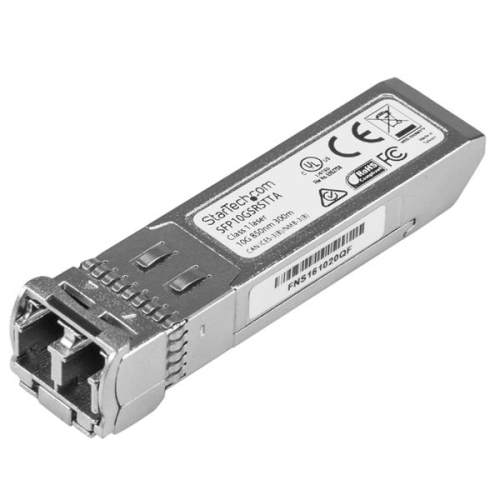
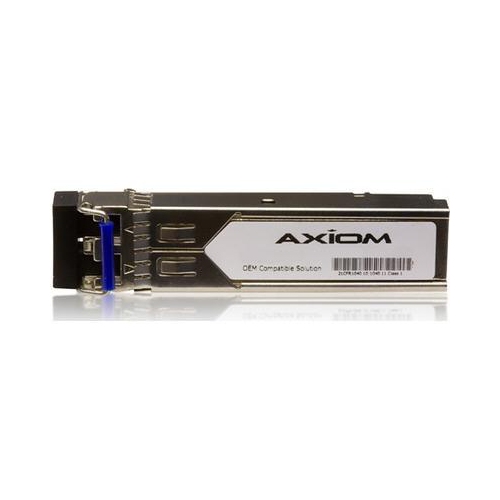
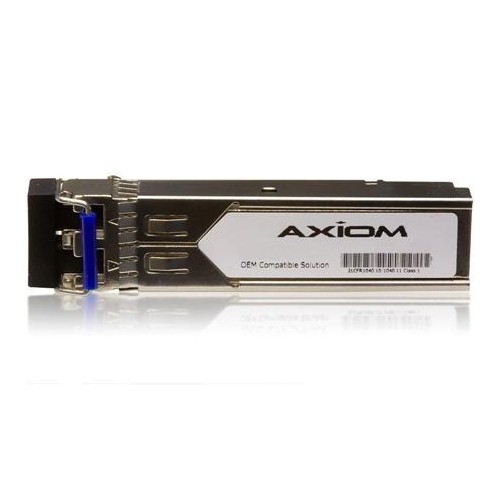
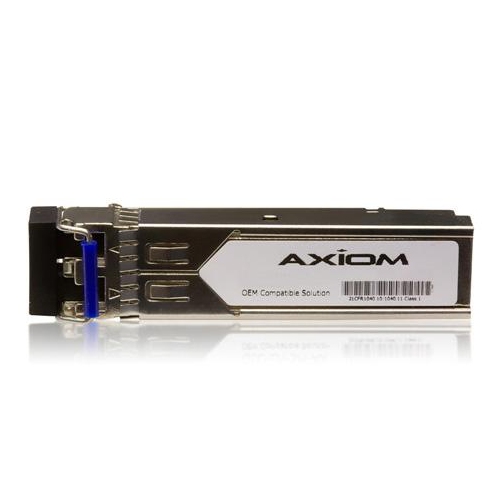
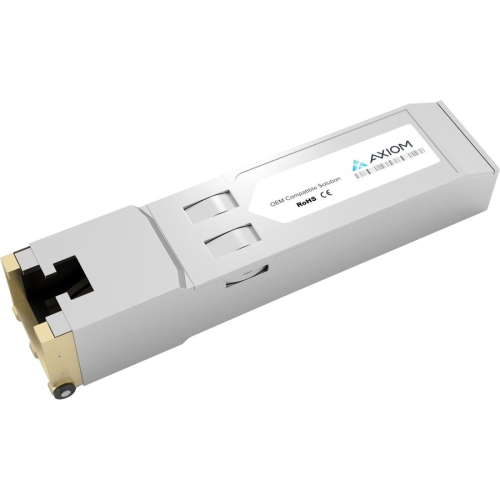
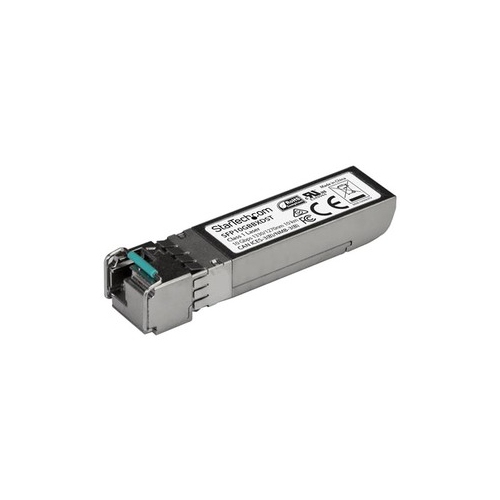
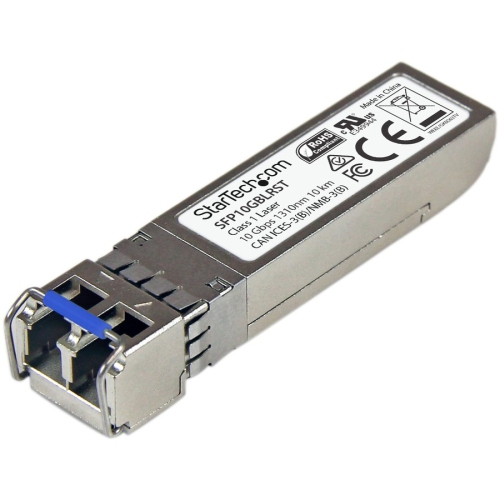
10GB SFP transceivers, commonly called 10Gbps SFP+ transceivers, are compact plug-in modules that add high-speed network connectivity to compatible switches, routers, servers, storage systems, and network cards. They are designed to send and receive data at speeds of up to 10 gigabits per second, making them useful for demanding home networks, small businesses, studios, offices, laboratories, data rooms, and other installations where standard gigabit connections may create a bottleneck. A transceiver sits in an SFP+ port and provides the connection point for either a fibre optic cable or, with the appropriate copper model, an RJ-45 network cable. This modular design makes it possible to choose the cable type and reach that suit the installation instead of replacing an entire switch or networking device. People upgrading a network for large file transfers, shared storage, high-resolution media production, virtualization, backups, online collaboration, or multiple simultaneous users may use 10GB SFP transceivers to create faster links between key devices. They can also be useful when building a quiet, organized network cabinet at home or in a workplace, where a short connection between a server and switch may need considerably more capacity than a typical wired connection. For anyone shopping for networking equipment as a practical gift for a technology enthusiast, home lab builder, student, or small-business owner, an SFP+ transceiver can be a thoughtful addition when the recipient’s equipment and cabling are known to be compatible. Browse related options through Sfp+ Transceivers to compare solutions for different network layouts and connection requirements.
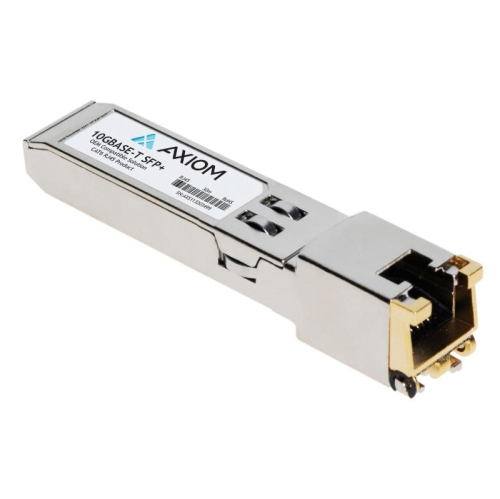
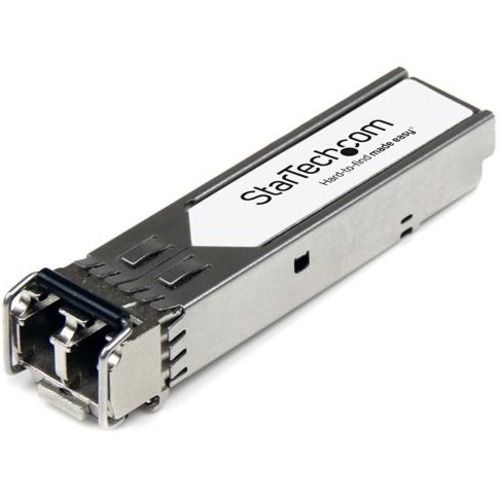
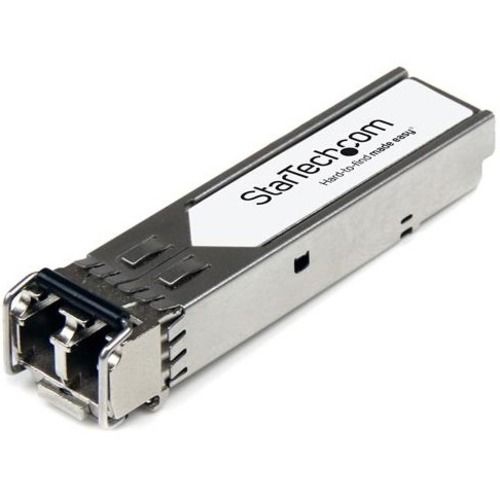
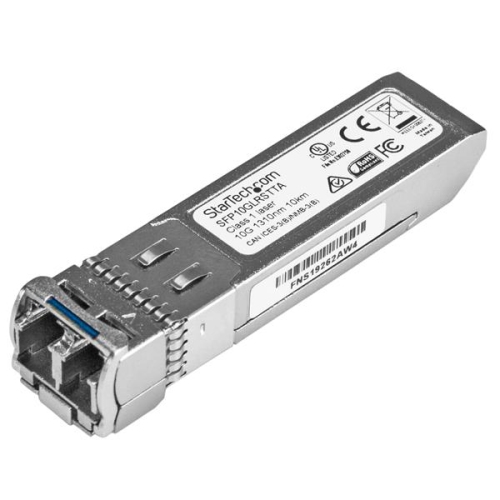
The most important purchase consideration is the combination of distance and cable type. Short-range 10GBASE-SR transceivers generally use multi-mode fibre and an 850 nm wavelength, making them well suited to connections within the same room, rack, floor, or nearby equipment area. Depending on the cable quality and installation conditions, SR links can reach distances of up to 300 metres, although the exact supported distance should always be confirmed for the transceiver and fibre standard being used. Long-range 10GBASE-LR transceivers generally use single-mode fibre and a 1310 nm wavelength. They are intended for longer links, including connections between distant network rooms or buildings, and can support distances of up to 10 kilometres when paired with suitable single-mode cabling and compatible equipment. Copper 10GBASE-T transceivers take a different approach by using a standard RJ-45 connection and are typically paired with Cat6a or Cat7 cable. They can be convenient when an existing copper installation is already in place, but their reach is generally shorter, often up to 30 metres, and they may produce more heat than fibre-based alternatives. Before choosing a module, measure the actual cable path rather than estimating from the room size; a cable may travel up a wall, through a ceiling, around a rack, and along a patch panel before reaching its destination. Also check whether the installation requires duplex fibre, the correct connector style, and matching transceivers at both ends. A fibre link normally requires compatible modules on each side, with the transmit and receive paths connected correctly. For a copper link, confirm that the network equipment, cable category, and transceiver all support 10Gbps operation.
Compatibility is just as important as speed. SFP+ ports can look similar while supporting different standards, firmware requirements, coding, or operating temperatures, so check the specifications for the switch, router, server, or network card before ordering. Some devices accept generic MSA-compliant transceivers, while others require modules coded for a particular equipment platform. A transceiver that fits physically may not establish a link if the host device does not recognize it, so supported part numbers, coding information, and manufacturer compatibility lists deserve careful attention. It is also useful to check whether the module supports digital diagnostics monitoring, which can provide information such as temperature, voltage, optical power, and operating condition through compatible network hardware. For installations in a warm equipment closet or a densely populated rack, temperature ratings and airflow can be especially important. Keep protective caps on unused fibre connectors, avoid touching the polished ends, and route cables without sharp bends or excessive tension. After installation, confirm that link lights appear at both ends and review the network interface settings to verify that the connection is negotiating at the intended speed. Whether the goal is to connect a desktop workstation to shared storage, link two switches across an office, support a home lab, or provide a high-capacity connection for a growing business network, selecting the right 10GB SFP transceiver starts with the port specification, cable medium, required distance, and compatibility of every device in the path.
The most important purchase consideration is the combination of distance and cable type. Short-range 10GBASE-SR transceivers generally use multi-mode fibre and an 850 nm wavelength, making them well suited to connections within the same room, rack, floor, or nearby equipment area. Depending on the cable quality and installation conditions, SR links can reach distances of up to 300 metres, although the exact supported distance should always be confirmed for the transceiver and fibre standard being used. Long-range 10GBASE-LR transceivers generally use single-mode fibre and a 1310 nm wavelength. They are intended for longer links, including connections between distant network rooms or buildings, and can support distances of up to 10 kilometres when paired with suitable single-mode cabling and compatible equipment. Copper 10GBASE-T transceivers take a different approach by using a standard RJ-45 connection and are typically paired with Cat6a or Cat7 cable. They can be convenient when an existing copper installation is already in place, but their reach is generally shorter, often up to 30 metres, and they may produce more heat than fibre-based alternatives. Before choosing a module, measure the actual cable path rather than estimating from the room size; a cable may travel up a wall, through a ceiling, around a rack, and along a patch panel before reaching its destination. Also check whether the installation requires duplex fibre, the correct connector style, and matching transceivers at both ends. A fibre link normally requires compatible modules on each side, with the transmit and receive paths connected correctly. For a copper link, confirm that the network equipment, cable category, and transceiver all support 10Gbps operation.
Compatibility is just as important as speed. SFP+ ports can look similar while supporting different standards, firmware requirements, coding, or operating temperatures, so check the specifications for the switch, router, server, or network card before ordering. Some devices accept generic MSA-compliant transceivers, while others require modules coded for a particular equipment platform. A transceiver that fits physically may not establish a link if the host device does not recognize it, so supported part numbers, coding information, and manufacturer compatibility lists deserve careful attention. It is also useful to check whether the module supports digital diagnostics monitoring, which can provide information such as temperature, voltage, optical power, and operating condition through compatible network hardware. For installations in a warm equipment closet or a densely populated rack, temperature ratings and airflow can be especially important. Keep protective caps on unused fibre connectors, avoid touching the polished ends, and route cables without sharp bends or excessive tension. After installation, confirm that link lights appear at both ends and review the network interface settings to verify that the connection is negotiating at the intended speed. Whether the goal is to connect a desktop workstation to shared storage, link two switches across an office, support a home lab, or provide a high-capacity connection for a growing business network, selecting the right 10GB SFP transceiver starts with the port specification, cable medium, required distance, and compatibility of every device in the path.
Top selling and popular products
-
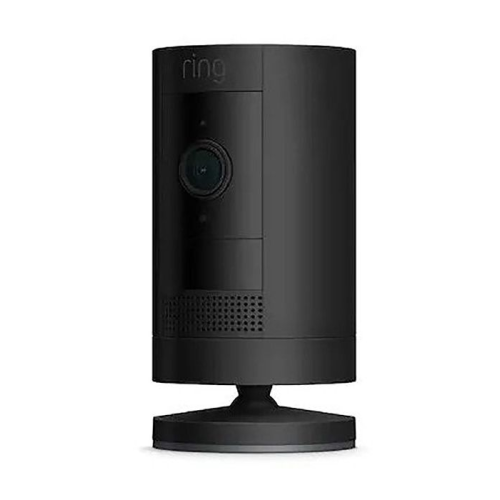 Your price for this item is $165
 -
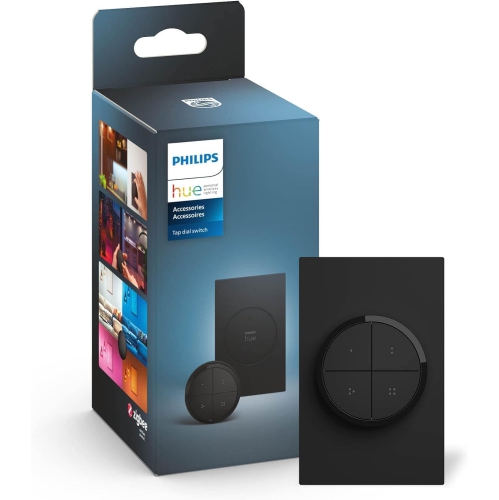 Your price for this item is $69.99
 -
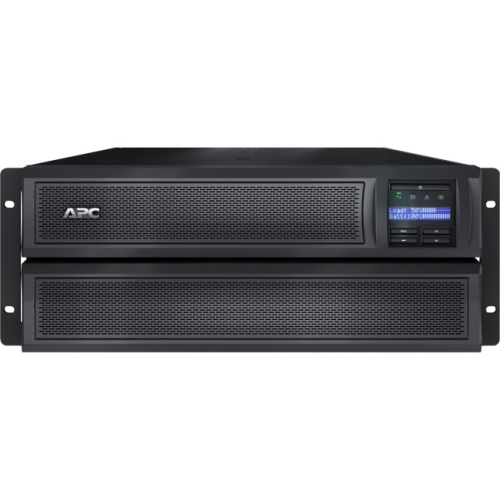 Your price for this item is $3952.99
 -
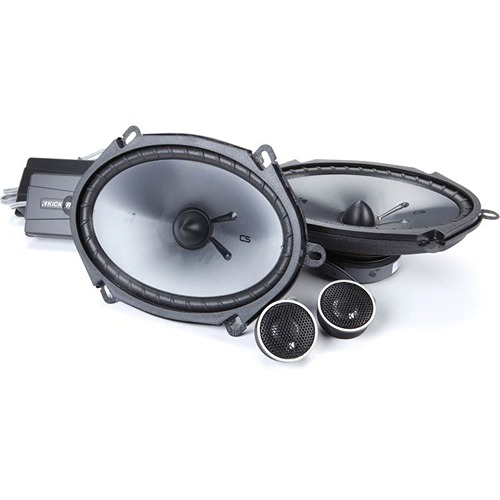 Your price for this item is $229.95
 -
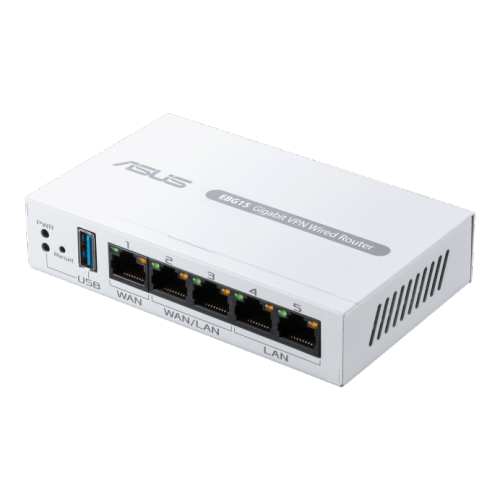 Your price for this item is $119.99
 -
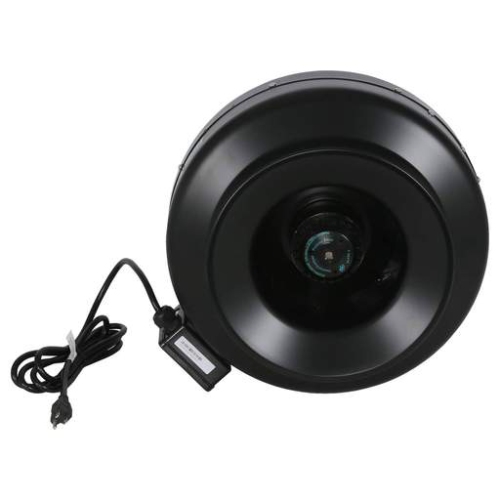 Your price for this item is $285.99
 -
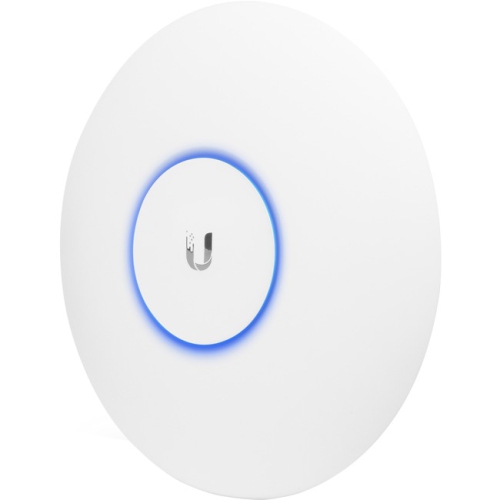 Your price for this item is $234.99
 -
 Your price for this item is $173.99
Discover more categories related to 10GB SFP Transceivers

Top Collections:
Pokemon Centers, Best Camera Tripods Under $100, Vlogging Cameras for Beginners, Kindle Devices, Best Electric Toothbrushes Under $100, Portable Solar Power Stations for Emergency, Best Wrist Fitness Trackers, Samsung Z Fold, Back To School Wireless Presentation Clickers, Canon G7X Cameras
Some products may be subject to Environmental Handling Fees
(EHF) depending on your province.
Learn more about EHFs.