Sfp+ Transceivers
Looking to enhance your network performance? Look no further than our wide selection of SFP+ transceivers. These powerful and versatile components are designed to optimize data transmission in your network, offering lightning-fast speeds and reliable connectivity. Whether you're upgrading your existing setup or building a new network from scratch, our range of SFP+ transceivers has got you covered. Explore our collection today and unlock the potential of your network with ease.
Sort


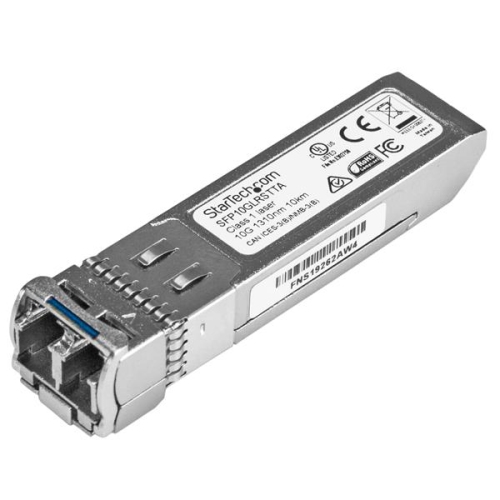
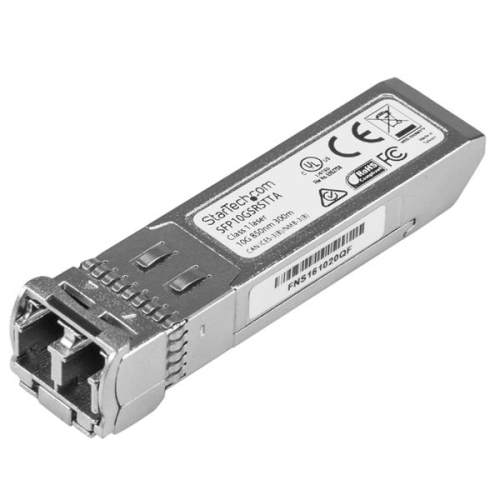

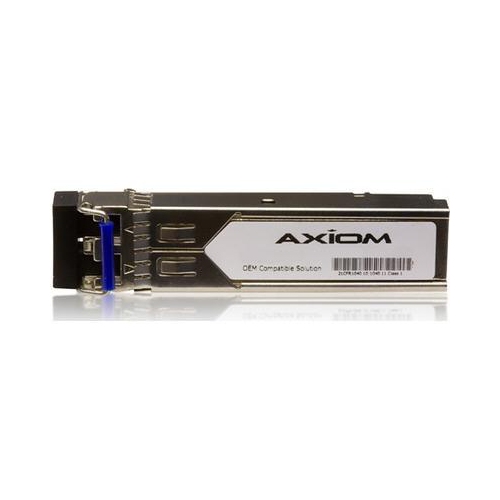
How module types shape speed, distance, and network compatibility
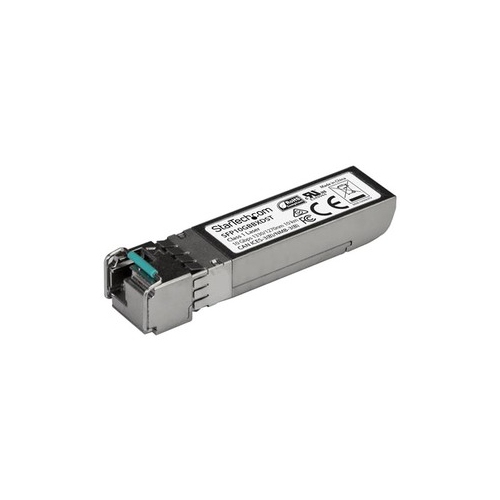
SFP+ transceivers are compact, hot-pluggable network modules designed to connect compatible switches, routers, servers, storage systems, and other networking hardware to high-speed cabling. The “SFP+” designation generally refers to enhanced Small Form-factor Pluggable technology that supports data rates of up to 10 Gbps, making these modules a practical choice for fast links between equipment in a home lab, office, data centre, studio, or campus network. Their small size also allows networking hardware to provide a high number of ports without taking up the space required by larger fixed connectors. An SFP+ transceiver does not operate as a standalone networking device; it is installed into an SFP+ port and works with the cable or fibre type specified for that module. Before choosing one, check the switch, router, server, network adapter, or storage equipment documentation for supported speeds, port standards, coding requirements, and compatible module types. Matching the transceiver to the equipment at both ends of the connection is essential for a stable link. It is also important to confirm whether the port supports 10 GbE, Fibre Channel, or another networking standard, since similar-looking modules may be intended for different applications. Buyers who are replacing a failed module should compare the original specifications carefully, while anyone expanding a network should consider the number of links required, the distance between devices, and the cabling already installed. For related connection options, explore SFP Cables to help create a complete, compatible setup.
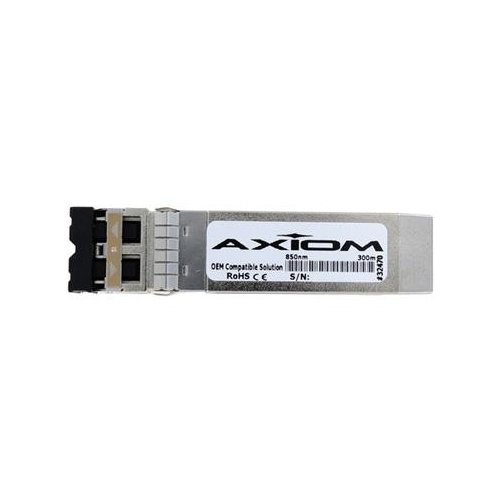
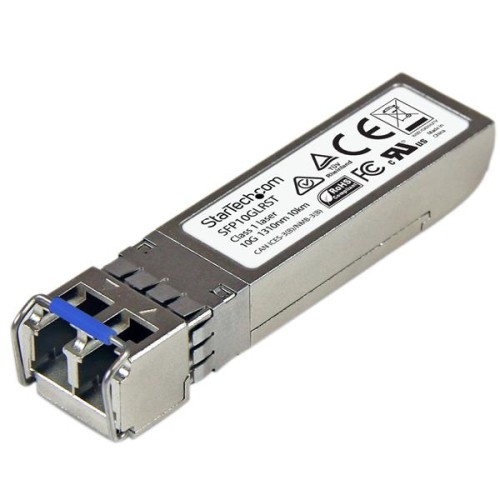
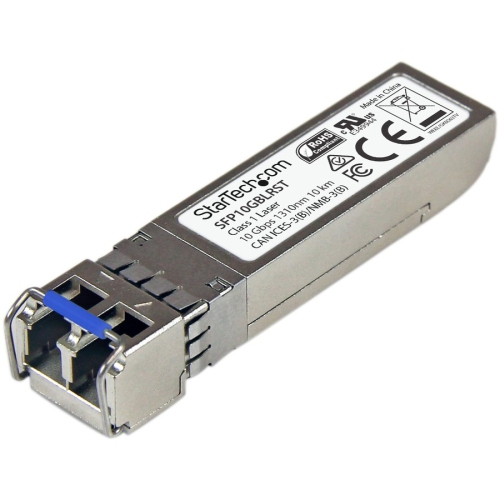
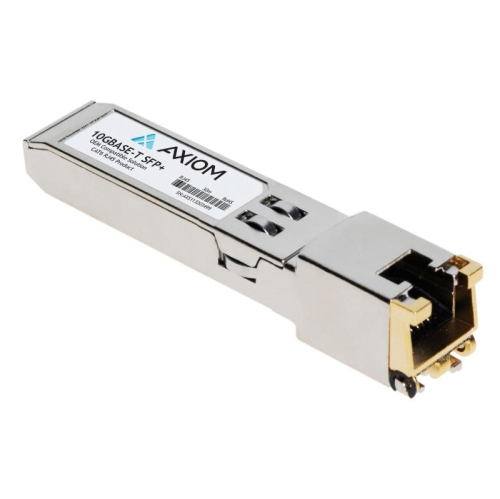
The main choice is usually between multi-mode fibre, single-mode fibre, and direct-attach copper. Multi-mode fibre modules, often identified by the short-range designation SR, are intended for relatively short runs inside a building or equipment room. Depending on the cable, installation quality, and network standard, they can support distances of roughly 300 to 400 metres, making them well suited to connecting racks on the same floor or nearby rooms. Single-mode fibre modules, commonly identified by the long-range designation LR, are designed for much longer connections and may support distances of 10 kilometres or more when paired with the appropriate fibre and network equipment. They can be useful for links between buildings, distant wiring rooms, or widely separated network points, although the actual rated distance depends on the complete installation rather than the transceiver alone. Direct-attach copper, often called DAC, combines the modules and cable in one assembly. It is convenient for short connections between devices in the same rack, where a simple, low-profile link can reduce cable clutter. Copper RJ45 transceivers can provide flexibility when existing twisted-pair cabling is preferred, but they may produce more heat than fibre or DAC options. Good airflow around the switch and careful attention to the manufacturer’s operating limits are especially important in a crowded rack or a small enclosure. Fibre connections require the correct connector style, fibre type, polarity, and cleaning practices, while copper options require attention to cable category, length, and supported speed. Avoid bending fibre sharply, pulling on connectors, or leaving optical ports exposed to dust. A clean, properly routed cable can make the difference between a link that comes up immediately and one that drops intermittently under load.
SFP+ transceivers are commonly used by IT professionals, small businesses, home-lab enthusiasts, content creators, security installers, and anyone building a network that needs more capacity than standard gigabit connections provide. A person managing a home server may use one to move large backups between storage and a workstation, while a growing office may use them to connect a core switch to a server, wireless network, or separate work area. They can also support demanding workloads such as video production, virtual machines, database access, network-attached storage, and large file transfers, where waiting for a slower connection can interrupt the rhythm of the workday. For a first installation, it helps to map the connection from end to end: identify each device, note the port type and speed, measure the cable path, and confirm whether the run will use SR, LR, DAC, or copper. Leave room for airflow and cable management, particularly around switches containing several modules. Some transceivers include Digital Optical Monitoring, also called DOM or Digital Diagnostic Monitoring, which can report operating details such as temperature, voltage, optical transmit power, and optical receive power. These readings can assist with troubleshooting by showing whether a link is running within expected limits or whether heat, signal loss, or another condition deserves attention. A link that fails to establish may have an incompatible module, incorrect fibre polarity, an unsupported speed, a damaged cable, or contaminated optical surfaces, so replacing parts at random is rarely the most efficient approach. SFP+ transceivers are generally purchased for practical networking projects rather than as conventional gifts, but they can be a thoughtful choice for someone setting up a home lab, upgrading a personal server, or learning enterprise networking. The best match comes from the recipient’s equipment and project requirements, not simply from selecting the module with the longest stated range or highest specification.
The main choice is usually between multi-mode fibre, single-mode fibre, and direct-attach copper. Multi-mode fibre modules, often identified by the short-range designation SR, are intended for relatively short runs inside a building or equipment room. Depending on the cable, installation quality, and network standard, they can support distances of roughly 300 to 400 metres, making them well suited to connecting racks on the same floor or nearby rooms. Single-mode fibre modules, commonly identified by the long-range designation LR, are designed for much longer connections and may support distances of 10 kilometres or more when paired with the appropriate fibre and network equipment. They can be useful for links between buildings, distant wiring rooms, or widely separated network points, although the actual rated distance depends on the complete installation rather than the transceiver alone. Direct-attach copper, often called DAC, combines the modules and cable in one assembly. It is convenient for short connections between devices in the same rack, where a simple, low-profile link can reduce cable clutter. Copper RJ45 transceivers can provide flexibility when existing twisted-pair cabling is preferred, but they may produce more heat than fibre or DAC options. Good airflow around the switch and careful attention to the manufacturer’s operating limits are especially important in a crowded rack or a small enclosure. Fibre connections require the correct connector style, fibre type, polarity, and cleaning practices, while copper options require attention to cable category, length, and supported speed. Avoid bending fibre sharply, pulling on connectors, or leaving optical ports exposed to dust. A clean, properly routed cable can make the difference between a link that comes up immediately and one that drops intermittently under load.
SFP+ transceivers are commonly used by IT professionals, small businesses, home-lab enthusiasts, content creators, security installers, and anyone building a network that needs more capacity than standard gigabit connections provide. A person managing a home server may use one to move large backups between storage and a workstation, while a growing office may use them to connect a core switch to a server, wireless network, or separate work area. They can also support demanding workloads such as video production, virtual machines, database access, network-attached storage, and large file transfers, where waiting for a slower connection can interrupt the rhythm of the workday. For a first installation, it helps to map the connection from end to end: identify each device, note the port type and speed, measure the cable path, and confirm whether the run will use SR, LR, DAC, or copper. Leave room for airflow and cable management, particularly around switches containing several modules. Some transceivers include Digital Optical Monitoring, also called DOM or Digital Diagnostic Monitoring, which can report operating details such as temperature, voltage, optical transmit power, and optical receive power. These readings can assist with troubleshooting by showing whether a link is running within expected limits or whether heat, signal loss, or another condition deserves attention. A link that fails to establish may have an incompatible module, incorrect fibre polarity, an unsupported speed, a damaged cable, or contaminated optical surfaces, so replacing parts at random is rarely the most efficient approach. SFP+ transceivers are generally purchased for practical networking projects rather than as conventional gifts, but they can be a thoughtful choice for someone setting up a home lab, upgrading a personal server, or learning enterprise networking. The best match comes from the recipient’s equipment and project requirements, not simply from selecting the module with the longest stated range or highest specification.
Top selling and popular products
-
 Your price for this item is $4179.05
 -
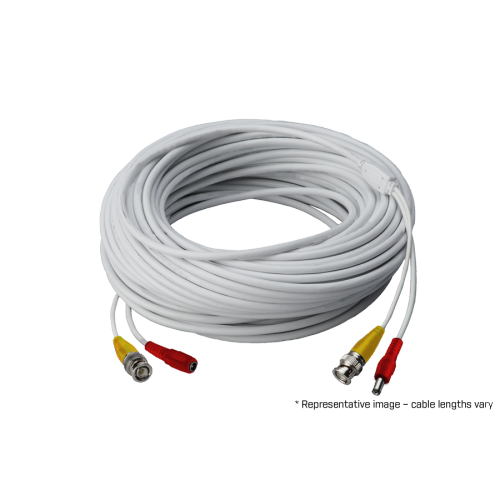 Your price for this item is $109.99
 -
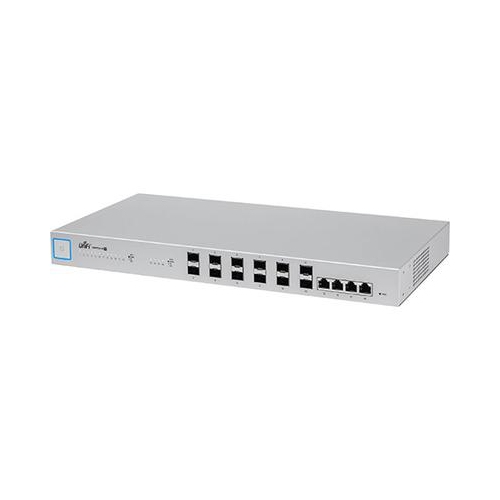 Your price for this item is $757.68
 -
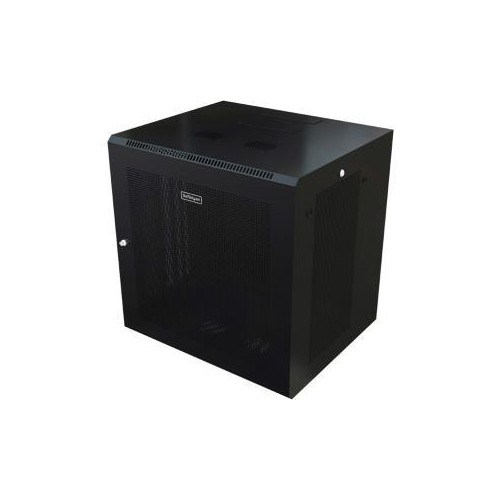 Your price for this item is $469.68
 -
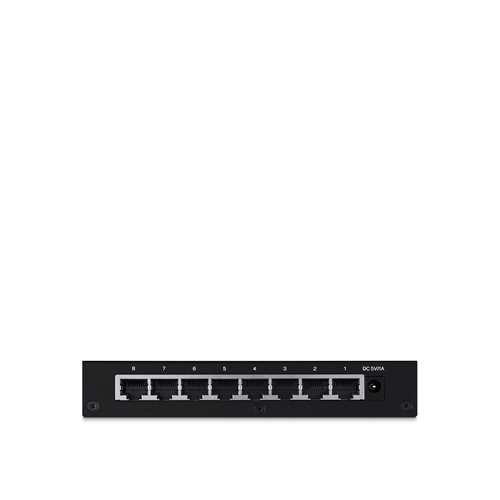 Your price for this item is $67.99
 -
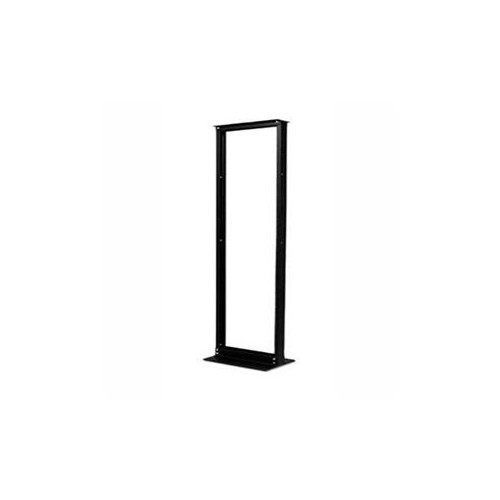 Your price for this item is $316.71
 -
 Your price for this item is $2044.68
 -
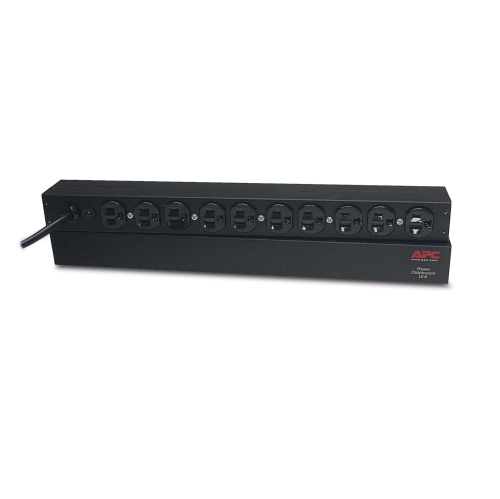 Your price for this item is $151.49
Discover more categories related to Sfp+ Transceivers
Top Collections:
Pokemon Centers, Best Camera Tripods Under $100, Vlogging Cameras for Beginners, Kindle Devices, Best Electric Toothbrushes Under $100, Portable Solar Power Stations for Emergency, Best Wrist Fitness Trackers, Samsung Z Fold, Back To School Wireless Presentation Clickers, Canon G7X Cameras
Some products may be subject to Environmental Handling Fees
(EHF) depending on your province.
Learn more about EHFs.