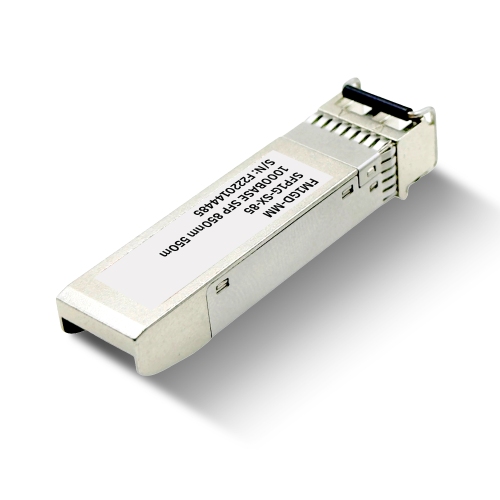
RJ45 SFP Transceivers

Find RJ45 SFP transceivers for connecting copper Ethernet cables to compatible SFP ports on network equipment. Compare supported data rates, maximum cable lengths, and device compatibility to choose an Ethernet transceiver module that fits your switch and network requirements.
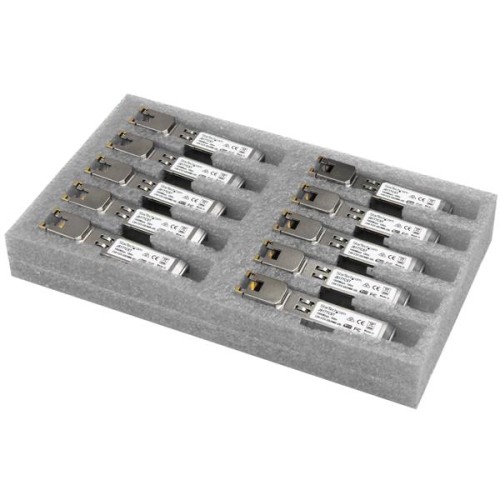
Read More

Sort

How modular network ports connect to copper Ethernet

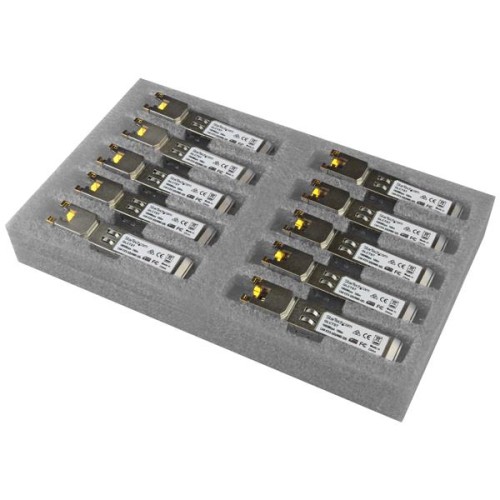
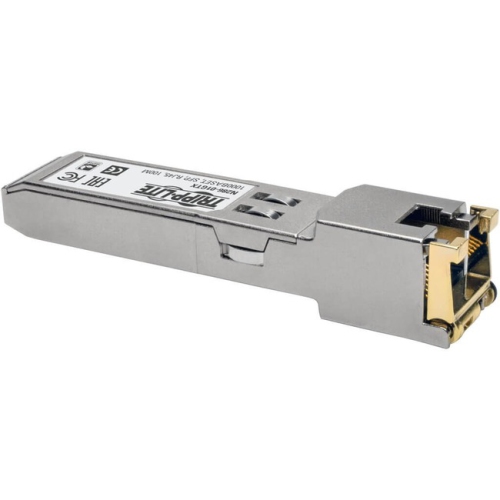
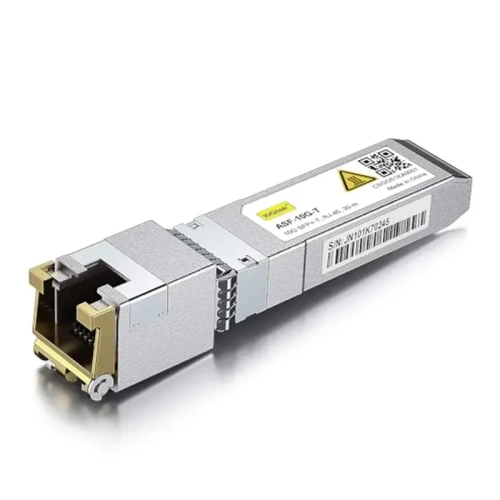
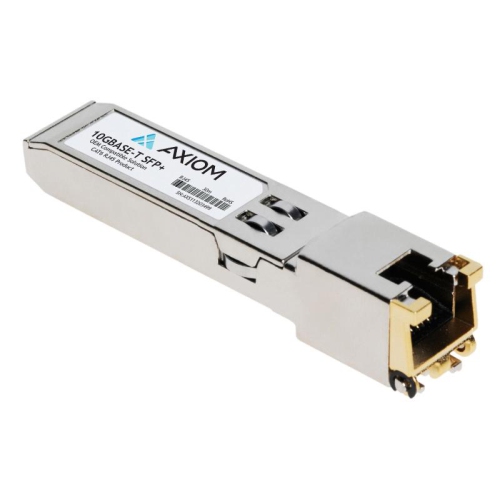
RJ45 SFP transceivers are compact copper networking modules that let a compatible SFP or SFP+ port connect to an Ethernet cable with an RJ45 connector. They provide a practical connection between modular network equipment and devices that use conventional twisted-pair Ethernet cabling. Rather than using a fibre-optic connection, an RJ45 transceiver plugs into the equipment’s module cage and presents a familiar copper Ethernet socket at the front. Common applications include linking a network switch to a router, connecting a workstation through a compatible network interface card, or using an existing copper cable run between network devices. The distinction between SFP and SFP+ matters: standard SFP copper modules commonly support 1 Gigabit Ethernet, while 10 Gigabit copper modules typically use the SFP+ form factor. The port, transceiver, cable, and device at the other end must support a compatible connection speed; a module alone cannot make a slower port operate faster. These transceivers are useful in office wiring cabinets, school networks, small business installations, and home labs where equipment has a mixture of modular ports and fixed RJ45 sockets. For example, a switch with unused SFP ports may be able to connect another copper Ethernet device without replacing the switch, provided the switch supports the chosen module. A compatible 10 Gigabit connection can also help move large project files between a workstation and network storage, although actual transfer performance still depends on the storage system, network configuration, and other connected equipment. RJ45 SFP modules do not increase an internet service plan’s speed or replace a modem. Their role is more specific: they adapt a supported modular network port for a copper Ethernet connection, giving an existing installation another way to connect equipment while retaining familiar Ethernet patch leads and wall cabling.

Compatibility involves more than a module fitting into the slot. RJ45 SFP transceivers can share similar dimensions while differing in supported data rates, host requirements, power consumption, and permitted cable lengths. A 1000BASE-T module is intended for Gigabit Ethernet over twisted-pair copper, while a 10GBASE-T module is designed for 10 Gigabit Ethernet when used with suitable equipment and cabling. Some copper modules support multiple speeds, but that capability should not be assumed: the module’s specifications and the host port’s supported operating modes both matter. Likewise, an SFP+ cage may accept certain 1 Gigabit SFP modules, but support depends on the equipment rather than the physical fit alone. Manufacturer compatibility information is particularly useful because some switches and routers validate module identification data or support only particular transceiver types. Cable reach deserves equal attention. Gigabit Ethernet commonly supports channels up to 100 metres over compliant Cat5e or better cabling, subject to the module’s stated limits and the quality of the complete cable channel. Copper SFP+ modules used for 10 Gigabit Ethernet often have shorter reach limits, with many rated for distances around 30 metres; other designs support longer runs under specified conditions. A general Ethernet distance rating is therefore not a substitute for the transceiver’s own reach specification. Cat6a is a common choice for 10 Gigabit copper links, but cable category alone does not guarantee that a particular module can cover the full distance. Patch panels, connectors, cable condition, and the total length of patch leads all contribute to the connection. In a compact rack, a short patch cable between nearby devices presents different requirements from a connection routed through walls to another room. Auto-negotiation support can also vary, especially across different speeds, so matching the capabilities at both ends helps prevent a connection that fails to establish or runs below the intended rate. Power over Ethernet is a separate consideration: an RJ45 socket on an SFP transceiver should not be assumed to supply power to a phone, camera, or wireless access point.

Physical construction and installation conditions influence how well an RJ45 SFP transceiver suits its intended use. These modules commonly have metal housings that provide mechanical protection and help transfer heat to the surrounding equipment, along with a latch or release mechanism for removal from the port. A secure fit matters in a crowded cabinet, where patch leads can pull sideways against connectors or make neighbouring ports difficult to reach. Copper transceivers, particularly 10 Gigabit versions, can draw more power and generate more heat than some optical alternatives, making the host’s power allowance, airflow, and supported module configuration important considerations. Closely packed ports may have installation restrictions, and the equipment documentation may specify where higher-power modules can be used. This is especially relevant in compact switches or densely populated racks rather than only in large server installations. Many transceivers are designed for hot-swappable operation, but insertion and removal should follow the host equipment’s procedures. Gentle handling protects the electrical contacts, while clean, undamaged RJ45 plugs help maintain a dependable physical connection. Cable strain relief and sensible routing reduce stress on the socket; sharply bent cables, broken retention clips, and patch leads hanging under their own weight can undermine an otherwise suitable setup. Unused modules benefit from protective caps and storage that shields their contacts from dust and static discharge. For connections that need greater reach or electrical isolation between locations, Optical SFP Transceiver Modules provide a different connection type using compatible fibre cabling and matching optical specifications. Copper remains a practical choice when the required distance is within the module’s rating and the connected equipment already uses RJ45 Ethernet. For network administrators, installers, and home lab users, the most useful match brings together the correct host compatibility, data rate, cable specification, reach, and physical operating requirements, allowing modular network ports to serve the devices and wiring already in place.
Read More

FAQ

Some products may be subject to Environmental Handling Fees (EHF) depending on your province. Learn more about EHFs.