3d Printer PLA
Looking to bring your creative ideas to life? Look no further than our collection of 3D printers that use PLA filament. Whether you're a hobbyist, an artist, or an engineer, these printers offer endless possibilities for turning your imagination into tangible objects. With their precise printing capabilities and user-friendly interfaces, 3D printers will help you bring your projects to life with ease.
Sort


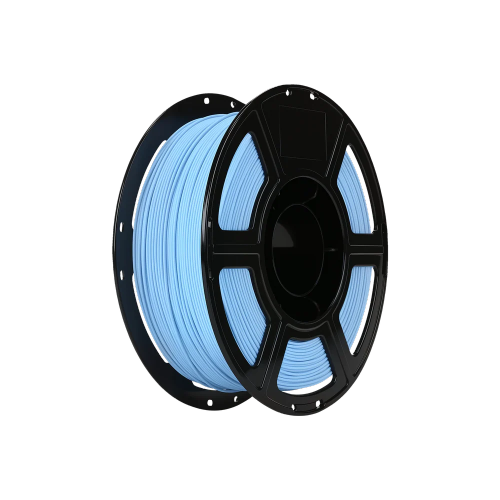
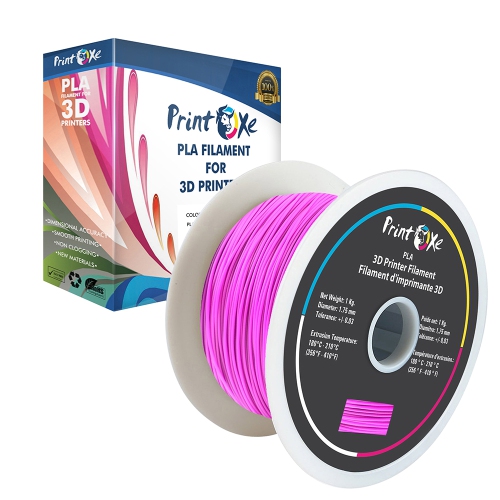
Why PLA works well for detailed desktop prints
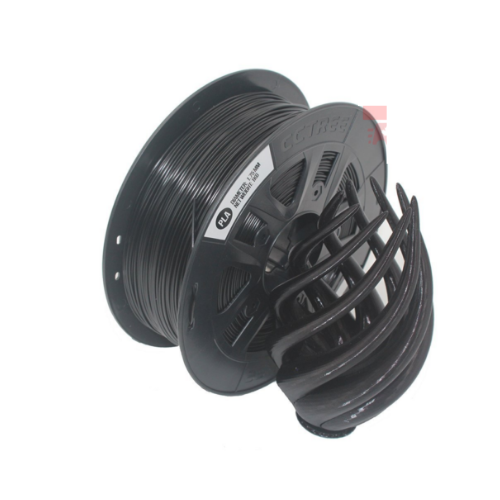
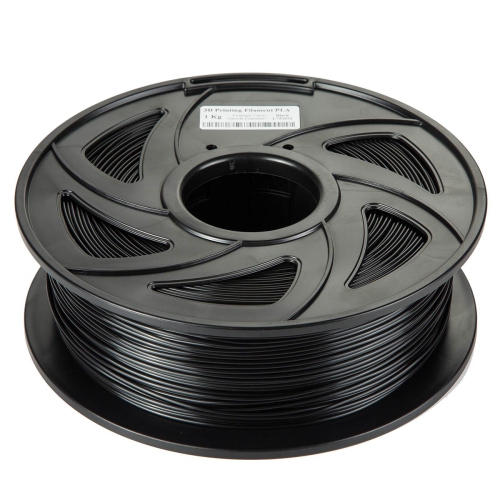
PLA, short for polylactic acid, is a thermoplastic filament used in fused deposition modelling (FDM) and fused filament fabrication (FFF) 3D printers. It is a popular choice for desktop printing because it typically prints at relatively low nozzle temperatures, resists warping, and captures fine details well. These qualities make 3D printer PLA suitable for beginners learning their first machine as well as experienced makers producing display models, prototypes, and neatly finished everyday objects. A small architectural model can retain crisp window openings, while a miniature figure can show the folds of a jacket or the texture of a stone wall. Standard PLA is generally stiff rather than flexible, so it works well when an object needs to hold its shape without carrying heavy loads or bending repeatedly. It is also often easier to print than materials that need higher heat or tighter control of the surrounding air. Many compatible printers can use PLA without a heated enclosure, although bed preparation, cooling, and the filament manufacturer’s settings still affect the result. Compatibility starts with the printer type: PLA filament is intended for suitable filament-based machines, not resin printers. Filament diameter matters just as much. Common sizes include 1.75 mm and 2.85 mm, and the correct choice is the diameter specified for the printer’s feeding system; they are not interchangeable simply by changing a software setting. Consistent filament diameter and smooth feeding help the printer lay down even lines, particularly around small lettering, curved edges, and narrow walls. For someone exploring digital design, classroom projects, or hobby modelling, PLA offers a practical way to turn a file into a physical object that can be held, measured, painted, or refined through another version. Its ease of use does not remove every printing challenge, but it makes a useful starting point for learning how layer height, supports, and model orientation influence the finished piece.
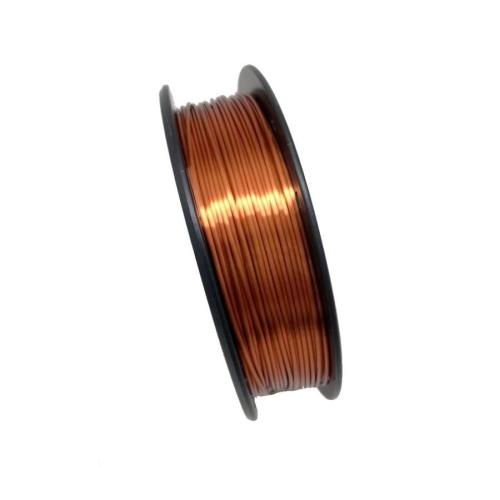
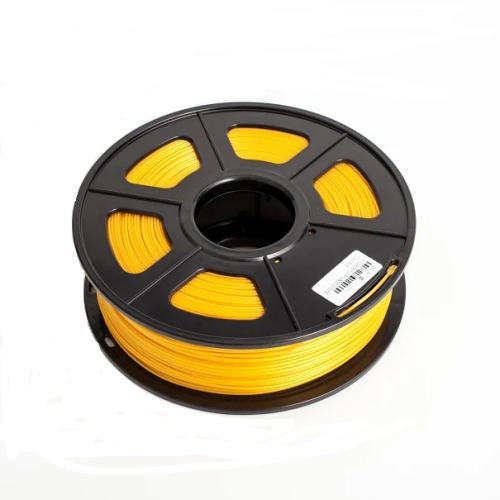
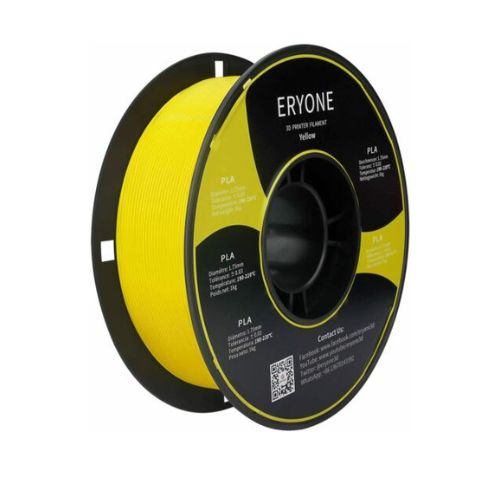
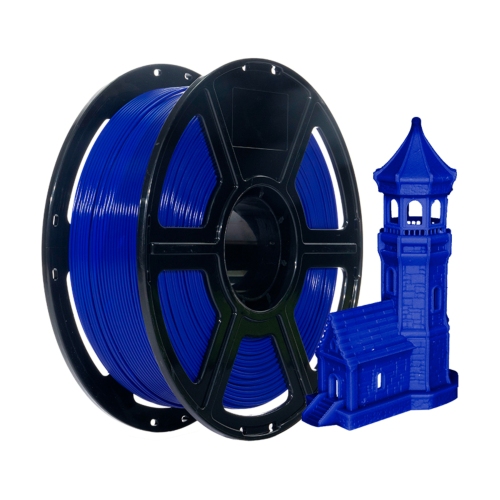
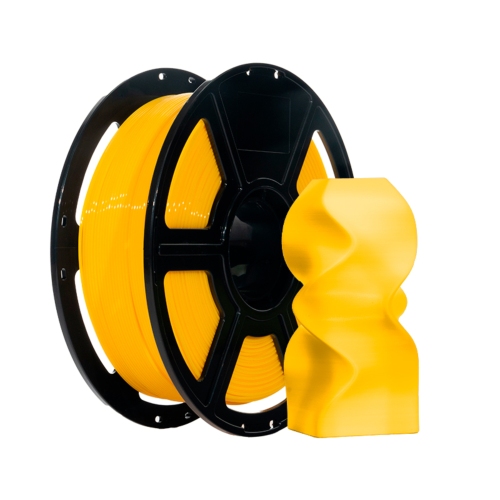
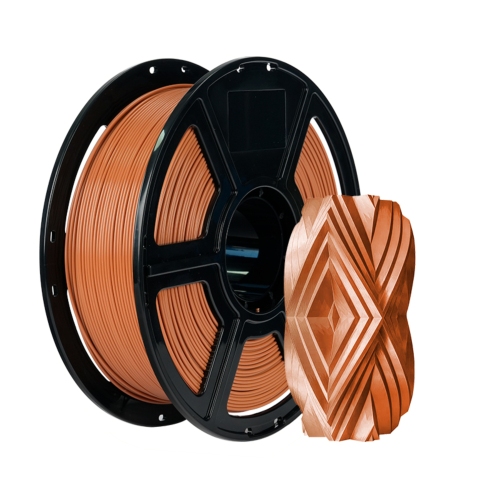
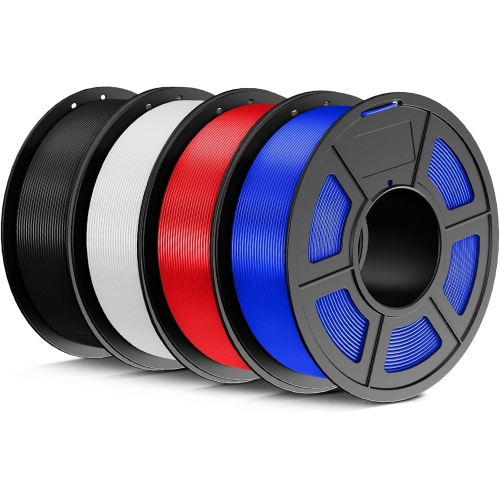
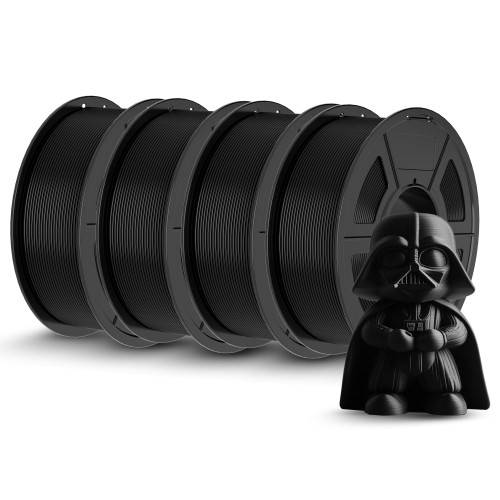
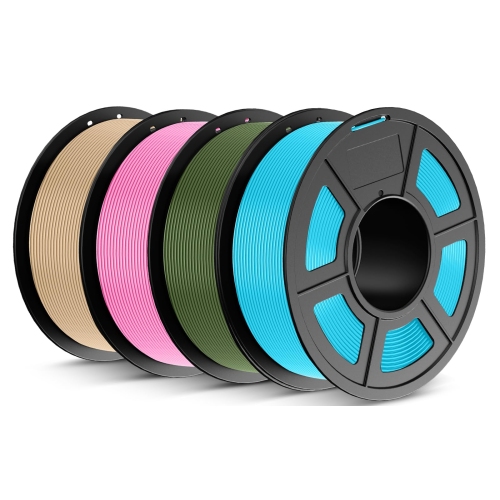
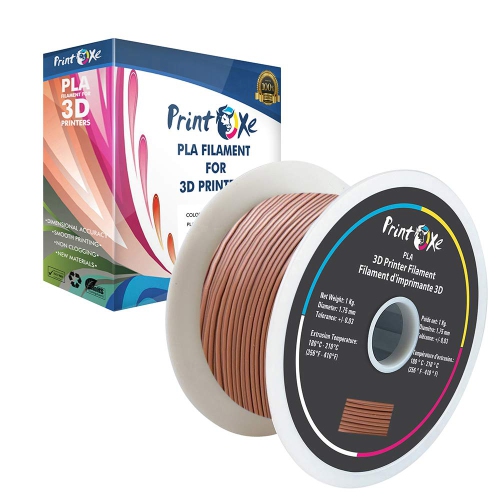
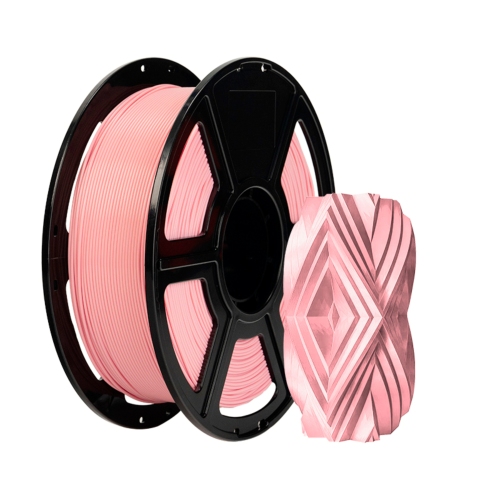
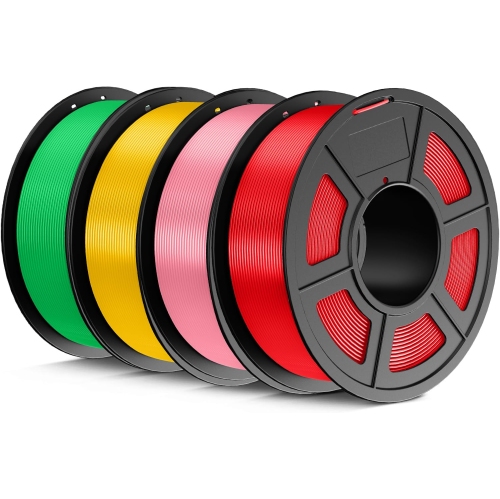
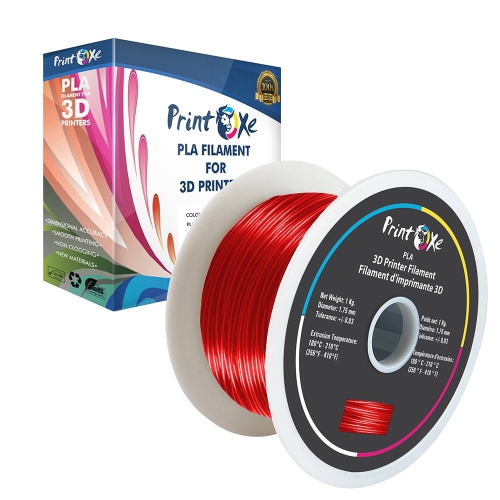
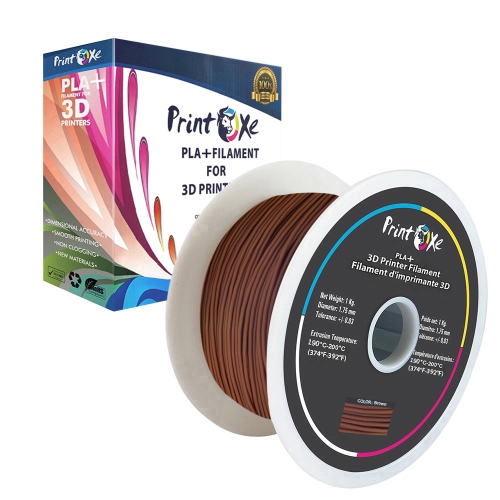
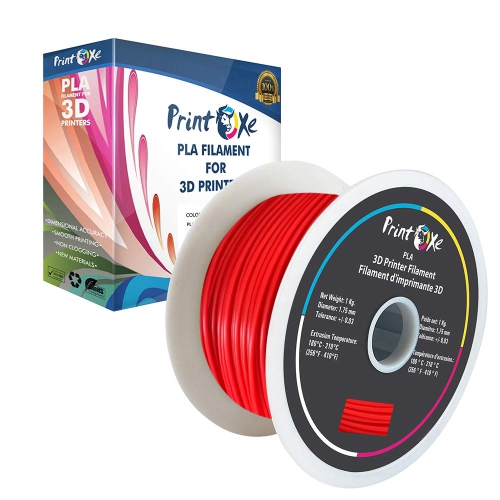
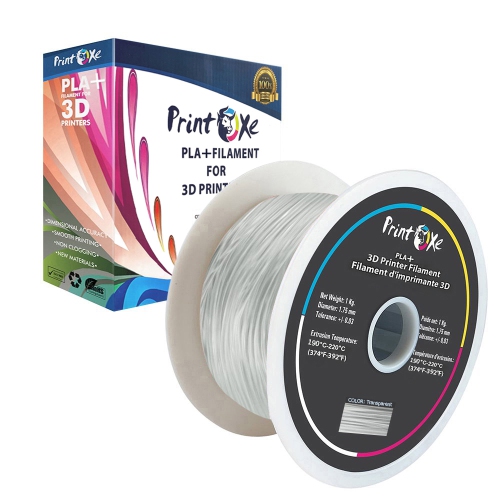
Colour and finish can change the character of a PLA print as much as the model itself. A matte surface can soften the appearance of layer lines on a display piece, while a glossy or silk-style finish can catch the light along curved shapes. Translucent PLA allows some light through, but printed parts usually remain visibly layered rather than looking like clear glass. Multicolour and gradient filaments can create changing shades across a taller object, although the effect depends on how much filament each layer uses and how frequently the colours change along the spool. For parts that will be painted, a plain, consistent base colour can make surface preparation and coverage more predictable. Appearance should be considered alongside the material formulation. PLA blends described as tougher, faster-printing, or enhanced may behave differently from standard PLA, and naming conventions do not guarantee the same properties across manufacturers. Silk-style blends can prioritize sheen over strength, while filaments containing wood particles, metallic fillers, or other additives may need different nozzle sizes or wear-resistant components. The filament specifications and printer requirements are more useful than the finish name alone. Spool dimensions also deserve attention, particularly when filament sits inside an enclosed holder or feeds through an automatic material system. The spool’s width, outer diameter, centre opening, and construction can affect whether it rotates freely and feeds reliably. Net filament weight is separate from spool size, so both details matter when comparing formats. For larger models, having enough material to complete a print avoids an interruption near the final layers; for smaller projects, colour variety may be the more useful consideration. Comparing PLA with other 3D Printing Filaments can also help distinguish between materials intended for detailed display work and those better suited to flexibility, higher heat, or demanding mechanical use. The right match depends on the finished object, not simply on whether a filament can pass through the printer.
The intended use of a printed part is especially important with PLA because an attractive finish does not necessarily mean the object can withstand heat, impact, or constant stress. Standard PLA can soften in a hot vehicle or near a heat source, making it a poor default choice for parts that need to stay rigid in those conditions. Its stiffness is useful for desk organizers, scale models, presentation prototypes, and display stands carrying modest loads, but thin clips and repeatedly flexed hinges may crack. Layer direction also affects durability: a part can separate along its printed layers even when the same material feels strong in another direction. A prototype used to check the shape of a handle therefore has different requirements from a handle expected to support weight every day. PLA prints are not automatically suitable for food contact, children’s mouthing toys, or safety-critical applications, since additives, printer components, layer gaps, and cleaning limitations all matter. For routine care, gentle wiping and avoiding prolonged heat are usually more appropriate than dishwashers or hot soaking. Unused filament benefits from dry storage in a sealed container or bag with desiccant, especially after a spool has been opened. Moisture can contribute to popping during extrusion, rough surfaces, and inconsistent results. Dust-free storage and a secured loose end also help keep the filament clean and reduce feeding problems caused by crossed loops. Any drying should follow the filament manufacturer’s guidance, since excessive heat can distort the material or spool. A well-ventilated workspace remains sensible whenever plastics are heated, even when printing with a familiar material. For students, hobbyists, designers, and family members who already use a compatible 3D printer, PLA can be a thoughtful gift that supports both practical projects and creative experimentation. Matching the recipient’s filament diameter, spool holder, and preferred finishes makes that gift more useful, whether the next project is a miniature building, a custom drawer divider, or a carefully painted model.
Top selling and popular products
-
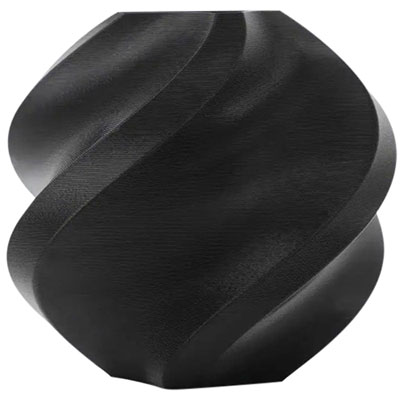 Your price for this item is $22.99
-
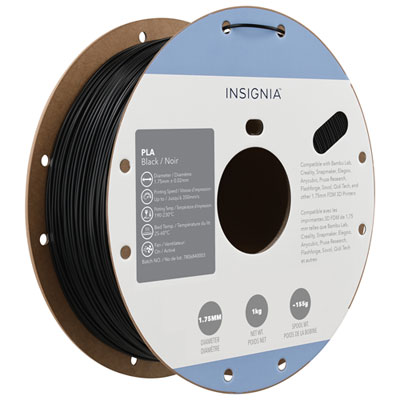 Your price for this item is $14.99
-
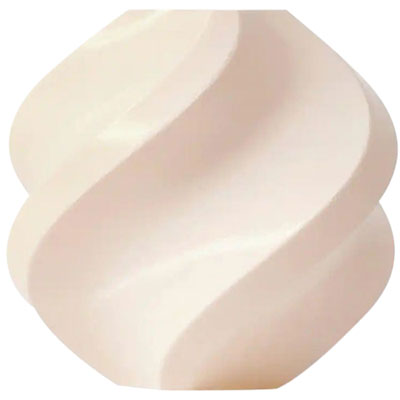 Your price for this item is $22.99
-
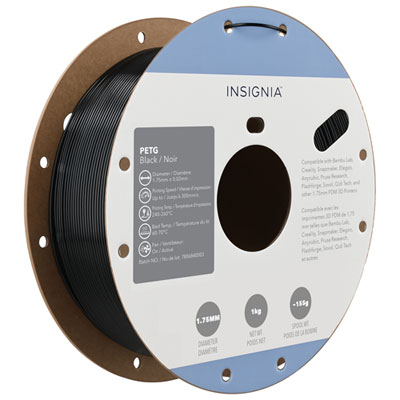 Your price for this item is $13.99
-
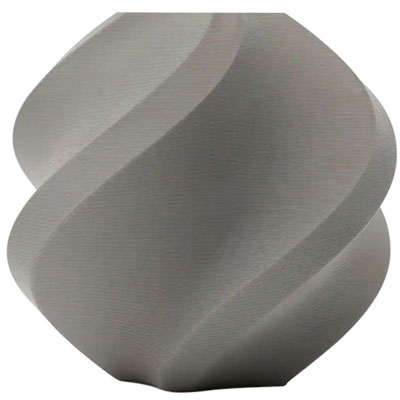 Your price for this item is $22.99
-
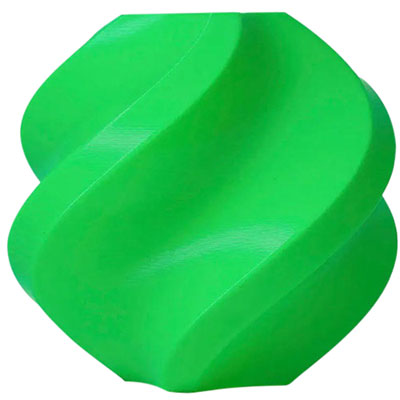 Your price for this item is $22.99
-
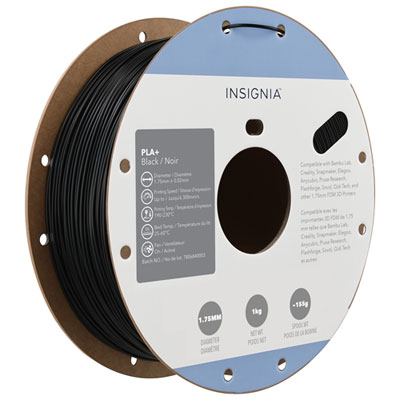 Your price for this item is $17.99
-
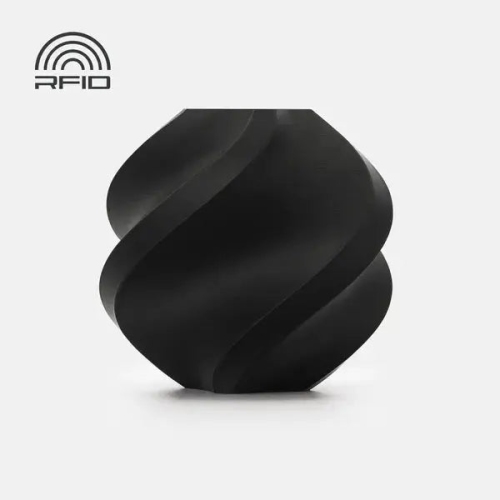 Your price for this item is $30.99
Discover more categories related to 3d Printer PLA

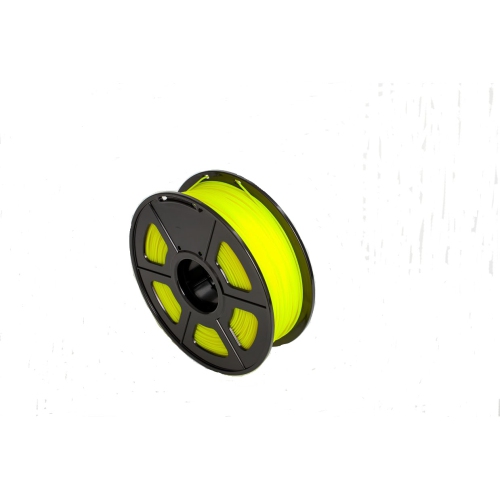
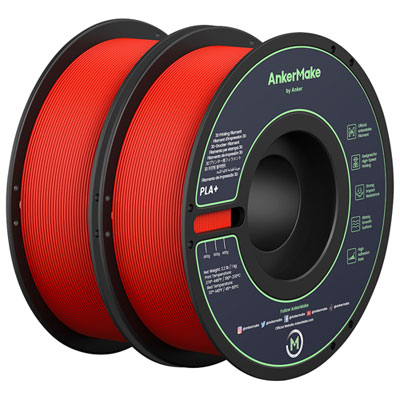
Top Collections:
Best Black Friday Deals This Year, Best Black Friday Deals On Electronics, Kindle Devices, Pokemon Centers, Best Black Friday Deals On Apple Products, Best Cameras for Sports Photography, Dyson Airwrap, Pokémon 30th Celebration Cards, Apple iPhone 17 Pro, Canon G7X Cameras
Some products may be subject to Environmental Handling Fees
(EHF) depending on your province.
Learn more about EHFs.