8GB USB Flash Drives
An 8GB USB Flash Drive offers a convenient way to store, transfer, and share your important files, photos, music, and documents. Perfect for everyday use at home, school, or the office, these compact devices fit easily into your pocket or bag. Whether you need extra space for work projects or want to keep your favorite media close at hand, an 8GB USB Flash Drive delivers reliable performance and portability. Explore a variety of options designed to meet your data storage needs with ease.
Sort
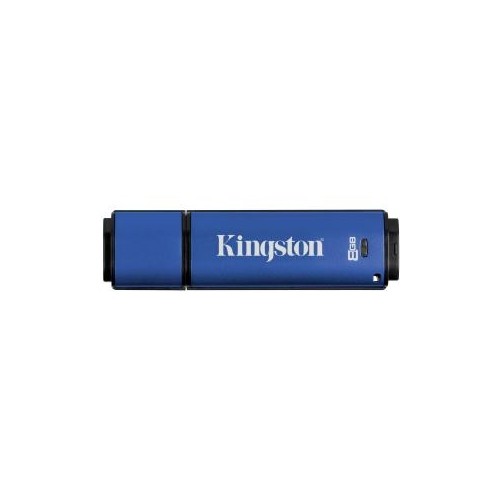
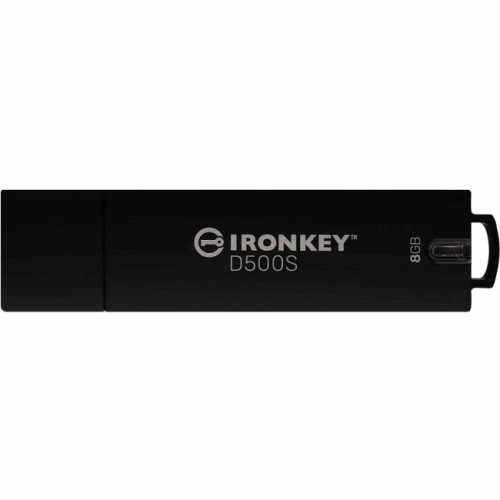

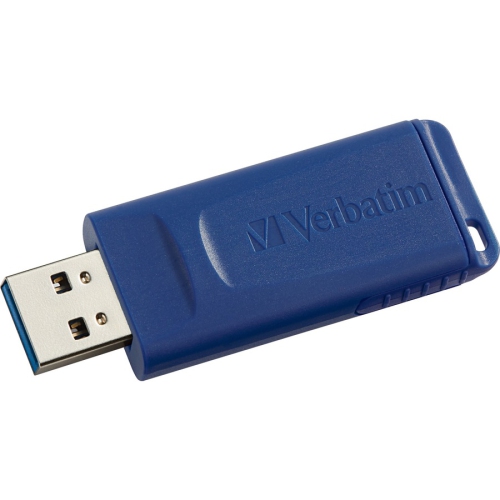
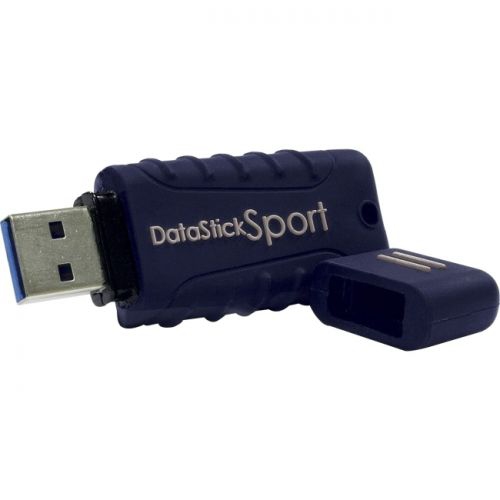

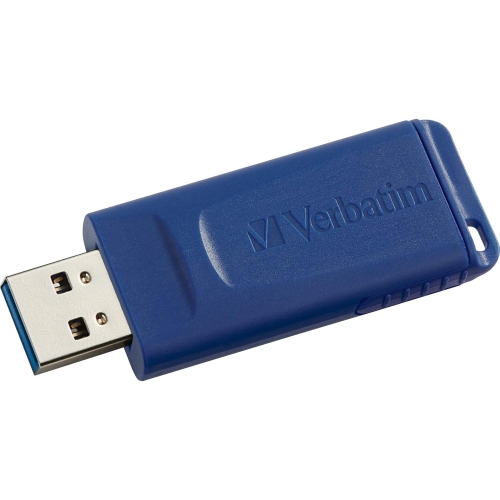
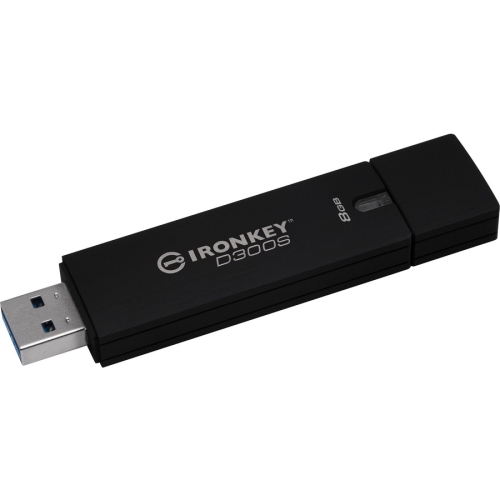


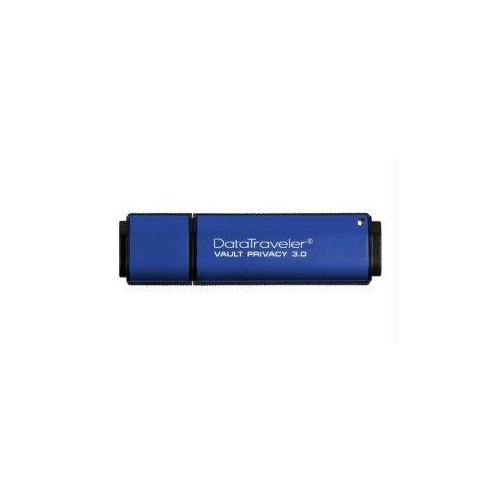

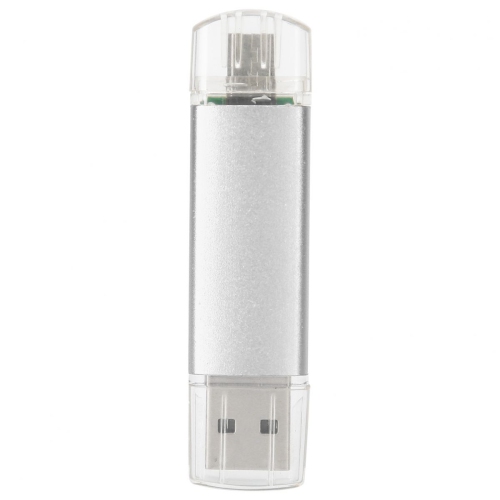
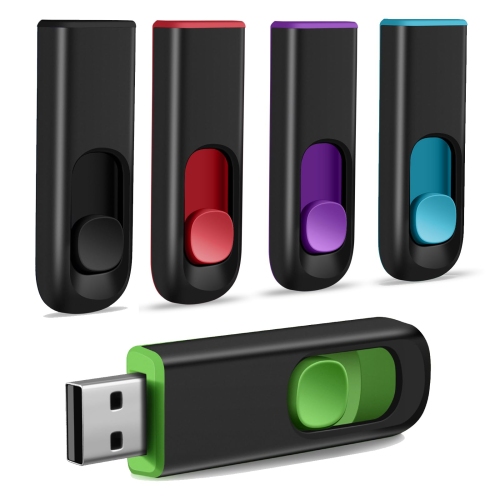
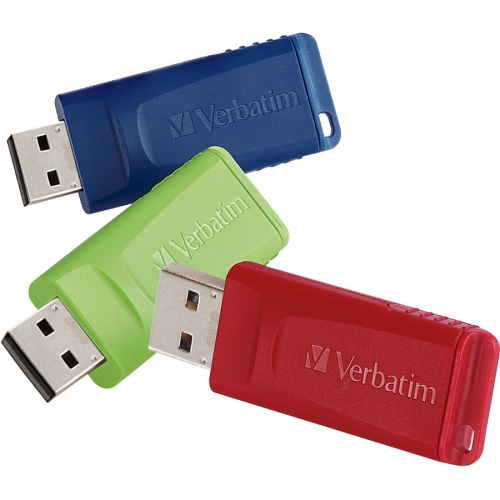
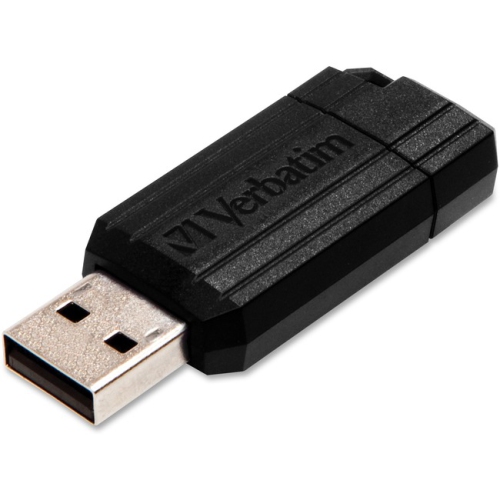

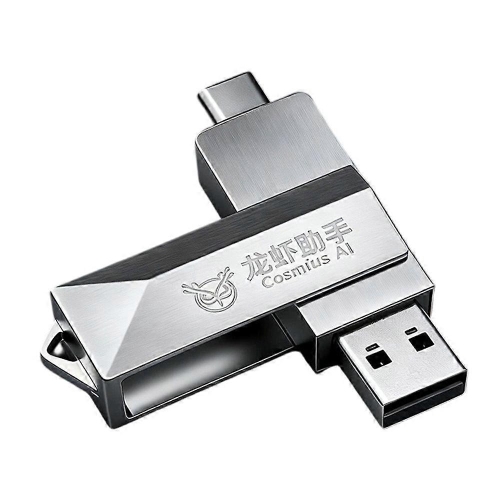
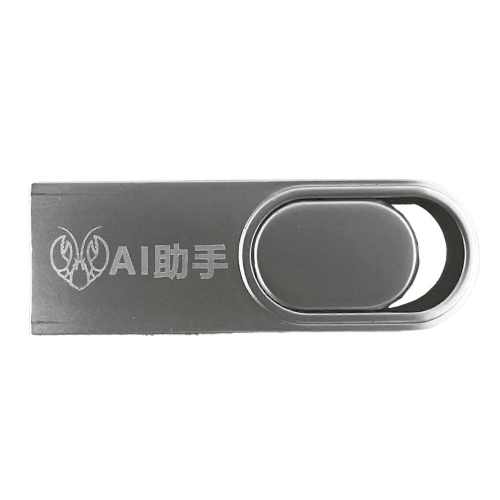
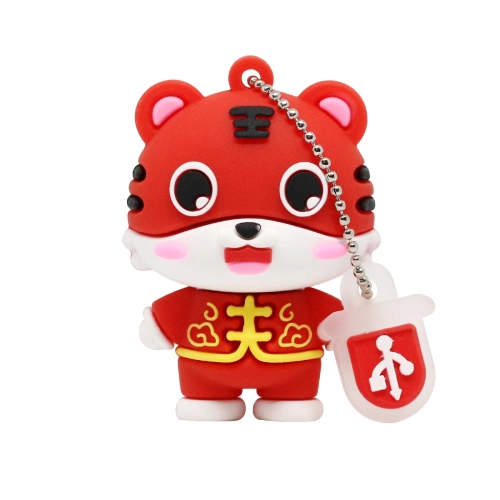
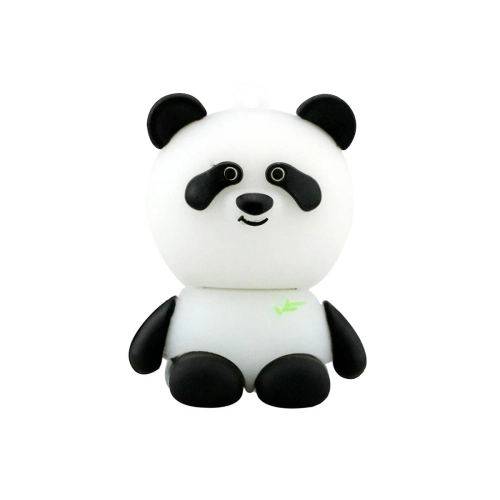



Everyday files travel light without an internet connection
An 8GB USB flash drive is a compact storage device for carrying documents, photos, music, and other files between compatible devices. Its capacity suits everyday tasks such as taking a presentation to a meeting, keeping coursework together, or bringing a selection of images to a photo-printing counter. A drive labelled 8GB has a nominal capacity of eight billion bytes, although the usable space displayed on a computer is usually lower because of formatting and differences in how storage is calculated. The number of files it holds depends on their size rather than their type alone. At an average of 4MB per photo, 8GB represents space for roughly 2,000 photos before allowing for formatting and other files; high-resolution images and uncompressed camera files take up considerably more room. Text documents and spreadsheets generally require much less space, while presentations with embedded video can fill a drive surprisingly quickly. Video capacity varies widely with resolution, compression, and recording settings, so a fixed number of minutes is not a reliable measure. For students, office workers, and households, this capacity works well for a focused collection rather than an entire digital library. A clearly labelled folder containing a résumé, supporting documents, and a PDF portfolio can be easier to navigate than a drive crowded with unrelated files. Similarly, a small collection of favourite songs or selected family photos can be more useful on the move than a much larger, unsorted archive. USB storage also allows files to travel without an internet connection or an online account, which is helpful when sending large email attachments is impractical. The drive still needs a compatible device to open its contents, and any required software must be present on that device. An 8GB flash drive is therefore best understood as portable file storage, not extra processing power or a replacement for a computer’s internal drive.
Compatibility involves both the physical connector and the way the drive stores files. USB-A connectors fit the familiar rectangular ports found on many desktop computers, laptops, printers, and other equipment. Devices with USB-C ports need a matching connector or a suitable data-capable adapter; the shape of the port alone does not establish which storage devices a phone, tablet, or other device supports. Many 8GB USB flash drives use USB 2.0, an interface designed for straightforward file transfers. USB 2.0 has a theoretical maximum signalling rate of 480 megabits per second, but actual copying speeds are lower and depend on the drive’s memory, its controller, the connected device, and the files being transferred. Hundreds of small documents may copy differently from one large video, even when their combined size is similar. A USB 2.0 drive can generally work in a compatible newer USB port, but that connection does not make the drive operate at the newer port’s maximum speed. File-system support matters just as much, particularly for car stereos, televisions, digital photo frames, and older equipment. FAT32 is widely supported but limits an individual file to approximately 4GB, so a drive can have enough free space overall and still be unable to accept one large file. exFAT supports larger individual files, although not every device can read it. Reformatting changes the file system and erases the existing contents, making a separate copy of important files essential beforehand. Equipment documentation can clarify supported formats and any restrictions on drive capacity or folder structure. There is also a distinction between recognizing a drive and opening what is on it: a television may detect USB storage without supporting a particular video format, while a presentation may require software or fonts that are absent from another computer. For shared documents, commonly supported file formats can make handoffs smoother, especially when the destination device is not known in advance.
The casing and connector design influence how comfortably an 8GB USB flash drive fits into daily routines. Plastic housings are often lightweight, while metal housings can provide a firmer feel; neither material alone establishes resistance to water, impacts, or crushing. A removable cap covers the connector when the drive is tucked into a bag, though the cap needs somewhere secure during use. Swivel covers and retractable designs keep the protective mechanism attached, and a key-ring loop offers a convenient attachment point for a lanyard or organizer. Slim housings can be useful around closely spaced USB ports, where a wider body may obstruct the neighbouring connection. Very small designs sit neatly in a pouch but can be harder to grip or easier to misplace. Durability also depends on handling: inserting the connector straight, avoiding sideways pressure, and carrying the drive where its plug cannot bend help protect a frequently used connection. A clean, dry, soft cloth is suitable for wiping the exterior, while liquid cleaners should be kept away from exposed contacts. During use, allowing transfers to finish and following the connected device’s safe-removal process helps reduce the risk of damaged files. Important documents deserve another copy elsewhere, since a portable drive can be lost or fail unexpectedly. For confidential information, encryption can add protection when it is supported and configured correctly; an ordinary flash drive should not be assumed to include password protection. A drive passed between several computers also benefits from malware scanning before unfamiliar files are opened. As a practical gift, an 8GB drive can suit a student, colleague, or relative who needs a simple way to carry a modest collection of files, with a few clearly organized folders adding a personal touch. For collections that have outgrown this capacity, 64GB USB 2.0 Flash Drives provide eight times the nominal storage. For smaller, purposeful transfers, 8GB keeps the focus on the files needed for the task.
Top selling and popular products
-
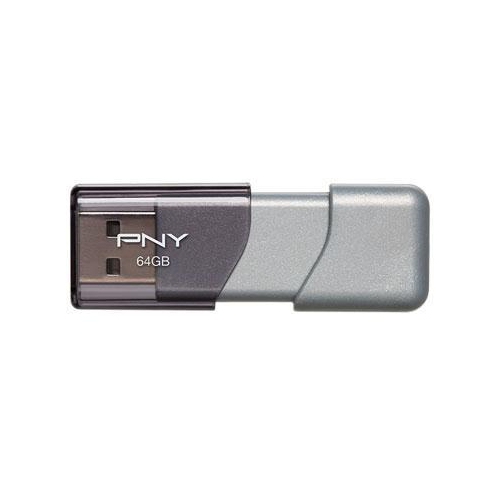 Your price for this item is $57.68
-
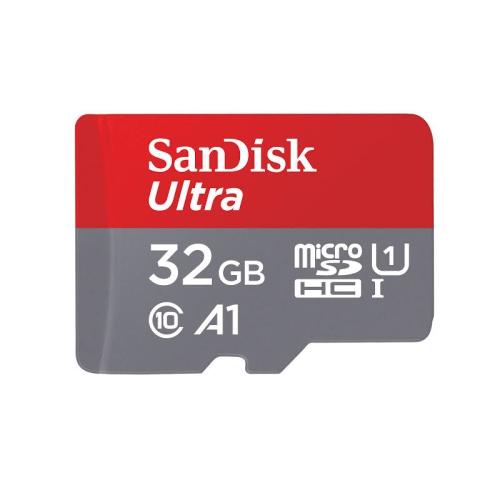 Your price for this item is $35.99
-
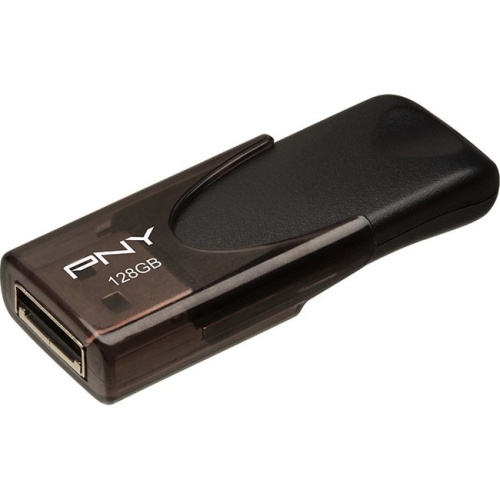 Your price for this item is $35.68
-
 Your price for this item is $52.68
-
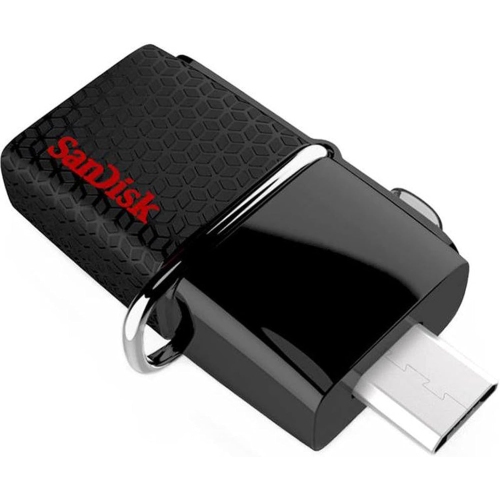 Your price for this item is $26.91
-
 Your price for this item is $186.68
-
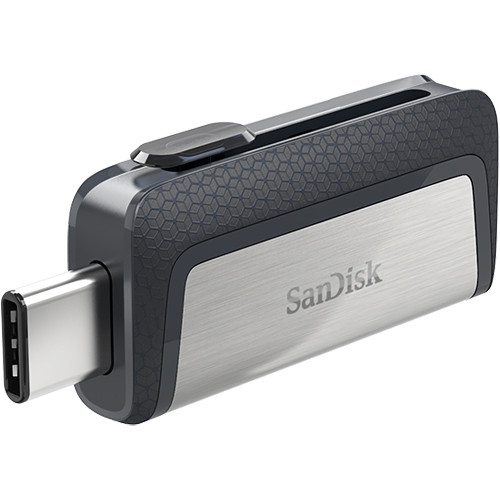 Your price for this item is $48.91
-
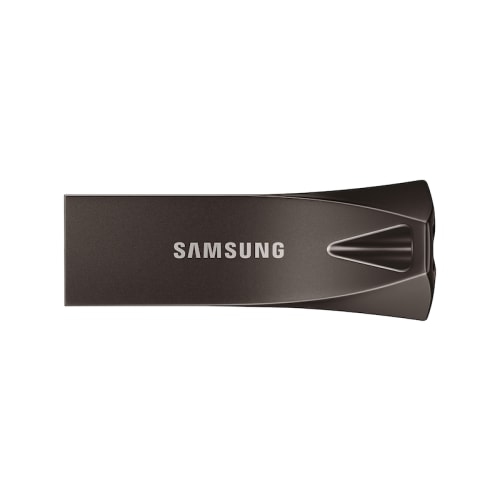 Your price for this item is $132.99
Discover more categories related to 8GB USB Flash Drives
Top Collections:
Pokemon Centers, Kindle Devices, Best Black Friday Deals This Year, Pokémon 30th Celebration Cards, Best Black Friday Deals On Electronics, Best Cameras for Sports Photography, Best Black Friday Deals On Apple Products, Canon G7X Cameras, iPhone 15 Apple, Candle Warmer Lights
Some products may be subject to Environmental Handling Fees
(EHF) depending on your province.
Learn more about EHFs.