Adapters Coax
Adapters Coax are essential components for connecting a wide range of audio, video, and networking devices in your home or office setup. Whether you're looking to extend your current connections or ensure compatibility between different devices, these adapters offer reliable solutions for seamless integration. Explore a variety of Adapters Coax designed to help you achieve optimal performance and connectivity with ease. Find the right fit for your needs and enjoy smooth, uninterrupted signal transmission throughout your system.
Sort
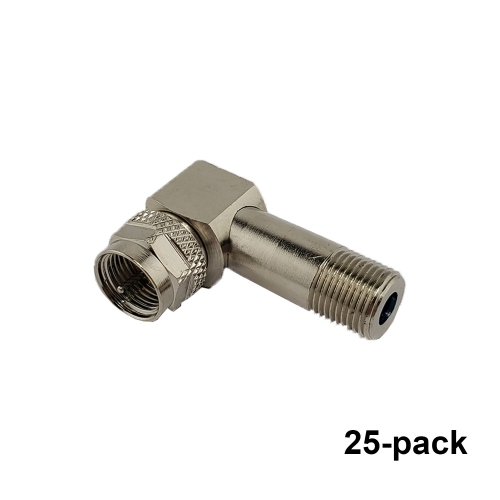

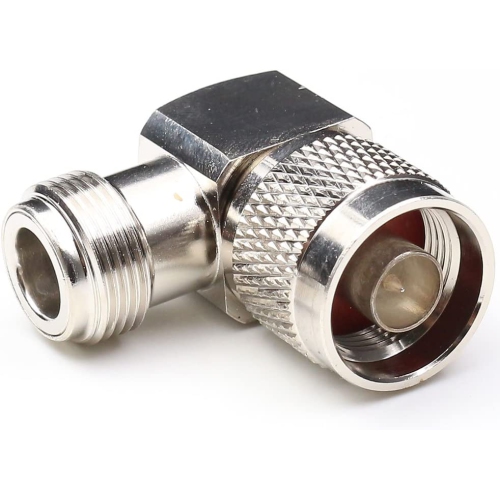
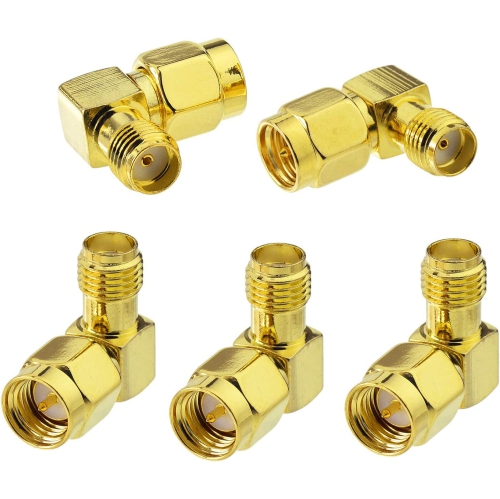
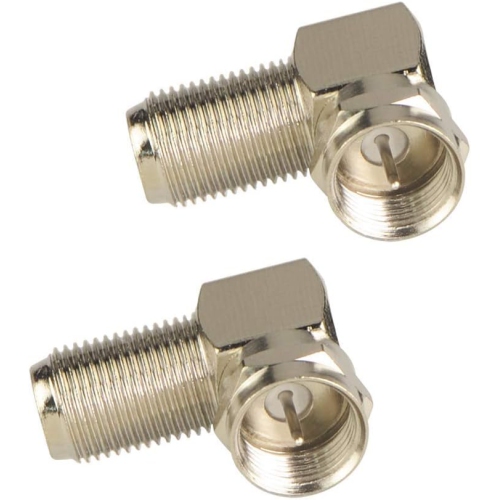
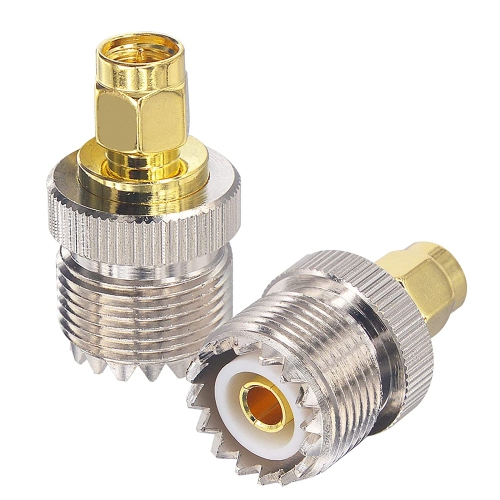
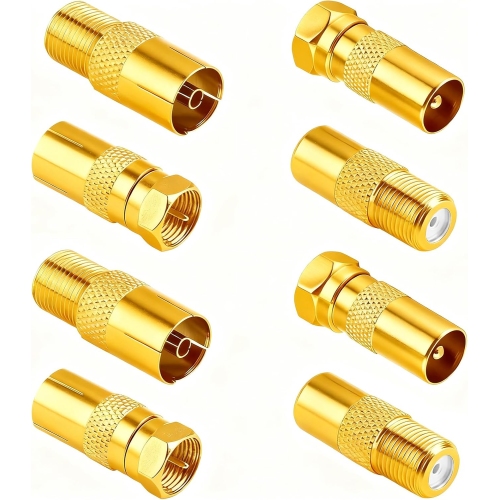
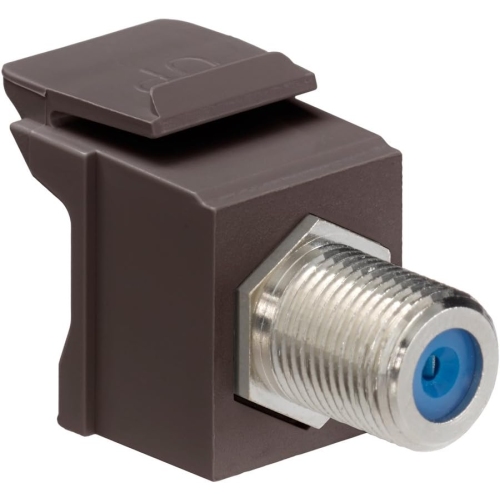
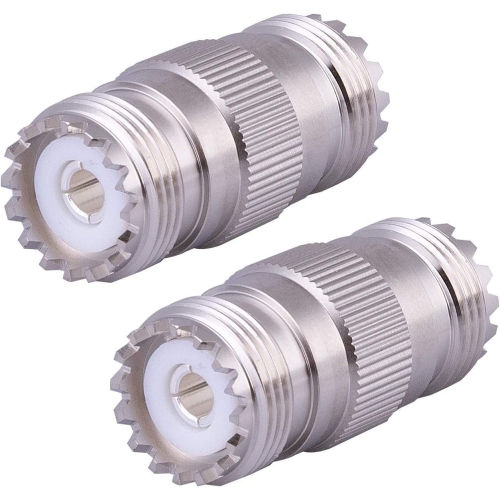
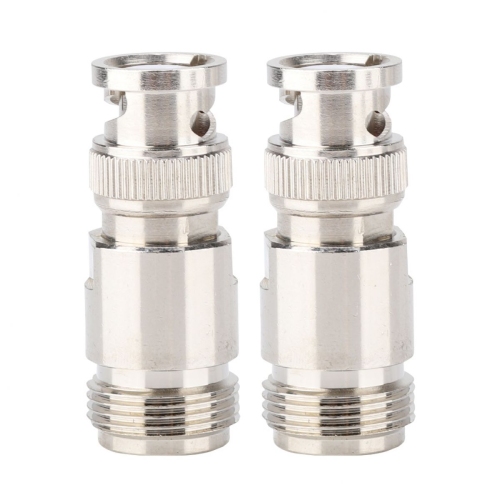
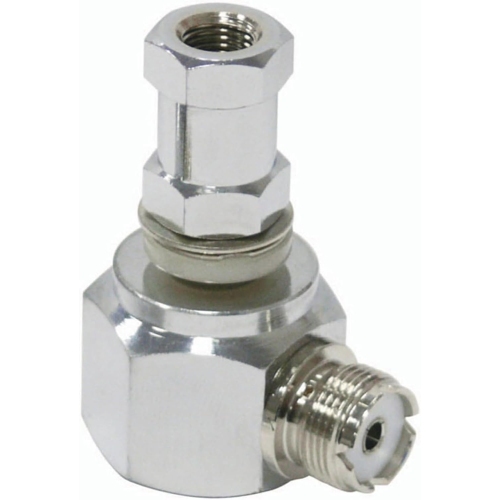
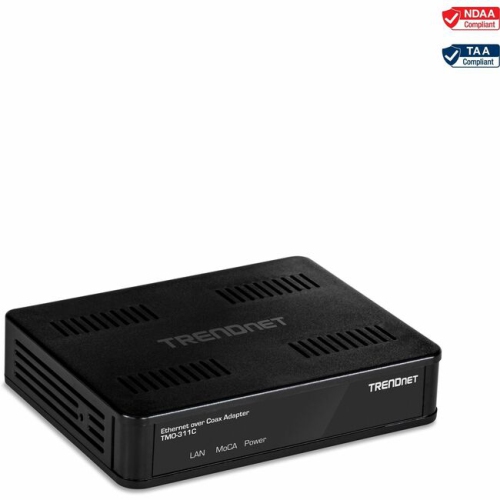
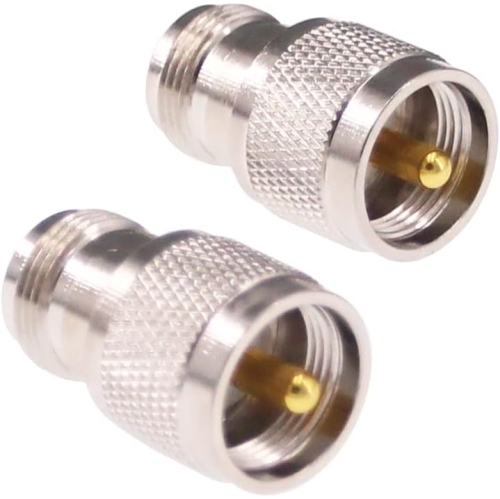


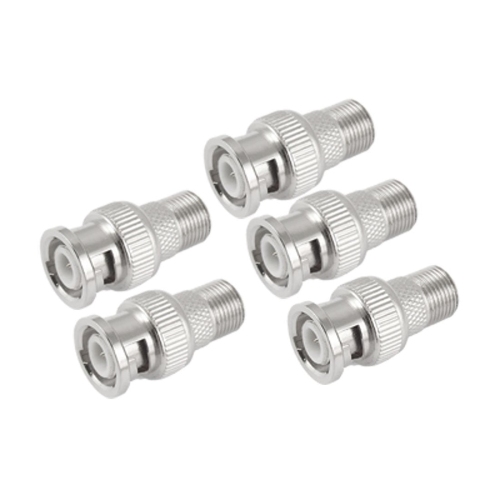
Why coax compatibility goes beyond a matching connector
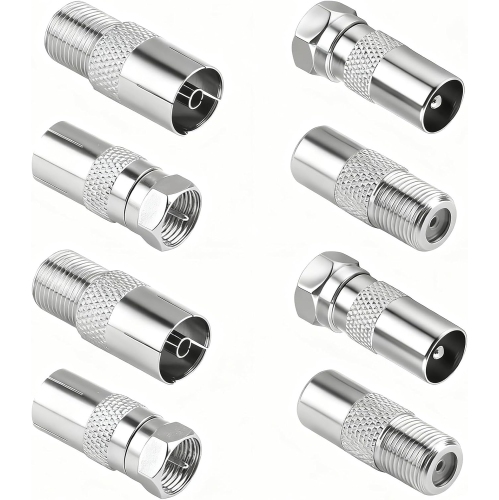
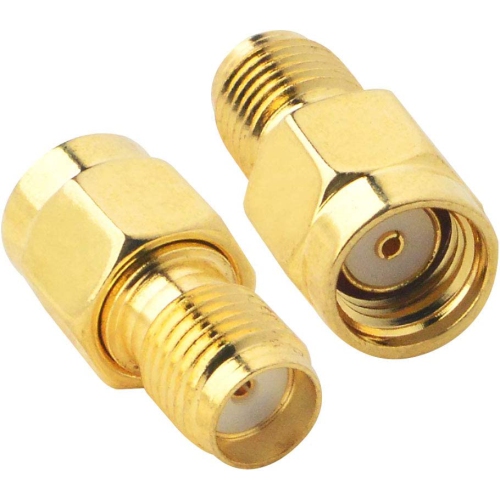
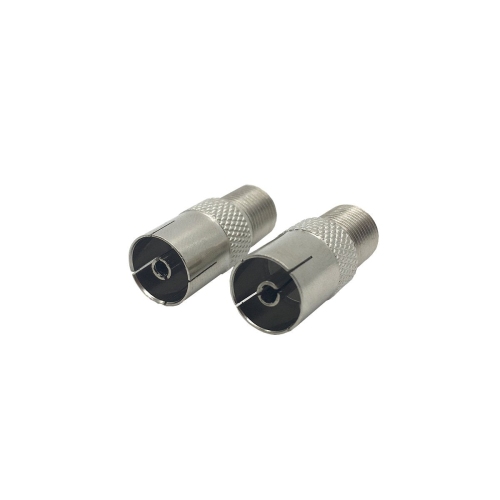
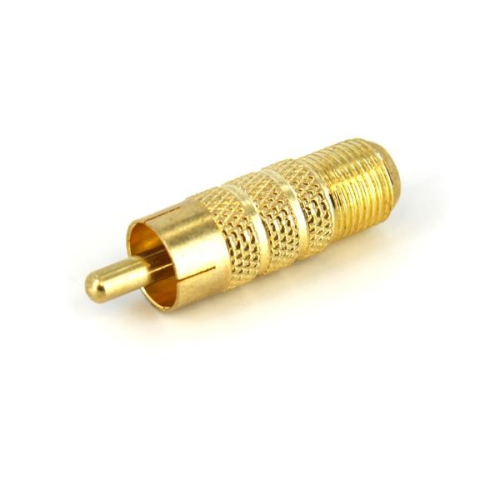
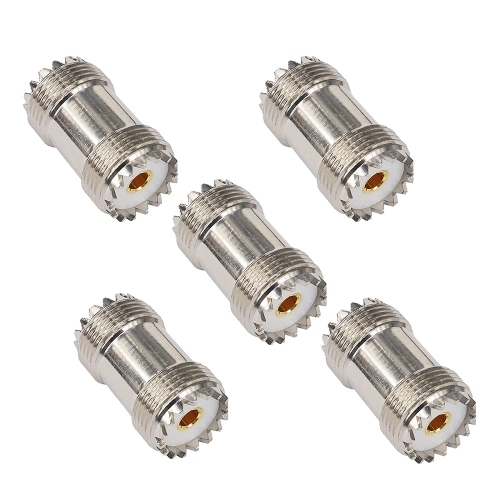
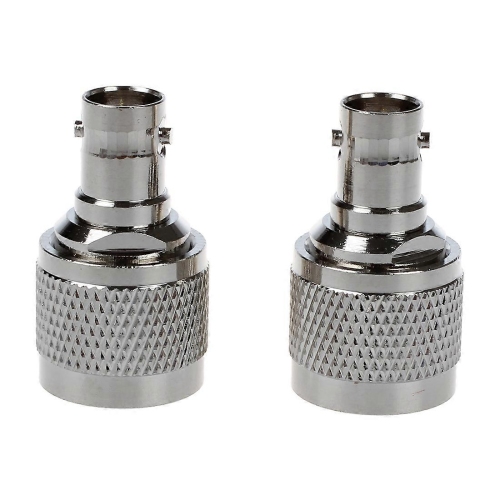
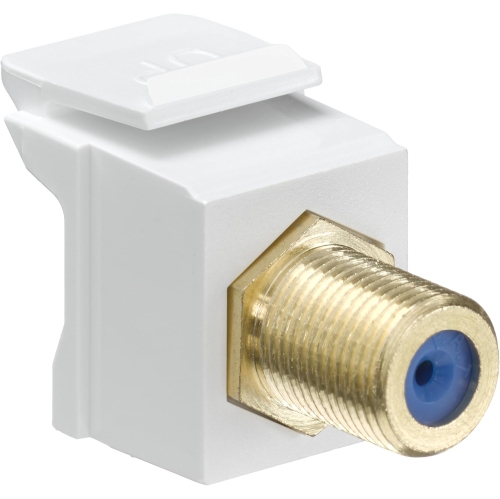
Coaxial adapters connect coax cables and equipment when the existing connectors do not match, when a cable needs extending, or when a connection needs a different orientation. They are used with television aerials, cable TV connections, cable modems, satellite receivers, video equipment, and radio-frequency systems. The right fit depends on the connector type at each end, the connection’s impedance, and the frequencies the adapter is designed to carry. F-type connectors are familiar on televisions, wall outlets, and cable modems, with a threaded fitting that holds the connection in place. BNC connectors use a push-and-twist locking mechanism and appear on compatible video and test equipment. SMA connectors are smaller threaded fittings used on certain antennas and radio devices. An F-type-to-BNC adapter changes the physical interface between those connector types, while a barrel coupler joins two compatible cable ends. These functions sound simple, but connector appearance alone does not establish compatibility. A fitting that screws into place may still have the wrong electrical characteristics for the system. Television and cable distribution commonly use 75-ohm connections, while many radio-frequency applications use 50-ohm connections; BNC connectors, in particular, are made for both. Matching the adapter to the equipment and cable helps limit signal reflections and avoid unnecessary losses. Connector gender also matters: two cables with male F-type ends typically need a female-to-female coupler, rather than another male fitting. With SMA and reverse-polarity SMA connections, checking the centre contact as well as the threaded housing is especially important because similar-looking fittings are not interchangeable. A passive coax adapter changes the connection, not the signal format. It cannot turn an antenna feed into an HDMI output, decode television programming, or make incompatible video standards work together. That distinction makes these accessories useful for connecting compatible equipment without suggesting that a different plug can replace the electronics required for signal conversion.
The construction of a coax adapter affects how securely it fits and how well it stands up to handling. Metal bodies, often made from brass with a protective plated finish, provide a firm threaded or locking connection, while the internal insulating material keeps the centre conductor separated from the outer contact. Consistent contact surfaces and a well-fitting housing help maintain the cable’s shielded signal path. Gold-coloured or nickel-coloured finishes alone do not establish performance; connector specifications, manufacturing quality, and suitability for the intended connection are more meaningful details. Frequency range matters alongside impedance, particularly when an adapter will carry satellite signals, broadband services, or higher-frequency radio signals. An adapter suitable for one television application is not automatically suitable for every coax-based system. Straight adapters keep the connection in line with the cable, making them useful where there is enough space behind a receiver or wall plate. Right-angle adapters can reduce how far a connection projects from equipment, which may help behind a wall-mounted television or inside a shallow media cabinet. The connector still needs clearance, and the cable needs room to curve without being sharply bent or pinched. Heavy cables can place strain on small ports, so supporting the cable is often as important as choosing a compact fitting. For adapters that attach to already terminated cables, the existing connector interface determines the fit. Cable designations such as RG6, RG59, and RG11 become particularly important when selecting connectors that fasten directly onto the cable, because their dimensions and construction differ. A compression or crimp connector must suit the cable it terminates; a threaded adapter is not a substitute for that properly fitted termination. Thread quality, secure centre contacts, and an intact housing are useful signs to inspect before installation. Connections should be secured according to the equipment and adapter instructions, without forcing mismatched threads or applying excessive torque to a device’s port. A small fitting should sit securely without making the cable or equipment carry unnecessary mechanical stress.
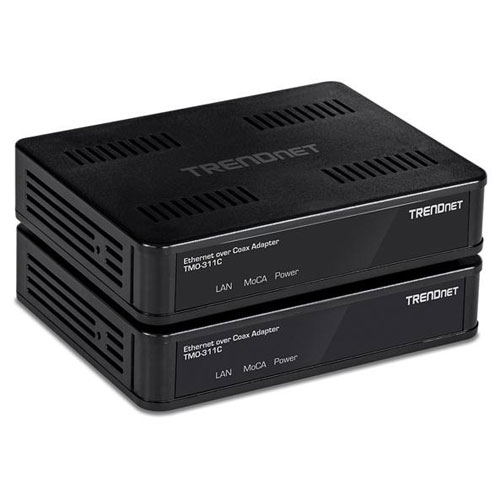
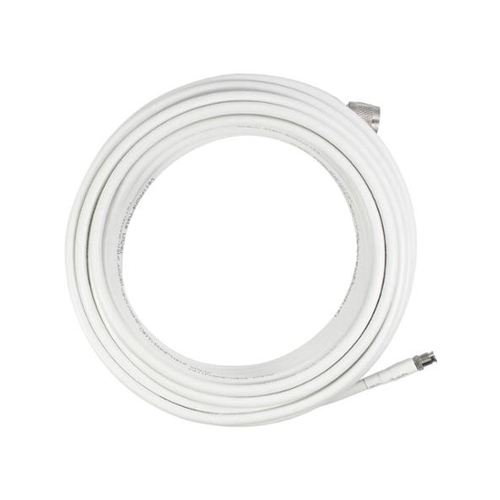
Everyday uses for coax adapters often involve modest changes to an existing setup rather than a complete replacement. A television moved across a room may need a longer cable run, while a receiver placed closer to the back of a cabinet may benefit from an angled connection. A compatible barrel coupler can join two cable lengths when replacing the entire run is impractical, although every added connection introduces another point where signal loss or a loose contact can occur. Where a single uninterrupted run is practical, browsing Coax Cables can help match the cable length and end fittings to the layout. An adapter and a splitter serve different purposes: an adapter joins or changes a connection, whereas a splitter divides a signal between paths and introduces its own losses. Neither is a substitute for an amplifier when amplification is genuinely needed, and amplification cannot repair a damaged cable or an incorrectly fitted connector. Some coax connections also carry DC power or control signals for connected equipment, so compatibility includes those functions when applicable. Network connections over existing coax wiring require suitable active networking equipment, not simply a passive coax-to-network plug. These distinctions are useful for households rearranging entertainment equipment, people connecting an antenna to a compatible tuner, and technicians matching interfaces on video or radio systems. Once fitted, adapters generally need little attention beyond keeping connections clean, dry, and free from strain. Disconnecting equipment before changing connections, following its instructions, and keeping dust away from exposed contacts support careful handling. Bent centre contacts, damaged threads, loose fittings, or visible corrosion are reasons to inspect the connection rather than repeatedly tightening it. Cleaning should follow the manufacturer’s directions, with no liquid introduced into a connected port. Spare adapters are easier to identify when stored by connector type and kept with their specifications. A clearly matched fitting, a supported cable, and enough clearance around the port make a more dependable connection than a chain of adapters added simply to make the ends meet.
Top selling and popular products
-
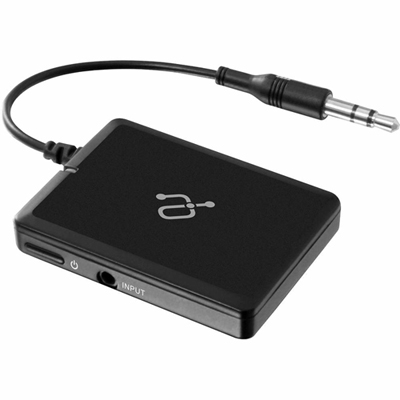 Your price for this item is $34.99
-
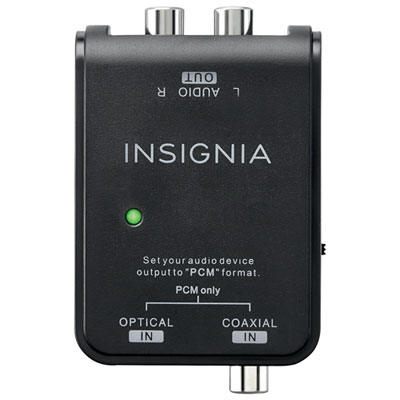 Your price for this item is $39.99
-
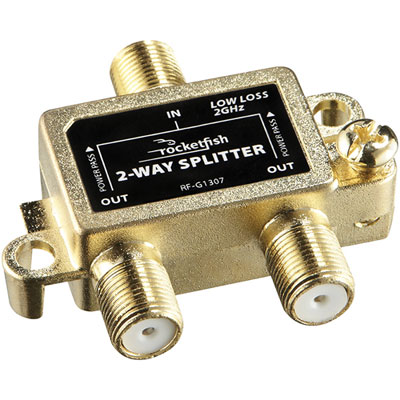 Your price for this item is $3.97
-
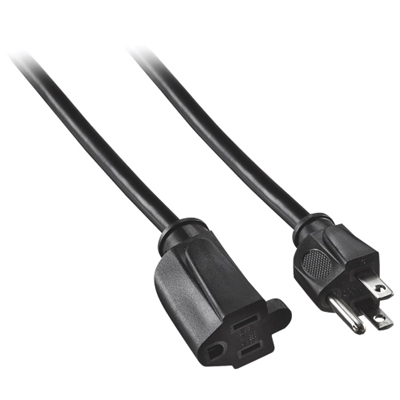 Your price for this item is $4.97
-
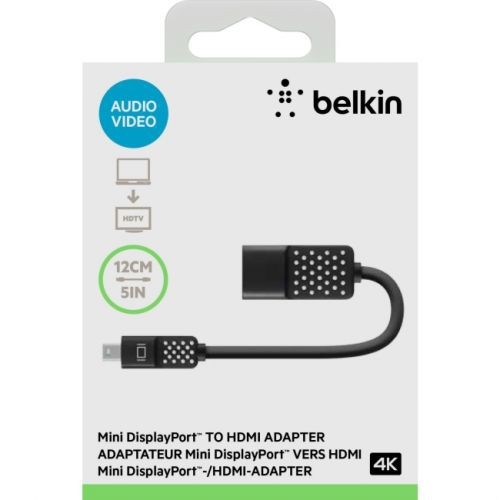 Your price for this item is $34.68
-
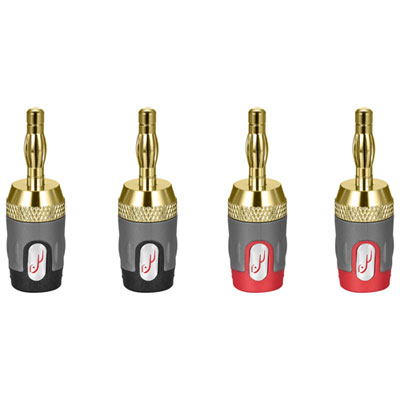 Your price for this item is $24.99
-
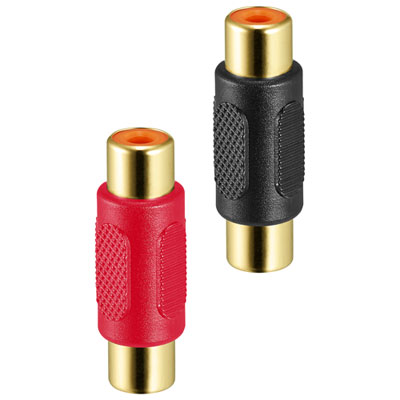 Your price for this item is $9.99
-
 Your price for this item is $63.68
Discover more categories related to Adapters Coax
Top Collections:
Best Black Friday Deals This Year, Best Black Friday Deals On Electronics, Kindle Devices, Pokemon Centers, Best Black Friday Deals On Apple Products, Best Cameras for Sports Photography, Dyson Airwrap, Pokémon 30th Celebration Cards, Apple iPhone 17 Pro, Canon G7X Cameras
Some products may be subject to Environmental Handling Fees
(EHF) depending on your province.
Learn more about EHFs.