Coax Cables
Looking for reliable and high-quality coax cables to enhance your home entertainment setup? Look no further! Our collection of coax cables offers a wide range of options to suit your needs, whether you're connecting your TV, satellite receiver, or cable box. With superior signal transmission capabilities and durable construction, these cables are designed to deliver clear audio and video signals for an immersive viewing experience. Upgrade your connectivity with our selection of coax cables today!
Sort
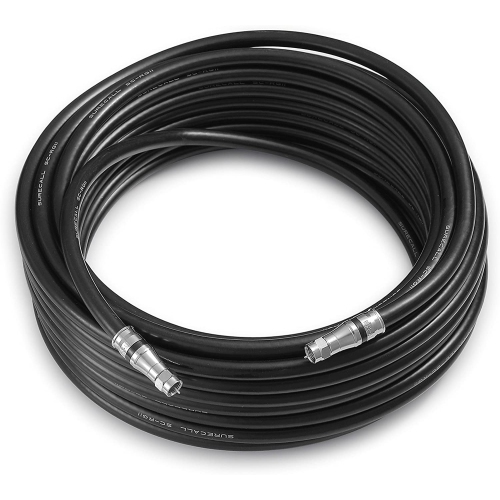
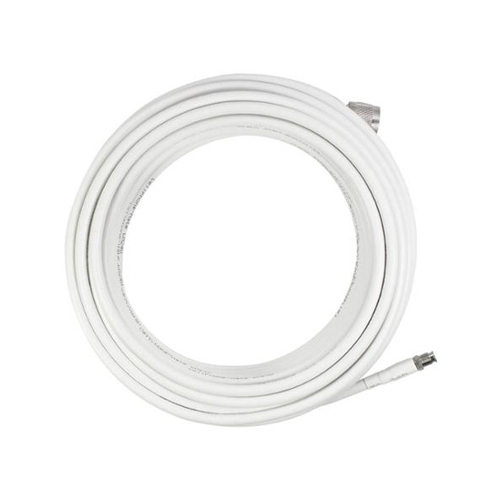

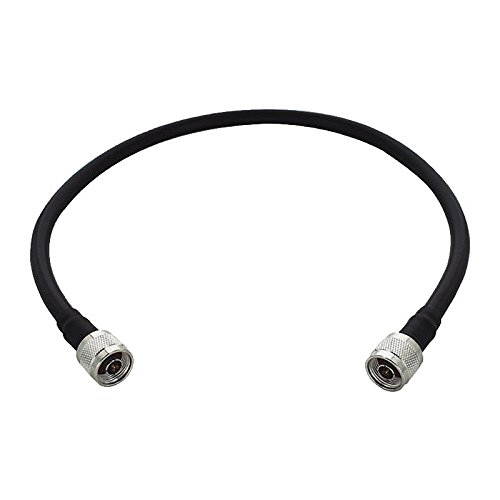
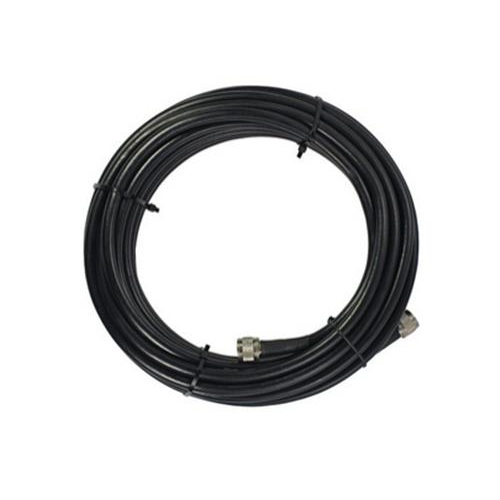
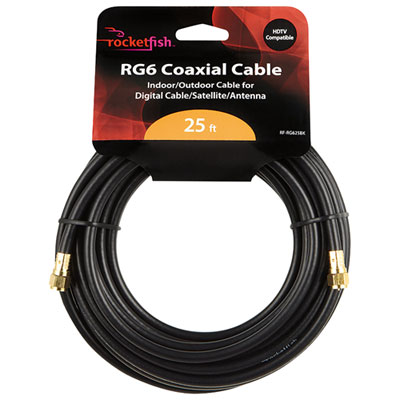
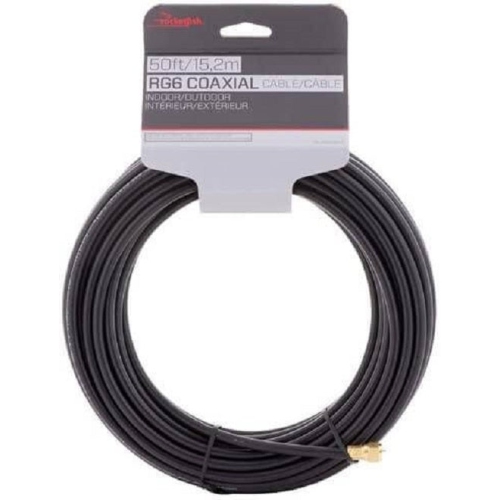
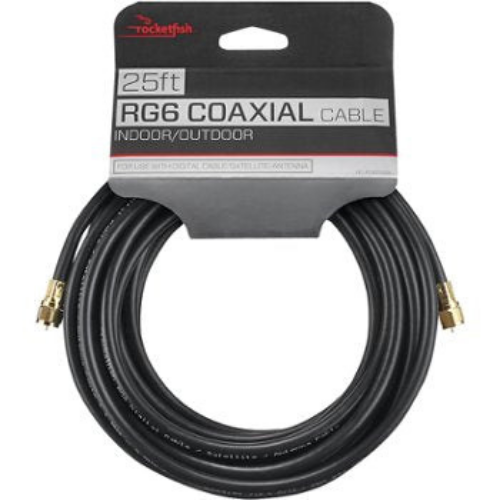
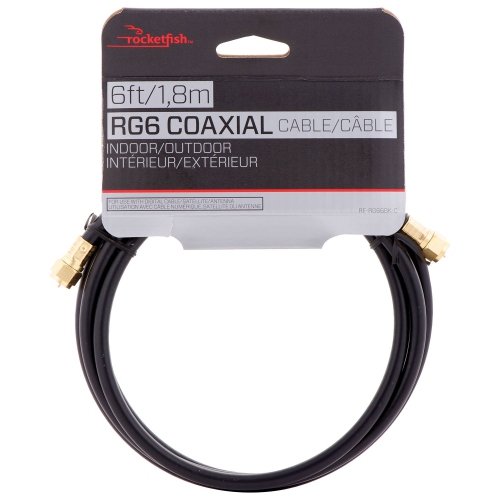
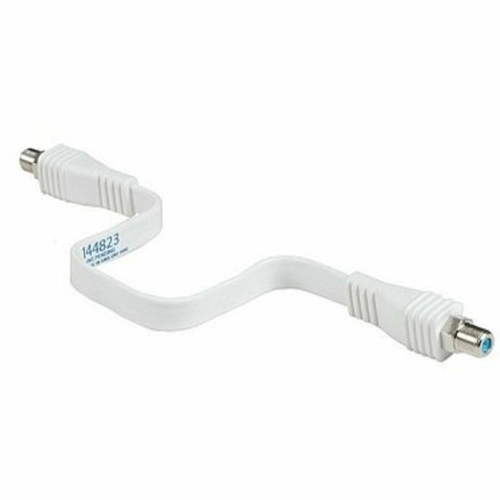
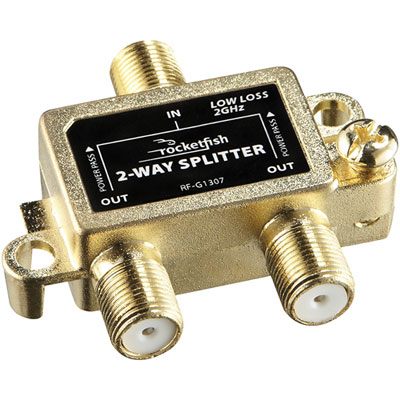
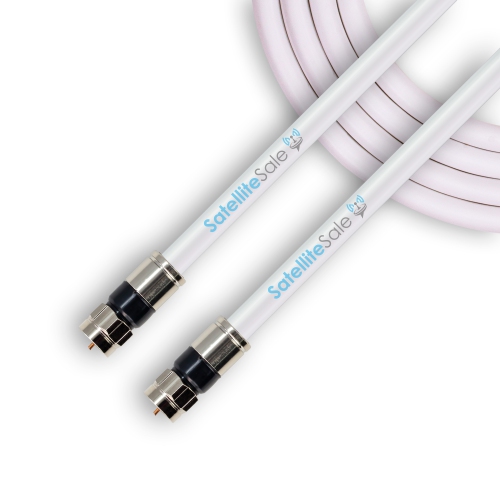
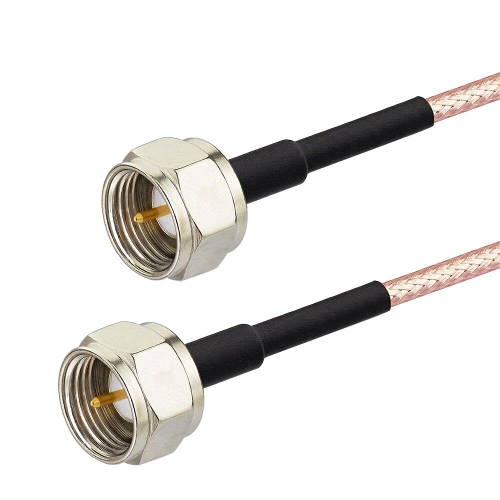
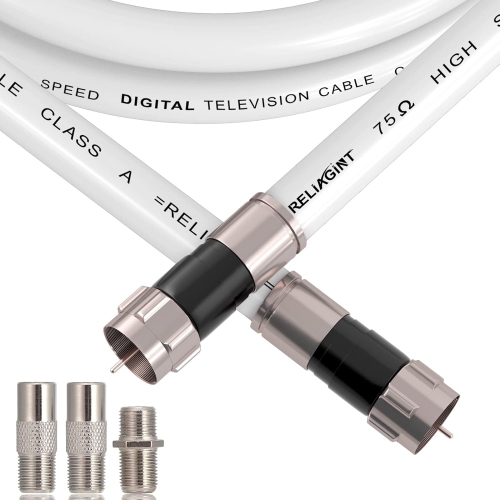
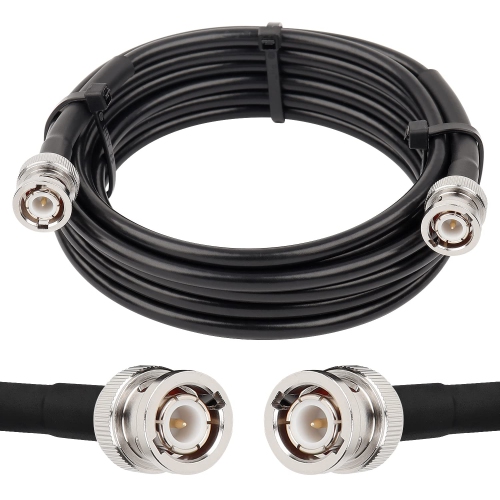
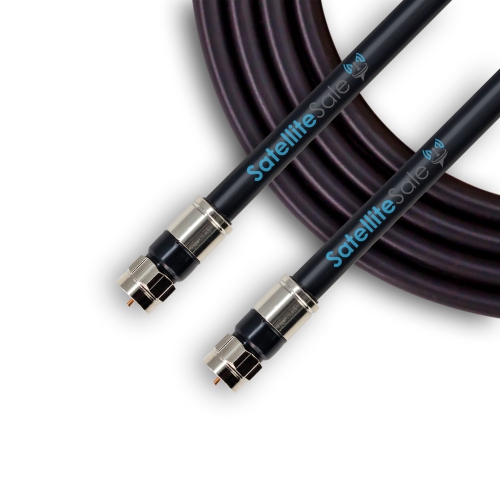
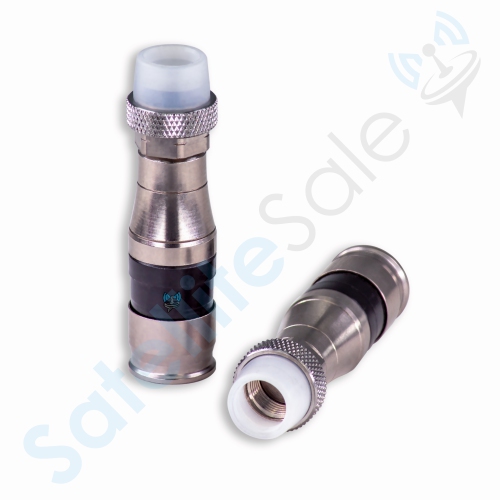
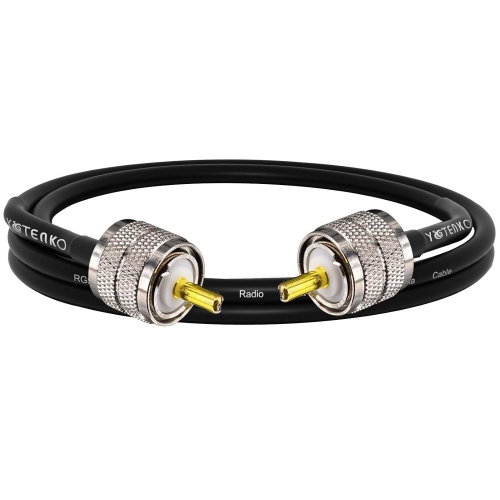
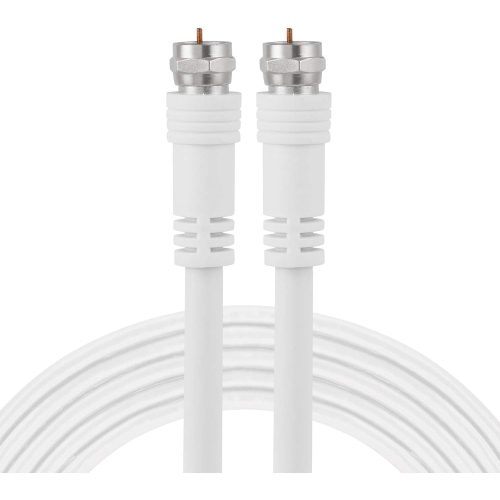
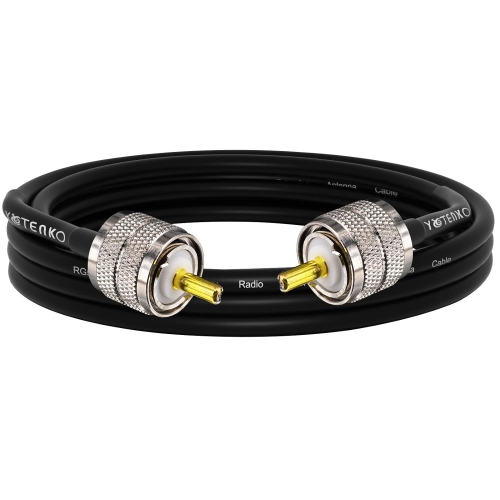

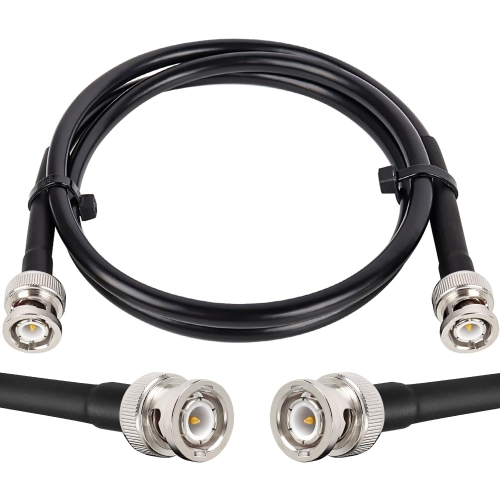

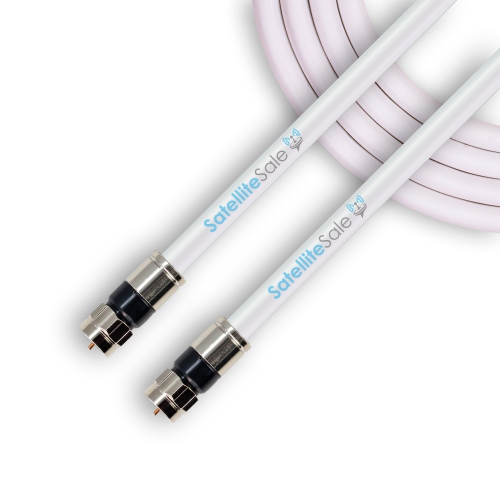
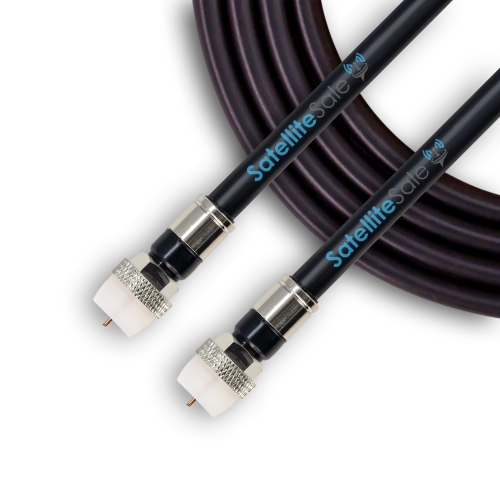
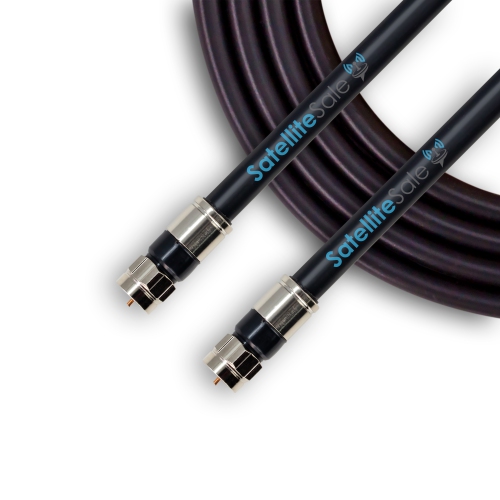
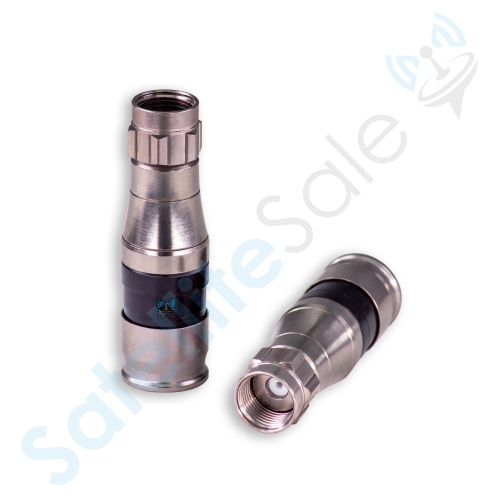
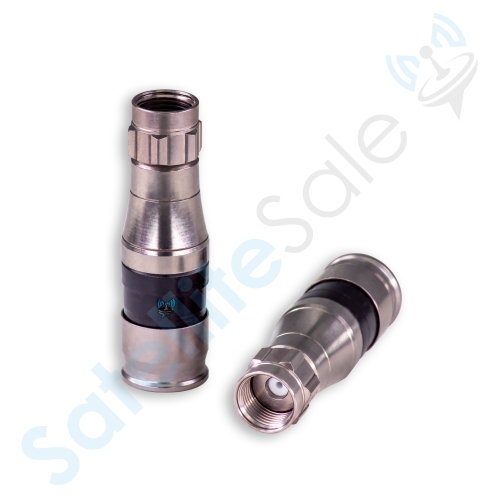
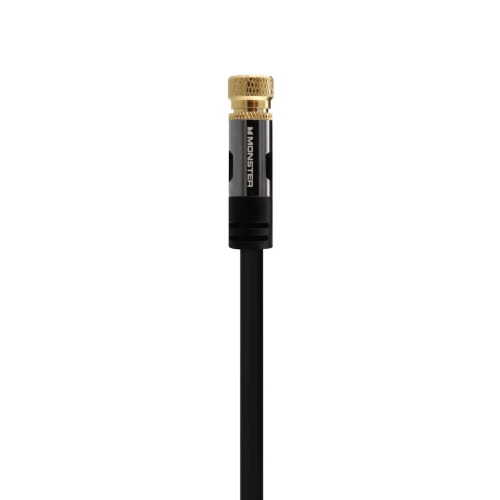
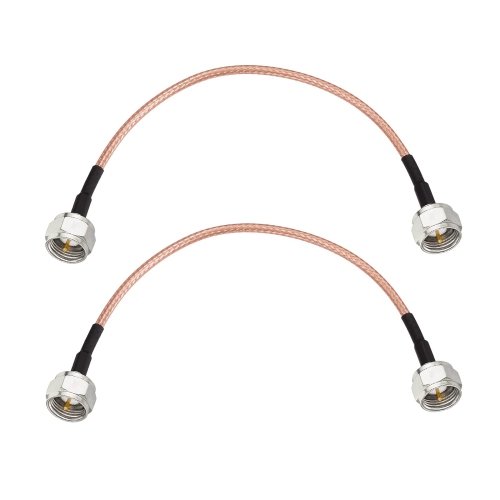
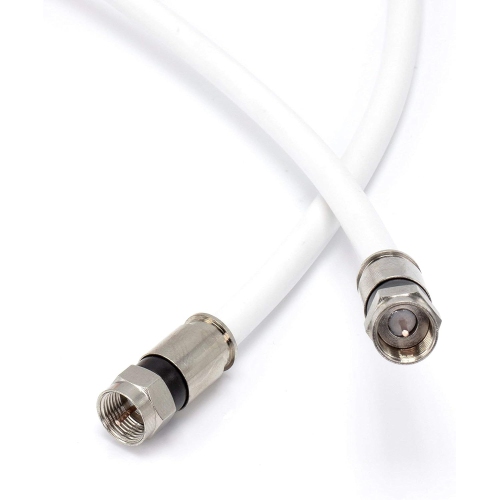
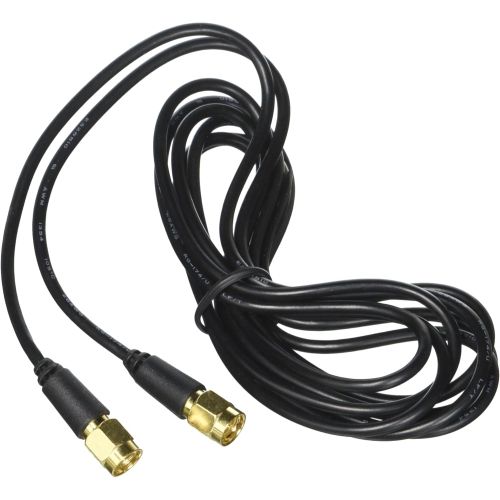
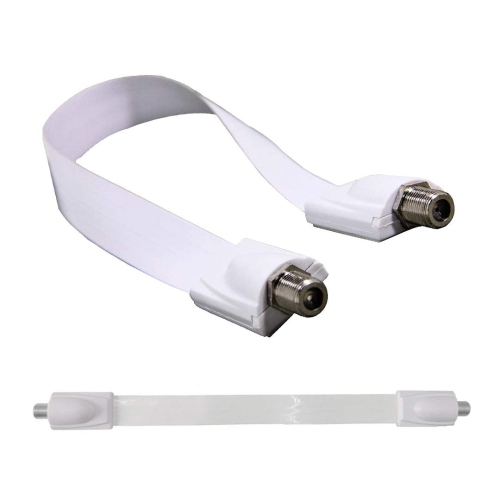
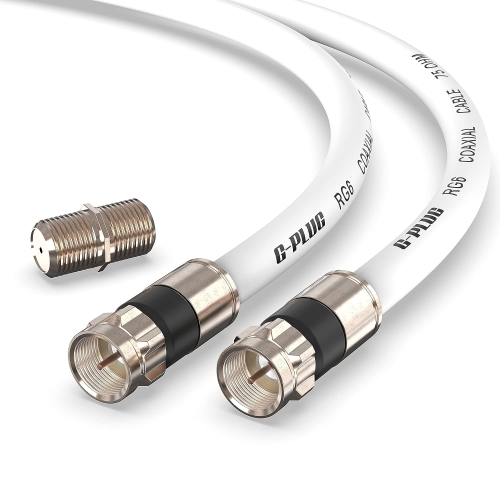
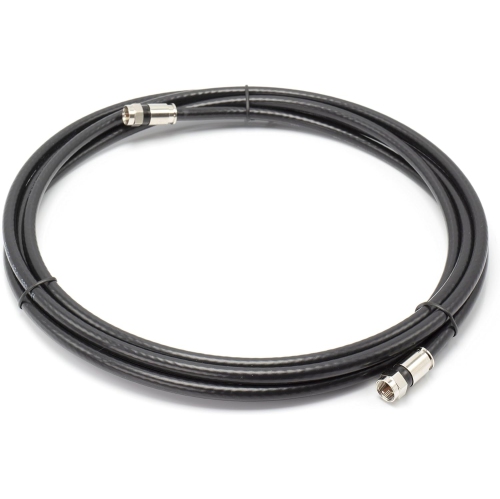
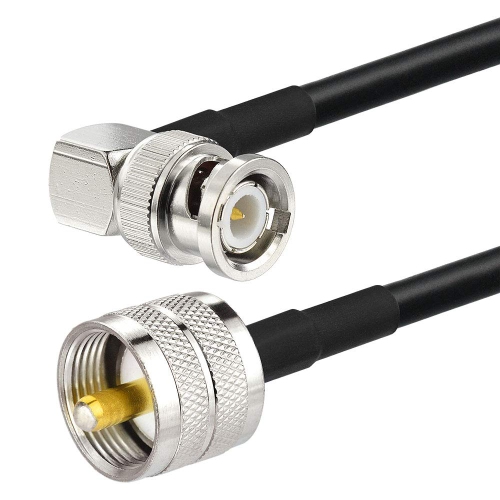
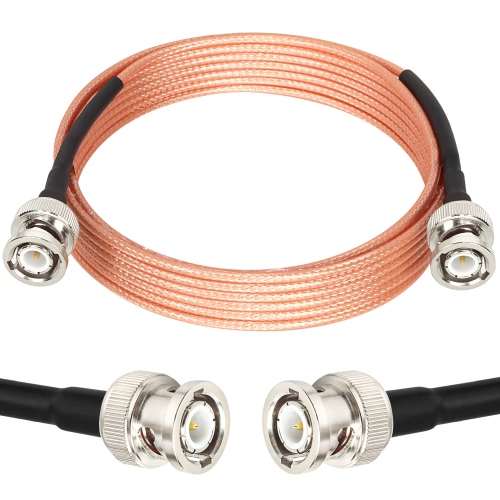
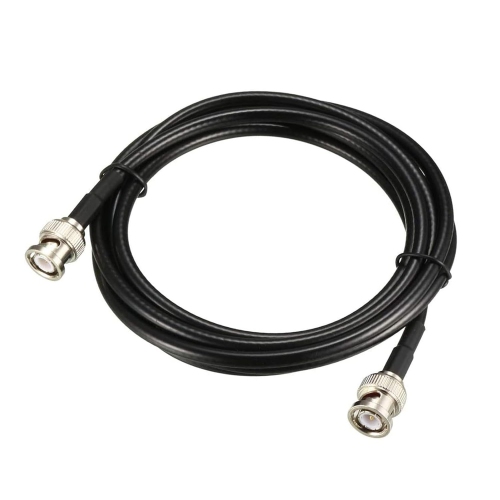
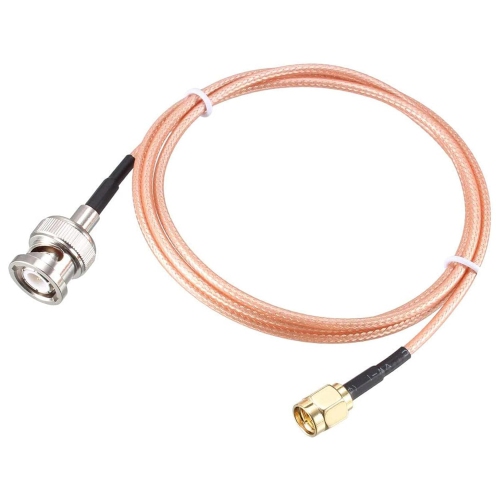
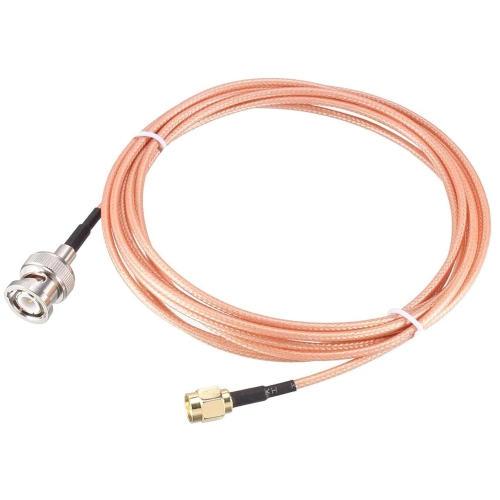
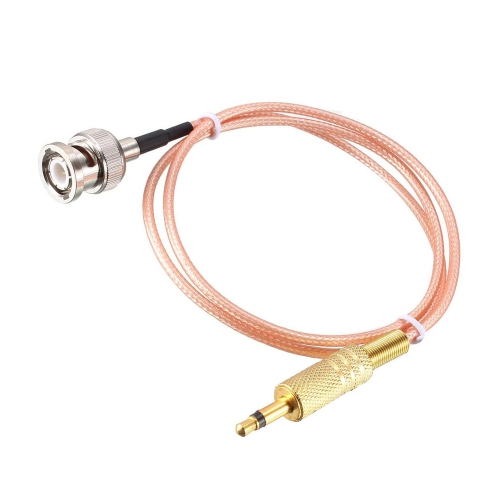

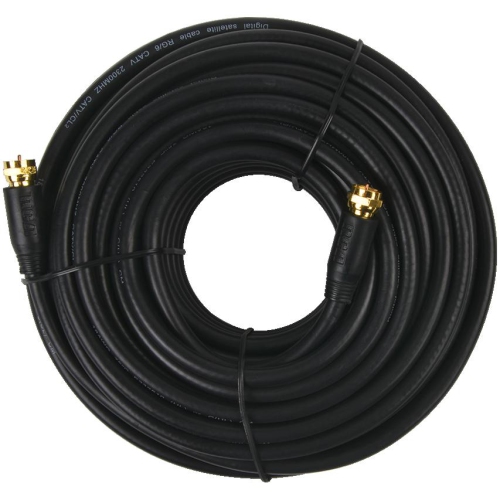

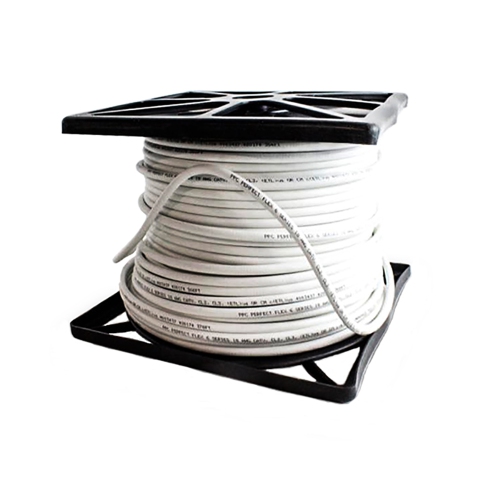
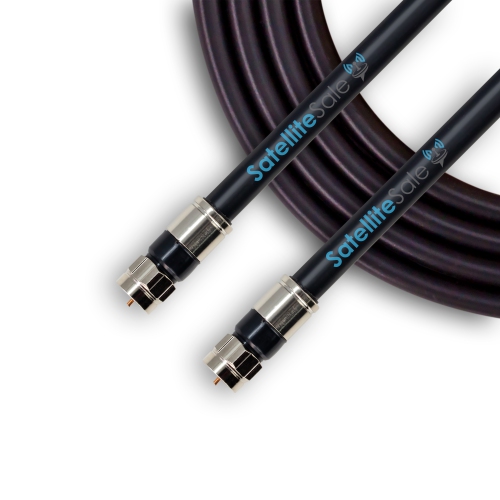
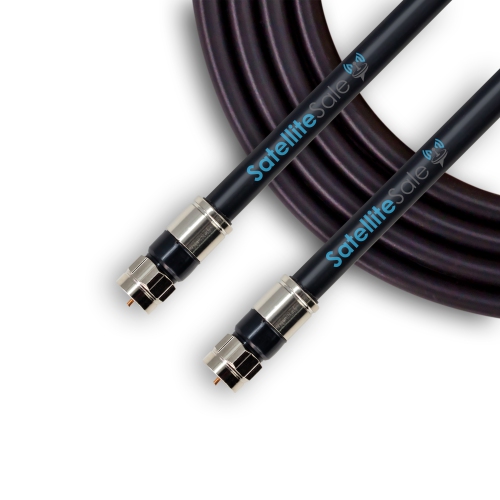
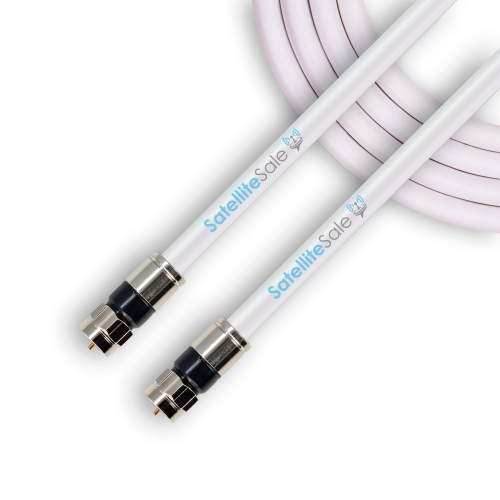
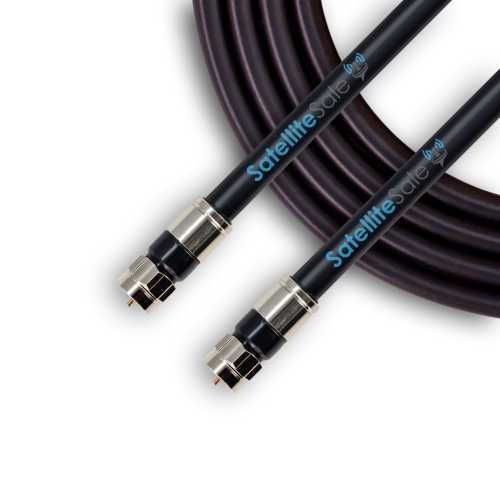
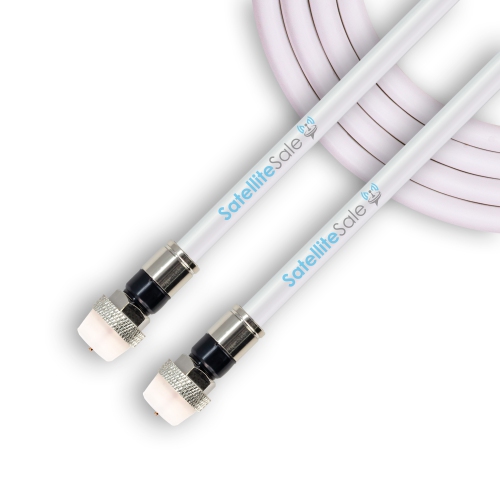
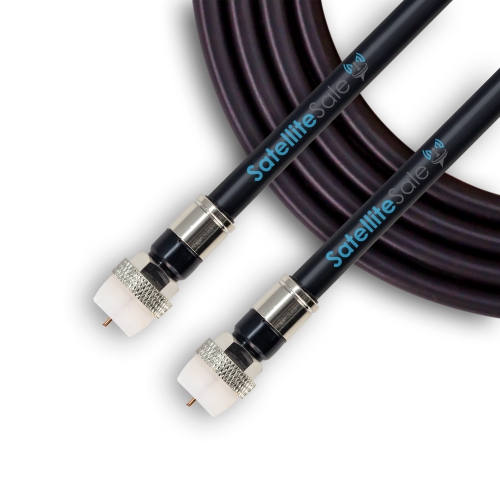
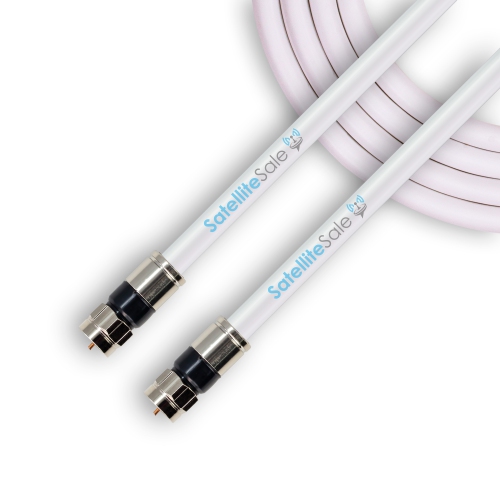
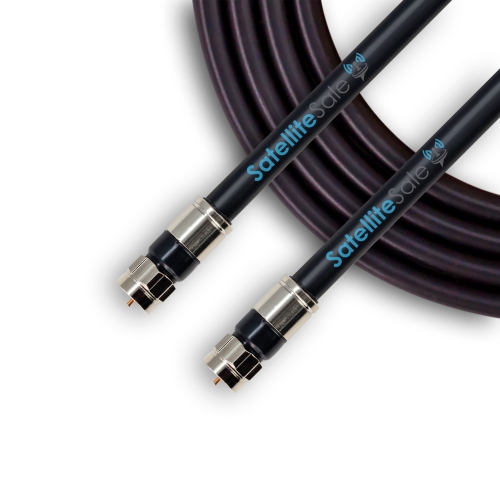
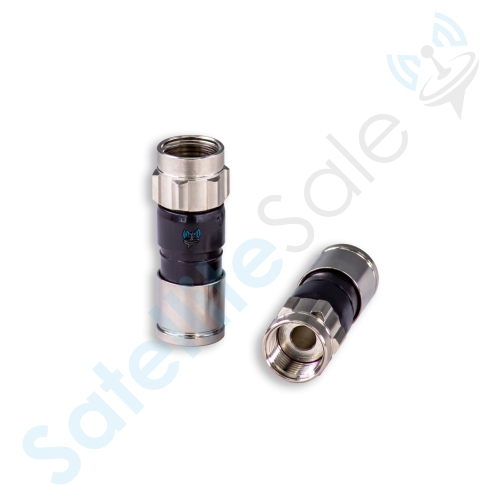
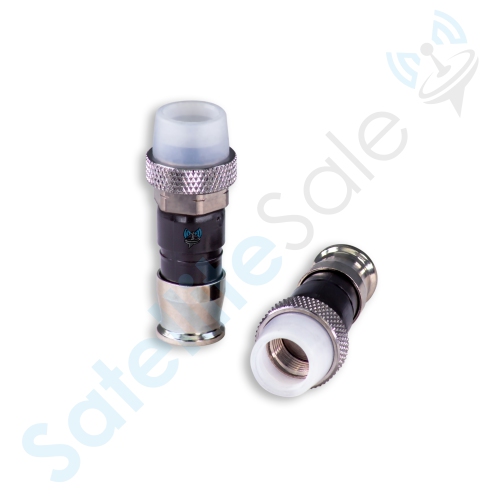
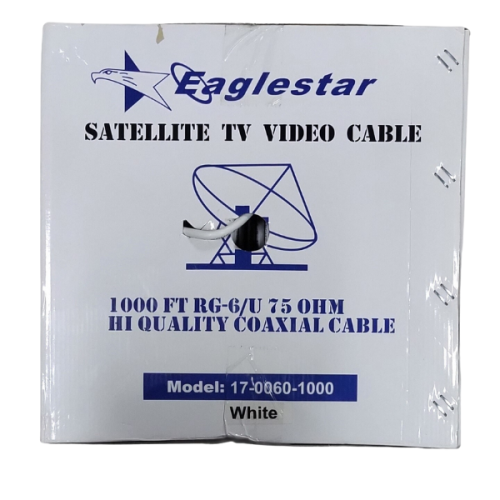
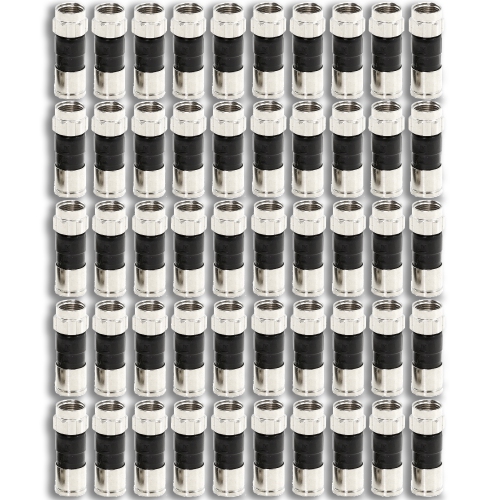
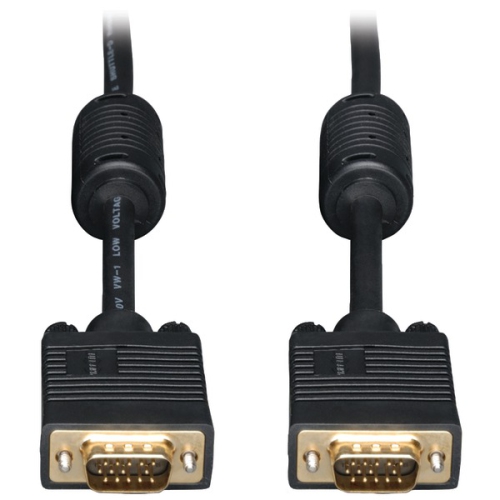
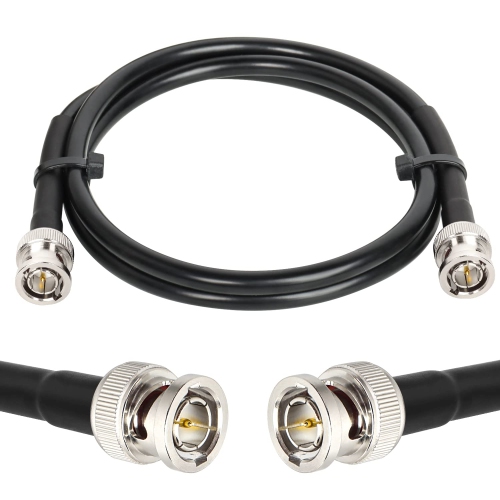
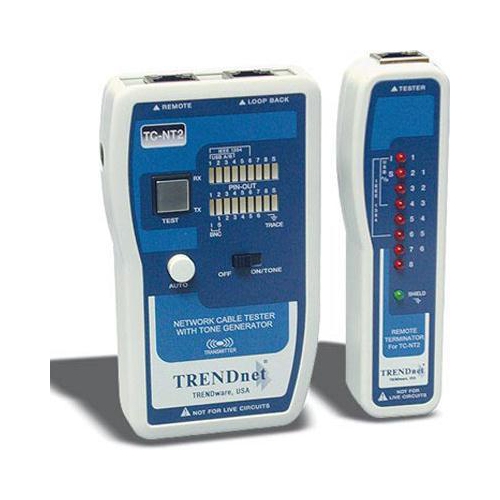
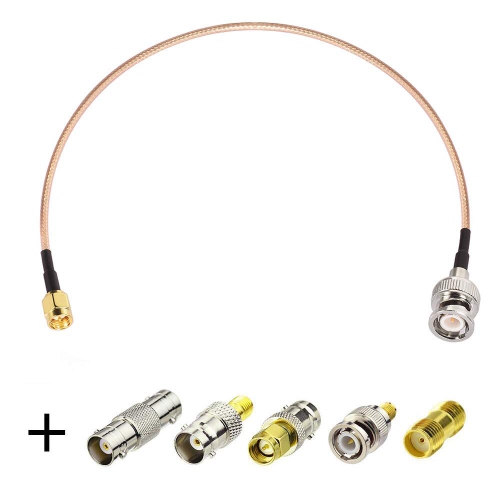
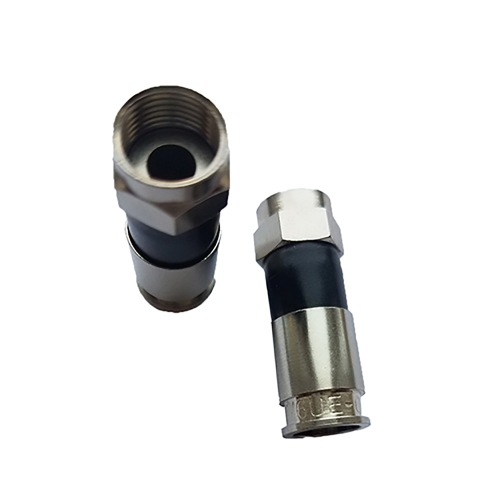
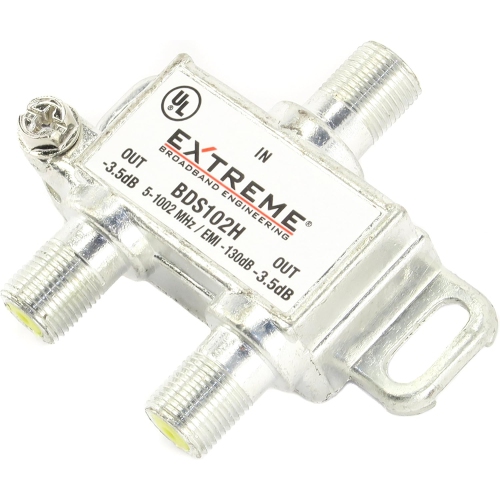
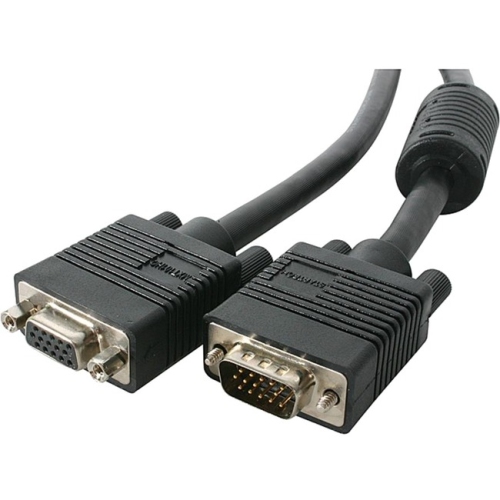
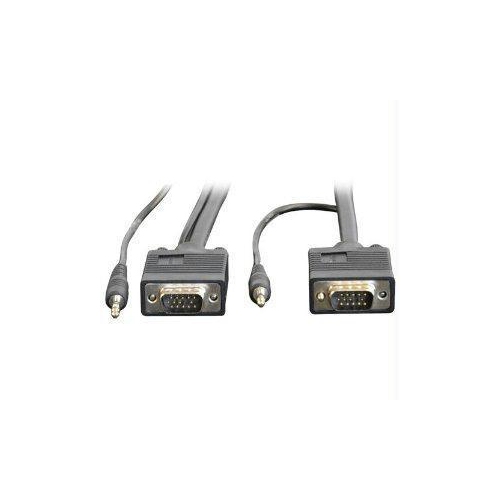
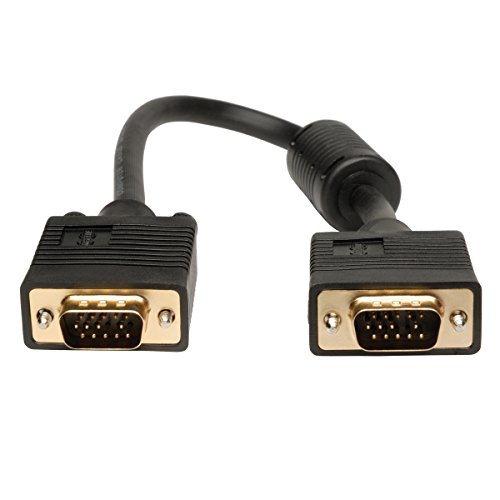
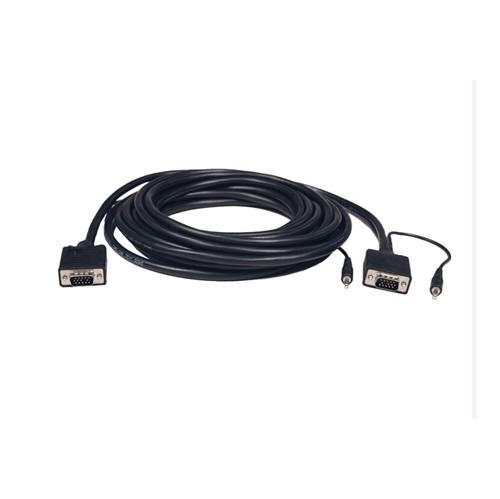
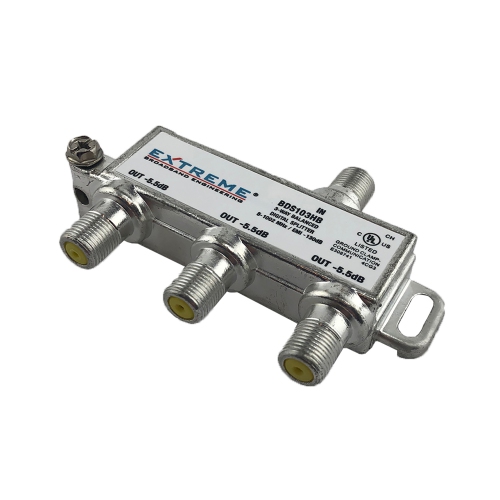
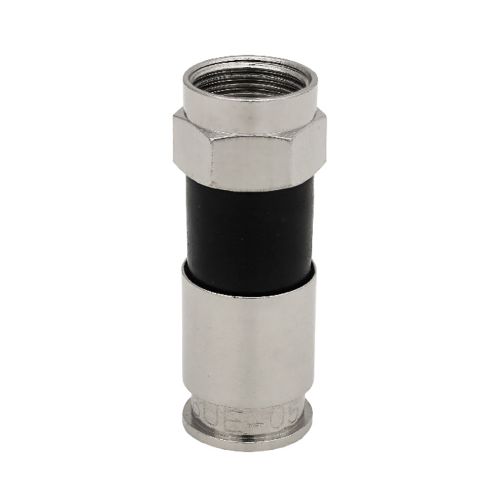
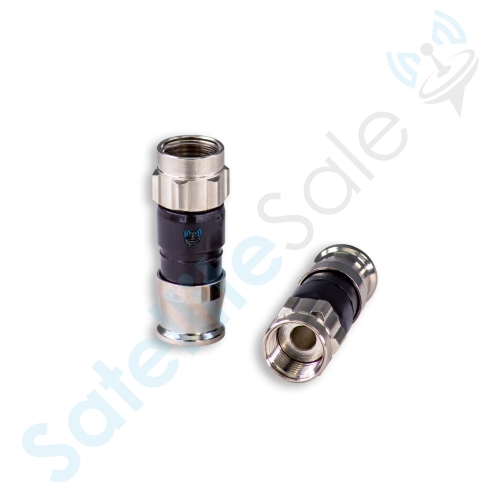
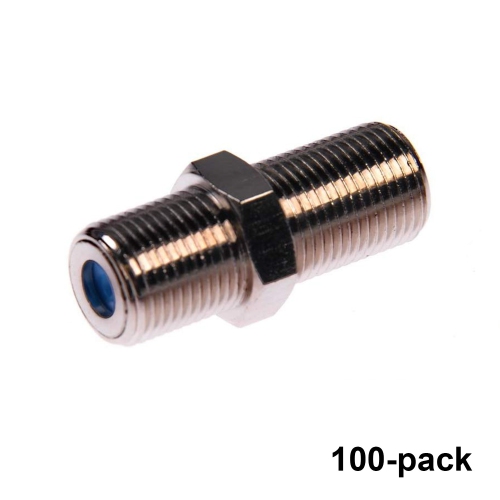
The right coax cable supports reliable home connections
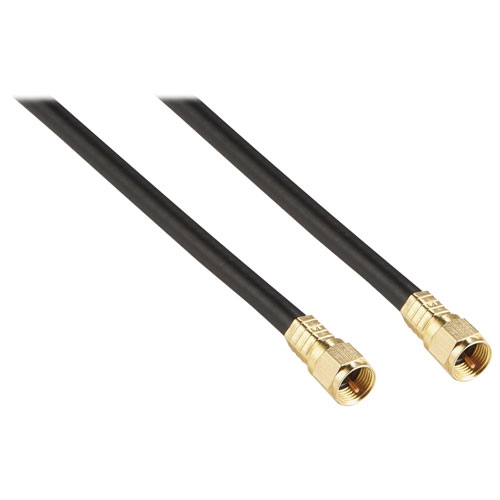
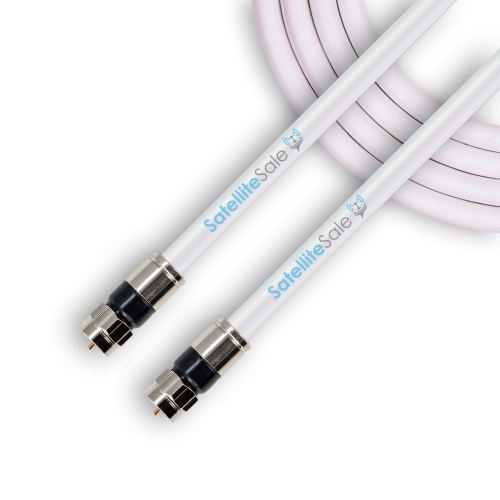
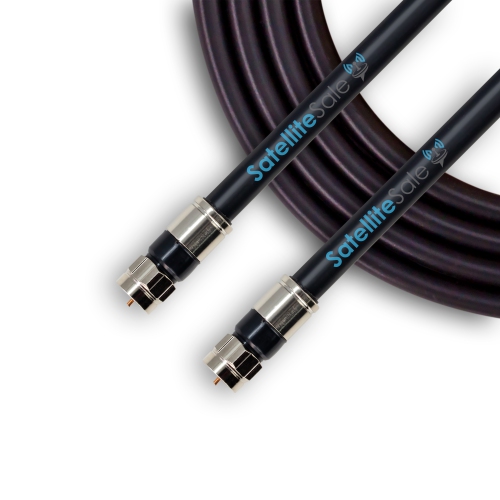
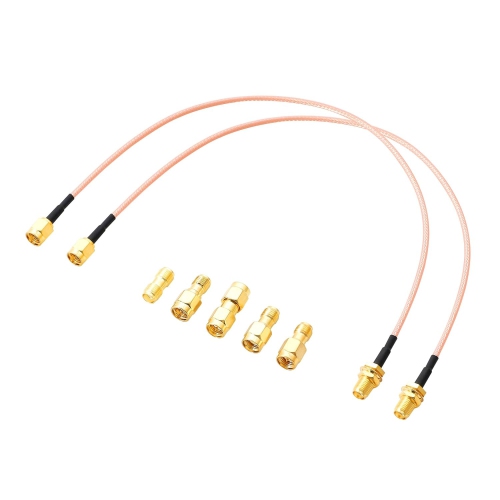
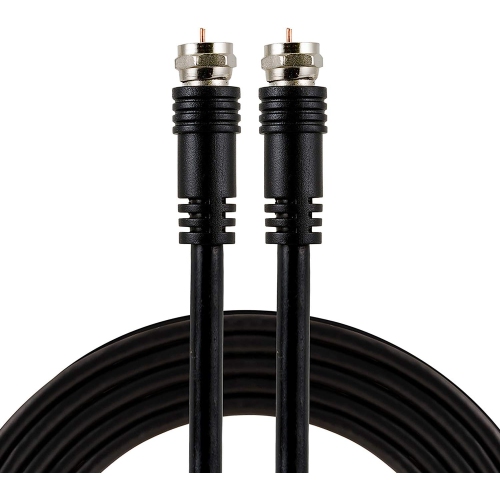
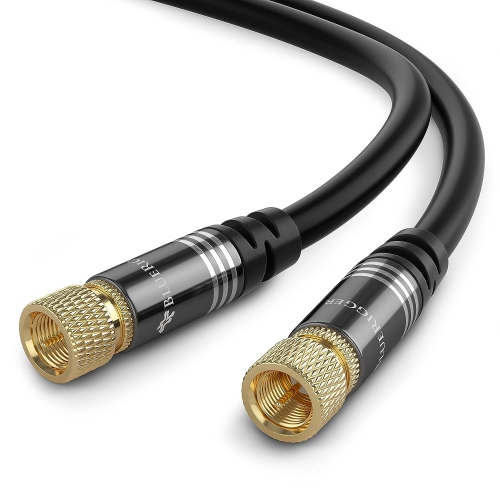
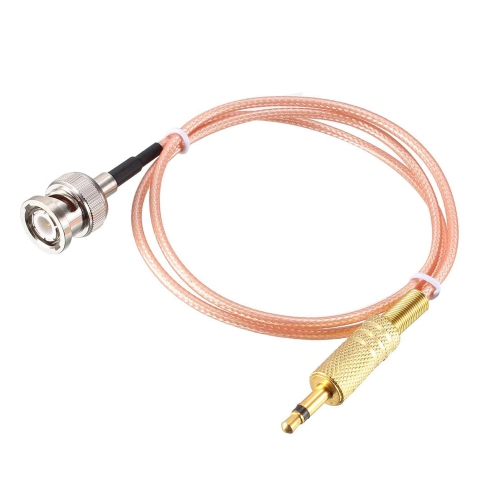
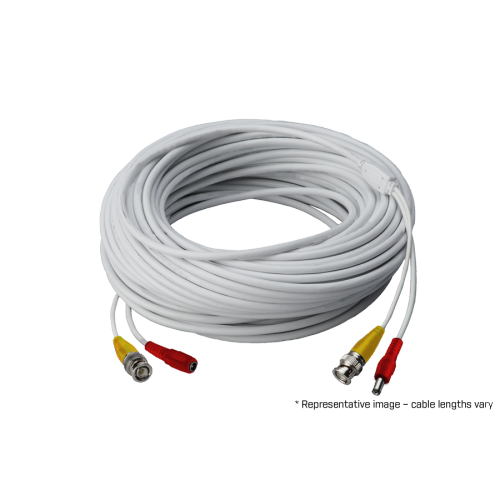
Coax cables, also called coaxial cables, carry high-frequency radio, television, satellite, antenna, and internet signals between compatible equipment. They are built in layers, with a central copper or copper-clad conductor carrying the signal, a dielectric insulator keeping that conductor separated from the shielding, a braided or foil shield helping block electromagnetic and radio frequency interference, and an outer jacket protecting the cable from everyday handling. This layered construction allows a coax cable to carry signals cleanly through a home entertainment setup while reducing the effect of nearby electronics, power cords, and other sources of interference. Many coax cables use F-type connectors, the familiar threaded ends commonly found on televisions, cable boxes, satellite receivers, wall outlets, antennas, and cable modems. Before choosing a cable, check the connection points on your equipment and confirm that the connector type, cable specification, and intended use match your setup. A cable that fits securely is less likely to loosen when equipment is moved or dusted, and a snug connection can help prevent intermittent picture, sound, or internet service. Browse the selection of Cable Coaxial options to find cables suited to different home entertainment and communication arrangements, from short connections behind a television stand to longer runs between rooms. Coax cables are useful for setting up a new television, replacing a cable that has become bent or damaged, connecting an over-the-air antenna, linking a modem to a wall outlet, or extending a satellite or cable television connection to a more convenient location. They can also be a practical addition to a household toolbox, especially for anyone who rearranges their media area, renovates a room, or helps family members troubleshoot a home theatre system.
Cable type and length are two of the most important details to compare. RG-6 is a common choice for modern digital cable television, satellite service, over-the-air antenna signals, and many high-speed internet connections. It generally has a thicker construction and more robust shielding than older cable types, making it well suited to longer runs and installations where signal quality matters. RG-59 is thinner and often more flexible, which can make it useful for shorter connections or older analogue equipment, although it may not be the preferred option for every modern high-bandwidth application. Always follow the recommendations from your service provider or equipment manufacturer when the connection supports internet, satellite, or other high-frequency services. The right length should reach from one device to the other without pulling, stretching, or leaving a large coil behind the equipment. A cable that is too short can place stress on the connectors, while excessive slack can create a tangled space that is difficult to clean or organize. Measure the route rather than relying only on the distance between the devices, particularly when the cable needs to travel around furniture, along a baseboard, or through an entertainment unit. For installation inside a wall, look for cable marked for in-wall use and check local building requirements before beginning. Outdoor runs may require an exterior-rated jacket and weather-resistant connections, as indoor cable can deteriorate when exposed to moisture, sunlight, or large temperature changes. Pay attention to shielding as well: standard shielding may be suitable for a simple indoor connection, while a heavily populated media cabinet or a route running near electrical wiring may benefit from additional protection against interference. If a cable will be routed through a tight space, flexibility and connector size can be just as important as total length. Avoid sharply bending coaxial cable, crushing it under furniture, or fastening it so tightly that the jacket or internal layers are compressed.
Coax cables are often used by people upgrading a living room, finishing a basement, setting up a bedroom television, or preparing a home office with a cable modem. They can also be helpful for renters and students who need a straightforward connection between an existing wall outlet and their equipment without changing the surrounding setup. Someone moving into a new home may appreciate a spare cable for connecting a television or modem, while a relative who enjoys watching broadcast television, following live sports, or maintaining a classic media collection may find a replacement cable useful as part of a practical electronics gift. In a typical setup, one end connects to the wall outlet and the other connects to a television, receiver, modem, set-top box, or antenna. Tighten threaded connectors by hand until secure, without using tools that could damage the fitting, and keep the cable away from sharp edges and heavy foot traffic. If a picture breaks up, channels disappear, or an internet connection becomes unreliable, inspect the entire route for loose connectors, kinks, crushed sections, or visible jacket damage before replacing other equipment. It is also worth checking that the wall outlet and connected devices are compatible with the service being used; a new cable cannot correct an inactive outlet, a service issue, or equipment that does not support the required signal. For a neat installation, route the cable in a gentle curve, leave a small amount of slack near each device, and label both ends when several similar cables run behind a cabinet. During the cooler months, when more time is spent indoors watching television, streaming, or organizing home technology, a properly selected coax cable can make a media setup easier to install and simpler to maintain. With the correct cable type, suitable length, secure connectors, and an appropriate indoor or outdoor rating, coaxial cable provides a dependable connection for many everyday television, antenna, satellite, and internet arrangements.
Cable type and length are two of the most important details to compare. RG-6 is a common choice for modern digital cable television, satellite service, over-the-air antenna signals, and many high-speed internet connections. It generally has a thicker construction and more robust shielding than older cable types, making it well suited to longer runs and installations where signal quality matters. RG-59 is thinner and often more flexible, which can make it useful for shorter connections or older analogue equipment, although it may not be the preferred option for every modern high-bandwidth application. Always follow the recommendations from your service provider or equipment manufacturer when the connection supports internet, satellite, or other high-frequency services. The right length should reach from one device to the other without pulling, stretching, or leaving a large coil behind the equipment. A cable that is too short can place stress on the connectors, while excessive slack can create a tangled space that is difficult to clean or organize. Measure the route rather than relying only on the distance between the devices, particularly when the cable needs to travel around furniture, along a baseboard, or through an entertainment unit. For installation inside a wall, look for cable marked for in-wall use and check local building requirements before beginning. Outdoor runs may require an exterior-rated jacket and weather-resistant connections, as indoor cable can deteriorate when exposed to moisture, sunlight, or large temperature changes. Pay attention to shielding as well: standard shielding may be suitable for a simple indoor connection, while a heavily populated media cabinet or a route running near electrical wiring may benefit from additional protection against interference. If a cable will be routed through a tight space, flexibility and connector size can be just as important as total length. Avoid sharply bending coaxial cable, crushing it under furniture, or fastening it so tightly that the jacket or internal layers are compressed.
Coax cables are often used by people upgrading a living room, finishing a basement, setting up a bedroom television, or preparing a home office with a cable modem. They can also be helpful for renters and students who need a straightforward connection between an existing wall outlet and their equipment without changing the surrounding setup. Someone moving into a new home may appreciate a spare cable for connecting a television or modem, while a relative who enjoys watching broadcast television, following live sports, or maintaining a classic media collection may find a replacement cable useful as part of a practical electronics gift. In a typical setup, one end connects to the wall outlet and the other connects to a television, receiver, modem, set-top box, or antenna. Tighten threaded connectors by hand until secure, without using tools that could damage the fitting, and keep the cable away from sharp edges and heavy foot traffic. If a picture breaks up, channels disappear, or an internet connection becomes unreliable, inspect the entire route for loose connectors, kinks, crushed sections, or visible jacket damage before replacing other equipment. It is also worth checking that the wall outlet and connected devices are compatible with the service being used; a new cable cannot correct an inactive outlet, a service issue, or equipment that does not support the required signal. For a neat installation, route the cable in a gentle curve, leave a small amount of slack near each device, and label both ends when several similar cables run behind a cabinet. During the cooler months, when more time is spent indoors watching television, streaming, or organizing home technology, a properly selected coax cable can make a media setup easier to install and simpler to maintain. With the correct cable type, suitable length, secure connectors, and an appropriate indoor or outdoor rating, coaxial cable provides a dependable connection for many everyday television, antenna, satellite, and internet arrangements.
Top selling and popular products
-
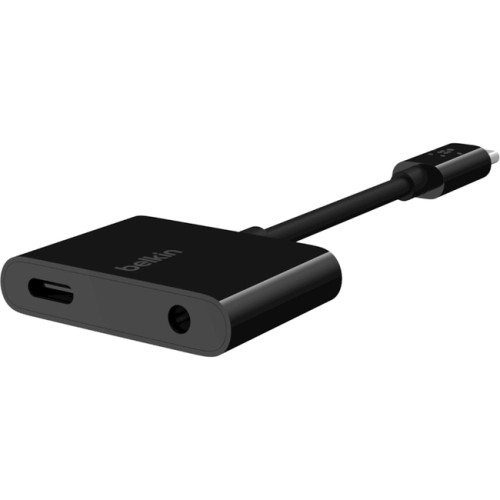 Your price for this item is $95.68
 -
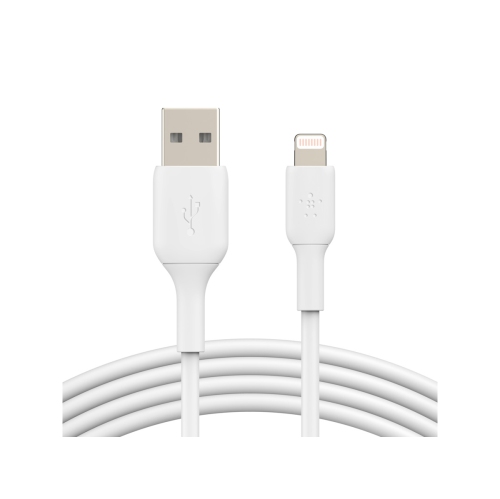 Your price for this item is $33.99
 -
 Your price for this item is $48.99
 -
 Your price for this item is $30.99
 -
 Your price for this item is $61.68
 -
 Your price for this item is $78.99
 -
 Your price for this item is $42.68
 -
 Your price for this item is $65.86
Discover more categories related to Coax Cables
Top Collections:
Pokemon Centers, Kindle Devices, Best Budget Office Chairs, Apple iPhones 16, Best Laptops for Writers, iPhone 15 Apple, Canon G7X Cameras, Refurbished Apple Laptops, Alarm Clock, Motorola Razr Phones
Some products may be subject to Environmental Handling Fees
(EHF) depending on your province.
Learn more about EHFs.