Analog Devices
Discover the world of analog devices at Best Buy. Whether you're a tech enthusiast, a hobbyist, or a professional, our wide selection of analog devices has everything you need to bring your projects to life. From audio equipment to measurement tools, our collection offers high-quality products that deliver exceptional performance and reliability. Explore our range of analog devices and unlock endless possibilities for creativity and innovation.
Sort













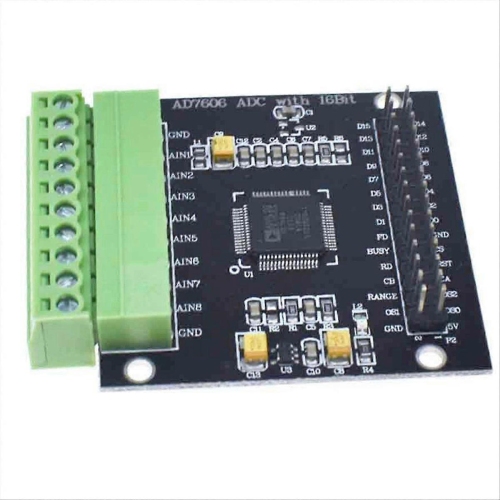
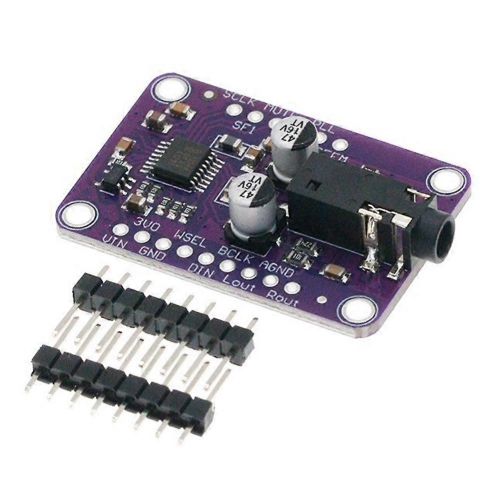
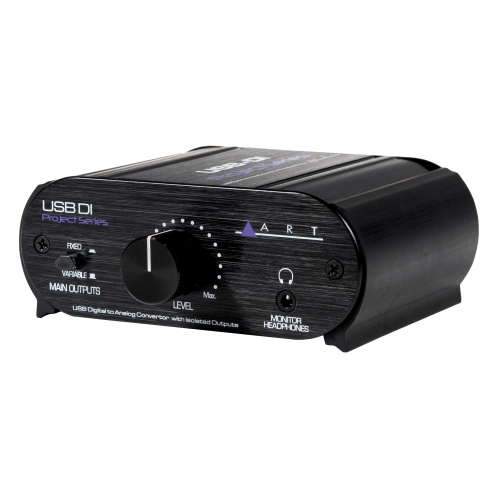
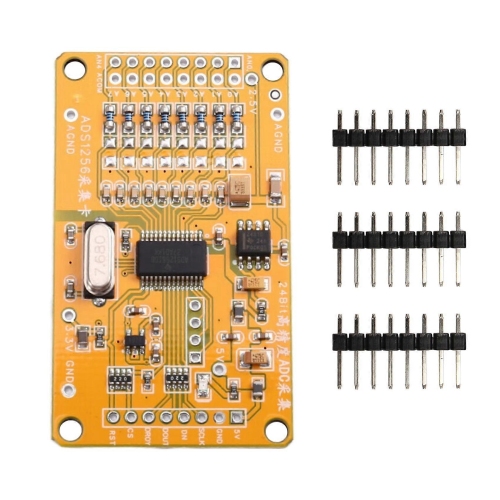
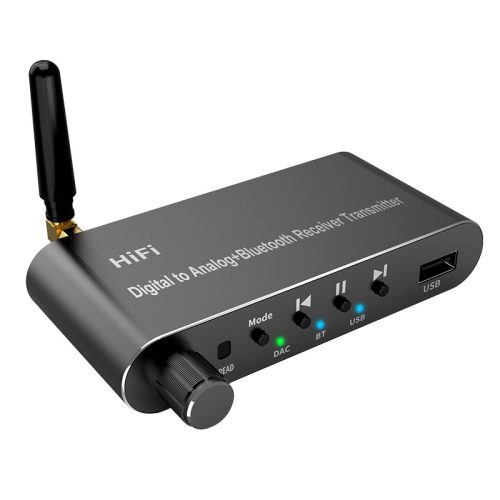

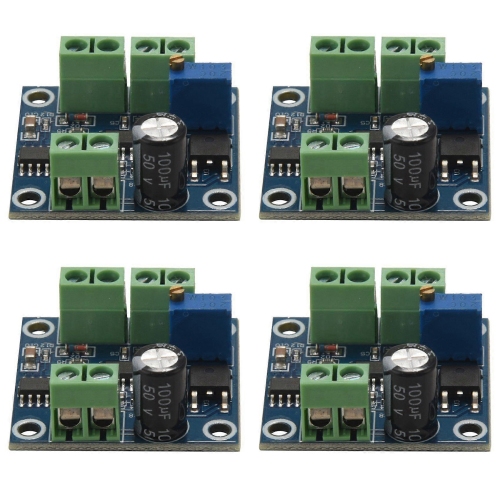
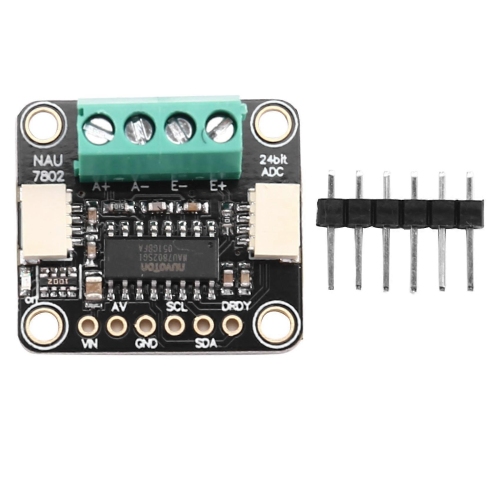

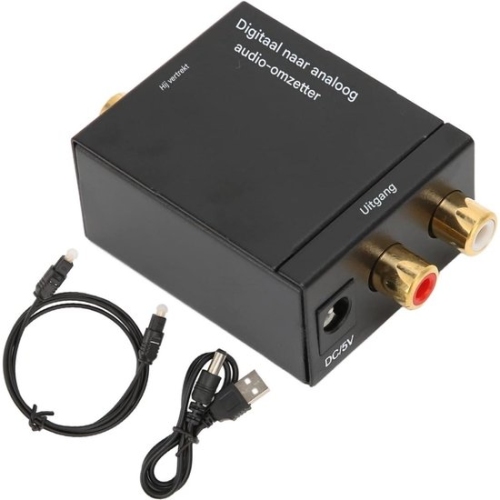

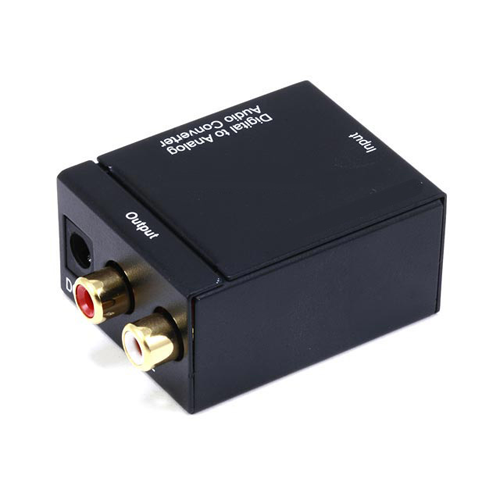
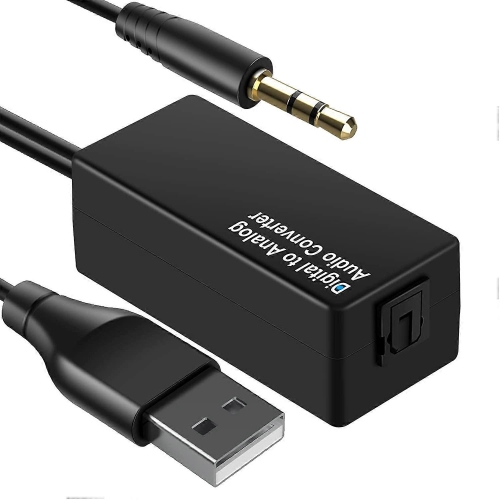
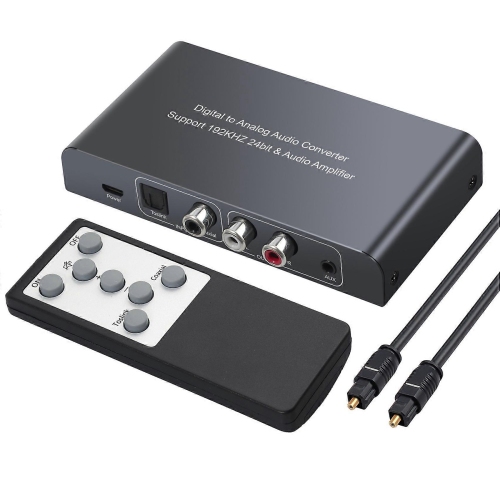
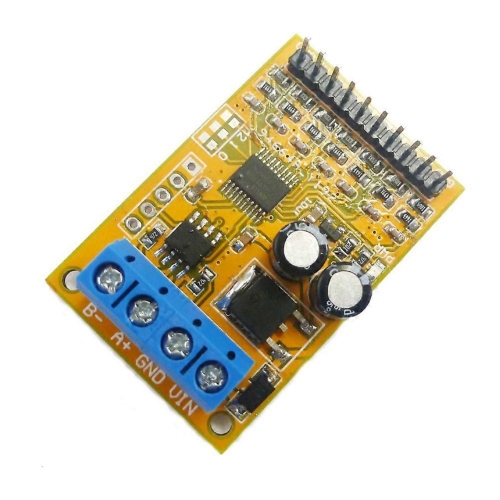



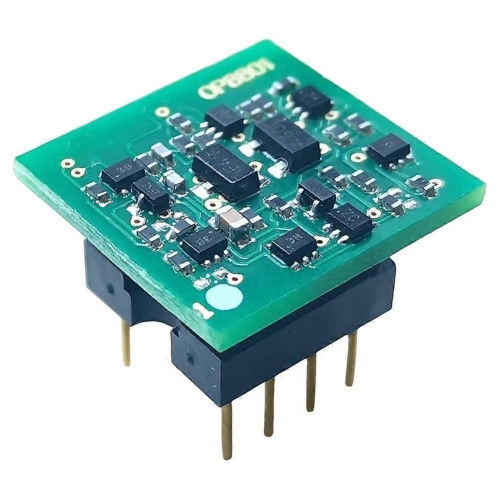
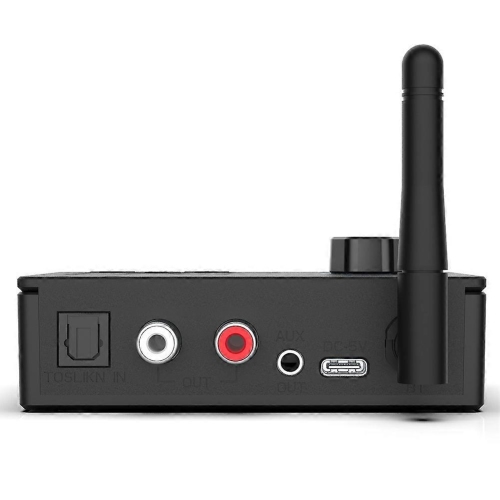
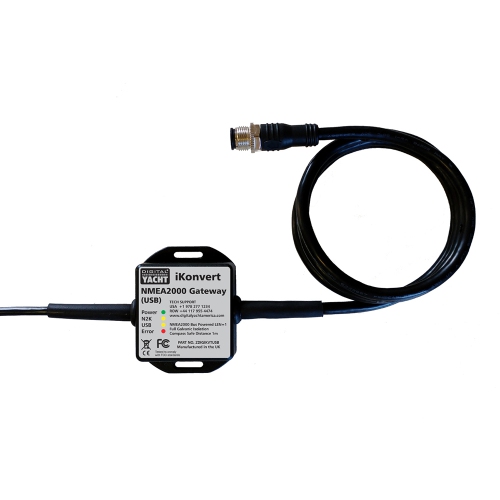
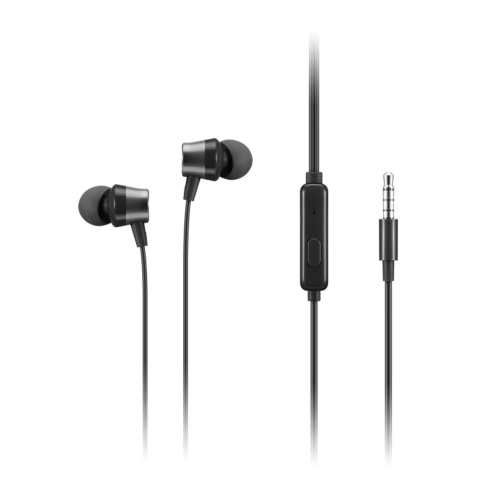
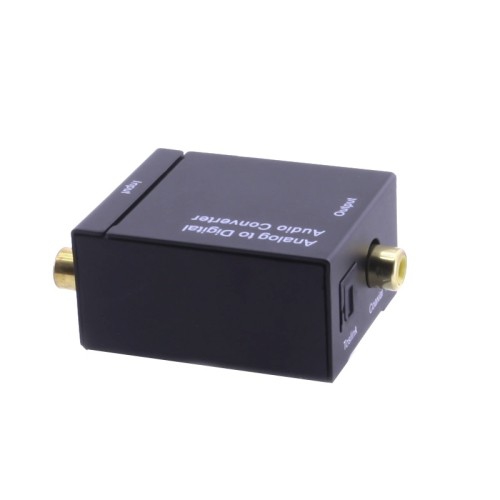

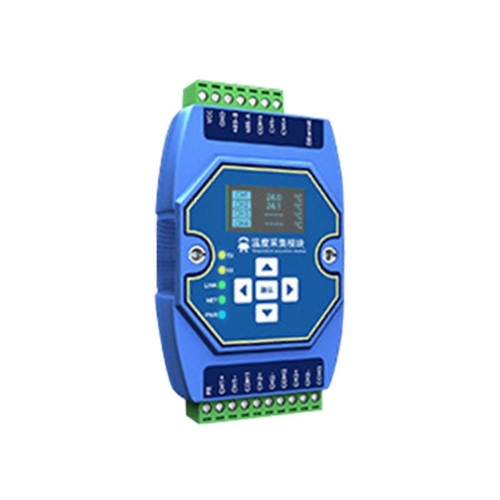


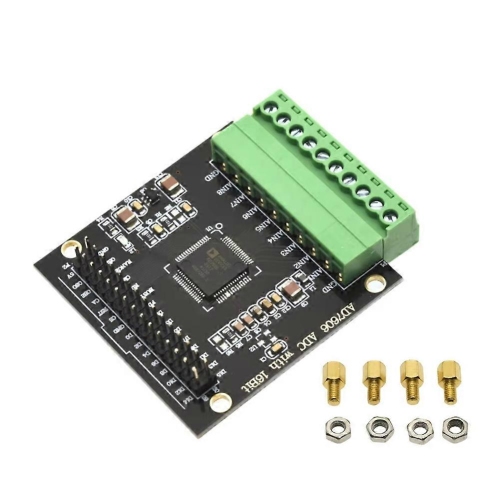
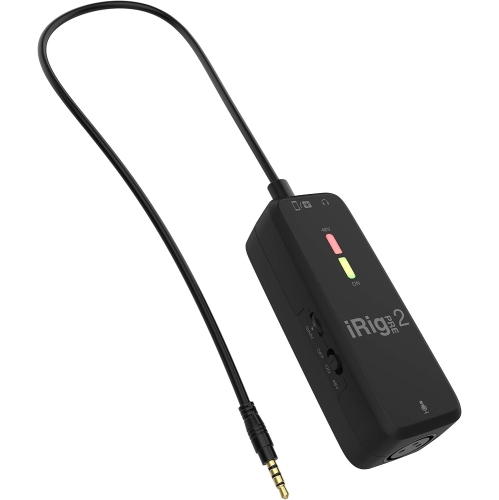
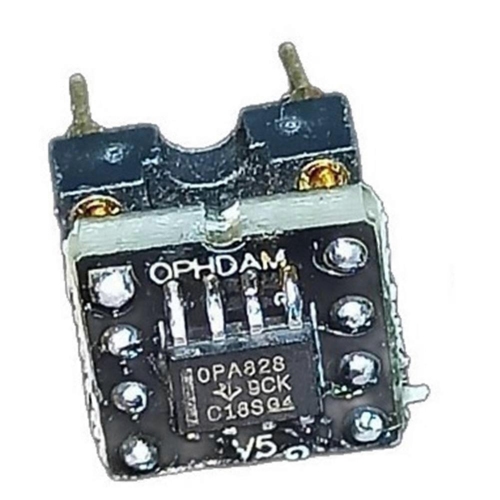

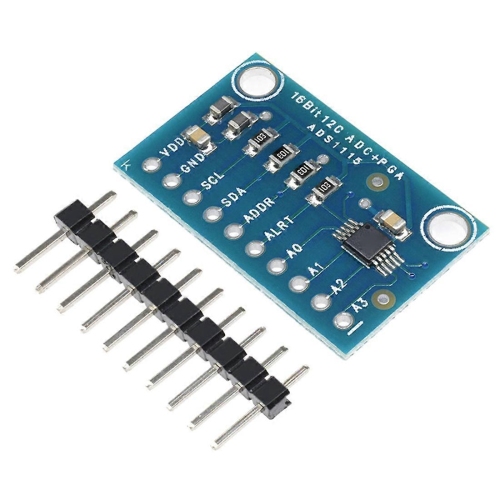
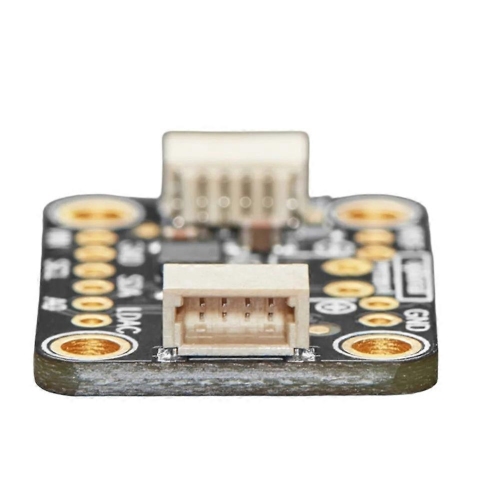



How physical signals connect with digital computing
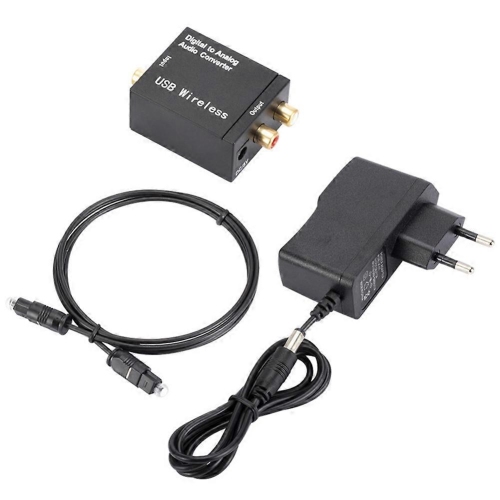
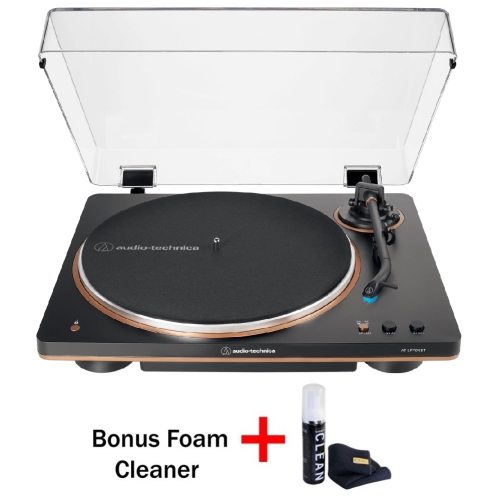
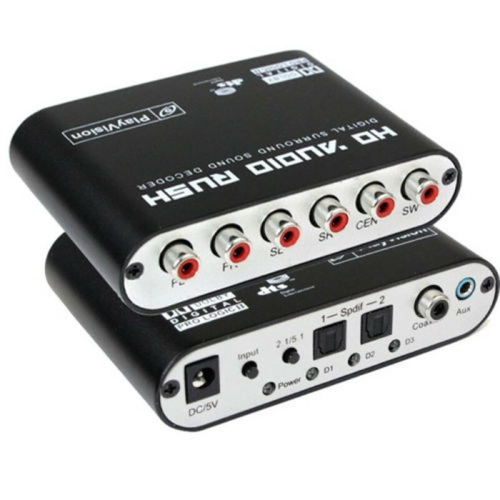
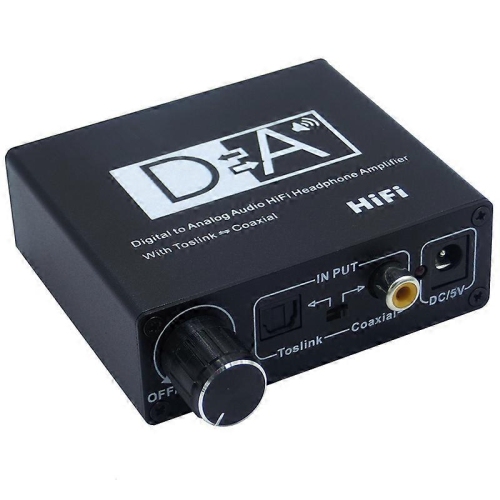
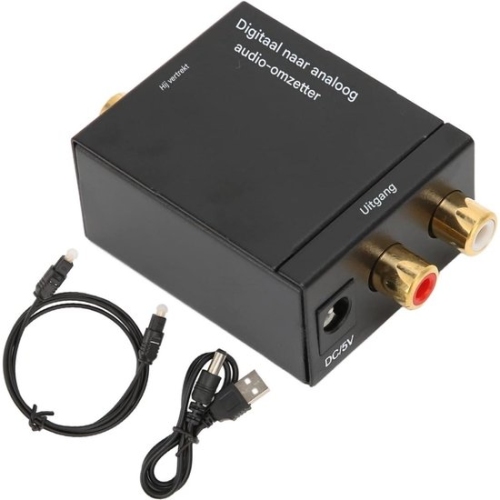
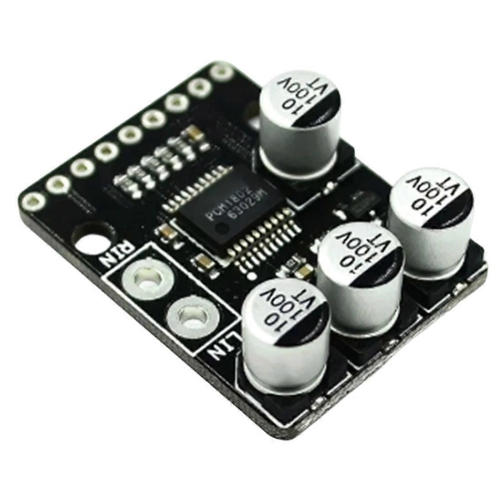
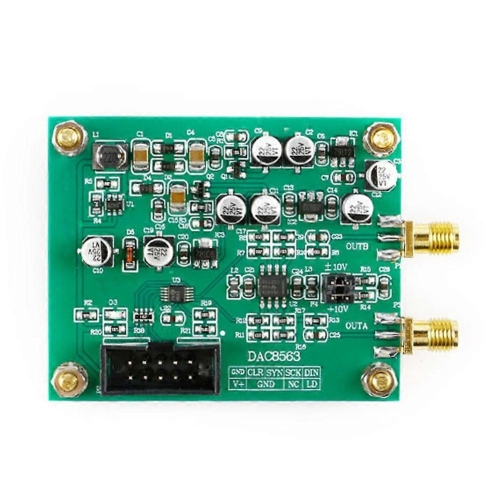
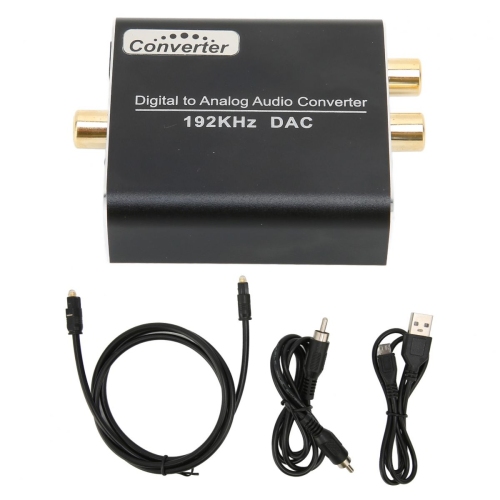
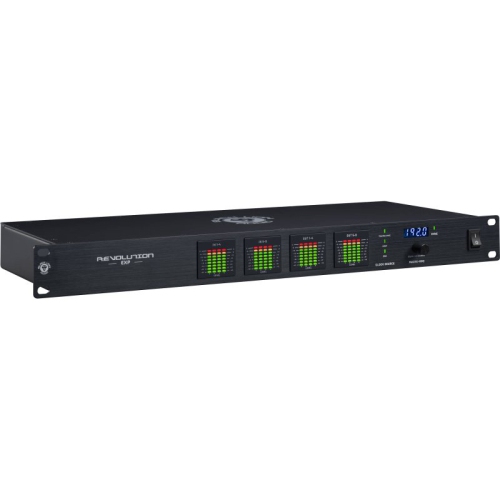
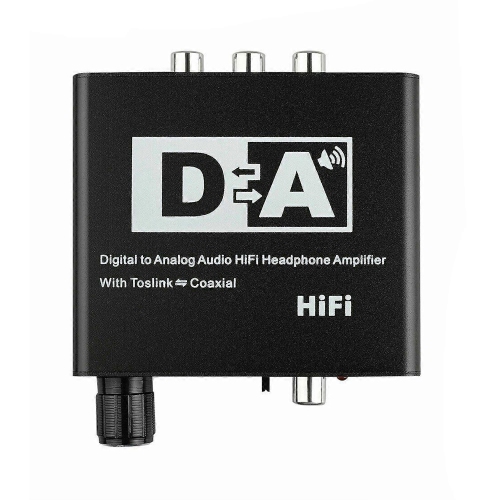
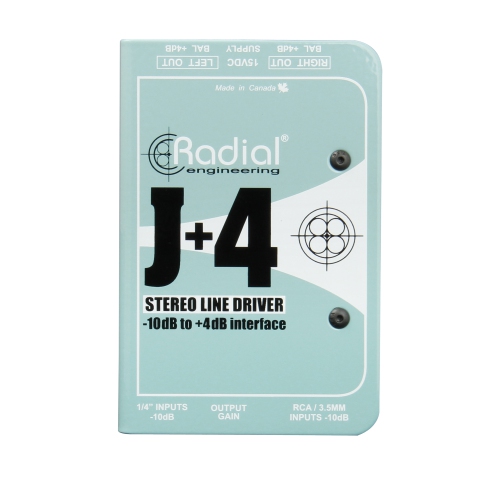
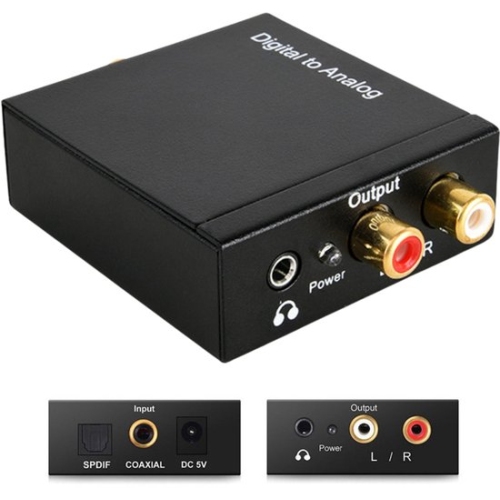
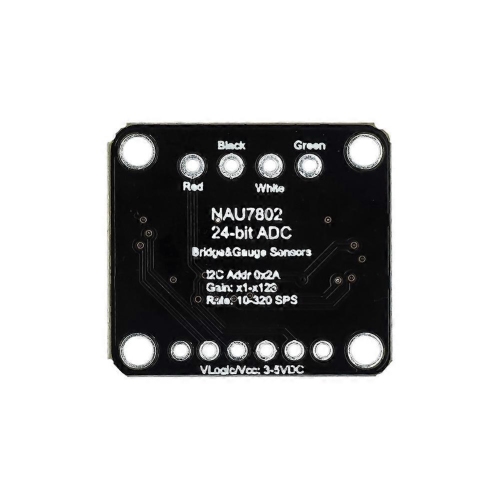
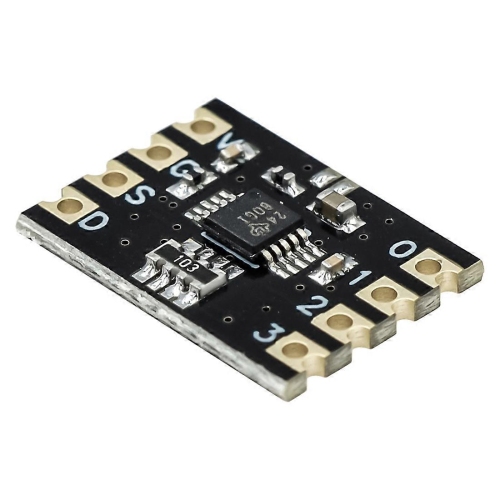
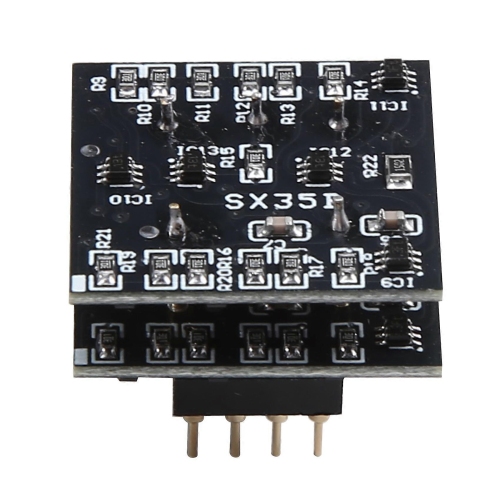
Analog devices process continuously varying electrical signals, helping electronic systems measure, interpret, and respond to physical inputs such as sound, light, pressure, and motion. In semiconductor applications, these devices form part of the connection between the physical world and digital computing. A sensor produces an electrical output that represents a measurement; analog circuitry can amplify, filter, or otherwise condition that output before a converter translates it into numerical data. The reverse path is equally important: digital information can pass through a digital-to-analog converter to become an electrical waveform used by an audio circuit, control system, or other compatible equipment. This makes analog technology relevant to much more than traditional audio. It supports instrumentation, communications, industrial automation, vehicle electronics, and medical equipment, although each application has its own performance and certification requirements. Analog integrated circuits work with variable signals, digital circuits operate on discrete values, and mixed-signal circuits bring both approaches together. Digital signal processing can then perform mathematical operations on sampled information, such as filtering unwanted interference or analysing a measured waveform. Power-management circuitry serves another essential role by regulating and distributing the electrical power needed for these functions to operate reliably. For engineers, technicians, electronics students, and experienced hobbyists, the appeal lies in matching a component’s capabilities to a clearly defined task. A circuit that captures a quiet microphone signal has different priorities from one that monitors a motor or measures a small change in pressure. The former may depend heavily on low noise and suitable gain, while the latter applications may require particular input ranges, isolation, or resistance to electrical interference. Understanding these distinctions keeps the focus on semiconductor functionality rather than assuming that “analog” simply means vintage, mechanical, or disconnected from digital technology. Many modern systems depend on analog and digital circuitry working together, with the quality of that interface influencing the accuracy, responsiveness, and consistency of the overall design.
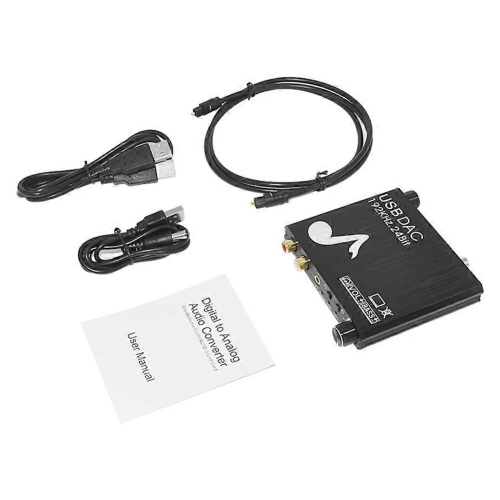
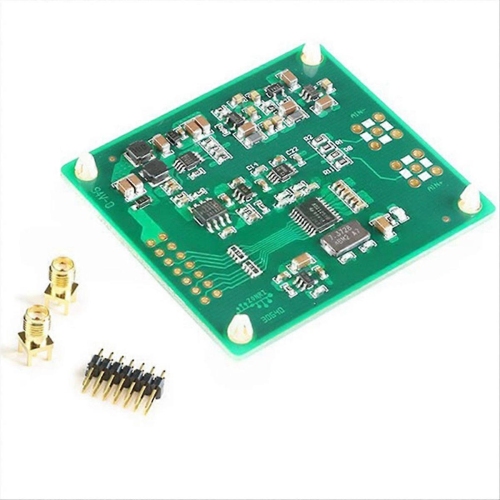
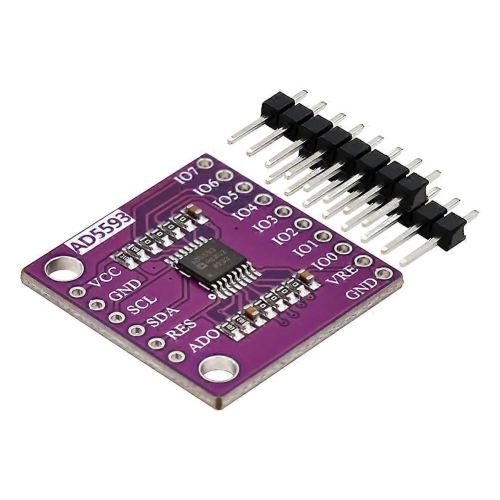
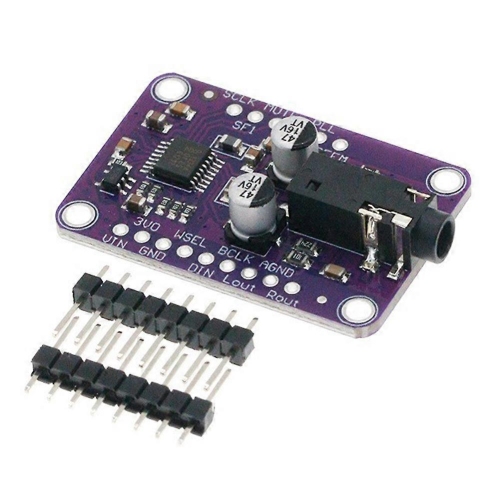
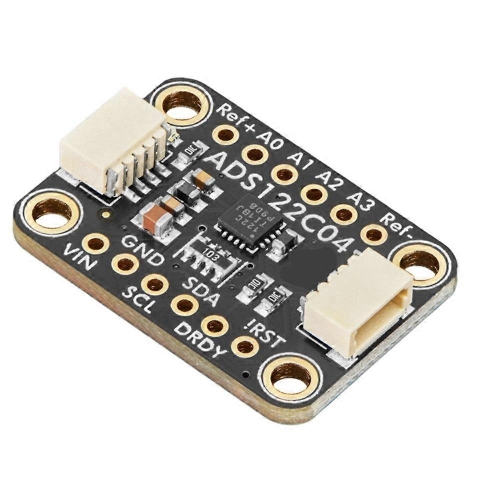
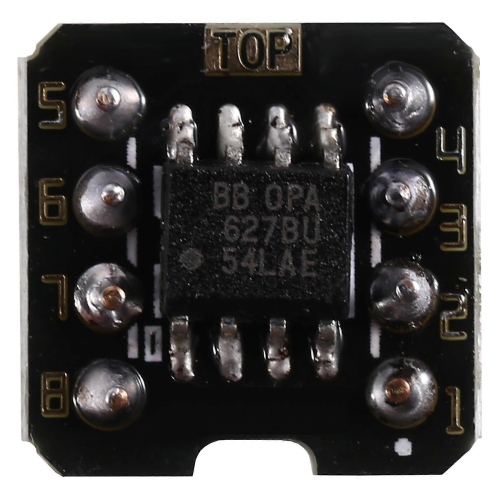
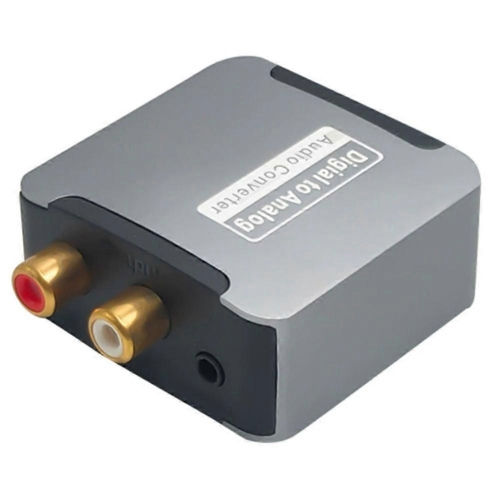
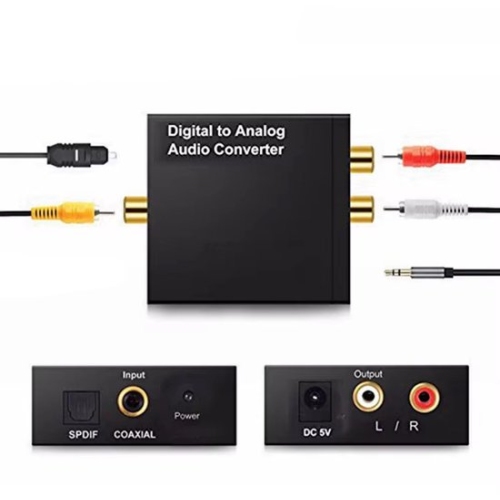
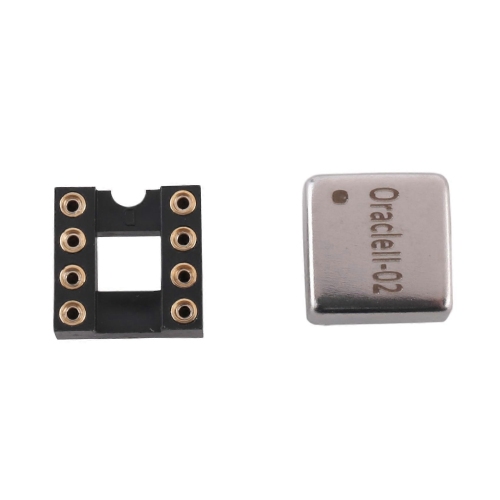
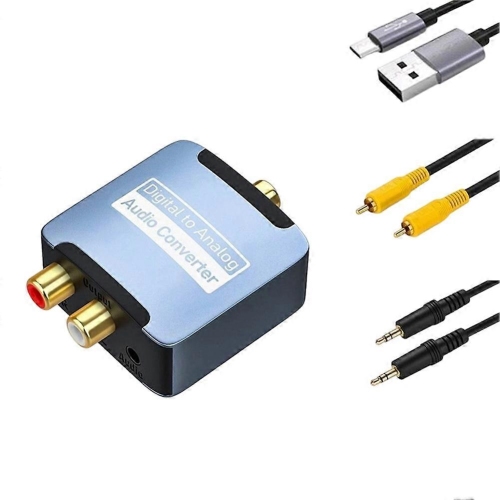
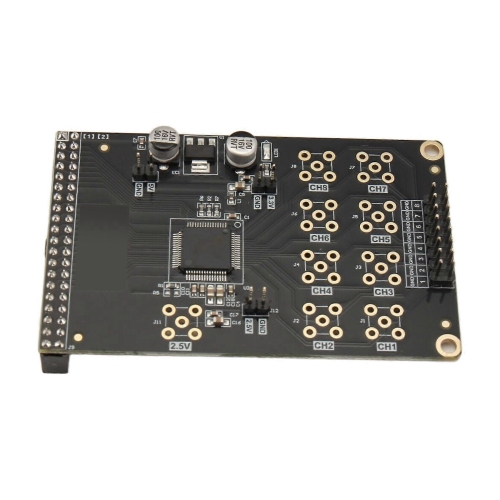
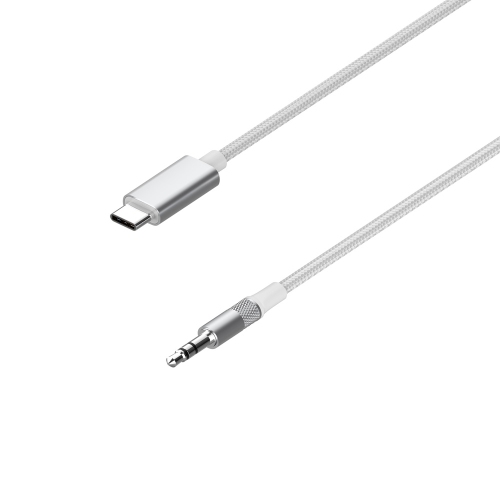
Compatibility in this category begins with electrical specifications and physical fit, not appearance alone. Supply voltage, current requirements, input and output ranges, bandwidth, and supported interfaces all affect whether a device belongs in a particular circuit. For data conversion, resolution describes the number of discrete levels used to represent a signal, while sampling rate describes how frequently that signal is measured. Neither figure tells the whole story on its own: noise, distortion, reference stability, and circuit layout can limit the useful performance of an otherwise capable converter. A measurement system capturing slow changes in a sensor reading needs a different balance of speed and precision from equipment handling rapidly varying audio or communications signals. Gain, offset, and linearity also matter when the goal is a reading that remains dependable across the intended operating range. In audio applications, Digital Converters are relevant to the connection between digital sources and compatible analog equipment, but conversion direction, signal format, and connection type still need to match the system. A connector that fits physically does not necessarily indicate that two devices accept the same signal, and a passive adapter cannot perform every type of conversion. At the component level, package dimensions, pin spacing, pin assignments, and mounting method determine how a semiconductor fits onto a circuit board. Surface-mount packages can support compact designs but often require suitable soldering equipment and inspection tools. Through-hole formats, where offered, may suit certain prototyping arrangements, though electrical suitability remains the deciding factor. Development and evaluation hardware can make testing more accessible by providing connection points and supporting circuitry, but it should not be assumed to function as a finished consumer accessory. Documentation is therefore part of practical compatibility: a clear datasheet, application information, and an accurate connection diagram help establish what the hardware does, what additional parts it needs, and which operating limits must be respected. These details are particularly important when replacing a component, because a similar name or matching package does not establish functional equivalence.
Materials, construction, and handling influence how analog electronics perform over time. Semiconductor packages commonly use moulded compounds or ceramic materials to protect the internal die, with metal leads or contact pads providing electrical connections. Circuit boards add their own considerations, including substrate quality, copper routing, connector attachment, and mechanical support. For enclosed hardware, housing strength, cable strain relief, and secure sockets can matter as much in everyday use as the circuitry inside. A connection that is repeatedly pulled sideways on a workbench may become a reliability issue even when the electronics remain within their rated limits. Bare components need different care from finished equipment: electrostatic discharge can damage sensitive circuitry, sometimes without leaving a visible mark. Appropriate antistatic storage, a suitable work surface, and handling by the package edges help reduce that risk. Power should be disconnected before changing connections unless the equipment is expressly designed for another procedure, and exposed contacts should be kept free of contamination. Cleaning methods should follow the manufacturer’s documentation, since unsuitable liquids or abrasive tools can harm markings, coatings, plastics, or contact surfaces. Heat dissipation is another design consideration, particularly for power circuitry and densely assembled boards; specified operating limits, ventilation, and any required thermal management should be treated as functional requirements. Intended use also shapes the right level of support. A student learning how amplification affects a sensor signal may benefit from accessible test points and well-documented examples, while a technician maintaining an established system may need an exact electrical and mechanical match. For an electronics enthusiast receiving hardware as a gift, compatibility with their existing tools, experience, and project plans is more useful than choosing solely by an impressive specification. Components intended for experimentation are not automatically suitable for medical, vehicle safety, or other safety-critical applications. In any setting, dependable results come from the complete signal chain: sensing, conditioning, conversion, processing, power delivery, and output must work together. That system-level perspective gives analog devices their practical value, whether the task is preserving detail in an audio signal or turning a subtle physical measurement into useful digital information.
Top selling and popular products
-
 Your price for this item is $199
-
 Your price for this item is $430.99
-
 Your price for this item is $480.99
-
 Your price for this item is $130.99
-
 Your price for this item is $221.99
-
 Your price for this item is $69.45
-
 Your price for this item is $569.99
-
 Your price for this item is $249.99
Discover more categories related to Analog Devices

Top Collections:
Pokemon Centers, Best Cameras for Sports Photography, Kindle Devices, Samsung Galaxy Phones, Canon G7X Cameras, Pokémon 30th Celebration Cards, Refurbished Apple Laptops, iPhone 15 Apple, Laptops for Students, Budget Smartphones
Some products may be subject to Environmental Handling Fees
(EHF) depending on your province.
Learn more about EHFs.