Analog Synthesizers
Looking to add a touch of vintage charm and unparalleled creativity to your music production? Look no further than our collection of analog synthesizers. These timeless instruments have been captivating musicians for decades with their warm, organic sound and hands-on controls. Whether you're a seasoned pro or just starting your musical journey, our selection of analog synthesizers will inspire you to explore new sonic territories and unleash your creativity like never before. From classic monophonic synths to versatile polyphonic powerhouses, we have the perfect analog synthesizer to suit your unique style and musical vision. Get ready to dive into the world of analog synthesis and create music that is truly one-of-a-kind.
Sort
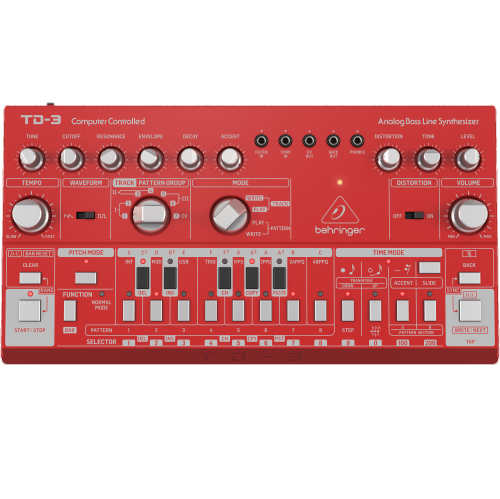
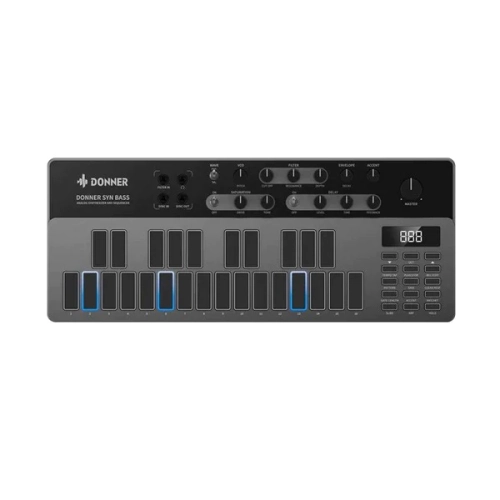
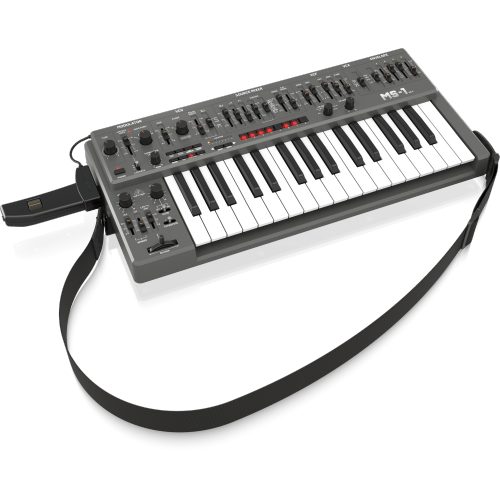
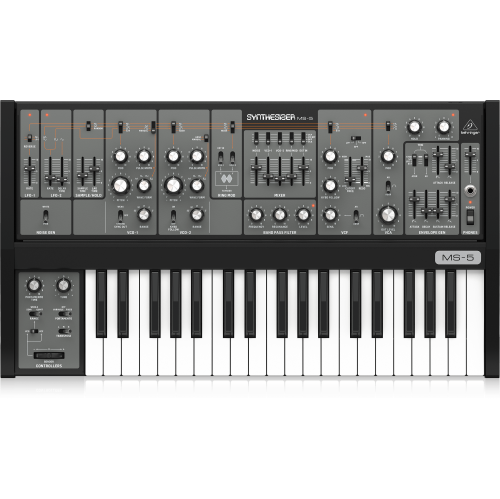
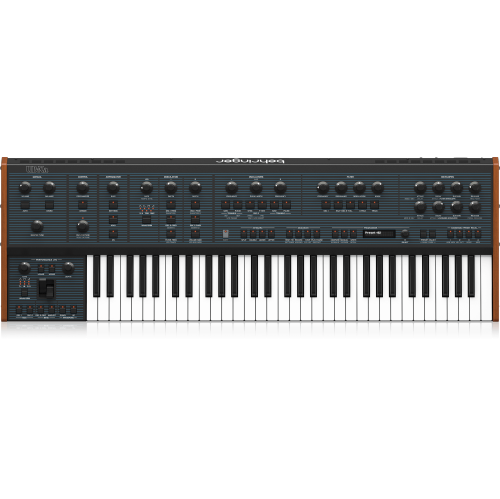
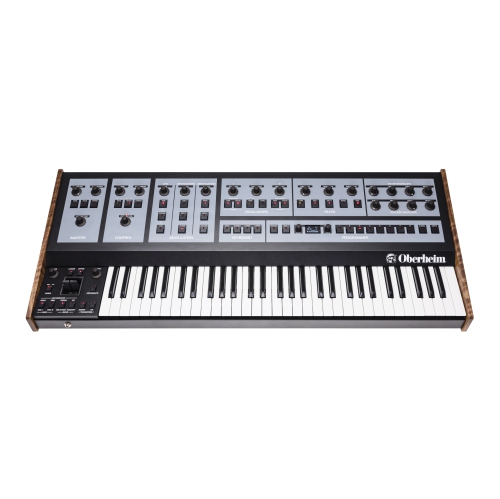
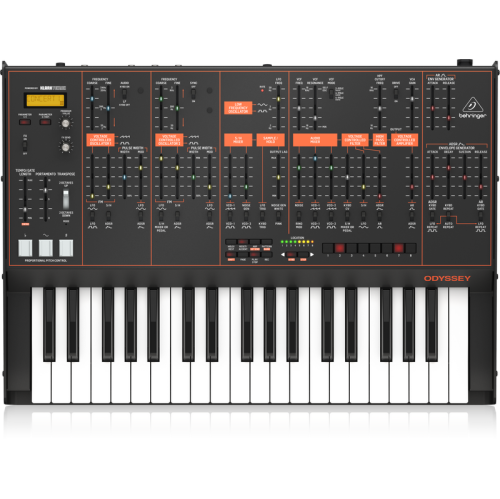
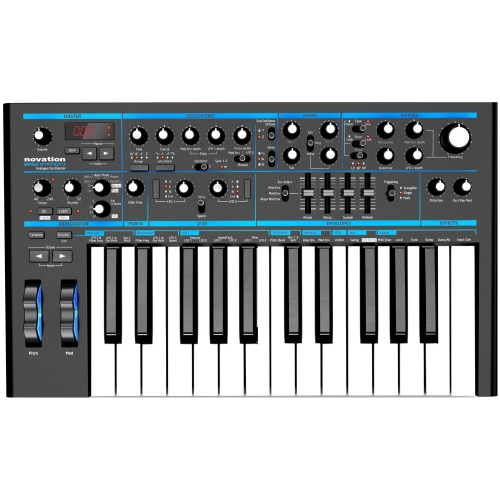

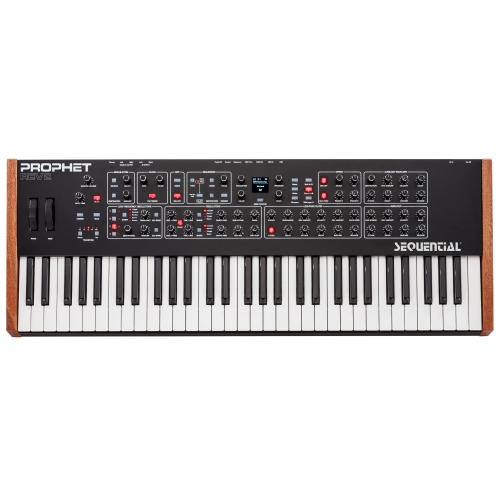
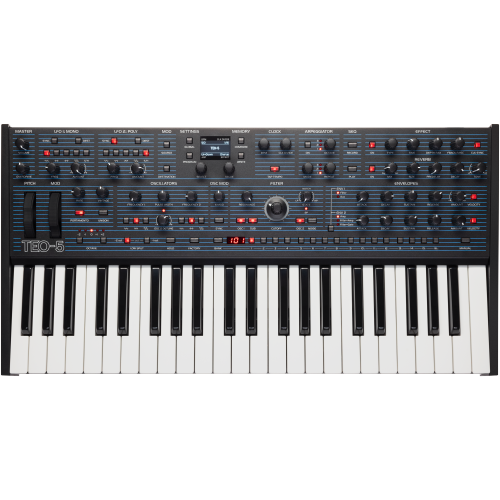
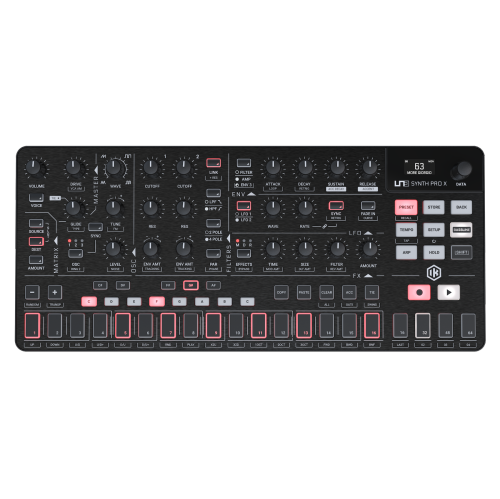
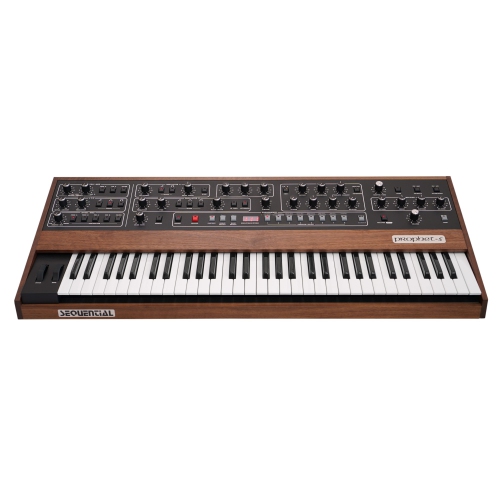

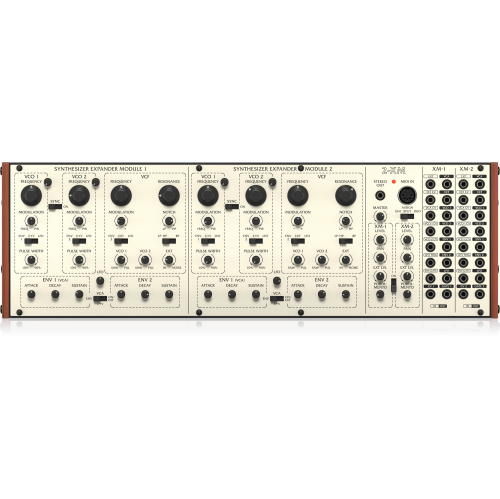

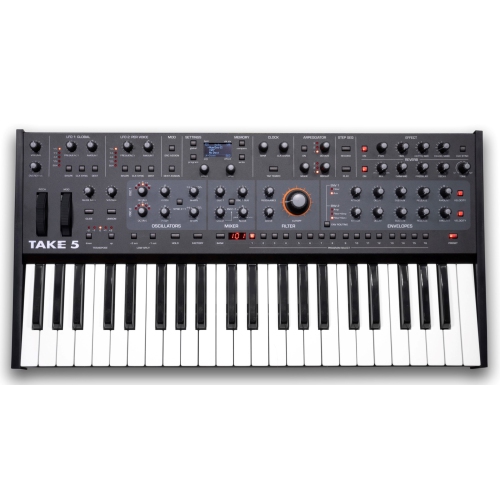
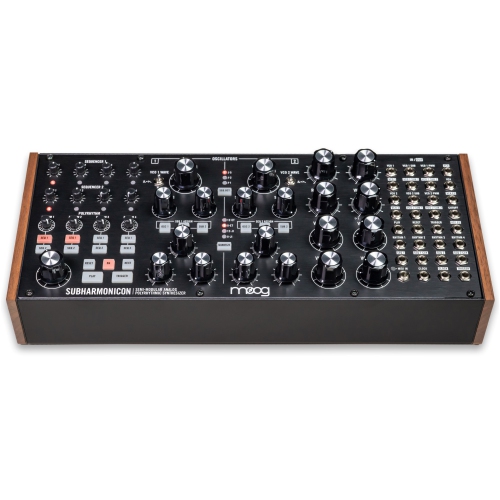
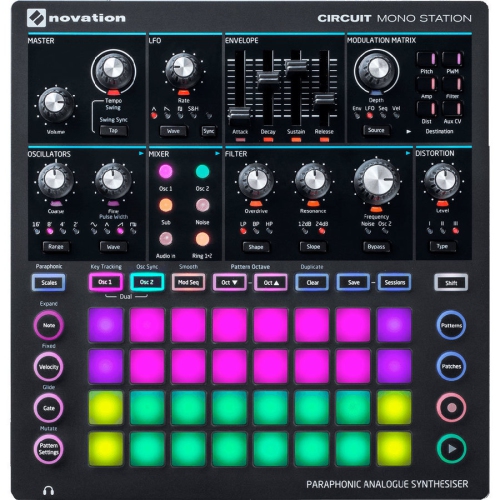
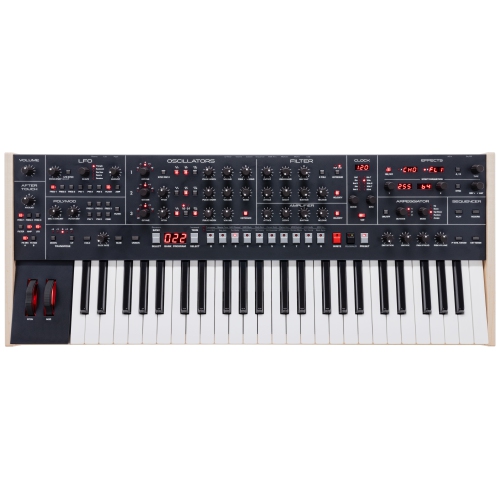
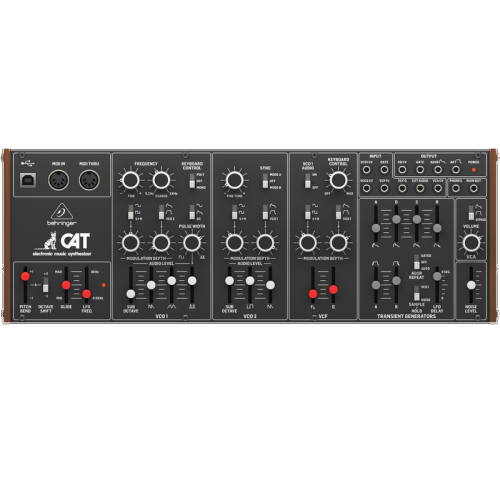
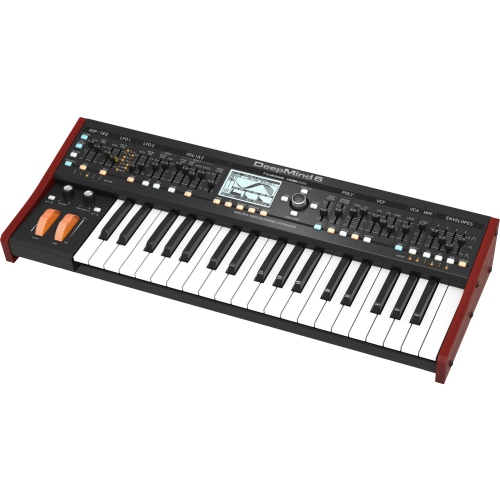
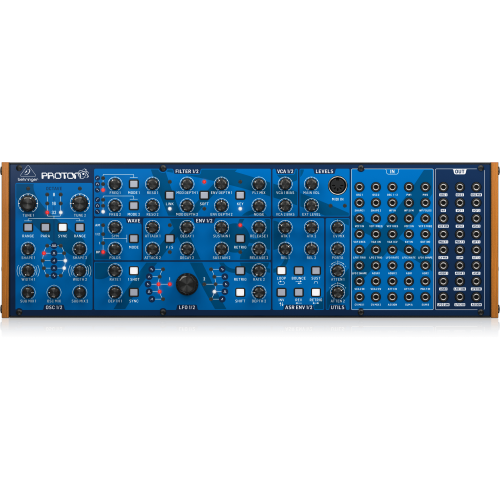
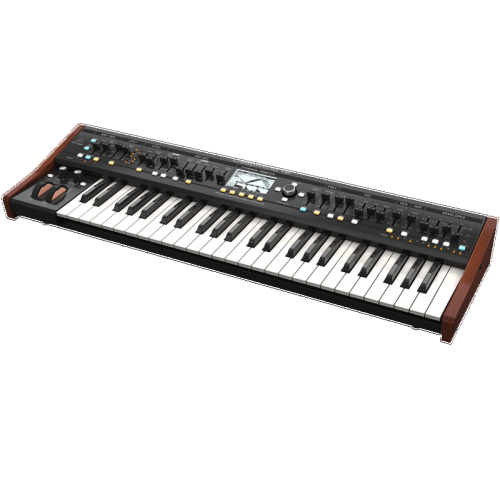
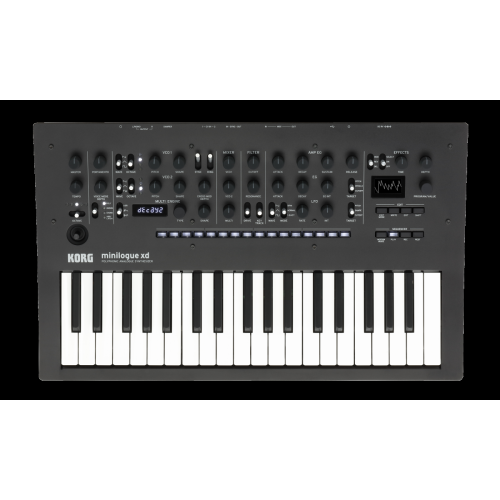

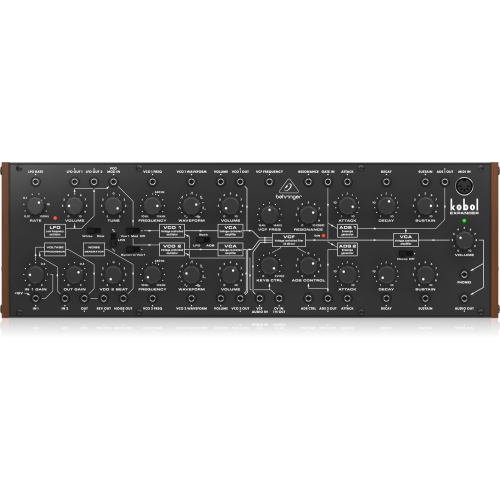
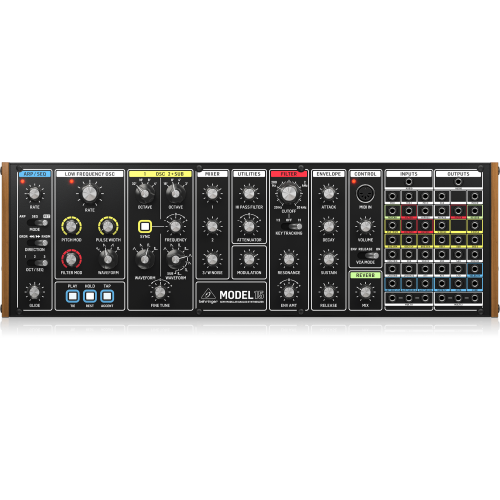
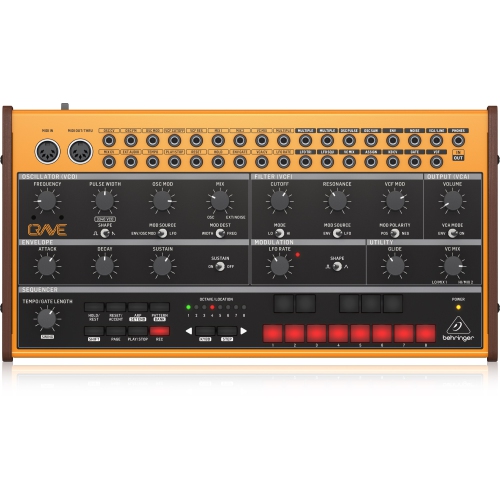
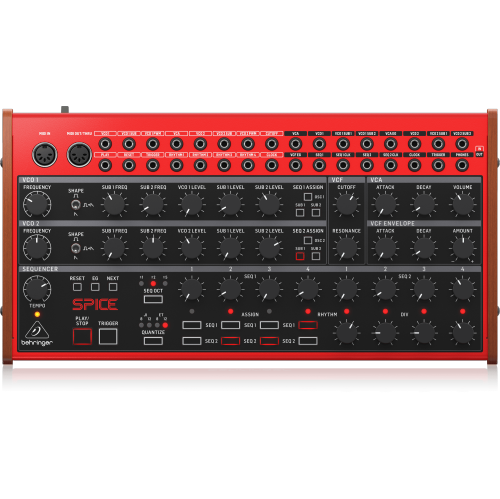
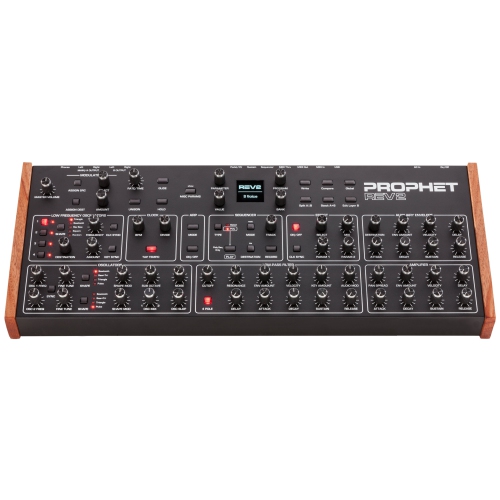
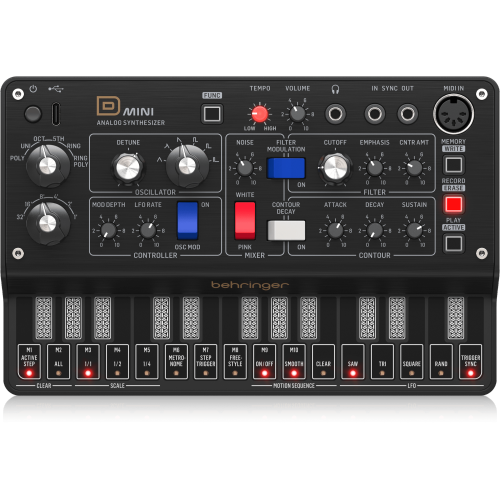
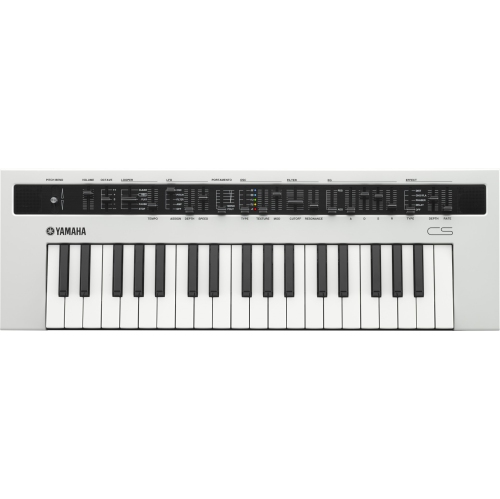
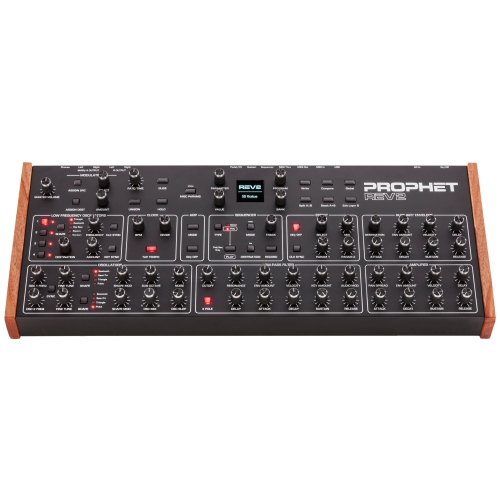
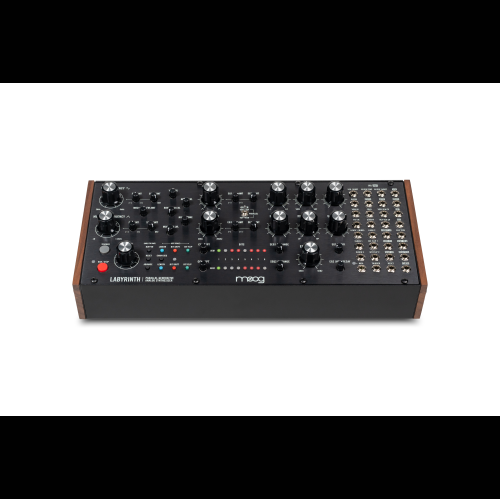
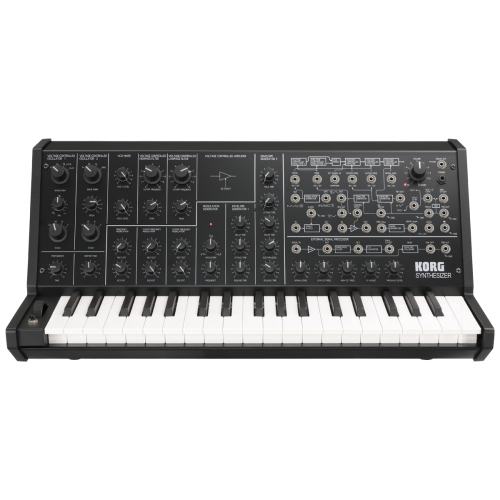

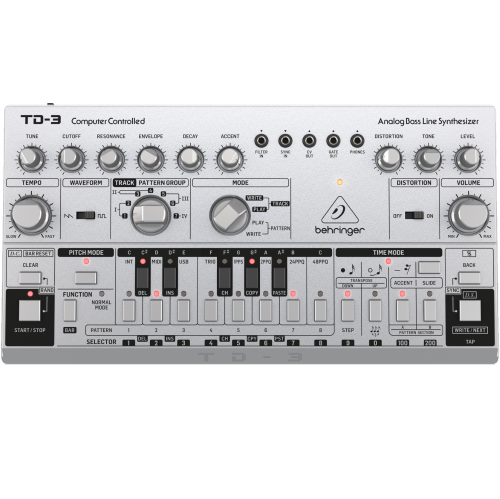
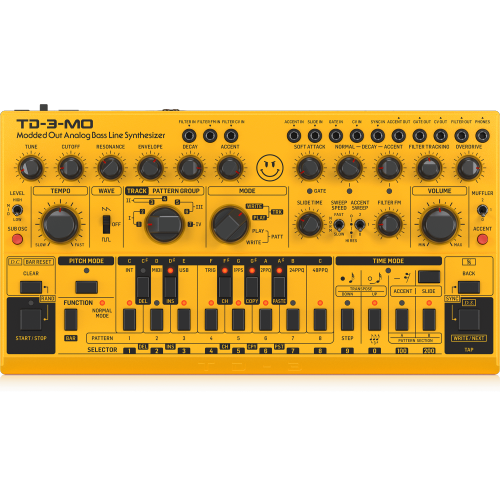
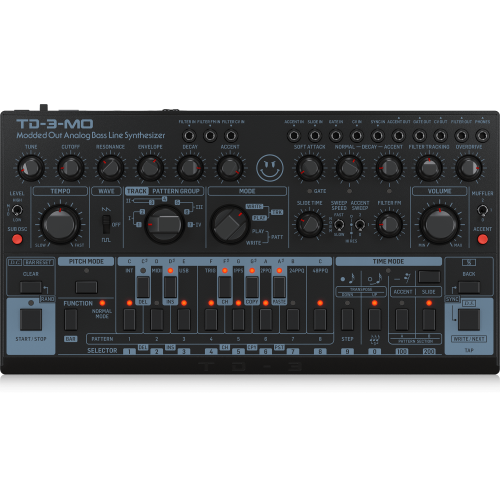
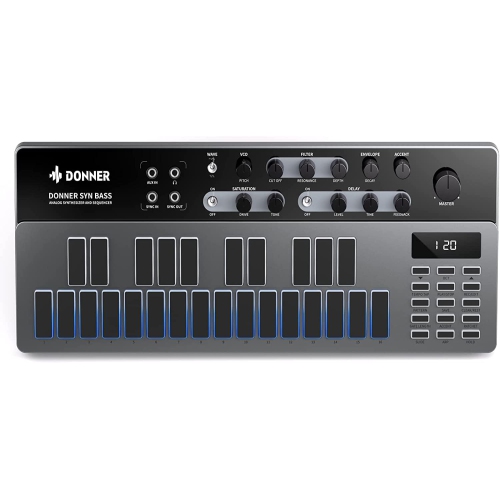
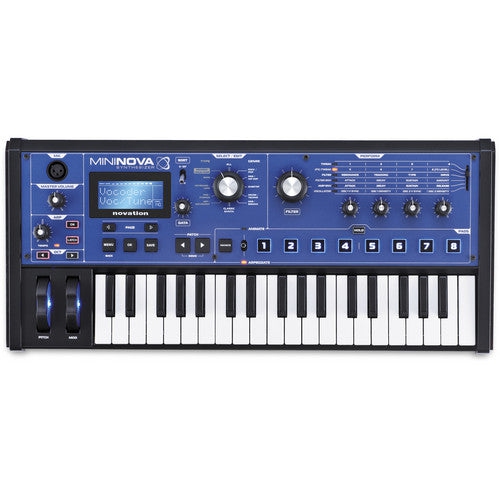
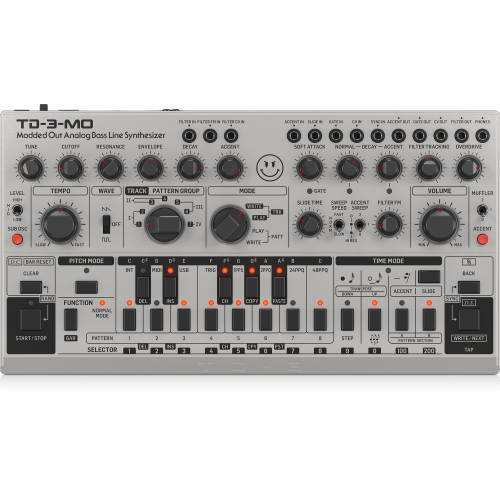
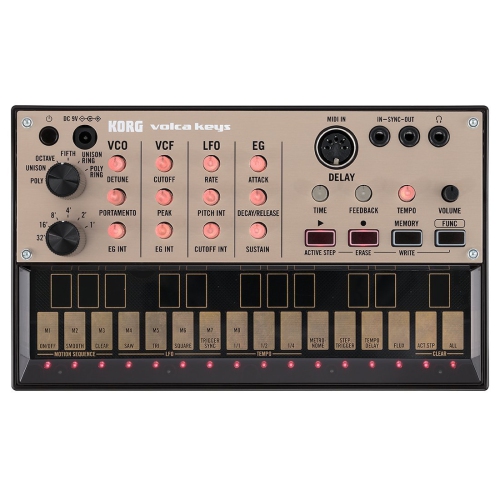
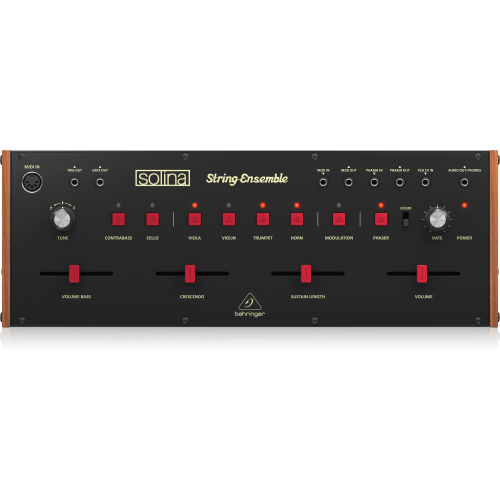
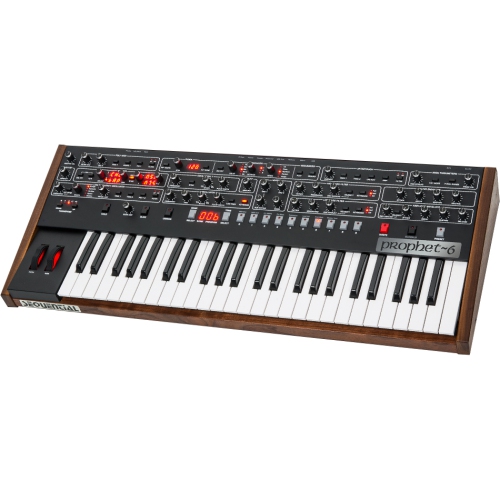
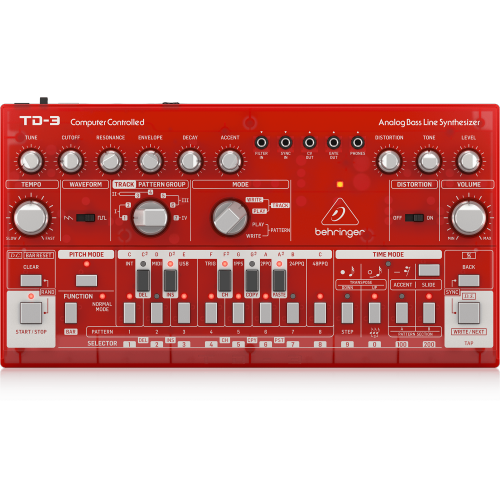
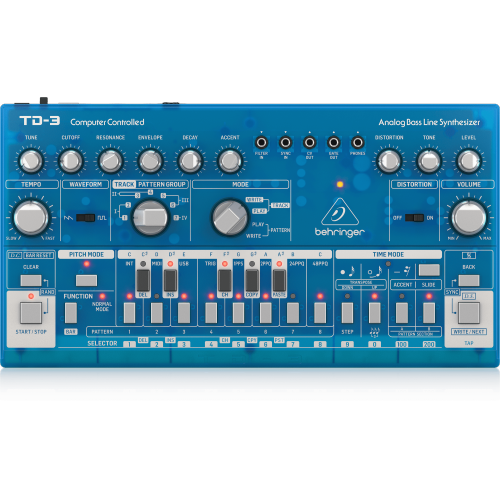
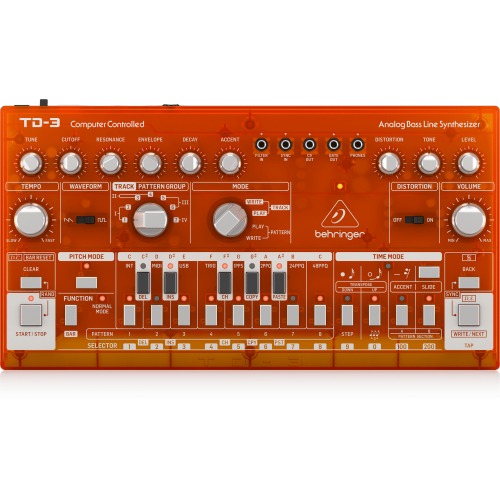
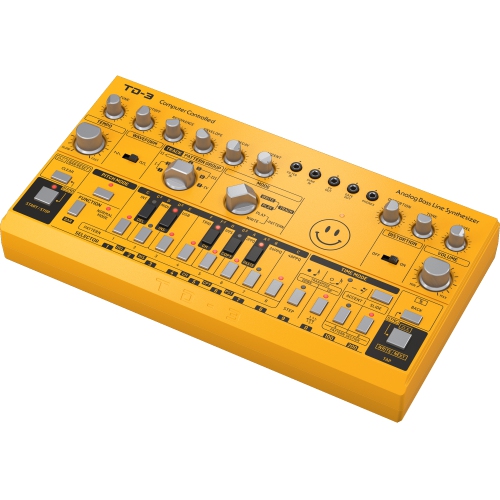
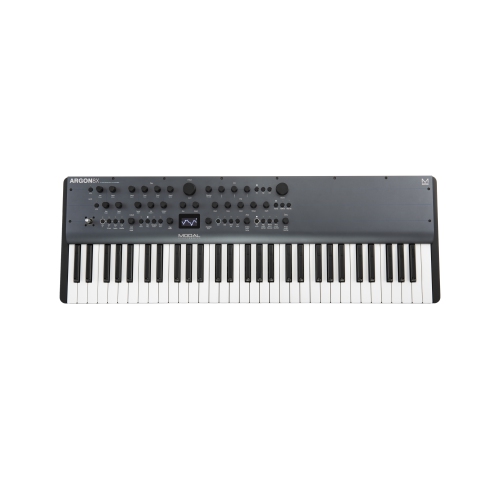

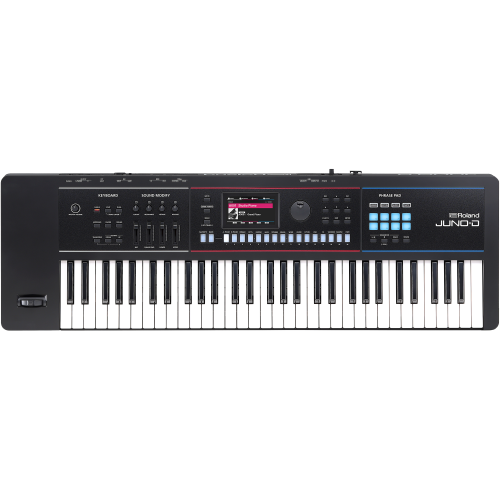
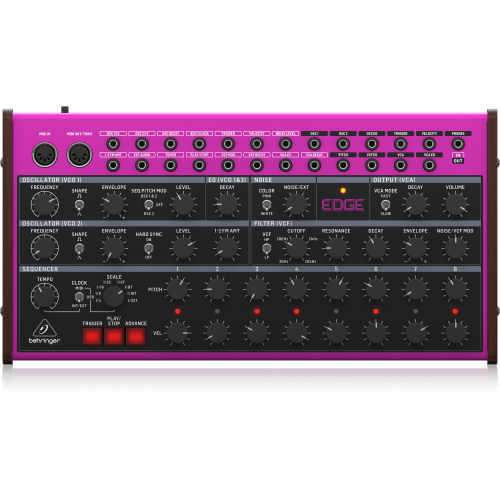
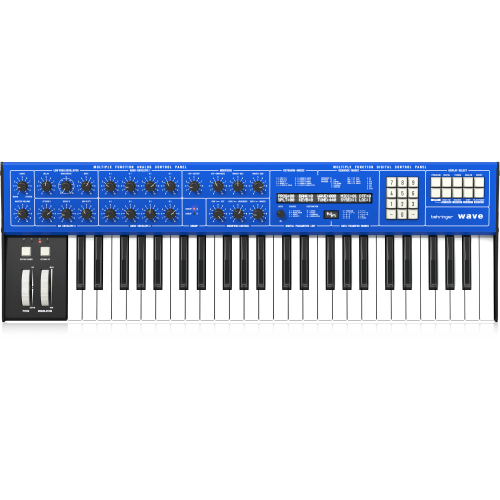

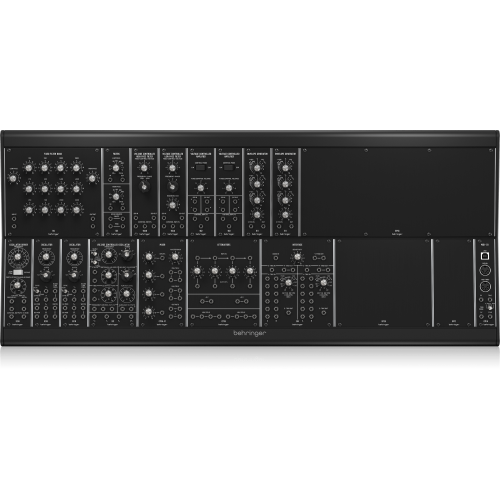
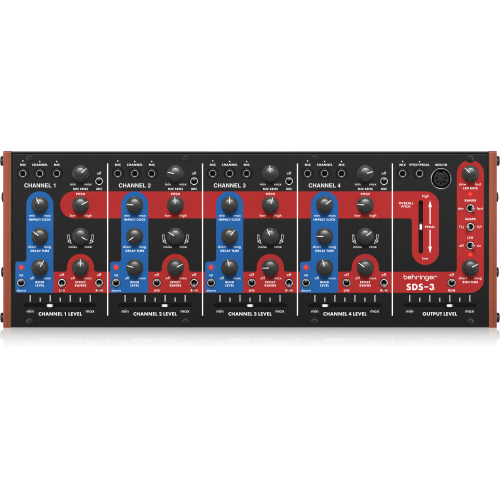
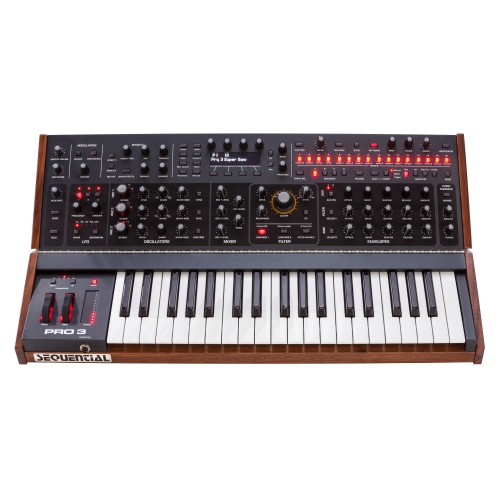
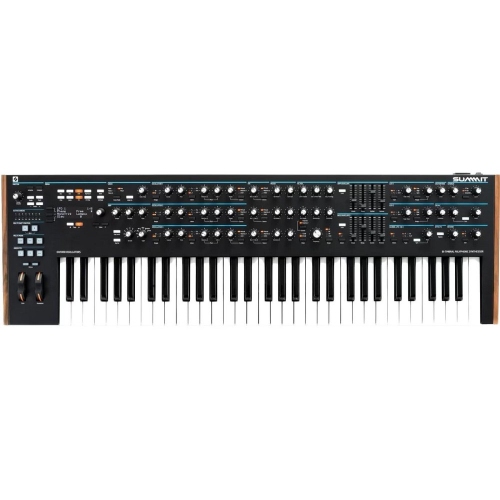
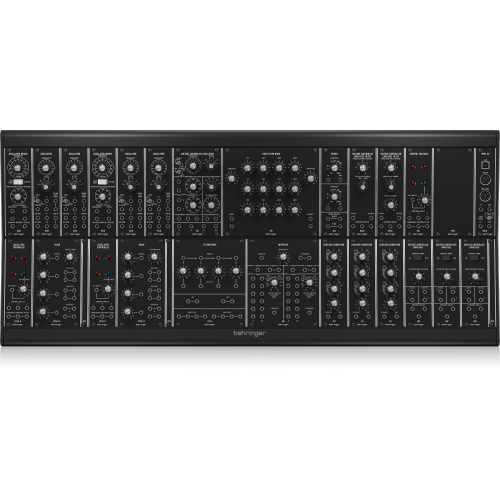
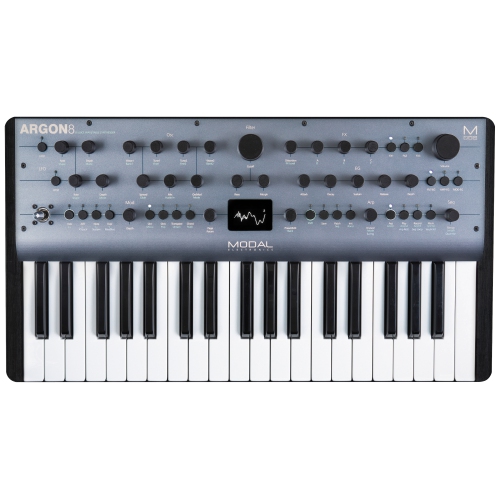
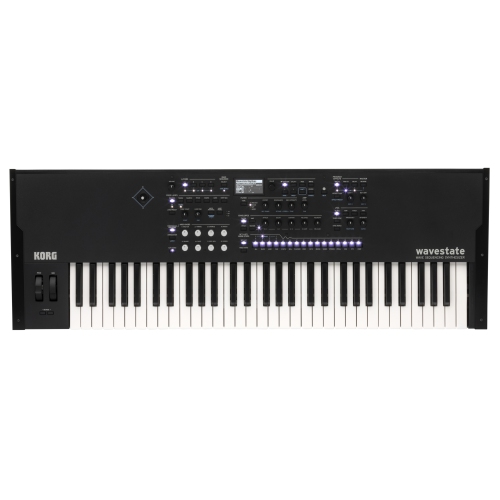
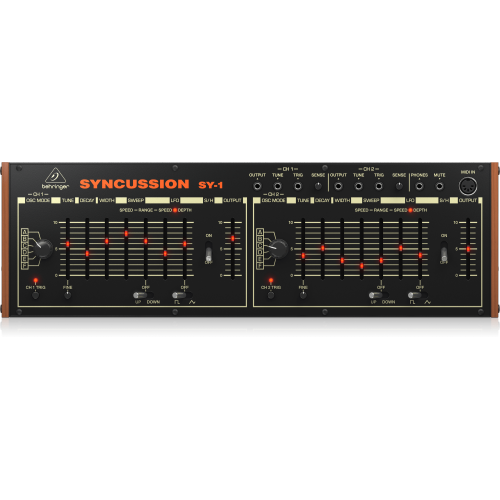
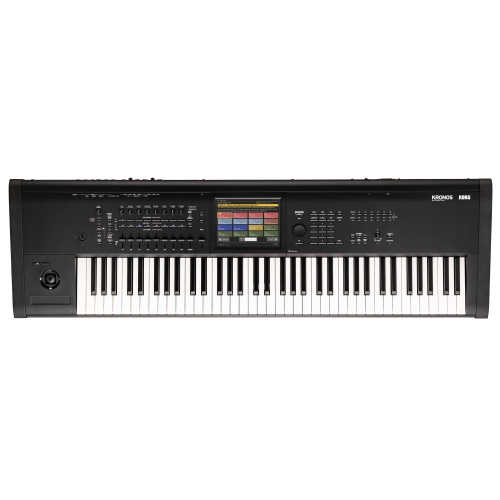
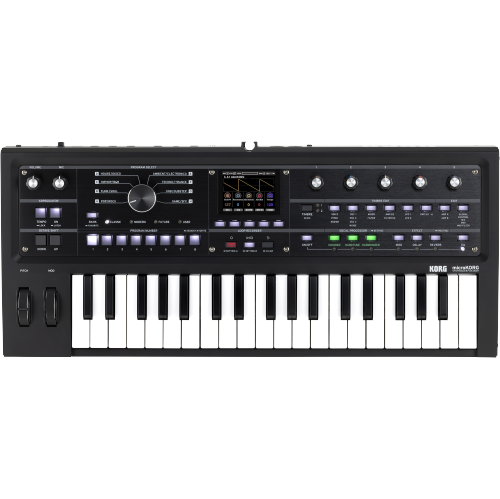
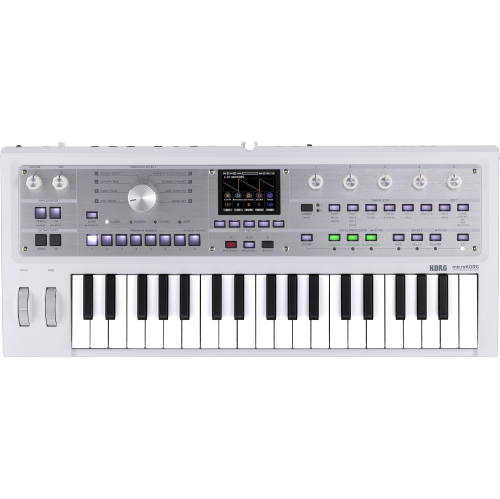
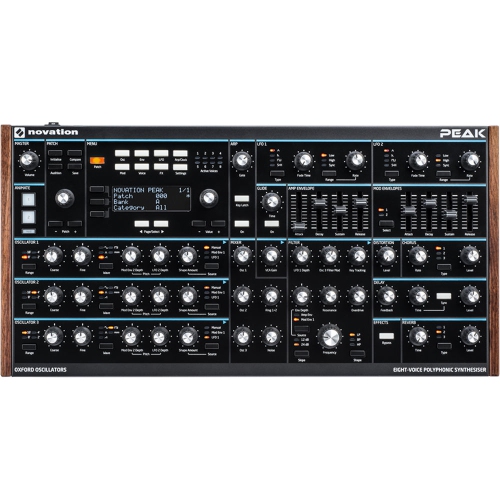
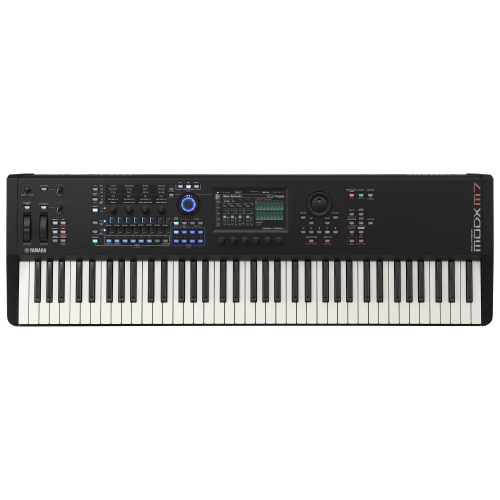
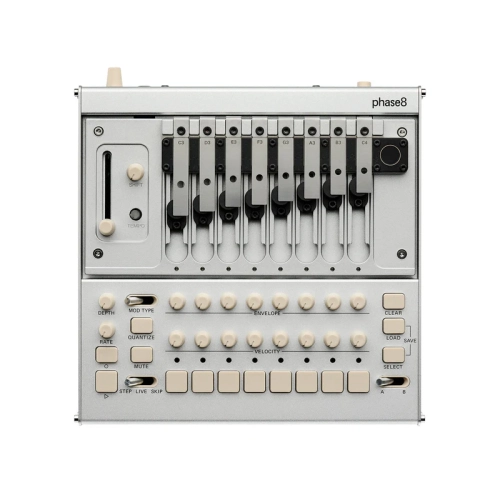

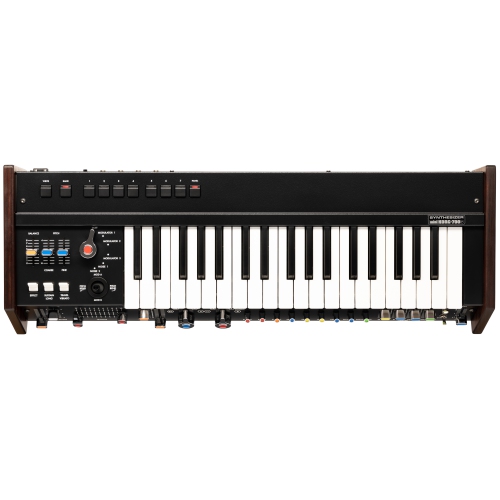
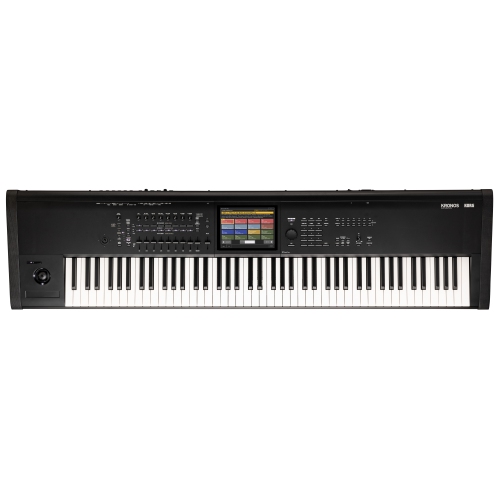
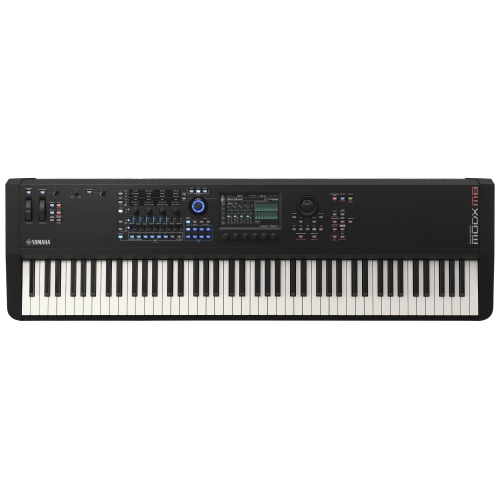
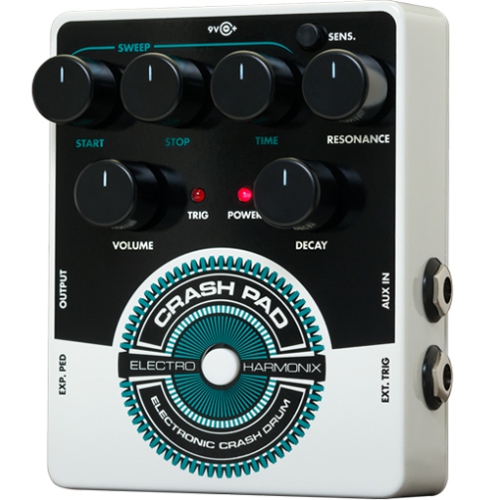
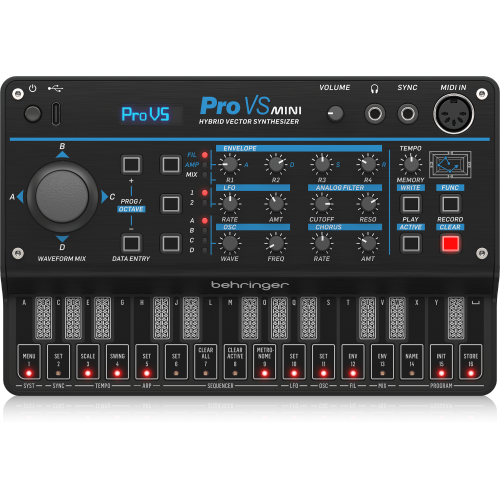
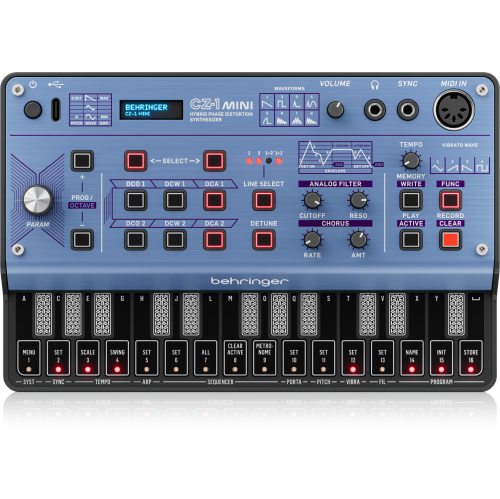
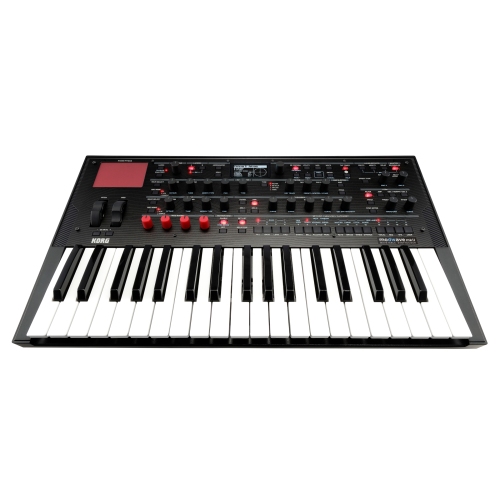
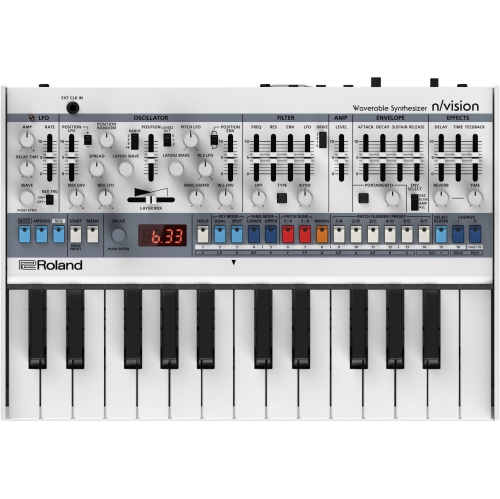
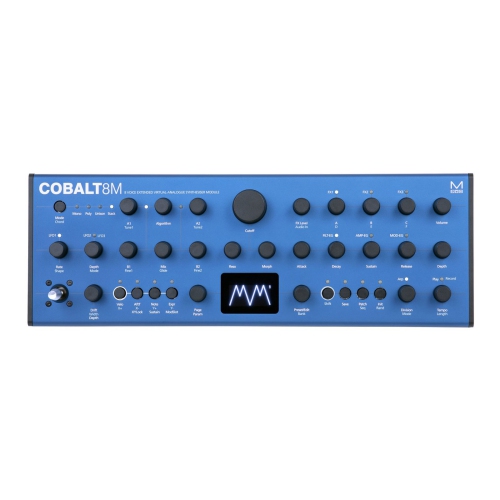
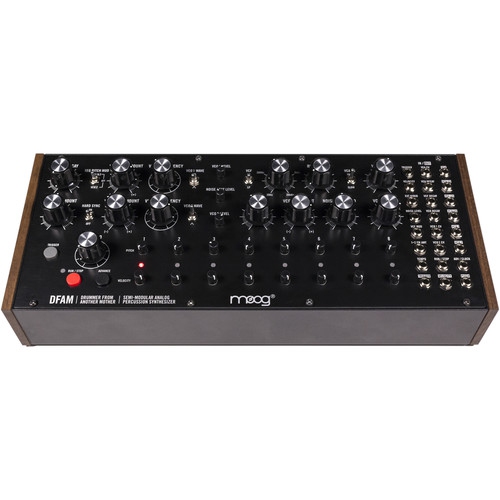
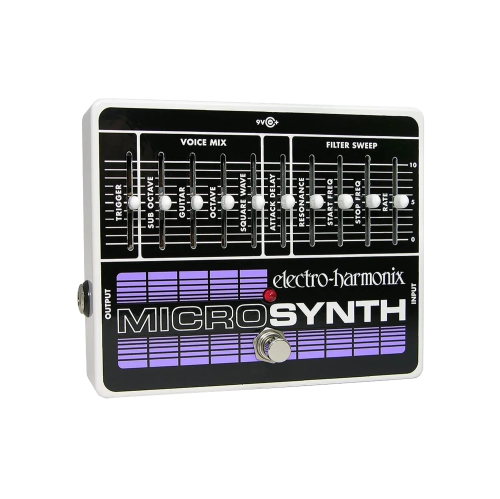
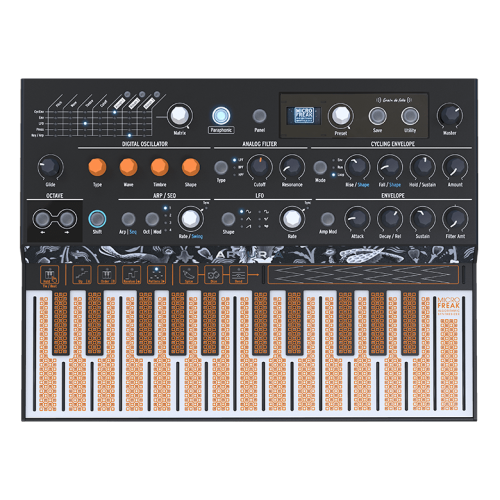
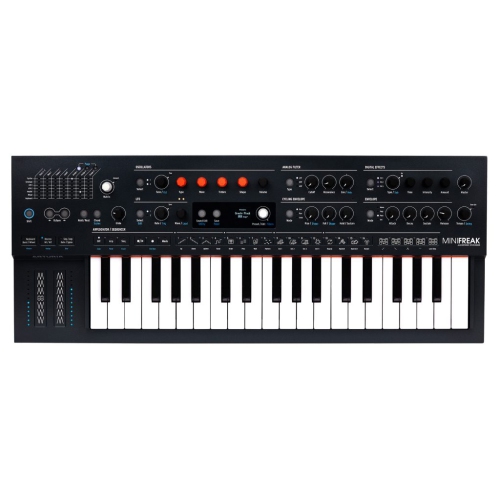
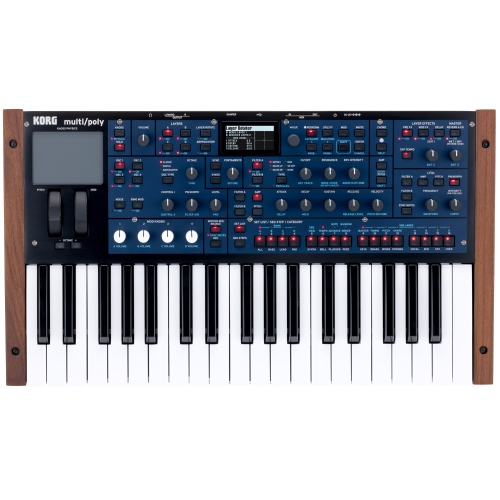
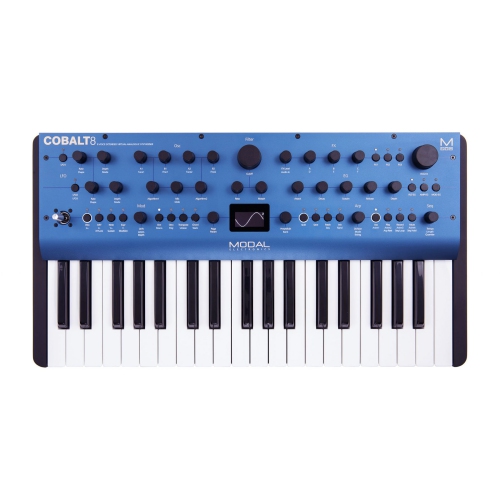
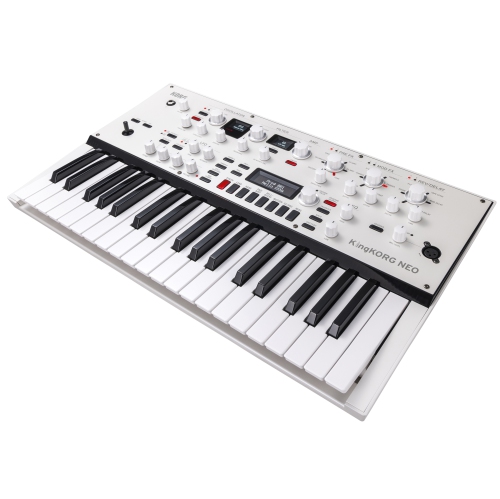
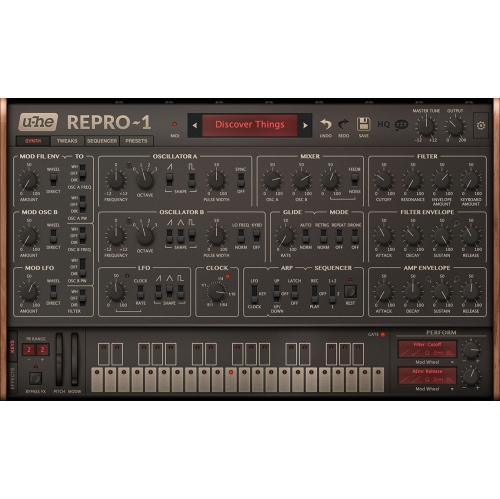
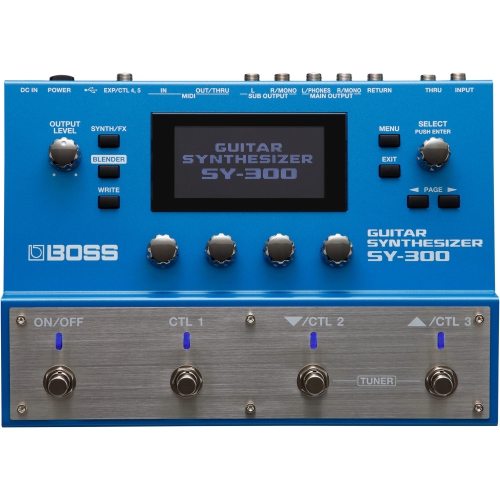
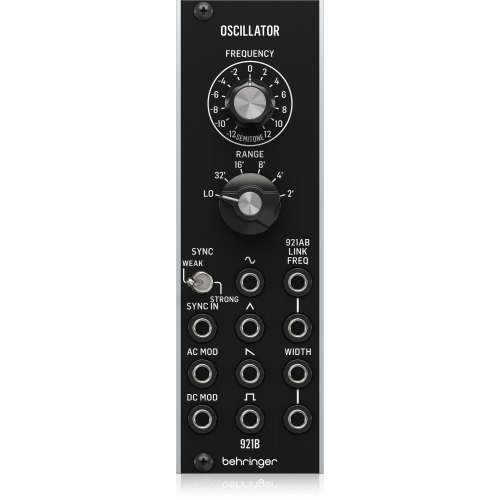
Expressive sound starts with a turn of a knob
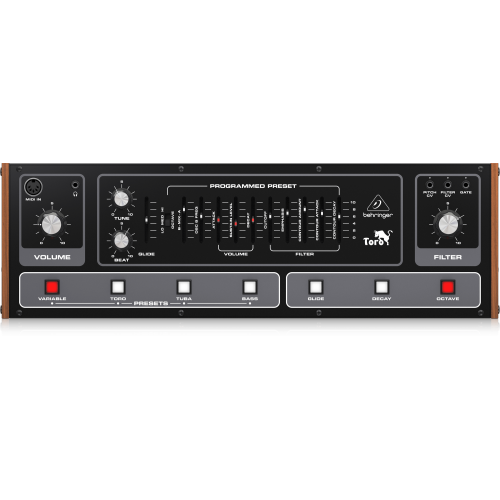
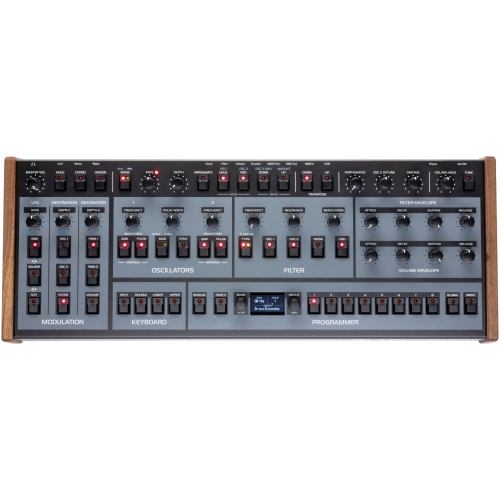
Analog synthesizers are electronic musical instruments that generate their core sounds using continuous electrical signals in physical circuits, rather than relying solely on digital processing or recorded samples. Their appeal lies in how directly a musician can shape a sound: a small turn of a filter knob can soften a bright chord, sharpen a bass line, or bring a sustained note into a resonant whistle. In a typical subtractive analog synthesizer, oscillators create waveforms, filters shape their harmonic content, and an amplifier controls the output level. Envelope generators determine how a sound develops over time, from the quick attack of a plucked note to the gradual rise and long release of a spacious pad. Low-frequency oscillators add repeating movement, such as vibrato, pulsing volume, or a slowly shifting filter. Sawtooth waves provide a harmonically rich starting point for brassy leads and strings, while pulse waves can produce hollow, woody, or sharply defined tones. The resulting character depends on the circuit design and settings, not simply on whether an instrument is described as analog. These instruments suit electronic music, pop, hip-hop, ambient compositions, film scoring, and experimental performance, with sounds ranging from rounded bass to abrasive textures. Monophonic synthesizers generally play one note at a time, making them well suited to focused bass lines, expressive melodies, and sliding pitch effects. Polyphonic models can play several notes together for chords, harmonies, and layered arrangements. Voice count matters when notes overlap: a chord with a long release can use more voices than its number of held keys suggests. Some instruments offer paraphonic playing, in which multiple pitches share parts of the sound-shaping circuitry, creating a different response from a fully polyphonic design. Analog sound generation can also coexist with digital patch memory, sequencing, effects, or tuning control. Those supporting features do not necessarily change the underlying sound source, so the signal path is more informative than the appearance of the control panel.
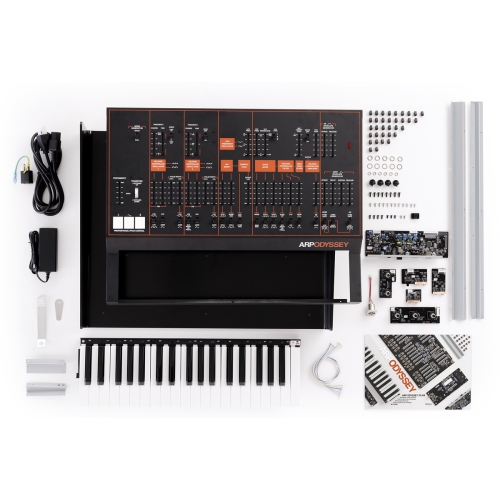
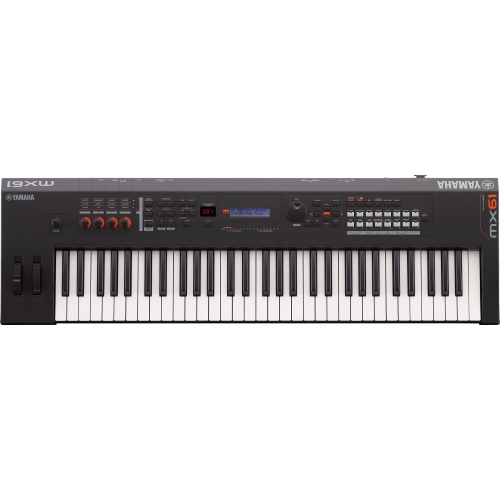
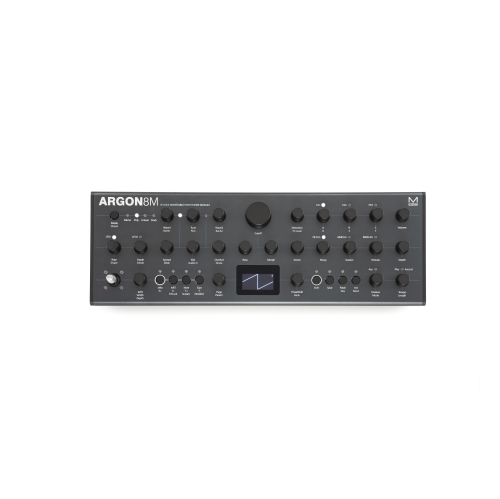
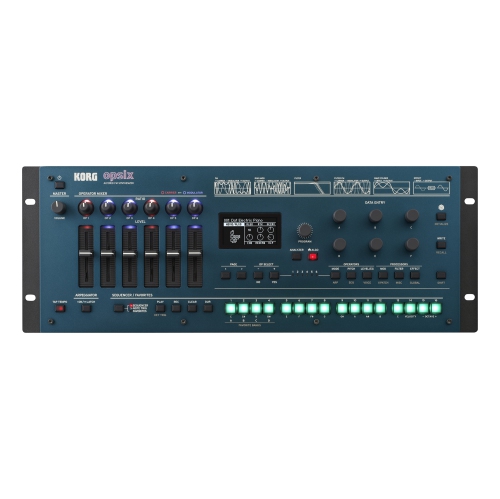
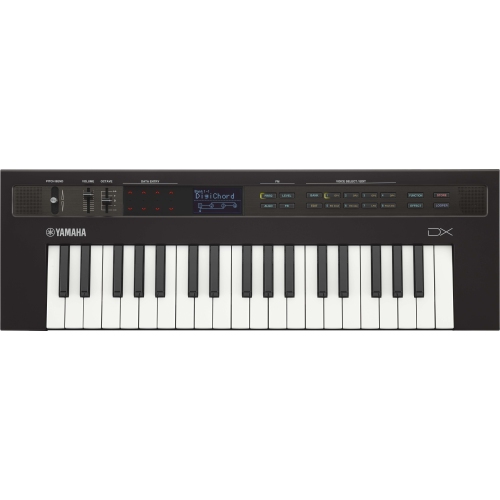
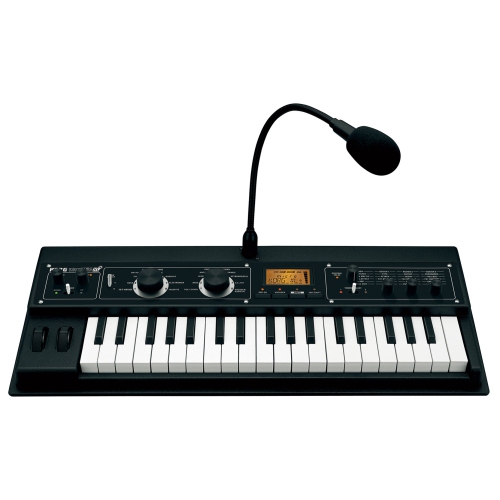
The physical format of an analog synthesizer affects how naturally it fits into a musical setup. Keyboard models combine sound generation and playing controls in one instrument, while desktop modules can sit beside a computer, drum machine, or existing MIDI keyboard. A compact module leaves more room on a crowded desk, although closely spaced knobs and smaller labels may require more deliberate adjustments. Full-size keys can feel more familiar to a pianist, while smaller keyboards suit portable setups and short melodic parts. Velocity sensitivity can translate playing strength into changes in volume or tone when the instrument supports those assignments; aftertouch can add expression through pressure applied after a key is pressed. For someone building repeating patterns, a sequencer or arpeggiator can be as important as the keyboard itself. A sequencer plays programmed notes or control changes, while an arpeggiator typically turns held notes into a repeating pattern. Hands-on controls make it possible to reshape a sequence while it runs, gradually opening the filter or shortening the notes until a steady phrase becomes something quite different. Semi-modular instruments usually provide an internal signal path that works without patch cables, with patch points available for alternative routing and modulation. Fully modular setups generally require separate modules and deliberate connections, offering deeper customization but also more planning. Analog instruments belong to the wider family of music synthesizers used for composition, recording, and live performance. Connections determine how smoothly they work with other equipment: MIDI carries performance and control information rather than sound, while audio outputs carry the signal to an interface, mixer, amplifier, or suitable speakers. A USB connection does not automatically mean that audio travels over USB. Headphone support, output configuration, pedal inputs, and clock synchronization can all influence everyday use, particularly when a synthesizer needs to follow a drum pattern or become part of an existing recording setup.
Build quality, playing comfort, and routine care help determine how well an analog synthesizer suits its intended use over time. Metal enclosures can provide a sturdy foundation for frequent transport, while well-made moulded housings can keep an instrument lighter without making it unsuitable for regular playing. The stability of knobs, sliders, sockets, and keys matters more than appearance alone, especially when controls will be adjusted throughout a performance. A performer may value clear panel markings, accessible connections, and enough space between controls to make changes accurately on a dimly lit stage. At a home workstation, overall depth, cable clearance, and a comfortable reach to the back row of knobs can matter just as much as keyboard width. A stable stand or desk should support the instrument without rocking, and a fitted case or padded bag can protect controls and keys during transport. Routine care is straightforward: a soft, dry cloth helps remove dust, liquids should stay away from the panel, and plugs should be handled by their connectors rather than pulled by the cable. The specified power supply and appropriate audio connections are important for reliable operation, while open patch points and exposed controls benefit from a cover when the instrument is not in use. Some analog circuits need a brief warm-up before tuning settles, although behaviour varies by design. For a beginning player, an accessible control layout can make the relationship between a movement and its sound easier to understand. Experienced keyboardists may place greater value on expressive playing controls, patch recall, or enough voices for extended chords. Producers often appreciate a dedicated instrument that encourages recording a performance rather than endlessly adjusting software. As a gift, an analog synthesizer is most meaningful when its format matches the recipient’s habits: a keyboard for someone who likes to sit down and play, a module for an established studio, or a patchable instrument for a musician who enjoys exploring unusual connections and evolving sounds.
Top selling and popular products
-
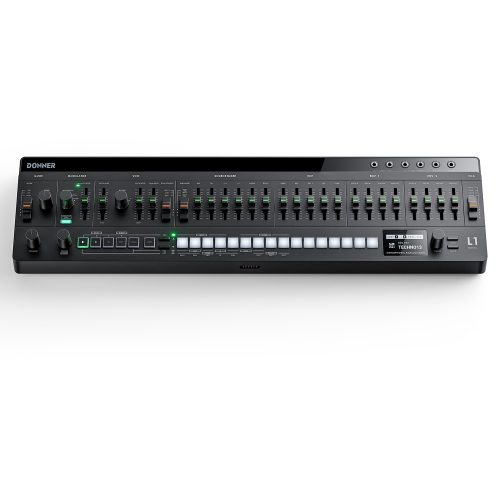 Your price for this item is $229.99
-
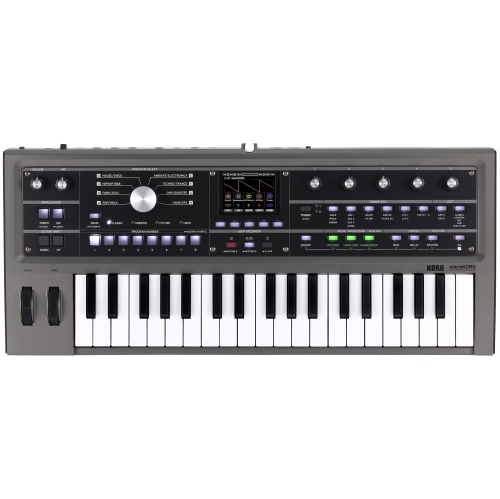 Your price for this item is $849.99
-
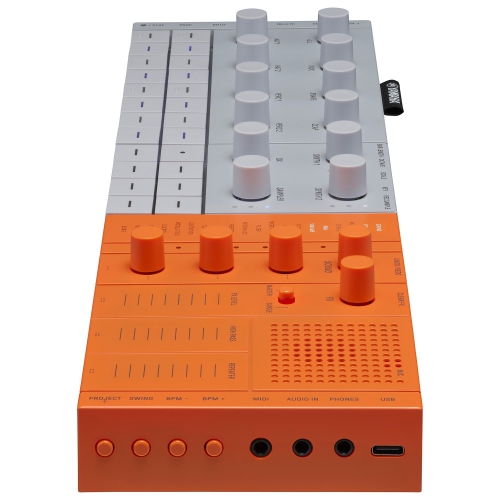 Your price for this item is $599.99
-
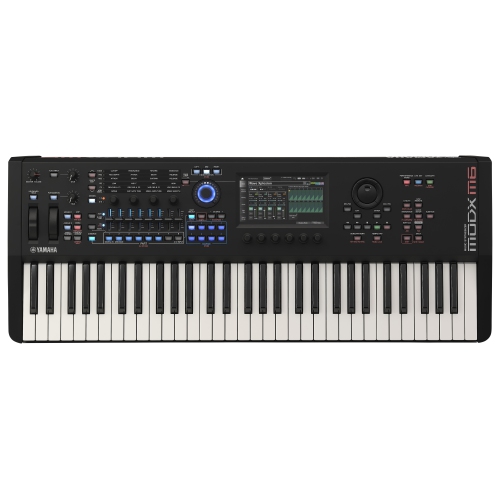 Your price for this item is $2399.99
-
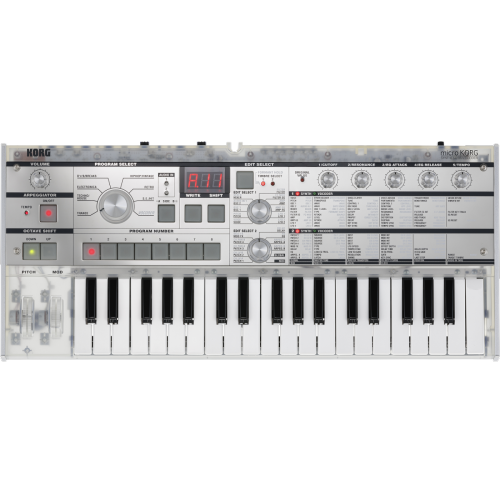 Your price for this item is $833
-
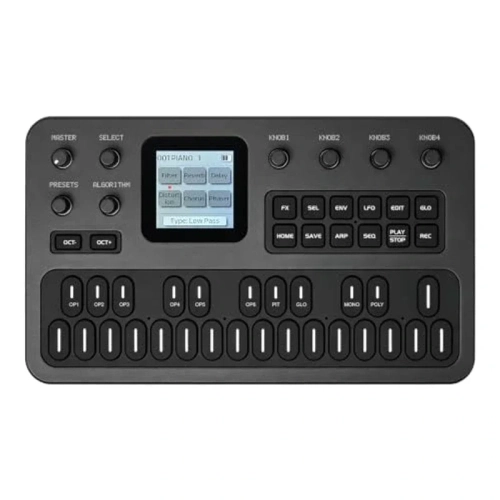 Your price for this item is $185.32
-
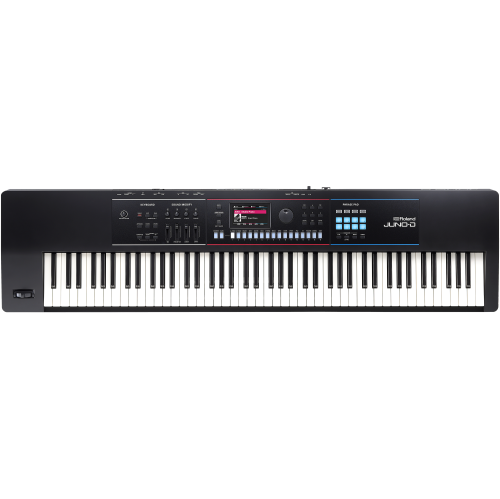 Your price for this item is $1899.99
-
 Your price for this item is $49.99
Discover more categories related to Analog Synthesizers
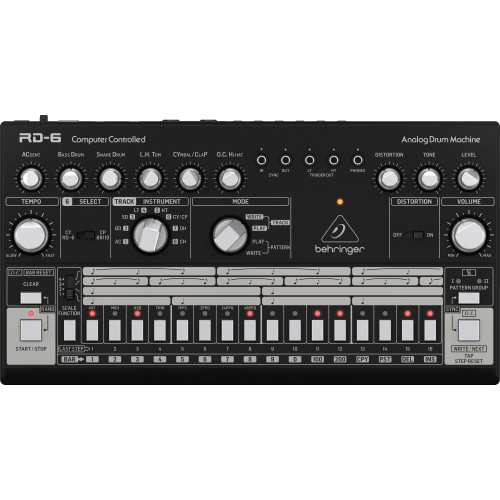
Top Collections:
Best Black Friday Deals This Year, Best Black Friday Deals On Electronics, Kindle Devices, Pokemon Centers, Best Black Friday Deals On Apple Products, Best Cameras for Sports Photography, Dyson Airwrap, Pokémon 30th Celebration Cards, Apple iPhone 17 Pro, Canon G7X Cameras
Some products may be subject to Environmental Handling Fees
(EHF) depending on your province.
Learn more about EHFs.