Back To School Chromebooks

Find back-to-school Chromebooks for taking notes, researching assignments, and keeping coursework organized. Compare ChromeOS laptops by screen size, memory, storage, and battery life to find a fit for your classes and budget, and check that your school’s required apps are compatible before choosing.
Read More

Sort

Back To School Chromebooks

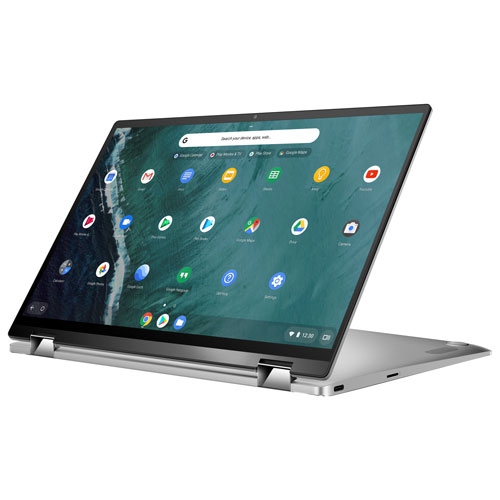
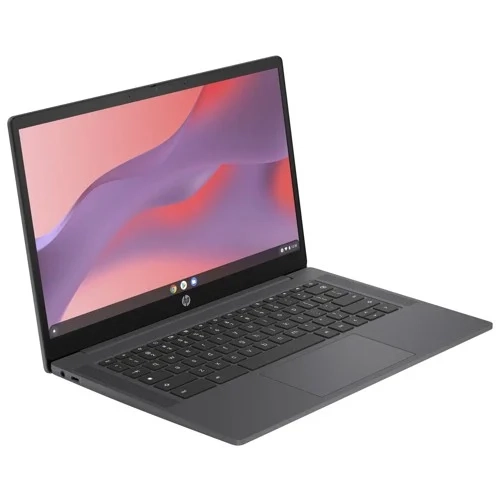
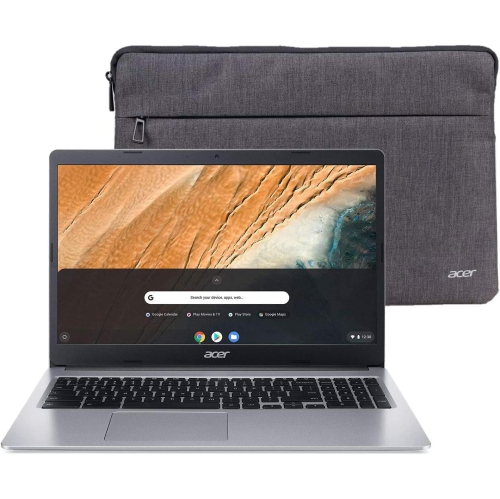
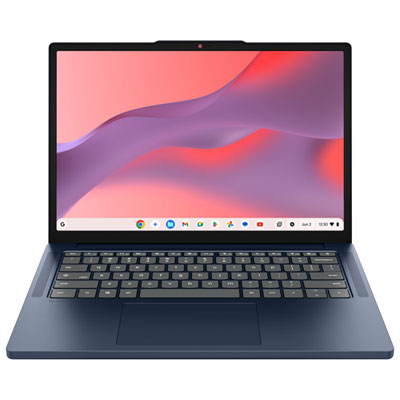
Back to School Chromebooks bring a practical mix of portability and everyday computing to the school year, from taking notes in class to polishing an assignment at the kitchen table. For students whose coursework centres on browser-based tools, shared documents, online research, and virtual lessons, a Chromebook can make it easy to keep schoolwork close at hand. A lightweight model slips into a backpack alongside notebooks and a lunch bag, while a larger screen offers more room to read an article beside a draft essay. Think about where the student will spend most of their time: moving between classrooms, working at a library desk, or settling into a study corner at home. Screen size, keyboard comfort, and battery life all affect how well a device fits that routine. A compact design may be easier to carry throughout the day, but a roomier keyboard and display can feel more comfortable during longer writing sessions. Advertised battery life is useful for comparison, though actual runtime will vary with screen brightness, video calls, and the number of applications in use.

Choosing a Chromebook for school starts with checking the school’s device requirements and the software needed for each course. Many web-based learning platforms work well on Chromebooks, but some desktop applications, specialist programs, and exam tools may require a different operating system or a school-approved configuration. That distinction matters especially for students taking courses in design, engineering, or other subjects with specific software requirements. Memory and processor performance are worth a close look, too: switching between a video lesson, a shared presentation, and several research tabs places more demands on a device than working in a single document. Local storage provides space for downloads and compatible offline files, while cloud storage depends on the account and service being used. Some tasks can be prepared for offline access, but an internet connection is still needed for many classroom activities. Check the model’s automatic update support period as part of the purchase decision, particularly when buying a device intended to last through several school years.

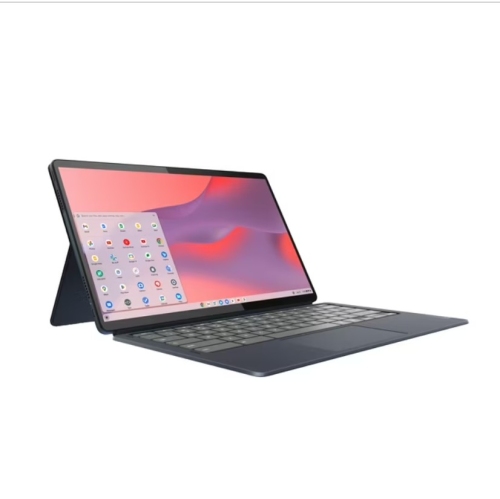
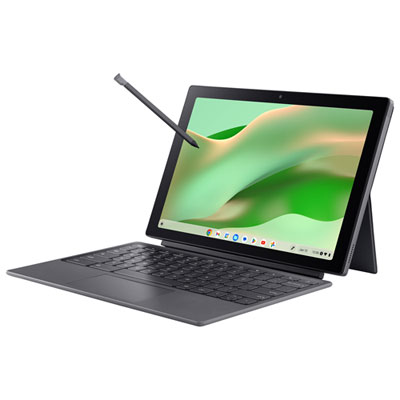
The smaller details often make the biggest difference once the first week of classes is underway. A clear webcam and microphone help with remote lessons and group projects, while suitable ports make it easier to connect headphones, an external display, or other study accessories. Check charging compatibility rather than assuming every port supports the same functions, and look at Wi-Fi specifications alongside the connection available at home or school. A touchscreen or convertible design may suit students who like to annotate readings or review notes in tablet mode; pen compatibility and whether a pen is included should be confirmed separately. For a parent, grandparent, or other gift-giver, the best fit is usually the device that matches the student’s actual workload rather than the one with the longest feature list. Picture the everyday moments: opening a homework assignment after practice, joining a group call before supper, or making a final edit before handing in a project. A well-chosen Chromebook supports those familiar routines, with enough comfort, connectivity, and performance to help students stay focused on the work in front of them.

Read More

FAQ

Some products may be subject to Environmental Handling Fees (EHF) depending on your province. Learn more about EHFs.