Back To School High Capacity External Drives
High-capacity external drives for back to school give you extra space for coursework, research files, and large media projects. Browse external storage options for backing up your laptop or keeping class files together, and compare capacity, connection type, and computer compatibility to find a drive that fits your study setup.


FAQ
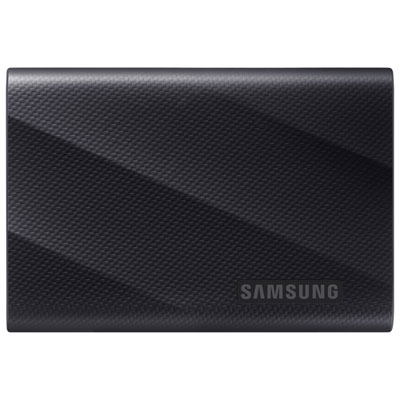
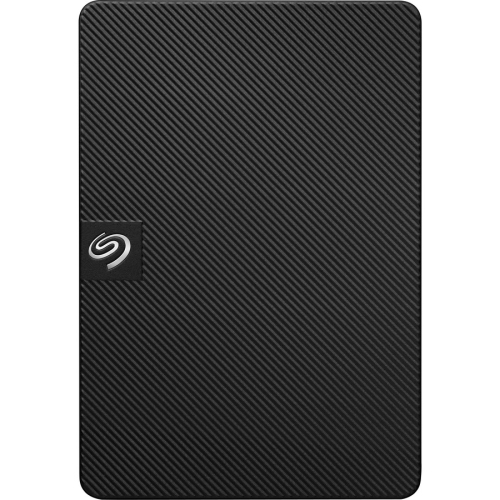
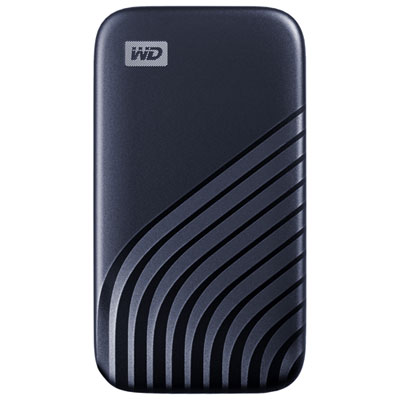
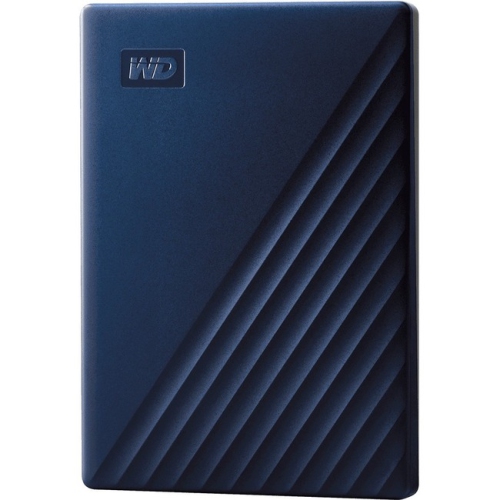
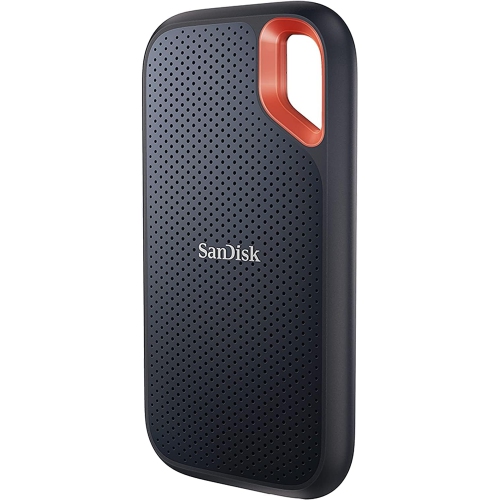
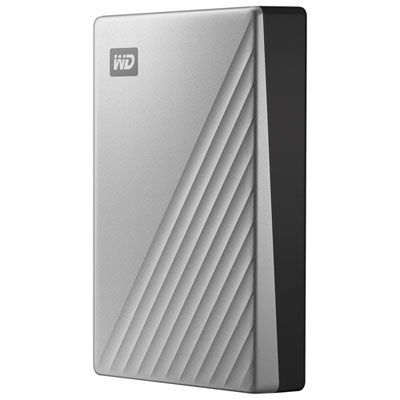
External hard disk drives (HDDs) use spinning disks to store files, while external solid-state drives (SSDs) use flash memory with no moving parts. HDDs are a common choice for archiving completed assignments and course materials. SSDs typically offer faster file transfers, which can be useful when working with video projects, photo libraries, or design files.
Yes, provided the drive’s connection and file system are compatible with both computers. The exFAT file system supports reading and writing on Windows and macOS, making it useful for transferring assignments between platforms. Reformatting erases existing files, so copy anything you want to keep elsewhere before changing the file system.
Check which ports are available on your laptop or desktop, such as USB-A, USB-C, or Thunderbolt. Match the drive and cable to those ports, and check the supported transfer standard rather than relying on the connector shape alone. A USB-C connector does not automatically mean a drive supports Thunderbolt.
Create folders for each academic year or term, then separate files by course and assignment. Use consistent file names that include the project name, date, and version. Keeping completed projects in an archive folder can help distinguish past coursework from current assignments.
Storing a file on an external drive may mean that the drive holds its only copy. A backup is an additional copy of a file kept separately from the original. Students can use an external drive with compatible backup software to create scheduled copies of coursework, notes, and project folders.
Top selling and popular products
Discover more categories related to Back To School High Capacity External Drives
Some products may be subject to Environmental Handling Fees (EHF) depending on your province. Learn more about EHFs.