Back To School Microphones for Virtual Learning
Find back-to-school microphones for virtual learning to help students speak clearly during online classes, group discussions, and presentations. Compare microphones by device compatibility, connection type, and desk space to find an option that suits your student’s computer and study setup.


FAQ
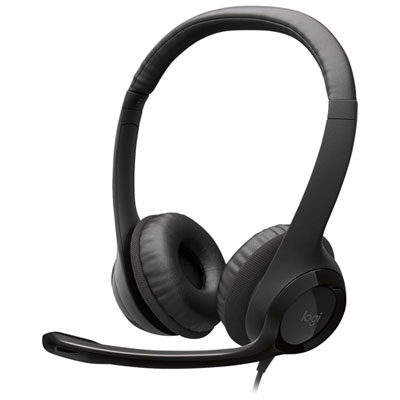
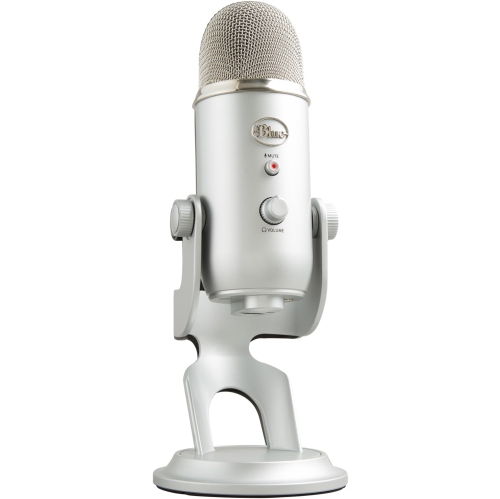
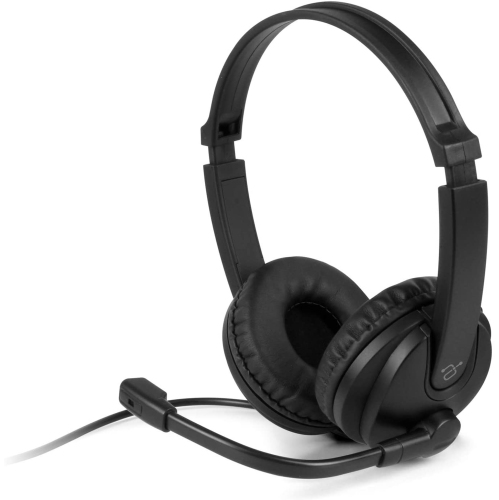
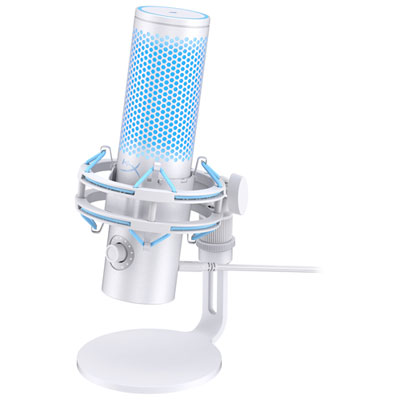
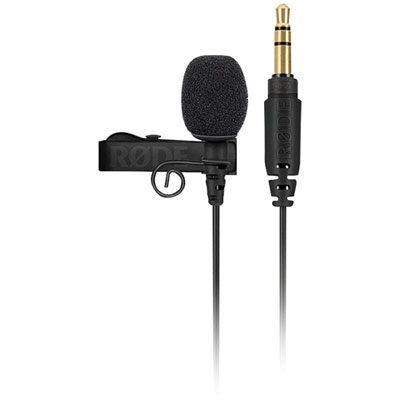
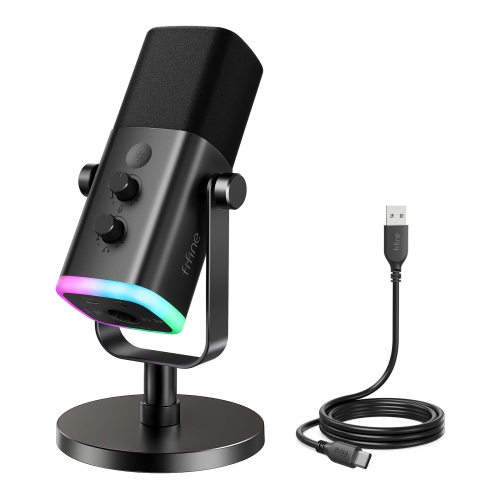
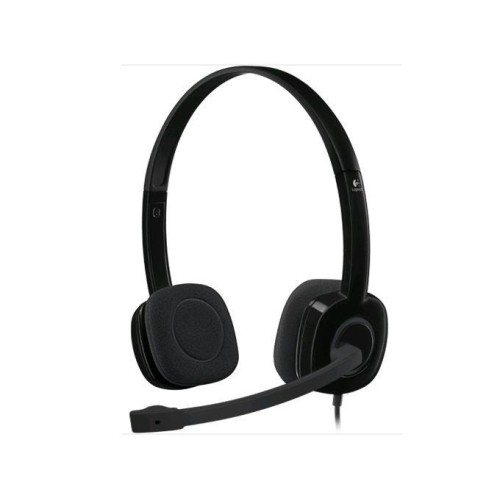
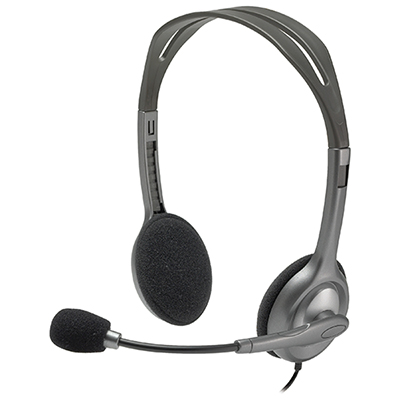
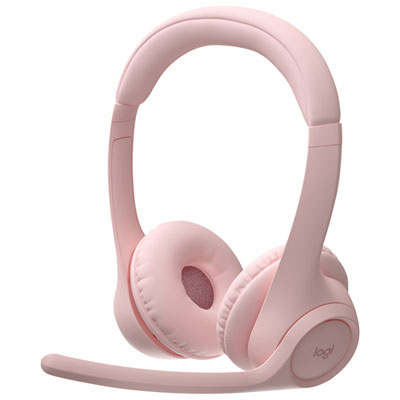
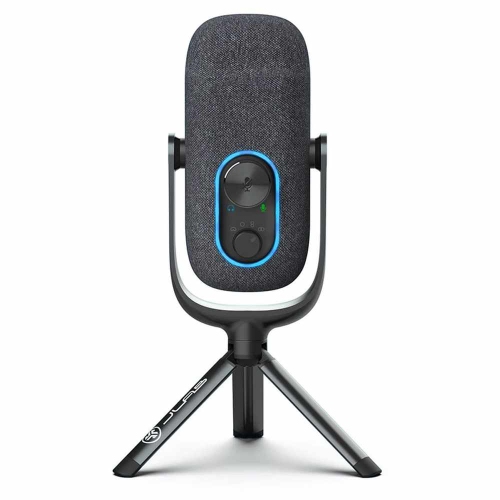
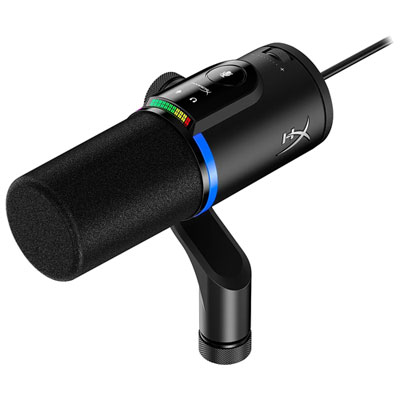
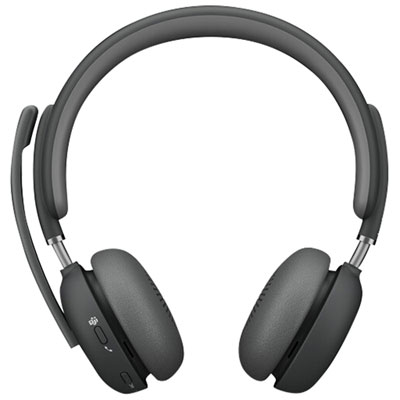
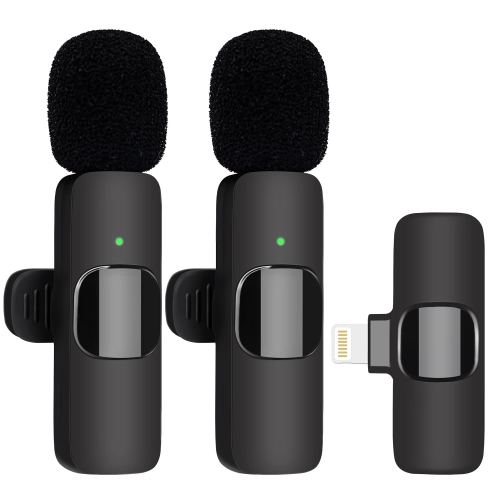
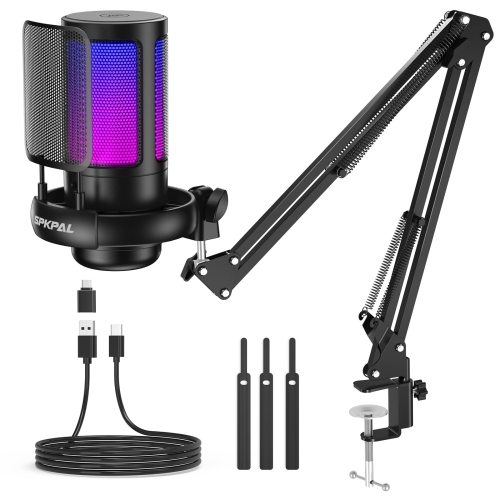
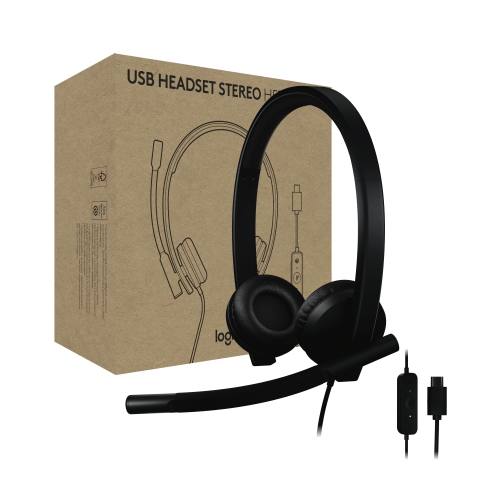
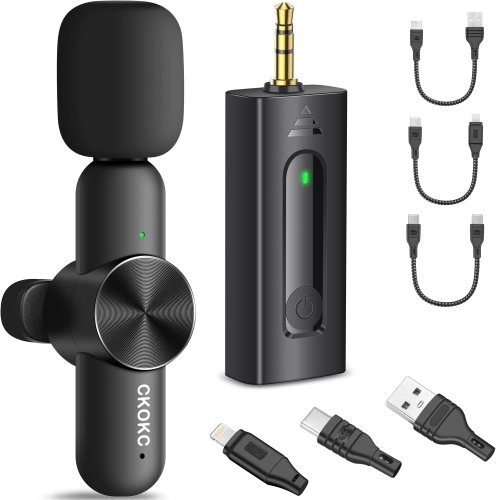
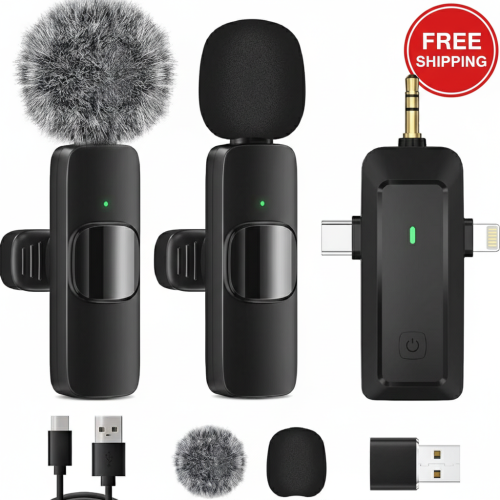
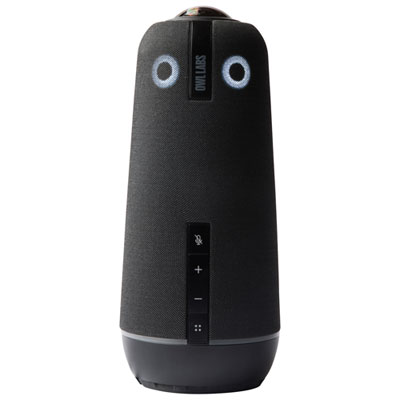
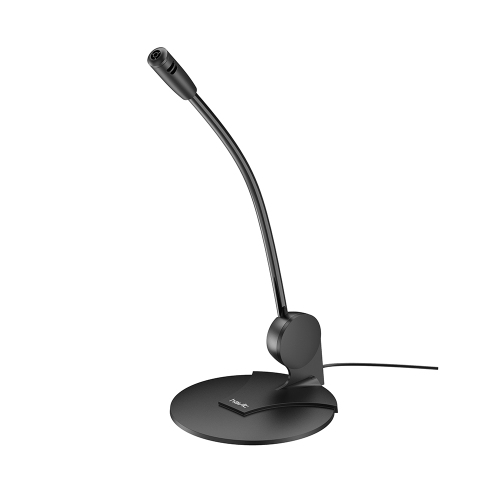
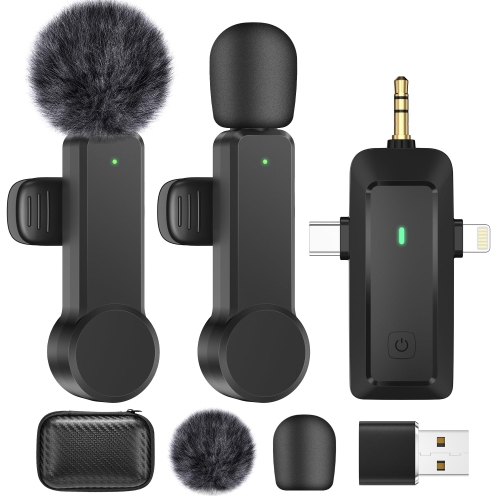
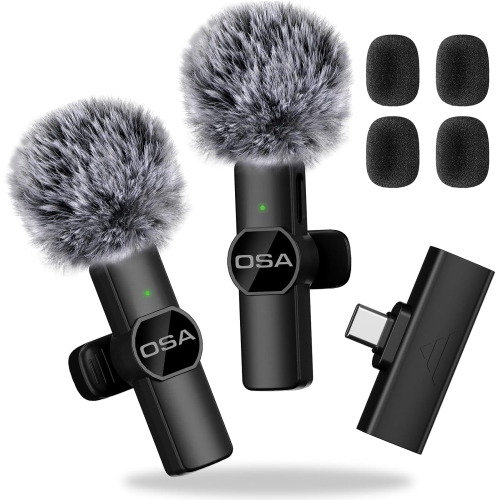
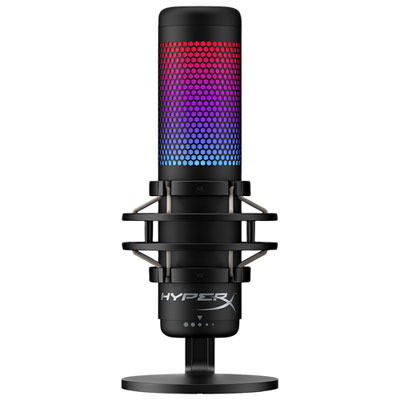
Common options include desktop USB microphones, headset microphones, clip-on lavalier microphones and XLR microphones. Desktop models sit on a desk or stand, headsets combine headphones with a microphone, and lavalier microphones clip onto clothing. XLR models typically connect through a separate audio interface.
USB microphones connect to a compatible USB port, while some microphones use a 3.5 mm audio connection. XLR microphones generally require an audio interface connected to the computer. Check the microphone’s connection type and operating system requirements, as some setups require an adapter or additional software.
Many virtual learning and video meeting platforms let you select an external microphone in their audio settings. After connecting the microphone, choose it as the input device in the app or browser and allow microphone access when prompted. Compatibility depends on the microphone, device and platform.
Depending on the model, microphones may include a mute button, an input gain dial and a headphone volume control. Some also have a headphone jack for direct monitoring or a switch for selecting pickup patterns. Available controls vary, so check which functions are built into the microphone and which are managed through software.
Common accessories include desk stands, boom arms, pop filters, shock mounts and connection cables. Some microphones include a stand and cable, while others require separate accessories. Check mounting compatibility and connector types, and confirm whether an XLR setup requires an audio interface or phantom power.
Top selling and popular products
Discover more categories related to Back To School Microphones for Virtual Learning

Some products may be subject to Environmental Handling Fees (EHF) depending on your province. Learn more about EHFs.