Back To School Microphones For Student Podcasting And Vlogging
Find back-to-school microphones for student podcasting and vlogging, whether you’re recording class projects, campus interviews, or video content. Compare microphones by device compatibility, connection type, and recording setup to choose an option that works with your laptop, phone, or camera.
FAQ
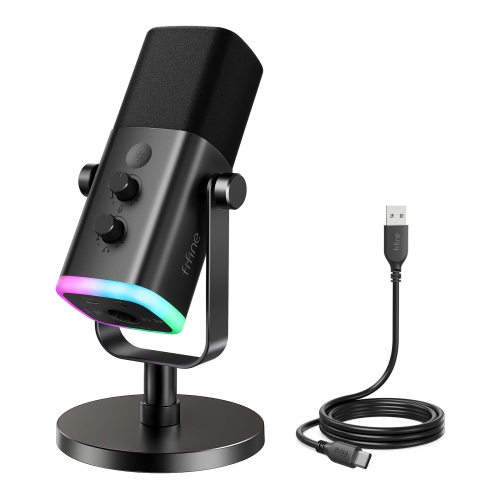
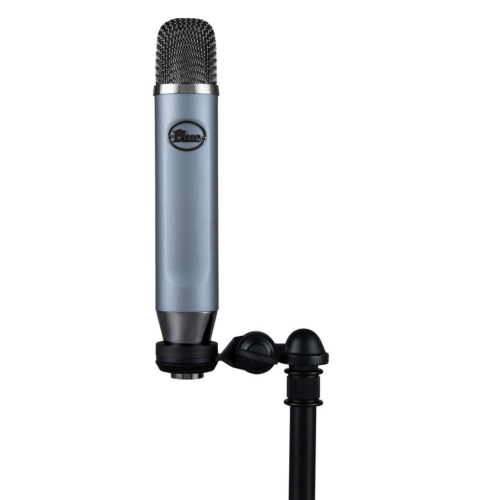
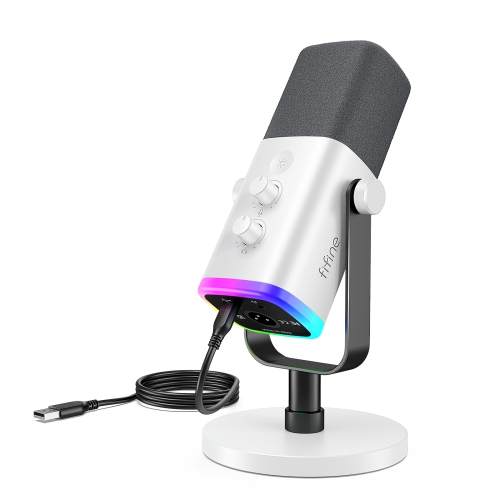
USB microphones connect directly to a compatible computer and typically include the components needed to convert audio into a digital signal. XLR microphones connect through an audio interface or mixer. USB is a straightforward option for solo school projects, while an XLR setup can support multiple microphones when paired with an interface that has enough inputs.
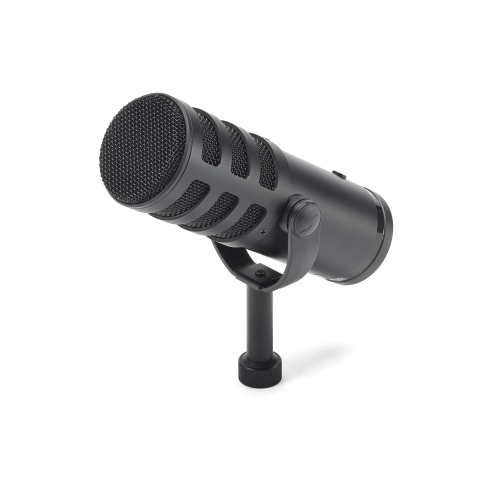
Dynamic and condenser microphones use different methods to turn sound into an electrical signal. Dynamic microphones generally do not need external power for their microphone element. Condenser microphones require power, which may come from a USB connection, a battery, or phantom power supplied by compatible audio equipment.
A pickup pattern describes the directions from which a microphone captures sound. Cardioid microphones primarily capture sound from the front, omnidirectional microphones capture sound from all directions, and bidirectional microphones capture sound from the front and back. The appropriate pattern depends on whether a student is speaking alone, interviewing someone, or capturing a group discussion.
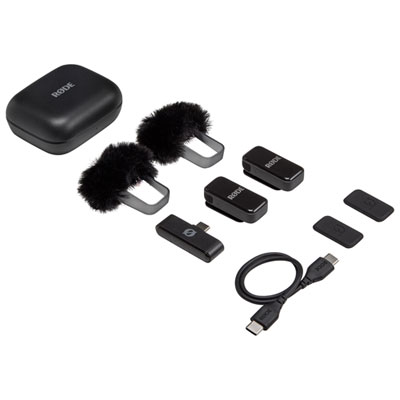
Yes, provided the microphone and device support compatible audio connections. Phones may use USB-C, Lightning, or a compatible audio adapter, while cameras may have a dedicated microphone input. Check connector requirements, operating system support, power requirements, and whether the recording app accepts an external microphone.
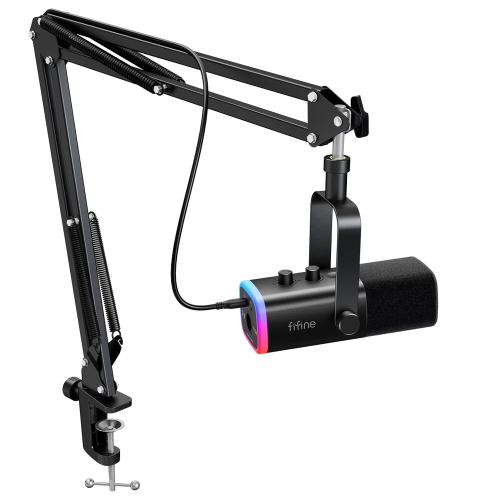
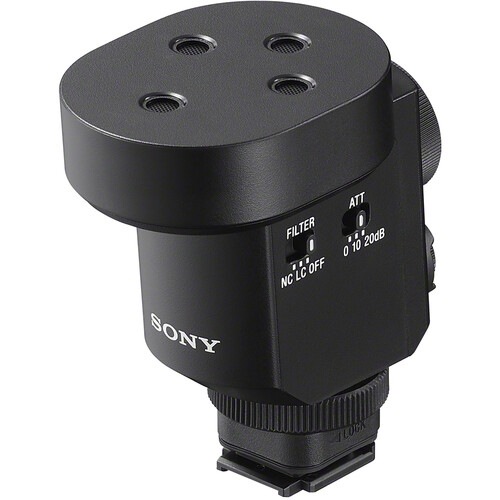
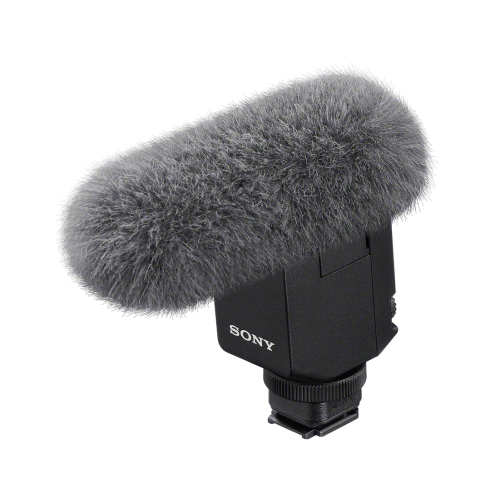
Common accessories include a desktop stand or boom arm for positioning, headphones for monitoring, and cables matched to the microphone’s connection. Pop filters and windscreens are also common additions. Depending on the setup, students may need an audio interface for an XLR microphone or a compatible mount for attaching a microphone to a camera.
Top selling and popular products
Discover more categories related to Back To School Microphones For Student Podcasting And Vlogging

Some products may be subject to Environmental Handling Fees (EHF) depending on your province. Learn more about EHFs.