Back To School Streaming Microphones
Find back-to-school streaming microphones for online classes, study calls, and livestreams. Browse microphones for your student desk setup, and compare device compatibility, connection type, and pickup pattern to find an option that suits your space and how you plan to use it.
FAQ
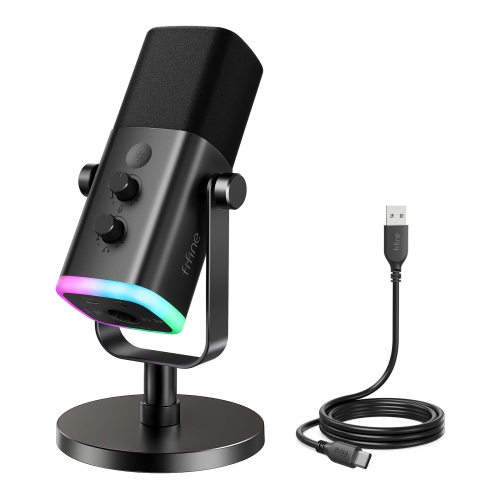
Streaming microphones commonly use USB or XLR connections. USB microphones connect to a compatible computer, while XLR microphones connect through an audio interface or mixer. Some models include both options. Check the microphone’s connection type and operating system requirements against your school laptop or desktop.
A polar pattern describes the directions from which a microphone picks up sound. Cardioid patterns primarily capture sound from the front, omnidirectional patterns capture sound from all around, and bidirectional patterns capture sound from the front and back. Some streaming microphones let you switch between patterns for different recording arrangements.
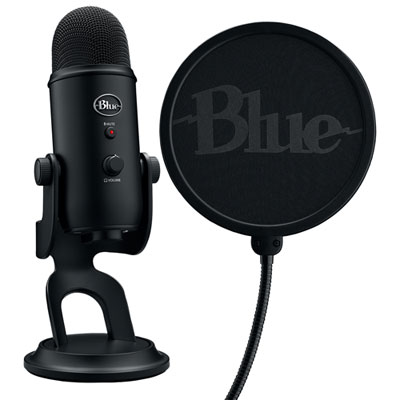
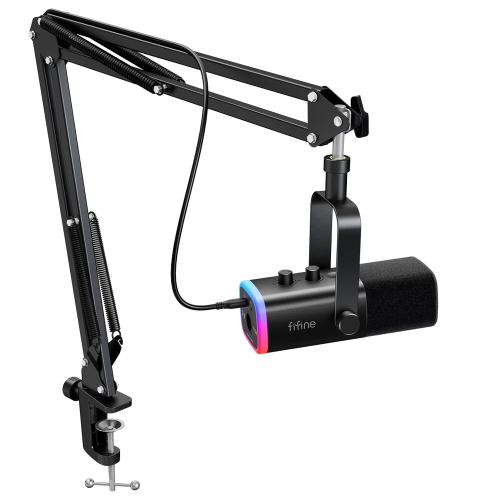
Common accessories include desk stands, boom arms, pop filters, shock mounts, and headphones. A stand or boom arm holds the microphone, while a pop filter sits between the speaker and microphone. XLR setups also require a compatible audio interface or mixer and an XLR cable. Included accessories vary by microphone.
Streaming microphones may have a mute button, a gain dial, a headphone volume control, or a polar pattern selector. Gain adjusts the microphone’s input level, while headphone volume adjusts the listening level. Models with a headphone jack may also offer direct monitoring so you can hear the microphone input without routing it through recording software.
After connecting the microphone or audio interface, open the app’s audio settings and select it as the input device. You may also need to allow microphone access in your computer’s privacy settings or browser permissions. Classroom, recording, and streaming apps can have separate input selections, so check each app you plan to use.
Top selling and popular products
Discover more categories related to Back To School Streaming Microphones
Some products may be subject to Environmental Handling Fees (EHF) depending on your province. Learn more about EHFs.