Best Mechanical Keyboards for Programming
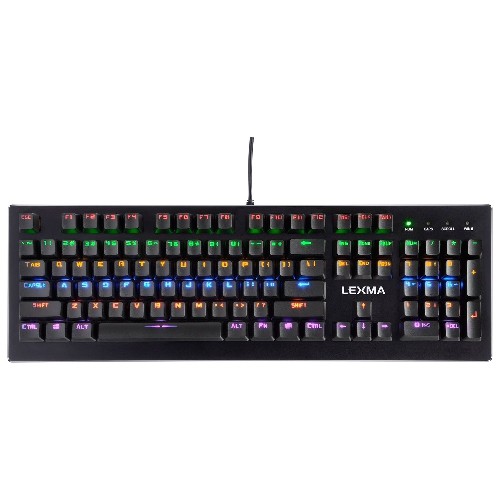
The best mechanical keyboards for programming combine responsive typing, lasting comfort, and features that support your workflow. Whether you prefer tactile feedback, quieter switches, or a compact layout that frees up desk space, finding the right fit can make long coding sessions more comfortable. Explore mechanical keyboards ranked by user review ratings and compare options for your programming setup.

Read More

What to look for in mechanical keyboards for programming

1. Switch Type and Typing Feel

Linear switches offer smooth keystrokes, tactile switches provide a noticeable bump, and clicky switches add audible feedback. Consider switch weight and noise levels, especially if you share a workspace or spend long hours coding.

2. Layout and Key Access

Full-size keyboards include a number pad, while tenkeyless and compact layouts leave more room for your mouse. For programming, check that the layout offers convenient access to function keys, arrow keys and frequently used symbols.

3. Key Remapping and Compatibility

Programmable keys, macros and custom layers can help you tailor shortcuts to your development tools. Check operating system compatibility and whether customization requires software or can be saved to the keyboard’s onboard memory.

4. Comfort and Build Quality

Consider keyboard height, typing angle and wrist support to find a setup that feels comfortable during extended sessions. A sturdy case and durable keycaps can withstand frequent use, while hot-swappable switches let you change typing feel without soldering.
Citrus catapult arrow
  1. 1

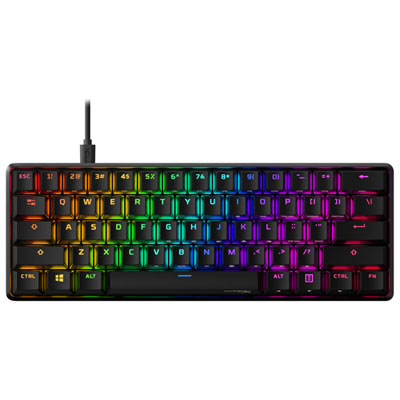
    HyperX Alloy Origins 60 Backlit Mechanical Red-Linear Gaming Keyboard

    About this product

    A compact black and red mechanical keyboard with RGB backlighting, aluminum frame, and responsive linear switches.

    What customers like

    • Excellent value for money
    • High build quality with aluminum frame
    • Vibrant customizable RGB lighting
    • Smooth and responsive red linear switches
    • Compact and space-saving design
    (313)
    $88.98
    SAVE $11
    Your price for this item is $88.98
  2. 2

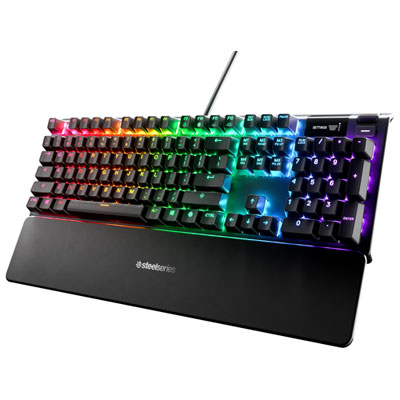
    SteelSeries Apex 5 Backlit Hybrid Mechanical Gaming Keyboard

    About this product

    A black hybrid mechanical keyboard featuring dynamic RGB backlighting, OLED display, and durable aluminum alloy frame.

    What customers like

    • Customizable RGB lighting and OLED display
    • Comfortable and detachable magnetic wrist rest
    • Solid build quality with durable aluminum frame
    • Convenient media controls and software customization
    • Responsive and tactile hybrid mechanical keys
    (669)
    $129.98 Your price for this item is $129.98
  3. 3

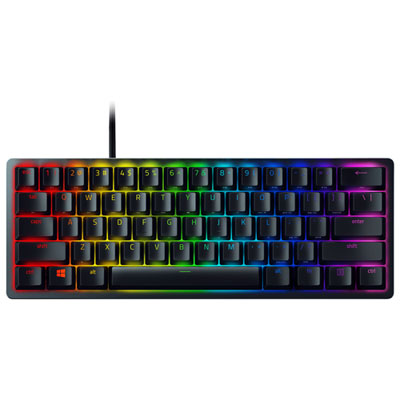
    Razer Huntsman Mini Mechanical Clicky Optical Gaming Keyboard

    About this product

    A compact black keyboard featuring Clicky Optical switches for ultra-fast, tactile feedback during intense gaming.

    What customers like

    • Compact size is ideal for portability and small spaces
    • Build quality and durability are consistently noted
    • RGB lighting and customization options are highly praised
    • Keys offer fast, responsive, and tactile feedback
    • Excellent performance and features for gaming
    (2,058)
    $94.99
    SAVE $42
    Your price for this item is $94.99
  4. 4

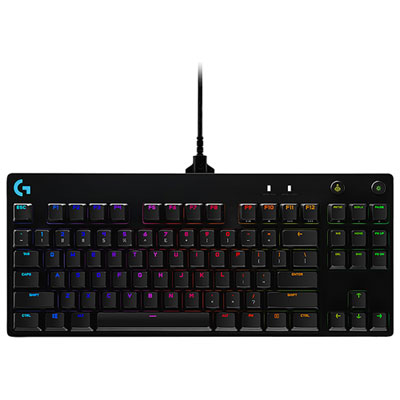
    Logitech G Pro Backlit Mechanical GX Blue Clicky Gaming Keyboard

    About this product

    A compact tenkeyless keyboard featuring GX Blue clicky switches, customizable LIGHTSYNC RGB, and onboard memory.

    What customers like

    • Responsive and precise performance
    • Compact and portable design
    • Customizable and vibrant RGB lighting
    • Excellent tactile and clicky key feel
    • Sturdy build quality and durability
    (966)
    $119.99
    SAVE $30
    Your price for this item is $119.99
  5. 5

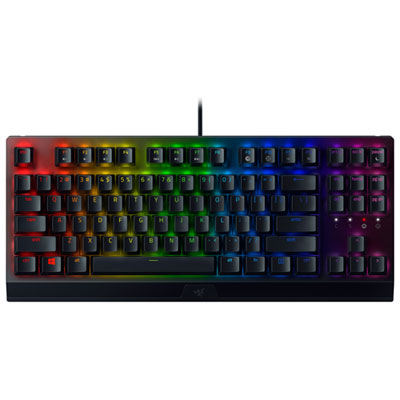
    Razer BlackWidow V3 Tenkeyless Backlit Mechanical Green Switch Gaming Keyboard

    About this product

    A compact black and green mechanical keyboard with green switches and backlighting for responsive, lag-free gaming.

    What customers like

    • Responsive and fast switches
    • Vibrant RGB lighting
    • Compact design
    • Solid and durable build
    • Comfortable and tactile typing experience
    (96)
    $119.98
    SAVE $10
    Your price for this item is $119.98
  6. 6

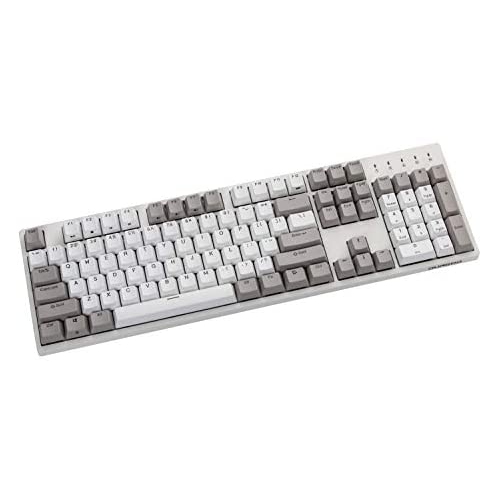
    DURGOD Taurus K310 Mechanical Gaming Keyboard - 104 Keys - Double Shot Pbt - Nkro - USB Type C ( , Cherry Mx In White

    About this product

    A white mechanical gaming keyboard featuring 104 keys, double shot PBT keycaps, and Cherry MX switches.

    $129.00 Your price for this item is $129
  7. 7

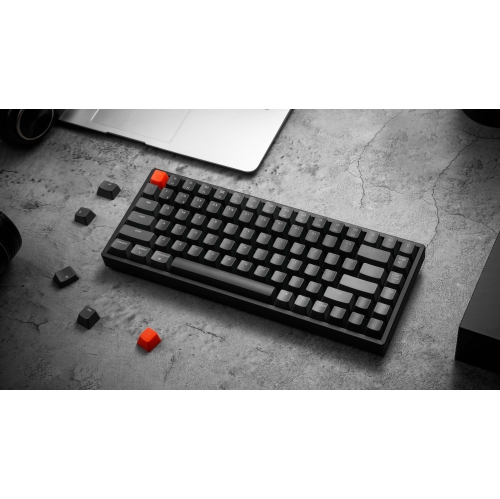
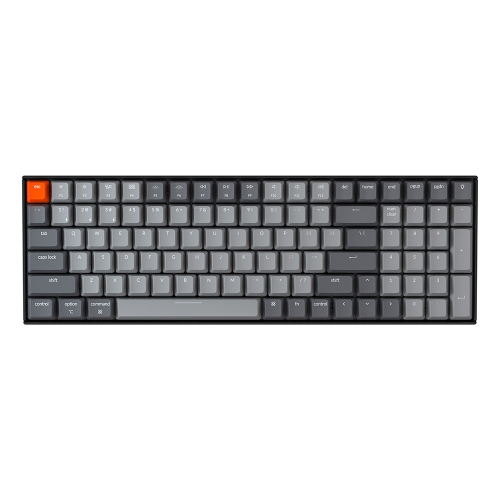
    KEYCHRON K2 V2 RGB Wireless Mechanical Gaming Keyboard – 75% Layout, Gateron Switches – Compatible w Windows, Macos, Linux & Android, Black (K2-B1)

    About this product

    A compact wireless mechanical keyboard with RGB lighting, Gateron switches, and multi-OS compatibility in black and red.

    $108.68
    SAVE $10
    Your price for this item is $108.68
  8. 8

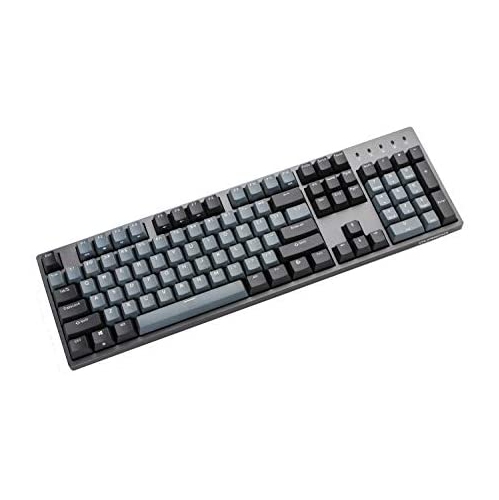
    DURGOD Taurus K310 Mechanical Gaming Keyboard - 104 Keys - Double Shot Pbt - Nkro - USB Type C (Cherry Black, Grey)

    About this product

    A mechanical gaming keyboard with 104 keys, double shot PBT keycaps, and USB Type-C in black and grey.

    $129.00 Your price for this item is $129
  9. 9

    KEYCHRON K4 V2 Wireless Mechanical Keyboard - Black - RGB - Gateron Pro - 96% Layout - Windows Mac Os Linux Android (K4-B3) In Brown

    About this product

    A wireless mechanical keyboard with RGB lighting, Gateron Pro brown switches, and multi-OS compatibility.

    $117.68
    SAVE $10
    Your price for this item is $117.68
  10. 10

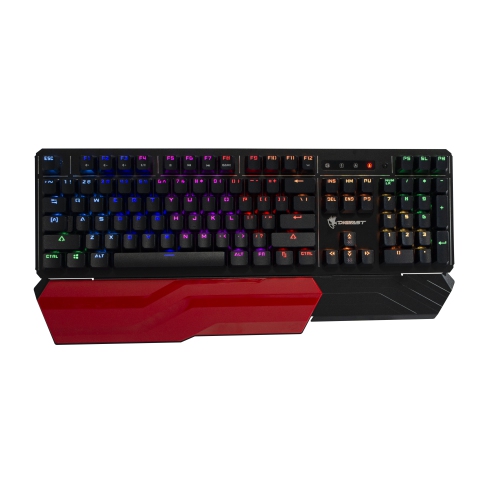
    DIGIFAST Lk42 Mechanical RGB Gaming Keyboard, Optical Clicky Switches 100 Million Durability, Customizable Color, Water-Resistant Design, Ergonomic

    About this product

    An ergonomic mechanical keyboard with customizable RGB lighting, optical clicky switches, and a water-resistant metal design.

    $174.99 Your price for this item is $174.99

How keyboard layouts shape your coding workflow

The best mechanical keyboards for programming combine a comfortable typing feel, a layout that keeps essential keys within reach, and customization suited to everyday coding tasks. A programmer moving between an editor, terminal, browser, and debugger may value dedicated arrow keys and an accessible function row more than a separate number pad. A full-size mechanical keyboard includes that number pad alongside the main typing area, making it useful for developers who also enter spreadsheet data, work with numerical models, or manage accounting tasks. Tenkeyless keyboards remove the number pad while retaining the function row and navigation cluster, leaving more room for a mouse without placing common editing commands behind shortcuts. A 75% layout brings many of those same keys closer together, offering a compact footprint for a smaller desk or a workstation shared with a laptop. Smaller layouts can suit programmers who prefer keyboard shortcuts, although accessing function keys or navigation commands through a secondary layer takes practice. The position of brackets, backslashes, quotation marks, and other punctuation deserves particular attention because these characters appear constantly in code. Layout conventions also affect the shape of Enter, the length of Shift, and the placement of symbols, so familiarity can matter more than the smallest possible footprint. Clearly printed legends help when learning a different layout, while a distinct arrow-key cluster makes quick cursor movements easier to locate by touch. For developers who alternate between writing code and reviewing documentation, a compact keyboard can keep the mouse closer without sacrificing the keys used most often. Students carrying a keyboard between a study space and a lab may appreciate a lighter, smaller design, while a dedicated desktop setup can accommodate a heavier full-size model. No single size is best for every programmer: the useful distinction is whether the keyboard supports frequent tasks directly or requires extra key combinations that interrupt an otherwise familiar workflow.

Mechanical switches give each key its own mechanism, and their feel has a substantial influence on long typing sessions. Tactile switches provide a noticeable bump during the press, which some typists appreciate as feedback when entering text. Linear switches move smoothly through their travel without a tactile bump, appealing to those who prefer a consistent press from top to bottom. Clicky switches add an audible click, creating a distinct typing sound that may be welcome in a private workspace but distracting during calls or beside other people. Linear does not automatically mean quiet: the sound also depends on the switch design, keycaps, case, internal damping, and how firmly the keys are pressed. Switches designed with internal silencing can reduce impact noise, although no mechanical keyboard is completely silent. Actuation force matters as much as switch type. A lighter press may feel effortless to one programmer and lead to accidental inputs for another, while a heavier spring can provide resistance that some typists find reassuring. Low-profile mechanical keyboards use shorter components and often shorter key travel, giving laptop users a more familiar transition. Standard-height designs offer a different feel and a broad range of replacement keycaps, subject to compatibility. Keycap material also changes the experience under the fingertips. PBT keycaps generally resist surface shine well, while ABS keycaps can offer a smooth texture but may become shinier with use. Moulded, double-shot legends resist wear because the characters are formed from a separate piece of plastic rather than simply printed on the surface. Case construction contributes to weight, rigidity, and sound: metal cases often feel substantial, while plastic designs can be easier to carry and need not feel flimsy. Internal mounting systems and damping materials further influence how firm or cushioned typing feels. Hot-swappable switch sockets allow compatible switches to be replaced without soldering, making it possible to adjust the typing feel or replace a faulty switch. Socket compatibility still matters, since standard-height and low-profile switches are not generally interchangeable.

Programmable features can make a mechanical keyboard especially useful for development work, provided they match the way the computer is used. Key remapping can put Escape, Control, or another frequently used command in a more accessible position, while custom layers can group navigation controls where the fingers already rest. Macros may simplify repeated, non-sensitive inputs, but their behaviour depends on the application, operating system, and any workplace restrictions. Onboard memory can retain supported settings when a keyboard moves between computers; software-dependent functions may require installation or permission on each machine. Compatibility is worth checking beyond the connector, particularly for modifier keys, media controls, and configuration tools. Wired USB connections avoid charging and offer a straightforward connection for a fixed workstation. Wireless models reduce cable clutter, and multi-device switching can help someone move between a work laptop and a personal desktop. Bluetooth and dedicated USB receivers have different pairing and port requirements, while battery life varies with features such as backlighting. Adjustable lighting can make legends easier to read in a dim workspace, but it is not a substitute for comfortable room lighting. Physical fit matters just as much as connectivity. Keyboard height, desk height, and chair position should allow relaxed shoulders and wrists that are not bent sharply upward. Raising the rear feet is not automatically more comfortable; a flatter position may feel better for some people. Split designs let the two key groups sit farther apart, and models with tenting adjustment change their angle, although unfamiliar layouts can require an adjustment period. Durability also benefits from simple care: disconnecting the keyboard before cleaning, clearing loose debris gently, and following the maker’s instructions for keycap removal help protect the switches and finish. Liquids should stay away from the case unless a stated protection rating and care instructions say otherwise. As a gift for a coding student or experienced developer, a mechanical keyboard is most personal when its layout, sound, and switch feel reflect the recipient’s habits. For a broader range of typing designs, Best Keyboards for Programming brings the focus back to the everyday essentials: accessible commands, dependable input, and a comfortable fit at the desk.
Read More

FAQ

Some products may be subject to Environmental Handling Fees (EHF) depending on your province. Learn more about EHFs.