Best Keyboards for Programming

The best keyboards for programming can make long coding sessions more comfortable and help you work efficiently. From responsive keys and customizable shortcuts to ergonomic layouts, the right features can make a difference in your daily workflow. Explore keyboards ranked by user review ratings to find an option that suits your coding style and workspace.

Read More

What to look for in keyboards for programming

1. Typing Feel and Switch Type

Choose a keyboard with a typing feel you find comfortable for long coding sessions. Mechanical switches offer different levels of tactile feedback and sound, while scissor-switch and membrane keyboards can provide quieter alternatives.

2. Layout and Key Access

Consider how often you use function keys, arrow keys, and navigation keys when writing and editing code. Full-size keyboards include a number pad, tenkeyless models free up desk space, and compact layouts may require shortcuts to access frequently used keys.

3. Ergonomics and Comfort

Look for a keyboard that helps you maintain a comfortable posture, with features such as a low-profile design, adjustable tilt, or a split layout. A separate palm rest can support your hands during pauses between typing.

4. Compatibility and Customisation

Check compatibility with your operating system, connection ports, and preferred keyboard layout. Programmable keys, remapping, and macros can simplify repetitive tasks, while multi-device connectivity makes it easier to switch between computers.
Citrus catapult arrow
  1. 1

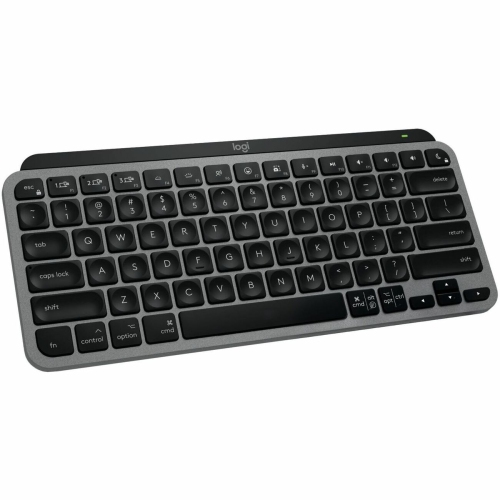
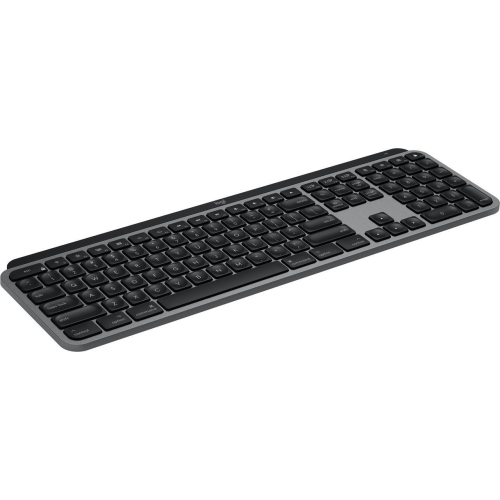
    LOGITECH Master Bluetooth Wireless Ergonomic Keyboard - Space - English (920-012644) In Gray

    About this product

    A wireless ergonomic keyboard in space gray, designed for Mac devices with Bluetooth connectivity.

    (18)
    $159.99 Your price for this item is $159.99
  2. 2

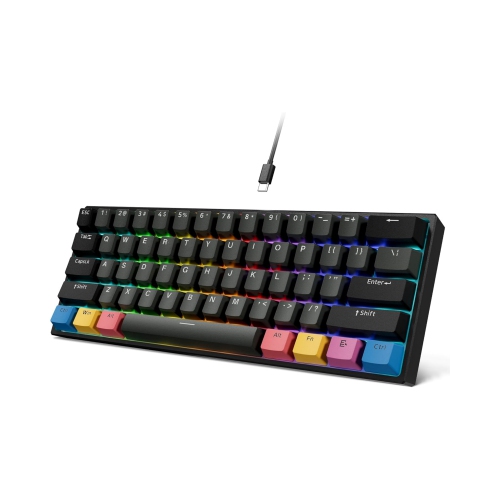
    NIERBO 60 Percent Keyboard w Hot Swappable - Mechanical Keyboard, RGB Backlit Wired Gaming Keyboard, Pbt Cherry Keycaps, Pre-Lubed Linear Switch

    About this product

    A compact black mechanical keyboard featuring hot-swappable pre-lubed linear switches and vibrant RGB backlighting.

    $69.99
    SAVE $30
    Your price for this item is $69.99
  3. 3

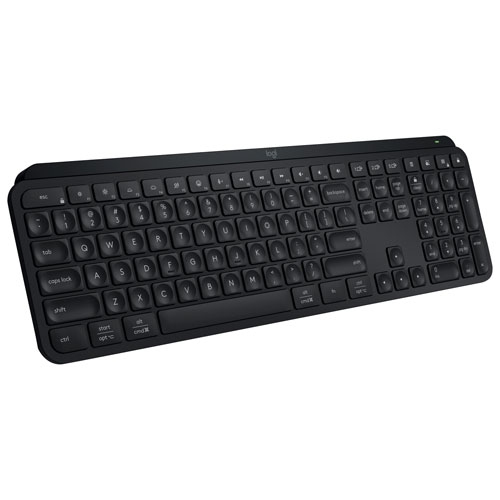
    LOGITECH - Mx Keys S Wireless Backlit Keyboard With Programmable Keys - In Black

    About this product

    A black wireless keyboard with spherically-dished keys, programmable shortcuts, and adaptive backlighting.

    $169.99 Your price for this item is $169.99
  4. 4

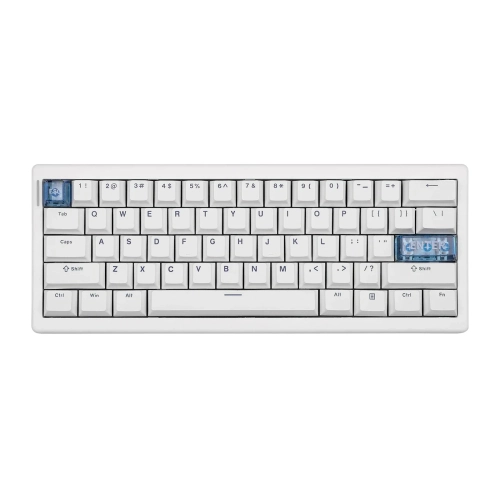
    MAXONE Cidoo Qk61 V2 Via-Programmable 60% Gasket Structure Wired/2.4Ghz Wireless/bluetooth Compact Keyboard With South-Facing Led

    About this product

    A compact mechanical keyboard with hot-swappable switches, multiple connectivity options, and south-facing LED lighting.

    $44.99
    SAVE $55
    Your price for this item is $44.99
  5. 5

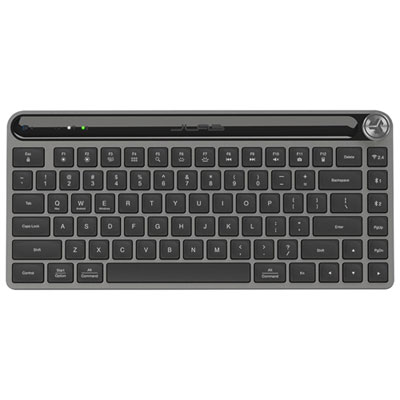
    JLAB Epic Mini Bluetooth Keyboard - Black - Only at Best Buy

    About this product

    A compact black Bluetooth keyboard with illuminated keys, customizable shortcuts, and multi-device connectivity for versatile use.

    What customers like

    • Smooth and quiet typing experience
    • Compact and portable design
    • Easy multi-device connectivity
    • Great value for the price
    • Excellent battery life
    (20)
    $89.99 Your price for this item is $89.99
  6. 6

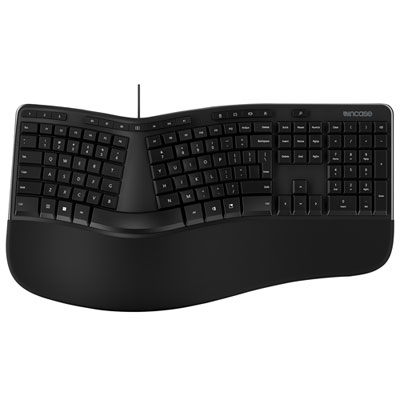
    Incase Designed by Microsoft Ergonomic Keyboard - Black - English

    About this product

    An ergonomic black keyboard with split keyset, dedicated function keys, and integrated number pad for comfort.

    (16)
    $99.98 Your price for this item is $99.98
  7. 7

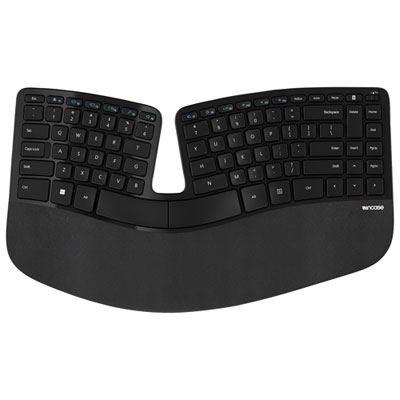
    Incase Designed By Microsoft Sculpt Ergonomic Wireless TKL Keyboard - Black - English - Only at Best Buy

    About this product

    A wireless ergonomic keyboard in black with a split keyset and domed design for comfortable typing.

    (13)
    $169.99 Your price for this item is $169.99
  8. 8

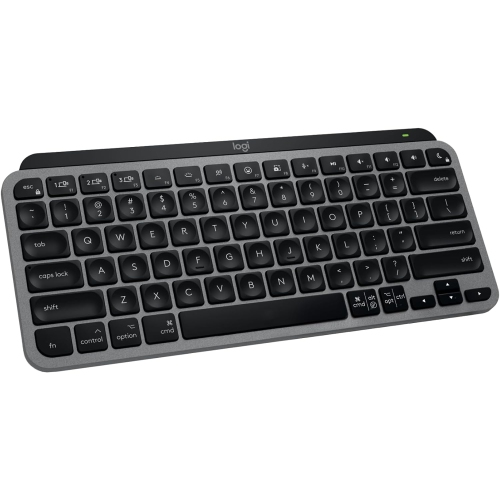
    LOGITECH Mx Keys Mini for Mac- In Grey

    About this product

    A compact wireless keyboard in grey with backlit keys, Bluetooth connectivity, and USB-C charging for Mac devices.

    (2)
    $79.00
    SAVE $20
    Your price for this item is $79
  9. 9

    LOGITECH Mx Keys S Wireless Backlit Keyboard for Mac/ipad- Space In Grey

    About this product

    A sleek grey wireless keyboard with Mac-specific layout, smart backlighting, and customizable Smart Actions for efficiency.

    $129.99 Your price for this item is $129.99

Why familiar key placement matters when writing code

The best keyboards for programming combine a practical layout, a comfortable typing feel, and dependable access to the keys used throughout a coding session. For developers, students, data analysts, and anyone moving between a terminal, an editor, and documentation, those qualities can matter more than decorative lighting or an extensive list of extras. Brackets, braces, slashes, and semicolons deserve particular attention: their placement should feel familiar, especially when switching between a laptop and a desktop setup. A full-size keyboard includes a dedicated number pad, which can be useful for entering test data, working with spreadsheets, or handling calculations alongside code. A tenkeyless layout removes the number pad while retaining the function row, arrow keys, and a separate navigation cluster, leaving more space for a mouse on a narrower desk. Compact 75% layouts typically retain the function row and arrows but group keys more closely together, while many 96% layouts fit a number pad into a smaller footprint than a traditional full-size design. Smaller layouts can work well for portable setups, although frequently used commands may sit behind a function layer rather than on dedicated keys. That trade-off is noticeable when stepping through a debugger, jumping to the end of a line, or selecting a block of text with keyboard shortcuts. The most useful layout is therefore the one that supports familiar movements without adding unnecessary key combinations. Operating system compatibility also matters, from the labels on modifier keys to support for switching between different computer platforms. Canadian users who type in more than one language may also want a physical layout that matches their preferred language settings. Clear legends, readable secondary symbols, and sensible spacing help make a keyboard equally useful for writing code, drafting project notes, and answering messages. For a student learning a first programming language or an experienced developer maintaining a large codebase, consistent access to everyday commands provides a solid foundation.

Typing feel shapes how a programming keyboard fits into long stretches of concentrated work. Mechanical keyboards use individual switches beneath the keys and offer a wide range of sensations, from a smooth linear press to a tactile bump or a distinct click. Tactile switches provide a noticeable point of feedback during the keystroke, while linear switches move without that bump; neither type is automatically better for accurate coding. Clicky switches add an audible cue that some typists enjoy, but their sound can carry across a shared office or through a microphone during a call. Even non-clicky mechanical switches can sound pronounced when keys hit the bottom of their travel, so switch design, keycaps, case construction, and typing force all contribute to noise. For a closer look at this category, Best Mechanical Keyboards for Programming brings the focus to keyboards built around individual mechanical switches. Low-profile keyboards and scissor-switch designs offer another approach, often appealing to people who prefer shorter key travel and a feel closer to a laptop. Key resistance is worth considering as well: a very light touch may feel effortless to one person but lead to unintended presses for another. Comfort depends on the whole desk setup, not just the switches. Keyboard height, front-edge shape, and the distance to the mouse can affect how the hands and arms rest during use. Split designs allow the two halves to sit farther apart, while some ergonomic layouts angle the keys or offer tenting adjustments to accommodate different hand positions. These designs can take time to learn, particularly when thumb keys or unfamiliar letter arrangements replace conventional spacing. A palm rest may provide support during pauses, but it should suit the keyboard’s height rather than force the wrists upward. Adjustable feet change the typing angle; raising the back is not necessarily more comfortable for everyone. Enough room to position the keyboard naturally, along with regular breaks and changes in posture, remains important regardless of design.

Connectivity, customization, and construction round out the practical differences between keyboards for coding. A wired connection provides a straightforward setup without a battery to charge, making it useful at a permanent workstation or a shared lab desk. Wireless keyboards reduce cable clutter and can make it easier to move between work areas, while multi-device pairing may suit someone alternating between a work computer and a personal laptop. Bluetooth support, a dedicated wireless receiver, and charging connections vary by design, so compatibility with the intended computer matters more than the connection label alone. Programmable keys and onboard profiles can simplify repeated actions such as opening a terminal, arranging windows, or triggering an editor command. Their usefulness depends on whether customization is stored on the keyboard or requires software running on the computer, an important distinction on a managed workplace system where installing applications may be restricted. Durable construction is equally relevant to daily use. Aluminium cases can provide a substantial, planted feel, while plastic housings often keep weight lower for commuting or moving between classrooms. Neither material alone determines quality; a stable base, firm assembly, and keycaps that remain comfortable through repeated use all contribute to a dependable typing surface. PBT keycaps are often valued for retaining their texture, while ABS keycaps can offer a different feel and finish depending on their construction. Legends that are moulded into the keycap rather than printed on the surface can help maintain readability over time. Where supported, hot-swappable sockets allow compatible switches to be replaced without soldering, though switch and socket compatibility still needs attention. Everyday care is generally simple: disconnect the keyboard before cleaning, clear loose debris gently, and follow the manufacturer’s instructions for wiping surfaces or removing keycaps. Liquids should stay away from openings unless the design has a stated level of spill protection. As a gift for a computing student, a new developer, or a hobbyist building a home workstation, a keyboard is most personal when its layout, sound, and typing feel match the recipient’s habits. Those details help it fit comfortably into both focused programming sessions and ordinary daily tasks.
Read More

FAQ

Some products may be subject to Environmental Handling Fees (EHF) depending on your province. Learn more about EHFs.