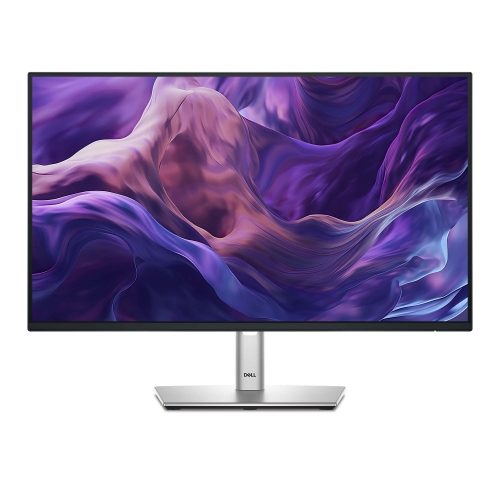
Best Monitors for School Work

Make studying more comfortable with the best monitors for school work, ranked by customer review ratings. Whether you’re researching assignments, writing essays, or attending online classes, a monitor with clear text and room to multitask can help you stay focused. Explore top-rated options to find the right fit for your study space and budget.

Read More

What to look for in monitors for school work

1. Screen Size and Resolution

A 24-inch monitor with Full HD resolution offers space for everyday assignments, while a 27-inch QHD monitor provides more room for viewing documents side by side. Consider your desk space and viewing distance when choosing a screen size.

2. Text Clarity and Viewing Comfort

Look for sharp text, an anti-glare screen and adjustable brightness to suit your study space. An IPS panel offers wide viewing angles, which can be useful when sharing your screen during group work.

3. Connectivity and Laptop Compatibility

Check that the monitor’s HDMI, DisplayPort or USB-C connections work with your laptop. USB-C models that support video and sufficient power delivery can connect and charge a compatible laptop through one cable.

4. Adjustability and Desk Fit

A height-adjustable stand with tilt and swivel controls helps you position the screen comfortably for longer study sessions. If desk space is limited, look for a compact base or VESA mounting support for a compatible monitor arm.
Citrus catapult arrow
  1. 1

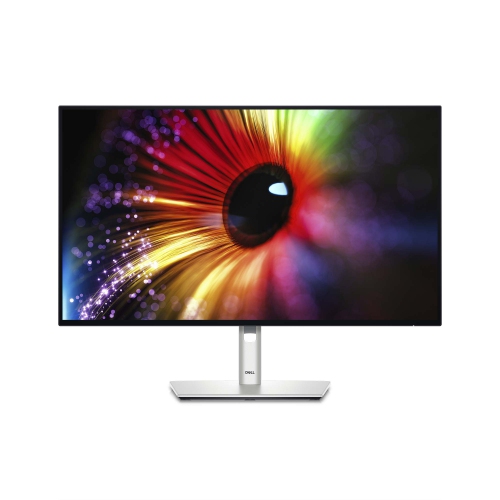
    DELL Ultrasharp 27" 1440P Qhd Ips Led Monitor (U2724D) - Light - 120Hz - Platinum Silver In Blue

    About this product

    A high-resolution 27-inch monitor delivering vibrant visuals, ideal for professional and creative workspaces.

    (4)
    $544.99
    SAVE $35
    Your price for this item is $544.99
  2. 2

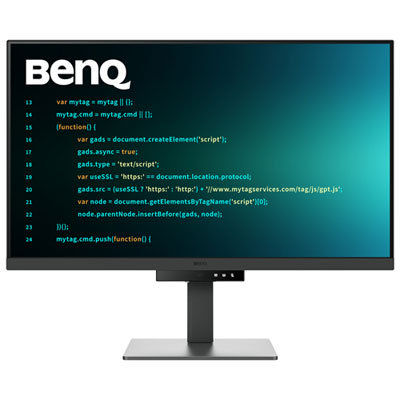
    BenQ 31.5" 4K UHD IPS LCD Monitor (RD320U) - 98% P3 - Metallic Grey

    About this product

    A metallic grey 31.5" 4K IPS monitor with low-reflection panel and eye-friendly coding modes.

    (4)
    $899.99 Your price for this item is $899.99
  3. 3

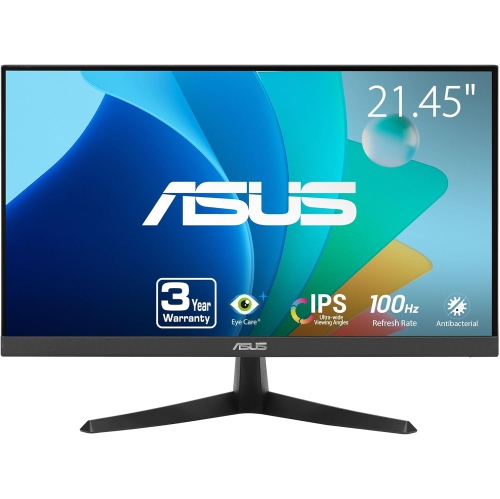
    ASUS Vy Eye Care 21.45" 1080P HD Ips Lcd Gaming Monitor (Vy229Hf) - Adaptive-Sync - 100Hz

    About this product

    An FHD IPS gaming monitor with 100Hz refresh rate, 1ms response, and advanced eye care features.

    (2)
    $134.00 Your price for this item is $134
  4. 4

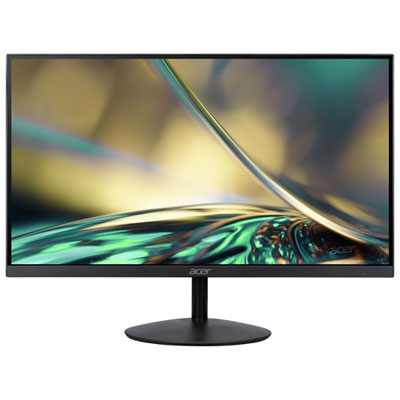
    Acer SA 31.5" 1080p HD IPS LED Gaming Monitor (SA322Q) - FreeSync - 1ms GTG - 75Hz - Only at Best Buy

    About this product

    An ultra-thin black IPS monitor offering 75Hz refresh rate, 1ms response, and FreeSync for smooth gaming.

    (6)
    $179.97 Your price for this item is $179.97
  5. 5

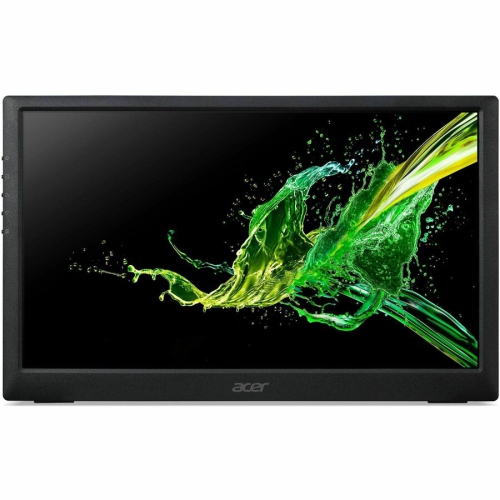
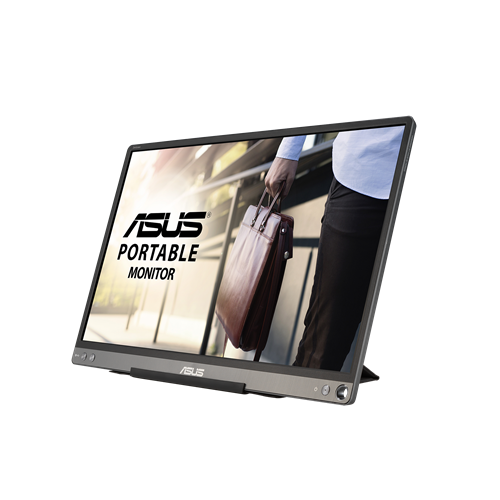
    ACER Pm1 15.6" 1080P HD Ips Lcd Portable Monitor - USB-C

    About this product

    A sleek black widescreen LED monitor featuring a 15.6" display, 250 nits brightness, and HDMI connectivity.

    What customers like

    • Easy and convenient setup
    • Clear and vibrant display quality
    • Versatile connectivity options
    • Sleek and slim design
    • Highly portable and lightweight
    (68)
    $203.68 Your price for this item is $203.68
  6. 6

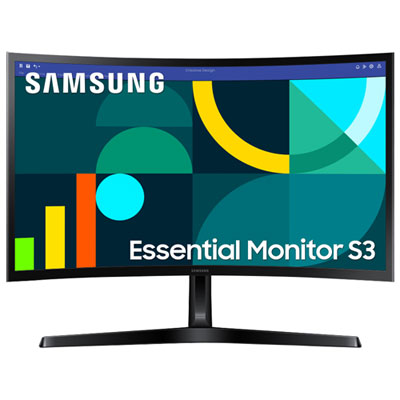
    Samsung Essential S3 24" Curved 1080p HD VA LED Monitor (LS24D368GANXZA) - Flicker-Free/Blue Light - 100Hz

    About this product

    A black curved VA LED monitor delivering Full HD visuals, 100Hz refresh rate, and eye comfort features.

    What customers like

    • Smooth performance with fast refresh rate
    • Versatile and easily adjustable
    • Crisp and clear image quality
    • Good value for the features offered
    • Comfortable curved design reduces eye strain
    (110)
    $159.99 Your price for this item is $159.99
  7. 7

    Samsung Essential S3 24" 1080p HD IPS LED Monitor (LS24D300GANXZA) - Flicker-Free/Blue Light - 100Hz

    About this product

    An FHD IPS LED monitor in black with 100Hz refresh rate and eye-friendly technology for smooth viewing.

    What customers like

    • Slim, frameless design with VESA mount compatibility
    • Easy setup and user-friendly controls
    • Excellent color accuracy and vibrant display
    • Smooth 100Hz refresh rate ideal for gaming and productivity
    • Great value and affordability
    (862)
    $94.99
    SAVE $11
    Your price for this item is $94.99
  8. 8

    HP Series 3 Pro 322Pf 21.5" 1080P HD Ips Lcd Monitor (9U5B0Ut#aba) - Flicker-Free/low Light - 100Hz In Blue

    About this product

    A sleek black monitor featuring a 21.5" FHD IPS display, 100Hz refresh rate, and 5ms response time.

    (19)
    $124.99
    SAVE $22
    Your price for this item is $124.99
  9. 9

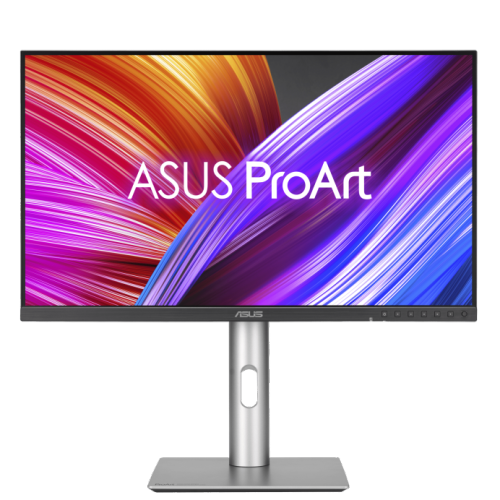
    ASUS Proart 27" 1440P Qhd Ips Creator Monitor (Pa278Cfrv) - Displayhdr 400 - 95% Dci-P3 - 100Hz

    About this product

    A professional 27-inch QHD IPS monitor with 100Hz refresh rate, 95% DCI-P3, and ergonomic stand.

    (3)
    $499.00 Your price for this item is $499
  10. 10

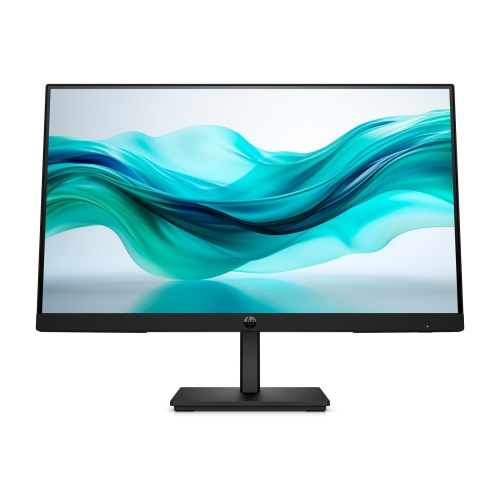
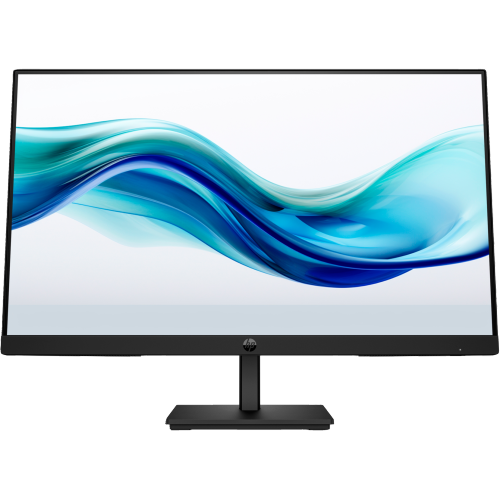
    HP Series 3 Pro 324Pf 23.8" 1080P HD Ips Lcd Monitor (9U5J5Ut#aba) - Flicker-Free/blue Light - 100Hz

    About this product

    A sleek black LCD monitor offering FHD resolution, 100Hz refresh rate, and 5ms response time.

    What customers like

    • Easy to set up and use
    • Attractive appearance and design
    • Excellent video and picture quality
    • Works well as a laptop monitor
    • Great value for money
    (58)
    $153.99 Your price for this item is $153.99

More room for research beside your first draft

The best monitors for school work make everyday assignments easier to read, organize, and complete, with enough screen space for the way a student actually studies. For essays, online research, presentations, and virtual lessons, a 24-inch to 27-inch monitor is a practical starting point. A 24-inch Full HD display, with a resolution of 1920 × 1080, can show documents and learning platforms clearly without taking over a small desk. A 27-inch QHD display, at 2560 × 1440, offers more room for a research article beside a draft, or a spreadsheet beside class notes. Resolution matters alongside size: stretching the same number of pixels across a larger panel generally makes text look less crisp at the same viewing distance. Higher pixel density can give letters and diagrams cleaner edges, while display scaling helps keep menus and text comfortably sized. An IPS panel is often a good fit for school work because its wide viewing angles help maintain a consistent picture when students shift in their chairs or share the screen during a group project. Colour accuracy becomes more important for photography, illustration, and visual design assignments, where a display with suitable colour coverage and calibration options can support more dependable results. For reading and writing, clear text, manageable brightness, and a comfortable layout usually matter more than the fastest refresh rate. A standard 60 Hz display handles typical coursework, while a higher refresh rate can make scrolling and pointer movement appear smoother. Students working through long readings may appreciate a screen that rotates into portrait orientation, although the stand and computer settings need to support that arrangement. From a younger learner completing supervised homework to a university student comparing journal articles, the most useful school monitor is one that suits the coursework, the desk, and the connected computer rather than simply offering the largest screen.

A monitor also needs to fit comfortably into the study space, whether that is a dedicated bedroom desk, a residence room, or a shared household workstation. Screen size is measured diagonally, so the overall width, stand depth, and height are worth considering separately. A broad stand can occupy space needed for an open textbook, while a compact base may leave more room for a keyboard and handwritten notes. Height adjustment, tilt, and swivel make it easier to position the display without stacking objects underneath it. For many seated setups, a screen roughly an arm’s length away, with its upper edge at or slightly below eye level, is a useful starting point; the final position should suit the student’s height, vision, and seating arrangement. An external monitor can also let a laptop user raise the main viewing area while keeping a separate keyboard and mouse at a comfortable level. Matte screen finishes help diffuse reflections from windows and overhead lights, though thoughtful placement still matters. Adjustable brightness makes it easier to match the display to the room, and flicker-free operation may improve viewing comfort for some users. Blue-light settings change the screen’s colour balance, but they do not replace breaks, comfortable text sizing, or appropriate lighting. For colour-sensitive assignments, those settings may need to be switched off while checking images. Build quality matters in shared spaces: a stable stand, secure adjustment mechanisms, and a well-assembled plastic or metal housing help a monitor withstand regular repositioning. Slim bezels can make two adjacent screens feel less visually divided, but they are not a measure of durability on their own. A compatible mounting arm can free desk space when both the monitor’s mounting pattern and weight meet the arm’s requirements. Care is usually straightforward: turn the display off, use a clean microfibre cloth, and follow the manufacturer’s cleaning directions. Avoid spraying liquid directly onto the panel or pressing hard against it, and keep ventilation openings clear.

Connections determine how smoothly a monitor becomes part of a student’s routine. HDMI and DisplayPort are common ways to carry video from a computer, but the ports on both devices need to support the intended resolution and refresh rate. USB-C can simplify a laptop setup when the monitor, computer, and cable all support video over that connection. Some USB-C monitors also supply power, allowing one cable to carry the picture and charge a compatible laptop; the stated power delivery should be checked against the laptop’s requirements. A USB-C port alone does not guarantee either function. Built-in USB hubs can provide convenient connections for a keyboard, mouse, or other accessories, although they may require an upstream connection to the computer. Audio features deserve similar attention. Built-in speakers can handle a recorded lesson or presentation playback, while headphones may be more suitable for a shared room. A webcam and microphone are separate features, not something to assume every monitor includes. These details can make the difference between a tidy, ready-to-use workstation and a desk crowded with adapters. For students who regularly compare sources, work through coding exercises, or manage large spreadsheets, an ultrawide display or a pair of monitors can provide useful room to spread out. Those arrangements also need sufficient desk space and a computer that supports the required display outputs. A single well-sized screen remains a straightforward choice for focused writing, tutoring sessions, and everyday homework. Portable monitors suit students who move between study locations, with lightweight construction and protective covers that make transport more manageable, though their smaller screens and limited stand adjustment involve trade-offs. A monitor can also be a thoughtful gift for a student setting up a first dedicated study area, provided its connections and dimensions match the existing equipment. For desks shared between coursework, internships, and household administration, Best Monitors for Work offers a related focus on everyday productivity. The strongest fit for school work brings together readable text, practical connections, comfortable positioning, and enough workspace to keep an assignment’s sources and ideas within view.
Read More

FAQ

Some products may be subject to Environmental Handling Fees (EHF) depending on your province. Learn more about EHFs.