Cat8 Network Cables
Elevate your networking experience with Cat8 network cables, the latest innovation in high-speed connectivity. Designed to support ultra-fast data transfer rates, these cables are perfect for gamers, streamers, and professionals who demand seamless performance. Whether you're setting up a home office or enhancing your entertainment system, Cat8 cables offer unparalleled reliability and efficiency. Discover the benefits of advanced shielding and enhanced bandwidth capabilities, ensuring a stable connection even in the most demanding environments. Explore our selection of Cat8 network cables to find the perfect solution for your connectivity needs.
Sort
How shielding, distance, and hardware affect network performance
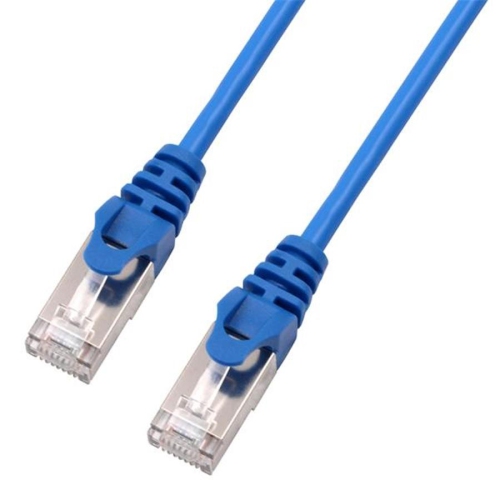
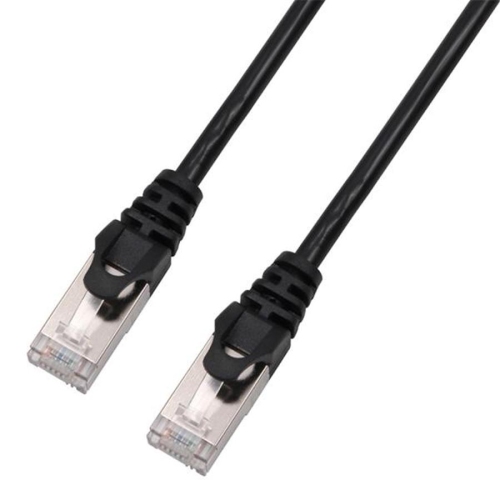
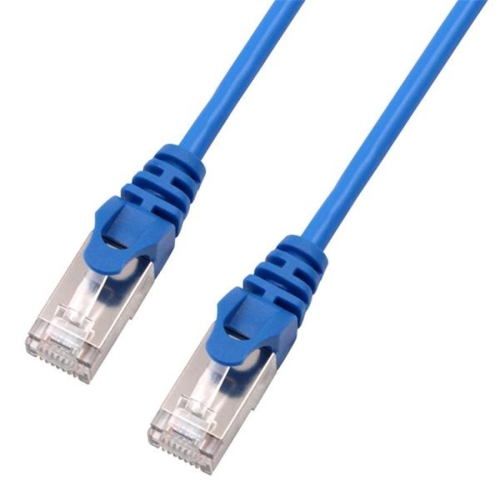
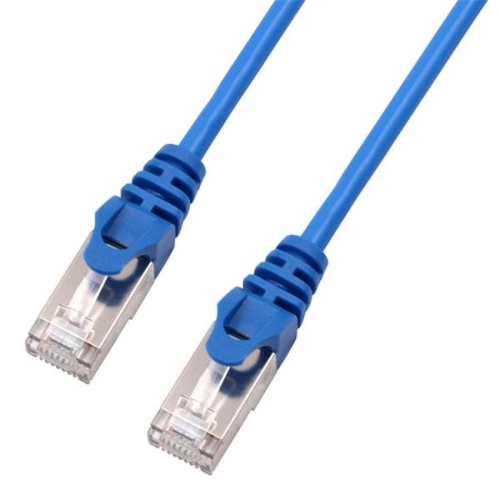
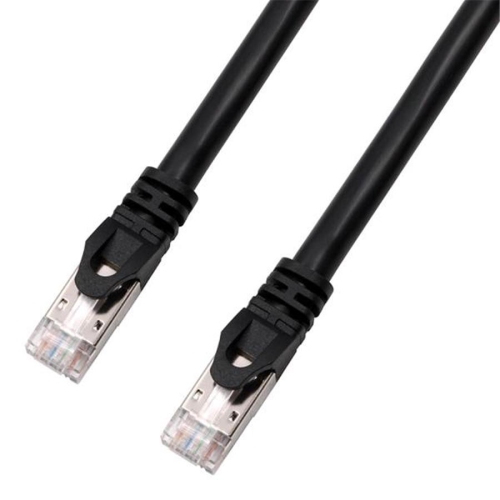
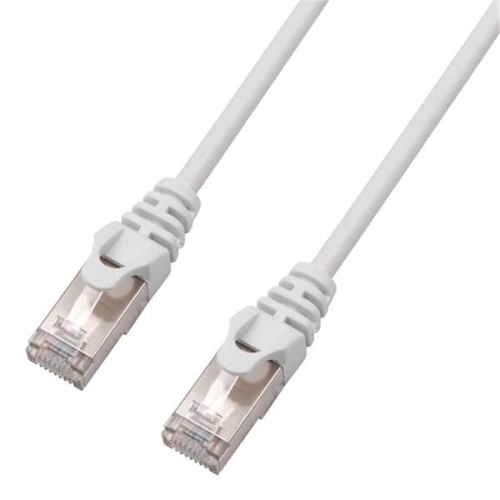
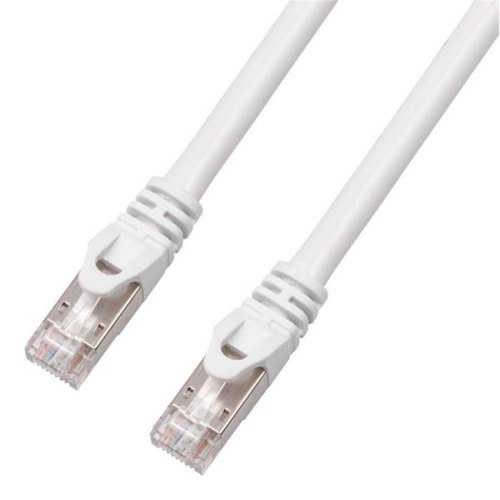
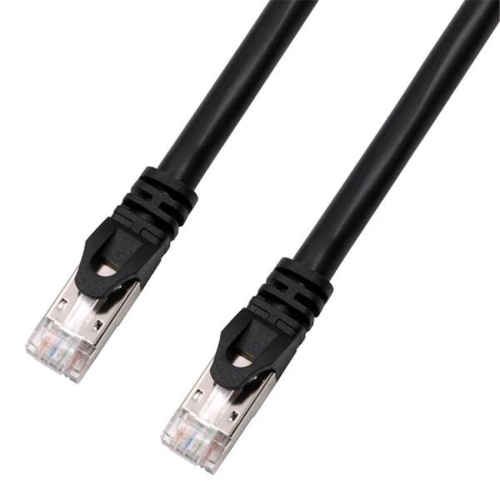
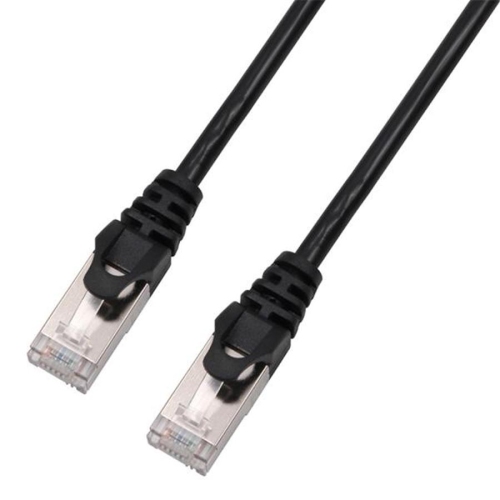
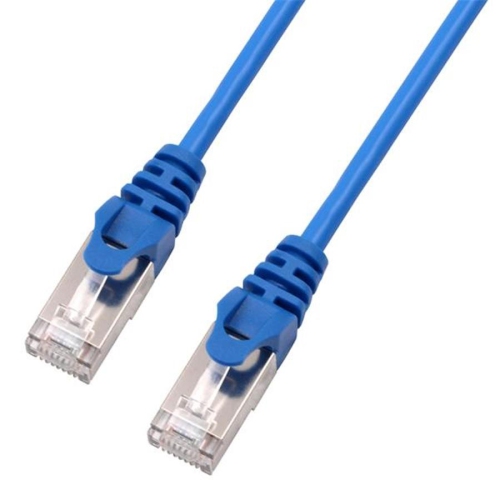
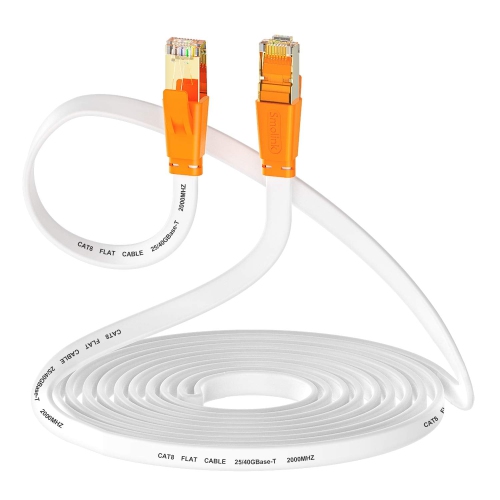
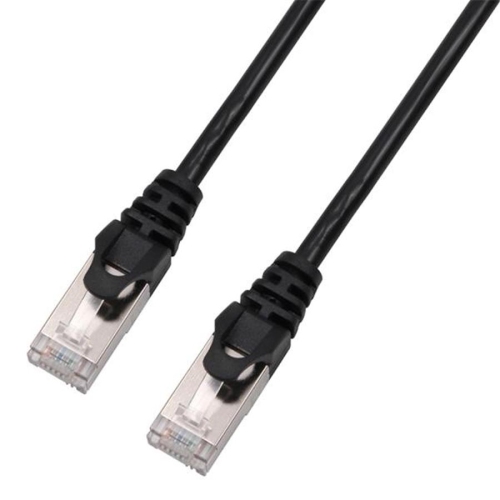
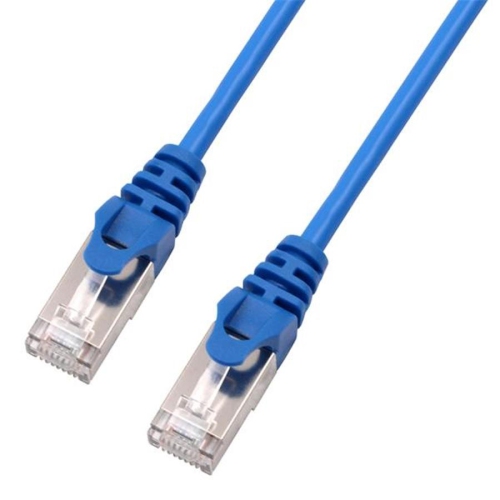
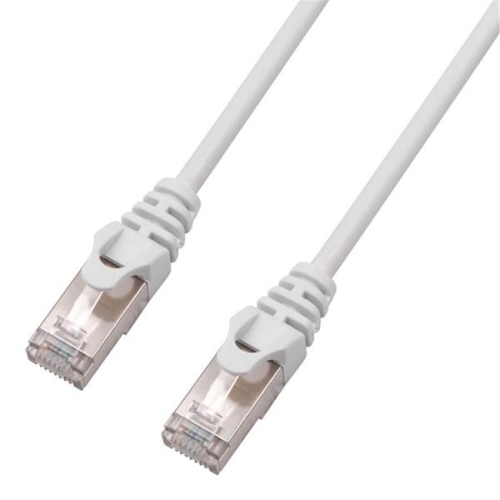
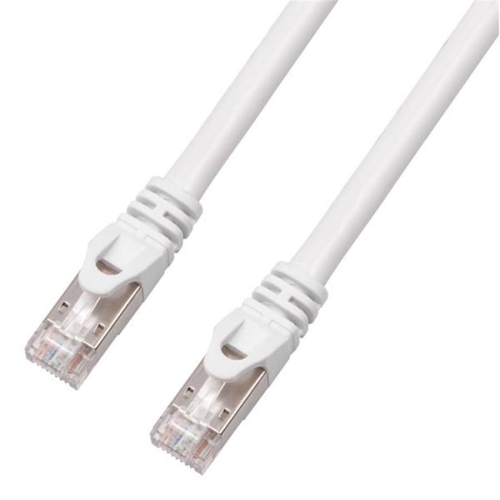
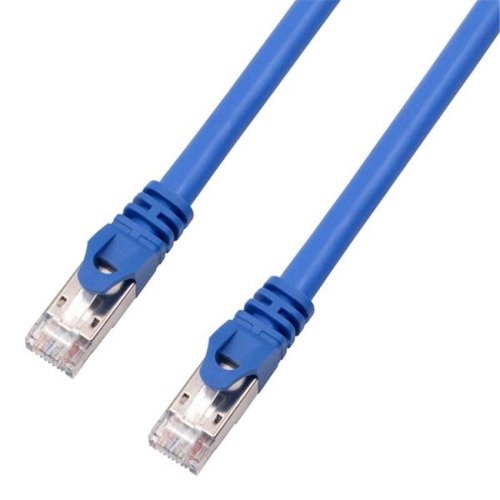
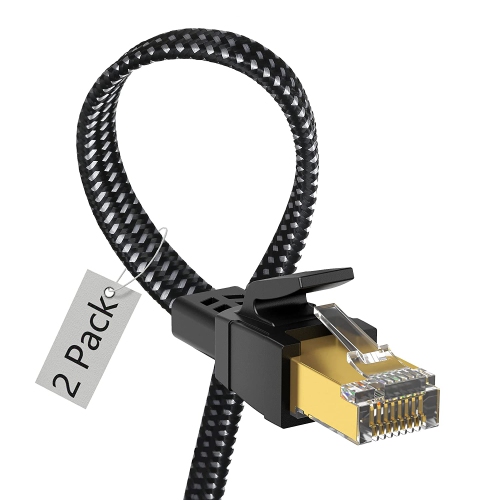
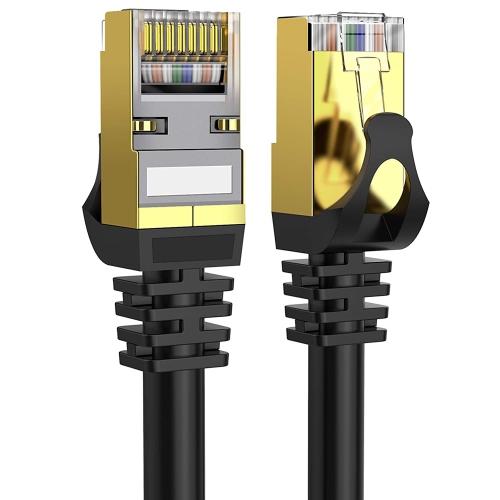
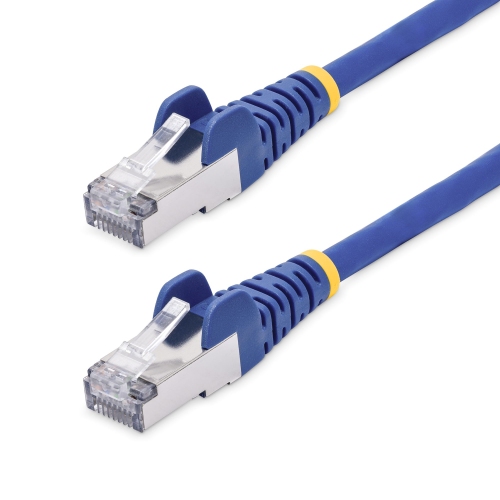
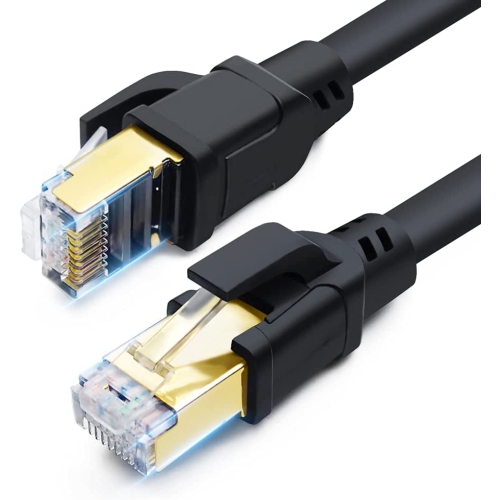
Cat8 network cables are designed for high-performance wired connections where speed, bandwidth, and resistance to interference are important. Built with copper conductors and substantial shielding, Cat8 cable can support frequencies up to 2,000 MHz and data rates of up to 40 Gbps when used in a suitable channel of up to 30 metres. Many Cat8 cables use S/FTP construction, meaning the individual twisted pairs are wrapped in foil and the cable has an additional overall screen to help reduce electromagnetic interference. This makes them well suited to environments with dense cabling, powerful electrical equipment, high-speed storage systems, and demanding networking hardware. Cat8 cables typically use familiar RJ45-style connectors and are backward compatible with Cat5e, Cat6, Cat6a, and Cat7 equipment, so they can connect to older network devices even when the full performance of the cable is not being used. That compatibility can be useful when upgrading a network in stages: a cable may be installed between a router, switch, computer, server, or network-attached storage device today, then continue to serve as other components are replaced. The cable itself does not create a faster internet connection, however. Actual performance is determined by the slowest part of the connection, including the modem, router, switch, network adapter, storage device, internet plan, and the capabilities of the equipment at the other end. A Cat8 cable connected to standard 1 Gbps hardware will still operate at the speed supported by that hardware, while a complete 25 Gbps or 40 Gbps setup requires compatible switches, ports, network adapters, and supporting infrastructure.
For many everyday homes, a good Cat6 or Cat6a cable is already sufficient for online gaming, streaming, video calls, file sharing, and common internet plans. Cat8 network cables become more relevant for users building a high-speed local network, connecting a workstation to a server, linking network-attached storage, or working with large files that need to move quickly between devices. They may also suit a home lab, media production room, advanced gaming setup, small business, or technical workspace where faster-than-gigabit networking equipment is already in place or planned. In a data centre, Cat8 can be considered for short copper connections between compatible high-speed network components, particularly where shielding and reduced interference are valuable. For more specialised installations, browse Cat 8 Cables for Data Centers. Before choosing a cable, check the port speeds on every device and confirm the required cable length. Cat8’s highest rated performance applies over short distances, generally up to 30 metres, and longer runs may require different cabling or network design considerations. It is also worth checking the cable’s construction, certification details, conductor material, shielding, and connector quality rather than relying on the Cat8 label alone. A properly made cable should identify its category and relevant specifications clearly. If a connection will pass near power bars, motors, lighting equipment, or other sources of electrical noise, shielded construction can provide an added layer of protection against interference, although the surrounding equipment and grounding practices still matter.
Physical handling is another important consideration. Cat8 cables are often thicker and less flexible than lower-category Ethernet cables because of their shielding and construction. They can be an excellent choice for a tidy rack, equipment cabinet, or short direct connection, but they may be less convenient for routing around tight corners, behind furniture, or through narrow cable channels. Measure the route before ordering, allowing enough length to connect devices without pulling the cable tight or sharply folding it. A gentle curve is preferable to a hard bend, and cable management clips or wide-radius guides can help keep the installation orderly. For a desk setup, a suitable length can reduce excess cable without leaving the connection strained; for a rack or server area, extra slack can make future maintenance easier. Cat8 network cables can be a practical gift for someone assembling a home lab, upgrading a gaming room, setting up a content creation workstation, or organizing a small office, particularly when they already own networking hardware with multi-gigabit ports. They are less likely to be a meaningful upgrade for someone whose router and devices are limited to 1 Gbps, since those components will not take advantage of the cable’s maximum rating. During the warmer months and cooler months alike, a wired connection can provide a dependable alternative to wireless networking for stationary equipment, helping reduce congestion and improve consistency in rooms where a strong Wi-Fi signal is difficult to maintain. Choosing the right Cat8 cable ultimately means matching its performance, length, shielding, flexibility, and connector design to the equipment and space where it will be used.
For many everyday homes, a good Cat6 or Cat6a cable is already sufficient for online gaming, streaming, video calls, file sharing, and common internet plans. Cat8 network cables become more relevant for users building a high-speed local network, connecting a workstation to a server, linking network-attached storage, or working with large files that need to move quickly between devices. They may also suit a home lab, media production room, advanced gaming setup, small business, or technical workspace where faster-than-gigabit networking equipment is already in place or planned. In a data centre, Cat8 can be considered for short copper connections between compatible high-speed network components, particularly where shielding and reduced interference are valuable. For more specialised installations, browse Cat 8 Cables for Data Centers. Before choosing a cable, check the port speeds on every device and confirm the required cable length. Cat8’s highest rated performance applies over short distances, generally up to 30 metres, and longer runs may require different cabling or network design considerations. It is also worth checking the cable’s construction, certification details, conductor material, shielding, and connector quality rather than relying on the Cat8 label alone. A properly made cable should identify its category and relevant specifications clearly. If a connection will pass near power bars, motors, lighting equipment, or other sources of electrical noise, shielded construction can provide an added layer of protection against interference, although the surrounding equipment and grounding practices still matter.
Physical handling is another important consideration. Cat8 cables are often thicker and less flexible than lower-category Ethernet cables because of their shielding and construction. They can be an excellent choice for a tidy rack, equipment cabinet, or short direct connection, but they may be less convenient for routing around tight corners, behind furniture, or through narrow cable channels. Measure the route before ordering, allowing enough length to connect devices without pulling the cable tight or sharply folding it. A gentle curve is preferable to a hard bend, and cable management clips or wide-radius guides can help keep the installation orderly. For a desk setup, a suitable length can reduce excess cable without leaving the connection strained; for a rack or server area, extra slack can make future maintenance easier. Cat8 network cables can be a practical gift for someone assembling a home lab, upgrading a gaming room, setting up a content creation workstation, or organizing a small office, particularly when they already own networking hardware with multi-gigabit ports. They are less likely to be a meaningful upgrade for someone whose router and devices are limited to 1 Gbps, since those components will not take advantage of the cable’s maximum rating. During the warmer months and cooler months alike, a wired connection can provide a dependable alternative to wireless networking for stationary equipment, helping reduce congestion and improve consistency in rooms where a strong Wi-Fi signal is difficult to maintain. Choosing the right Cat8 cable ultimately means matching its performance, length, shielding, flexibility, and connector design to the equipment and space where it will be used.
Top selling and popular products
-
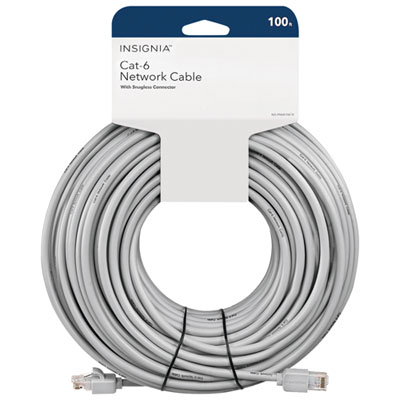 Your price for this item is $49.95
 -
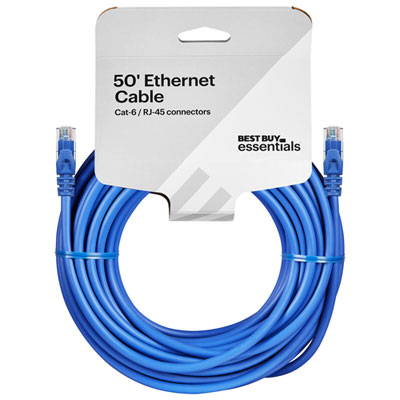 Your price for this item is $24.99
 -
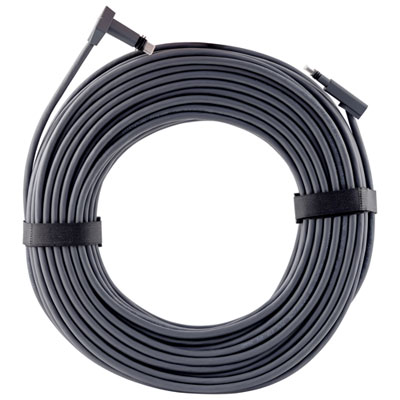 Your price for this item is $164.99
 -
 Your price for this item is $31.37
 -
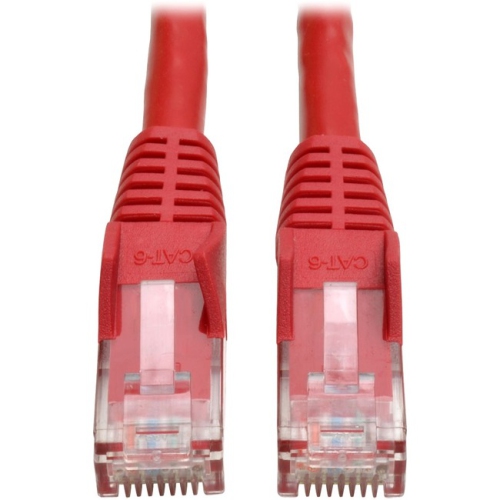 Your price for this item is $79.68
 -
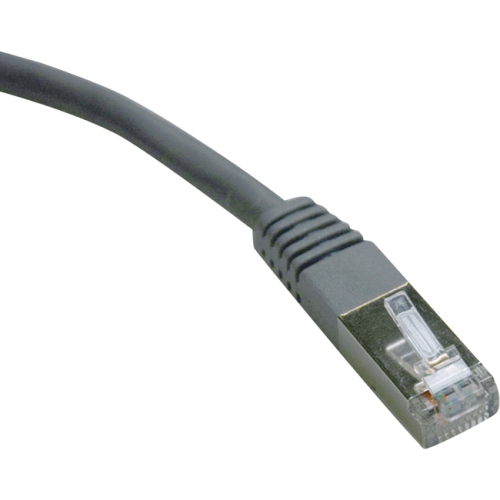 Your price for this item is $57.68
 -
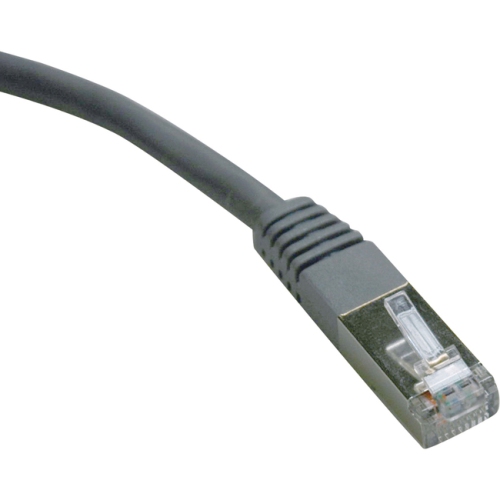 Your price for this item is $50.99
 -
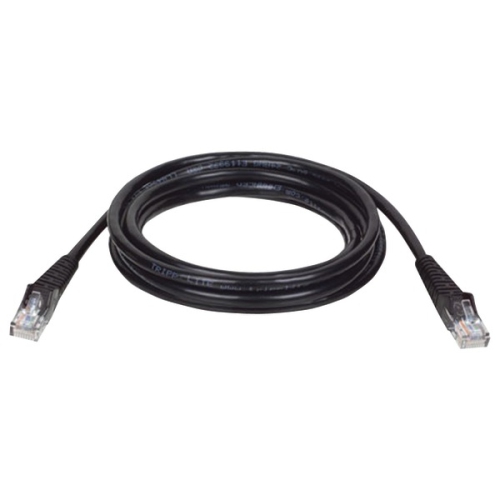 Your price for this item is $57.68
Discover more categories related to Cat8 Network Cables
Top Collections:
Pokemon Centers, Best Cameras for Sports Photography, Kindle Devices, Samsung Galaxy Phones, Canon G7X Cameras, Pokémon 30th Celebration Cards, Refurbished Apple Laptops, iPhone 15 Apple, Laptops for Students, Budget Smartphones
Some products may be subject to Environmental Handling Fees
(EHF) depending on your province.
Learn more about EHFs.