Coax Testers
Looking to ensure a seamless connection for your home entertainment system or cable setup? Look no further than our wide selection of coax testers. These handy devices are designed to help you quickly and accurately diagnose any issues with your coaxial cables, ensuring optimal signal quality and performance. Whether you're a professional installer or a DIY enthusiast, our range of coax testers offers the perfect solution for testing, troubleshooting, and maintaining your coaxial connections. With their user-friendly features and reliable performance, you can easily identify cable faults, measure signal strength, and verify proper termination. Explore our collection of coax testers today and take the guesswork out of your cable installations.
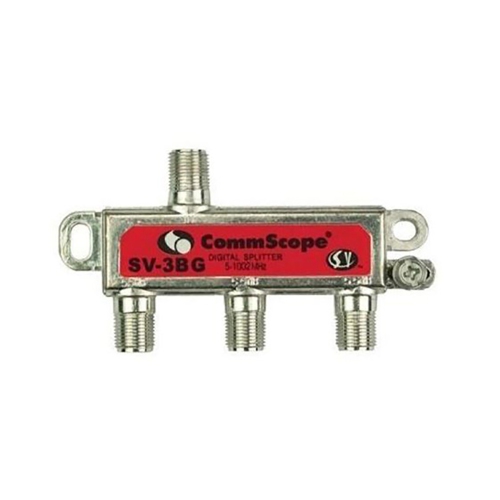
What to Know About Testing Coaxial Cable Connections
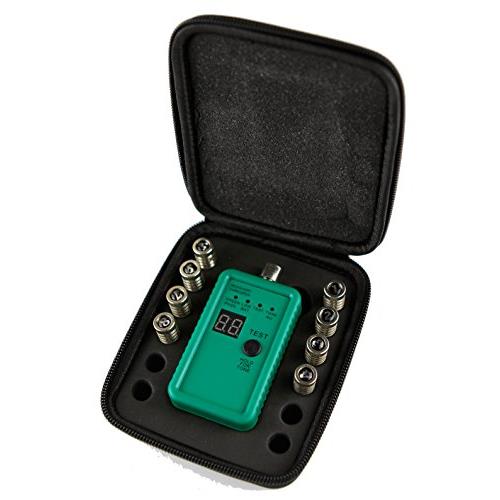
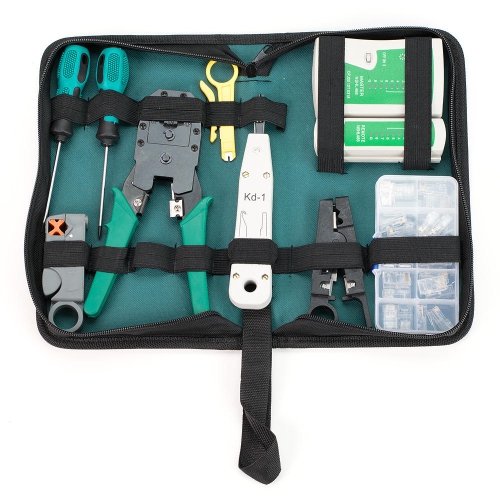
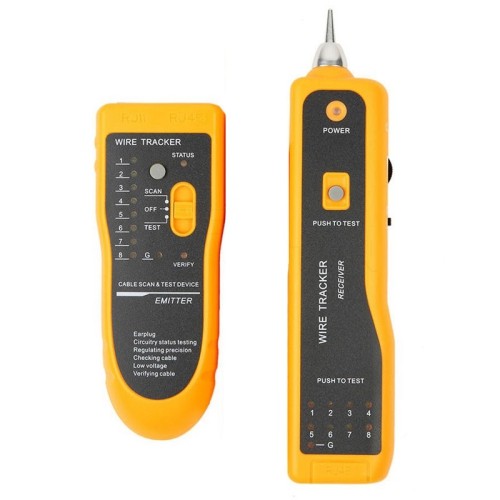
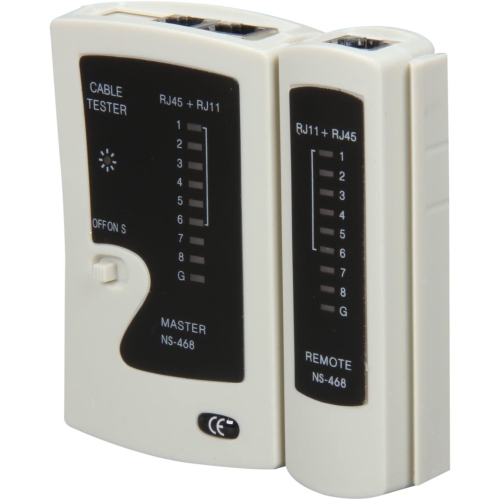
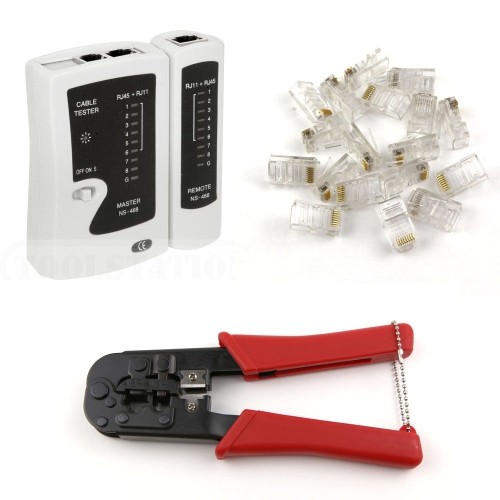
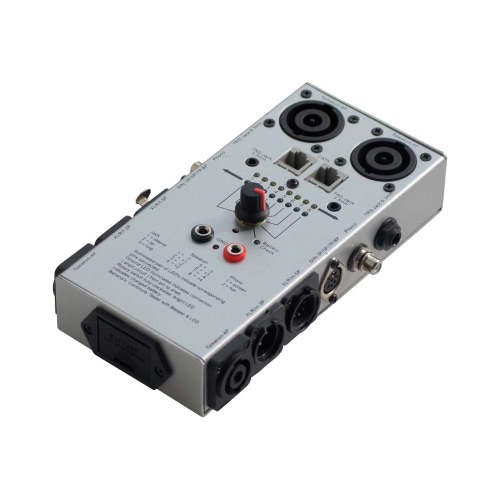
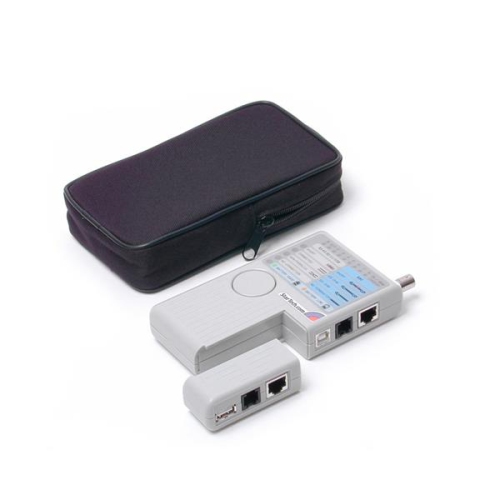
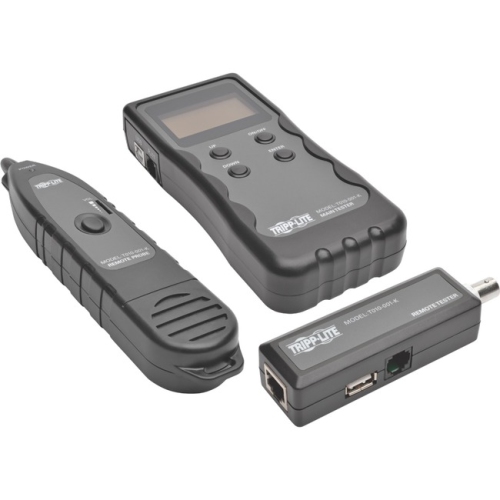
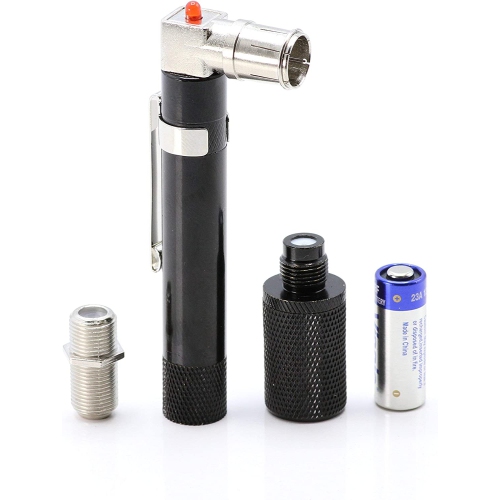
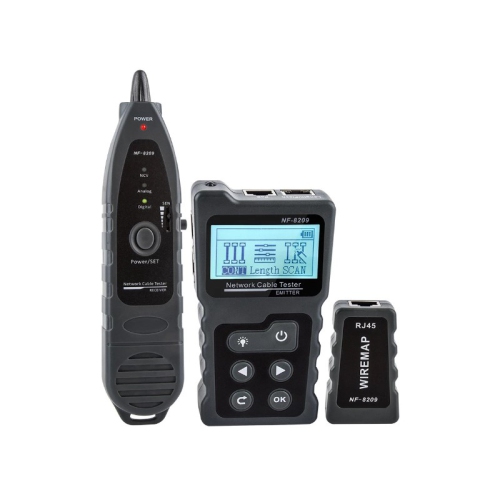
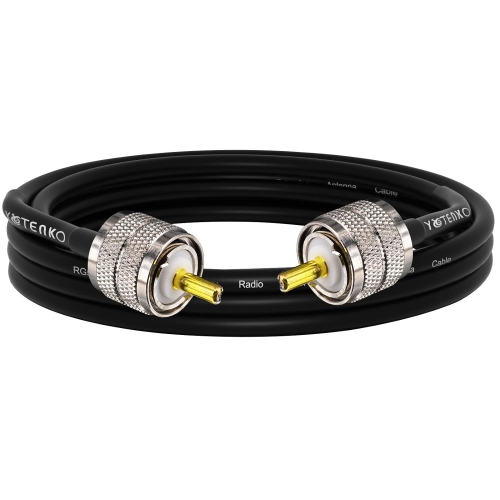
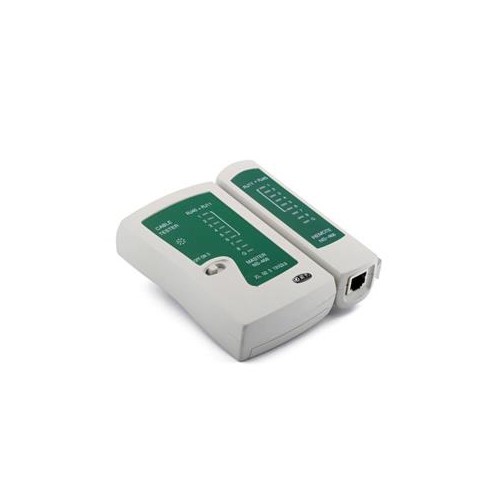
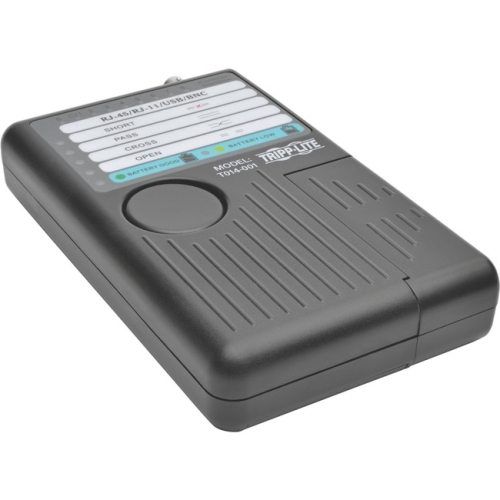
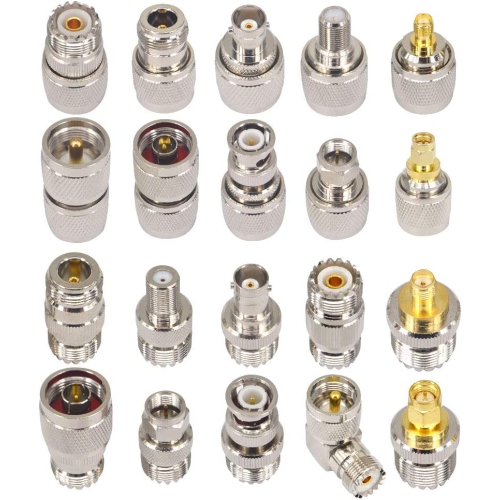
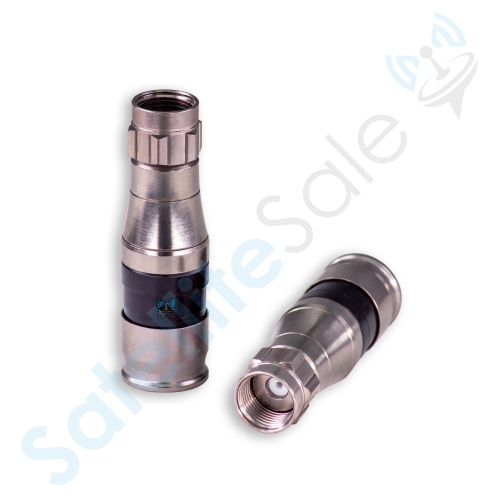
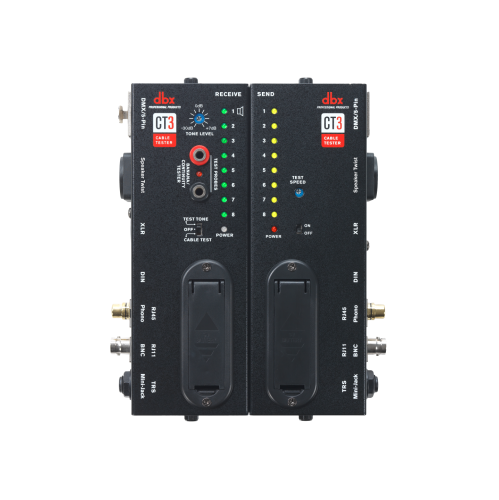
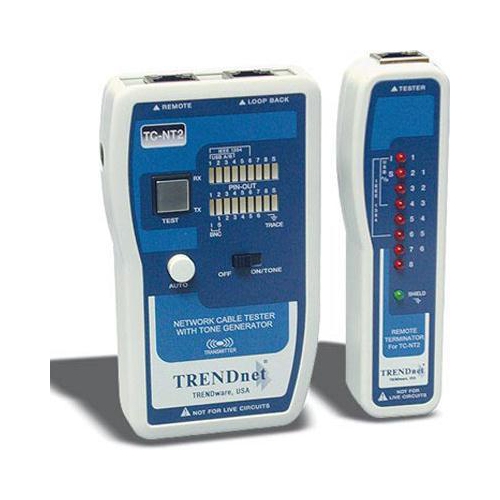
When comparing coax testers, start with the cable types and connectors that need to be checked. Many household video installations use F-type connectors, but commercial, studio, radio, security, and specialty applications may use BNC, RCA, or PL-259 connections. A tester designed for one connector style may require an adapter for another, and an adapter changes the physical connection without changing the tester’s underlying diagnostic capabilities. Accessories such as Adapters Coax can help match equipment to the cables being tested, provided the connector type and intended use are compatible. It is also worth considering how many cables need to be identified. A simple point-to-point tester is suitable for checking one loose cable at a time, while a unit with numbered or colour-coded remote terminators can map several cables from a central location. This is useful in homes where multiple coaxial cables disappear into walls, ceilings, or a wiring panel and have not been labelled. Attach a remote to each far-end outlet, connect the main tester at the other end, and use the matching number or colour to determine which cable goes where. For larger voice, data, and video installations, more advanced testers may support coaxial cable alongside UTP or STP network cable, detect miswires, and estimate cable length. Some can identify opens and shorts at a particular distance, which can narrow the search when a run is hidden behind drywall. These features are valuable for installers and service professionals, although a basic continuity tester may be all that is needed for occasional household troubleshooting. Look for a sturdy housing, clearly visible indicators, an easy-to-read screen if included, replaceable batteries, secure connector fittings, and remotes that are simple to store and keep track of.
Using a coax tester is usually straightforward, but accurate results depend on preparing the installation properly. Disconnect the cable from televisions, receivers, modems, amplifiers, splitters, antennas, and other powered equipment before testing, and follow the tester’s instructions for any required termination or calibration. Testing an active line can produce misleading readings and may risk damage to the tester or connected equipment. Inspect each connector for a loose centre pin, bent contact, corrosion, missing dielectric, or stray braid touching the centre conductor. A cable can show a pass for continuity while still delivering a poor signal if it has excessive loss, water intrusion, sharp bends, damaged shielding, or an unsuitable connector, so a continuity result should be treated as one part of the diagnosis rather than a complete signal-quality measurement. Test both ends when possible, compare a suspect cable with a known working cable, and label each identified run as it is mapped. For a cable that shows an open, gently move the connector and cable near each end to see whether the reading changes, which may reveal an intermittent termination. A short may be caused by a connector, crushed section, or damaged insulation, while a miswired result on a compatible network cable can point to incorrectly arranged conductors. Keep in mind that coax testers are not normally designed to measure internet speed, television signal strength, wireless performance, or service-provider faults. Their main role is to verify the physical path and connection, helping users make a more informed next step. Whether the goal is to prepare a new entertainment area, organize a home office, confirm a satellite or antenna run, or help a professional complete a clean installation, the right coax tester can turn a frustrating cable hunt into a quick, methodical check.
Top selling and popular products
-
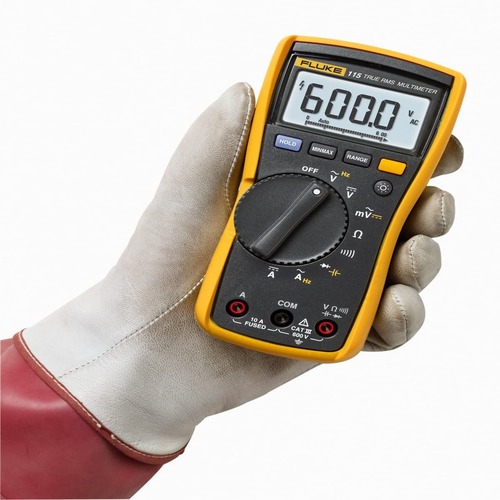 Your price for this item is $329.45
 -
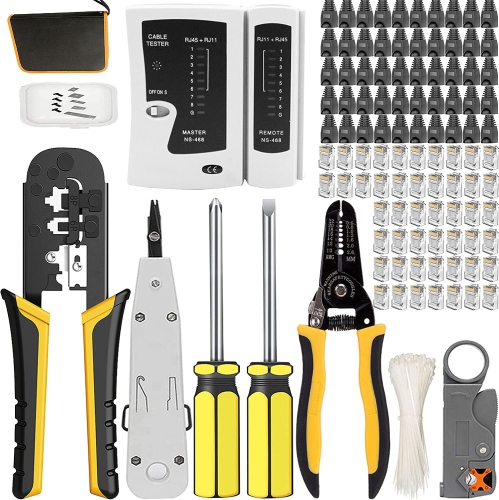 Your price for this item is $54.88
 -
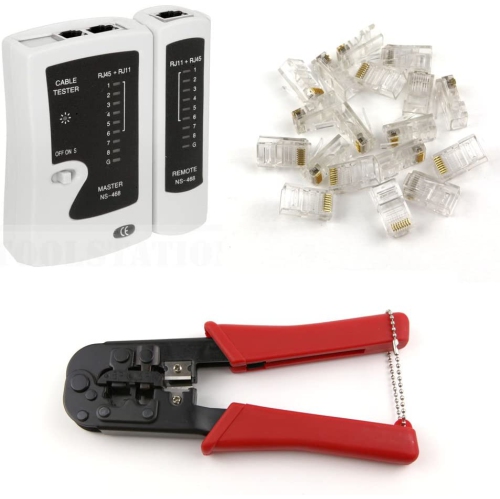 Your price for this item is $22.99
 -
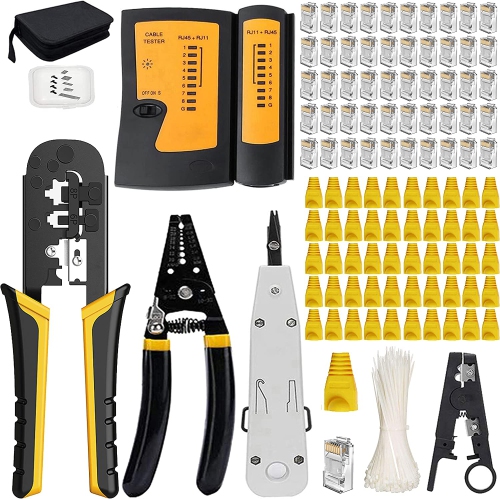 Your price for this item is $35.77
 -
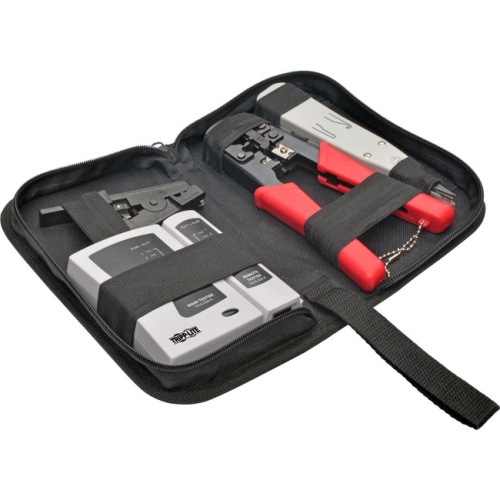 Your price for this item is $113.68
 -
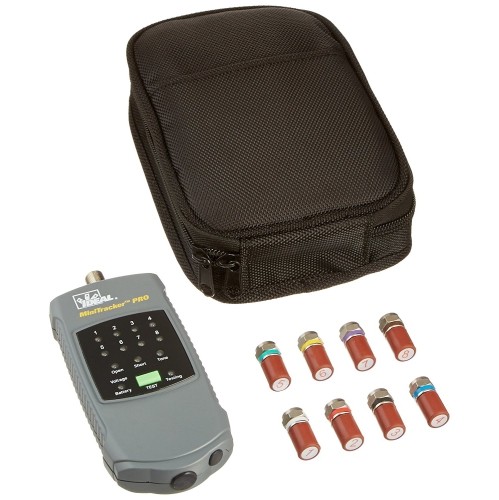 Your price for this item is $29.99
 -
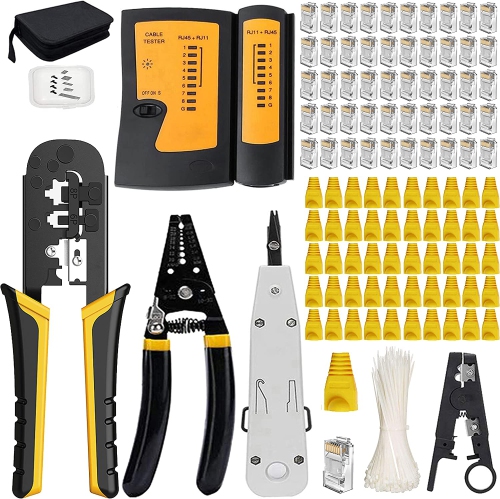 Your price for this item is $55
 -
 Your price for this item is $103.68