Electrical Wall Boxes
Our selection of electrical wall boxes provides the perfect solution for organizing and concealing wiring in a sleek and efficient manner. Whether you're a DIY enthusiast or a professional electrician, these wall boxes are designed to meet various needs and specifications. From standard single-gang boxes to larger multi-gang options, we have a wide range of choices to suit different projects and installations. Browse through our collection to find the right electrical wall box that fits your requirements and enhances the functionality of your living or working space.
Sort
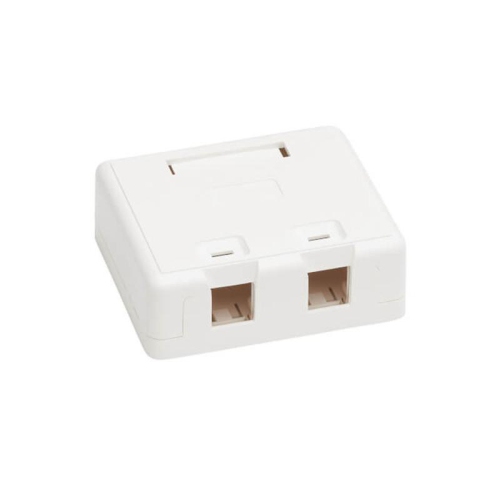
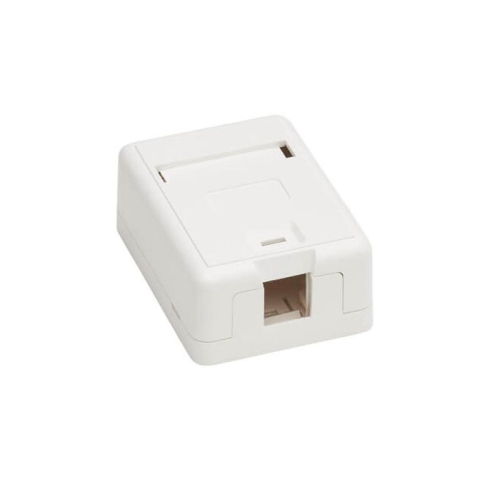
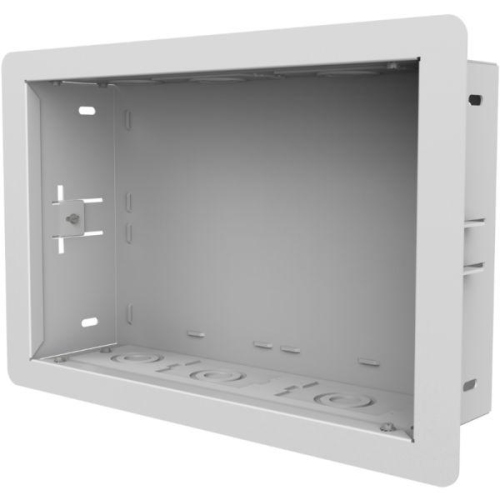
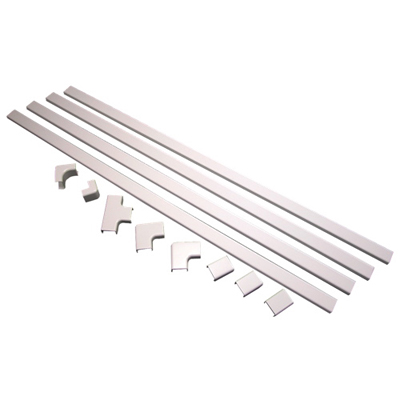

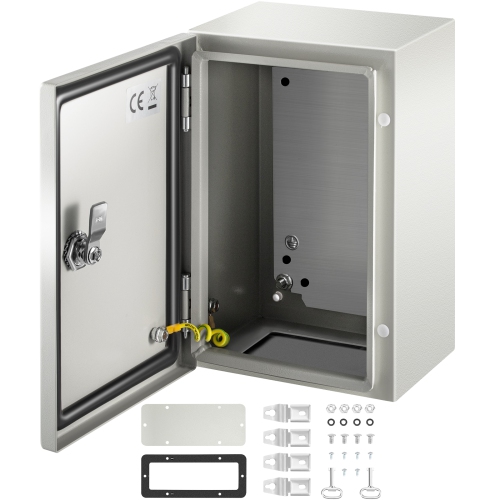
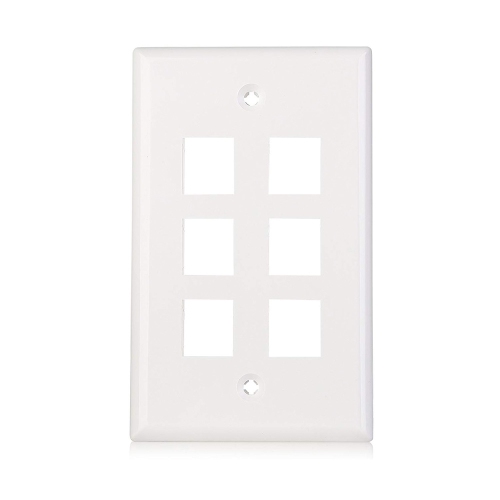
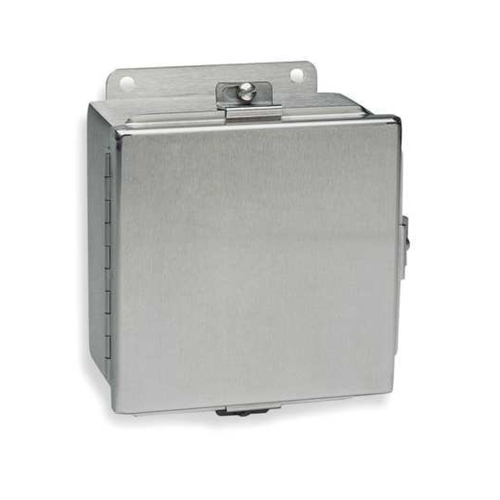
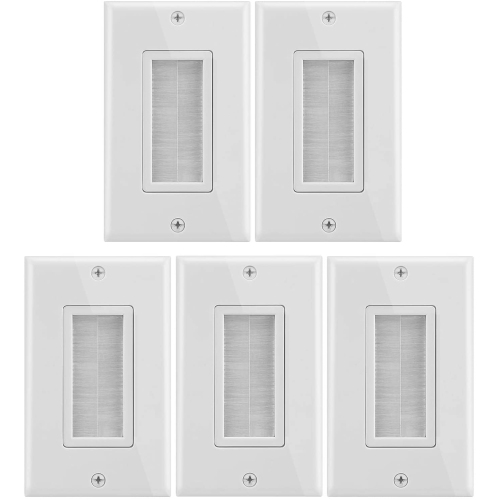

The details that determine the right box for wiring
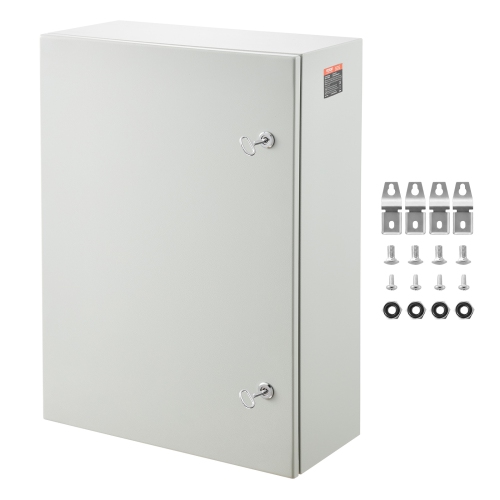
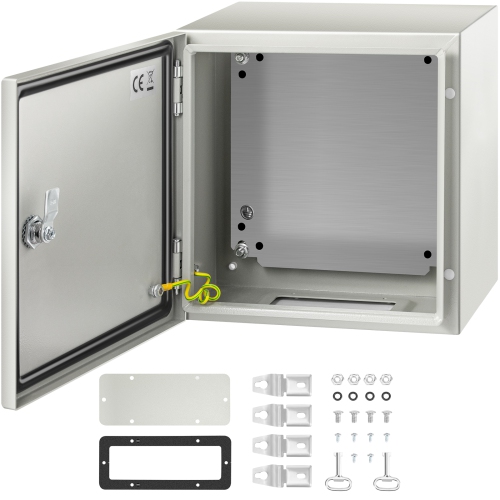
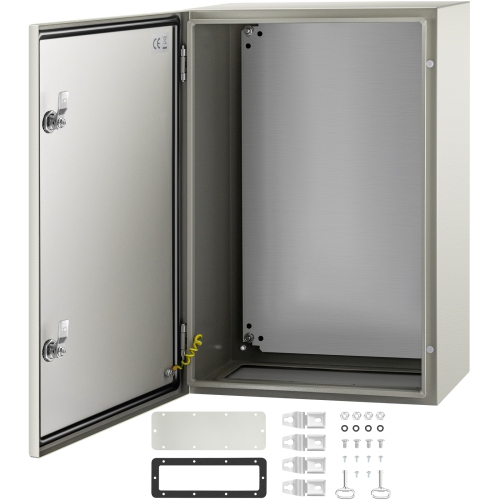
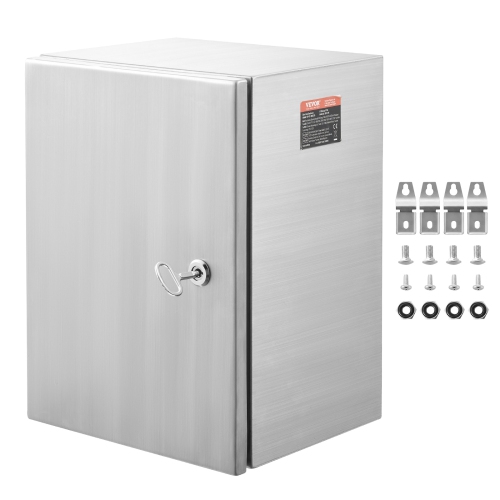
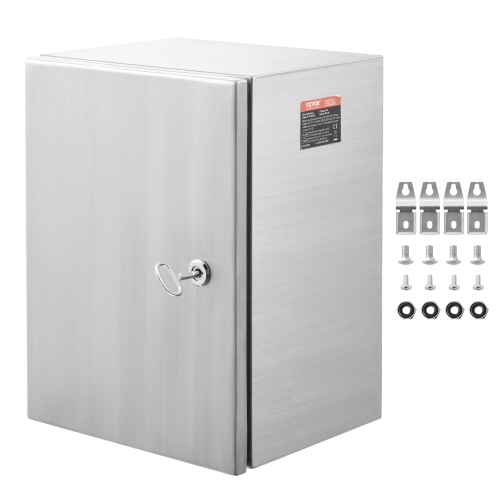
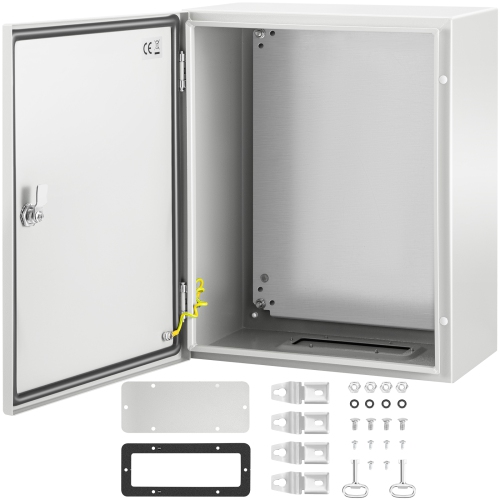
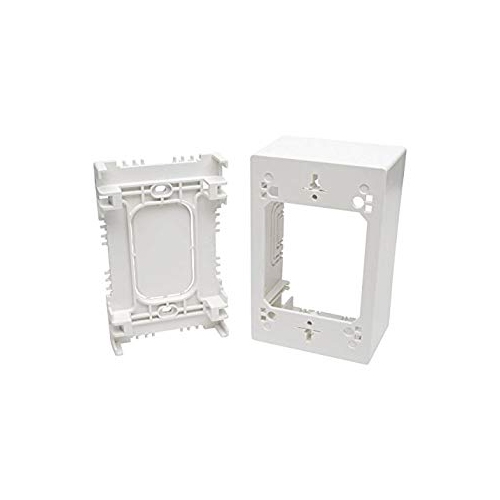
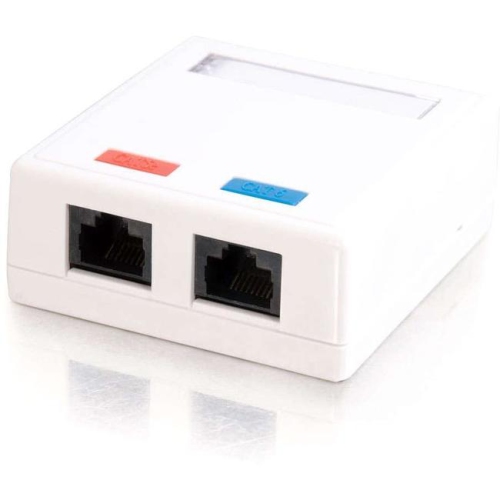
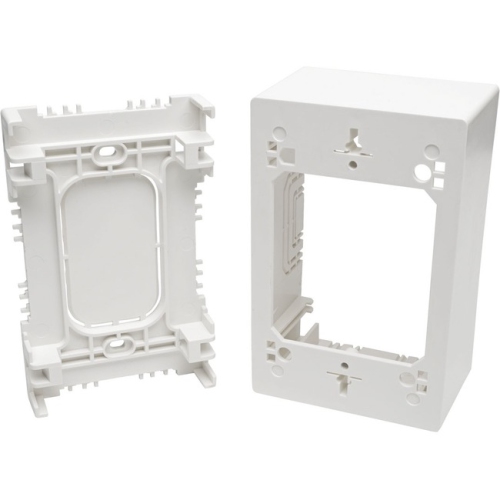
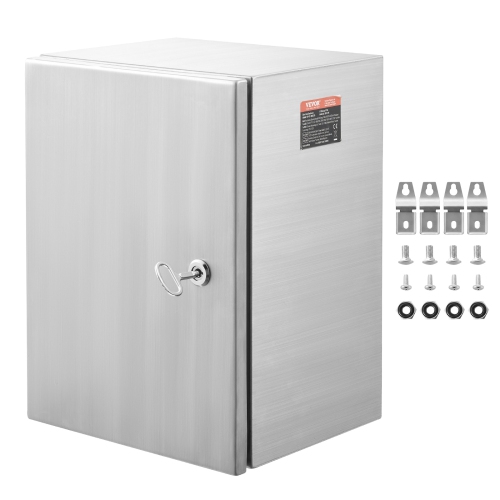
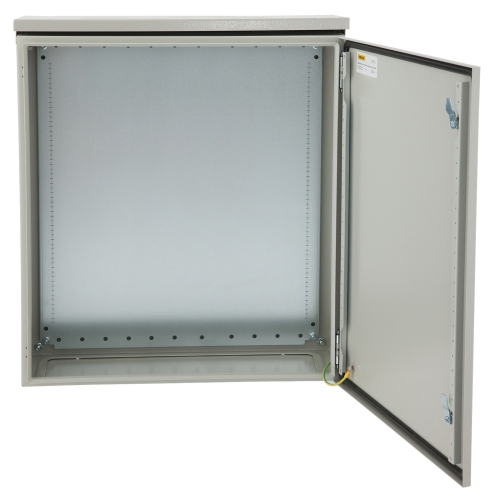
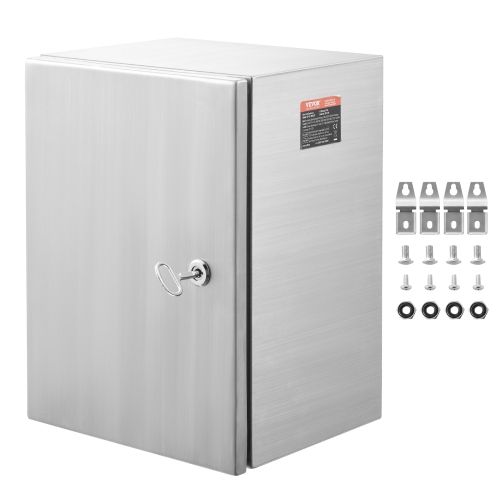
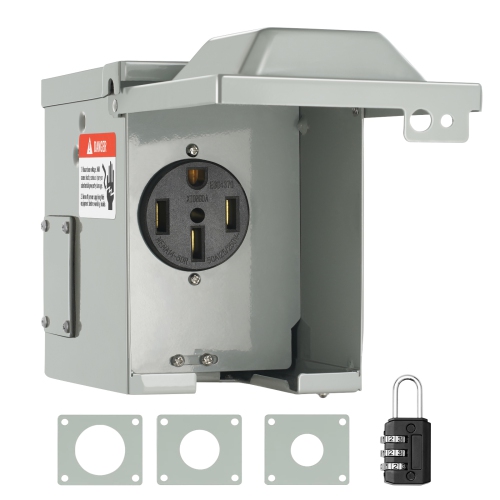
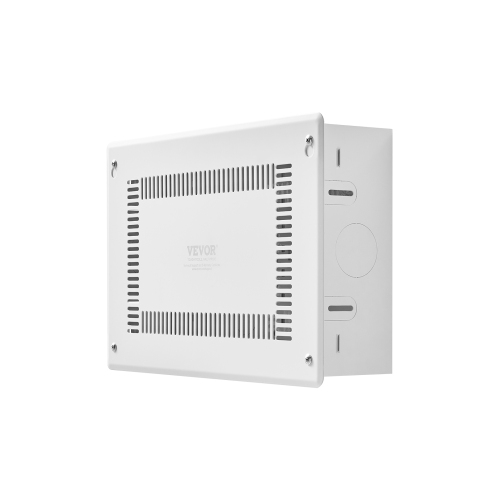
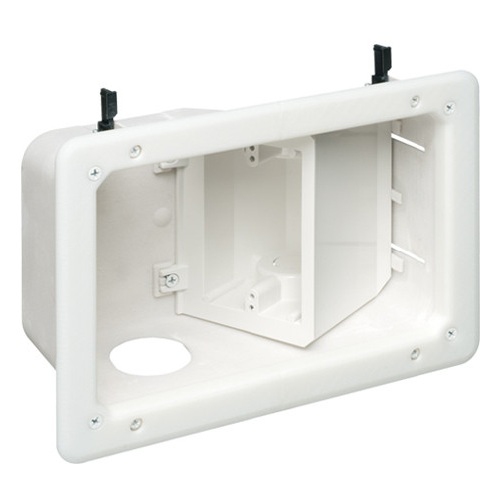
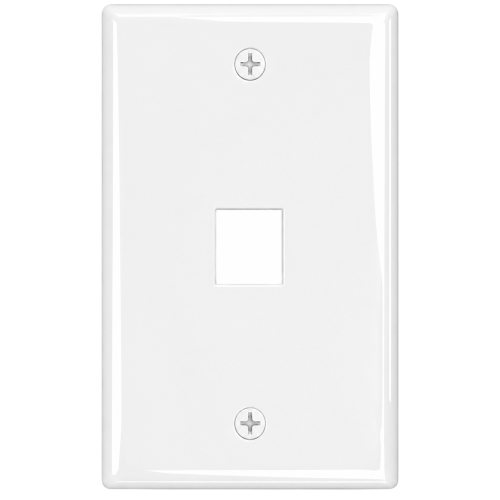
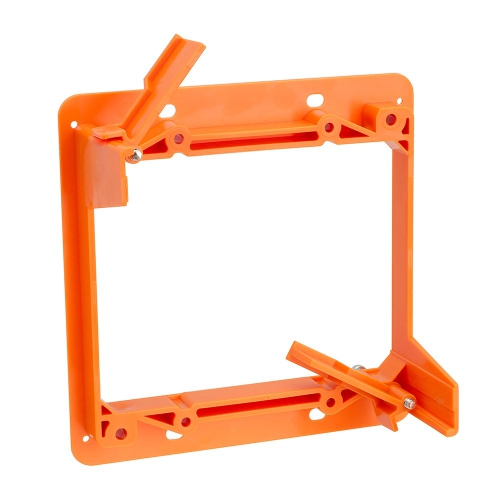
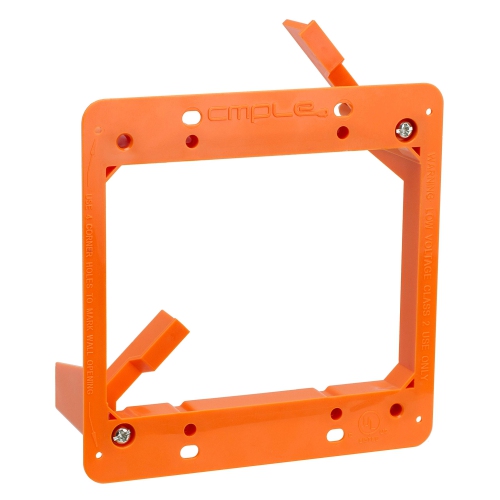
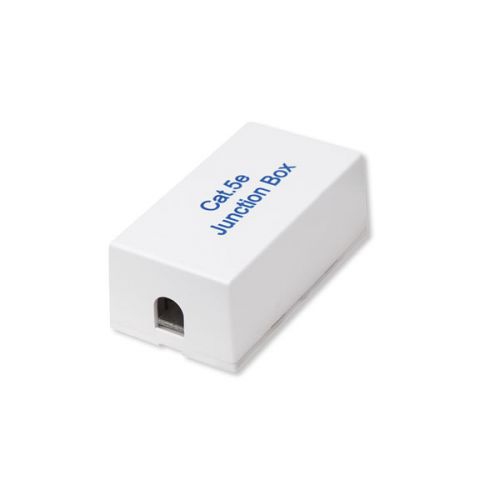
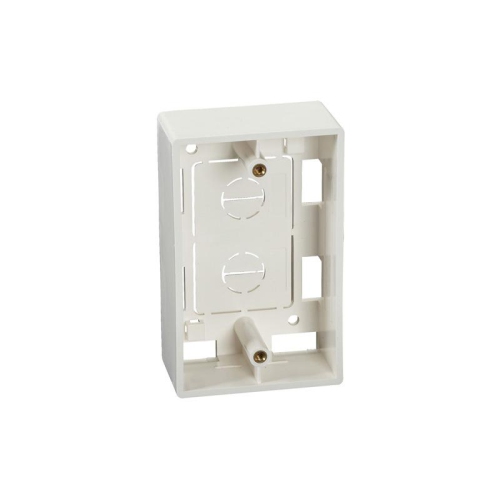
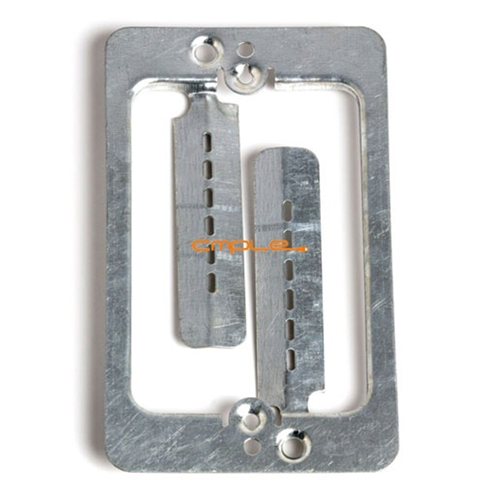
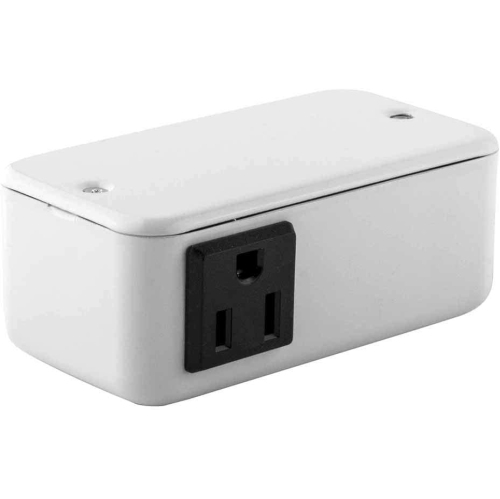
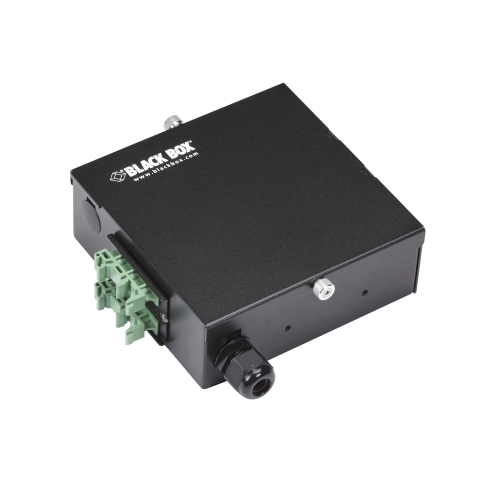
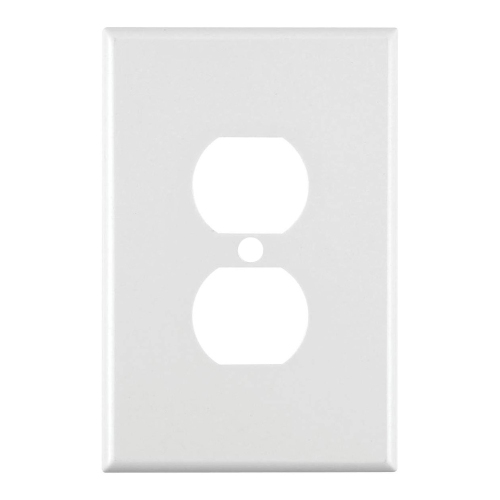
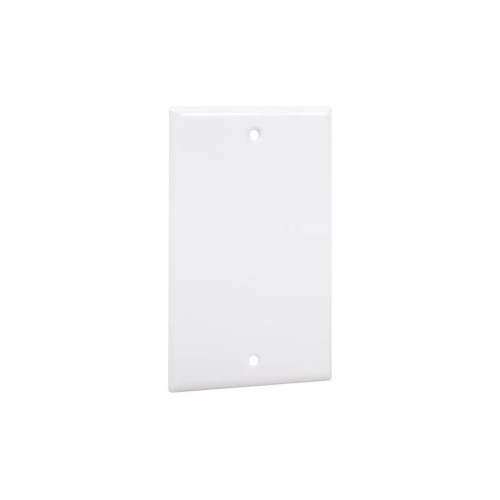
Electrical wall boxes are protective enclosures installed inside walls to hold electrical switches, receptacles, wire connections, and other wiring devices securely in place. They help protect people from exposed electrical connections while keeping wiring organized behind the wall surface. When choosing an electrical wall box, start by identifying the type of installation, the wiring method, and the device that will be mounted in it. New work boxes are designed for construction or renovation projects where the wall is open and the studs are accessible. They typically attach directly to a wood or metal stud with nails or screws before drywall, panelling, or another wall finish is installed. Old work boxes, also called renovation or rework boxes, are intended for finished walls. Their built-in wings, tabs, or clamps hold the box against the back of the drywall after it has been inserted through a cutout, making them useful when adding a receptacle, replacing a switch location, or extending electrical access without opening a large section of the wall. Selecting the correct style can make a noticeable difference during installation: a new work box offers straightforward positioning when the framing is exposed, while an old work box is shaped for careful fitting in an existing surface.
Material is another important consideration. Plastic, PVC, and thermoplastic wall boxes are lightweight and are commonly used with non-metallic sheathed cable, often called Romex. These non-metallic boxes are generally easy to handle and do not require grounding in the same way a metal box does, although the complete electrical installation must still be wired and grounded according to applicable requirements. Galvanized steel wall boxes are rugged and durable, and they are commonly selected for installations using armoured cable or metal conduit. In those applications, the metal box may form part of the grounding path, so the box, cable, connectors, grounding conductors, and device must be compatible. Always check the box specifications and local electrical requirements rather than assuming that one material can replace another. Canadian electrical work should follow the applicable provincial or territorial code, and permits or inspection may be required depending on the project. If you are uncertain about cable type, grounding, box placement, or the condition of existing wiring, a licensed electrician can help confirm the correct approach. A wall box should be firmly secured, sit at an appropriate depth for the finished wall, and leave enough room for the device, conductors, connectors, and any required protective components. For additional components that connect to a wall box, browse Electrical Outlets to compare receptacle options for different rooms and applications.
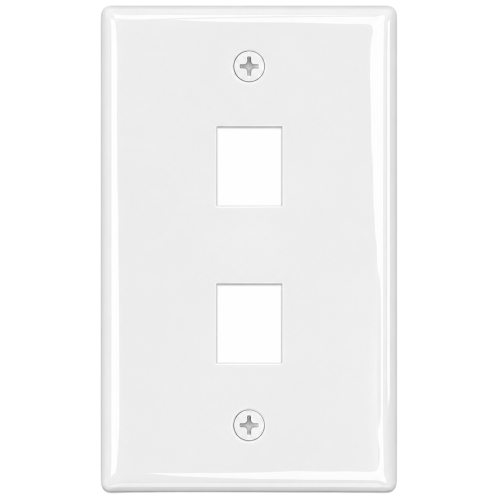
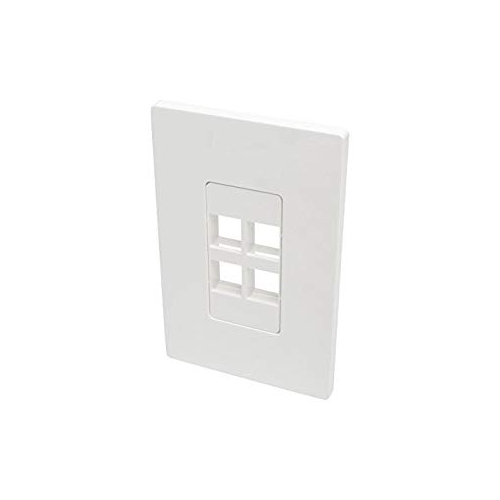
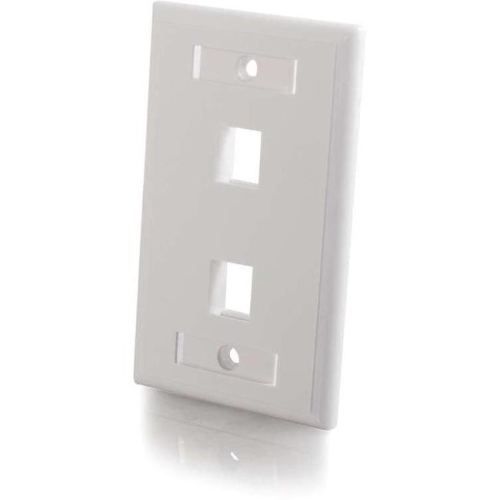
Box shape and capacity also affect compatibility. A single-gang, or 1-gang, box is a narrow rectangular enclosure intended for one standard switch or receptacle. Two-gang, three-gang, and four-gang boxes are wider and allow multiple devices to sit together, such as a light switch beside a receptacle or several switches controlling different fixtures. Combination arrangements may require more space than a simple single-device installation, particularly when dimmers, smart switches, timers, USB-equipped receptacles, or other larger devices are involved. Cubic-inch capacity refers to the internal volume of the box and is a key specification because electrical codes limit how many conductors and devices can safely occupy that space. Count the insulated conductors, grounding wires, cable clamps, and device yokes as required by the applicable code before selecting a box. A box that looks large enough from the front may not have sufficient internal volume once several cables and a bulky device are added. Pay attention to cable-entry openings, built-in clamps, mounting depth, stud position, and compatibility with the wall thickness. Boxes may also be designed for different surfaces or locations, including standard drywall, masonry, ceilings, and areas where extra protection is needed. For a renovation during the cooler months, an old work box can be useful when a family room, hallway, workshop, or home office needs an additional switch or receptacle without extensive wall removal. During a larger room remodel, new work boxes can be positioned neatly along exposed framing before the walls are closed. These products are generally practical project supplies rather than traditional gifts, but they can be useful additions to a tool collection for a homeowner, renovator, property manager, or experienced DIY enthusiast planning electrical upgrades. Before buying, confirm the required gang size, material, mounting method, internal volume, cable compatibility, and approval markings. Careful matching at the selection stage helps the finished switch or receptacle sit securely and flush with the wall while supporting a clean, code-conscious installation.
Material is another important consideration. Plastic, PVC, and thermoplastic wall boxes are lightweight and are commonly used with non-metallic sheathed cable, often called Romex. These non-metallic boxes are generally easy to handle and do not require grounding in the same way a metal box does, although the complete electrical installation must still be wired and grounded according to applicable requirements. Galvanized steel wall boxes are rugged and durable, and they are commonly selected for installations using armoured cable or metal conduit. In those applications, the metal box may form part of the grounding path, so the box, cable, connectors, grounding conductors, and device must be compatible. Always check the box specifications and local electrical requirements rather than assuming that one material can replace another. Canadian electrical work should follow the applicable provincial or territorial code, and permits or inspection may be required depending on the project. If you are uncertain about cable type, grounding, box placement, or the condition of existing wiring, a licensed electrician can help confirm the correct approach. A wall box should be firmly secured, sit at an appropriate depth for the finished wall, and leave enough room for the device, conductors, connectors, and any required protective components. For additional components that connect to a wall box, browse Electrical Outlets to compare receptacle options for different rooms and applications.
Box shape and capacity also affect compatibility. A single-gang, or 1-gang, box is a narrow rectangular enclosure intended for one standard switch or receptacle. Two-gang, three-gang, and four-gang boxes are wider and allow multiple devices to sit together, such as a light switch beside a receptacle or several switches controlling different fixtures. Combination arrangements may require more space than a simple single-device installation, particularly when dimmers, smart switches, timers, USB-equipped receptacles, or other larger devices are involved. Cubic-inch capacity refers to the internal volume of the box and is a key specification because electrical codes limit how many conductors and devices can safely occupy that space. Count the insulated conductors, grounding wires, cable clamps, and device yokes as required by the applicable code before selecting a box. A box that looks large enough from the front may not have sufficient internal volume once several cables and a bulky device are added. Pay attention to cable-entry openings, built-in clamps, mounting depth, stud position, and compatibility with the wall thickness. Boxes may also be designed for different surfaces or locations, including standard drywall, masonry, ceilings, and areas where extra protection is needed. For a renovation during the cooler months, an old work box can be useful when a family room, hallway, workshop, or home office needs an additional switch or receptacle without extensive wall removal. During a larger room remodel, new work boxes can be positioned neatly along exposed framing before the walls are closed. These products are generally practical project supplies rather than traditional gifts, but they can be useful additions to a tool collection for a homeowner, renovator, property manager, or experienced DIY enthusiast planning electrical upgrades. Before buying, confirm the required gang size, material, mounting method, internal volume, cable compatibility, and approval markings. Careful matching at the selection stage helps the finished switch or receptacle sit securely and flush with the wall while supporting a clean, code-conscious installation.
Top selling and popular products
-
 Your price for this item is $39.68
 -
 Your price for this item is $45.99
 -
 Your price for this item is $50.99
 -
 Your price for this item is $33.68
 -
 Your price for this item is $9.99
 -
 Your price for this item is $46.55
 -
 Your price for this item is $159.99
 -
 Your price for this item is $119.99
Discover more categories related to Electrical Wall Boxes
Top Collections:
Pokemon Centers, Kindle Devices, Apple iPhones 16, Canon G7X Cameras, iPhone 15 Apple, Alarm Clock, Flip Phones, Refurbished Apple Laptops, iPhone 14 256GB, Lightweight On-Ear USB-C Headphones
Some products may be subject to Environmental Handling Fees
(EHF) depending on your province.
Learn more about EHFs.