F Type Connectors
F-type connectors are essential components for ensuring a seamless and reliable connection between various audiovisual devices. These connectors are widely used in the electronics industry for their versatility and compatibility with a range of devices, including TVs, satellite receivers, and cable boxes. With their easy-to-use design and durable construction, F-type connectors provide a secure and stable connection for optimal signal transmission. Whether you're setting up a home entertainment system or upgrading your existing setup, having the right F-type connectors can make all the difference in your viewing experience. Explore our selection of F-type connectors to find the perfect fit for your needs.
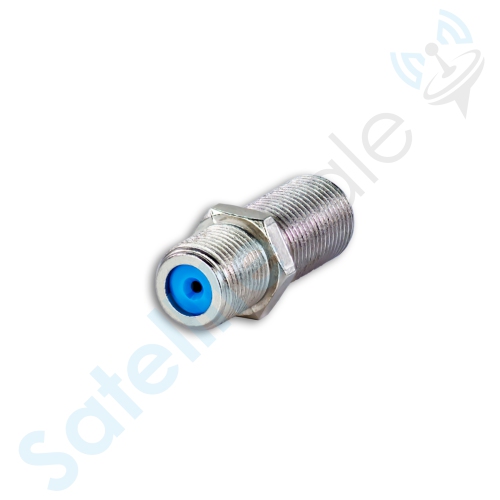
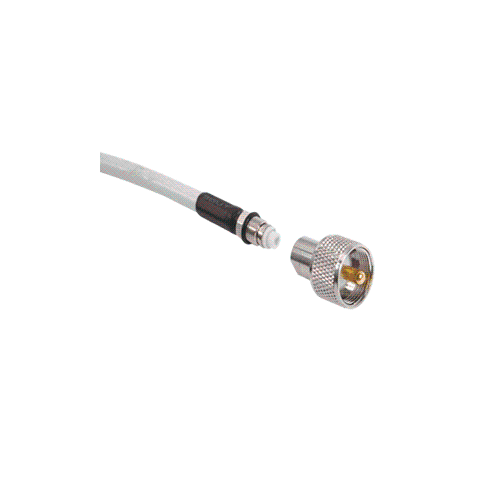
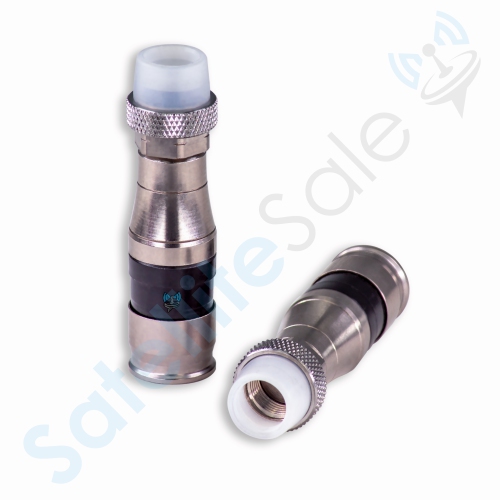
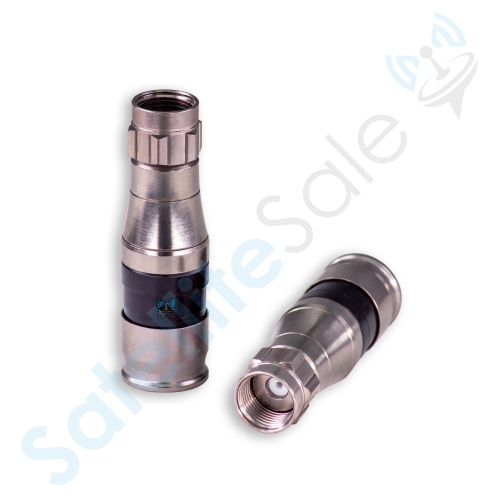
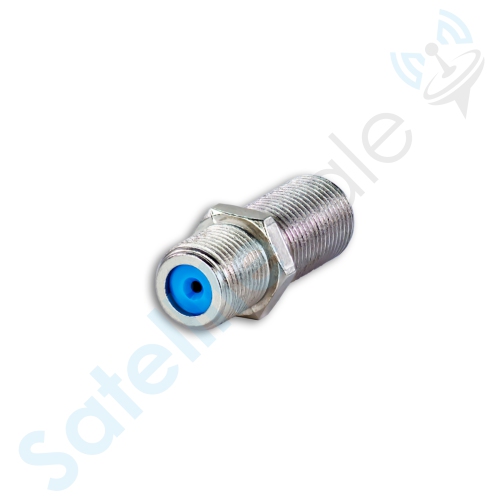
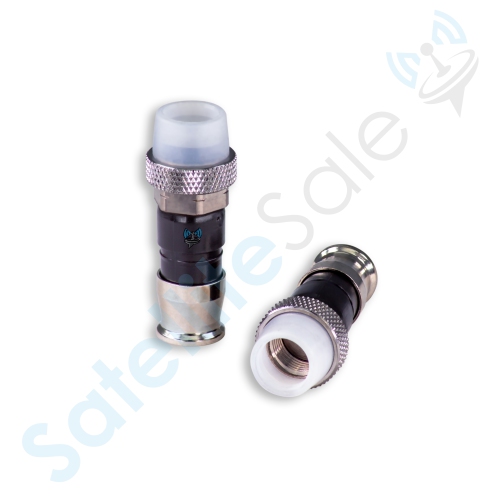
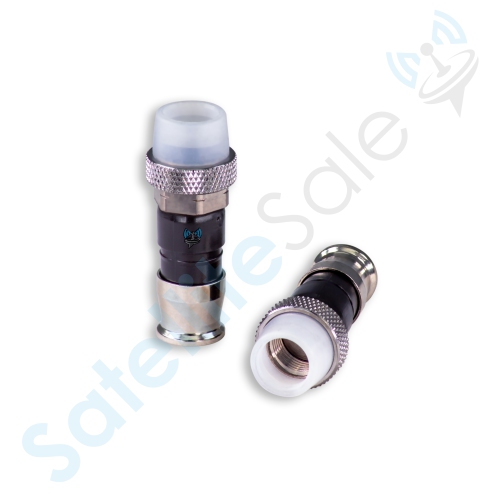
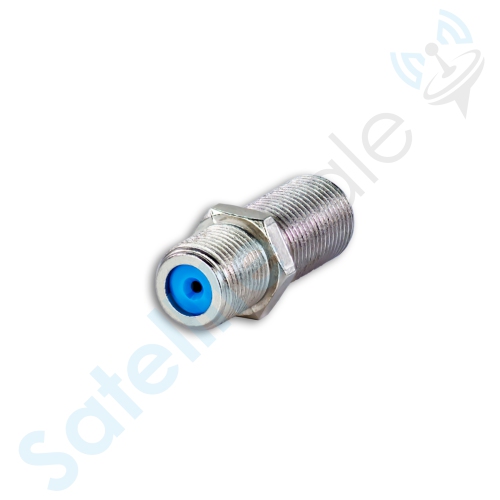
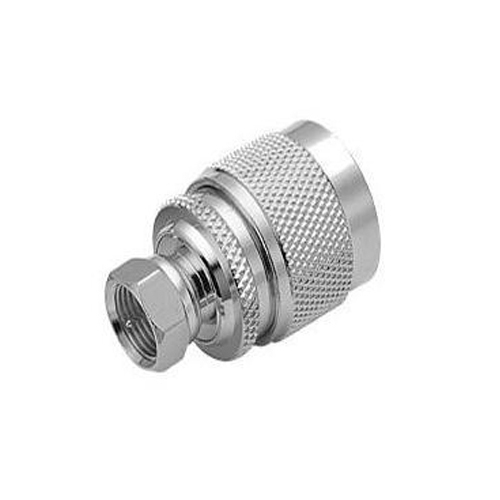
Reliable connections for television, broadband, and satellite systems
The main F-type connector styles include compression, crimp-on, and twist-on designs, each suited to different levels of permanence and installation experience. Compression connectors are often chosen for professional-grade installations because a dedicated compression tool forms the connector around the cable and creates a secure, highly stable connection. With the correct preparation, this style can provide a strong seal that is well suited to outdoor or long-term applications. Crimp-on connectors use a metal sleeve that is compressed with a compatible crimping tool. They can be a practical choice for permanent indoor cable runs, provided the connector, cable, and tool are designed to work together. Twist-on connectors are installed by hand after the cable has been prepared and are useful for quick repairs, temporary connections, or simple household projects where specialized tools are not available. Each method depends on careful cable preparation. The outer jacket should be stripped without cutting the braided shield, the shield should be folded back neatly, and the dielectric should be trimmed so the centre conductor extends the appropriate distance. Loose strands can create a short circuit, while an uneven cut may prevent the connector from seating properly. After installation, the connector should be tightened firmly by hand; excessive force can damage threads, ports, or the cable itself. A small coaxial cable installation kit may include a stripping tool, cutter, compression or crimping tool, and a selection of compatible connectors, making it useful for a home office, media room, workshop, or property with several cable outlets. For anyone replacing a damaged end, extending a cable run, or tidying connections behind a television, matching the connector style to the task can make the work easier and the finished installation more dependable.
F-type connectors are useful for more than a single television connection. They can support a cable modem in a home office, connect a satellite receiver in a family room, link an antenna to a television, or join coaxial cable to a splitter that distributes a signal to several rooms. They may also be used by landlords, property managers, technicians, and do-it-yourself installers maintaining multiple outlets in an apartment, cottage, workshop, or recreational vehicle. Their 75-ohm design is intended to match common television and broadband coaxial systems, and modern versions may support frequencies extending to 1 GHz or higher, with some components designed for systems reaching up to 3 GHz. Compatibility still matters, since the connector alone cannot improve a weak signal caused by excessive cable length, damaged shielding, poor routing, or faulty distribution equipment. Before purchasing, consider the number of connections required, the cable size, the installation environment, and whether the connection may need to be removed later. Buying a few extra matching connectors can be helpful when working with older cable, as the first cut may not leave enough length for a clean installation. During the warmer season and the cooler months alike, a well-finished coaxial connection can help keep a home entertainment or internet setup organized and ready for everyday use. These connectors can also make a practical addition to a toolkit for someone moving into a new home, setting up a media room, improving an antenna system, or taking responsibility for routine cable repairs.
Top selling and popular products
-
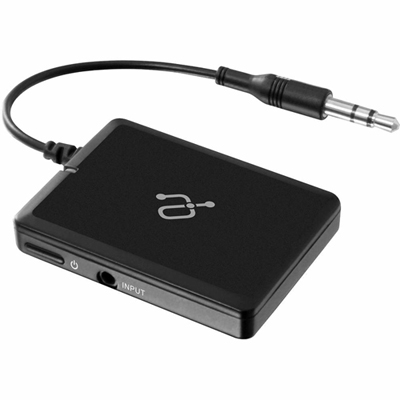 Your price for this item is $34.99
 -
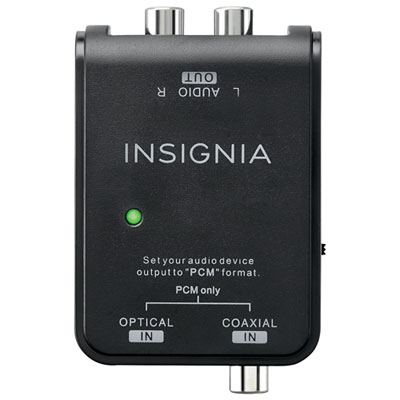 Your price for this item is $39.99
 -
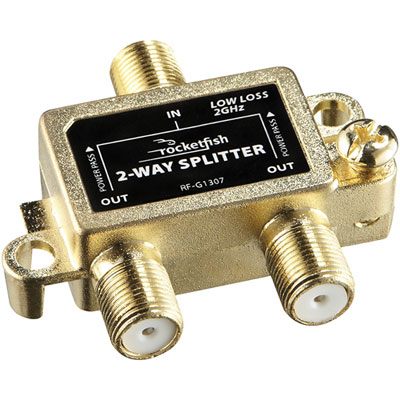 Your price for this item is $10.97
 -
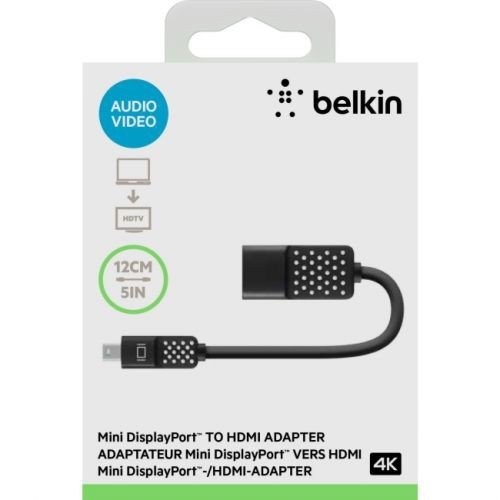 Your price for this item is $36.68
 -
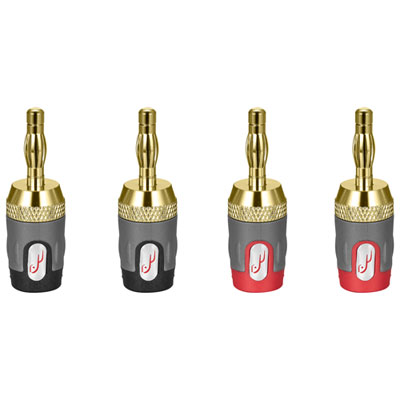 Your price for this item is $24.99
 -
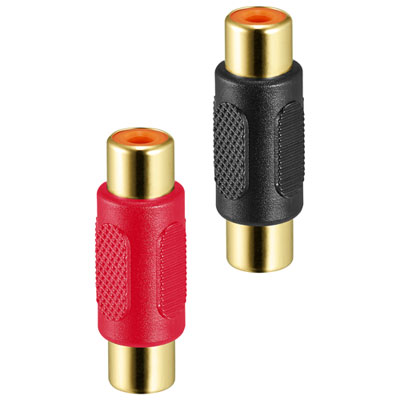 Your price for this item is $9.99
 -
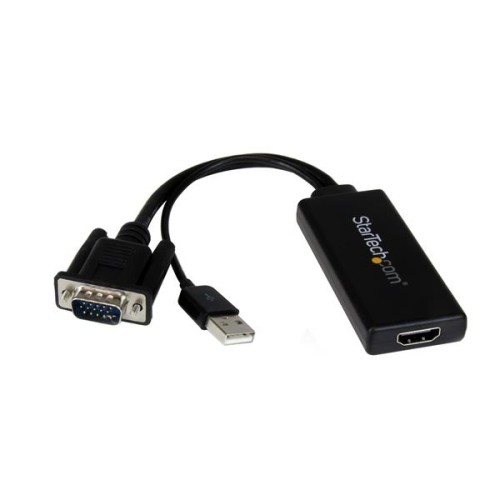 Your price for this item is $75.99
 -
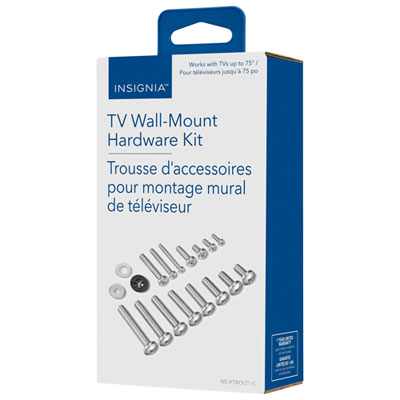 Your price for this item is $19.99