Fiber Optic Connectors
If you're looking to enhance your network connectivity with reliable and efficient solutions, explore our range of fiber-optic connectors designed to optimize data transmission and ensure seamless communication across your devices. Whether you are setting up a new network or upgrading an existing one, these connectors offer high-performance connectivity for both residential and commercial applications. Find the perfect fiber optic connectors to meet your networking needs and enjoy faster data transfer speeds and improved signal quality.
Sort
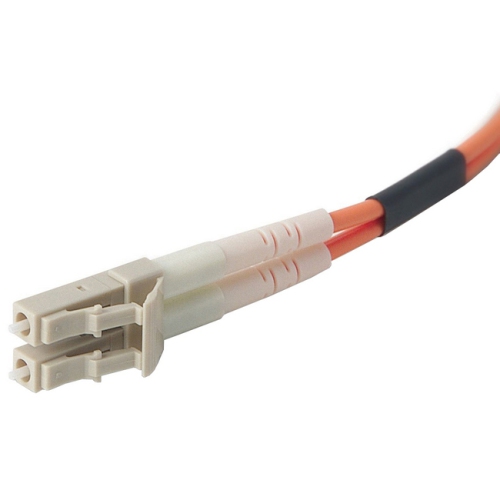
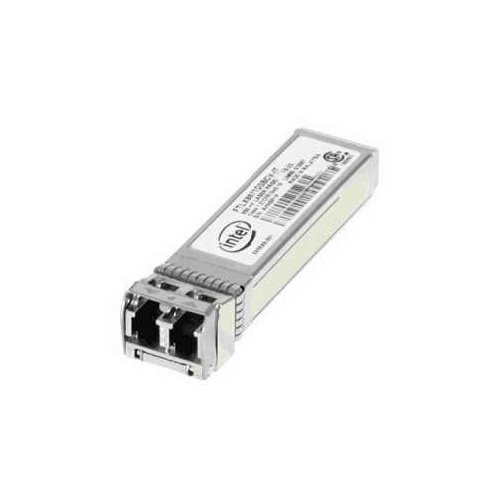
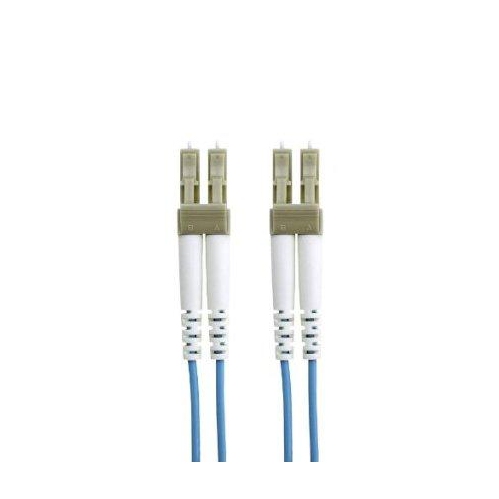
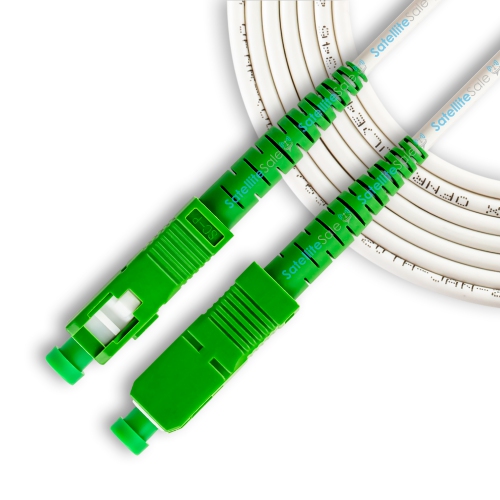
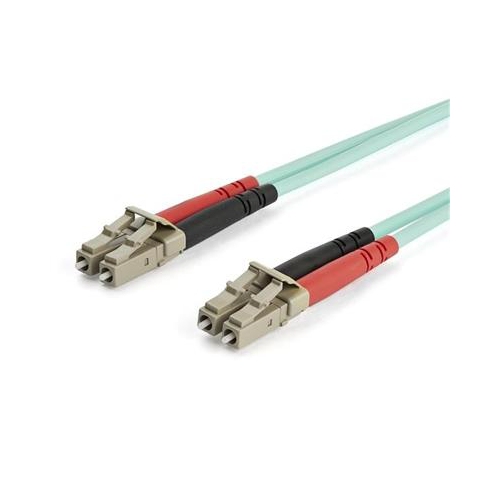
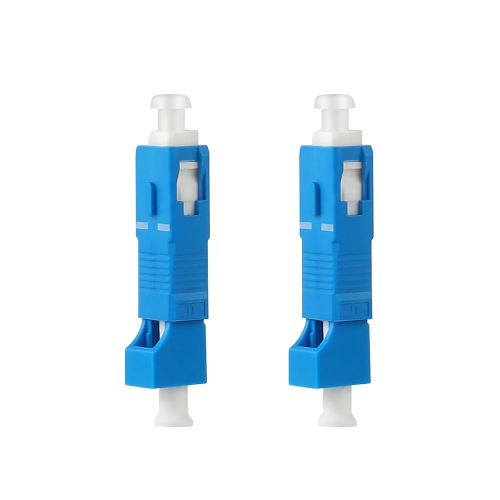
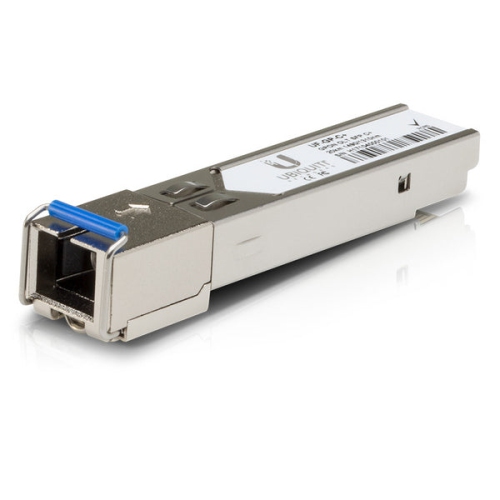
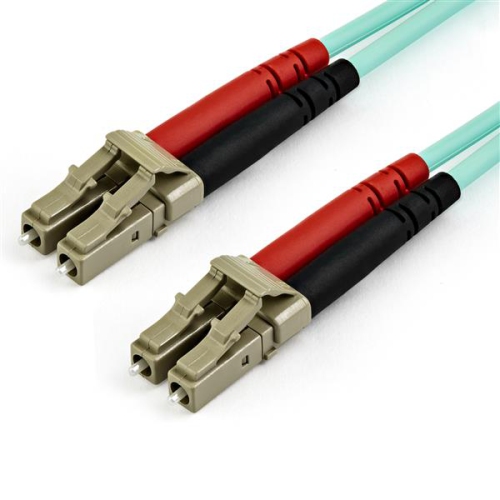
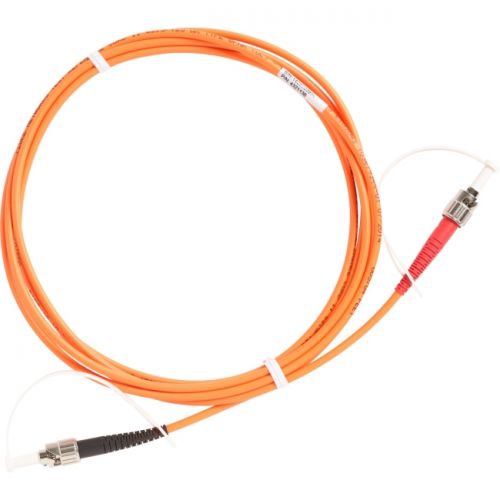
Reliable links depend on precise fibre and port compatibility
Fiber optic connectors are removable components that terminate the ends of fibre optic cables and create a reliable link between cables, patch panels, network equipment, and other compatible devices. Unlike electrical connectors, they carry information as pulses of light through extremely fine glass or plastic fibre, allowing large amounts of data to travel quickly over long distances with minimal interference. A connector’s job is to hold the fibre in precise alignment so light can pass from one polished end-face to another with as little loss and reflection as possible. This makes fibre optic connectors an important consideration for home networking projects, business networks, telecommunications installations, security systems, audio-visual equipment, server rooms, and data centres. They may be used by network administrators managing dense equipment racks, technicians repairing or extending an existing fibre run, installers working on communications infrastructure, or knowledgeable home users upgrading a high-speed connection. When selecting connectors, start by identifying the equipment and cable already in use. The connector must match the cable’s fibre type, including single-mode or multimode fibre, as well as the connector port or adapter on the receiving device. It is also important to confirm whether the cable uses one fibre or multiple fibres, whether the connector is intended for a patch cable or permanent termination, and whether the installation requires simplex or duplex connections. Checking these details before purchasing can help prevent an otherwise well-made connector from being incompatible with the network.
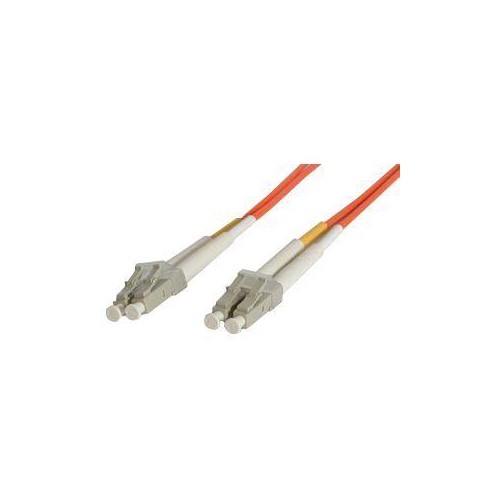
Several connector styles are available, each suited to different layouts and installation requirements. An LC, or Lucent Connector, has a compact form and a latch-style locking tab, making it especially useful where many connections must fit into a limited amount of rack or panel space. Its small footprint is common in modern data centres and high-density network installations. An SC, sometimes called a Subscriber Connector or Square Connector, uses a larger square housing and a straightforward push-pull connection. SC connectors are often found in telecommunications, broadband, and other setups where a sturdy, easy-to-handle connection is helpful. An ST, or Straight Tip connector, uses a bayonet-style twist-lock mechanism and a spring-loaded design. Although it is an older style, it may still be encountered in legacy networks, industrial installations, and equipment that requires a secure rotating lock. An FC, or Fibre Channel connector, uses a threaded coupling that screws into place, helping it remain firmly connected in environments where vibration or movement could be a concern. MPO and MTP-style connectors are multi-fibre array connectors designed to link several fibres through one interface. They can help support high-speed parallel optics and make dense data-network connections more manageable, but their arrangement, polarity, fibre count, and equipment compatibility require careful checking. Within each connector is a ferrule: a small cylindrical component, commonly made from ceramic or another precise material, that holds the fibre in the correct position. The outer body surrounds the ferrule and provides the latch, push-pull mechanism, bayonet fitting, or threaded coupling needed to attach the connector to an adapter. Connector shape alone is not enough to establish compatibility, since the ferrule size, fibre count, boot design, and termination style also matter.
Polish type is another important specification because the shape of the fibre end-face affects insertion loss and back reflection. PC, or Physical Contact, connectors have a gently curved polished surface that brings the fibre ends together for a direct optical connection. UPC, or Ultra Physical Contact, connectors receive additional polishing to create a smoother end-face and reduce reflection compared with standard PC designs. APC, or Angled Physical Contact, connectors use a small angled polish, commonly associated with lower back reflection in applications where signal performance is particularly sensitive. PC, UPC, and APC connectors should not be mixed casually, even when their external housings appear similar; the angled end-face of an APC connector requires a matching connection and appropriate adapter. Before adding a connector to a product list or replacing one in an existing setup, compare its polish type, fibre mode, connector gender, port style, and performance specifications with the rest of the installation. Cleanliness is equally important. Dust, fingerprints, and small particles on a ferrule can interfere with light transmission, increase signal loss, or damage mating surfaces, so connectors should be handled by their housings, protected with dust caps when disconnected, and cleaned with equipment made for fibre optics before installation. Avoid bending a fibre cable sharply near the connector, and follow the manufacturer’s bend-radius and handling recommendations to protect the glass inside. Fibre optic connectors are practical additions for network maintenance kits, structured cabling projects, equipment upgrades, and replacement work, although they are usually purchased for a specific technical need rather than as a general gift. If a network connection also requires the electronic hardware that converts electrical signals to optical signals, explore Fiber Optic Transceivers to compare related connectivity components. A careful match between the connector and the equipment helps create a dependable link, keeps installation work tidy, and supports consistent performance across everything from a small communications cabinet to a busy high-density data environment.
Several connector styles are available, each suited to different layouts and installation requirements. An LC, or Lucent Connector, has a compact form and a latch-style locking tab, making it especially useful where many connections must fit into a limited amount of rack or panel space. Its small footprint is common in modern data centres and high-density network installations. An SC, sometimes called a Subscriber Connector or Square Connector, uses a larger square housing and a straightforward push-pull connection. SC connectors are often found in telecommunications, broadband, and other setups where a sturdy, easy-to-handle connection is helpful. An ST, or Straight Tip connector, uses a bayonet-style twist-lock mechanism and a spring-loaded design. Although it is an older style, it may still be encountered in legacy networks, industrial installations, and equipment that requires a secure rotating lock. An FC, or Fibre Channel connector, uses a threaded coupling that screws into place, helping it remain firmly connected in environments where vibration or movement could be a concern. MPO and MTP-style connectors are multi-fibre array connectors designed to link several fibres through one interface. They can help support high-speed parallel optics and make dense data-network connections more manageable, but their arrangement, polarity, fibre count, and equipment compatibility require careful checking. Within each connector is a ferrule: a small cylindrical component, commonly made from ceramic or another precise material, that holds the fibre in the correct position. The outer body surrounds the ferrule and provides the latch, push-pull mechanism, bayonet fitting, or threaded coupling needed to attach the connector to an adapter. Connector shape alone is not enough to establish compatibility, since the ferrule size, fibre count, boot design, and termination style also matter.
Polish type is another important specification because the shape of the fibre end-face affects insertion loss and back reflection. PC, or Physical Contact, connectors have a gently curved polished surface that brings the fibre ends together for a direct optical connection. UPC, or Ultra Physical Contact, connectors receive additional polishing to create a smoother end-face and reduce reflection compared with standard PC designs. APC, or Angled Physical Contact, connectors use a small angled polish, commonly associated with lower back reflection in applications where signal performance is particularly sensitive. PC, UPC, and APC connectors should not be mixed casually, even when their external housings appear similar; the angled end-face of an APC connector requires a matching connection and appropriate adapter. Before adding a connector to a product list or replacing one in an existing setup, compare its polish type, fibre mode, connector gender, port style, and performance specifications with the rest of the installation. Cleanliness is equally important. Dust, fingerprints, and small particles on a ferrule can interfere with light transmission, increase signal loss, or damage mating surfaces, so connectors should be handled by their housings, protected with dust caps when disconnected, and cleaned with equipment made for fibre optics before installation. Avoid bending a fibre cable sharply near the connector, and follow the manufacturer’s bend-radius and handling recommendations to protect the glass inside. Fibre optic connectors are practical additions for network maintenance kits, structured cabling projects, equipment upgrades, and replacement work, although they are usually purchased for a specific technical need rather than as a general gift. If a network connection also requires the electronic hardware that converts electrical signals to optical signals, explore Fiber Optic Transceivers to compare related connectivity components. A careful match between the connector and the equipment helps create a dependable link, keeps installation work tidy, and supports consistent performance across everything from a small communications cabinet to a busy high-density data environment.
Top selling and popular products
-
 Your price for this item is $199.99
 -
 Your price for this item is $719.68
 -
 Your price for this item is $45.37
 -
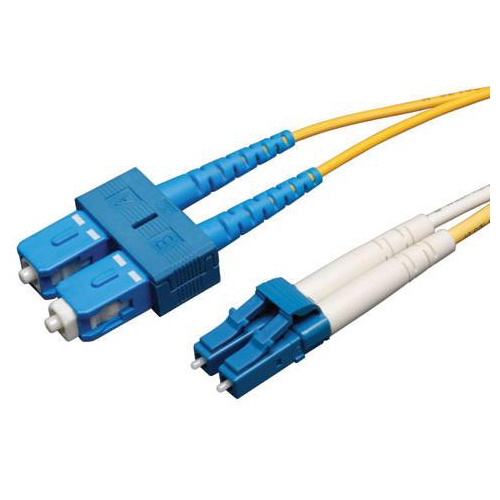 Your price for this item is $16.68
 -
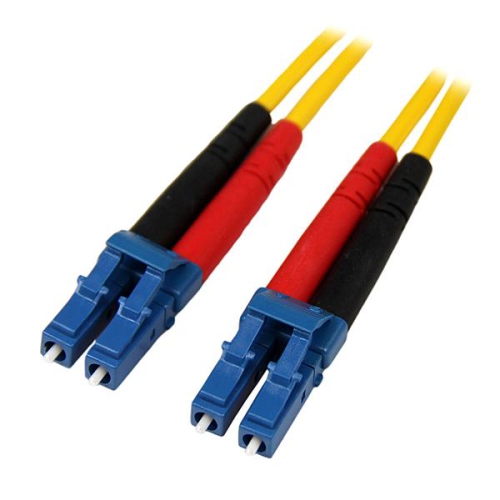 Your price for this item is $32.99
 -
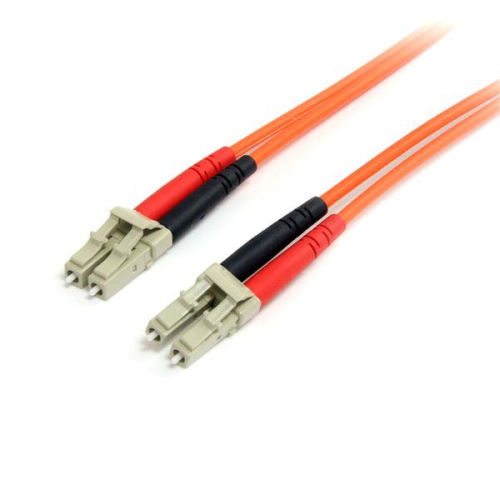 Your price for this item is $31.99
 -
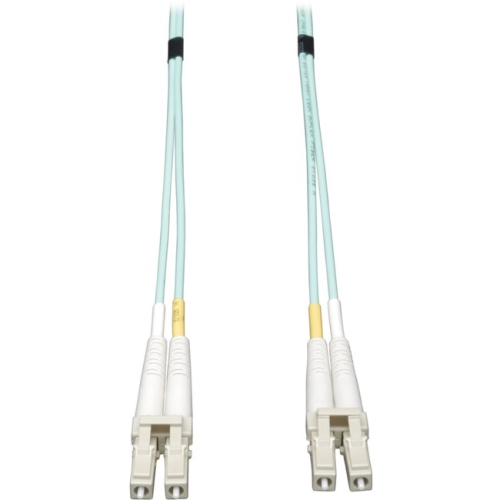 Your price for this item is $89.68
 -
 Your price for this item is $18.68
Discover more categories related to Fiber Optic Connectors
Top Collections:
Pokemon Centers, Best Camera Tripods Under $100, Vlogging Cameras for Beginners, Kindle Devices, Best Electric Toothbrushes Under $100, Portable Solar Power Stations for Emergency, Best Wrist Fitness Trackers, Samsung Z Fold, Back To School Wireless Presentation Clickers, Canon G7X Cameras
Some products may be subject to Environmental Handling Fees
(EHF) depending on your province.
Learn more about EHFs.