Fine Art Printers
Looking to bring your artistic vision to life? Our collection of fine art printers is here to help you transform your digital creations into stunning physical masterpieces. Whether you're a professional photographer, a passionate hobbyist, or an aspiring artist, our range of high-quality printers offers exceptional color accuracy, intricate detail reproduction, and seamless connectivity options. With advanced technology and innovative features, these printers are designed to deliver gallery-worthy prints that capture every nuance and enhance the visual impact of your work. Explore our selection of fine art printers and unlock the full potential of your creativity.
Sort
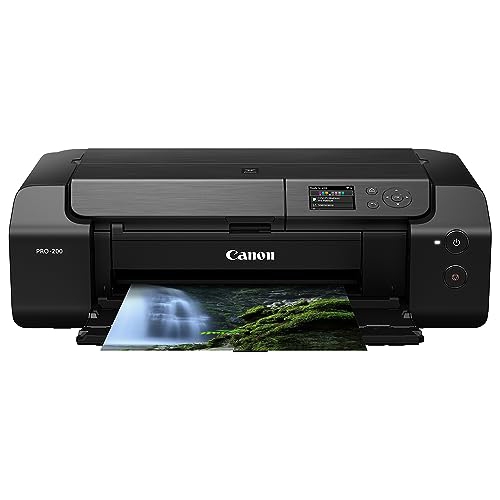
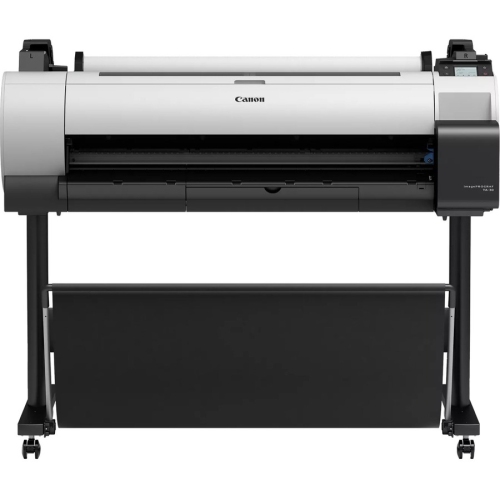
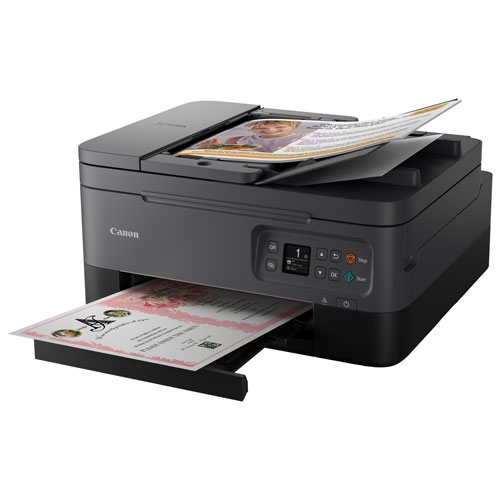
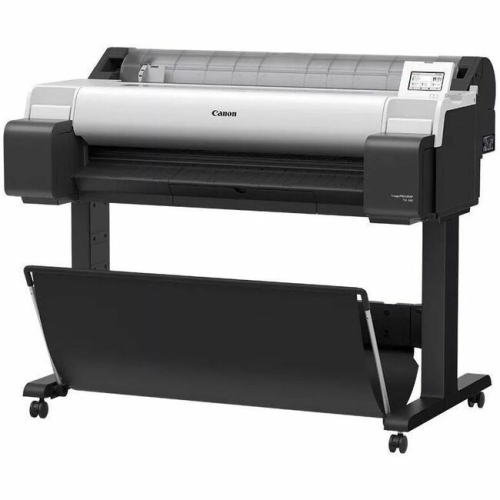
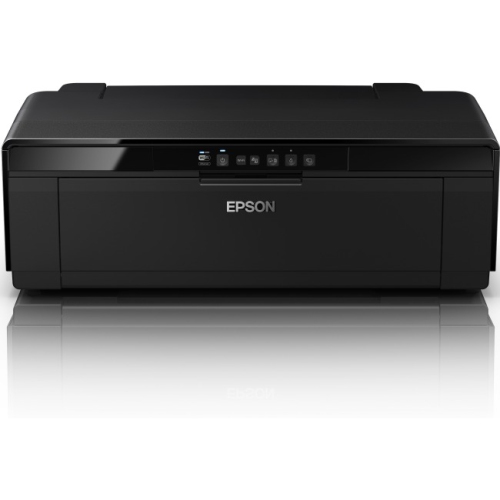
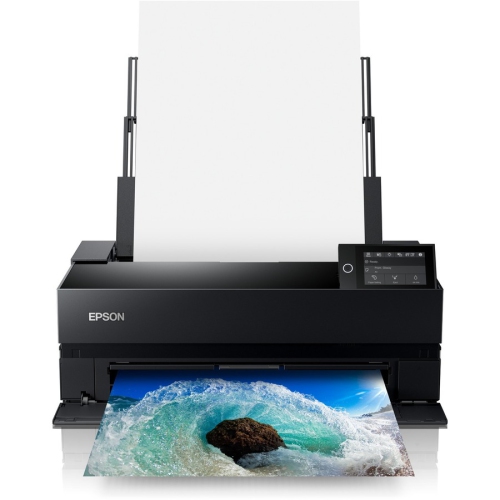
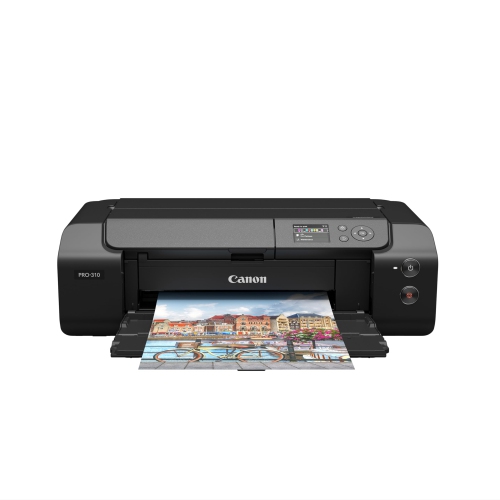
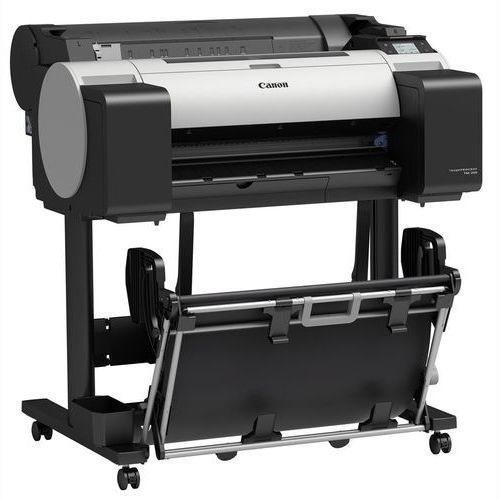
How ink and paper shape your artwork’s finer details
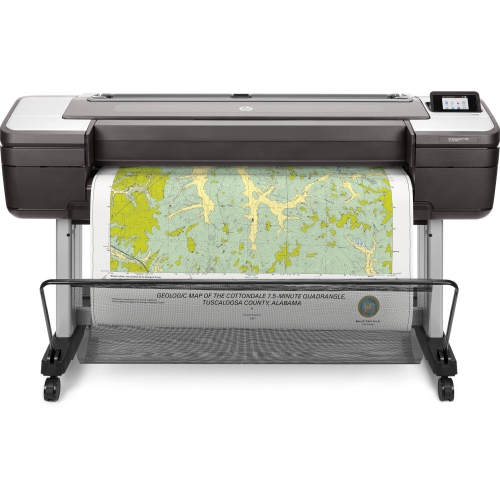
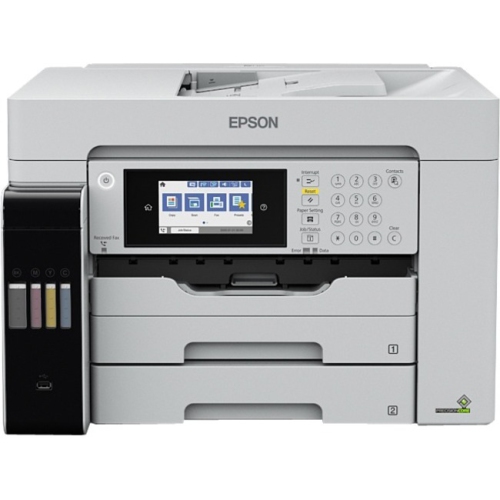
Fine art printers bring the texture, colour, and tonal detail of digital artwork and photography onto paper, creating prints intended to be viewed closely, displayed, and enjoyed over time. Their appeal lies in the subtleties: a soft transition between shades in a watercolour scan, the detail held in the shadows of a black-and-white portrait, or the richness of a deep blue sky without losing its delicate cloud edges. Unlike printers designed mainly for documents, models suited to fine art often use expanded ink sets and support specialist media, giving artists and photographers more control over the finished image. Additional grey inks can help produce smoother monochrome gradations, while a broader range of colour inks can improve the rendering of certain hues. The effect depends on the original file, ink system, paper, and print settings working together; a high resolution figure alone does not tell the whole story. These printers suit illustrators preparing portfolio pieces, photographers making exhibition prints, designers presenting detailed concepts, and artists producing small print runs from original work. They also have a place in a home studio, where a family portrait or a carefully composed landscape can become a personal display piece rather than remain on a screen. Someone who enjoys both photographic printing and art-focused work may also find Printers for Photography relevant, particularly when portraits, travel images, and monochrome studies make up much of their output. Fine art printing is not limited to large wall pieces, either. Smaller works for a desk, a portfolio box, or a grouped gallery wall can benefit just as much from precise detail and a thoughtfully chosen surface. For a creative person receiving a printer as a gift, the strongest fit is one that complements the work they already make, the space they have, and the paper sizes they are likely to use. The value of that fit becomes clear when a digital sketch or treasured photograph takes on a distinct physical presence.
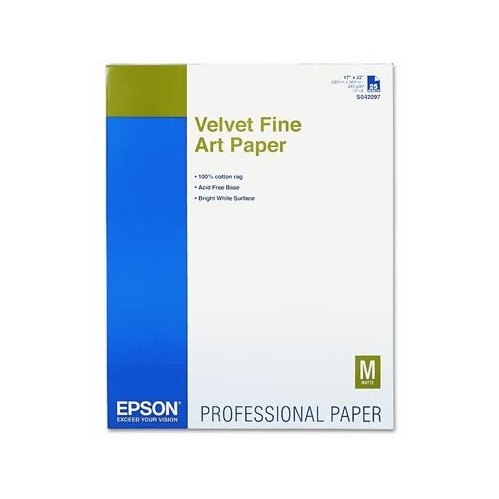
Paper is an essential part of that presence, influencing everything from the apparent depth of black ink to the way light falls across a finished print. Cotton rag papers often have a substantial feel and are commonly chosen for fine art applications, while alpha-cellulose papers provide another option for detailed artwork and photographs. Smooth matte surfaces can suit precise line drawings, botanical illustrations, and images with soft tonal changes. Textured papers add a more tactile character, though a pronounced surface may compete with very fine details or small lettering. Glossy, lustre, and baryta-style papers offer different combinations of sheen, contrast, and surface character, making the same photograph feel noticeably different on each. A misty shoreline might look gentle and restrained on matte paper, while a night scene with bright reflections may gain depth on a surface that supports richer blacks. Printer compatibility matters as much as the paper’s appearance. Maximum sheet size, supported thickness, feed path, and media settings determine whether a printer can handle the intended material reliably. A straight-through or specialist rear feed can be useful for heavier sheets, while roll support, where included, opens up possibilities for panoramic images and longer compositions. Borderless printing is also dependent on the model, media type, and selected size, so it should not be assumed for every paper combination. Ink choice influences the result and its longevity as well. Pigment-based systems are frequently used for display-oriented fine art work, but resistance to fading depends on the complete ink-and-paper combination and the conditions in which the print is kept. Claims of archival quality are most meaningful when supported by testing for that combination. Acid-free papers and suitable mounting materials can support long-term presentation, while framing behind appropriate glazing helps limit handling and exposure. A print intended for a bright hallway has different display demands from one stored in a portfolio, and those intended uses help shape the most suitable materials.
Living with a fine art printer involves a balance of creative control, physical space, and regular care. A desktop model may fit comfortably into a shared work area, but its working footprint can extend beyond the body of the machine once paper trays, rear feeds, and output supports are open. Larger formats also need room for sheets to lie flat before and after printing, especially when a surface is easily marked. Sturdy placement and convenient access to ink compartments and maintenance components make routine use less awkward. USB, Ethernet, and Wi-Fi connections offer different ways to integrate a printer into a studio, although connection options vary by model, and compatible software remains important for access to detailed print settings. Colour management is another part of the experience. A suitably adjusted monitor and an appropriate paper profile help bring the screen preview and printed result closer together, while the light used to view the print affects how colours are perceived. Paper reflects light rather than emitting it, so even a well-prepared print will not look exactly like an illuminated display. This is particularly noticeable when printing a dark image edited on a very bright screen. Small proof prints give a practical sense of shadow detail, skin tones, and surface finish before committing to a larger composition. For ongoing care, regular use and manufacturer-recommended maintenance help keep an inkjet system working reliably; long idle periods can lead to nozzle issues that require cleaning. Keeping unused paper protected from dust, moisture, and bent corners also helps preserve consistent feeding and a clean finish. Fresh prints may need drying or curing time before stacking, mounting, or framing, according to the ink and paper guidance. Handling them by the edges reduces fingerprints and scuffs, particularly on sensitive surfaces. These everyday details matter whether the printer supports a busy creative practice or occasional personal projects. With a suitable format, compatible materials, and a manageable workflow, fine art printing offers a satisfying way to turn carefully made images into finished work with texture, depth, and a character all its own.
Paper is an essential part of that presence, influencing everything from the apparent depth of black ink to the way light falls across a finished print. Cotton rag papers often have a substantial feel and are commonly chosen for fine art applications, while alpha-cellulose papers provide another option for detailed artwork and photographs. Smooth matte surfaces can suit precise line drawings, botanical illustrations, and images with soft tonal changes. Textured papers add a more tactile character, though a pronounced surface may compete with very fine details or small lettering. Glossy, lustre, and baryta-style papers offer different combinations of sheen, contrast, and surface character, making the same photograph feel noticeably different on each. A misty shoreline might look gentle and restrained on matte paper, while a night scene with bright reflections may gain depth on a surface that supports richer blacks. Printer compatibility matters as much as the paper’s appearance. Maximum sheet size, supported thickness, feed path, and media settings determine whether a printer can handle the intended material reliably. A straight-through or specialist rear feed can be useful for heavier sheets, while roll support, where included, opens up possibilities for panoramic images and longer compositions. Borderless printing is also dependent on the model, media type, and selected size, so it should not be assumed for every paper combination. Ink choice influences the result and its longevity as well. Pigment-based systems are frequently used for display-oriented fine art work, but resistance to fading depends on the complete ink-and-paper combination and the conditions in which the print is kept. Claims of archival quality are most meaningful when supported by testing for that combination. Acid-free papers and suitable mounting materials can support long-term presentation, while framing behind appropriate glazing helps limit handling and exposure. A print intended for a bright hallway has different display demands from one stored in a portfolio, and those intended uses help shape the most suitable materials.
Living with a fine art printer involves a balance of creative control, physical space, and regular care. A desktop model may fit comfortably into a shared work area, but its working footprint can extend beyond the body of the machine once paper trays, rear feeds, and output supports are open. Larger formats also need room for sheets to lie flat before and after printing, especially when a surface is easily marked. Sturdy placement and convenient access to ink compartments and maintenance components make routine use less awkward. USB, Ethernet, and Wi-Fi connections offer different ways to integrate a printer into a studio, although connection options vary by model, and compatible software remains important for access to detailed print settings. Colour management is another part of the experience. A suitably adjusted monitor and an appropriate paper profile help bring the screen preview and printed result closer together, while the light used to view the print affects how colours are perceived. Paper reflects light rather than emitting it, so even a well-prepared print will not look exactly like an illuminated display. This is particularly noticeable when printing a dark image edited on a very bright screen. Small proof prints give a practical sense of shadow detail, skin tones, and surface finish before committing to a larger composition. For ongoing care, regular use and manufacturer-recommended maintenance help keep an inkjet system working reliably; long idle periods can lead to nozzle issues that require cleaning. Keeping unused paper protected from dust, moisture, and bent corners also helps preserve consistent feeding and a clean finish. Fresh prints may need drying or curing time before stacking, mounting, or framing, according to the ink and paper guidance. Handling them by the edges reduces fingerprints and scuffs, particularly on sensitive surfaces. These everyday details matter whether the printer supports a busy creative practice or occasional personal projects. With a suitable format, compatible materials, and a manageable workflow, fine art printing offers a satisfying way to turn carefully made images into finished work with texture, depth, and a character all its own.
Top selling and popular products
-
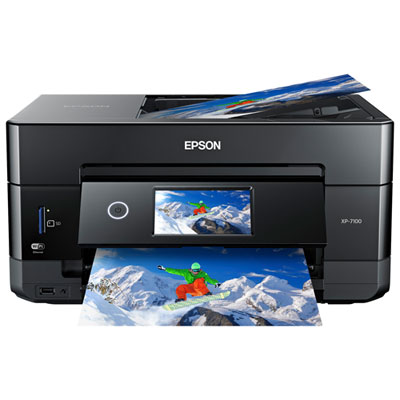 Your price for this item is $249.99
 -
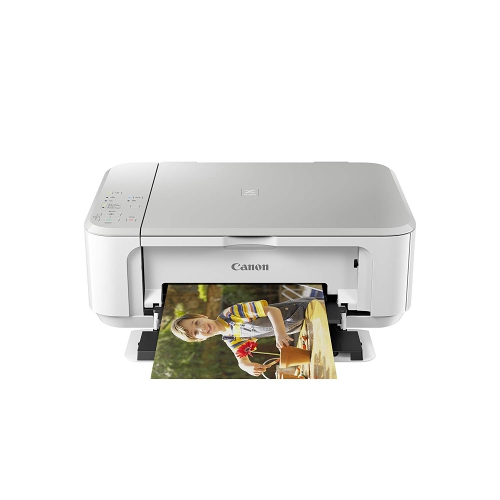 Your price for this item is $137.68
 -
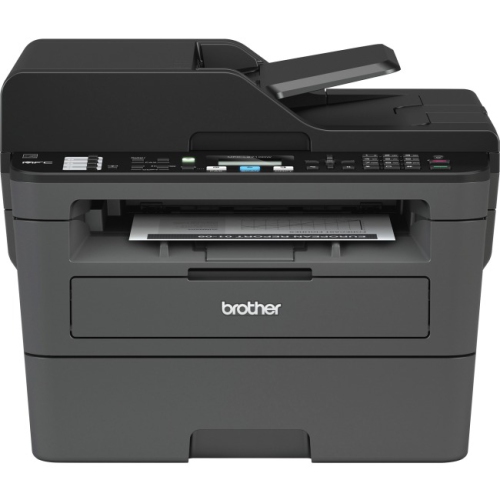 Your price for this item is $309.47
 -
 Your price for this item is $247.92
 -
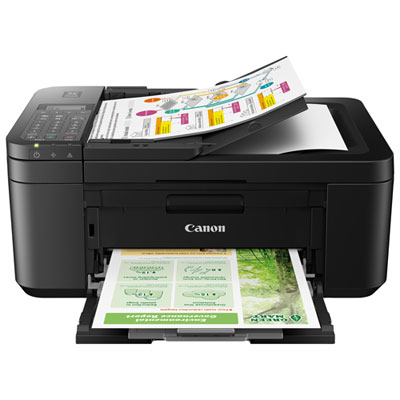 Your price for this item is $59.99
 -
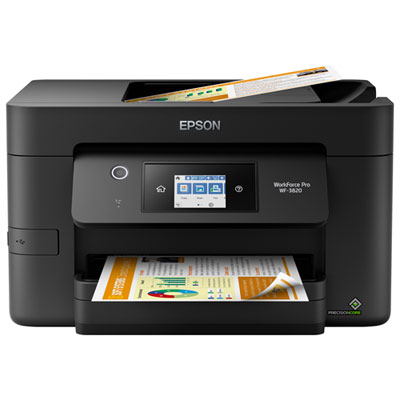 Your price for this item is $199.99
 -
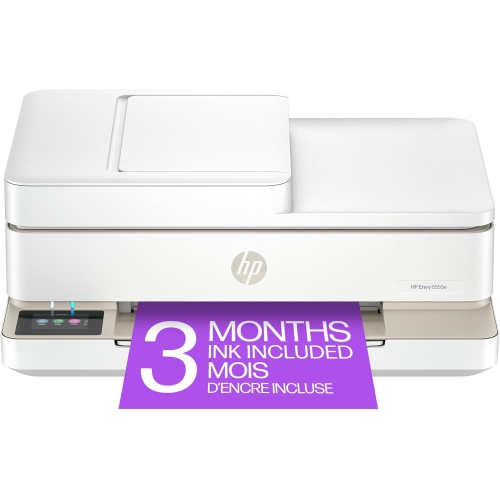 Your price for this item is $214.99
 -
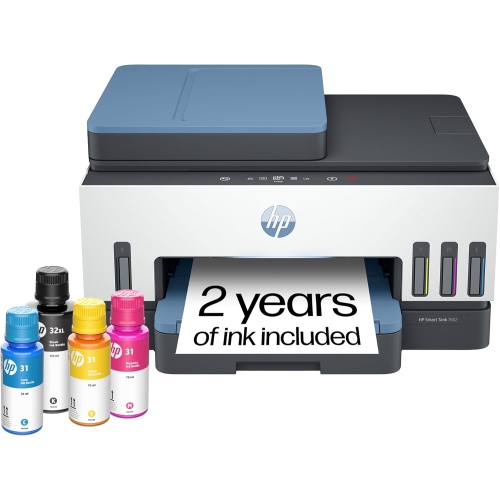 Your price for this item is $569.89
Discover more categories related to Fine Art Printers
Top Collections:
Pokemon Centers, Budget 4K TVs, Best Budget Office Chairs, Kindle Devices, Canon G7X Cameras, Apple iPhones 16, iPhone 15 Apple, Laptops for Business Work, Xiaomi Phones, Flip Phones
Some products may be subject to Environmental Handling Fees
(EHF) depending on your province.
Learn more about EHFs.