High Performance Network Cables
High Performance Network Cables are essential for building a reliable and efficient connection in any home or office setup. Whether you're streaming, gaming, or managing large data transfers, these cables help ensure smooth and consistent connectivity across all your devices. Explore a wide selection of High Performance Network Cables designed to support your networking needs with dependable speed and stability. Find the right options to keep your network running at its best.
Sort


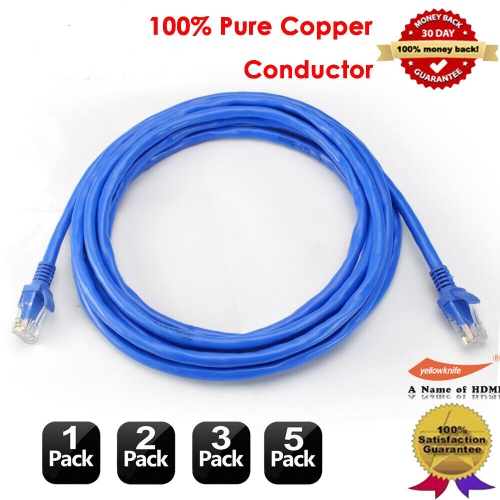
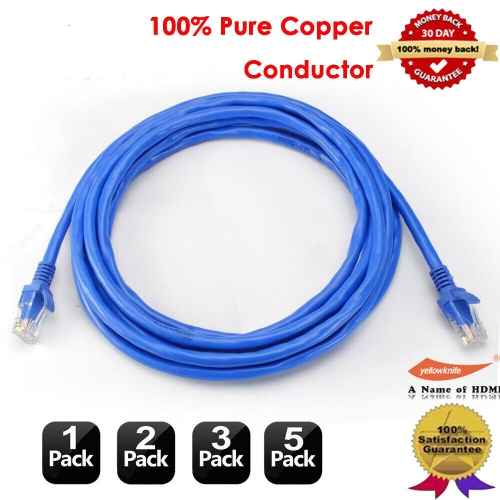
Why higher cable ratings don’t always mean faster connections
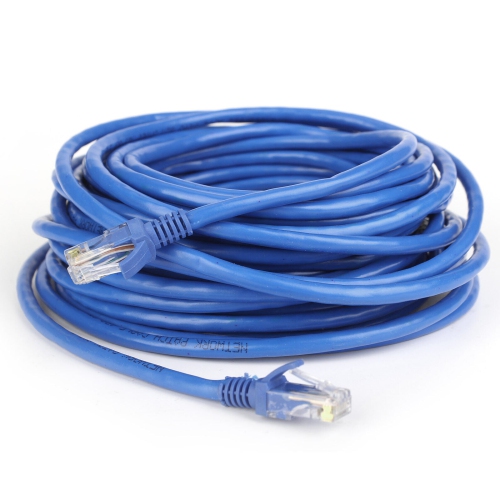
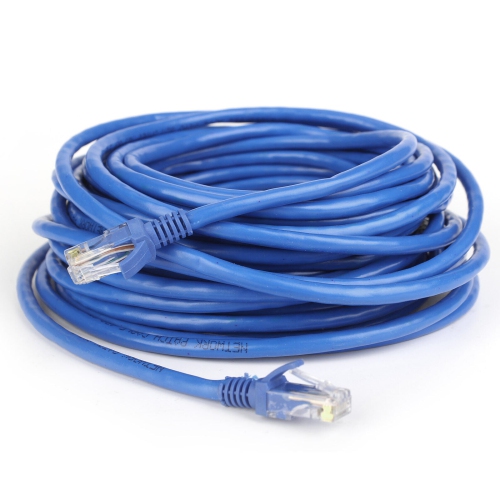
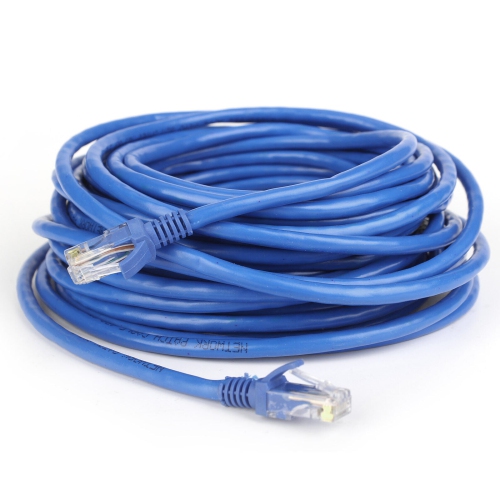
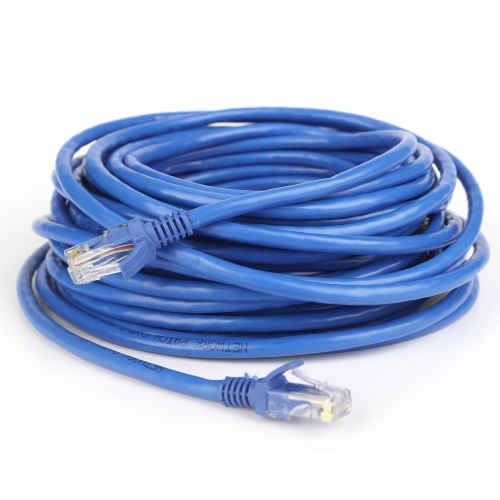
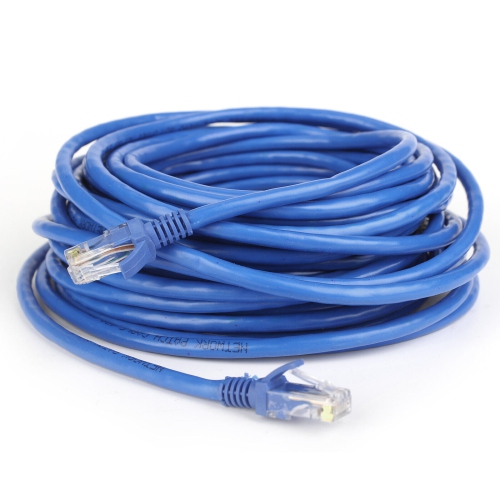
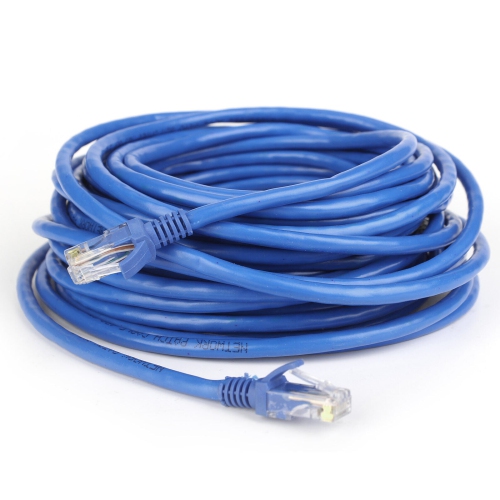
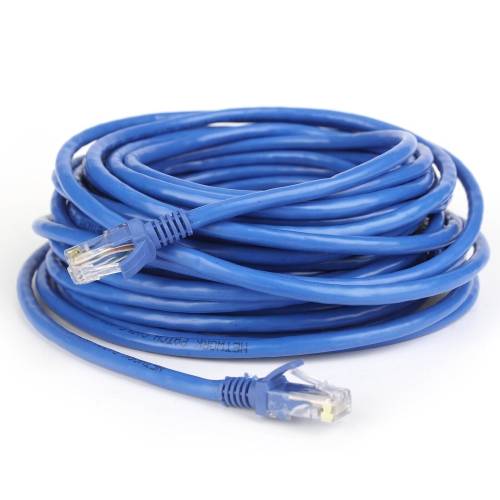
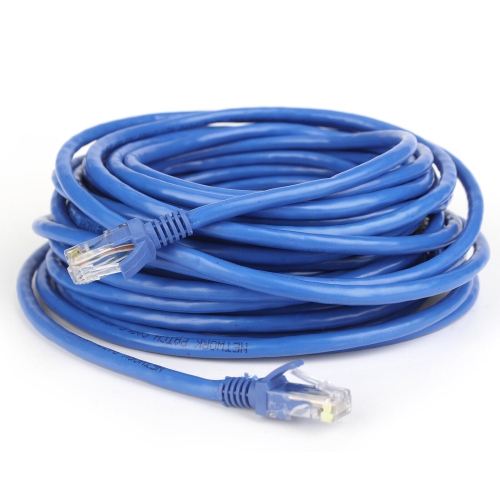
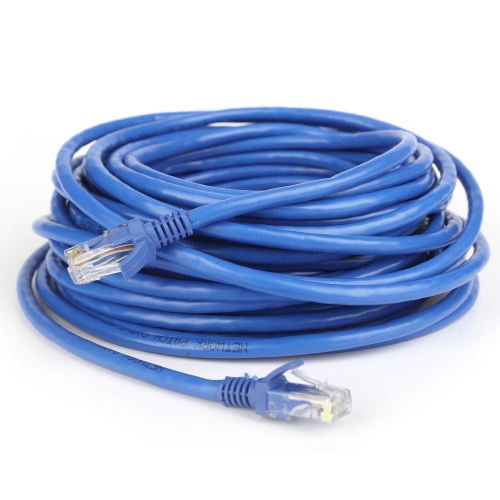
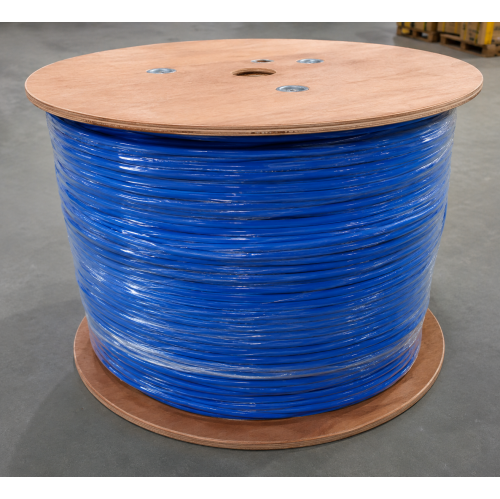
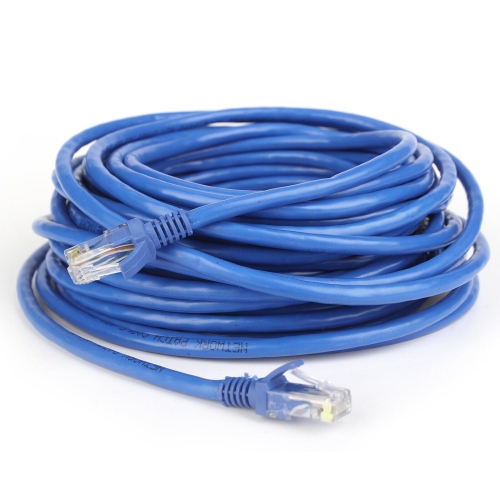
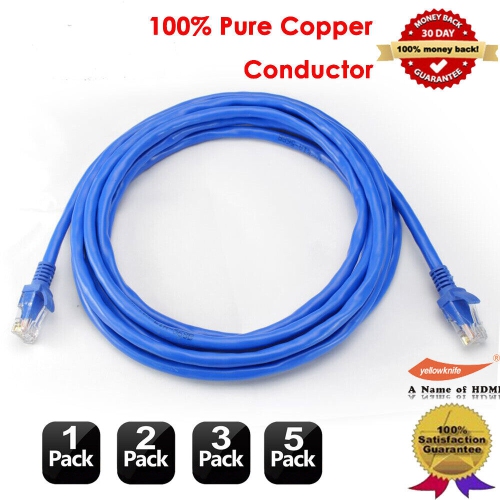
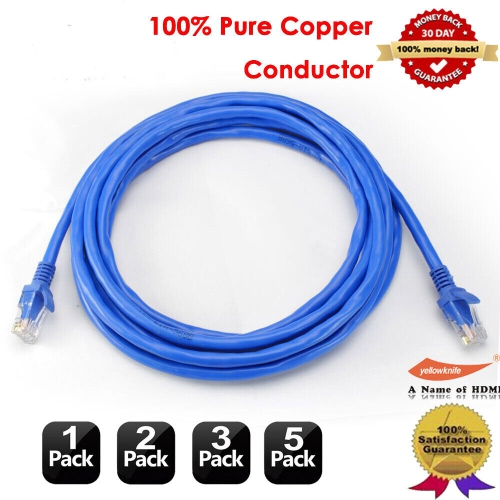
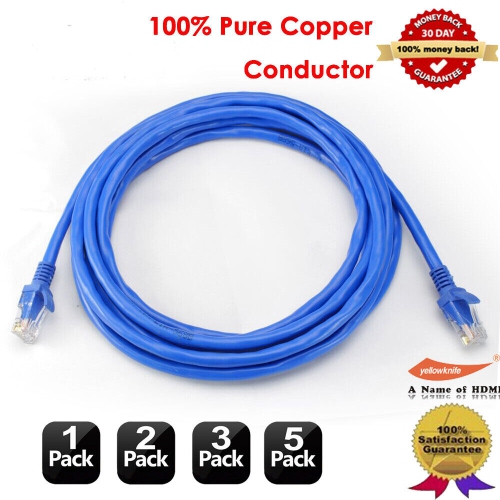
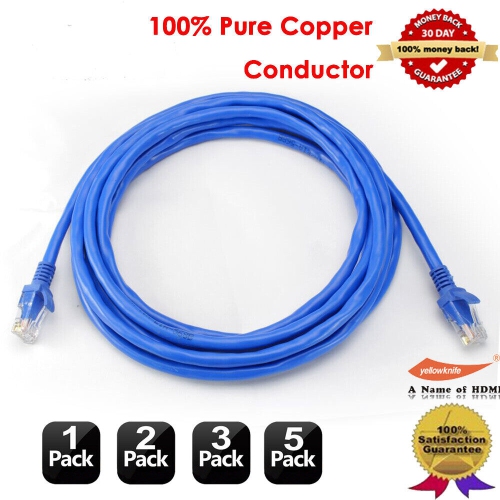
High-performance network cables provide wired connections between computers, routers, switches, network storage and other Ethernet-equipped devices. Their capabilities depend on the cable category, conductor construction, shielding and length, as well as the equipment connected at each end. For a home office, gaming setup or shared workspace, the practical benefit is a consistent connection that does not rely on Wi-Fi signal strength. A wired link can help keep a video meeting steady while other people stream entertainment, or support large file transfers between a desktop computer and network storage. Category ratings provide a useful starting point for understanding performance. Cat5e supports Gigabit Ethernet over channels up to 100 metres, while Cat6 supports the same distance at gigabit speeds and can support 10 Gigabit Ethernet over shorter distances, generally up to 55 metres depending on installation conditions and interference. Cat6a supports 10 Gigabit Ethernet over channels up to 100 metres, making it well suited to faster home networks and demanding office connections. Cat8 supports 25 or 40 Gigabit Ethernet over channels up to 30 metres, with its main applications in short, high-speed equipment connections rather than typical household networking. These distances include the complete channel, including patch leads, rather than just the cable inside a wall. A higher category does not automatically make an internet connection faster: the internet plan, router, switch and network adapter all affect the speed a device can achieve. Likewise, a cable’s frequency rating, expressed in MHz, is not the same measurement as its data transfer rate. The most useful match is a cable that supports the intended connection speed across the required distance. For everyday browsing, remote work, gaming and media streaming, a dependable gigabit connection can be more relevant than the highest category number, while multi-gigabit setups benefit from cabling that supports the capabilities of the connected hardware.
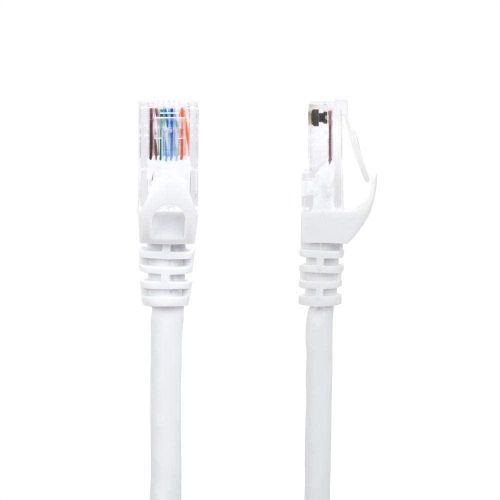
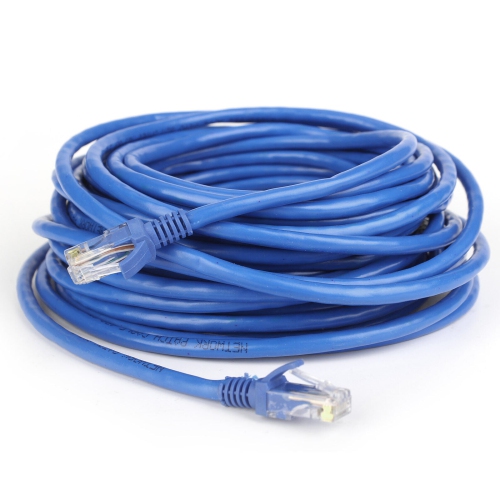
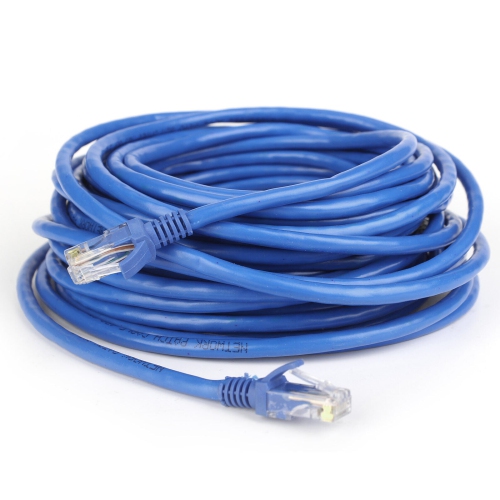
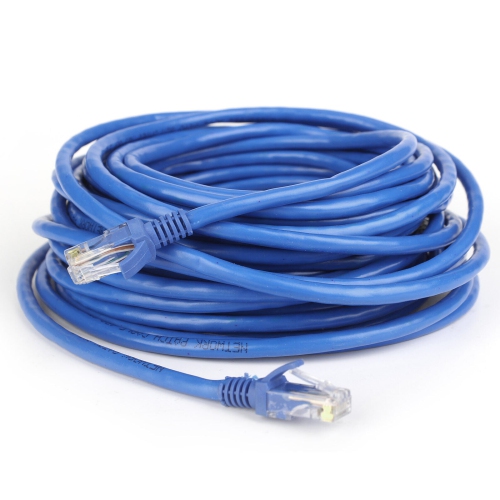
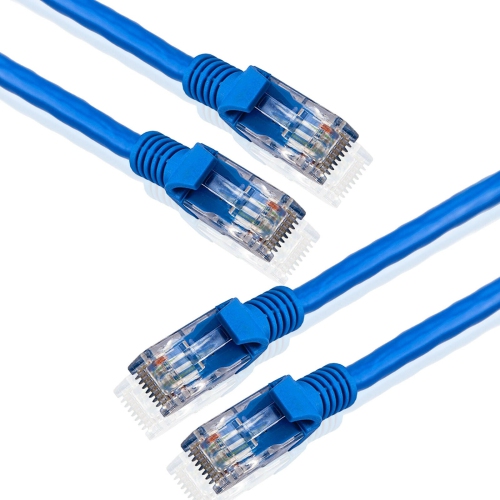
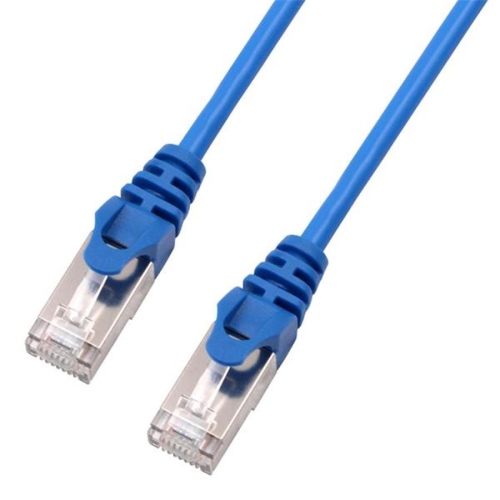
Construction influences how a network cable handles installation, repeated movement and electrical interference. Ethernet cables use twisted pairs of insulated conductors, with the twists helping reduce unwanted interference between pairs. Unshielded twisted-pair cables are common in homes and offices where interference is limited. Shielded designs add foil, braid or a combination of both to help protect signals in more demanding installations, such as runs near multiple electronic devices or electrical equipment. Shielding works as part of a complete cabling system, so compatible connectors, correct termination and appropriate bonding and grounding matter; a shielded label alone does not guarantee a better connection. Conductor material is another meaningful distinction. Solid copper conductors offer dependable electrical performance, particularly for longer runs and Power over Ethernet applications. Copper-clad aluminium is not equivalent to solid copper and has higher electrical resistance, making it a poor substitute for standards-compliant copper cabling, especially when power delivery is involved. Solid-conductor cable is commonly used for fixed installations, while stranded-conductor patch leads are generally more flexible for connections that may be repositioned behind a desk or equipment cabinet. The outer jacket also affects handling. A thicker cable may provide a sturdy feel but need more room through a cable opening, while a slimmer patch lead can be easier to organize among closely spaced ports. Flat profiles can fit certain surface-routing layouts, although shape alone does not establish speed, shielding quality or suitability for a permanent installation. Connector dimensions deserve attention where ports sit close together or are recessed into a device. An oversized protective boot may be awkward in a crowded switch, whereas a well-fitted boot can help protect the connector latch from catching during cable changes. For in-wall or ceiling runs, the jacket rating must be suitable for the installation location and applicable local building requirements. Cable colour can make a busy setup easier to manage, with different colours distinguishing a workstation connection from a storage device, access point or entertainment system without changing electrical performance.
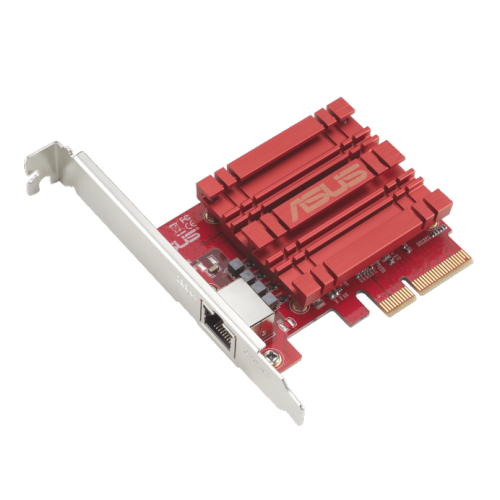
The best-fitting network cable also suits the route it needs to travel. A short patch lead keeps a router-to-switch connection tidy, while a longer run may need to follow a baseboard, pass through a desk opening and reach a computer without pulling against the port. Allowing some slack at each end makes equipment easier to move for cleaning or maintenance, but large coils of unnecessary cable can crowd a small workspace. Gentle bends, suitable cable supports and reusable straps help keep runs organized without crushing the jacket or putting strain on the connectors. Tight knots, sharp bends, repeated chair-wheel pressure and staples driven through the cable can damage its internal structure even when the outer surface appears mostly intact. Care is straightforward: disconnect cables by pressing the latch and holding the connector rather than tugging the cord, keep connectors dry, and inspect frequently moved leads for split jackets or damaged tabs. Intended use helps put these details into perspective. Gamers may value a stable wired connection for online play, although a higher cable category alone does not guarantee lower latency. Creative professionals moving large video projects to network storage may benefit from a complete multi-gigabit connection, while families can use wired links for stationary computers, televisions and consoles to reduce reliance on shared wireless capacity. Compatible Power over Ethernet equipment can carry both data and power through one cable to devices such as access points, cameras and internet phones, provided the cable, power source and device meet the relevant requirements. When a computer needs a faster wired interface, High Performance Network Cards can complement suitable cabling, with the router or switch also needing to support the target speed. For much longer backbone connections, fibre-optic cabling serves a different role and requires compatible ports or transceivers rather than a direct swap into an ordinary copper Ethernet socket. Across these uses, high performance comes from a well-matched connection: appropriate cable construction, a practical length, sound installation and equipment capable of working together at the intended speed.
Top selling and popular products
-
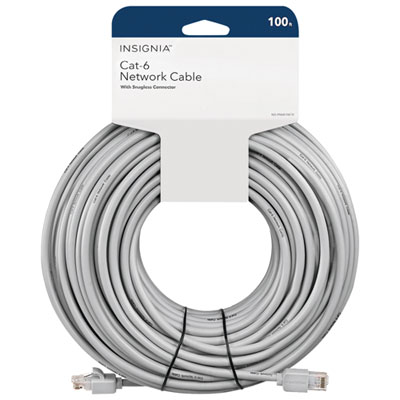 Your price for this item is $49.95
-
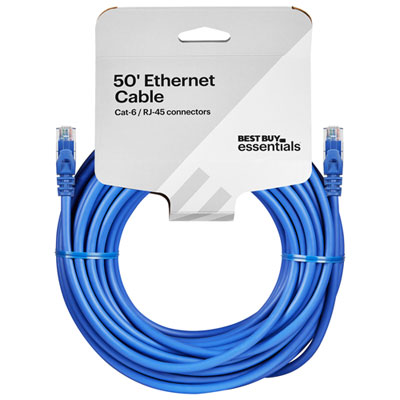 Your price for this item is $24.99
-
 Your price for this item is $25.68
-
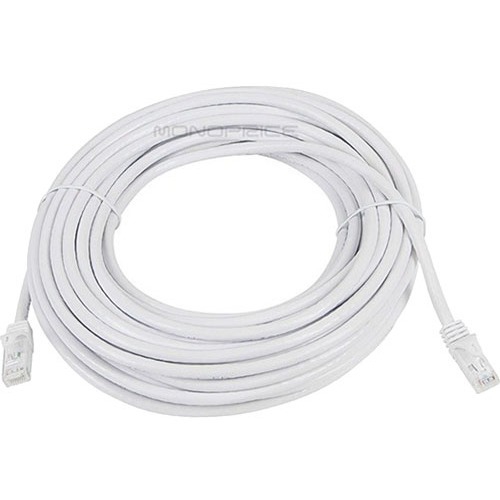 Your price for this item is $36.68
-
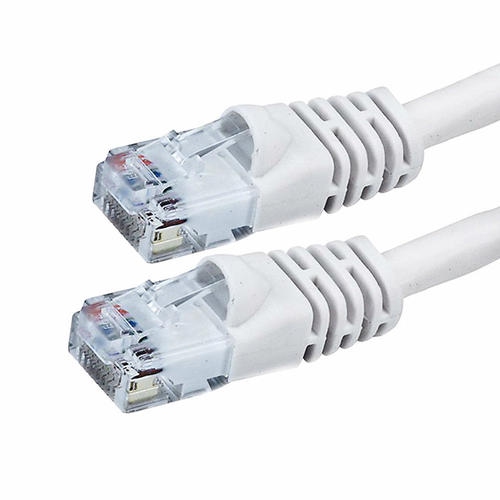 Your price for this item is $5.68
-
 Your price for this item is $11.68
-
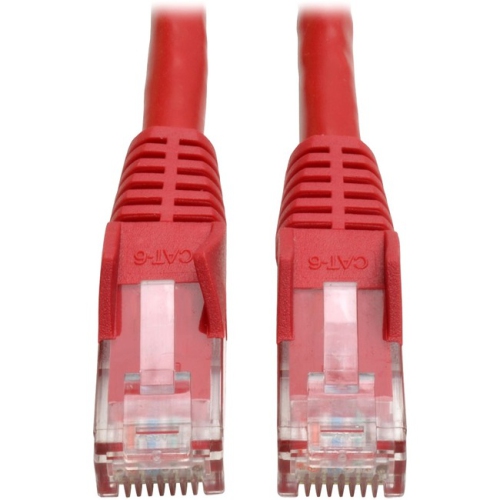 Your price for this item is $89.68
-
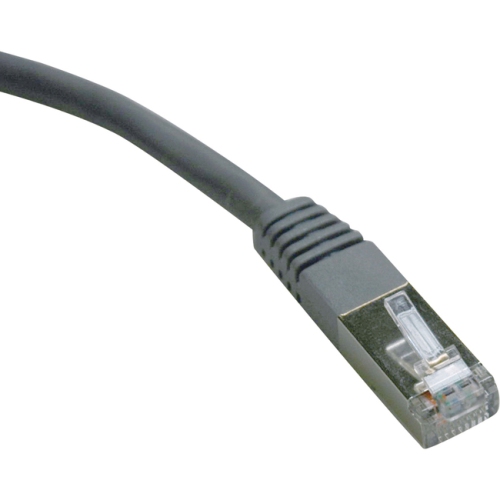 Your price for this item is $50.99
Discover more categories related to High Performance Network Cables

Top Collections:
Best Black Friday Deals This Year, Best Black Friday Deals On Electronics, Kindle Devices, Pokemon Centers, Best Black Friday Deals On Apple Products, Best Cameras for Sports Photography, Dyson Airwrap, Pokémon 30th Celebration Cards, Apple iPhone 17 Pro, Canon G7X Cameras
Some products may be subject to Environmental Handling Fees
(EHF) depending on your province.
Learn more about EHFs.