Industrial Wireless Access Points
Industrial Wireless Access Points are designed to deliver reliable and robust connectivity in demanding environments such as factories, warehouses, and large commercial spaces. These devices help businesses maintain seamless network coverage across expansive areas, supporting efficient operations and communication. Explore a wide selection of Industrial Wireless Access Points to find the ideal solution for enhancing wireless performance and coverage in your industrial setting.
Sort
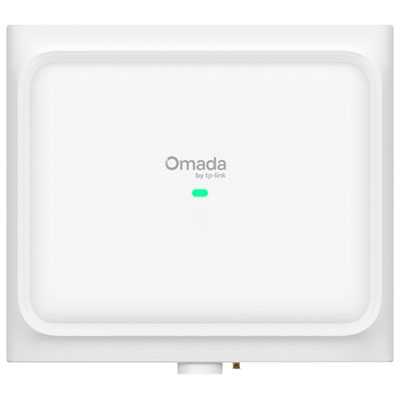
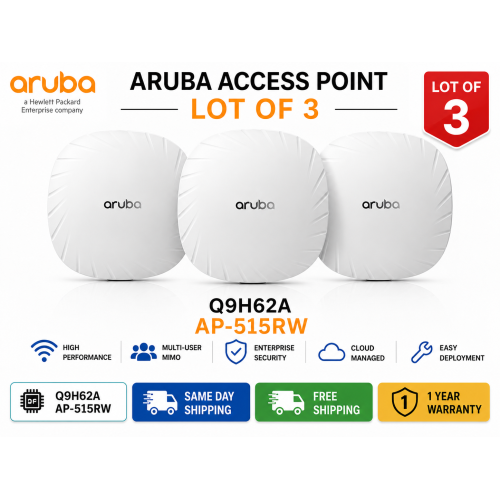
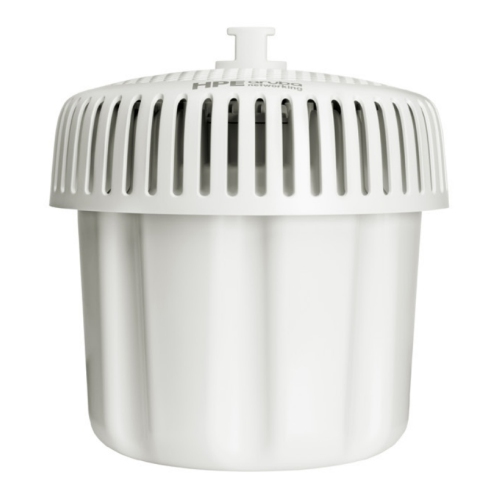
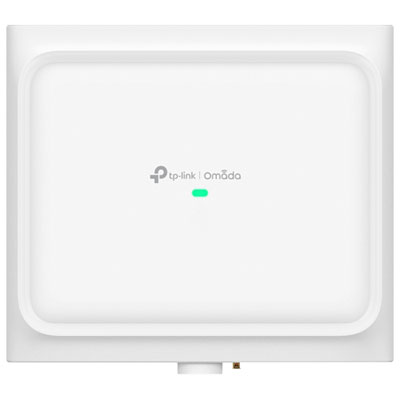

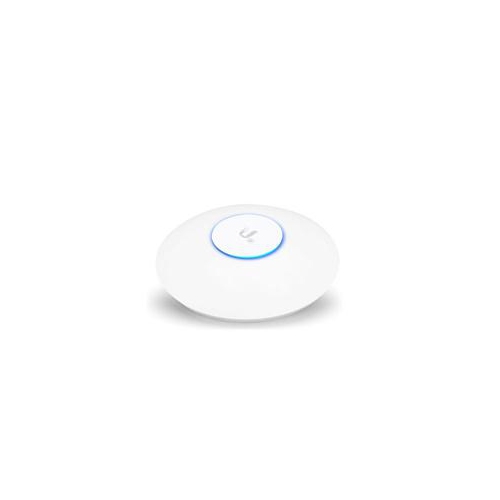

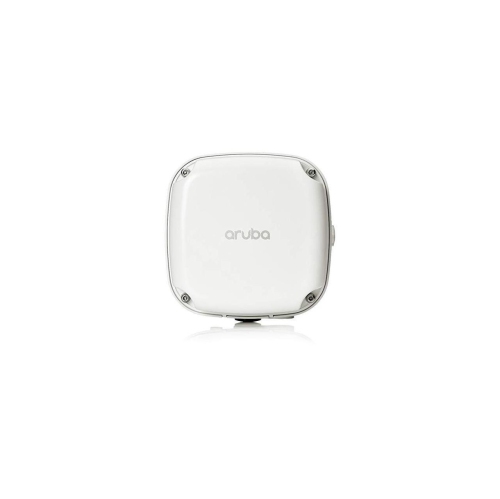

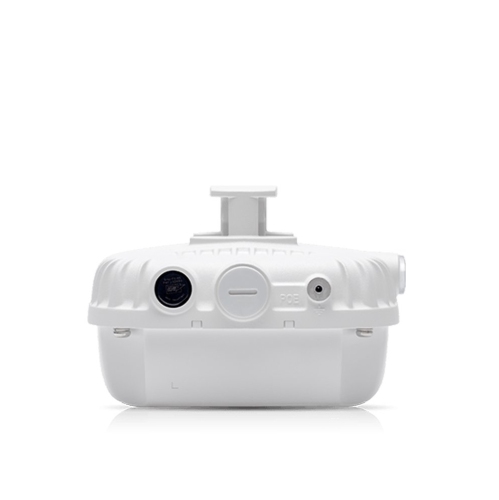
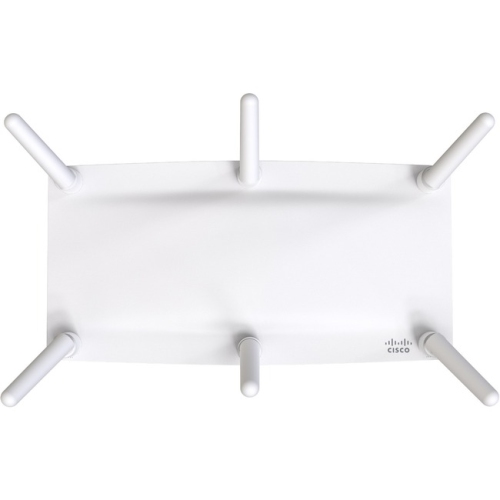

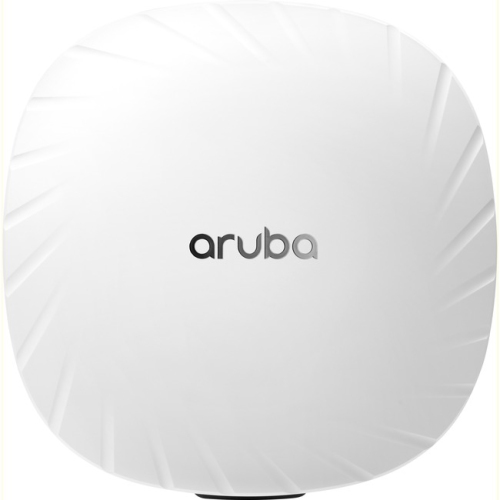
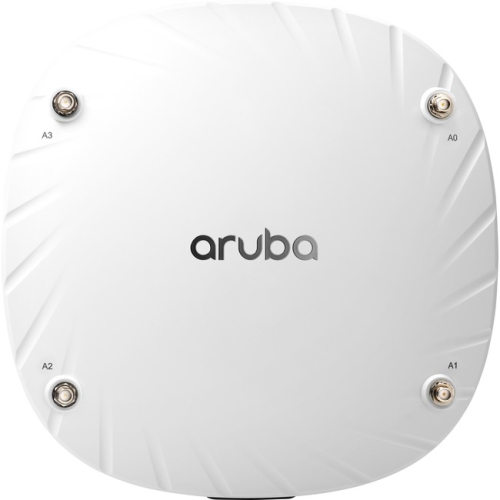
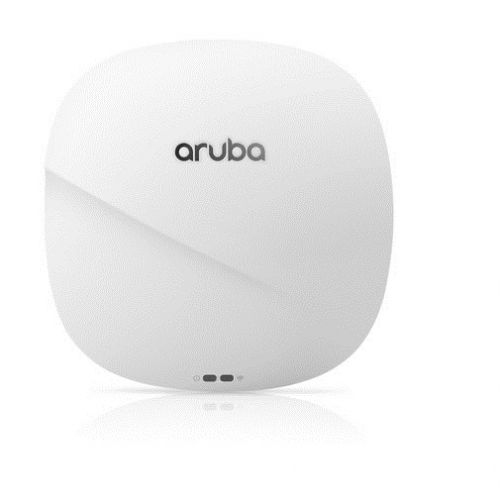
Reliable Wi-Fi takes more than a rugged housing
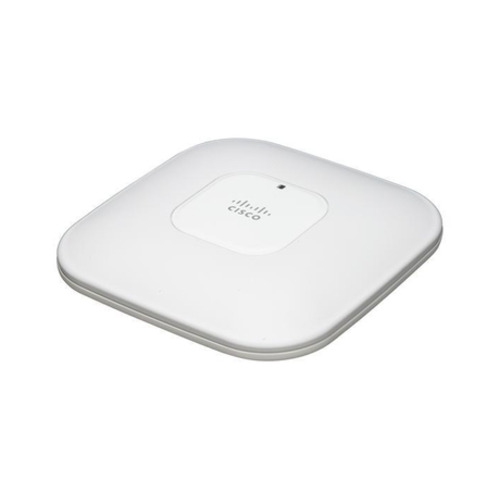
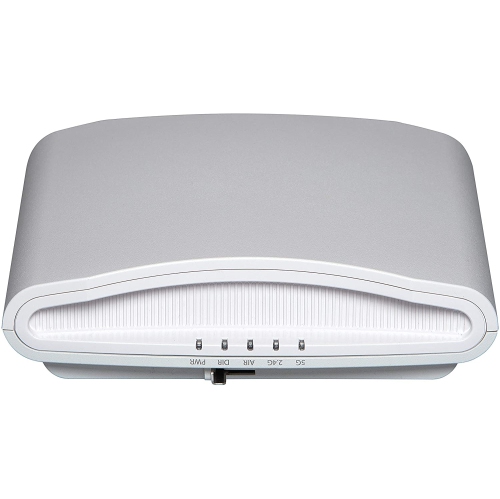
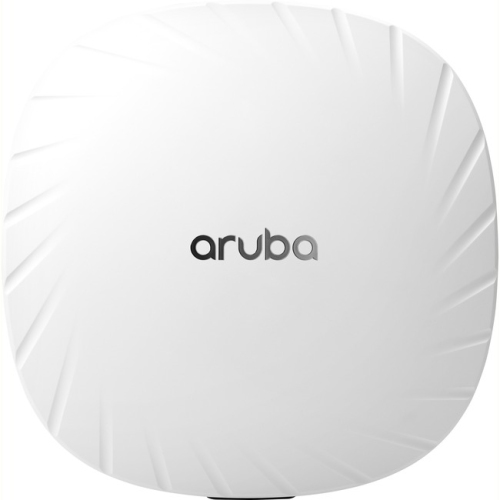
Industrial wireless access points connect Wi-Fi devices to a wired network in locations where physical protection, secure mounting, and dependable connectivity matter as much as wireless speed. They are used in factories, warehouses, distribution centres, workshops, and utility facilities to support equipment such as barcode scanners, handheld terminals, maintenance tablets, and connected machinery. Unlike a typical wireless router, an access point primarily provides wireless access to an existing network; routing, firewall protection, and internet connectivity may be handled by separate equipment. Industrial designs often add metal or reinforced polymer housings, protected connections, and mounting hardware suited to equipment cabinets, structural columns, or production areas. The construction matters because a device mounted beside a conveyor faces different demands from one sitting on an office shelf. Dust, vibration, accidental contact, and cleaning procedures can all influence the appropriate enclosure and installation position. Ingress protection ratings describe specific resistance to dust and water, rather than providing a blanket promise of durability. For example, an IP67 rating indicates a dust-tight enclosure and protection against temporary immersion under defined test conditions; it does not automatically establish suitability for high-pressure washdowns or chemical exposure. Protection also depends on correctly fitted cable glands, seals, connectors, and covers. A rugged housing alone does not make an access point suitable for a location containing combustible dust or flammable gases, where application-specific certification may be required. Industrial wireless equipment is particularly relevant to operations teams, network administrators, facilities managers, and systems integrators who need to connect mobile workers and fixed equipment across demanding work areas. Its value lies in matching network capabilities with the practical conditions of the installation, rather than simply selecting the highest advertised wireless speed. A compact unit inside a control cabinet, for instance, has different mounting and antenna requirements from an access point positioned above warehouse aisles.
Wireless coverage in an industrial space is shaped by the building and its contents. Steel racks, concrete walls, machinery, and densely packed goods can weaken or reflect radio signals, while moving vehicles and changing pallet positions can alter the paths those signals take. A scanner may work reliably beside a loading station yet lose its connection farther down an aisle behind metal shelving. For that reason, useful coverage means more than reaching the largest possible area: it means providing a stable connection where devices actually operate. Antenna design, placement, and orientation all contribute. Integrated antennas can simplify installation, while supported external antennas provide more flexibility when the access point must remain inside a cabinet or away from the desired coverage area. Antennas, cables, and connectors need to match the access point’s specifications, and long antenna cable runs can introduce signal loss. Supported Wi-Fi generations and frequency bands also affect compatibility and capacity. The 2.4 GHz band can support many established industrial clients but may face congestion; 5 GHz can offer more channel choices, while 6 GHz requires compatible equipment and an installation that meets applicable Canadian requirements. No frequency band eliminates the effects of obstructions or poor placement. Published wireless data rates are theoretical connection figures, not guaranteed application throughput, and actual performance also depends on client capabilities, interference, channel settings, and the wired connection behind the access point. In busy facilities, several appropriately positioned access points may serve devices more effectively than one unit transmitting at maximum power. Roaming support is especially relevant when workers carry terminals between receiving, storage, and packing areas, although smooth handoffs depend on client behaviour and network configuration as well as access point features. For administrative areas where centralized management and user capacity are the main priorities, Enterprise Wireless Access Points provide a related category to consider alongside the more installation-focused requirements of industrial equipment.
Physical fit, power delivery, and ongoing management are equally important parts of an industrial wireless installation. DIN rail mounting can suit control cabinets, while wall, pole, or bracket mounting may better suit open work areas; the supplied hardware and supported mounting positions vary by design. Clearance around cable connections, access to status indicators, and room to service the unit all affect how practical it will be after installation. Metal enclosures can provide mechanical strength, but placing any access point inside a closed metal cabinet may significantly restrict its wireless signal unless the antenna arrangement accounts for it. Power over Ethernet can simplify cabling by carrying data and power over one Ethernet cable, provided the access point and power source use compatible standards and meet the required power budget. Passive PoE is not interchangeable with standards-based PoE, and some industrial designs instead use a separate DC input or support redundant power connections. Cable type, connector protection, grounding, and surge protection should suit the installation and the manufacturer’s requirements. On the network side, security and administration features help determine whether the equipment fits existing operations. Depending on the model, these may include support for modern wireless security protocols, individual user authentication, VLANs, multiple network names, centralized configuration, and event logging. Separating handheld scanners, guest devices, and operational equipment can make access policies clearer, though that separation requires compatible switches and correctly configured network controls. Management options may be local, controller-based, or cloud-based, with different connectivity and licensing requirements. Long-term care generally centres on keeping ventilation paths unobstructed, inspecting accessible seals and connections, following approved cleaning methods, and maintaining supported firmware. Configuration backups and readable equipment labels can also make replacement and troubleshooting less disruptive. An industrial wireless access point is best understood as part of a complete network: its enclosure, antennas, mounting, power source, security features, and wired uplink all contribute to reliable day-to-day service.
Top selling and popular products
-
 Your price for this item is $97.26
-
 Your price for this item is $3952.99
-
 Your price for this item is $229.95
-
 Your price for this item is $149.37
-
 Your price for this item is $352.99
-
 Your price for this item is $234.99
-
 Your price for this item is $207.68
-
 Your price for this item is $139.68
Discover more categories related to Industrial Wireless Access Points

Top Collections:
Best Black Friday Deals This Year, Best Black Friday Deals On Electronics, Kindle Devices, Pokemon Centers, Best Black Friday Deals On Apple Products, Best Cameras for Sports Photography, Dyson Airwrap, Pokémon 30th Celebration Cards, Apple iPhone 17 Pro, Canon G7X Cameras
Some products may be subject to Environmental Handling Fees
(EHF) depending on your province.
Learn more about EHFs.