Label Makers
Organize your world with ease and precision using a label maker, the ultimate tool for bringing order to any space. Whether you're streamlining your office, tidying up your kitchen, or adding a personal touch to your crafts, label makers offer a versatile solution for all your labeling needs. With intuitive designs and user-friendly features, these devices make it simple to create clear, professional labels in seconds. Explore a range of styles and functionalities that cater to both personal and professional use, ensuring you find the perfect match for your organizational goals. Transform chaos into clarity and enjoy the satisfaction of a well-labeled environment.
Sort
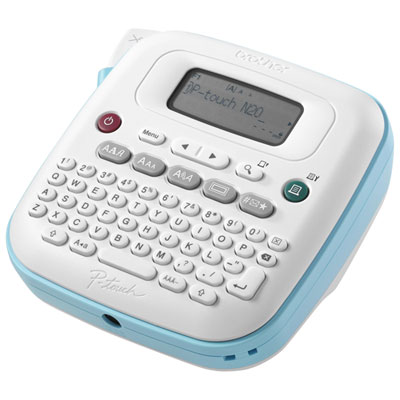
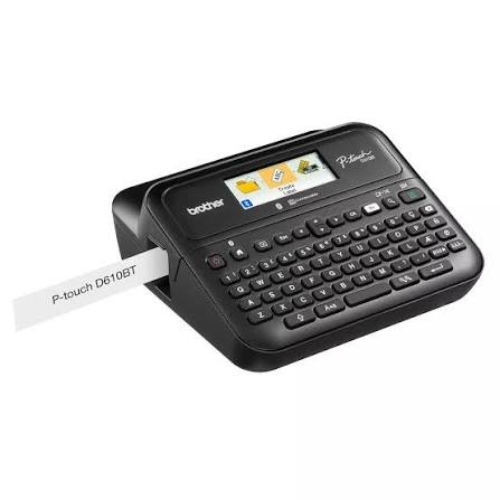
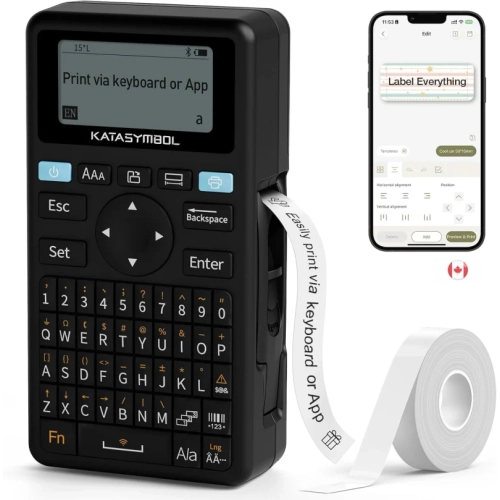
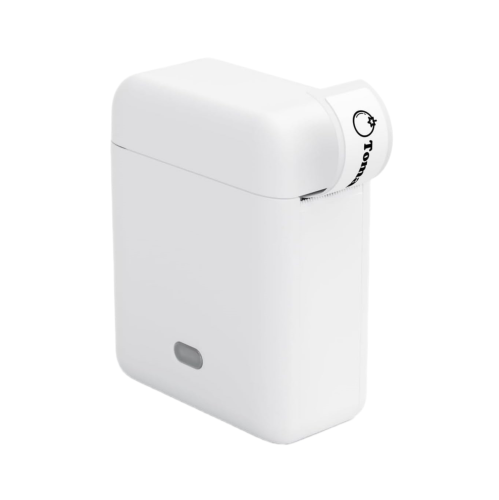
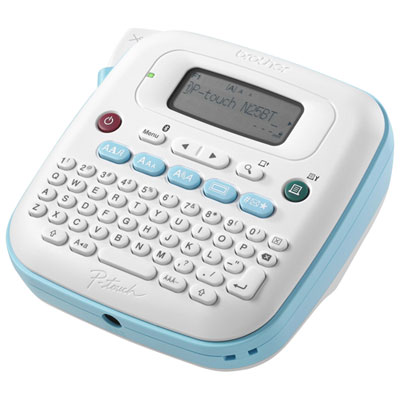
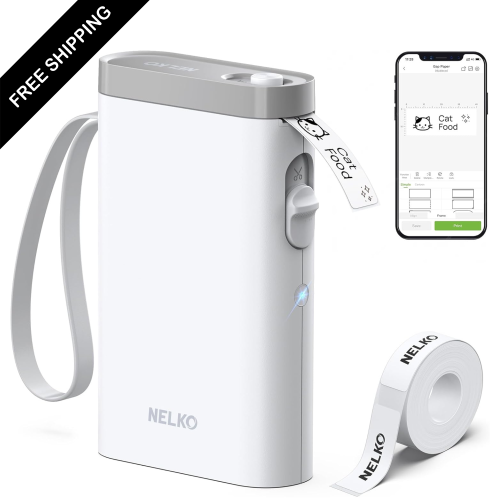
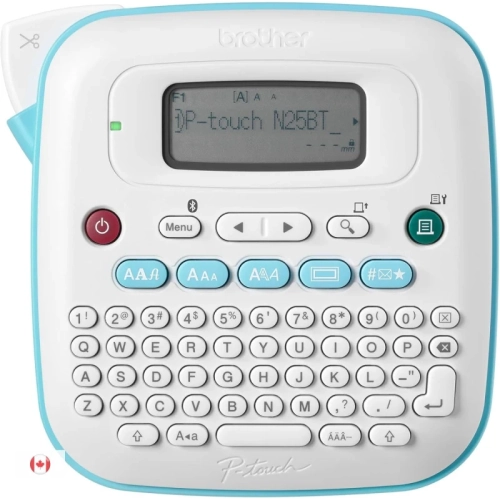
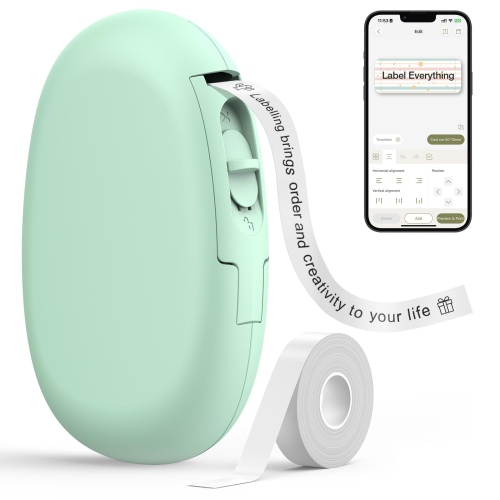
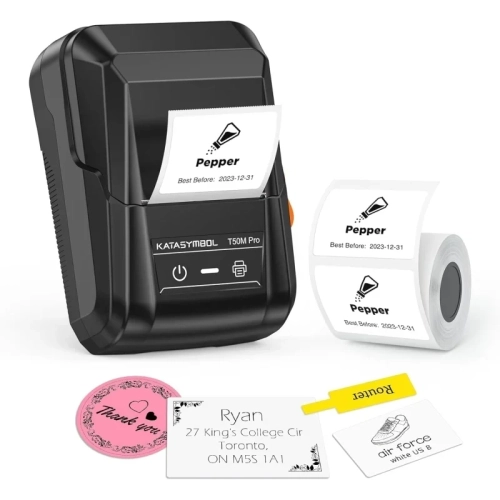
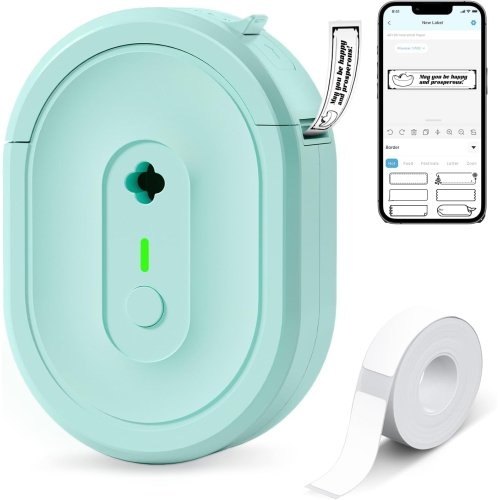
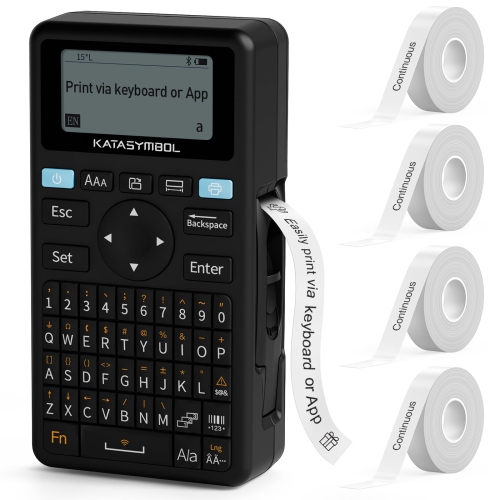
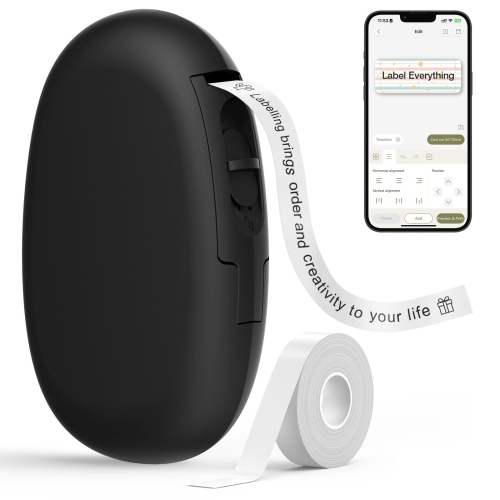
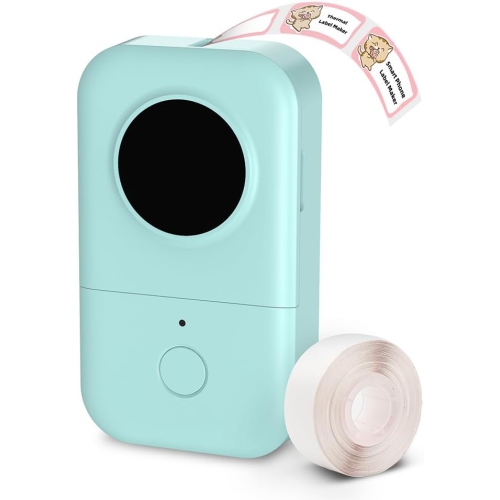
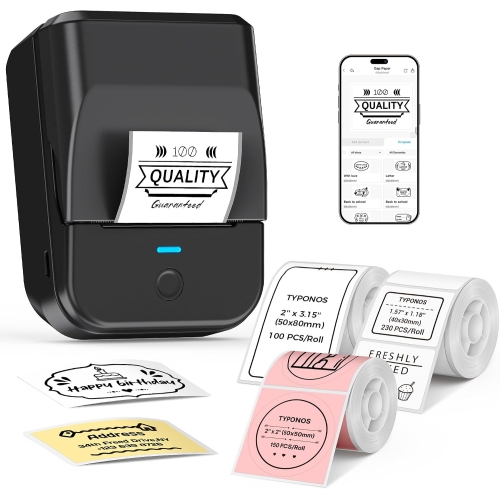
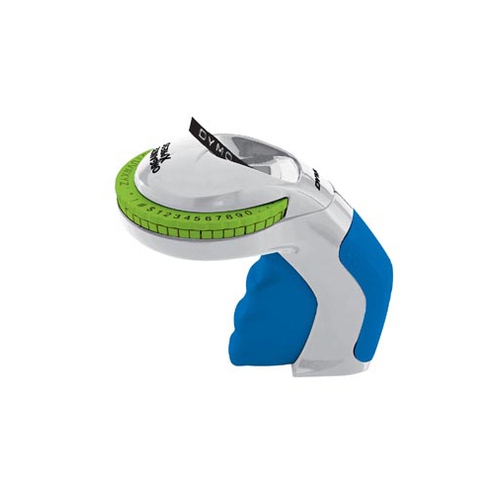
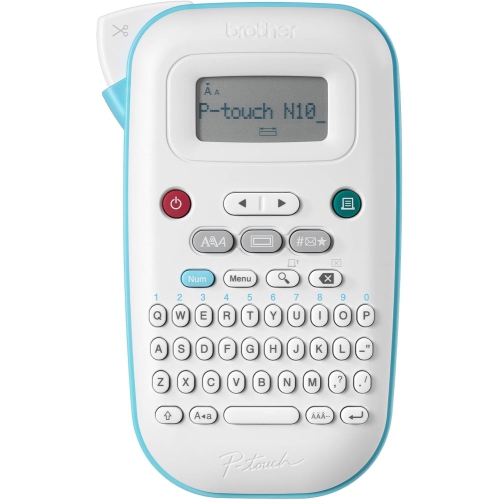
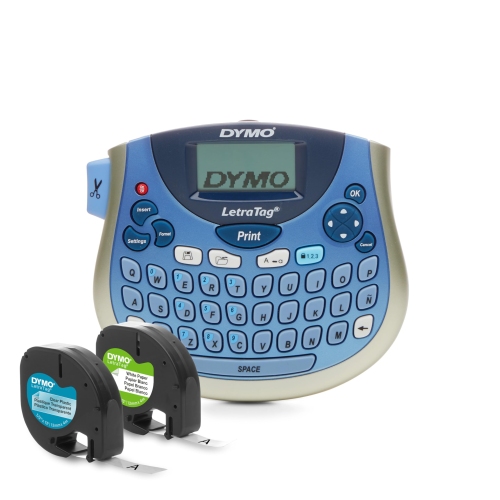
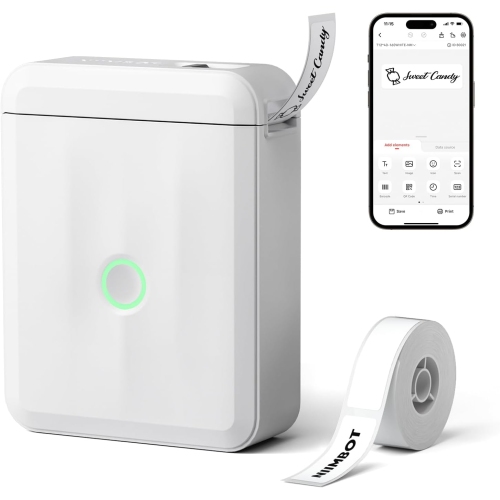
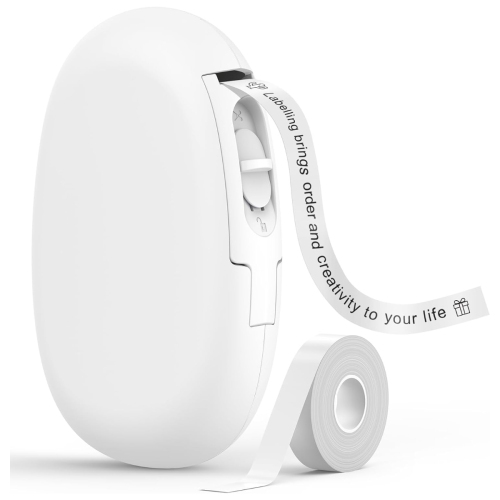
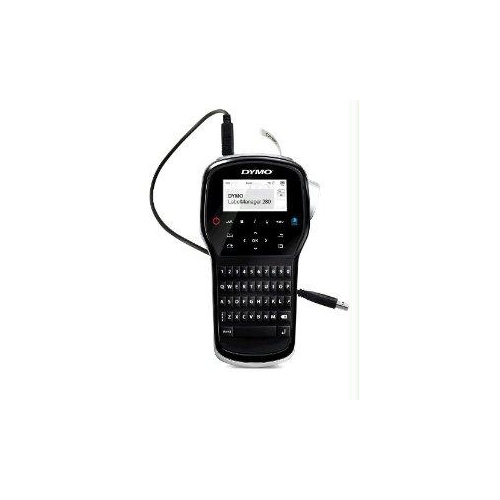
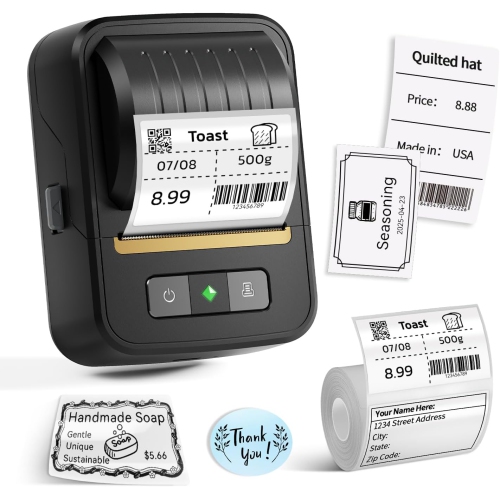
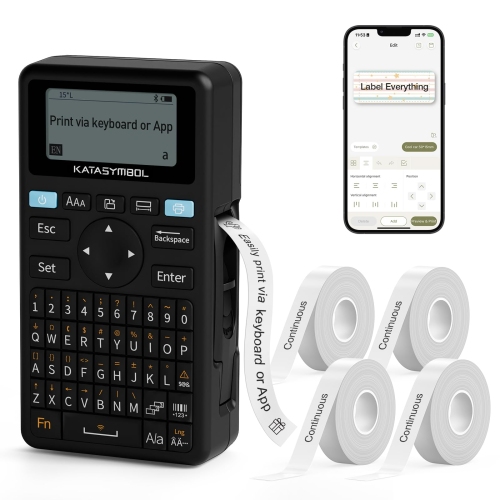
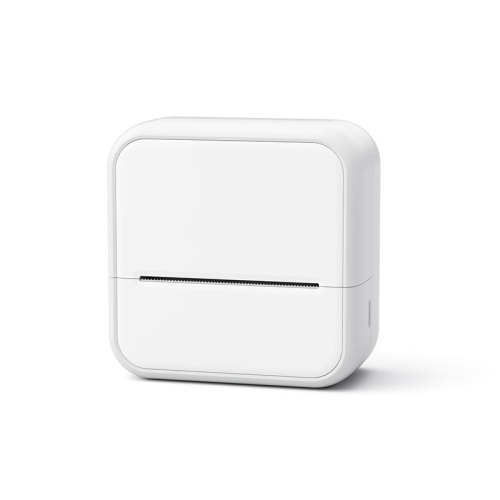
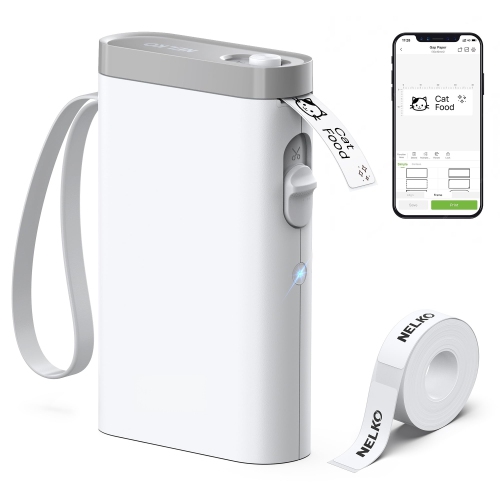
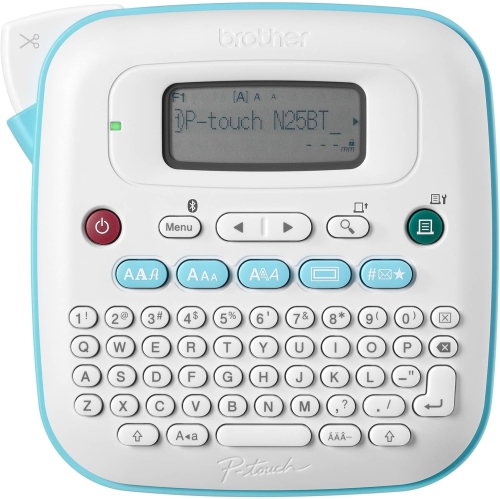
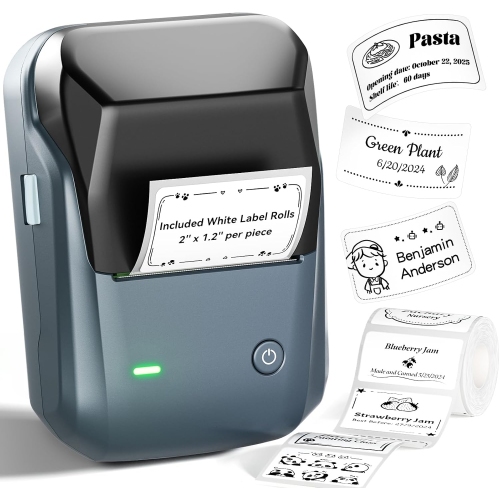
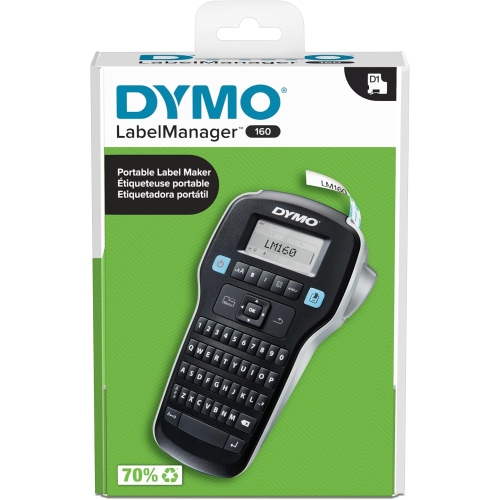
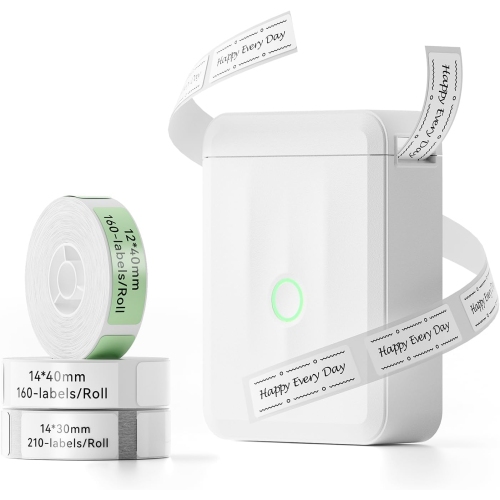
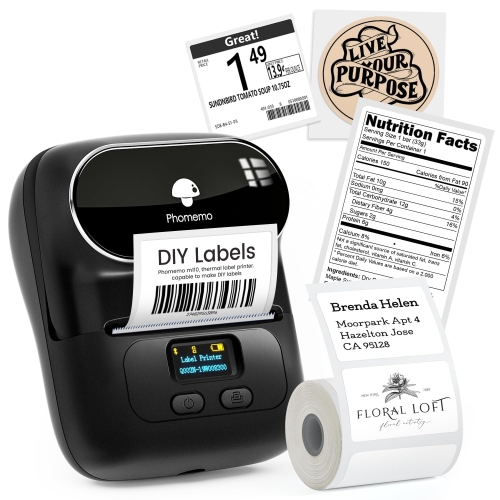
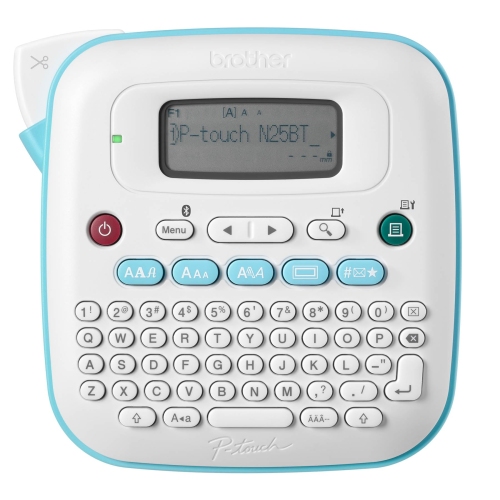
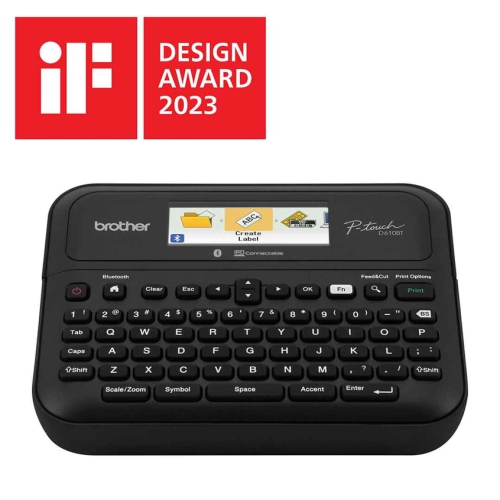
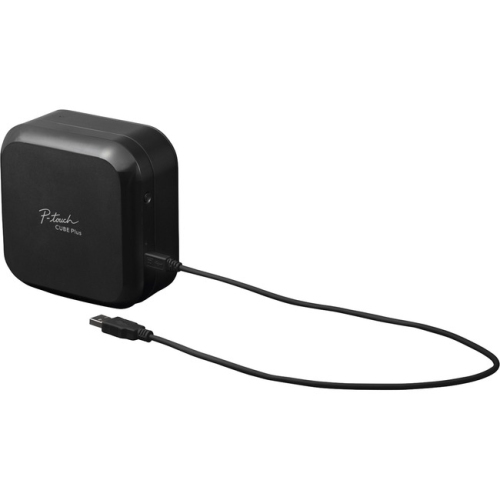
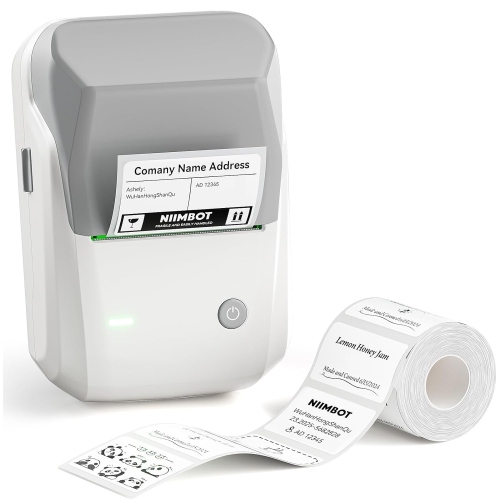
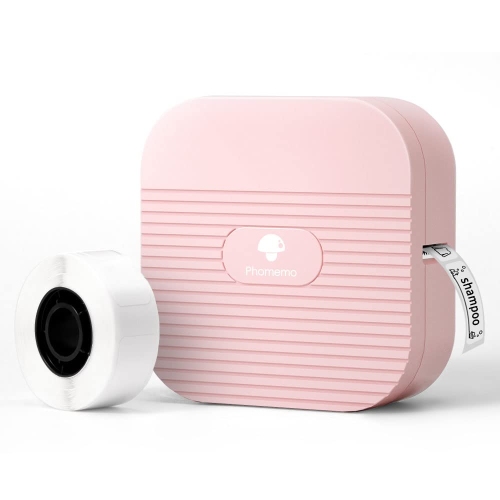
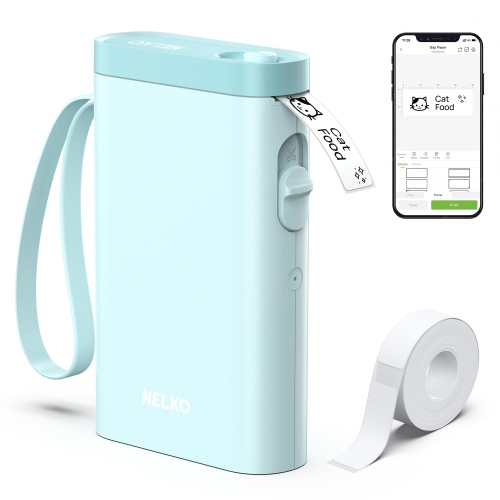
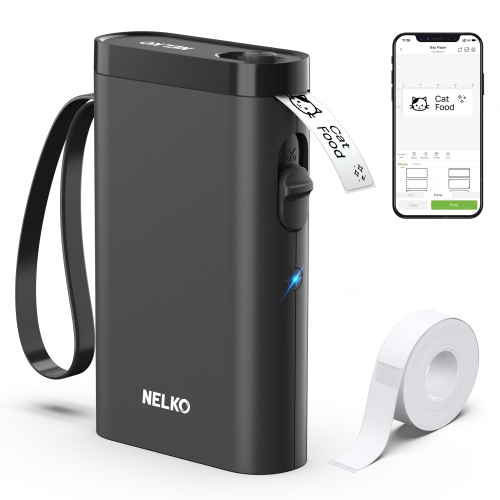
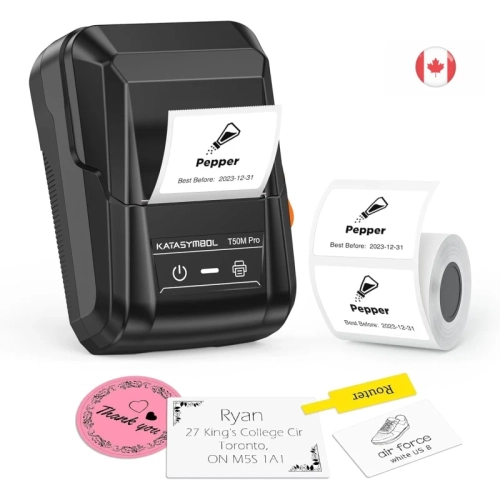
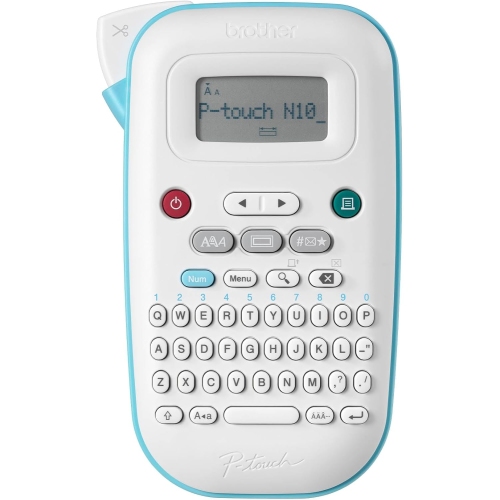
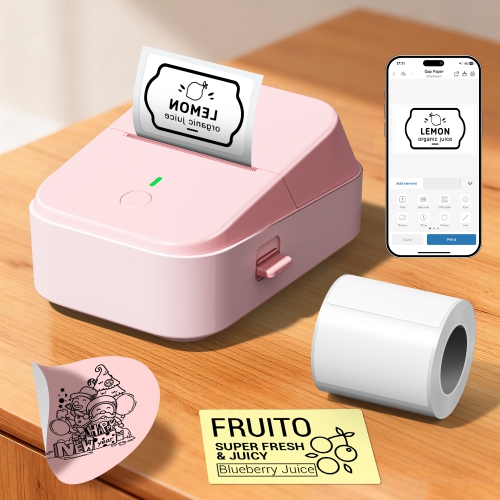
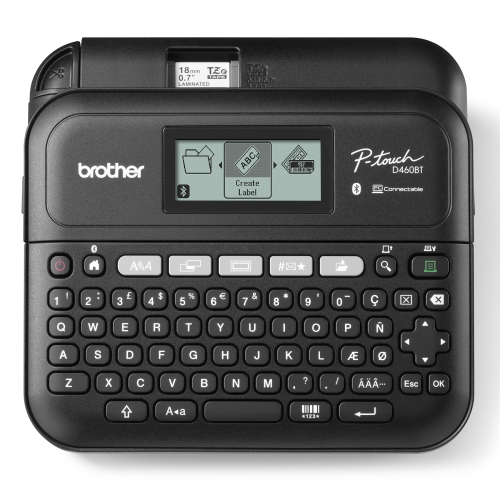
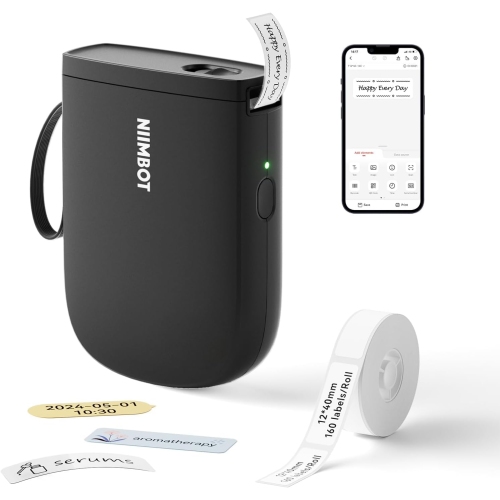
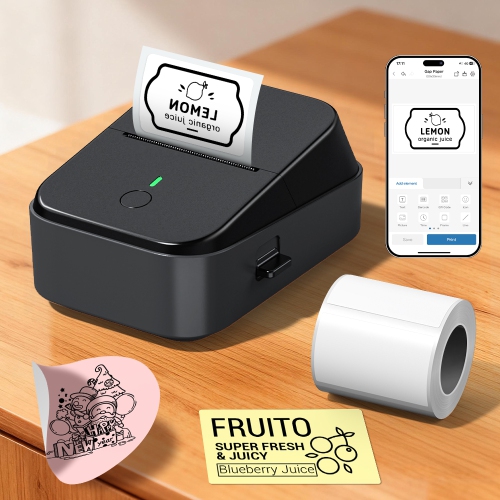
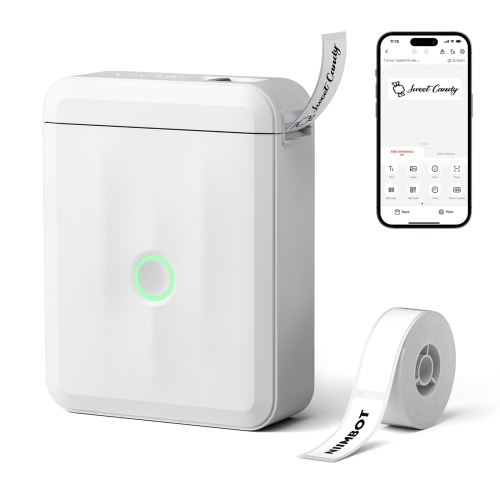
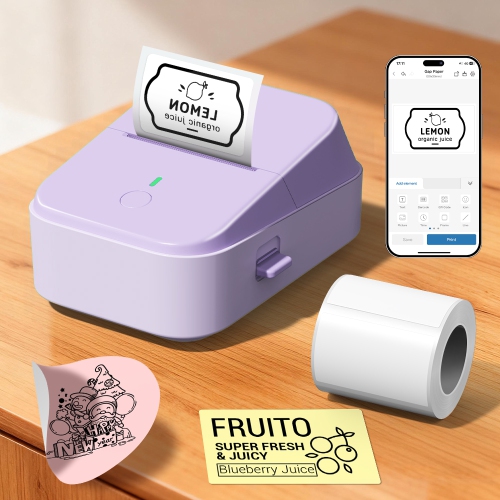
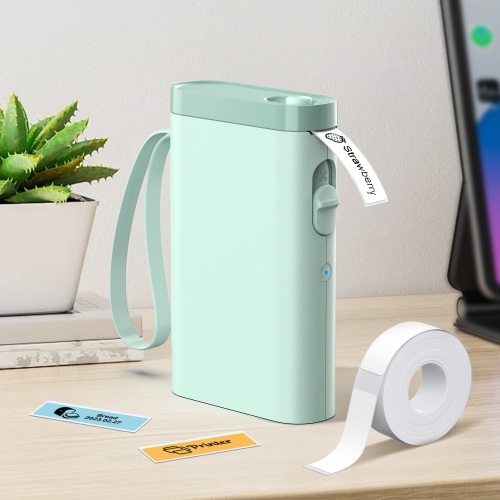
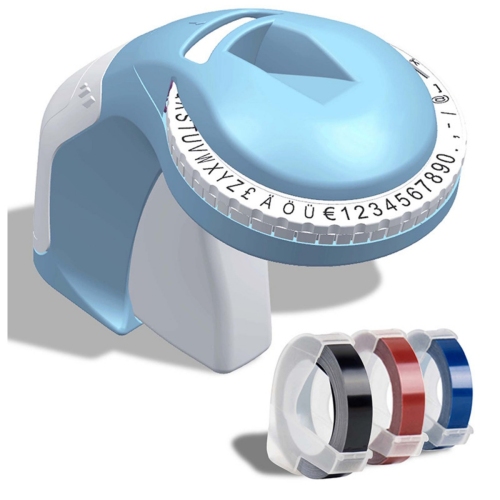
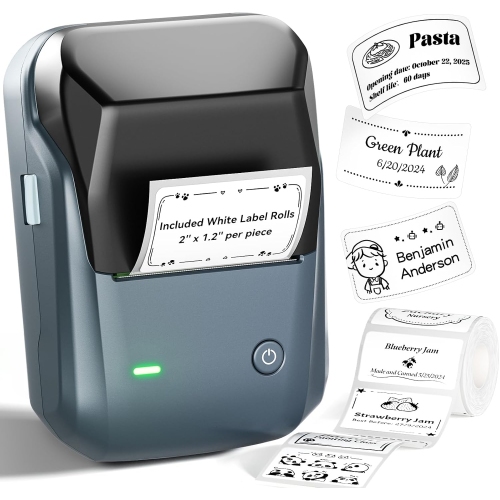
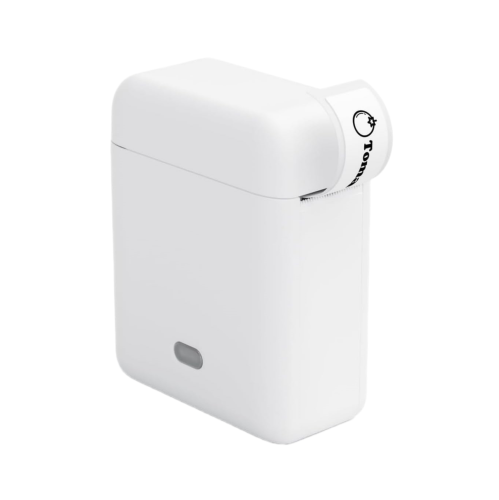
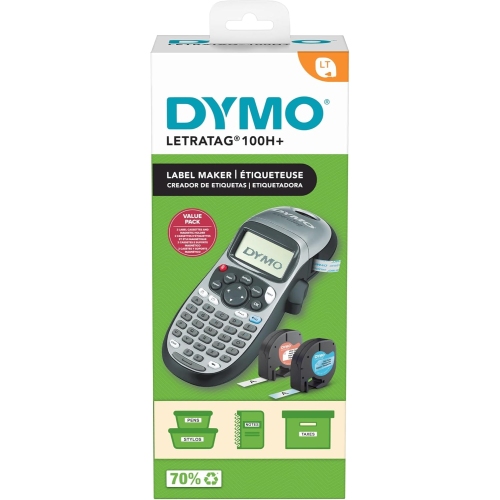
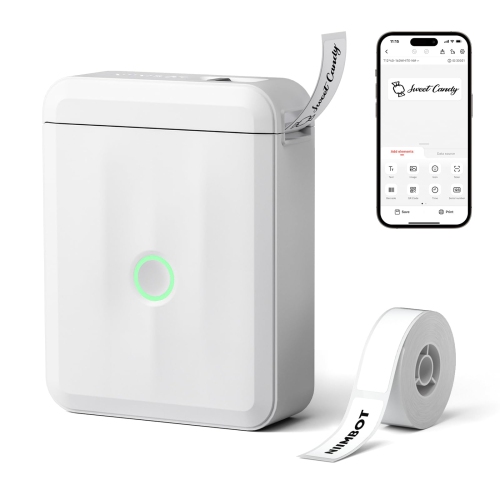
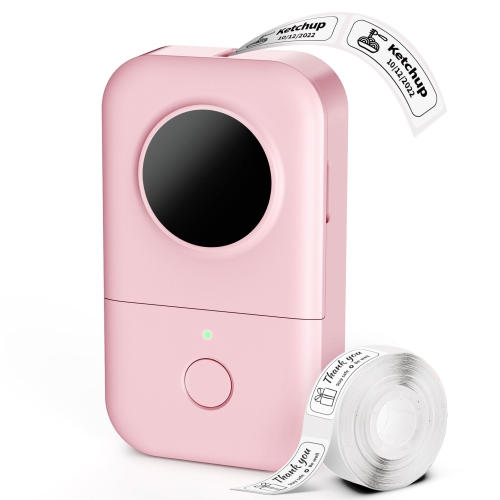
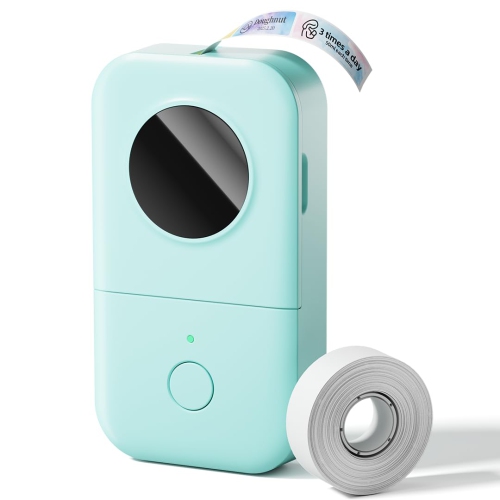
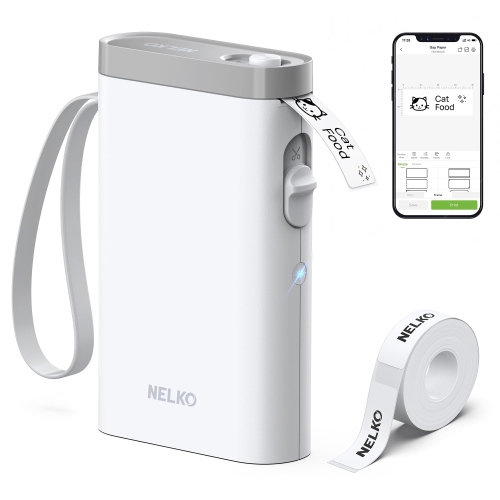
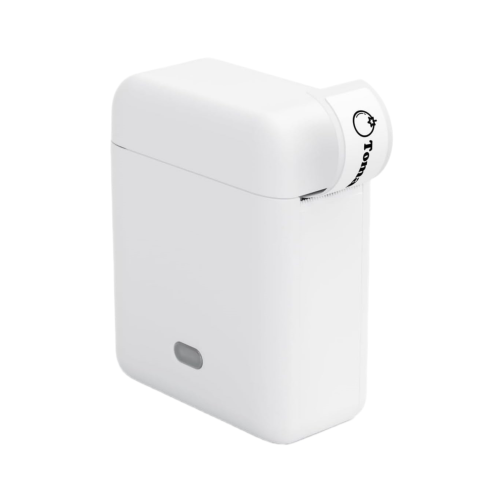
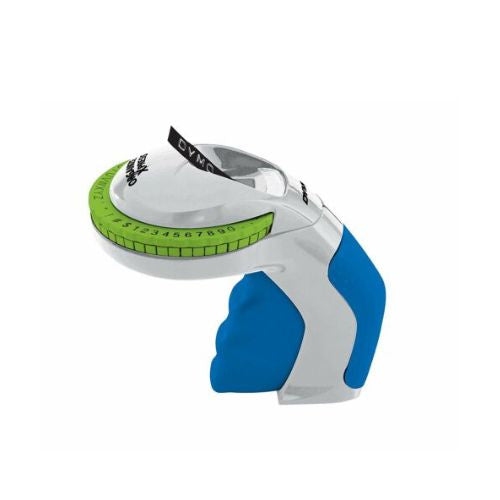
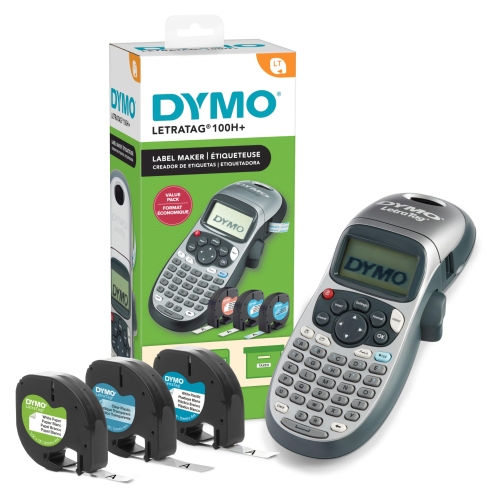
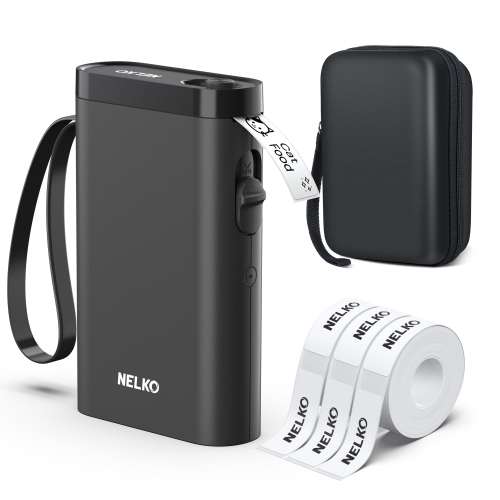
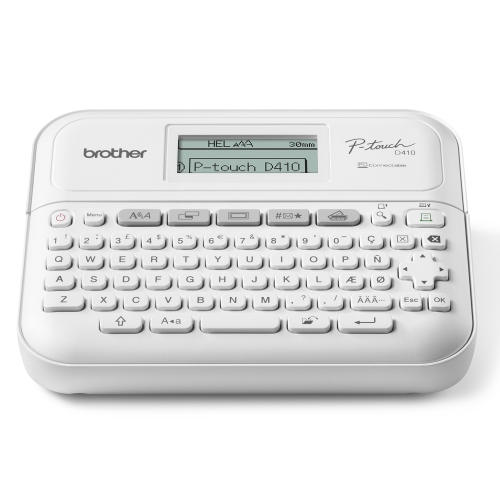
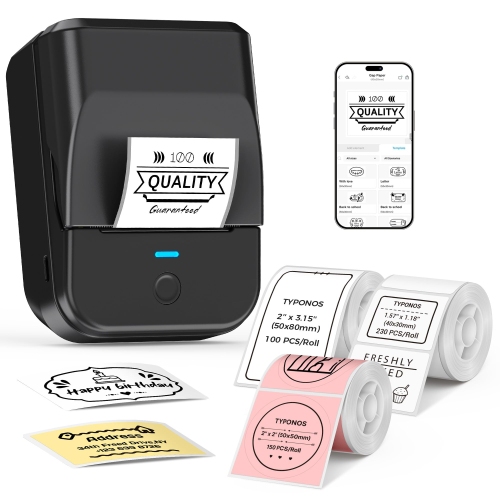
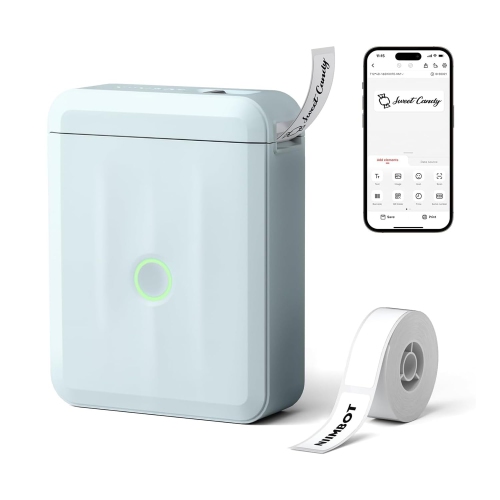
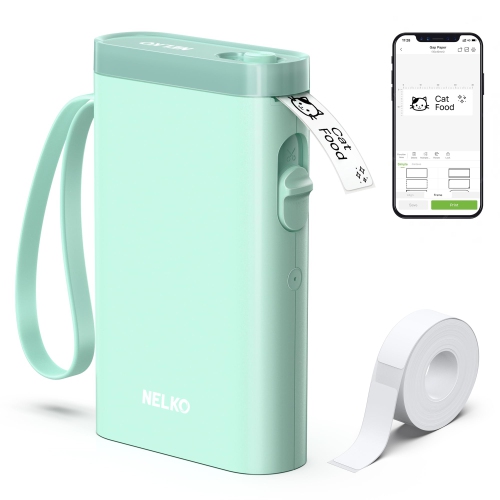
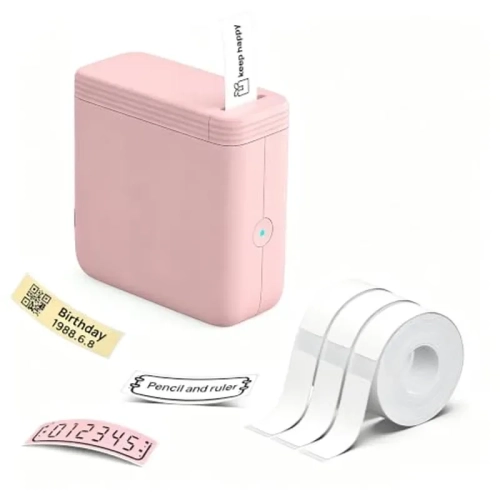
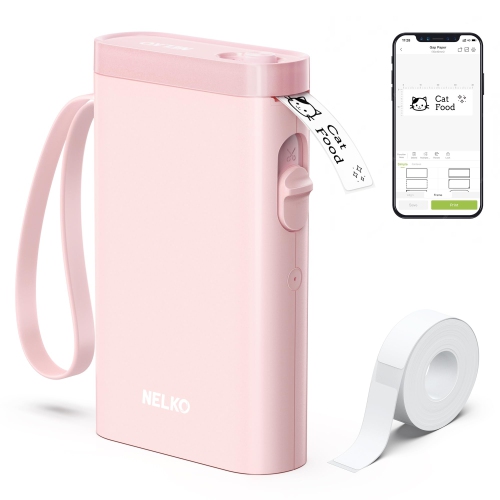
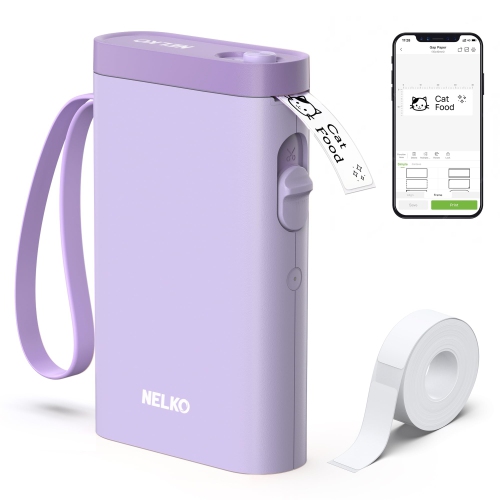
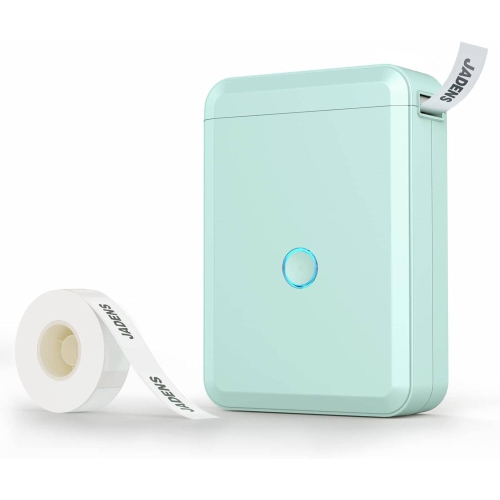
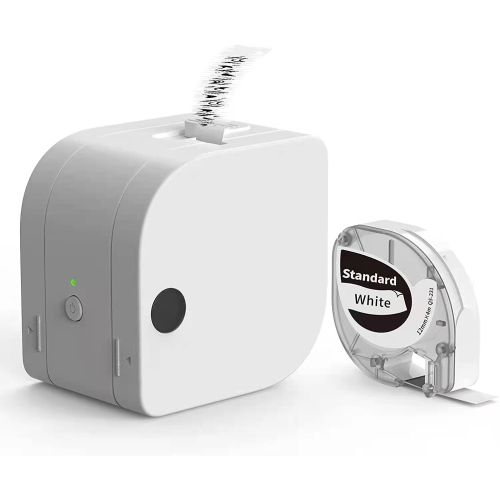
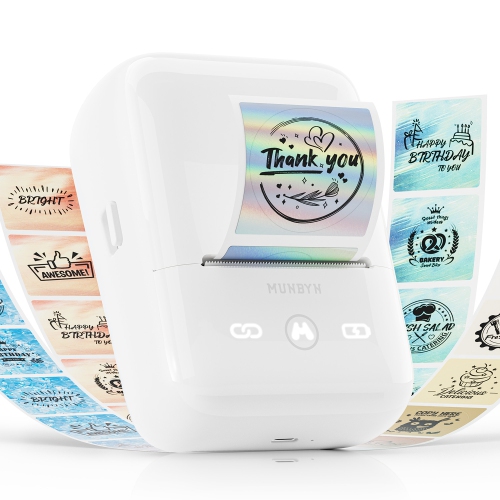
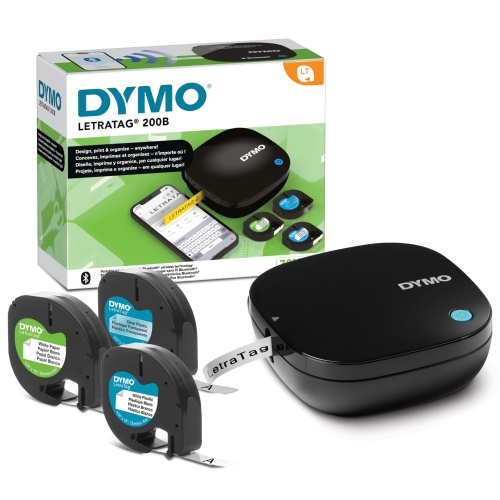
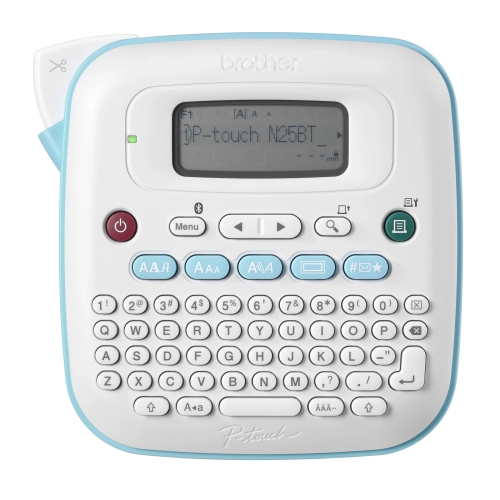
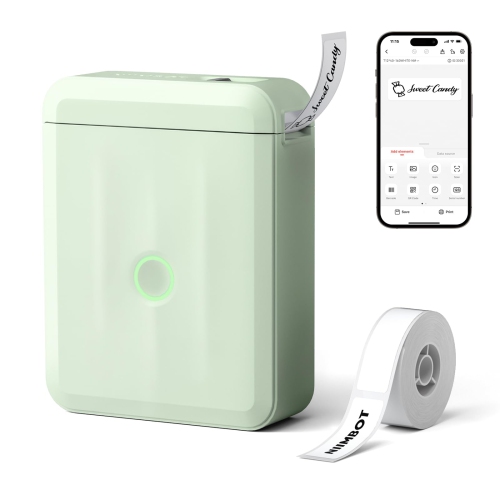
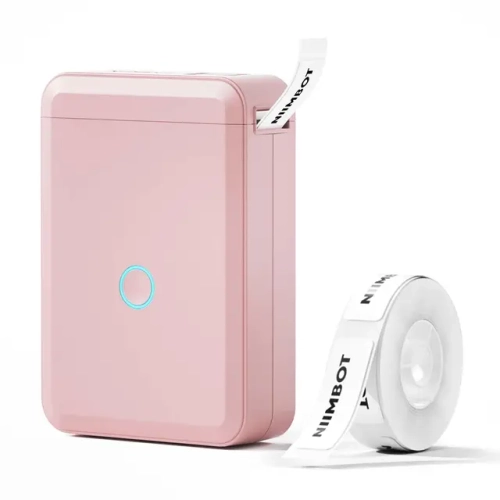
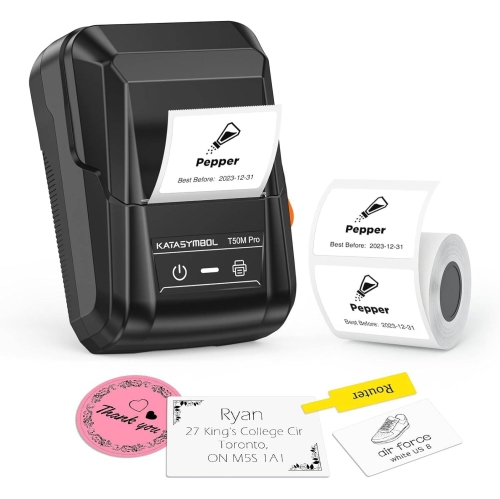
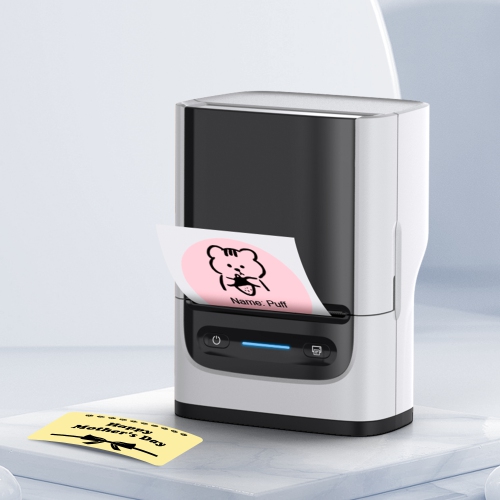
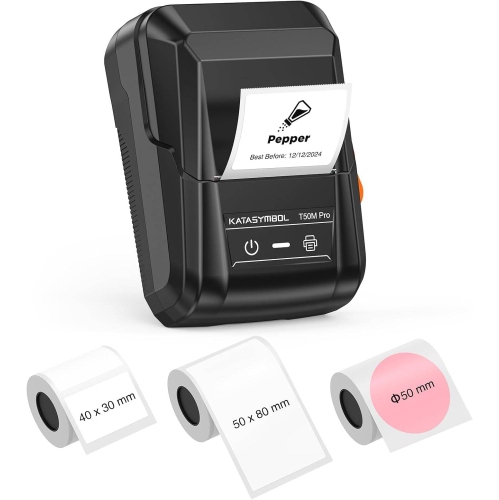
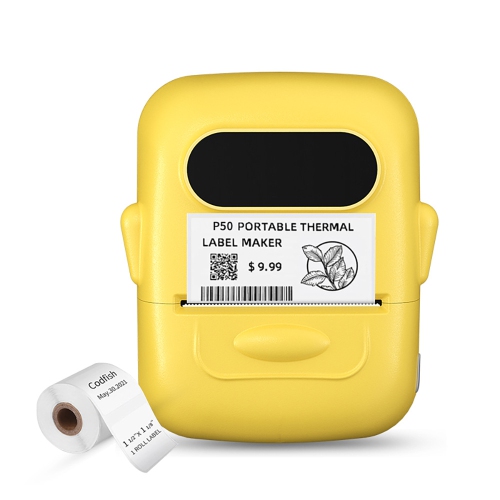
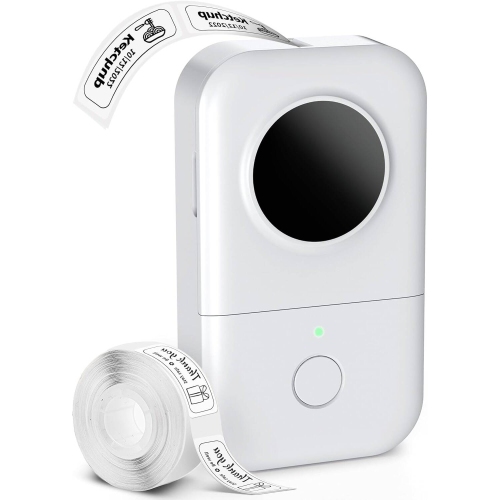
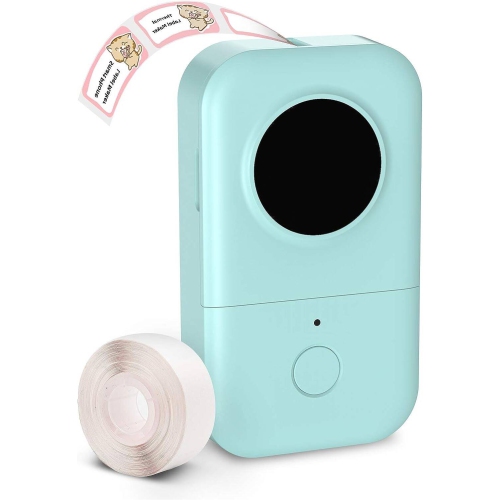
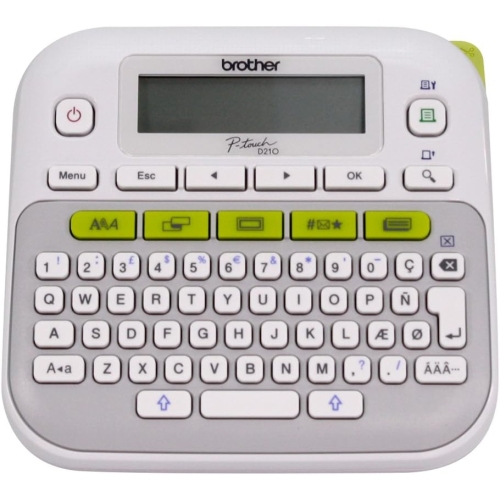
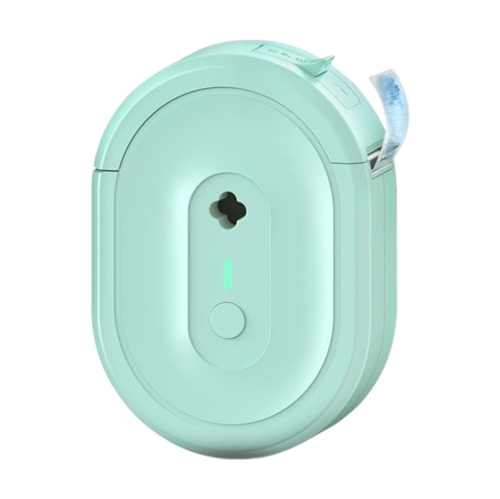
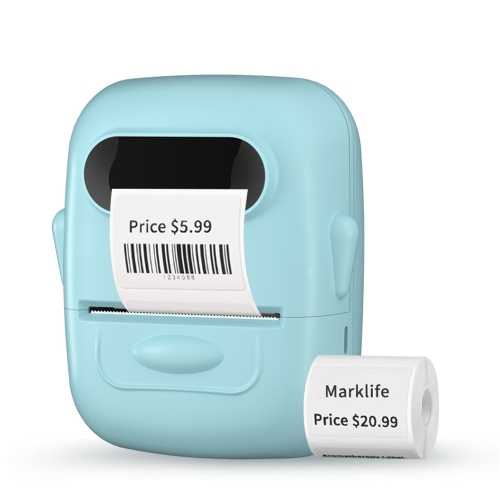
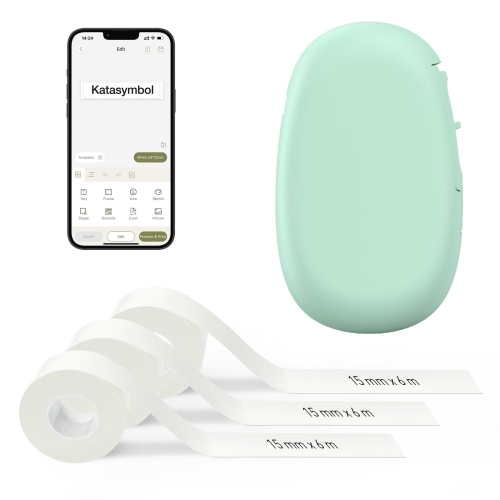
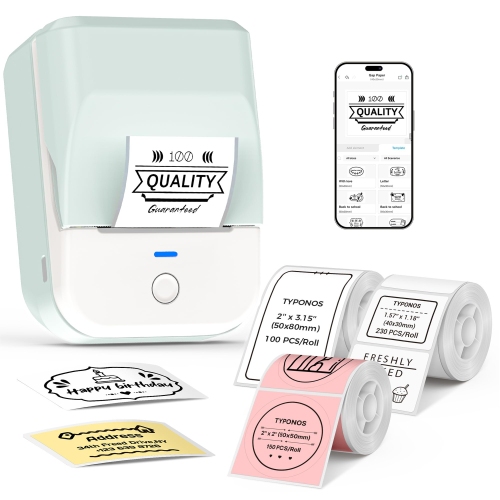
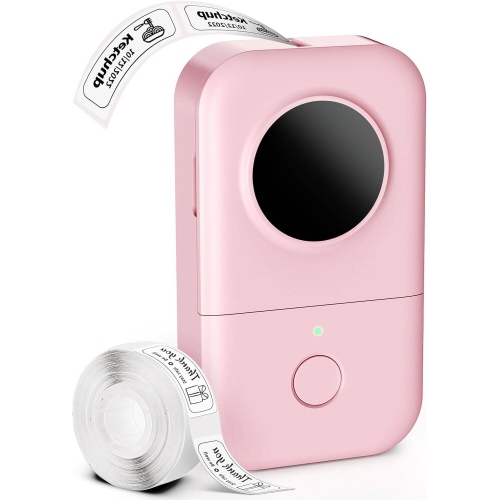
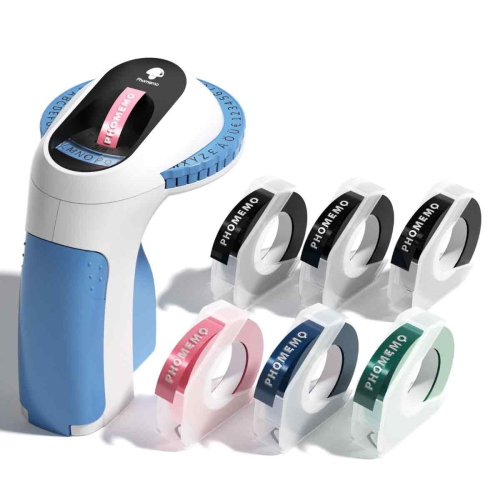
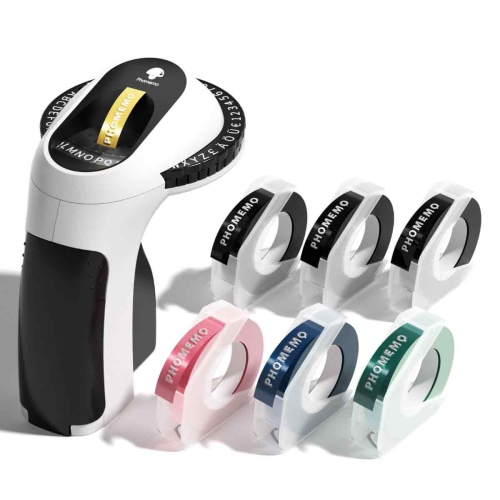
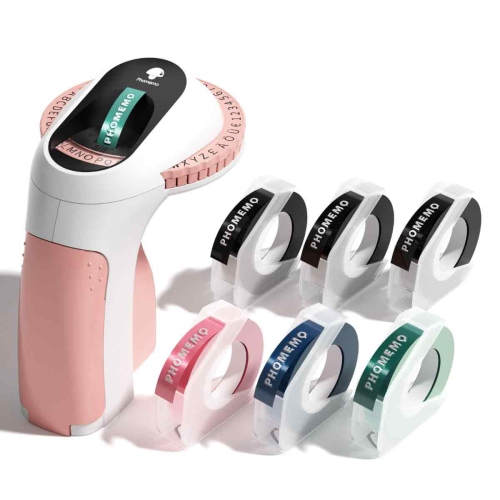
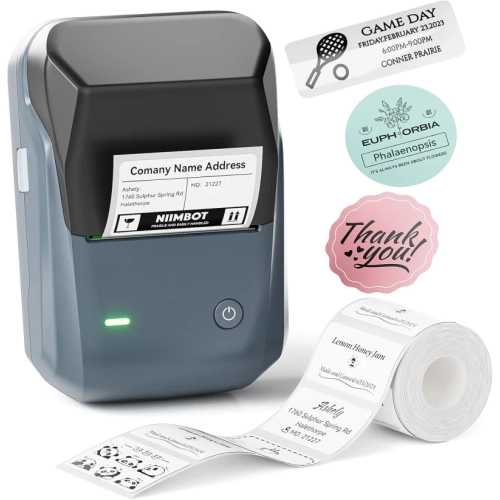
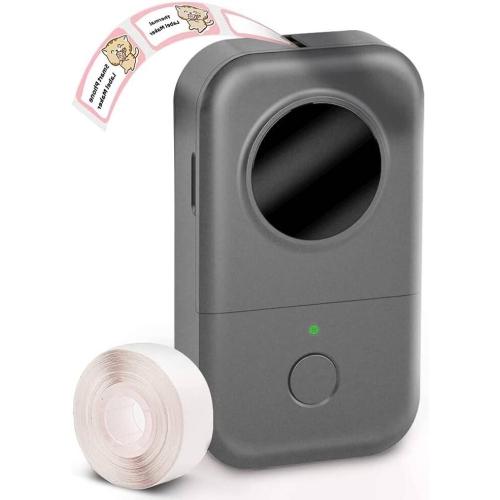
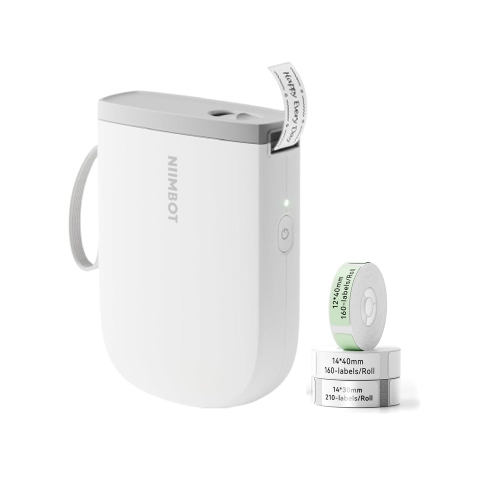
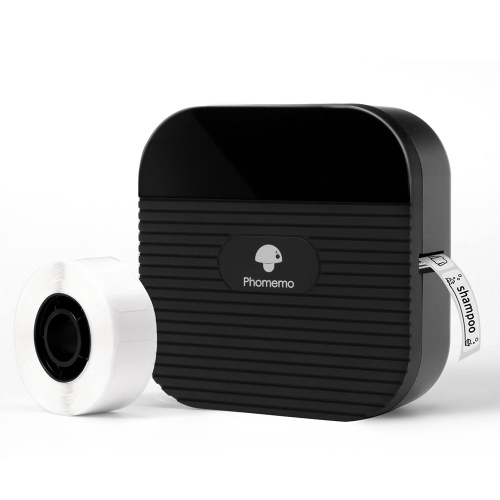
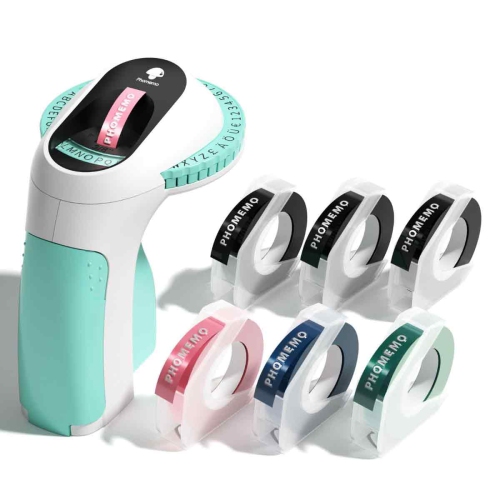
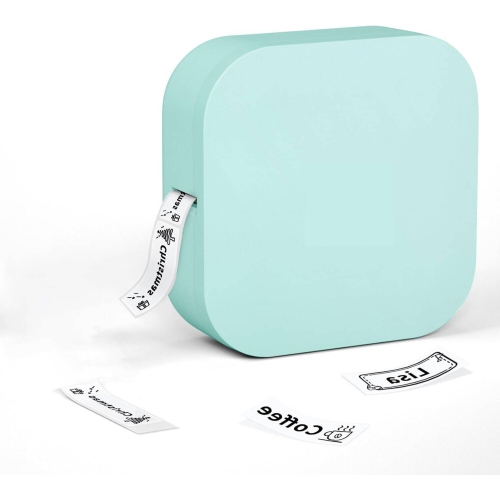
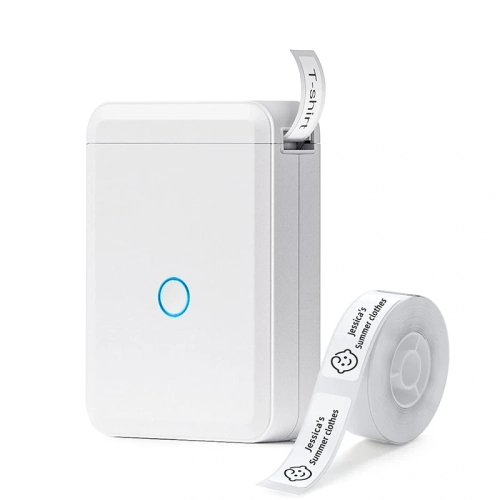
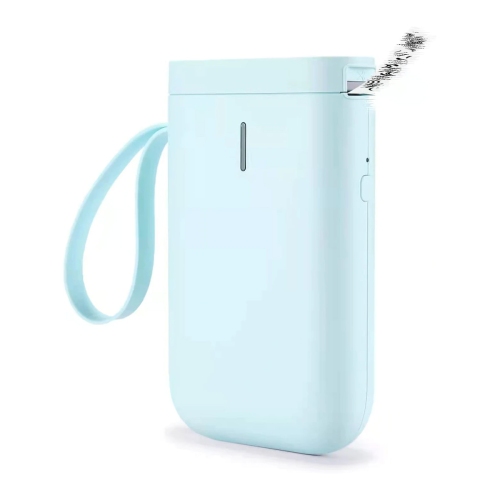
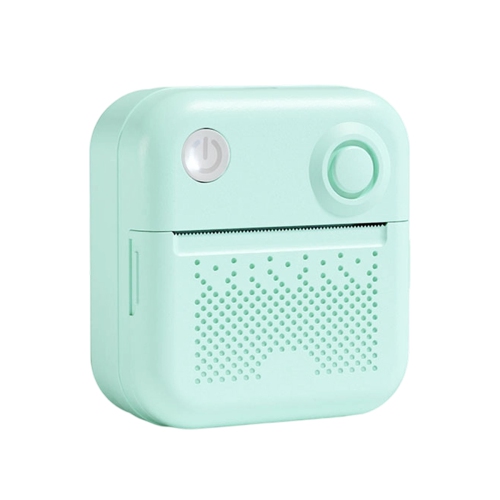
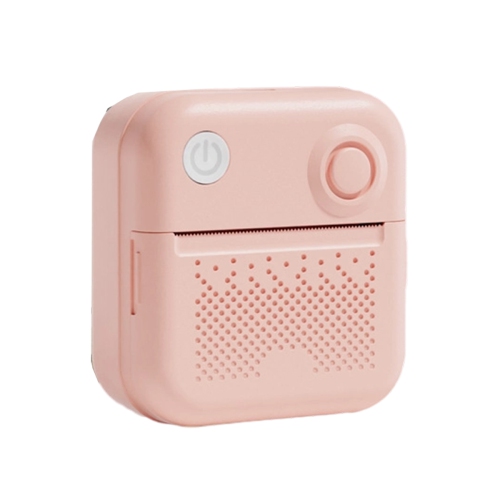
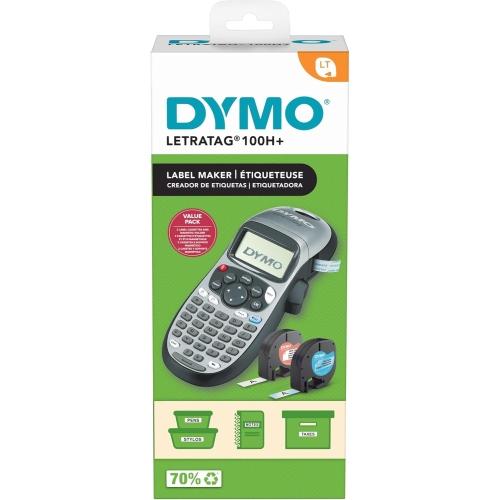
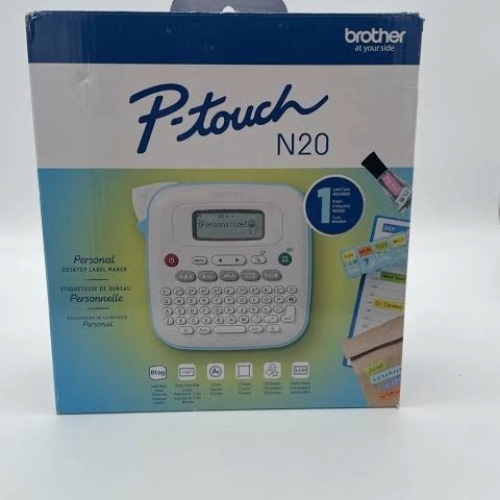
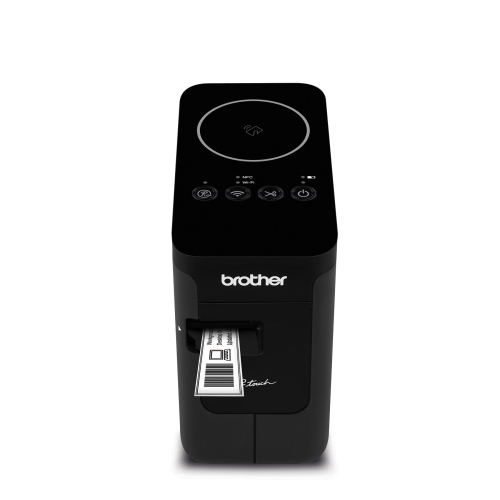
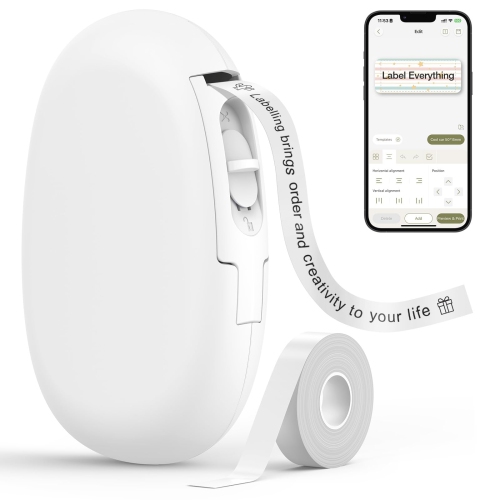
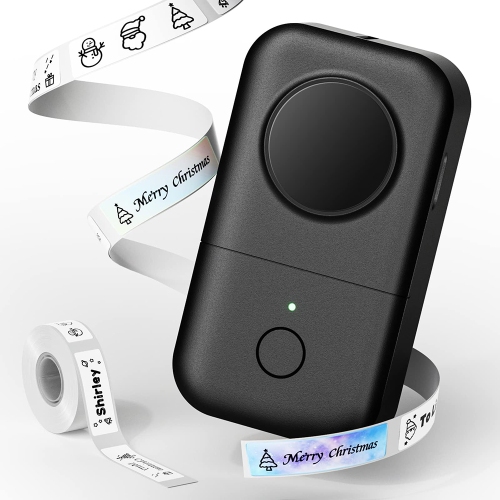
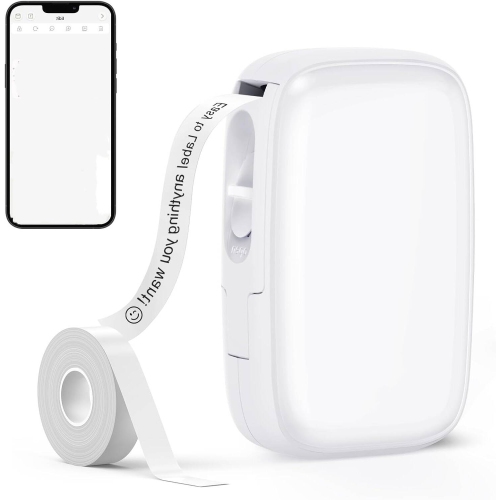
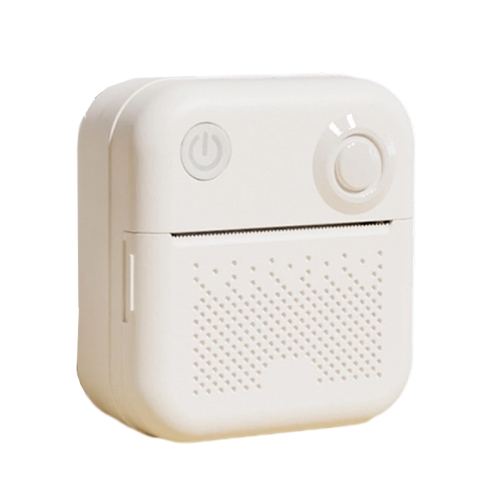
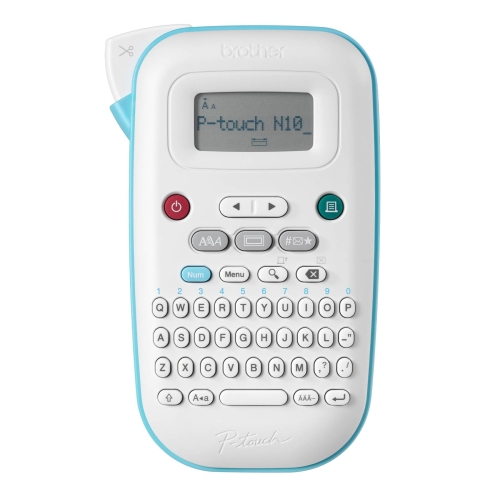
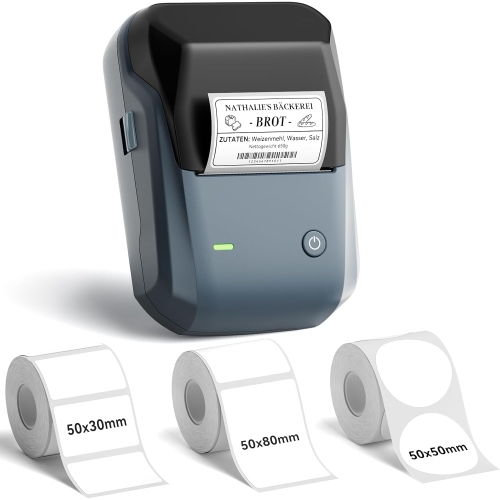
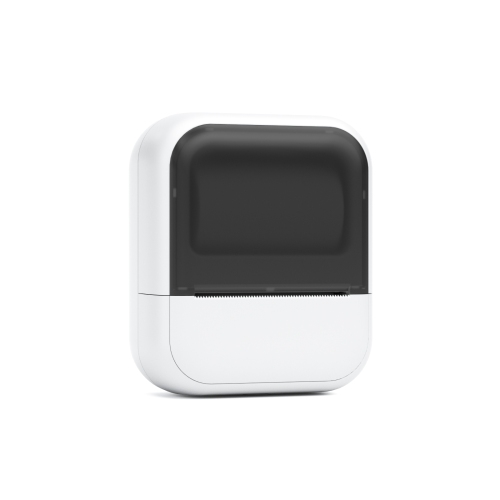
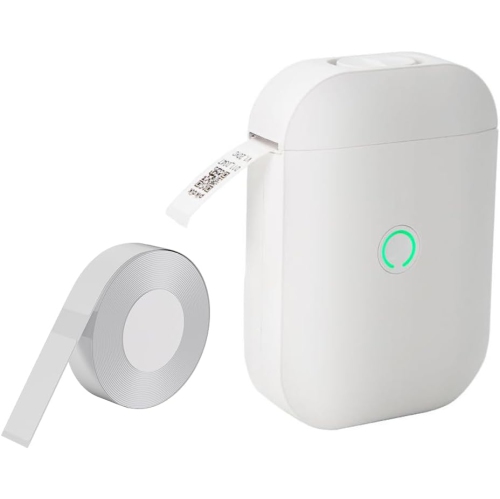
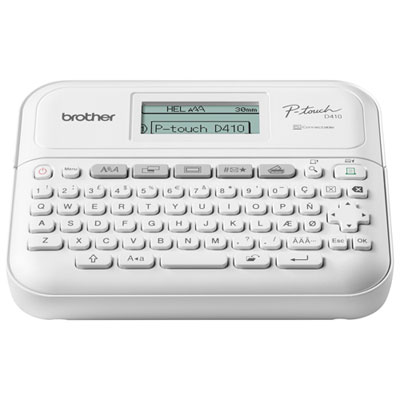
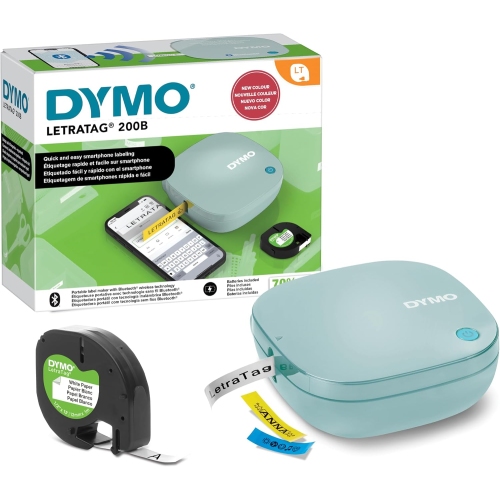
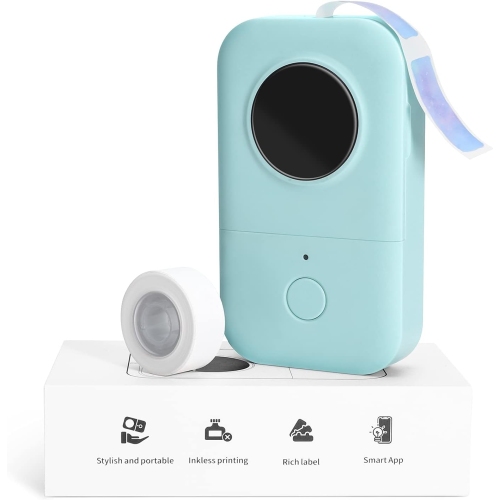
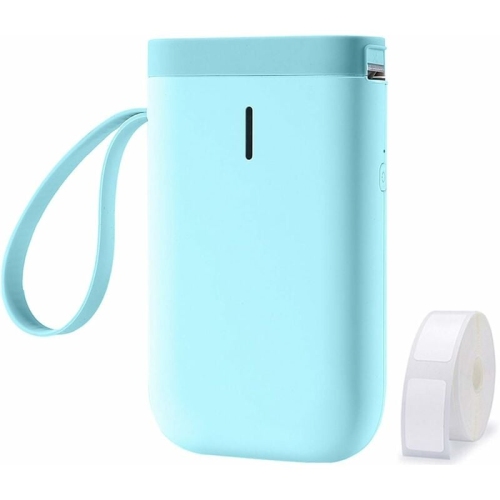
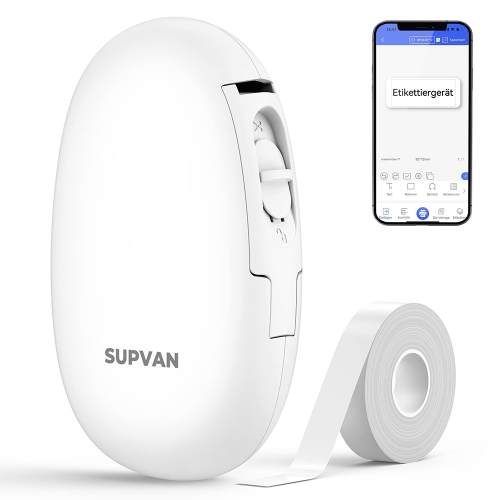
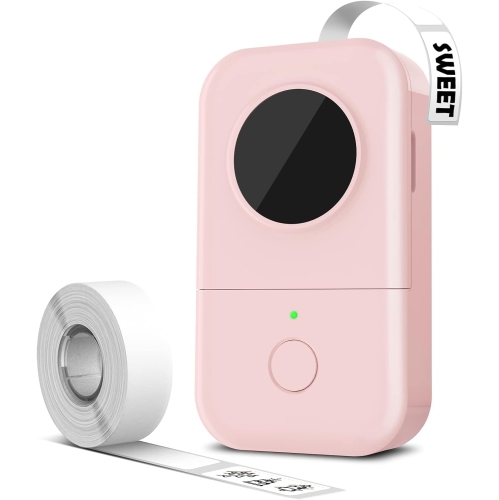
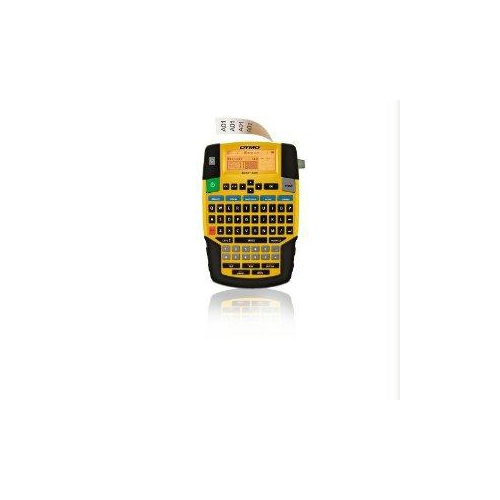
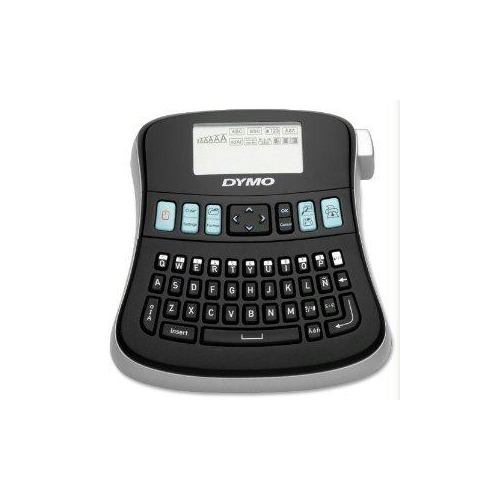
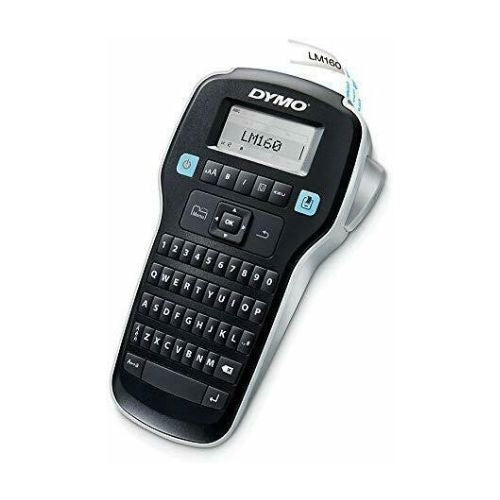
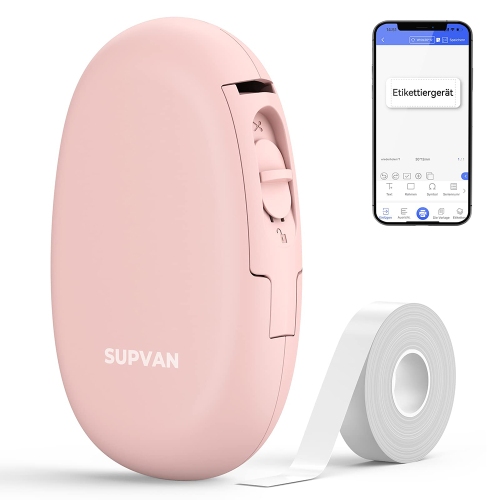
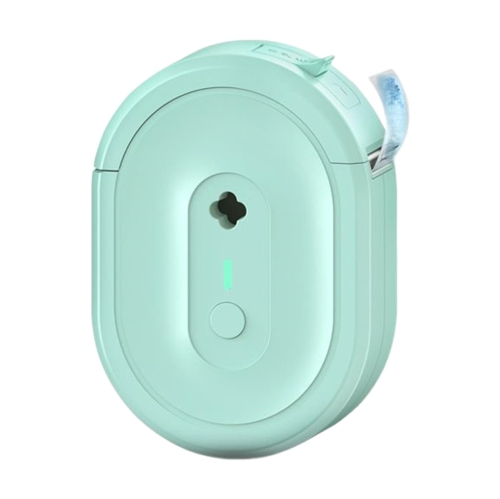
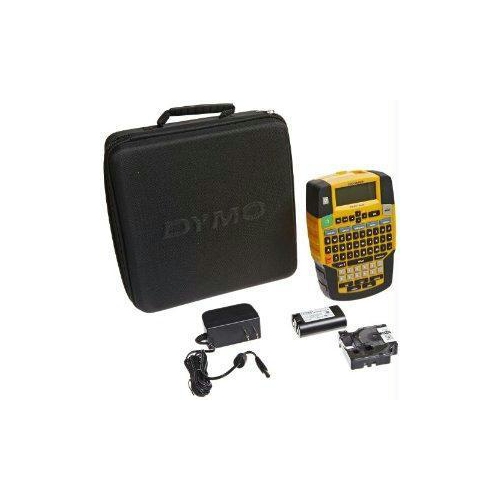
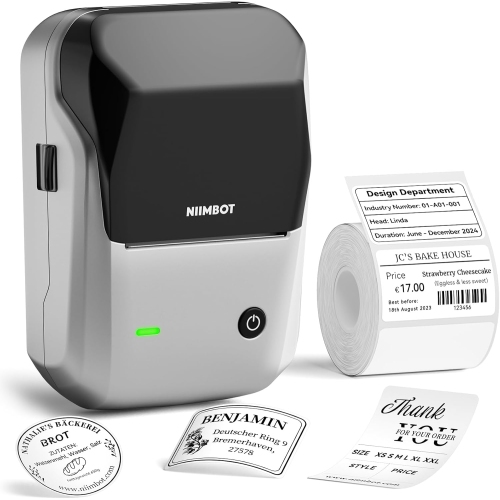
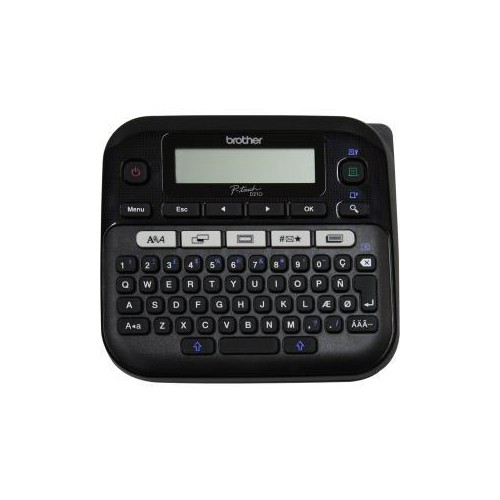

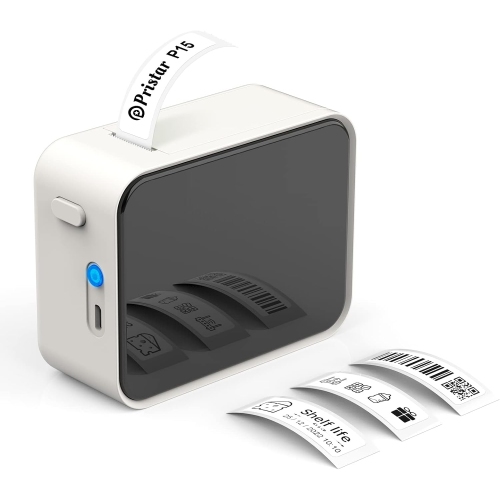
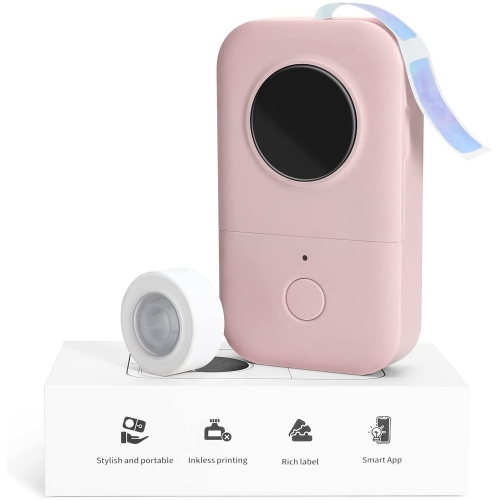
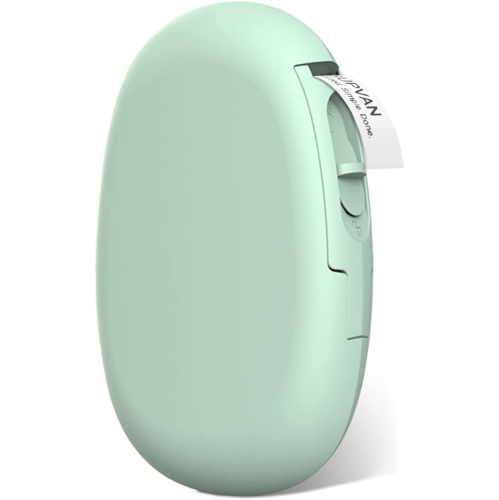
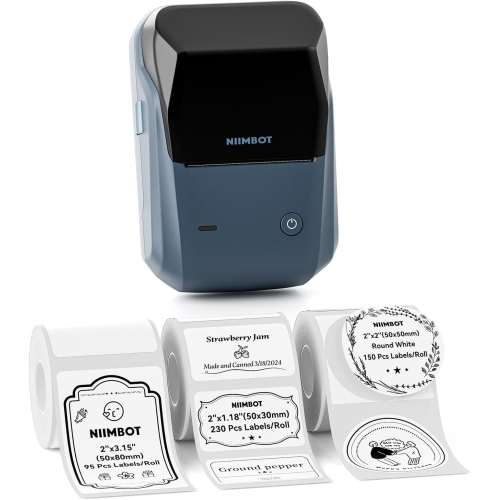
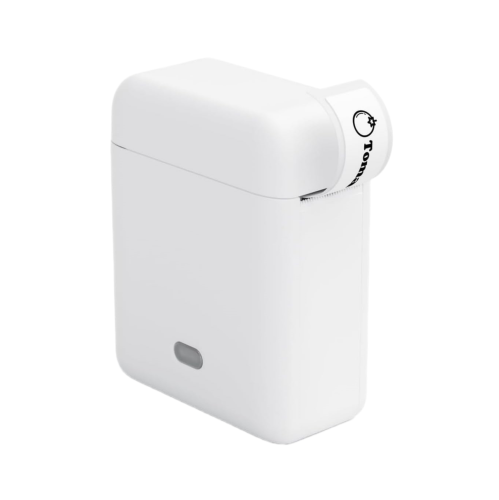
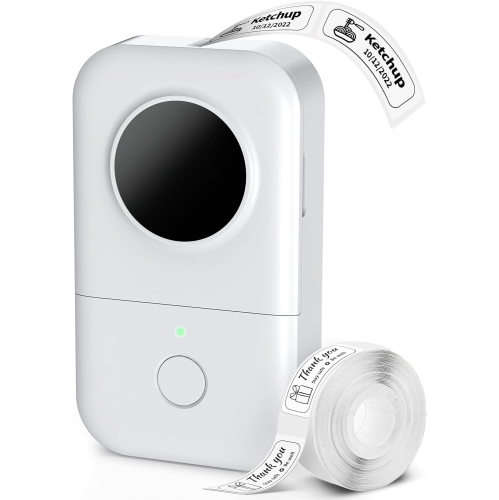
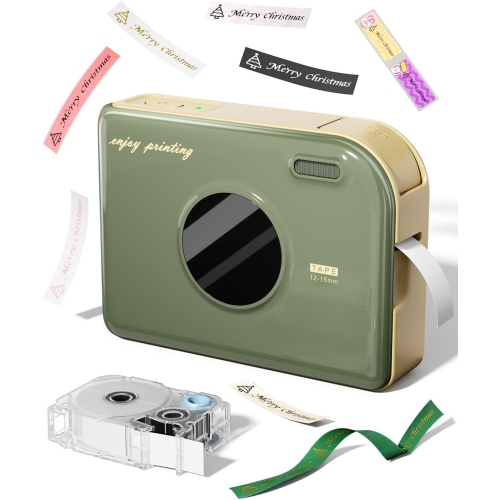
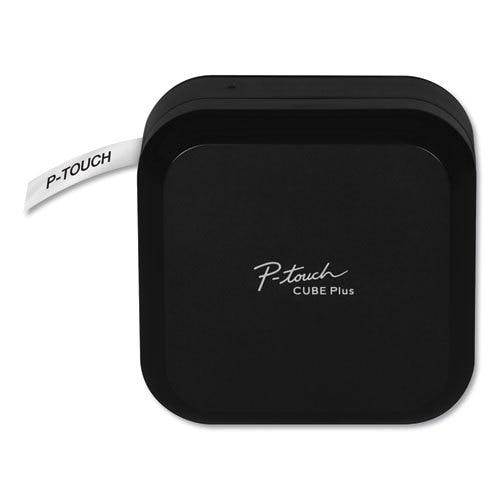
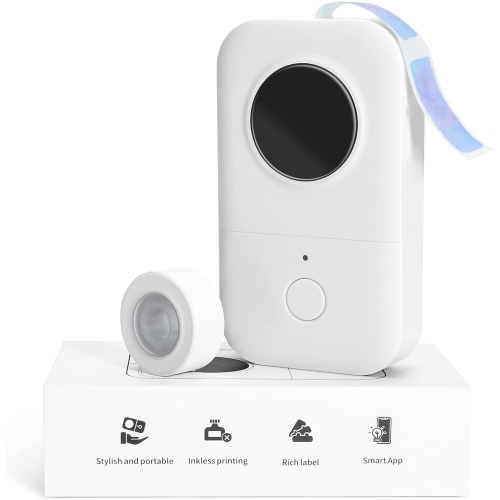
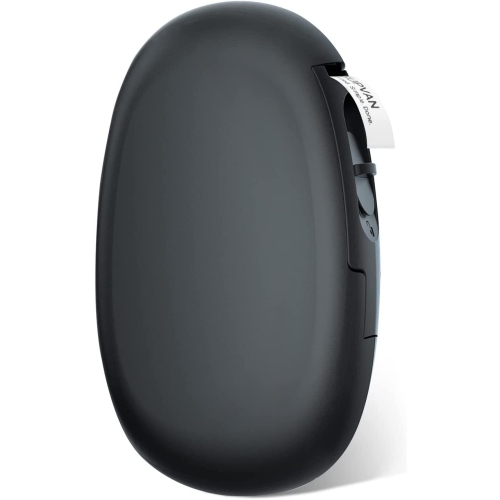
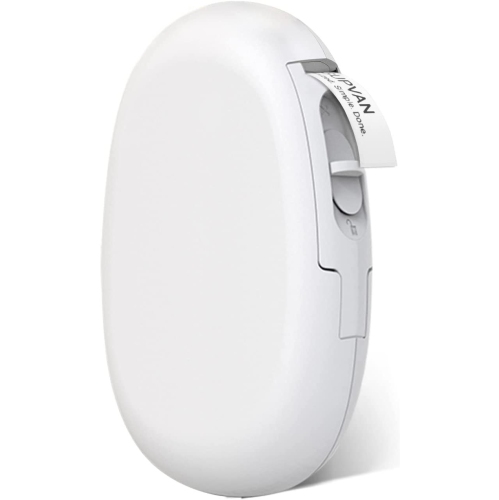
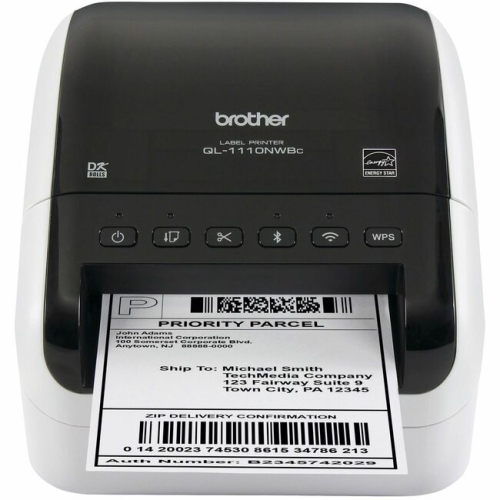
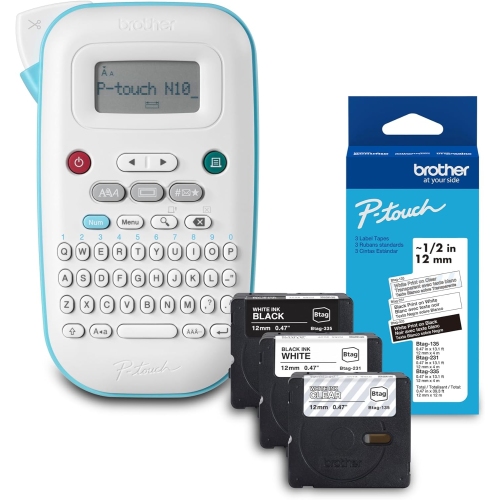

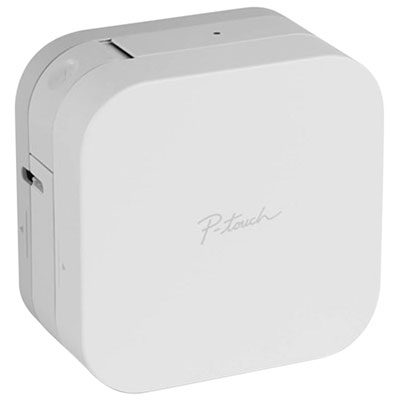
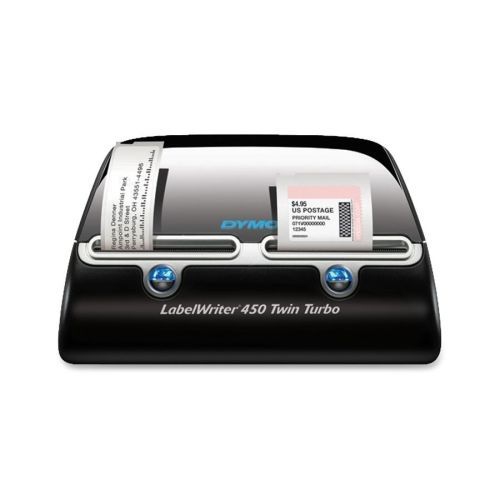
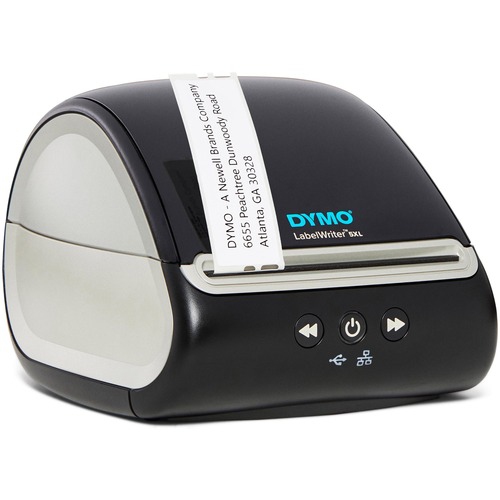

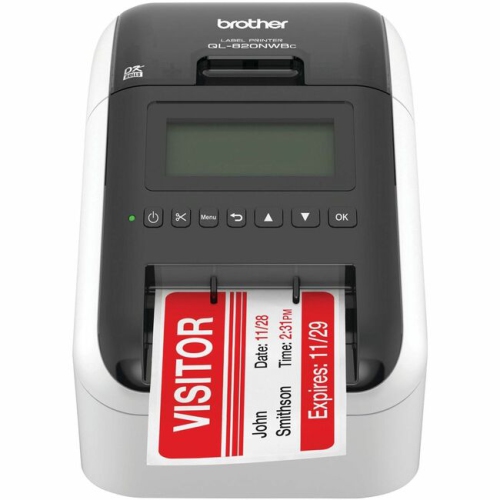
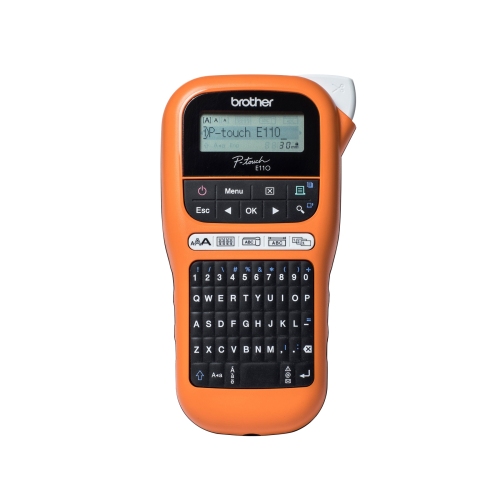
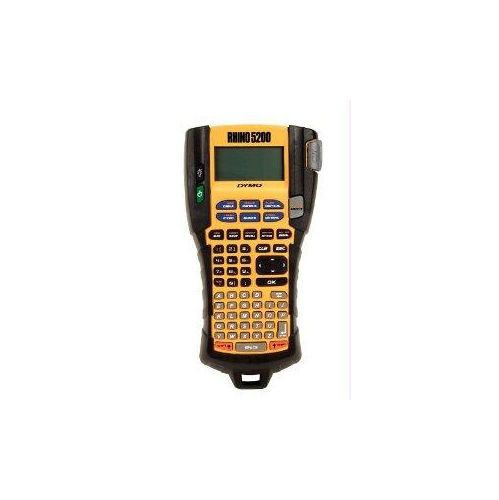
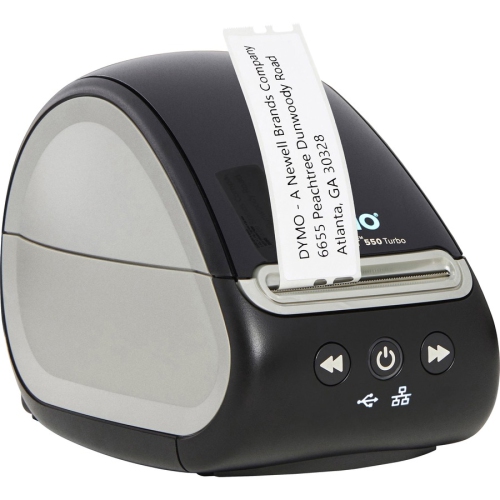
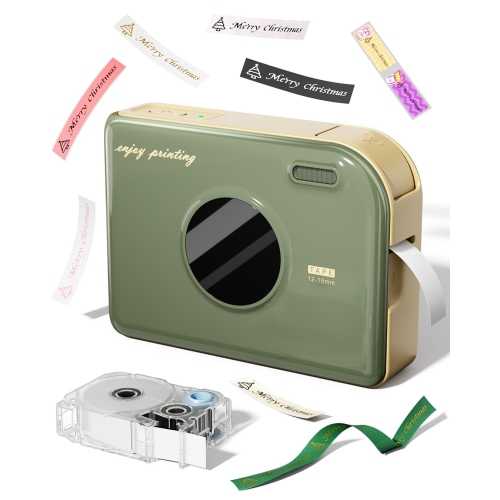
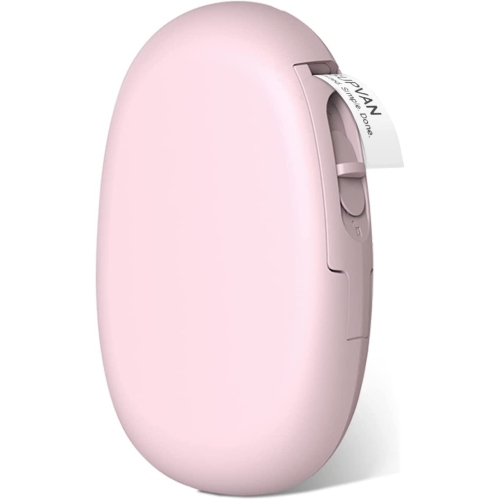
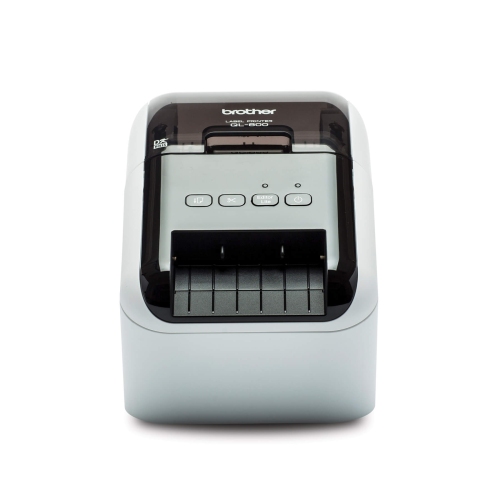
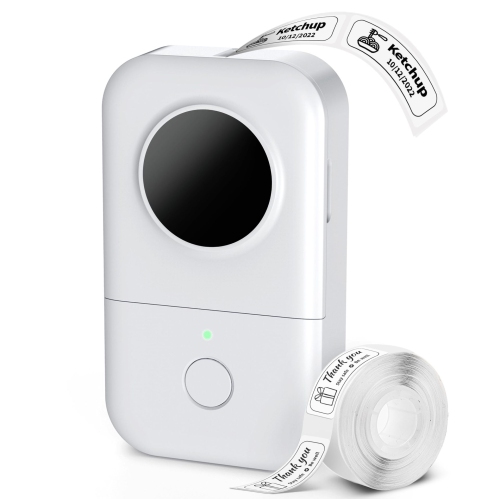
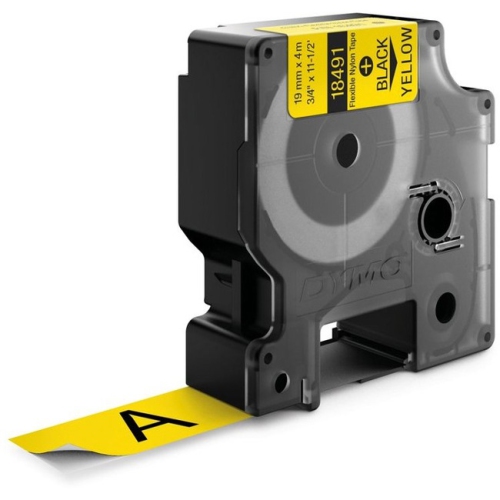
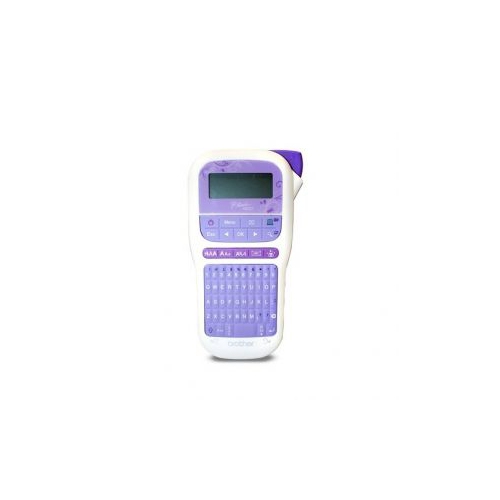
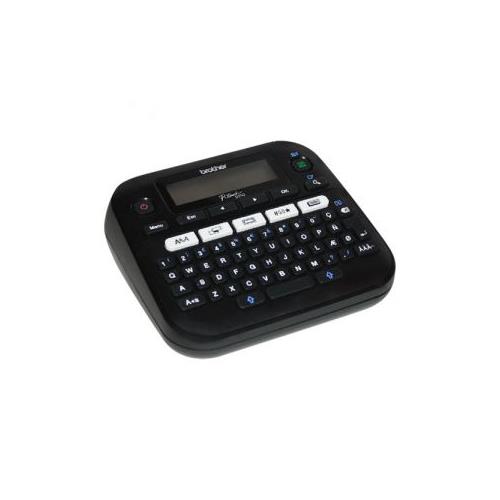
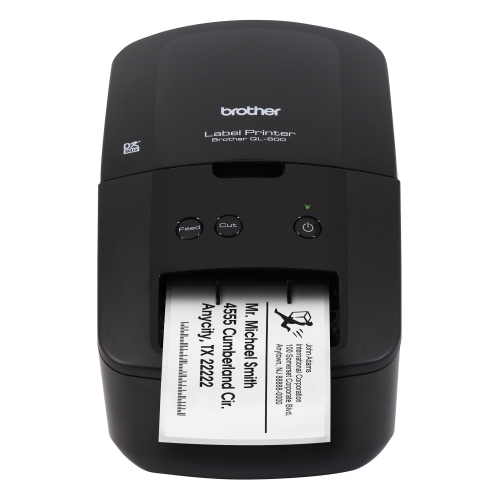
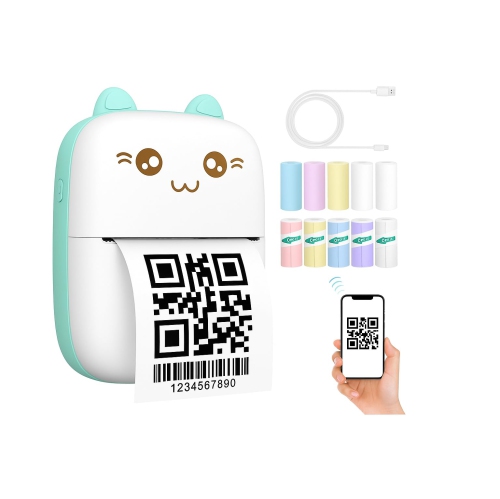
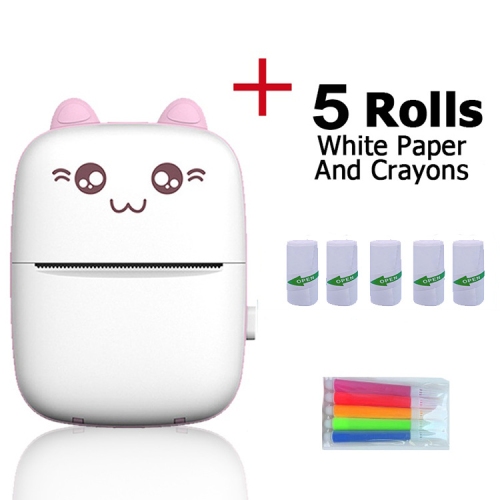
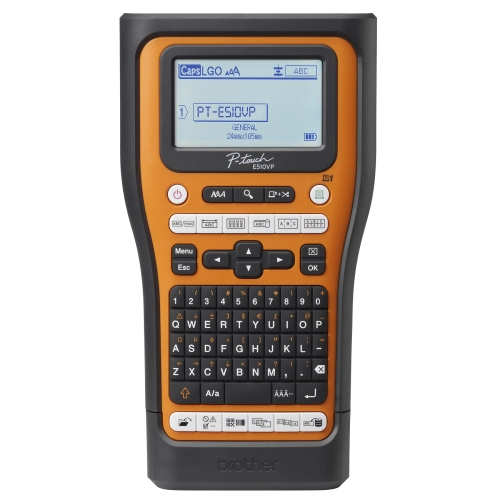
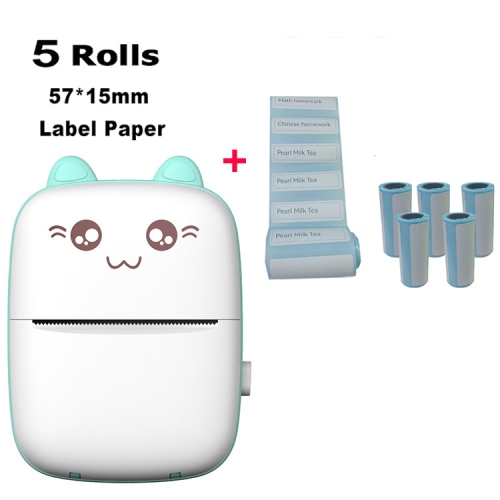
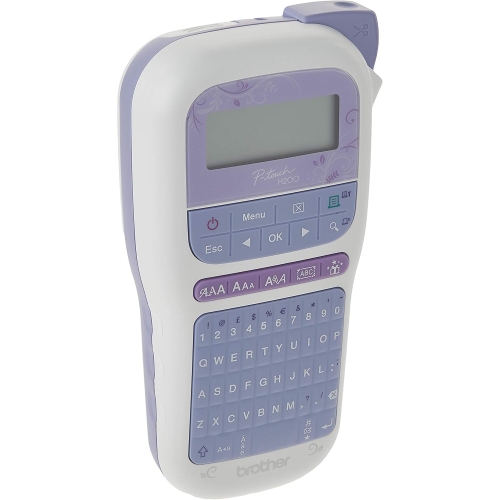
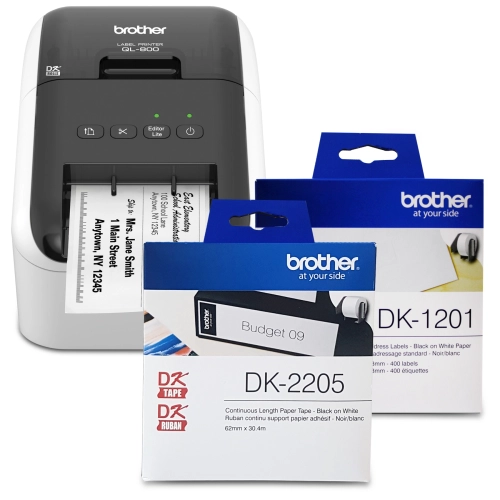
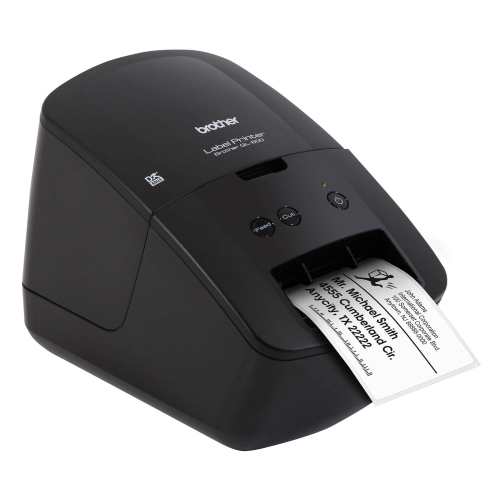
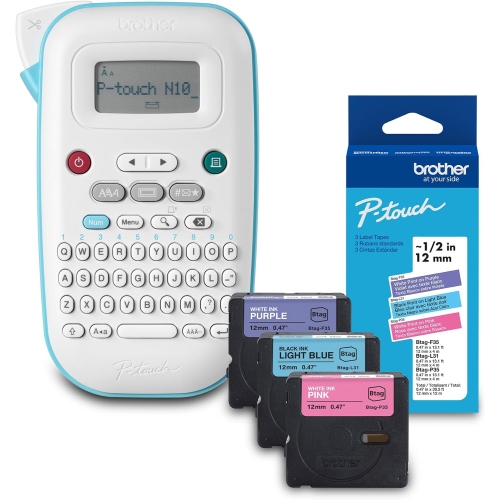
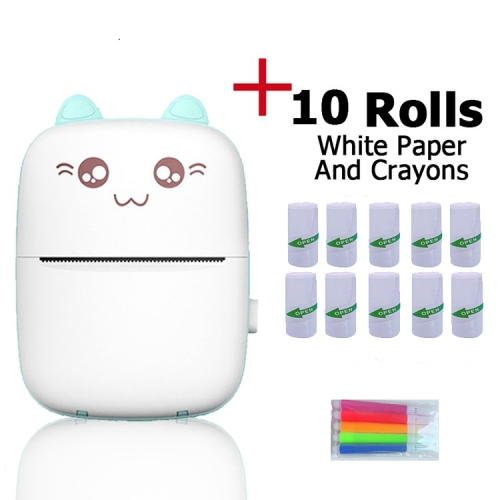
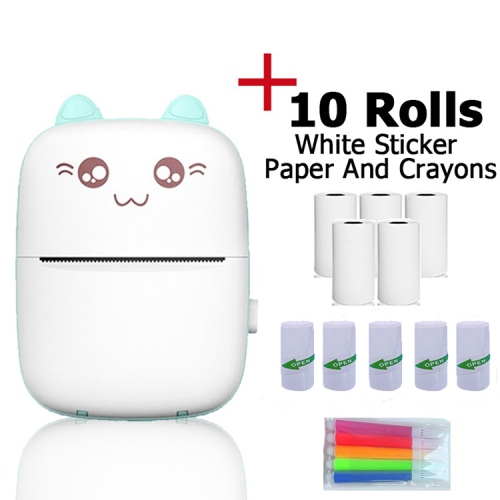
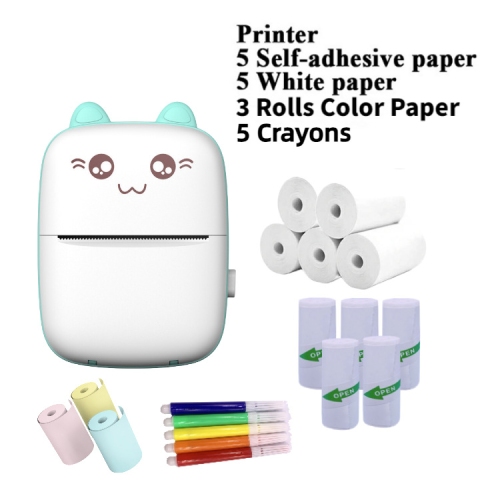
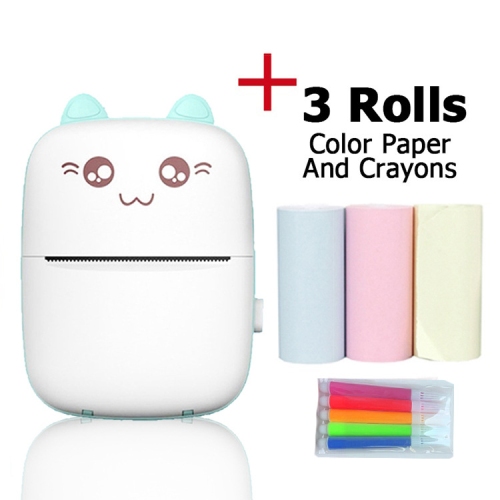
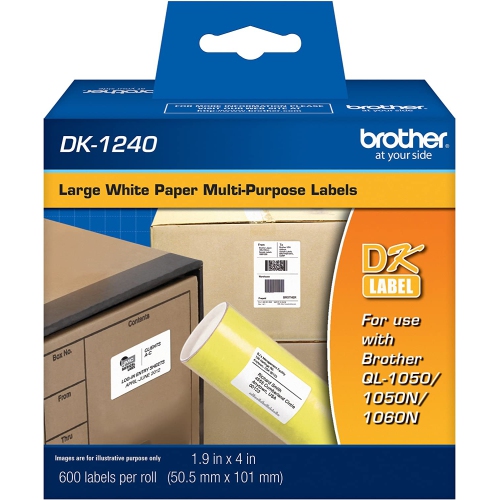
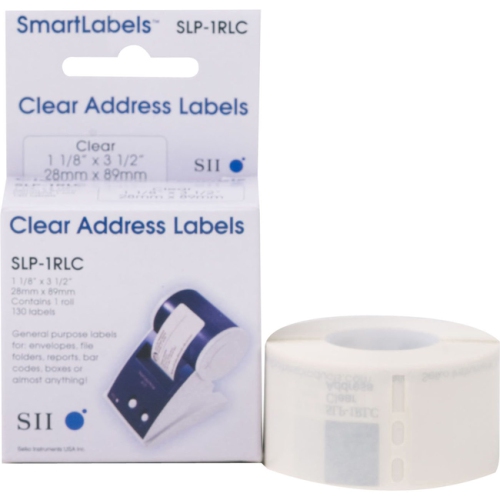
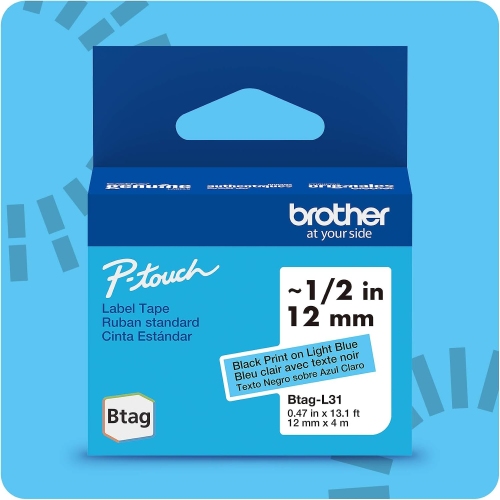
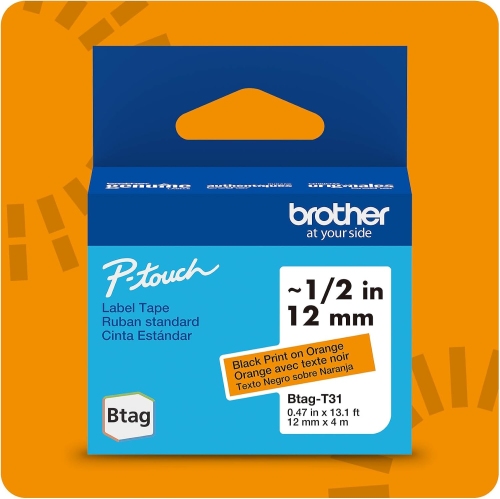
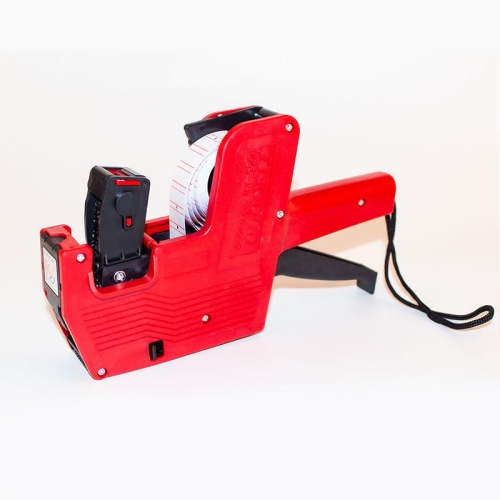
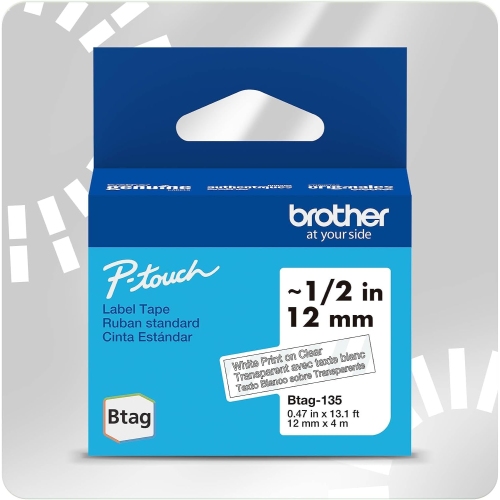
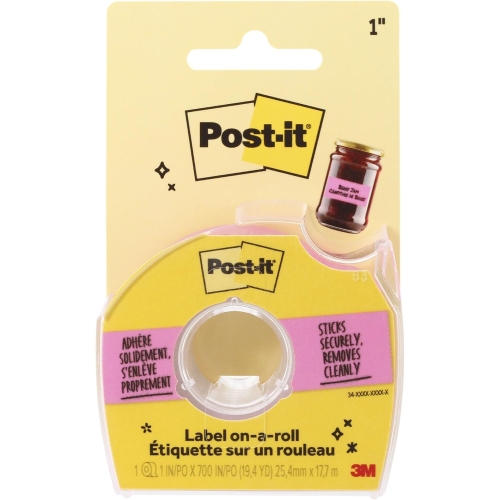
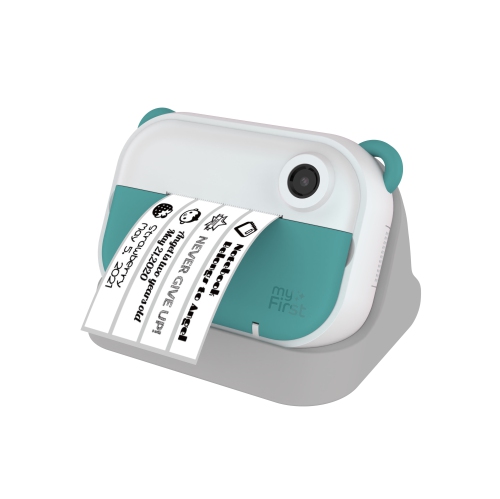
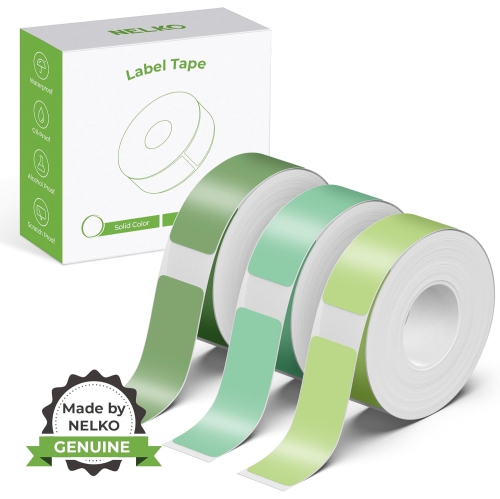
Clear labels take the guesswork out of everyday organization
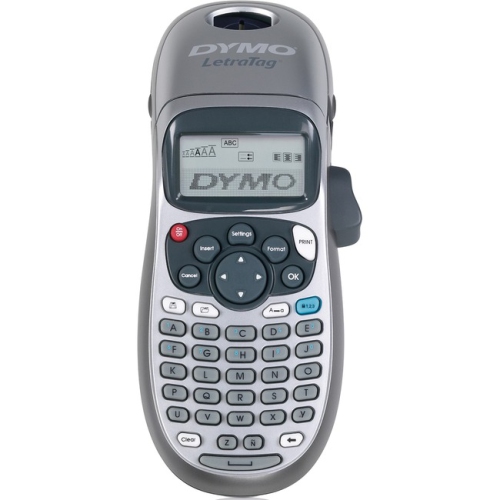
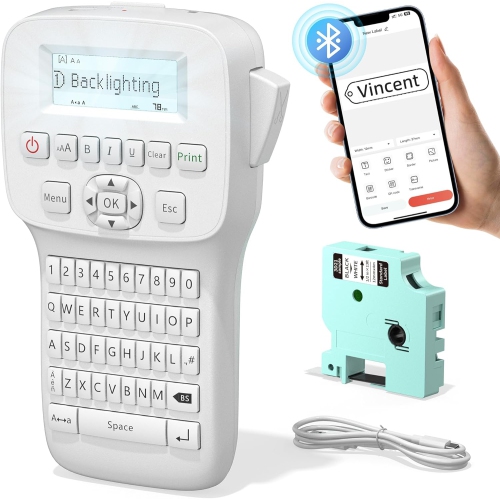
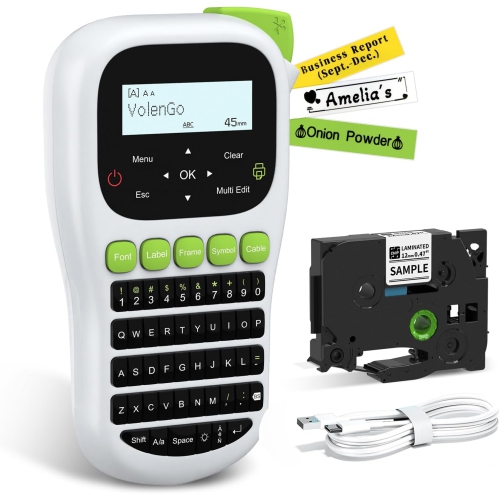
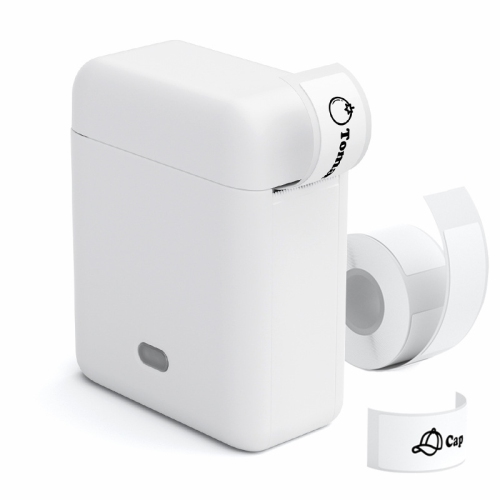
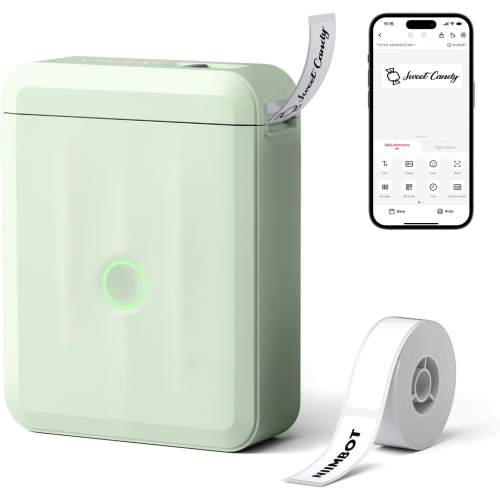
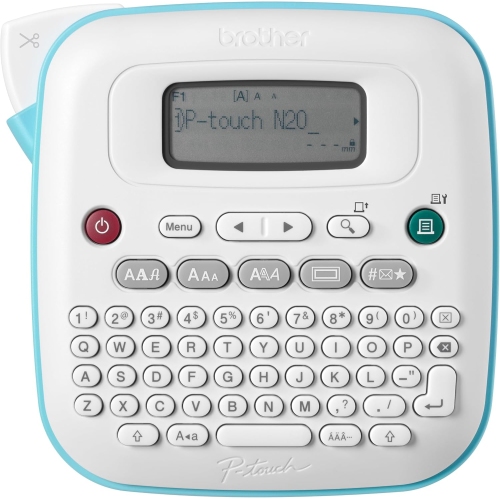
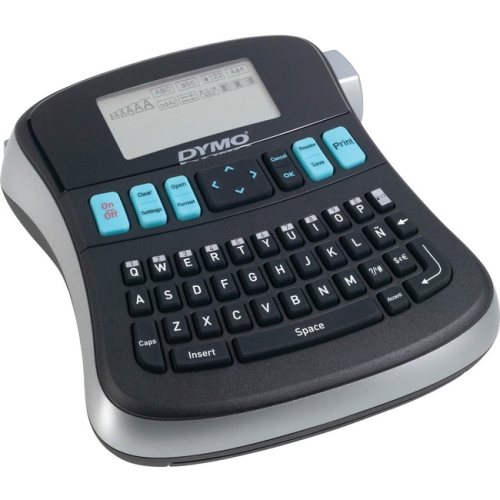
Label makers create clear, consistent adhesive labels for everyday organization, from pantry containers and storage drawers to office files and equipment cables. Their appeal is practical: a readable label makes it easier to find something, return it to the right place, and distinguish between belongings that look almost identical. At home, that might mean separating charging cords, marking craft supplies, or giving each shelf in a shared cupboard a clear purpose. In an office, consistent labels can make filing cabinets, supply cupboards, and shared workstations easier for everyone to navigate. Standalone label makers with built-in keyboards suit quick tasks because text can be entered and printed without connecting another device. A familiar keyboard layout, clearly marked keys, and an easy-to-read display are especially useful when creating several labels in one sitting. Models with print previews help show how text will fit before tape is used, while adjustable font sizes and multiple lines allow more information to fit within a limited space. Tape width matters as much as lettering: a narrow label can sit neatly along a folder tab, whereas a wider label provides more room for a storage bin name or a short instruction. Simple lettering and strong contrast tend to work well for labels that need to be read at a glance. Decorative borders, symbols, and different type styles can add personality to school supplies or handmade projects, although a label’s main job is still to make information clear. Families, teachers, students, hobbyists, and people setting up a home office may all find regular uses for a label maker. It can also be a practical gift for someone who enjoys organizing, particularly when the device’s controls and compatible label materials match the tasks they enjoy. The most useful features are often the ones that remove small frustrations, such as saving a frequently used name, repeating the same label, or making text large enough to read without leaning into a cupboard.
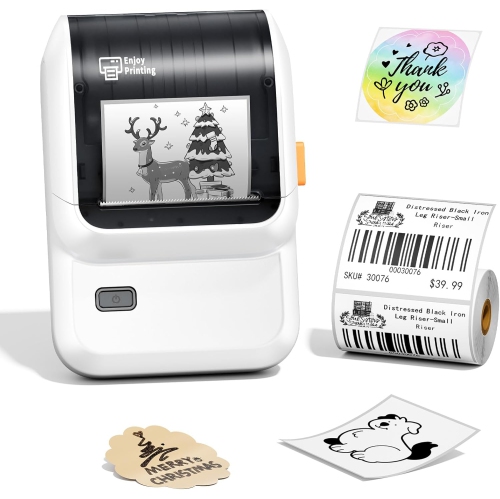
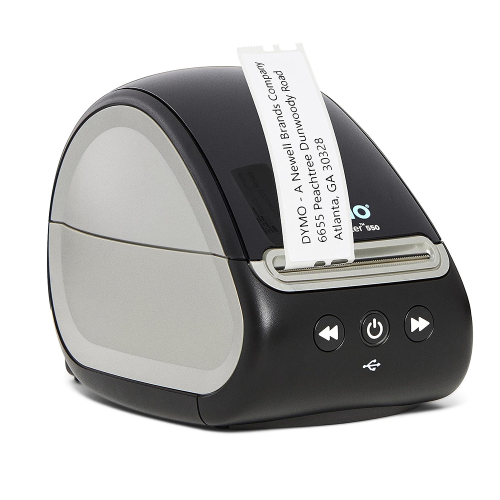
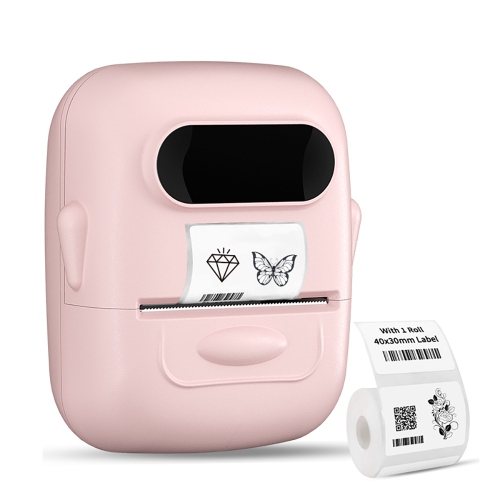
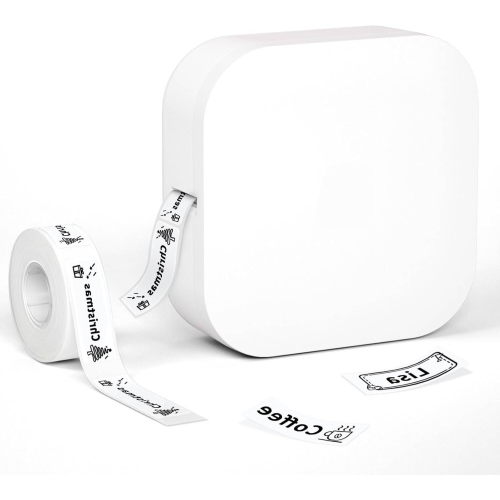
The finished label depends on both the printing method and the material being printed. Many electronic label makers use thermal-transfer printing, which transfers colour from a ribbon onto compatible tape; direct thermal printers use specially coated media without a separate ink cartridge or ribbon. Embossing label makers create raised lettering in suitable tape, giving labels a distinctive tactile appearance without a digital display. These formats serve different purposes, and their supplies are not interchangeable simply because two tapes or rolls appear to be the same size. Compatibility includes the cartridge or roll format, supported width, and the printer’s intended media type. Paper labels can suit folders, envelopes, and other dry indoor applications, while suitable polyester or vinyl labels may offer greater resistance to moisture, handling, or abrasion. Laminated tape adds a protective layer over the printed text, but the level of durability still depends on the particular material and its stated ratings. Labels on frequently handled tool cases, for example, face different wear from labels tucked inside a filing drawer. Adhesive strength is another important distinction. Permanent labels are intended to stay attached, while removable varieties are designed for applications where labels may need to be changed; removal results can vary with the surface and how long the label has been in place. Smooth, clean surfaces generally provide more reliable adhesion than dusty, oily, or heavily textured ones. Curved containers and small cables need particular consideration because a stiff label may lift at its edges rather than follow the shape beneath it. Flexible tapes and purpose-designed cable labels can be better suited to those tasks. For lunch containers or other frequently washed belongings, a stated washing rating is more meaningful than appearance alone. Label colours also affect legibility: dark lettering on a pale background is easy to distinguish, while a consistent colour system can separate categories without making every label longer. Clear tape offers a less conspicuous finish, although its readability depends on the colour and pattern of the surface underneath.
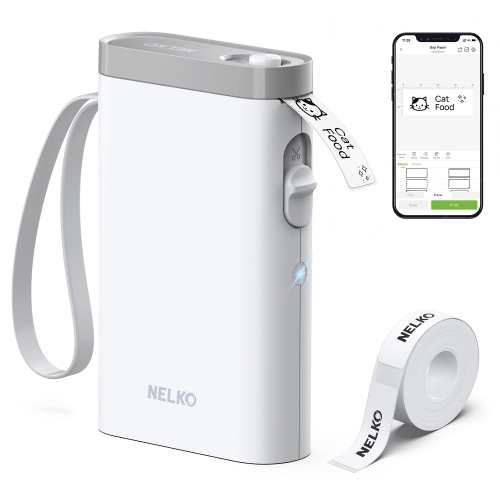
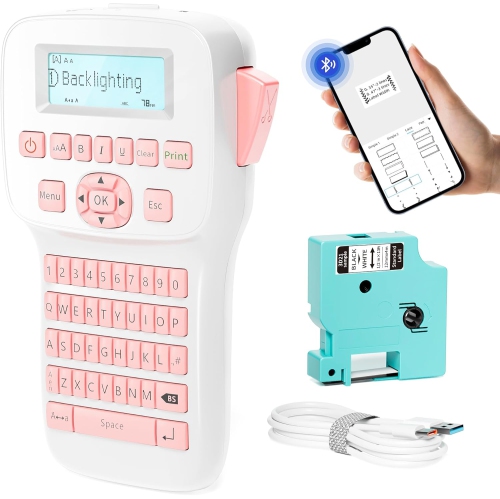
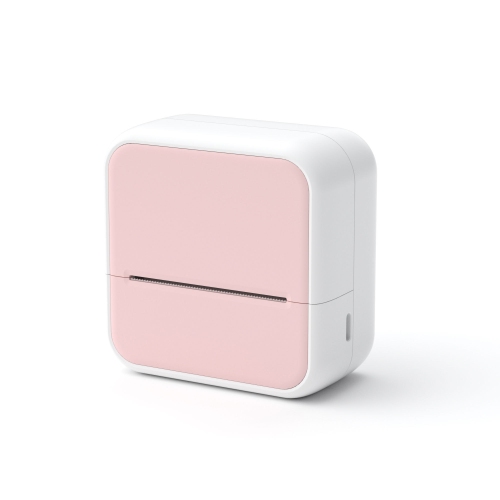
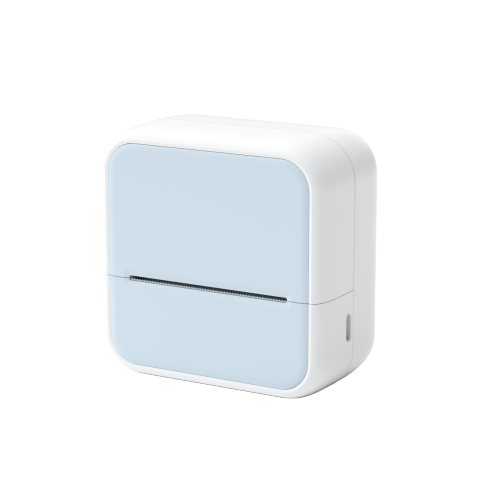
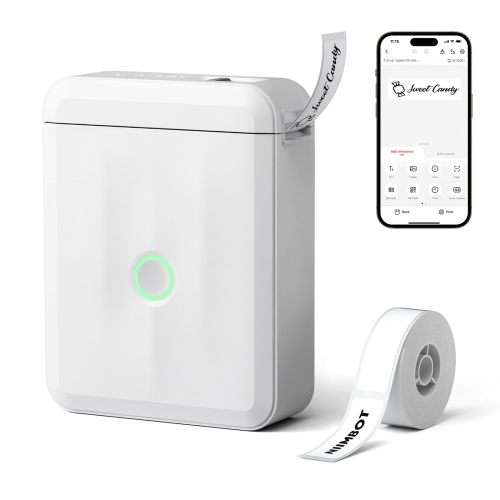
Label makers also differ in how they fit into a working day. A compact handheld format is convenient for moving between cupboards, classrooms, or work areas, while a desktop design can provide more space for a keyboard and display during longer labelling sessions. Weight, grip, button spacing, and screen visibility influence comfort, especially when the device is used frequently or held in one hand. For tasks that happen away from a desk, Portable Label Printers offer a related format suited to mobile labelling workflows. Some label makers connect to a phone, tablet, or computer through Bluetooth, USB, or Wi-Fi, depending on the model. Connected printing can make longer text easier to enter and support saved layouts, symbols, or repeated batches, but the available functions depend on the software and device compatibility. A built-in keyboard remains useful when a label needs to be made without opening an app. For business tasks, support for barcodes, sequential numbering, or imported data can help keep equipment records and shelf labels consistent; these functions are not standard on every label maker, and barcode readability also depends on print quality, size, and the scanning system. Manual and automatic cutters affect how individual labels are separated, while margin settings influence the amount of blank tape around the text. Battery-powered designs offer flexibility, rechargeable designs require access to a charging source, and mains-powered operation can suit a fixed workspace. A sturdy casing and secure tape compartment are useful for a device that moves around regularly, though protection against drops or dust should be based on a stated rating rather than appearance. Routine care generally involves keeping the tape path clear, storing supplies as directed, and following the manufacturer’s cleaning instructions for the printhead and cutter. For everyday use, the right balance is straightforward: readable output, suitable label materials, comfortable controls, and a format that works where the labels are actually needed. That combination makes a label maker useful well beyond an initial organizing project, whether it is marking a new folder or identifying another identical charging cable.
Top selling and popular products
-
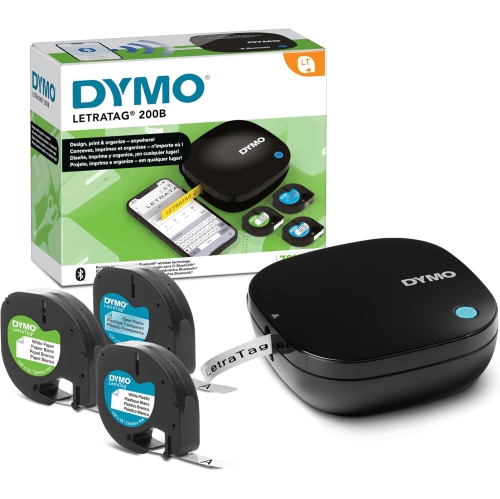 Your price for this item is $57
-
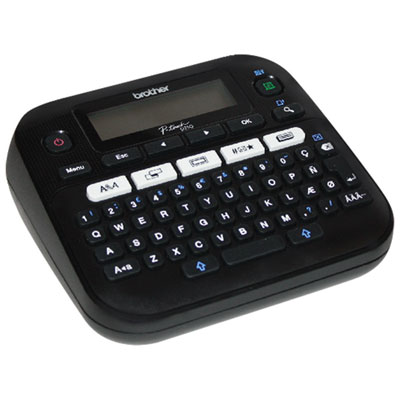 Your price for this item is $44.99
-
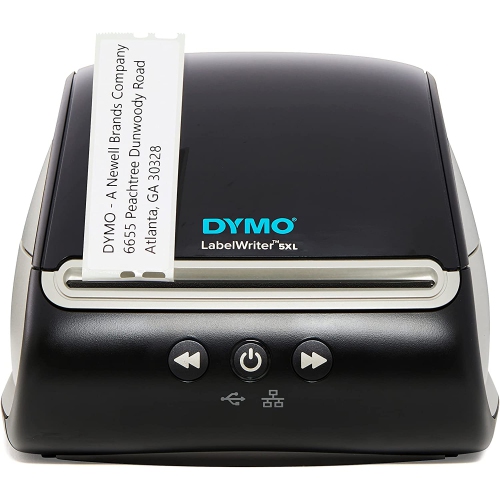 Your price for this item is $427.68
-
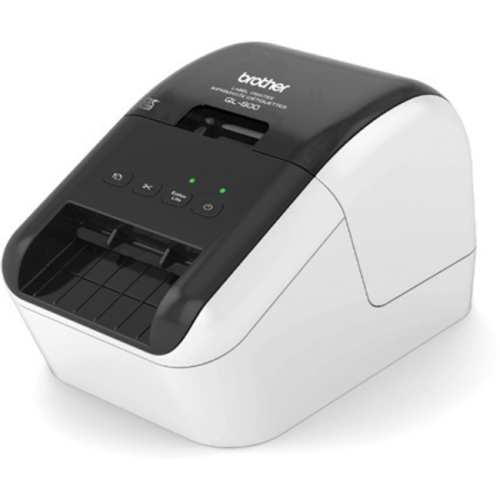 Your price for this item is $172.3
-
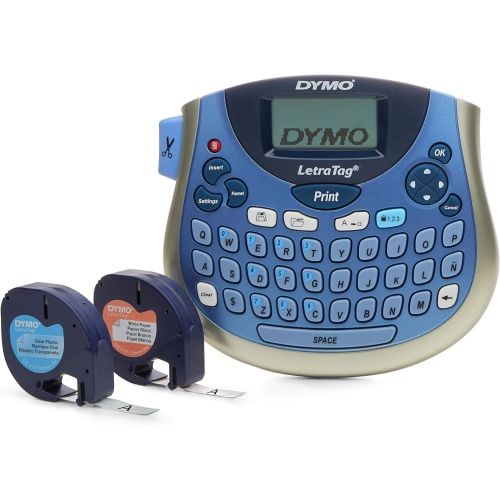 Your price for this item is $69.9
-
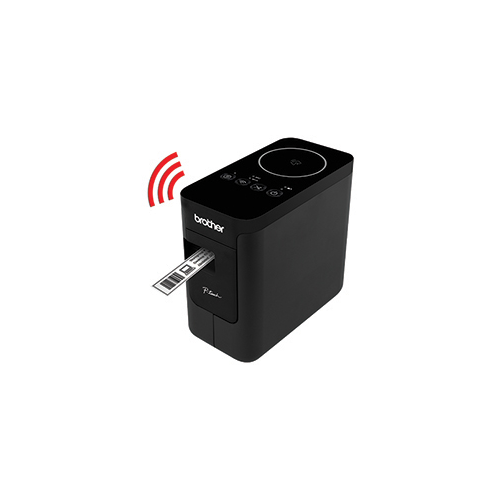 Your price for this item is $158.99
-
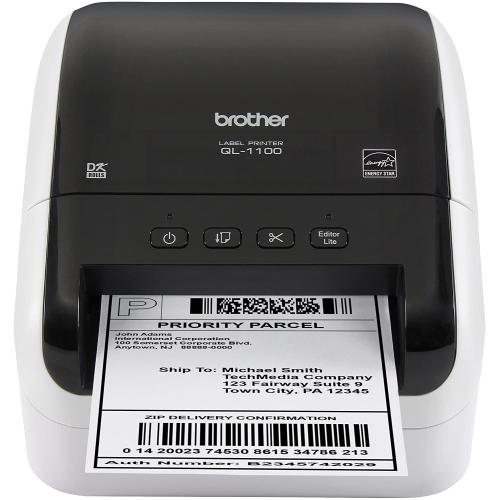 Your price for this item is $395
-
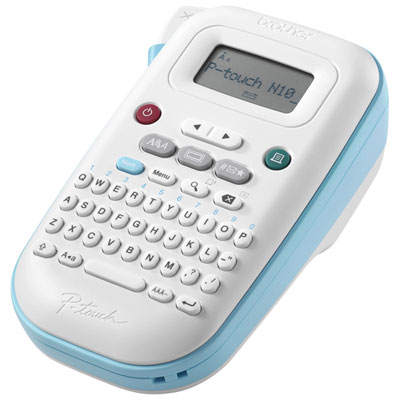 Your price for this item is $39.99
Discover more categories related to Label Makers
Top Collections:
Best Black Friday Deals This Year, Best Black Friday Deals On Electronics, Kindle Devices, Pokemon Centers, Best Black Friday Deals On Apple Products, Best Cameras for Sports Photography, Dyson Airwrap, Pokémon 30th Celebration Cards, Apple iPhone 17 Pro, Canon G7X Cameras
Some products may be subject to Environmental Handling Fees
(EHF) depending on your province.
Learn more about EHFs.