Laptop Cases for Students
Laptop cases for students are designed to help keep devices protected and organized throughout busy school days. Whether heading to class, studying at the library, or commuting between activities, these cases offer a convenient way to carry laptops and accessories. With a variety of colors, sizes, and styles available, it's easy to find the right fit for any student’s needs. Explore options that make it simple to transport technology from home to campus and everywhere in between.
Sort






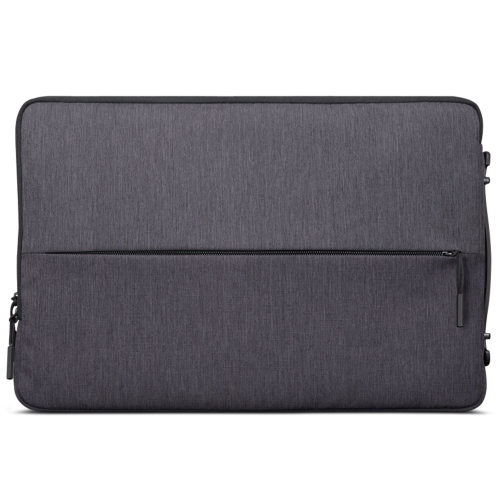
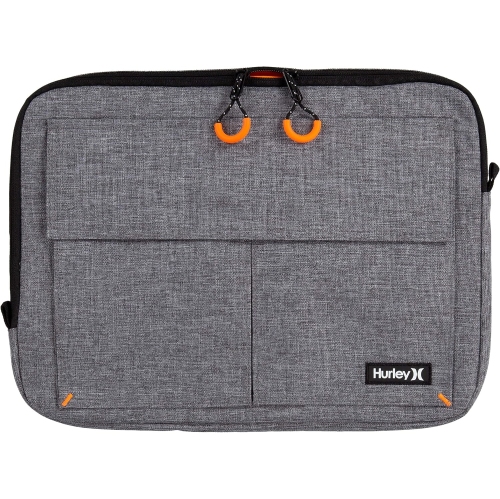


Why laptop case fit matters between classes
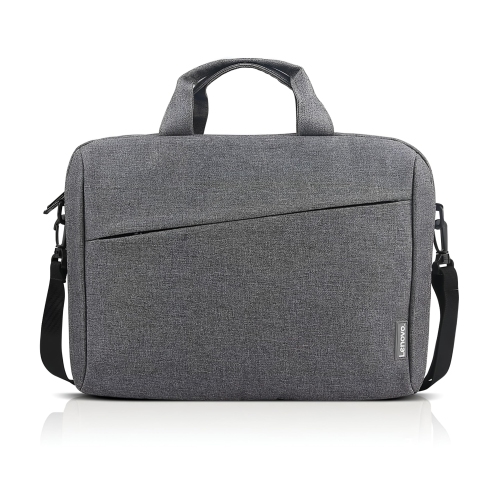
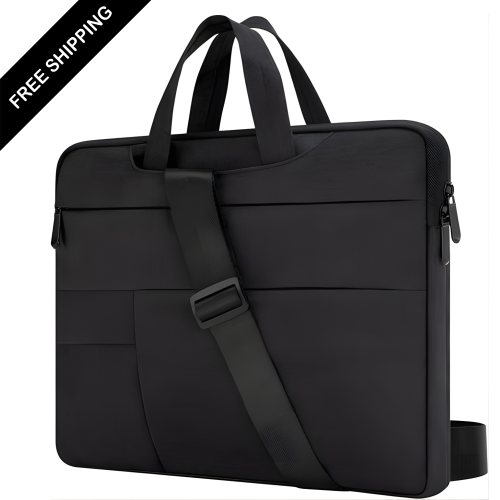
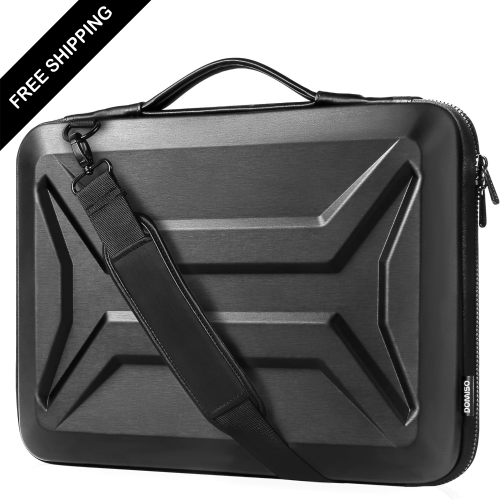
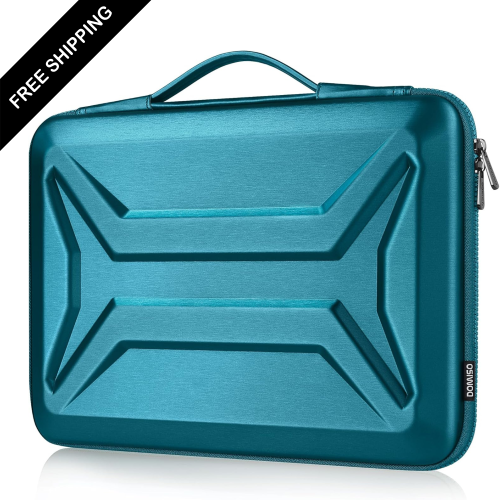
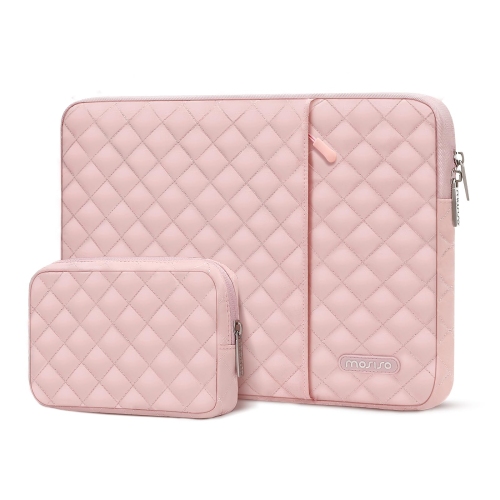
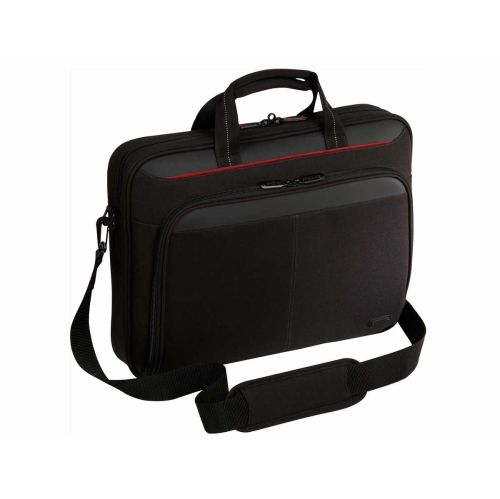
Laptop cases for students help protect a computer from everyday scuffs and knocks while keeping it easier to carry between home, classrooms, libraries, and study spaces. The most suitable style depends on the laptop’s dimensions, how it travels, and which accessories need to come along. A slim sleeve slips neatly into a backpack already filled with textbooks, while a case with handles offers a convenient way to carry a laptop on its own. A fitted hard-shell cover serves a different purpose, attaching directly to a compatible computer to help shield its outer surfaces from scratches. These styles are not interchangeable: a shell may leave ports and the hinge exposed, while a padded zippered case surrounds the closed laptop during transport. Fit matters across every type. Screen size is measured diagonally and does not describe the full width, depth, or thickness of a computer, so two laptops with the same screen measurement may need different cases. A case labelled for a 14-inch laptop, for example, should still be checked against the device’s actual dimensions and the case’s internal measurements. A close fit helps limit movement without putting pressure on the corners or making the zipper difficult to close. Extra room is not always useful if it allows the computer to slide around, particularly when a student is moving quickly between classes. For fitted shells, compatibility with the exact laptop model is especially important because hinges, ventilation openings, feet, and ports need to remain unobstructed. Students using a school-issued device may also need to follow their school’s requirements for covers and accessories. A lightweight case can be particularly helpful for someone carrying a laptop throughout the day, while a more structured design may suit a commute where the computer shares space with notebooks and other belongings. Keeping the laptop separate from loose pens, keys, and charging plugs also helps prevent small scratches that can accumulate inside a busy school bag.
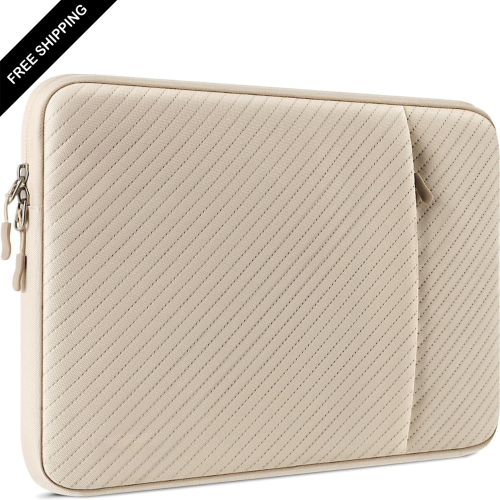
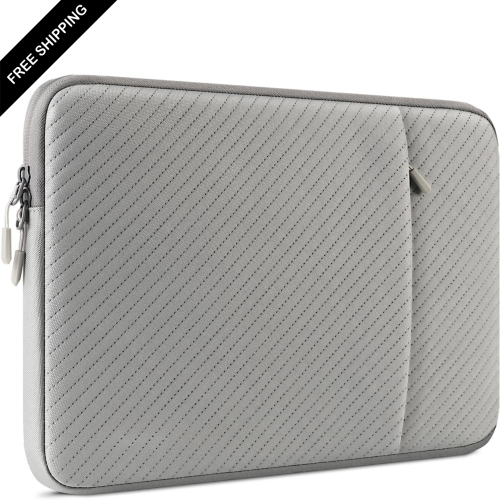
Materials and construction affect how a student laptop case feels, how much space it occupies, and how well it handles repeated use. Neoprene sleeves often provide a flexible fit with light cushioning, while woven nylon or polyester cases can offer a more structured exterior, depending on their design. Leather and leather-look finishes have a different feel and may appeal to students who want a case that transitions from lectures to placements, presentations, or interviews. The material name alone does not establish the level of protection. Padding thickness, reinforced corners, edge coverage, and the quality of seams all contribute to how a case performs in daily use. A soft lining can help reduce surface abrasion, particularly when it is kept free of crumbs and grit. Padding around the zipper is useful because it creates a buffer between the computer and the fastening hardware. Smooth zipper movement and secure stitching around handles are worth attention on a case that will be opened and carried several times a day. Water-resistant fabric can help with minor splashes, but it should not be treated as waterproof unless the case is specifically rated for that purpose; seams and zipper openings may still let moisture through. Keeping drinks in a separate compartment remains a practical precaution. Storage layout matters, too. A small exterior pocket can hold a charging cable, student card, or compact mouse, making it easier to settle into a library desk without emptying an entire backpack. Bulkier chargers need enough space that they do not press against the laptop lid. Overfilling a front pocket can distort an otherwise well-fitting case and make it awkward to slide into a bag. For students who mainly need scratch protection inside a padded backpack, a simple sleeve may be enough. Those carrying a computer separately may prefer firmer sides, dependable handles, and a closure that keeps the device securely enclosed. No case makes a laptop damage-proof, and careful handling still matters around crowded desks and packed transit.
Everyday routines often reveal which details are most useful. A student who moves between lecture halls with only a laptop and a notebook may appreciate a compact handled case, while someone carrying lunch, course books, headphones, and a charger may find a slim sleeve easier to fit inside a larger bag. For carrying the computer alongside a fuller school-day load, Laptop Bags for Students offer another way to keep study essentials together. A case’s opening also affects convenience: a wide opening makes the computer easier to remove at a desk, while a top-opening sleeve may be simpler to access inside some backpacks. In either arrangement, closing the zipper before lifting the case helps prevent an accidental slip. Care should match the material and the manufacturer’s directions. Many fabric exteriors can be spot-cleaned with a soft cloth and a mild cleaning solution, but machine washing or soaking can affect padding, coatings, and the shape of a structured case. Leather may need material-specific care, and harsh cleaners can damage finishes. Any damp case should dry fully before the laptop goes back inside. Shaking out loose debris and checking the lining periodically helps keep abrasive particles away from the computer’s surface. The laptop should also be shut down or put into an appropriate sleep state before transport, rather than left running inside an enclosed sleeve where heat may build up. Cases designed only for carrying should be removed before using the laptop so its ventilation is not restricted. As a gift, a laptop case can be a thoughtful choice for a student starting a program, heading to campus, or preparing for a placement, provided the device measurements and preferred carrying style are known. Colour and texture can make the case feel personal, but a comfortable fit, practical storage, and reliable construction are the details that earn their place in a student’s daily routine.
Top selling and popular products
-
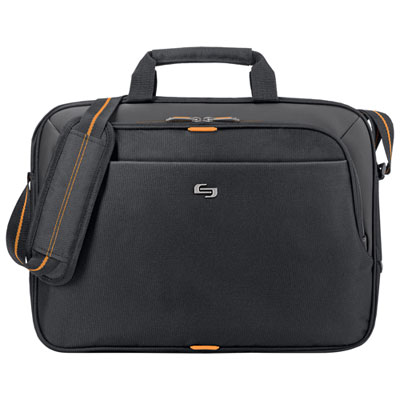 Your price for this item is $59.99
-
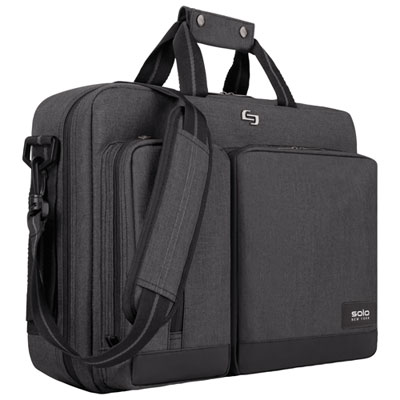 Your price for this item is $119.99
-
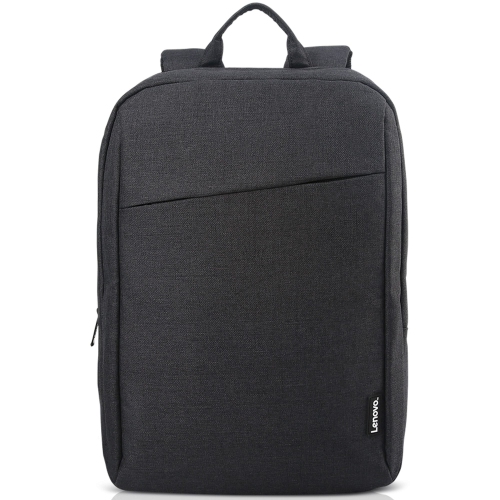 Your price for this item is $44.68
-
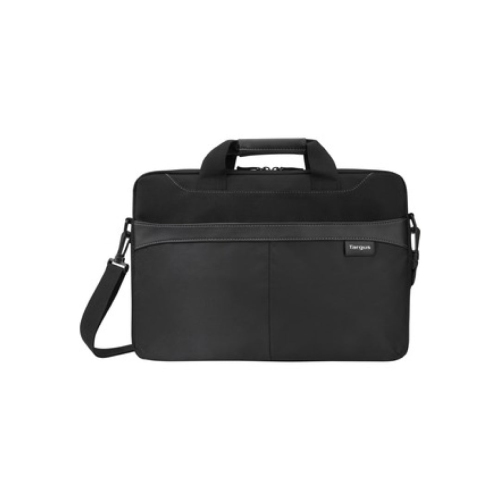 Your price for this item is $42.99
-
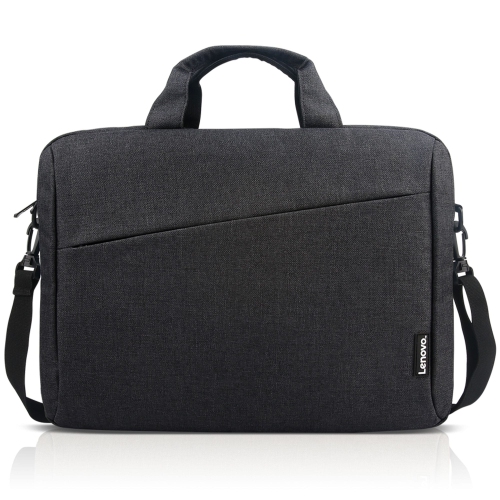 Your price for this item is $28.99
-
 Your price for this item is $83.99
-
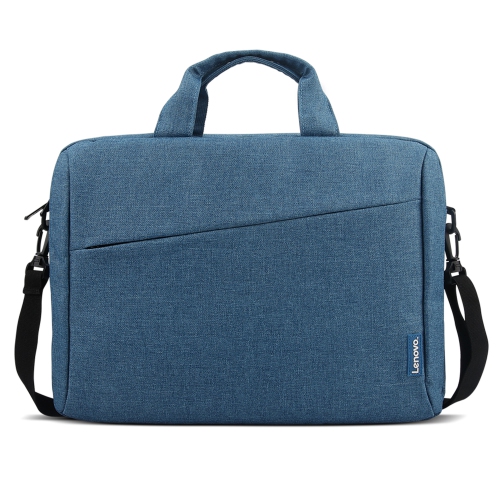 Your price for this item is $21.99
-
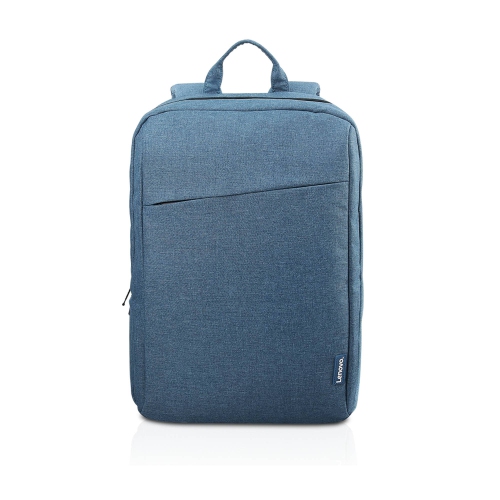 Your price for this item is $18.89
Discover more categories related to Laptop Cases for Students

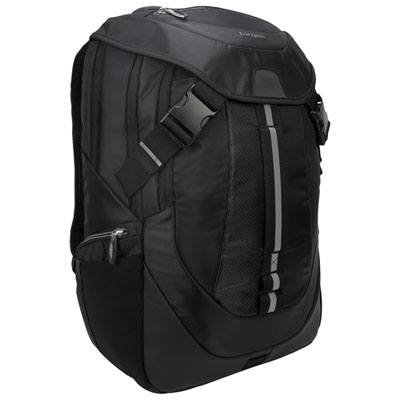
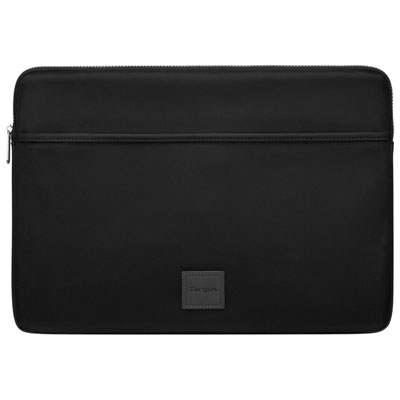
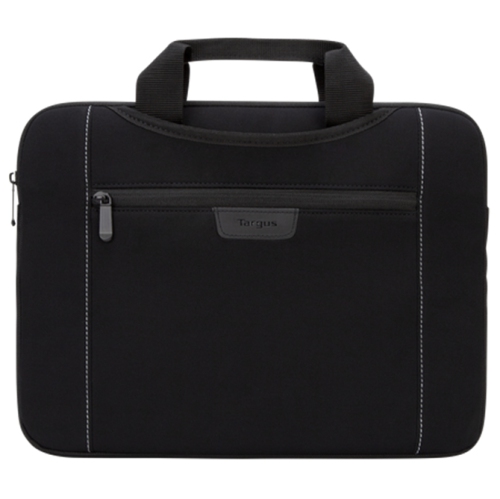
Top Collections:
Best Black Friday Deals This Year, Best Black Friday Deals On Electronics, Kindle Devices, Pokemon Centers, Best Black Friday Deals On Apple Products, Best Cameras for Sports Photography, Dyson Airwrap, Pokémon 30th Celebration Cards, Apple iPhone 17 Pro, Canon G7X Cameras
Some products may be subject to Environmental Handling Fees
(EHF) depending on your province.
Learn more about EHFs.