Lightweight Cases
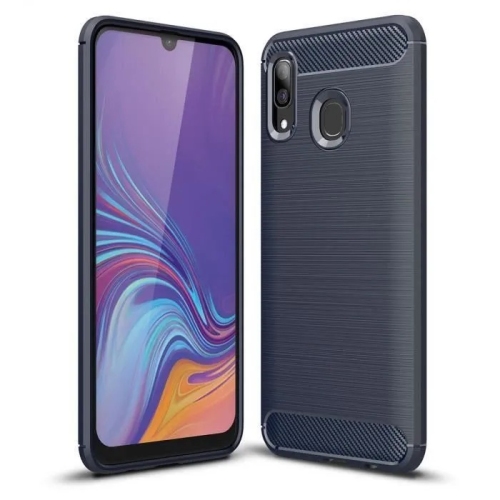
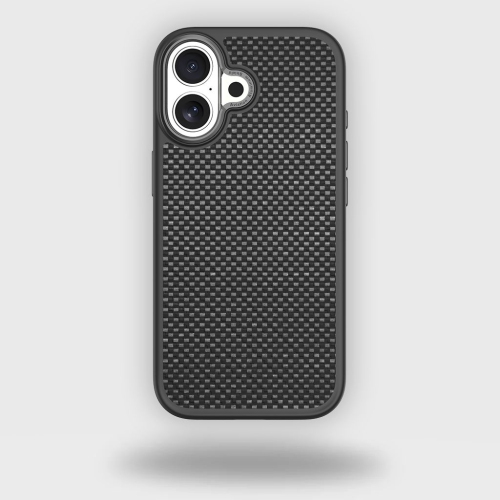
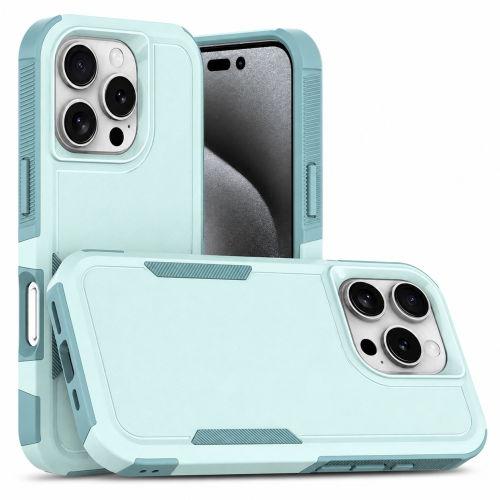
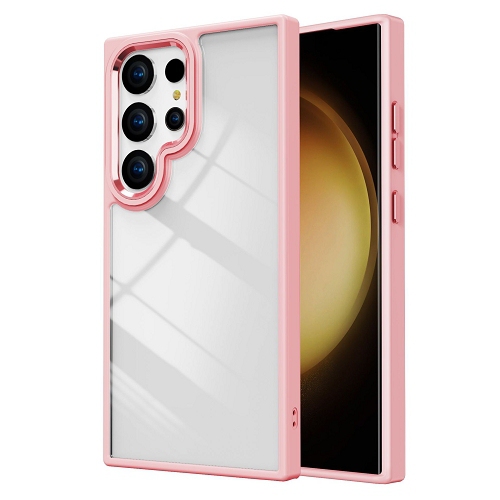
Protect your devices without adding unnecessary bulk with our collection of lightweight cases. Designed to provide a slim and sleek solution for safeguarding your electronics, these cases offer a perfect balance between style and functionality. Whether you're looking for a minimalist design or a pop of color, our range of lightweight cases ensures that your devices stay safe from everyday wear and tear without compromising on aesthetics. Browse through our selection and find the perfect case to suit your style and needs.
Sort
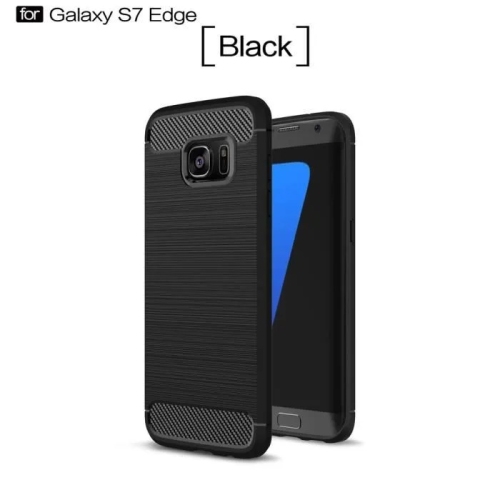
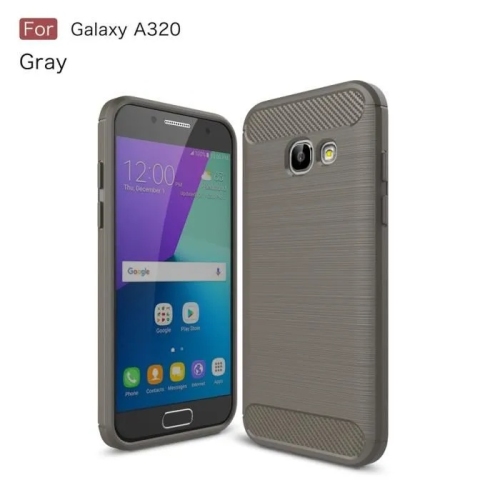
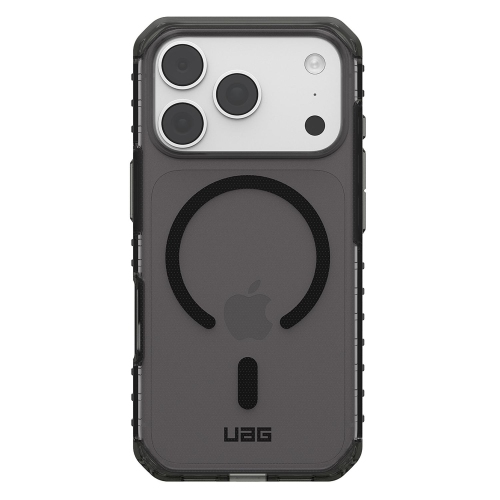
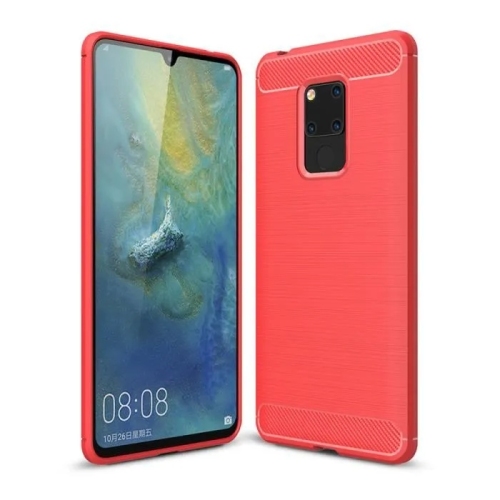
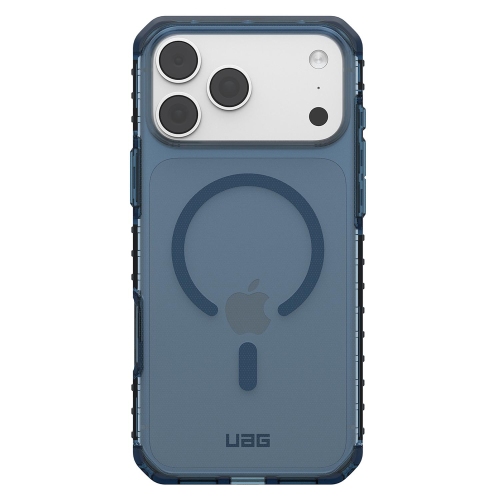
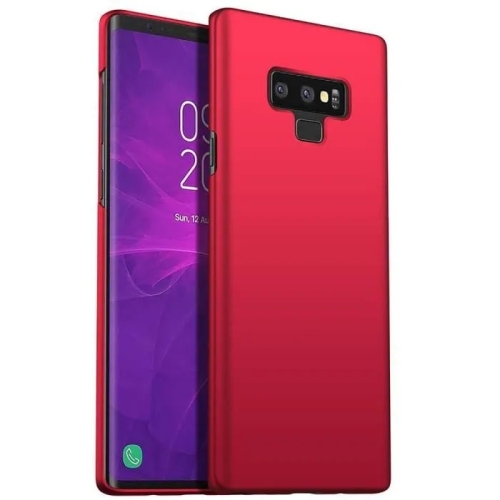
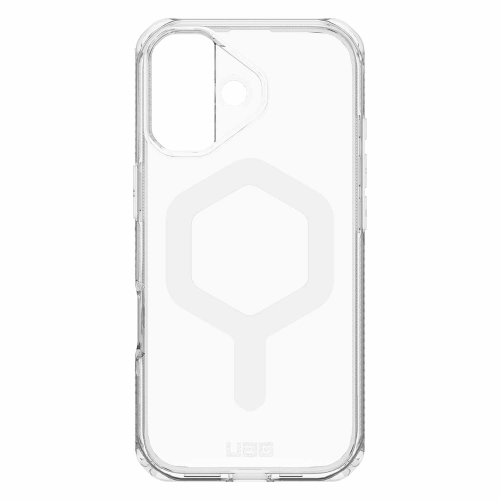
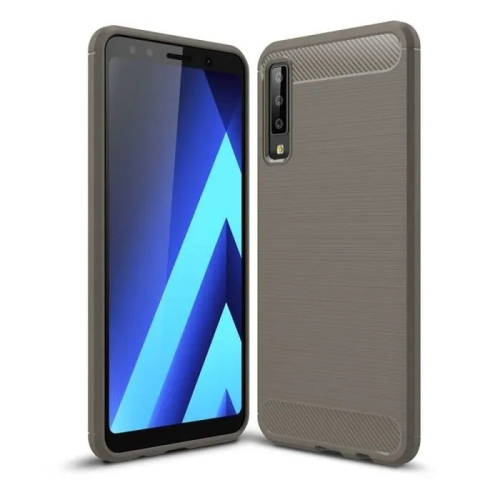
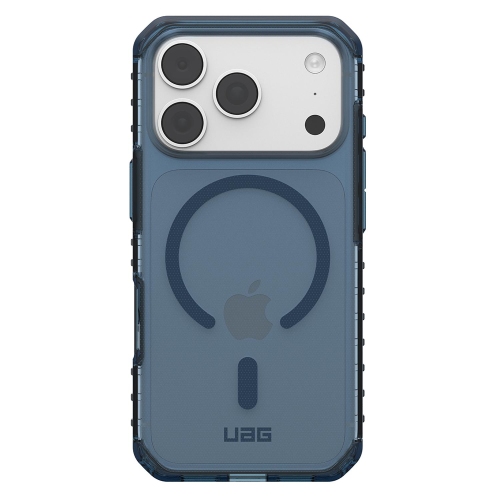
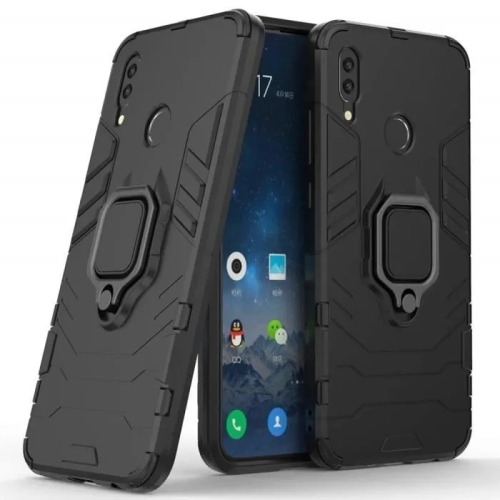
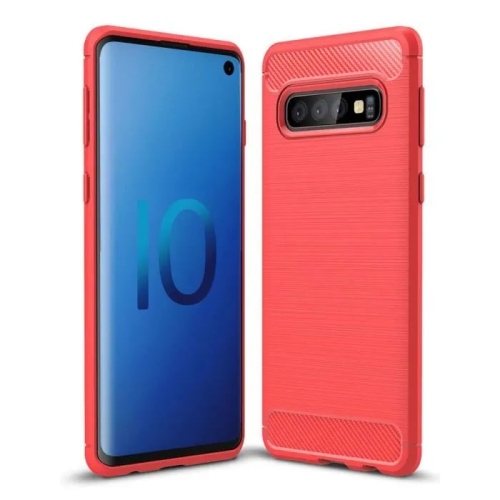
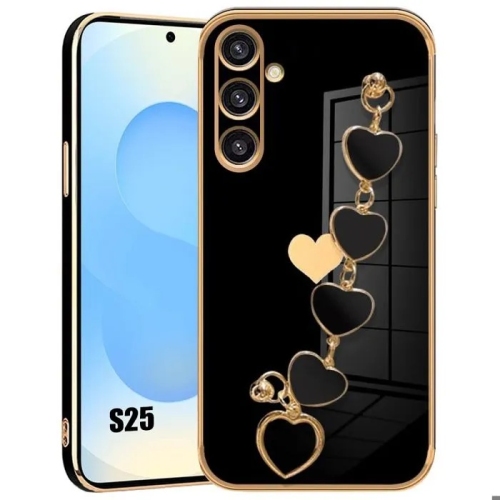
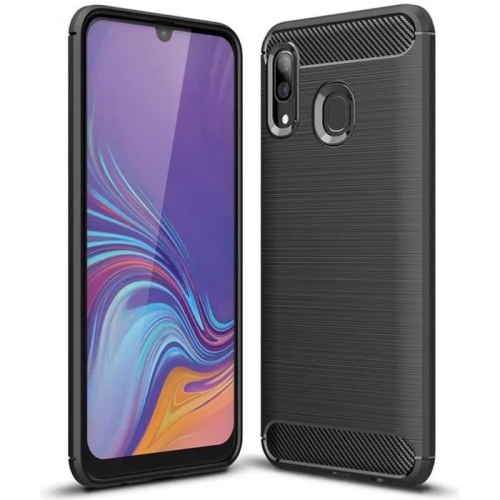
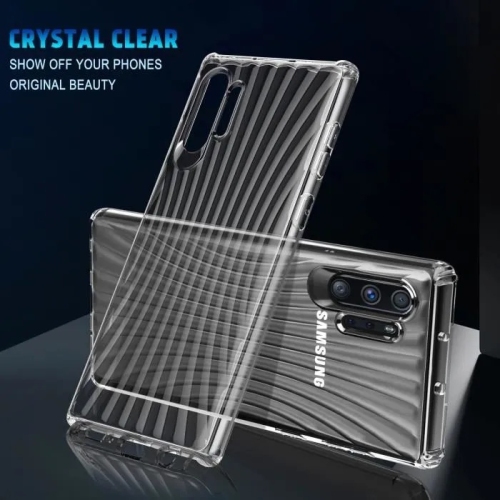
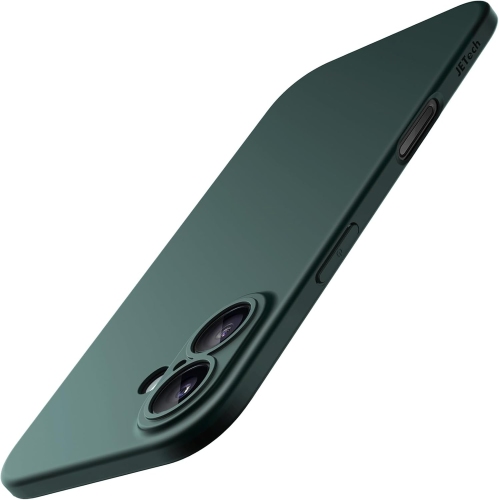
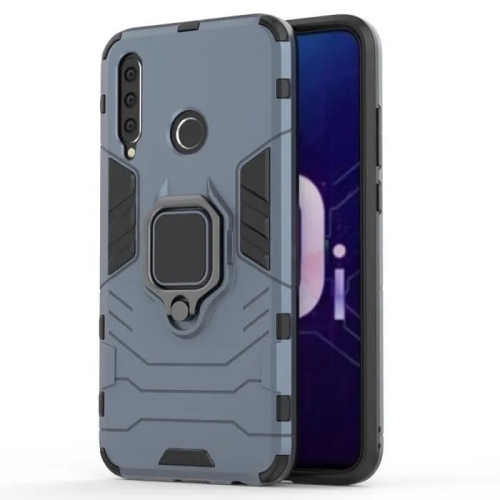
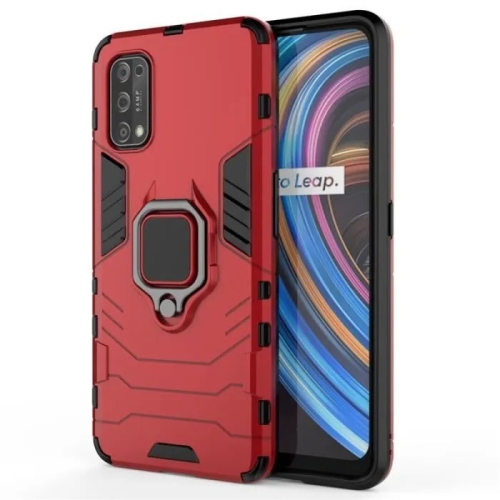
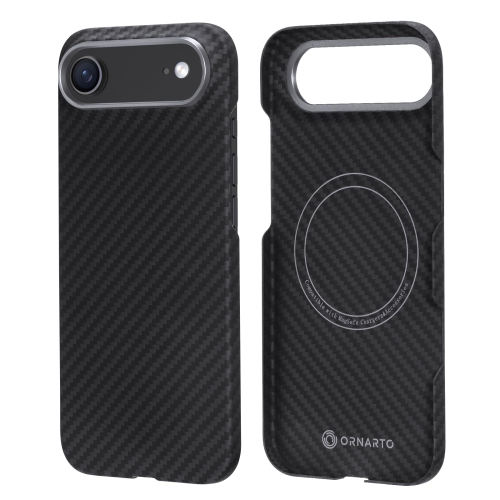
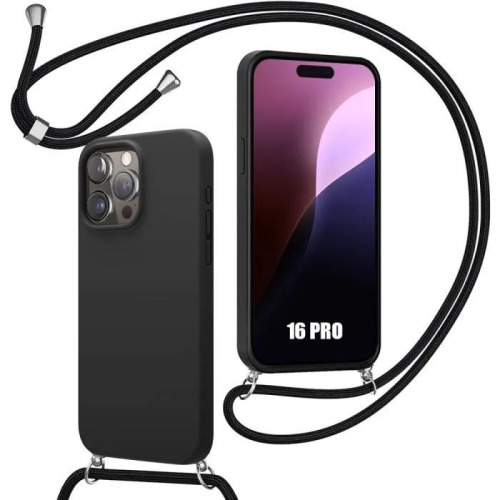
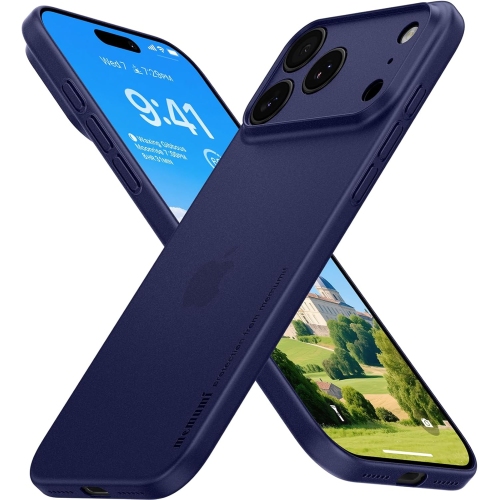
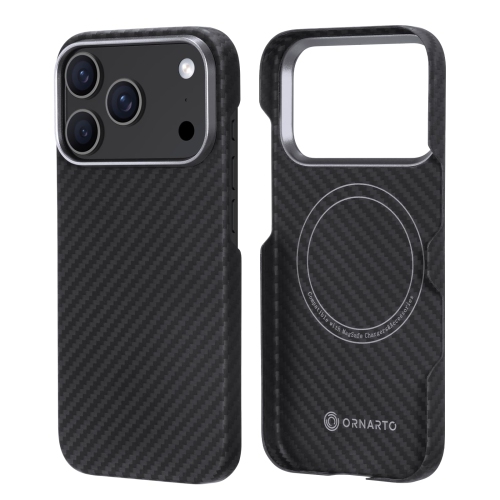
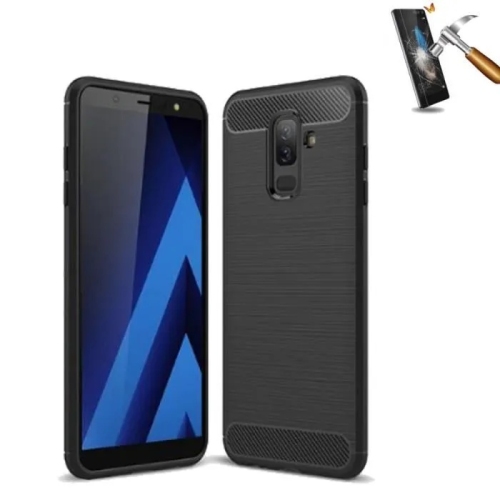
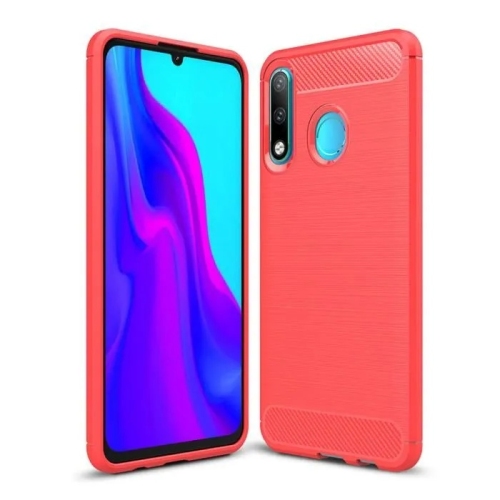
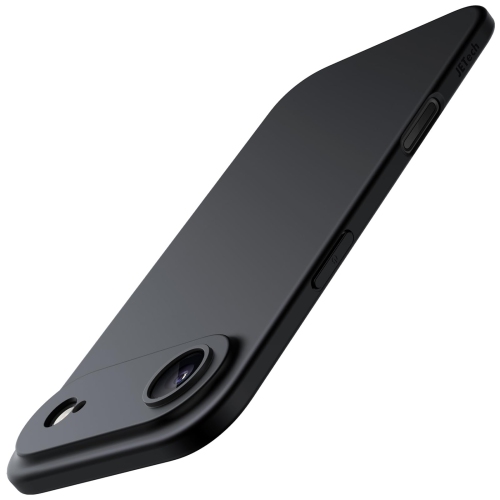
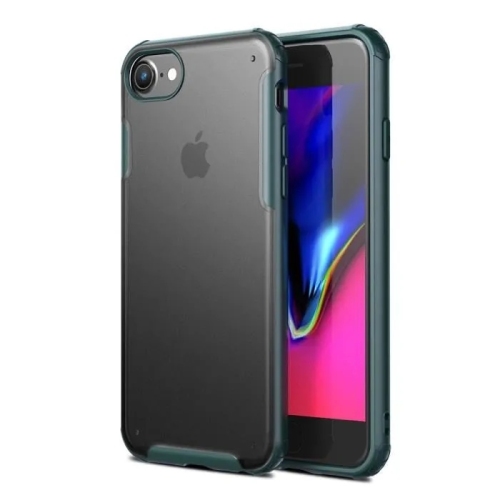
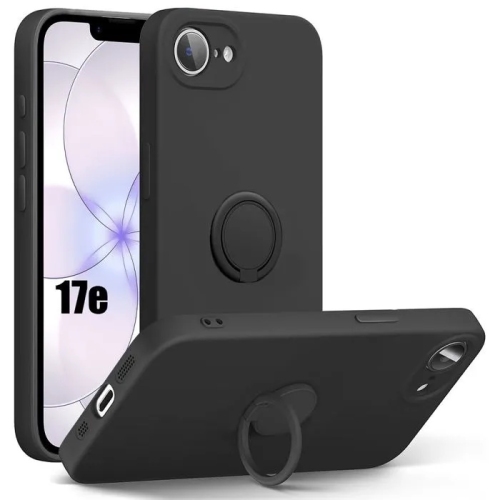
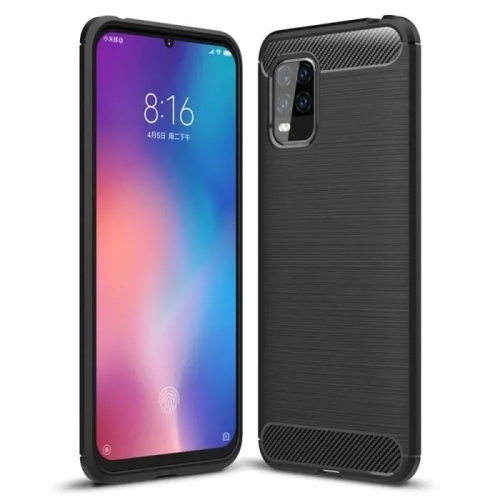
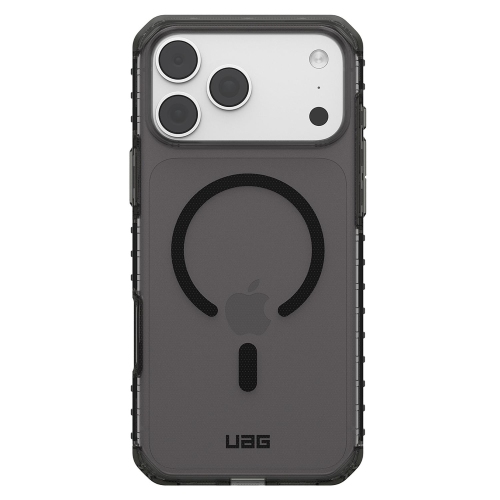
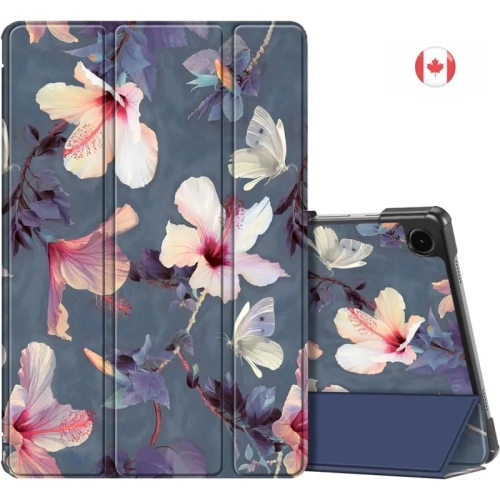
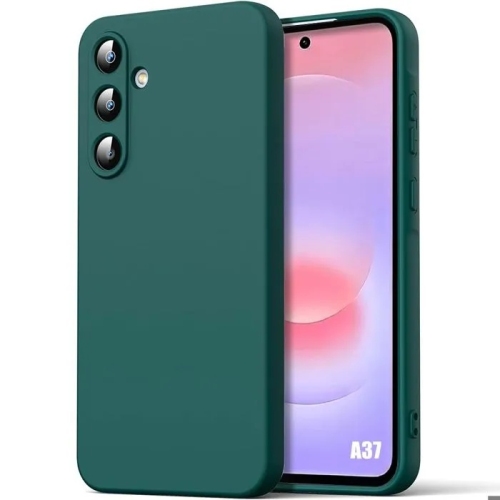
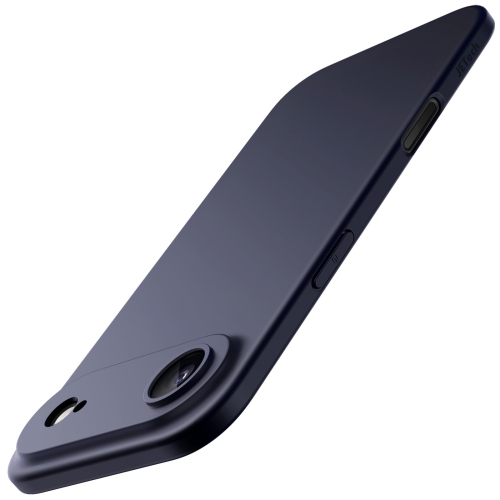
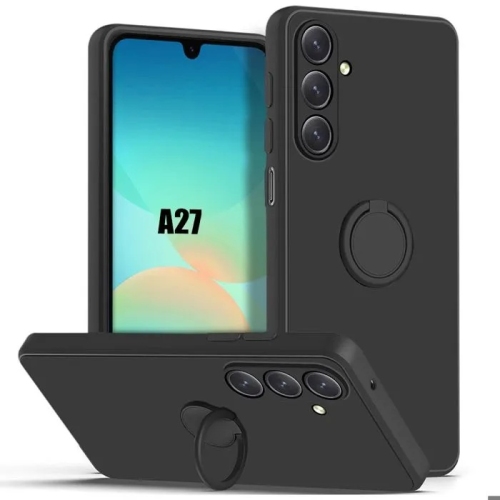

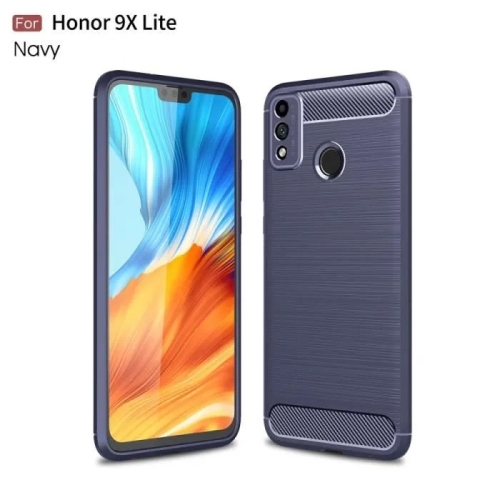
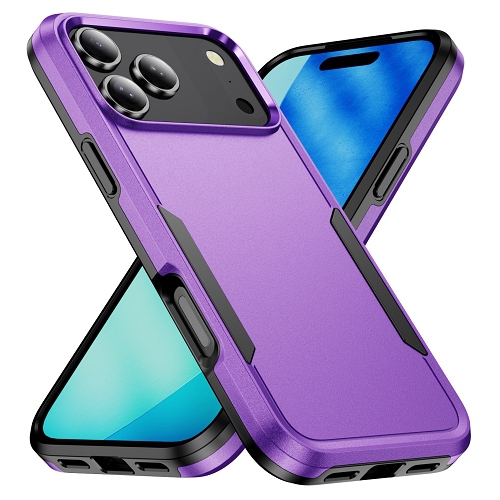
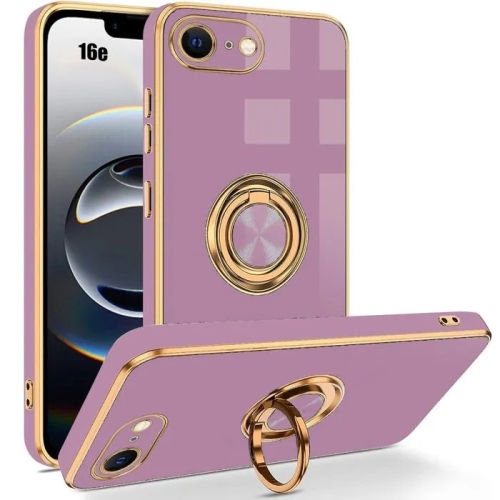
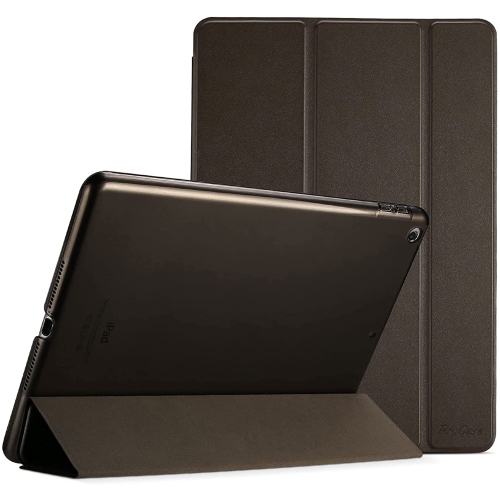
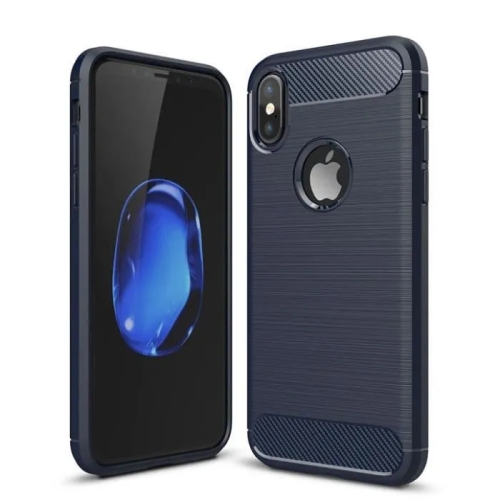
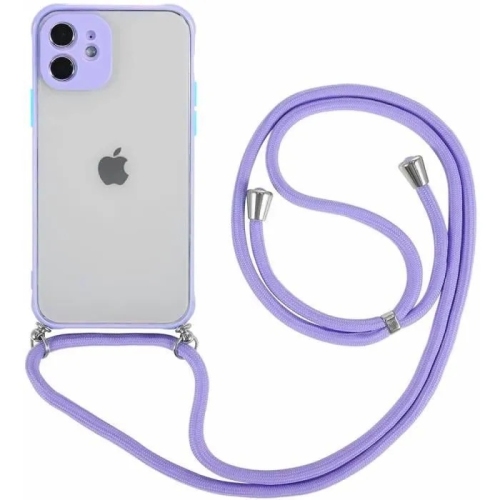
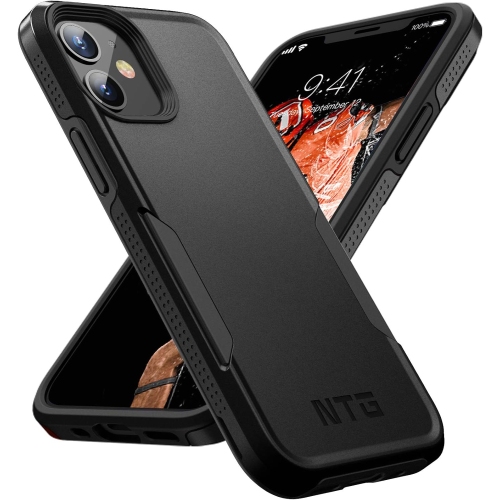
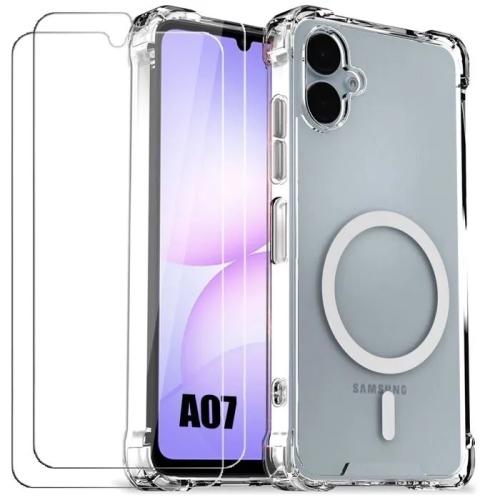
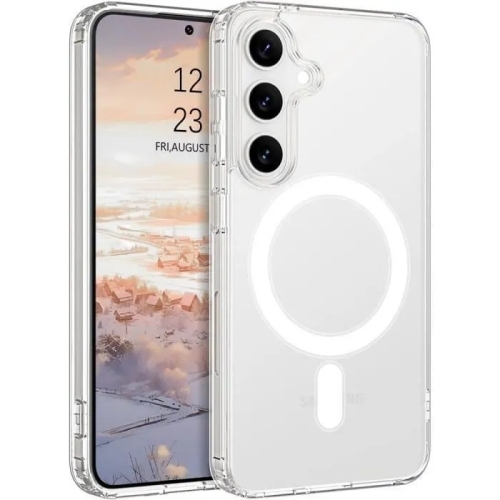
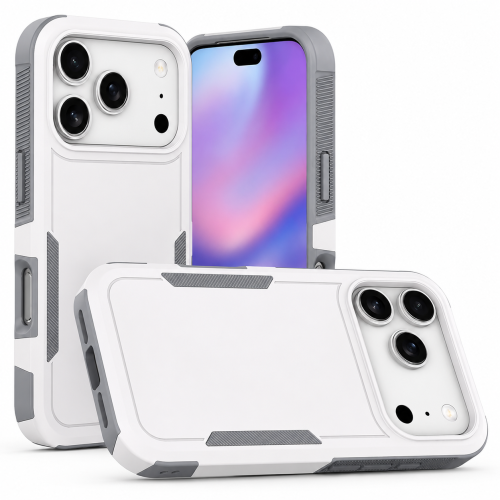
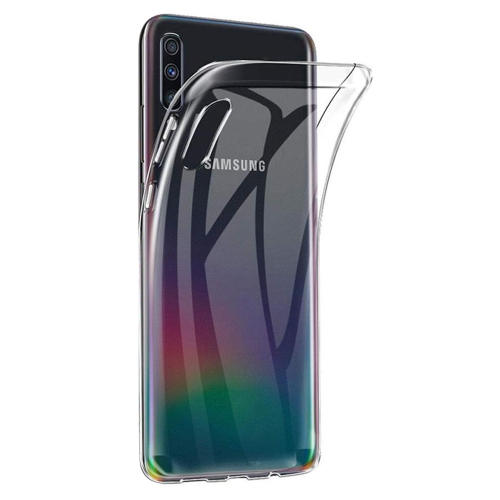
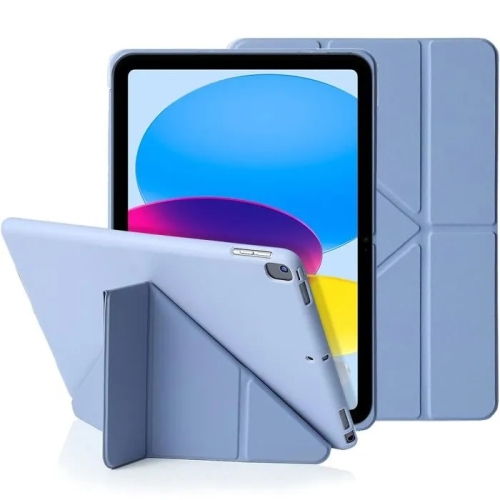
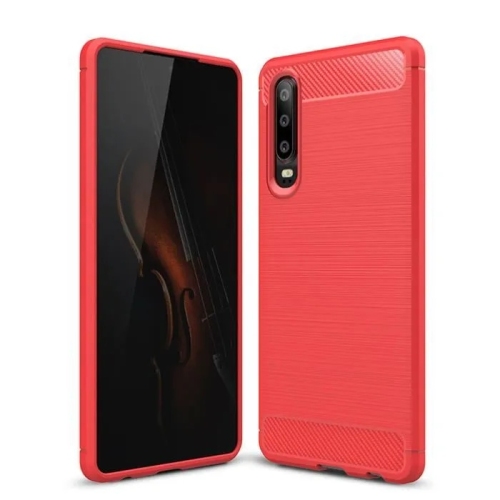
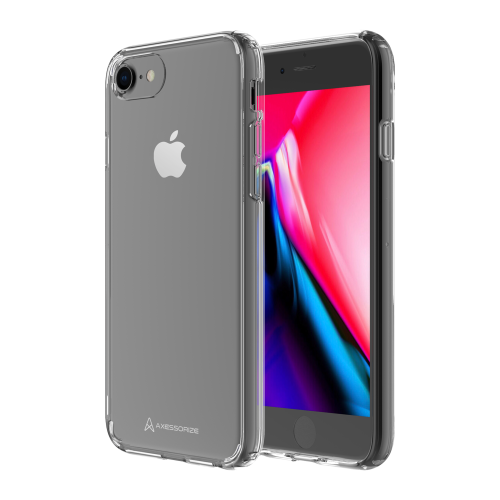
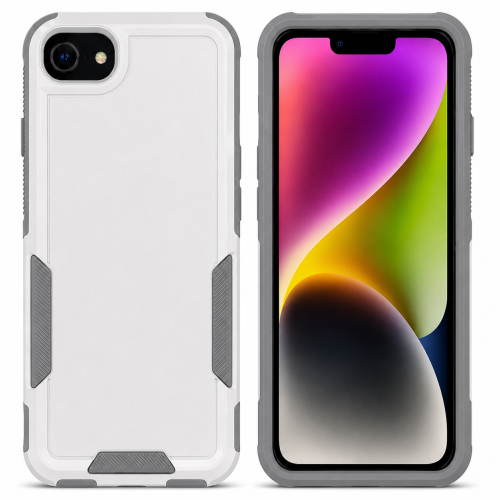


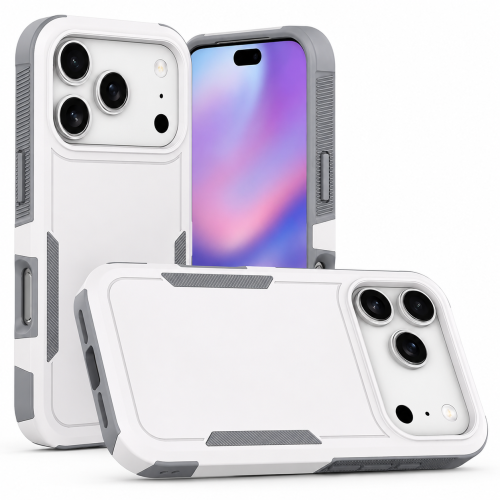
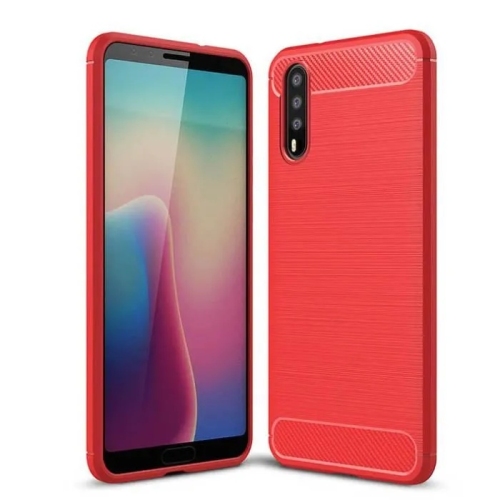
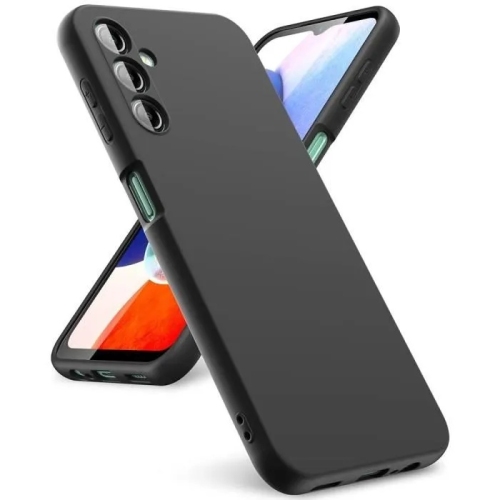
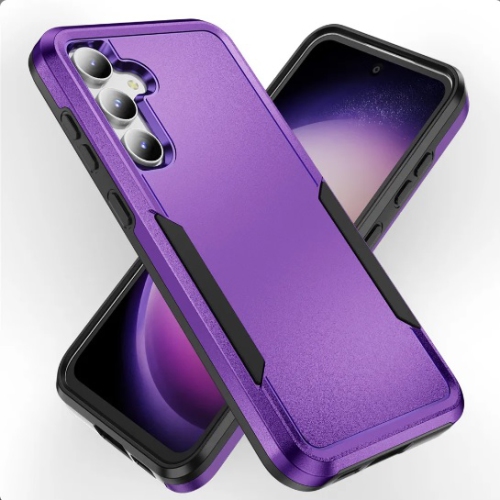
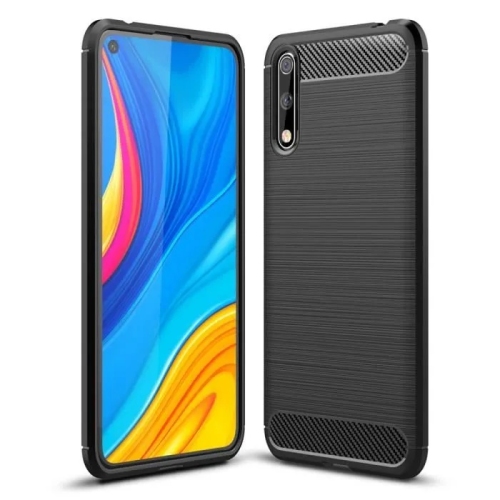
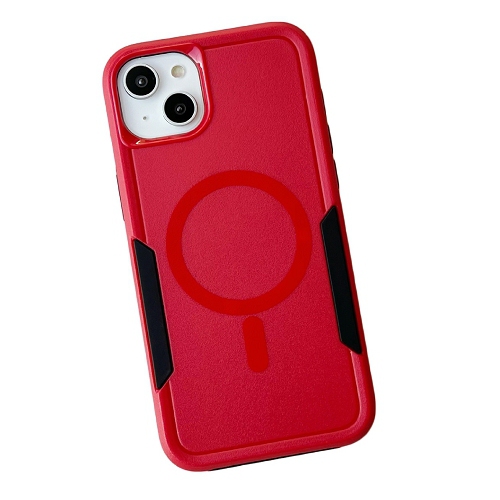
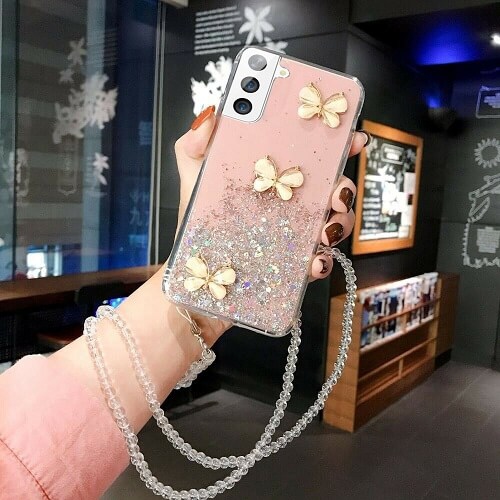
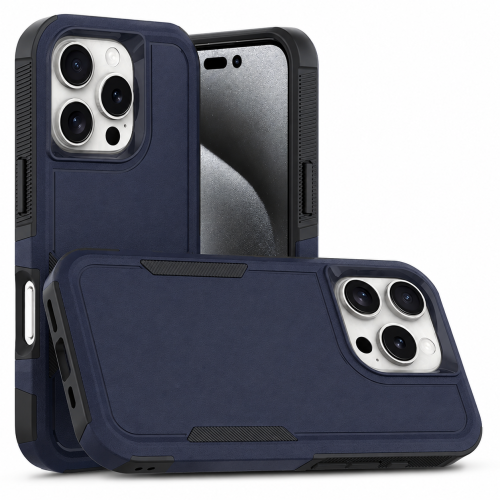
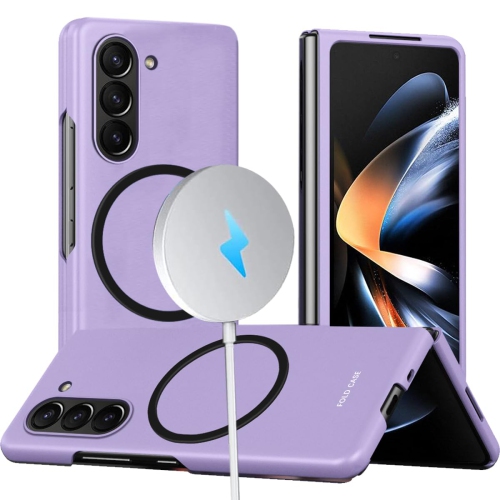
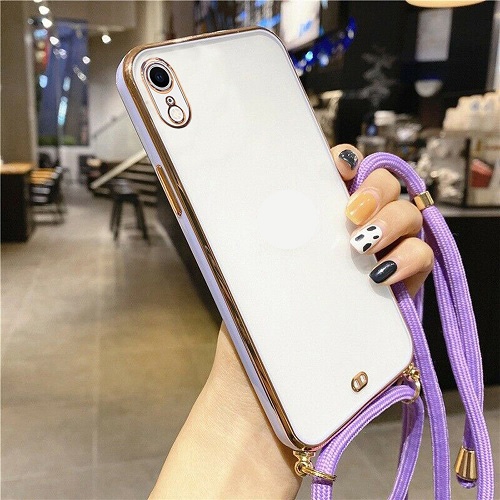
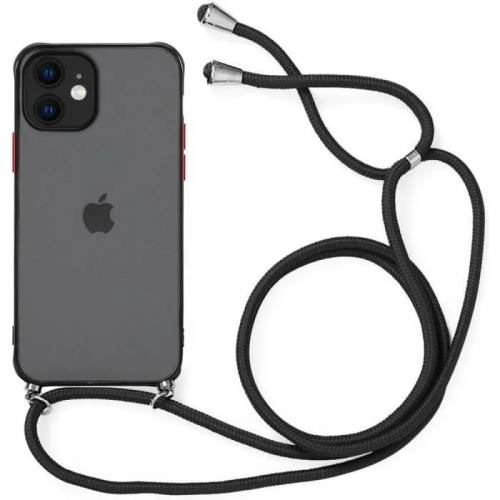
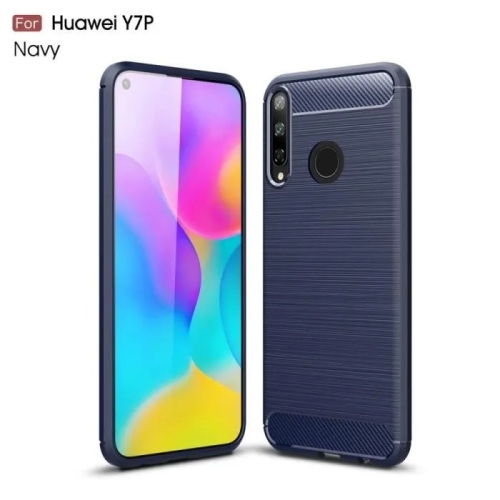
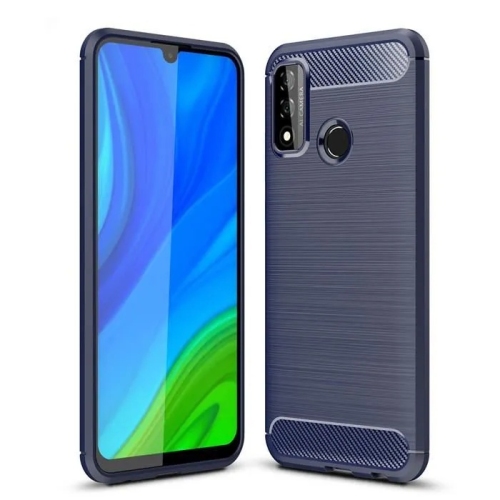
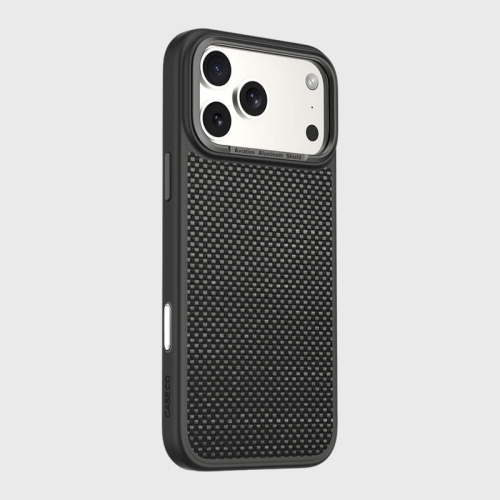
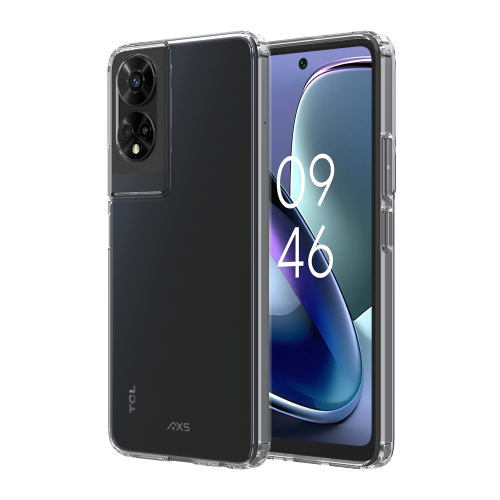
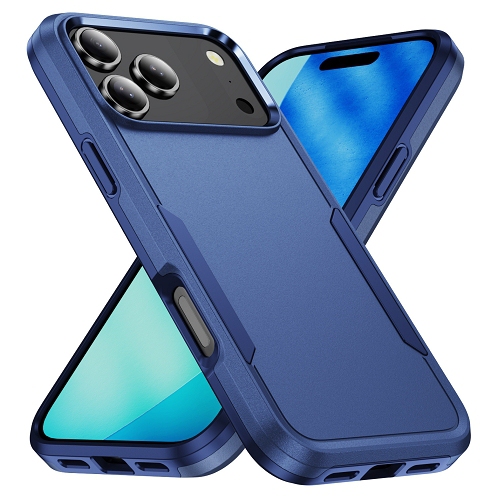
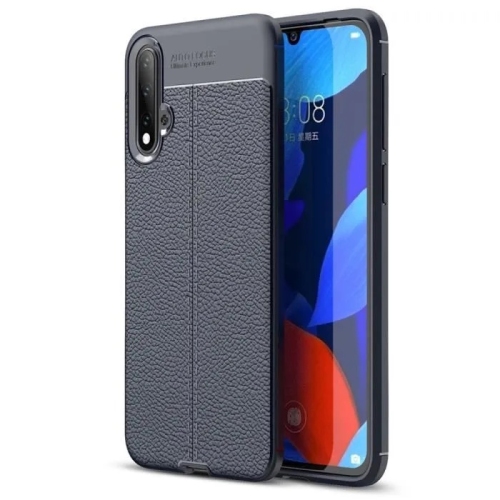
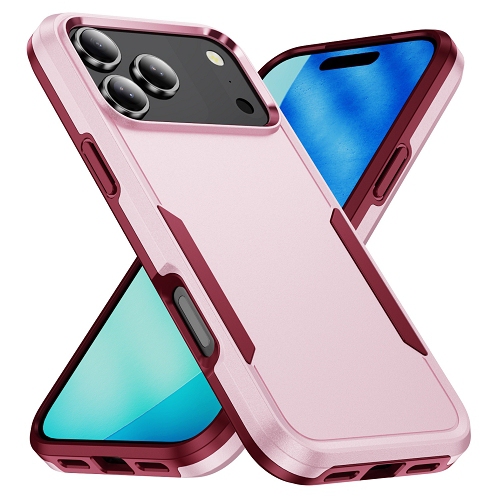
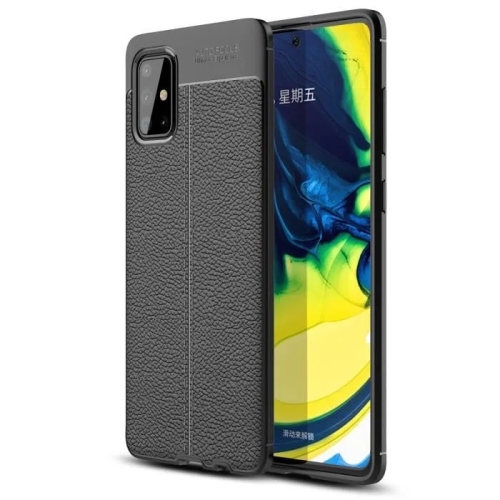

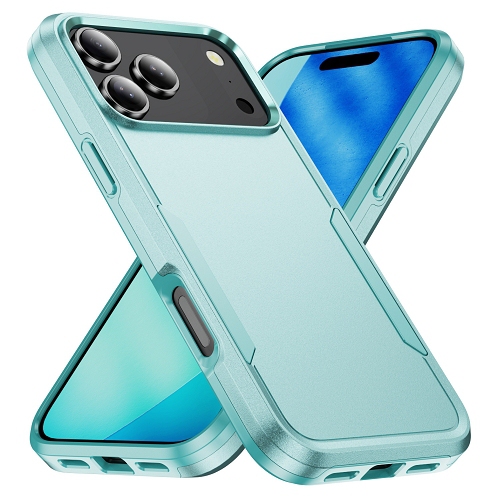
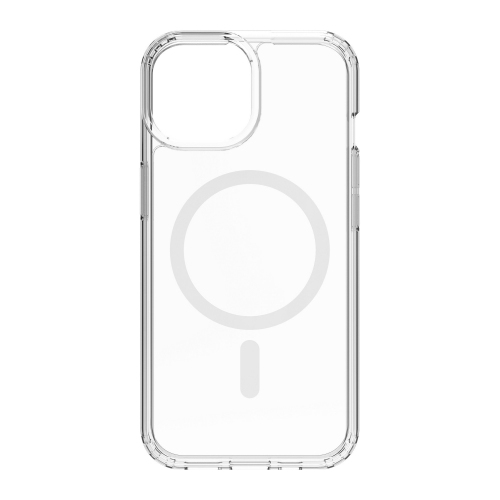
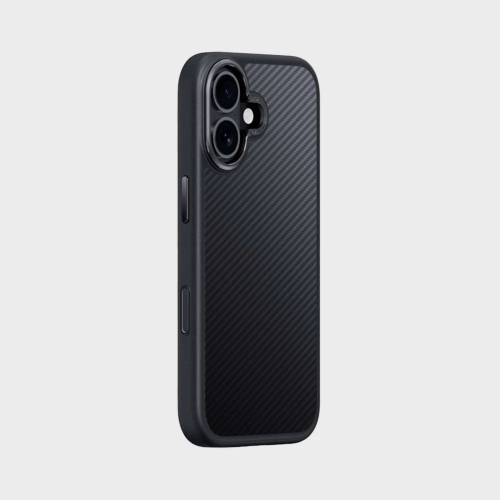
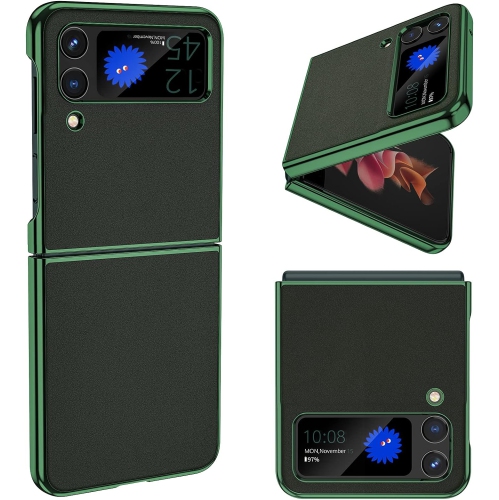
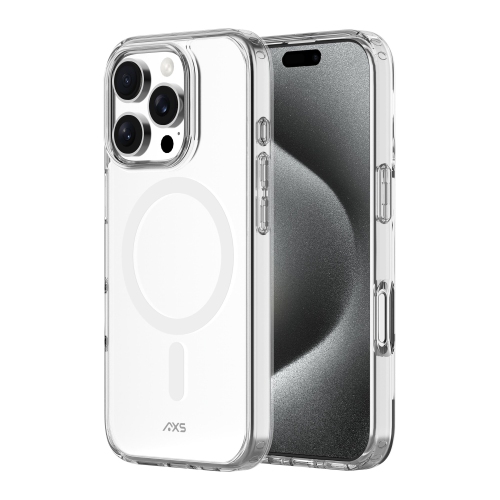
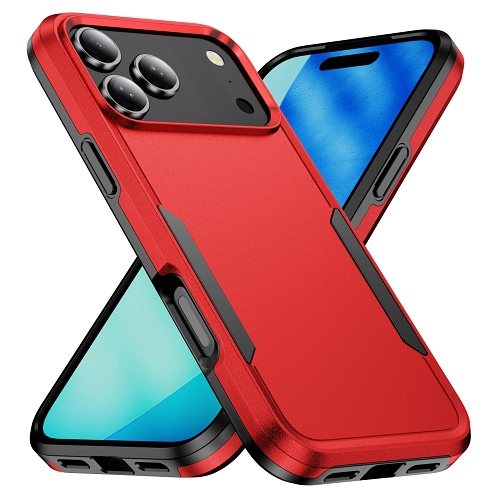
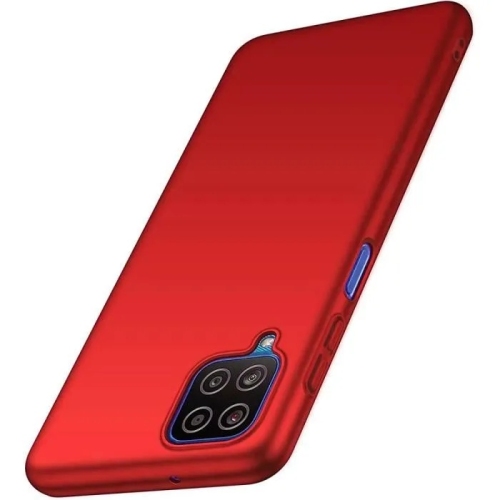
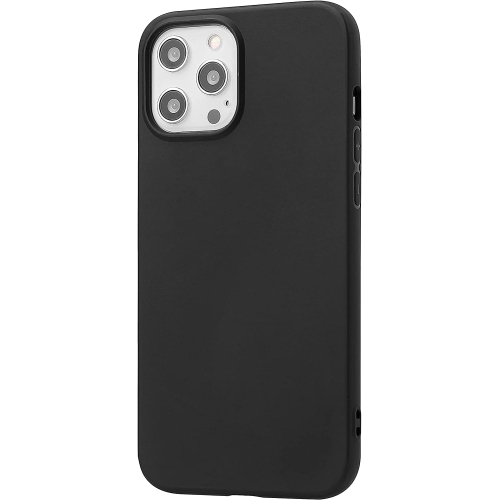
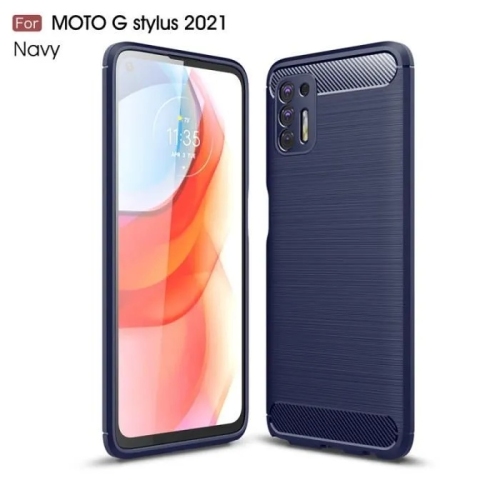
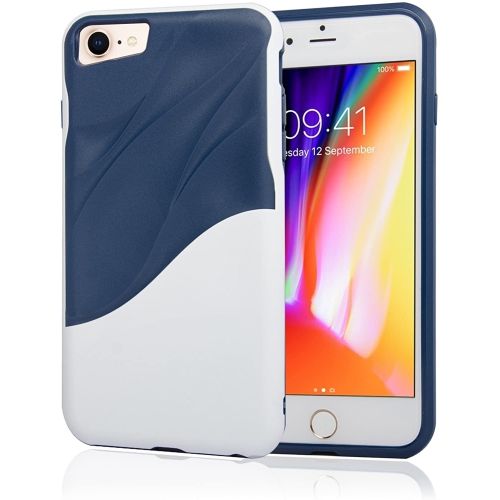
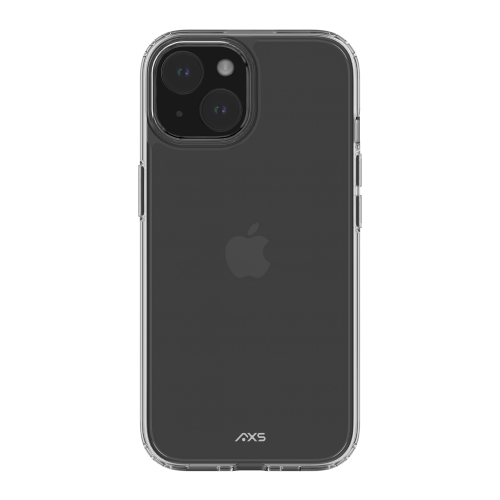
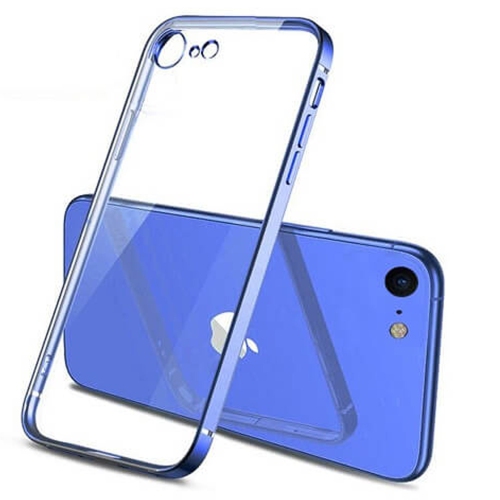
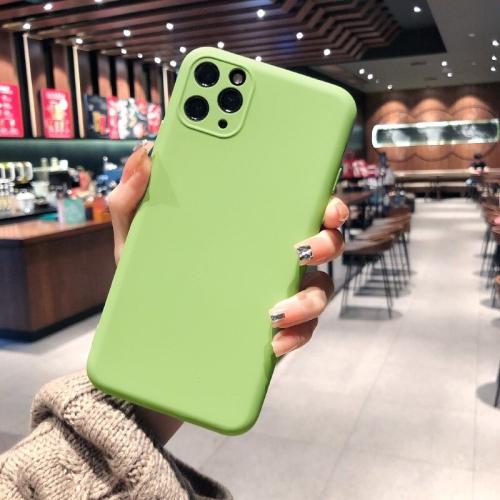
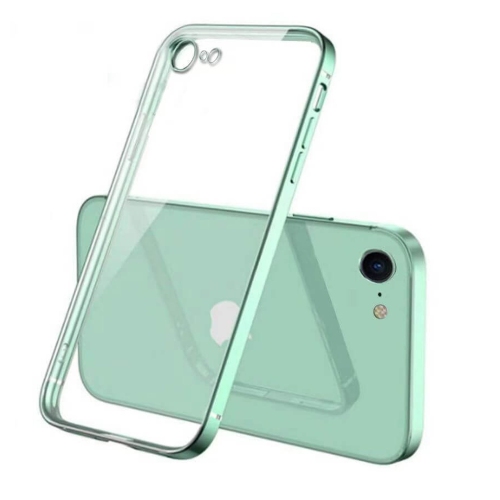
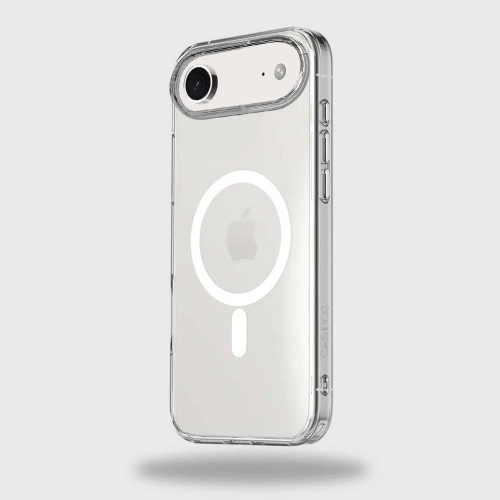
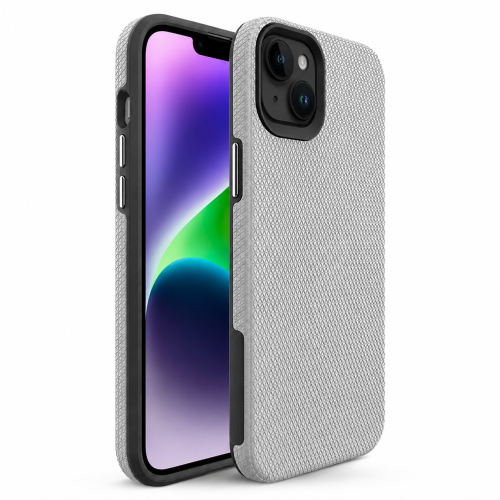
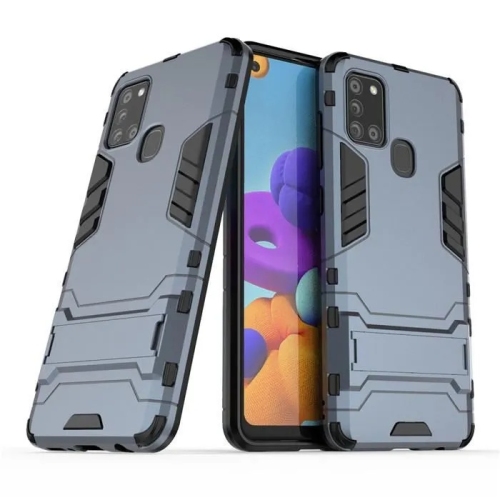
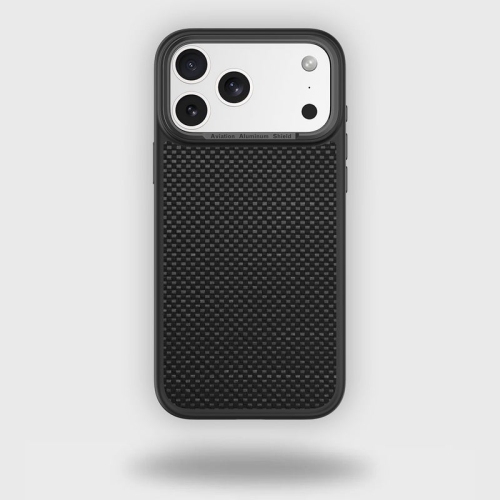

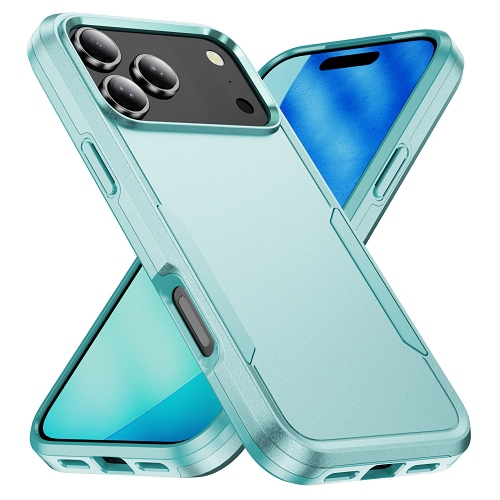
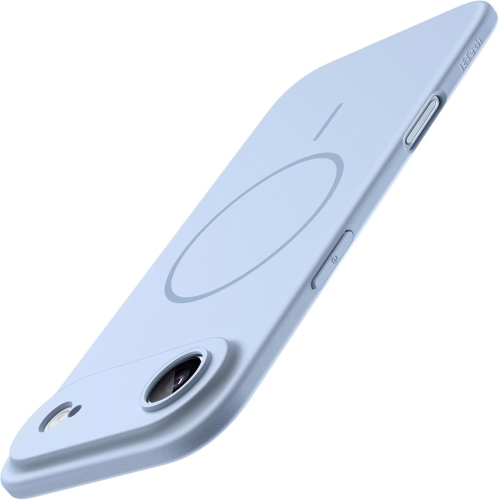

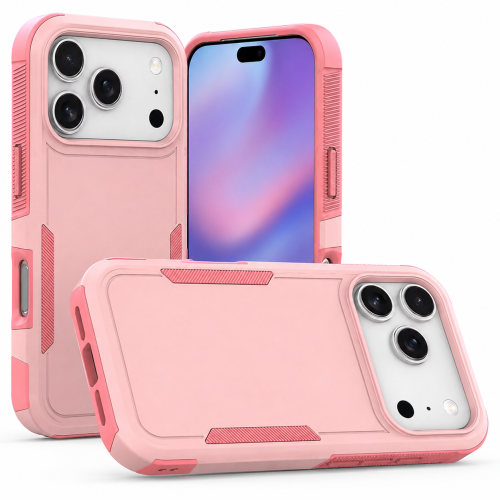
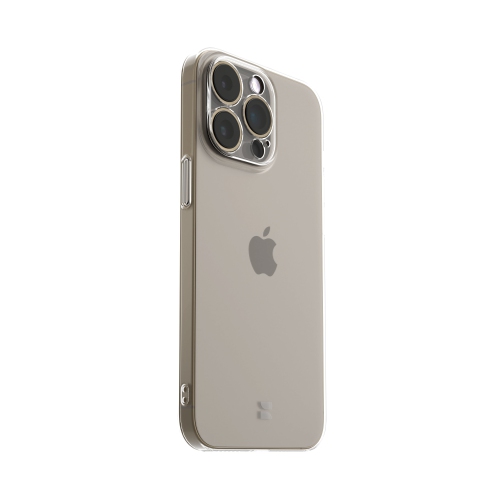

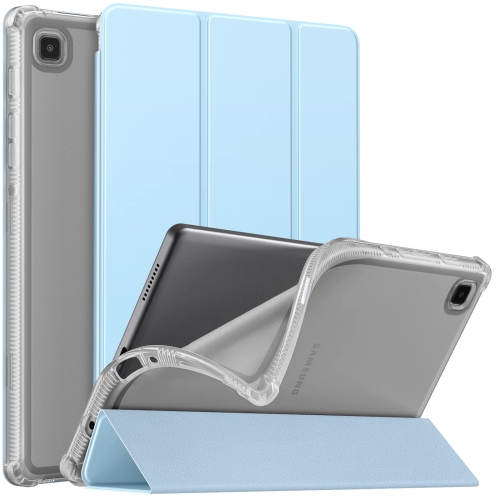
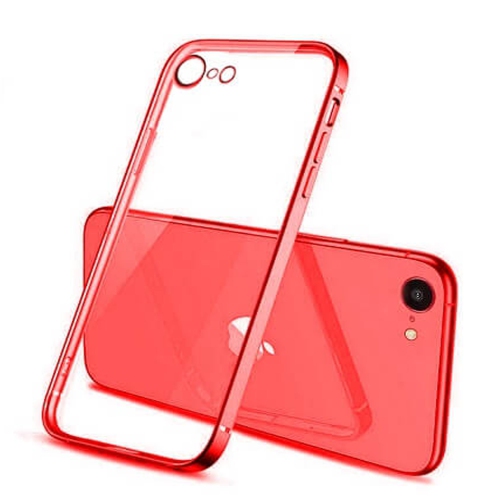
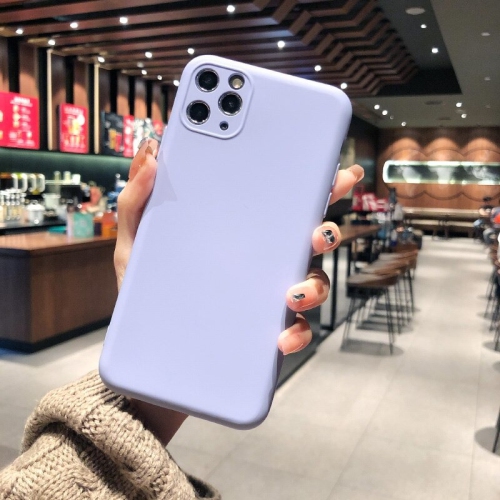
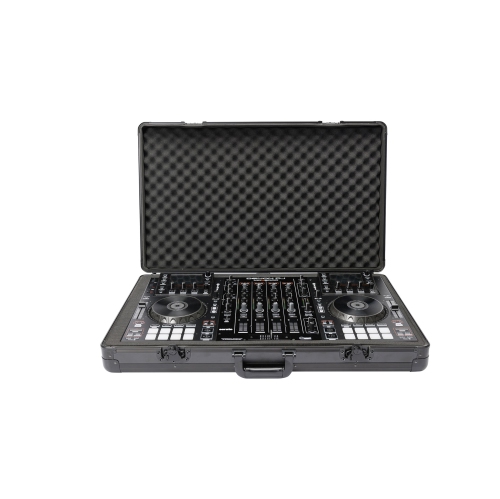
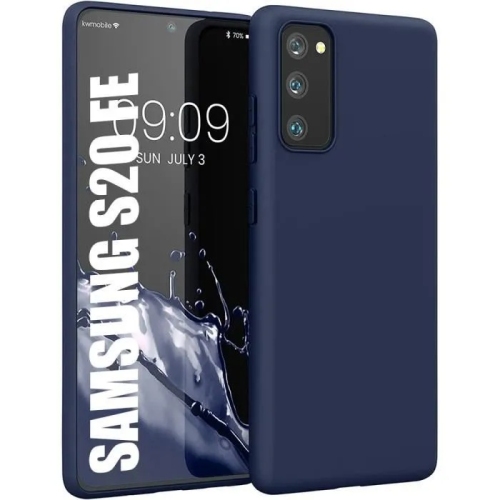
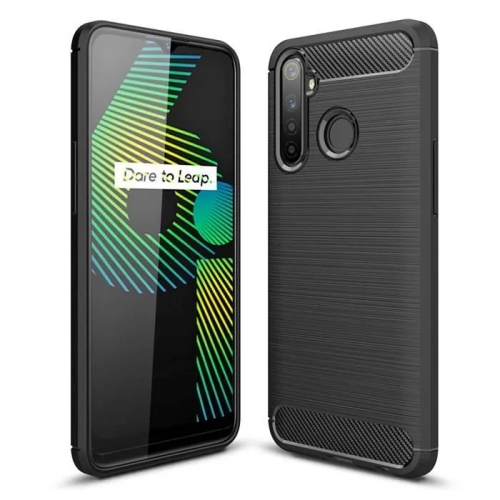
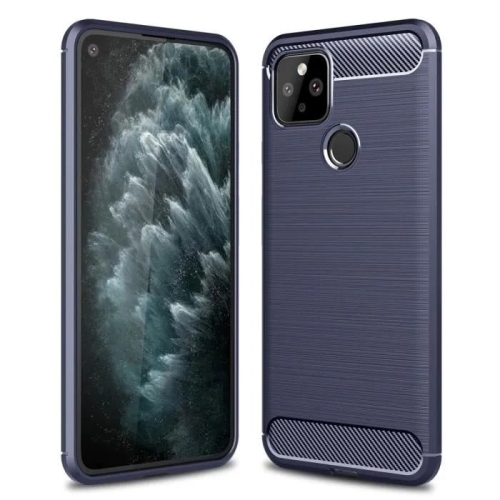
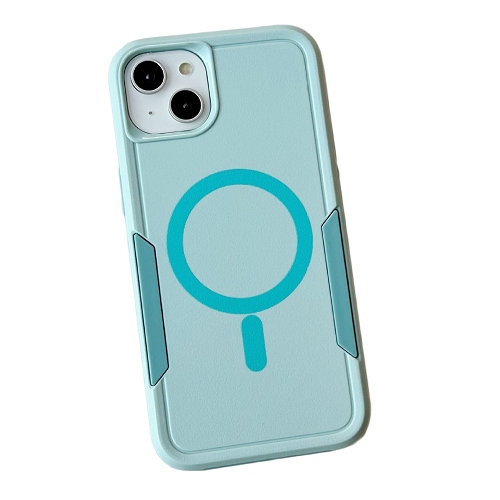



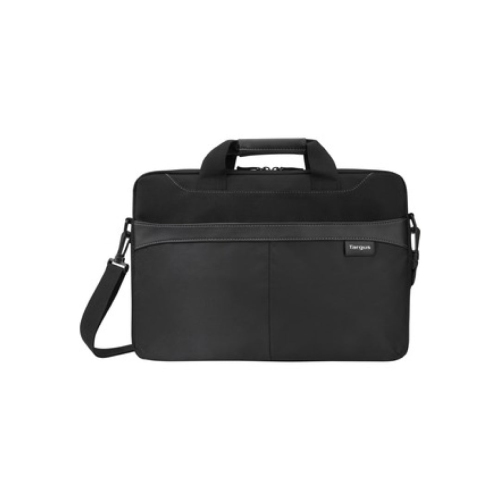
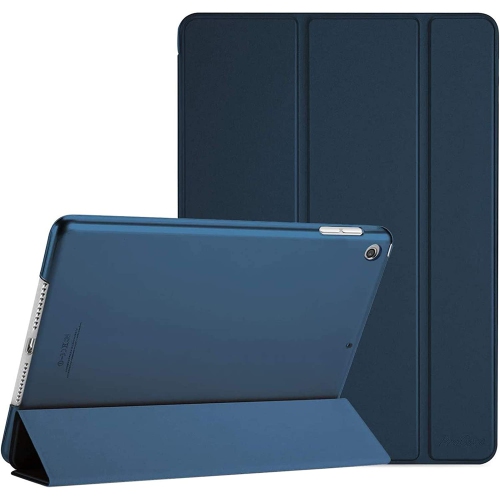
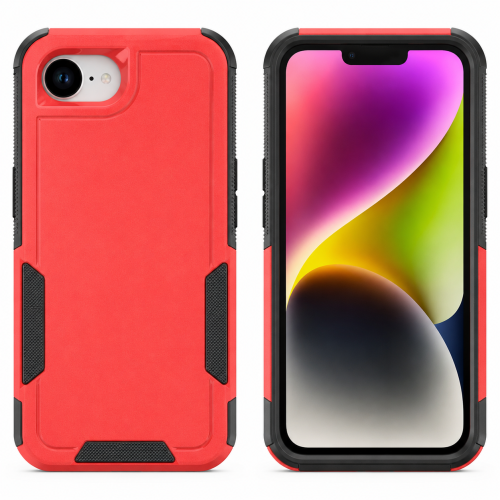
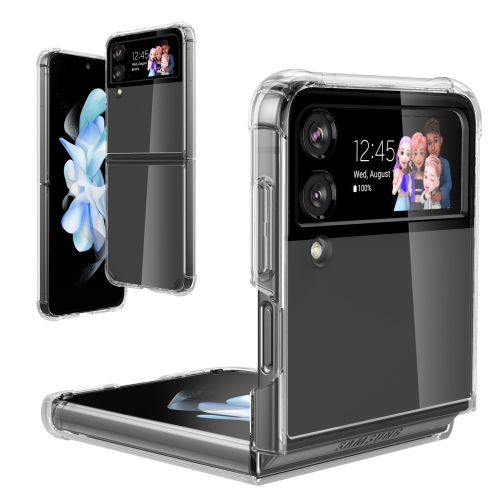
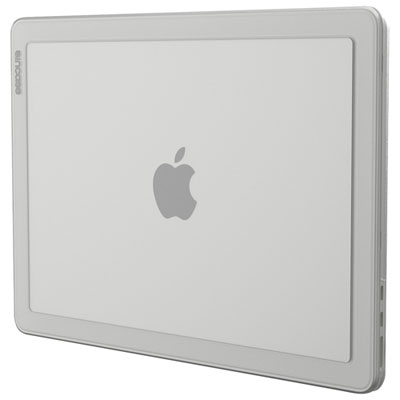
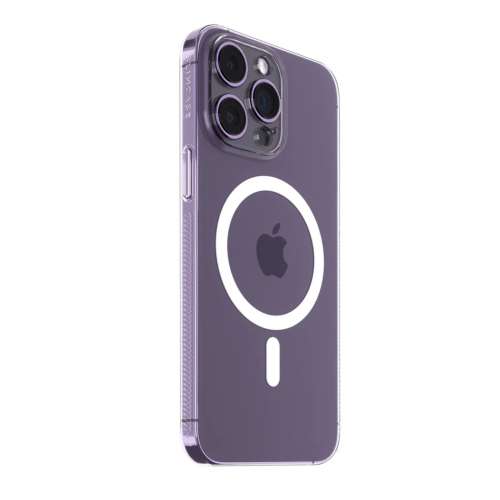

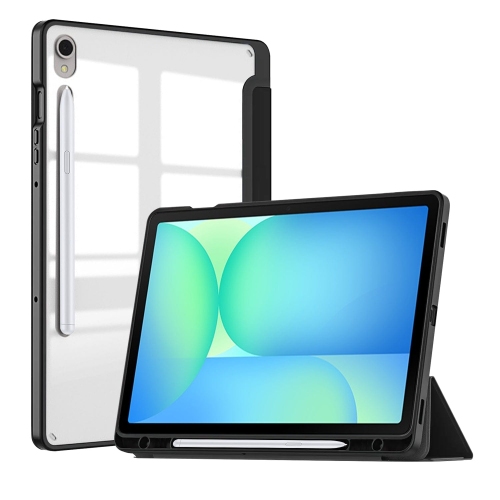
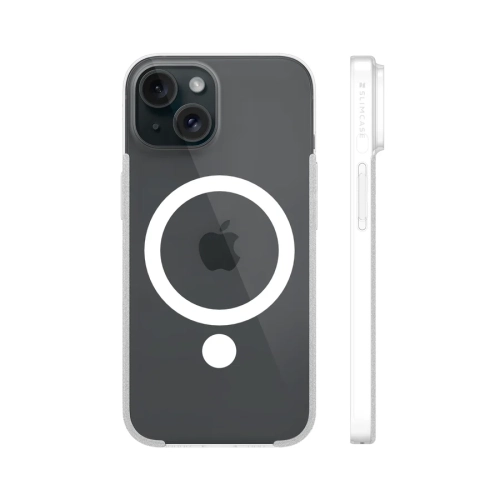
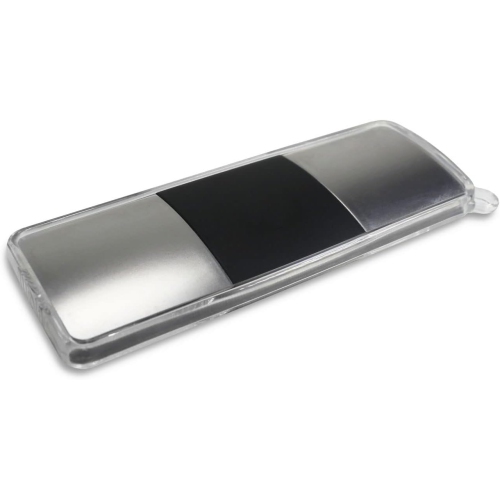
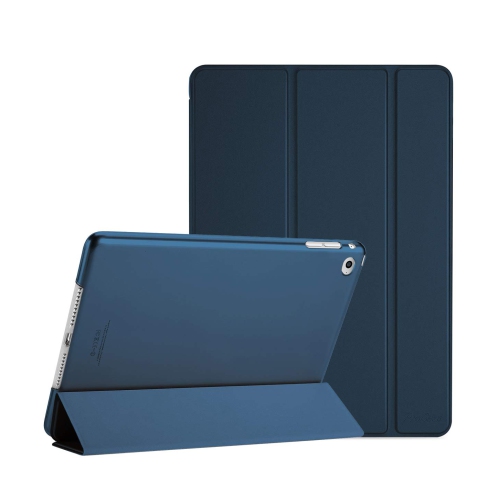
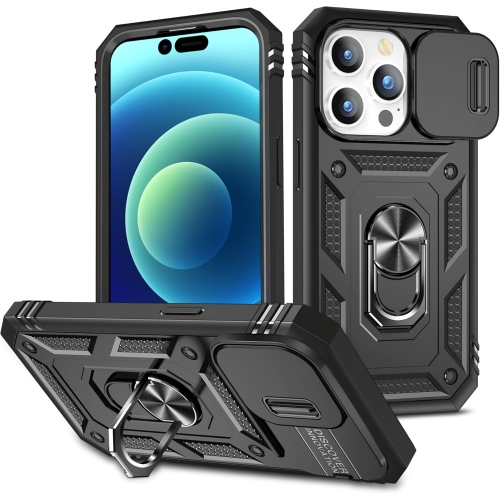
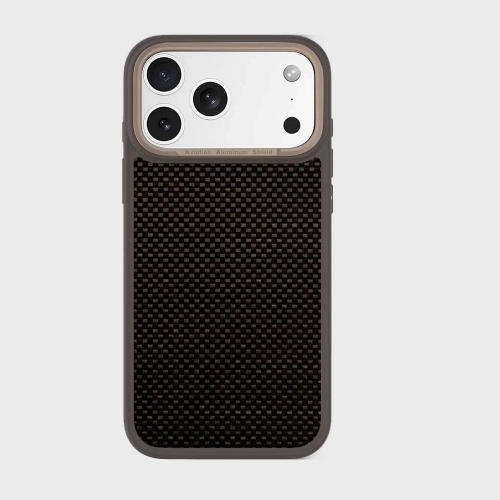
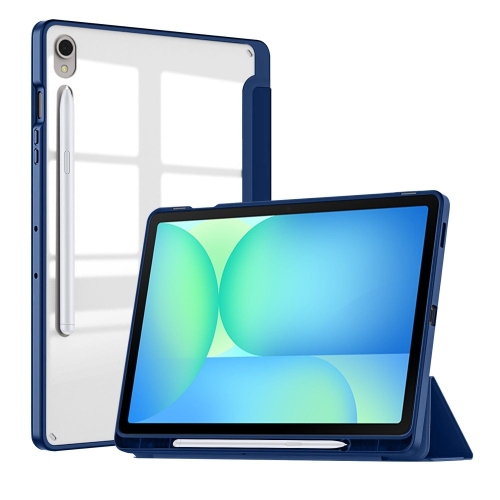

Protection and portability depend on more than weight
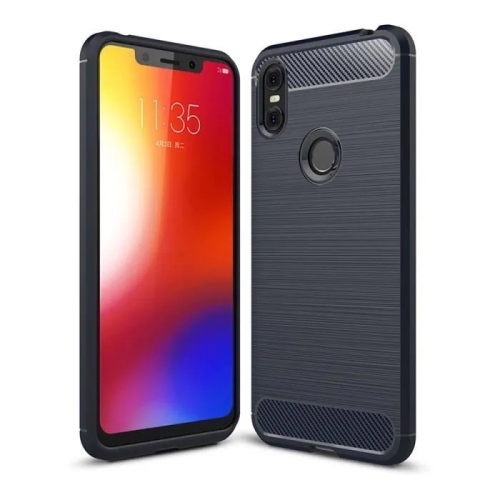
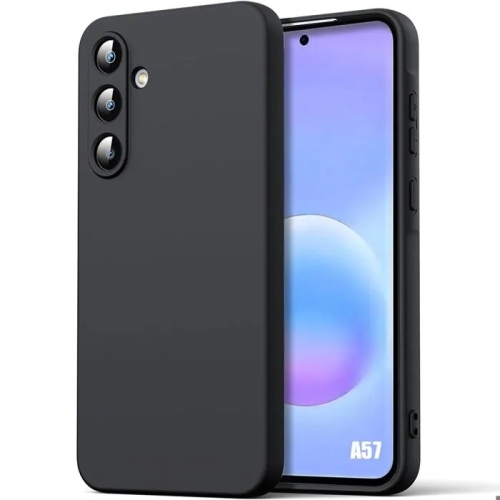
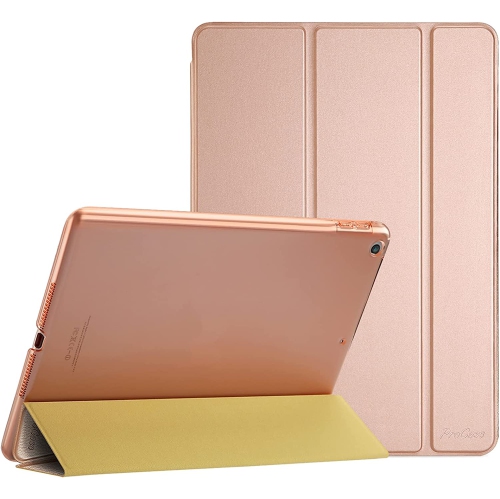
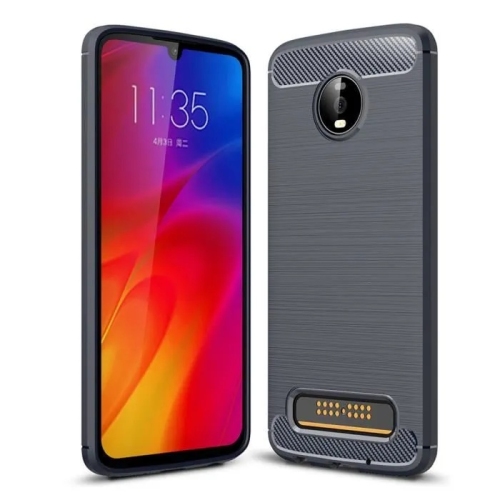
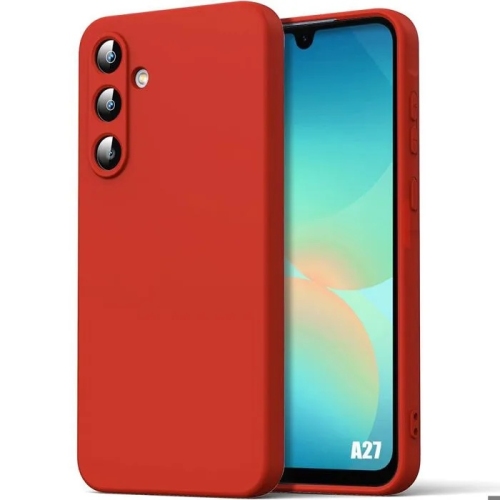
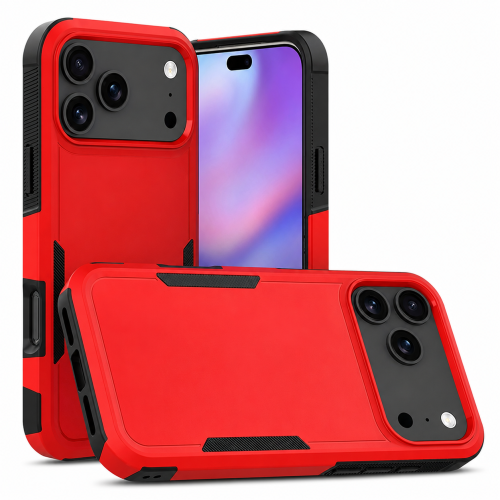
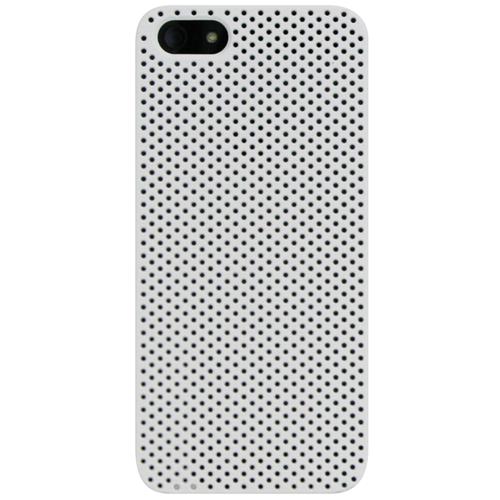
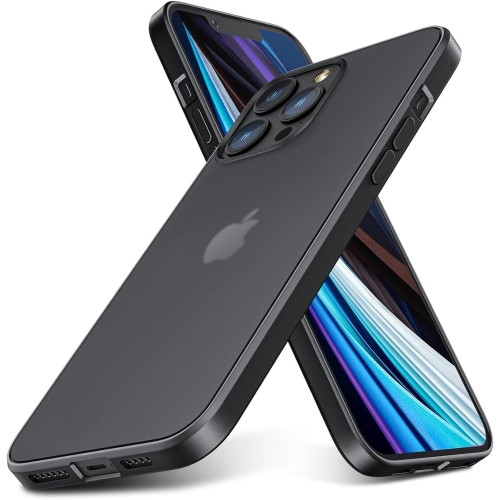
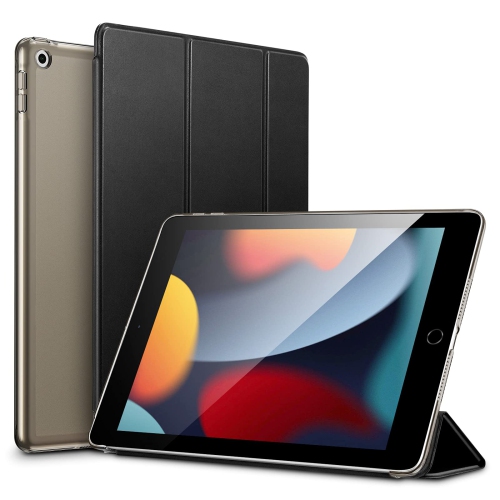
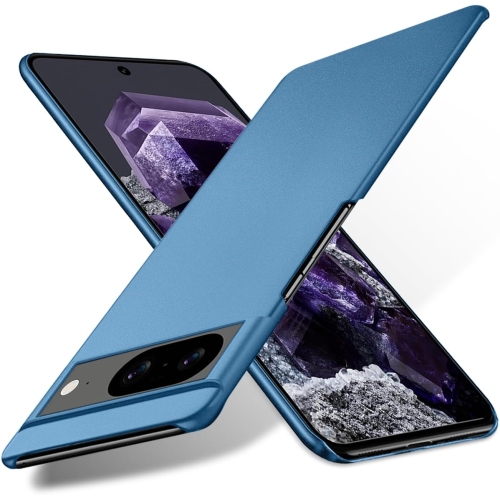
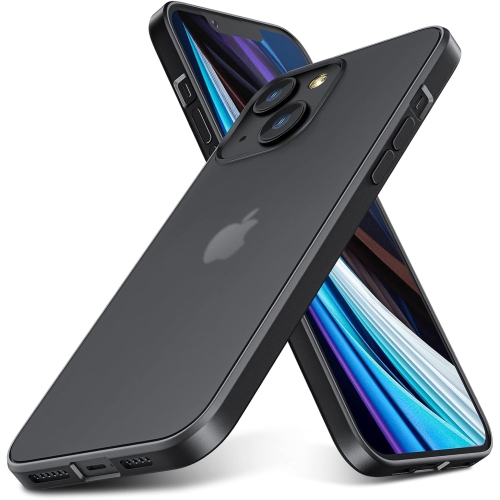
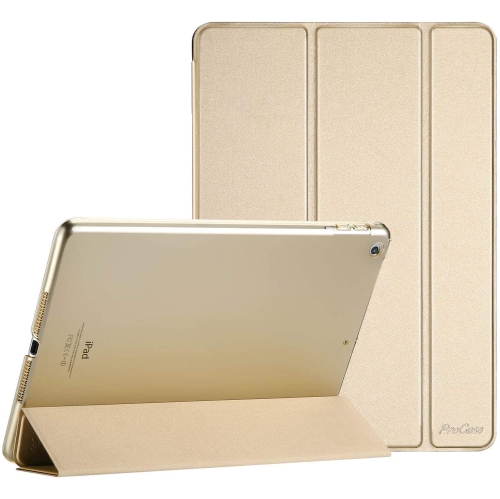
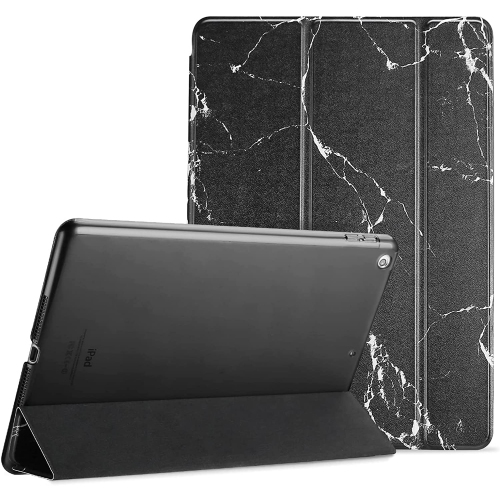
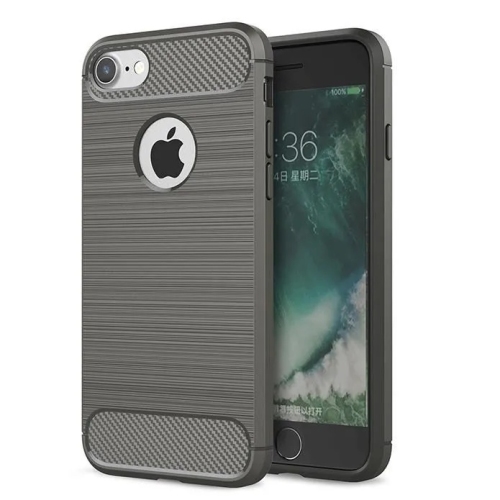
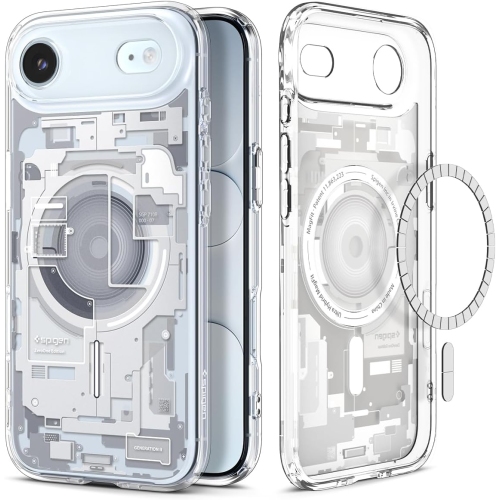
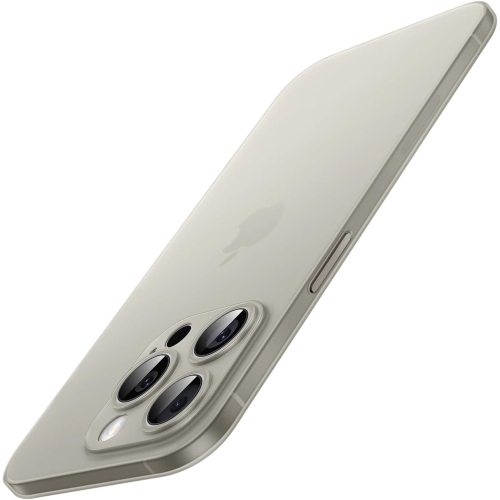
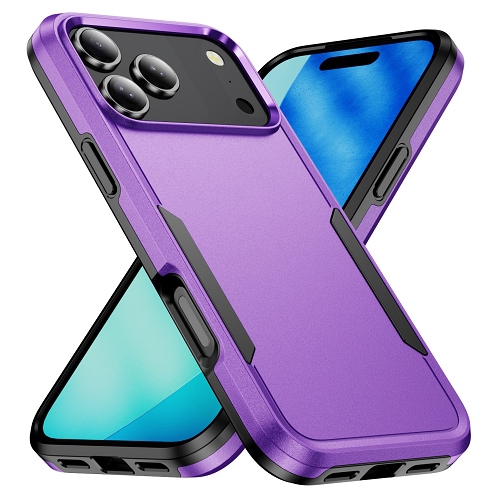
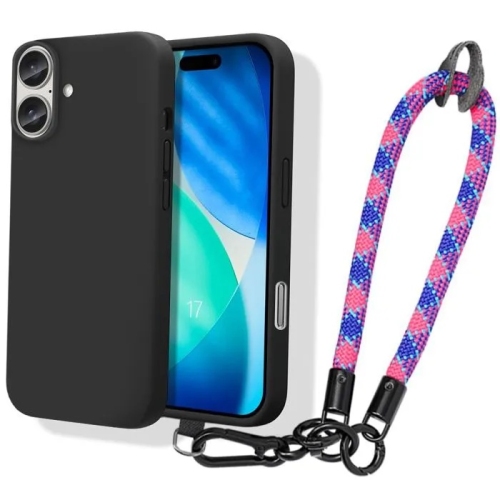
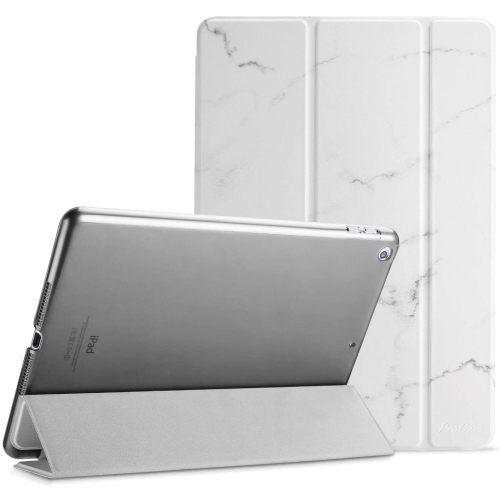
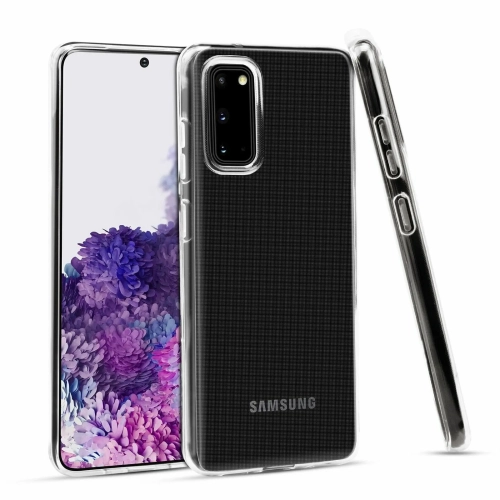
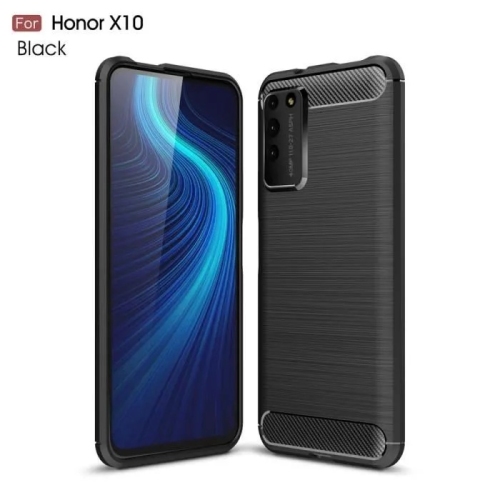
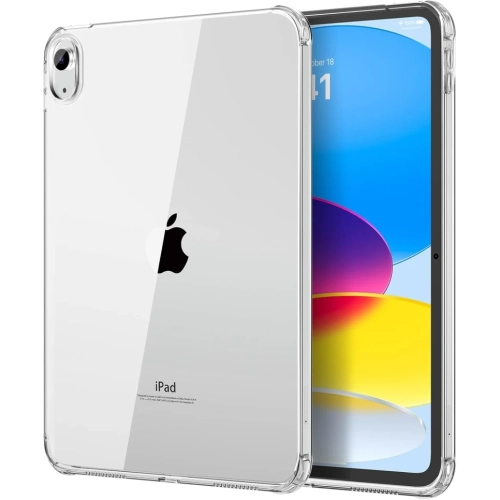
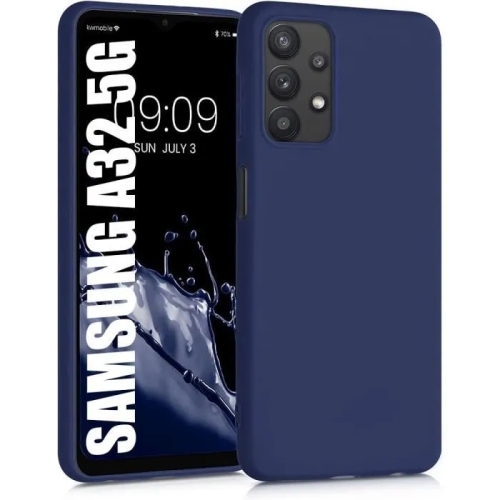
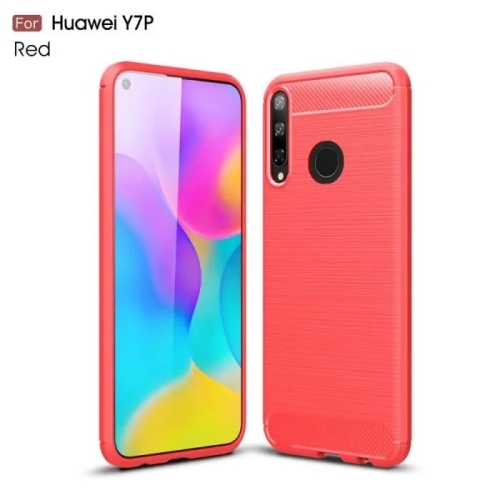
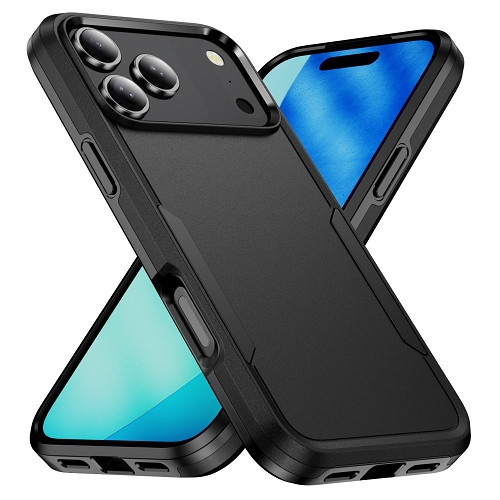
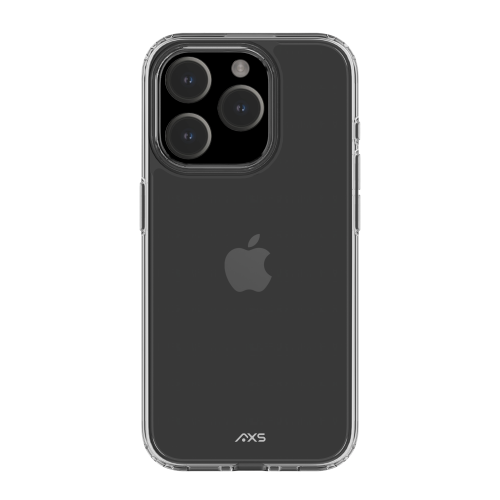
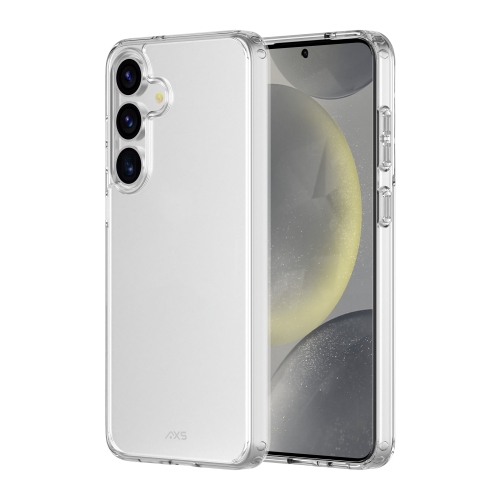
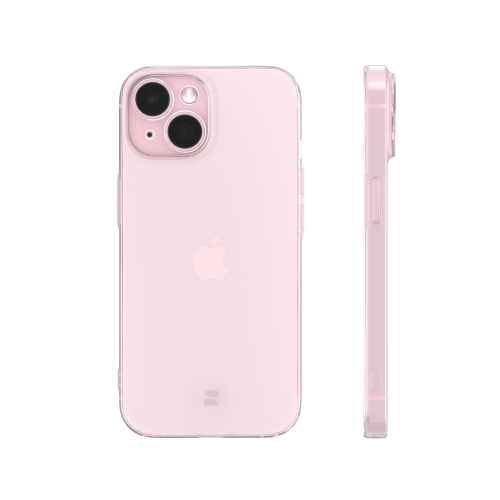
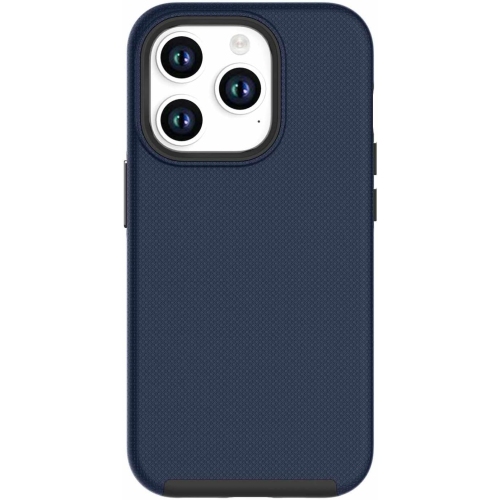
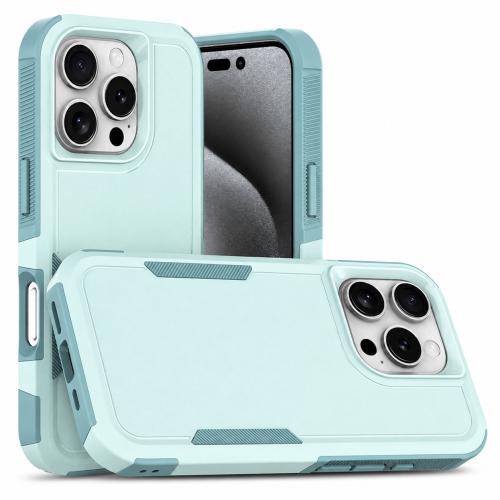
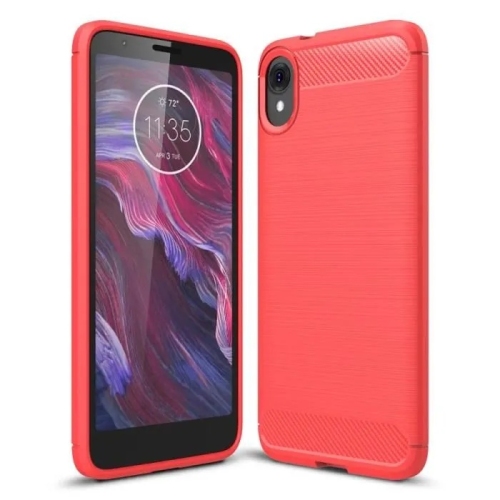
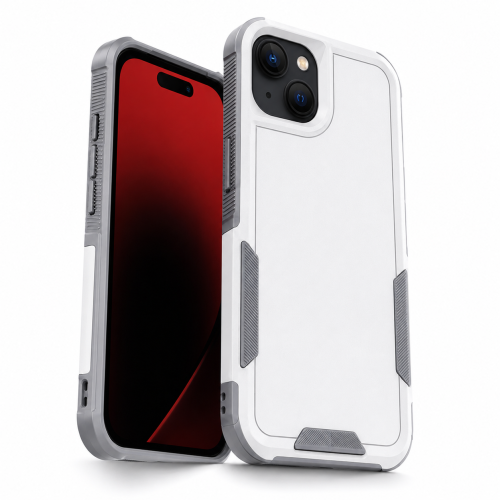
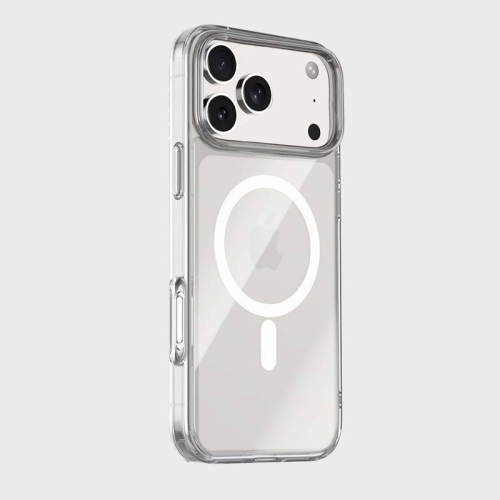
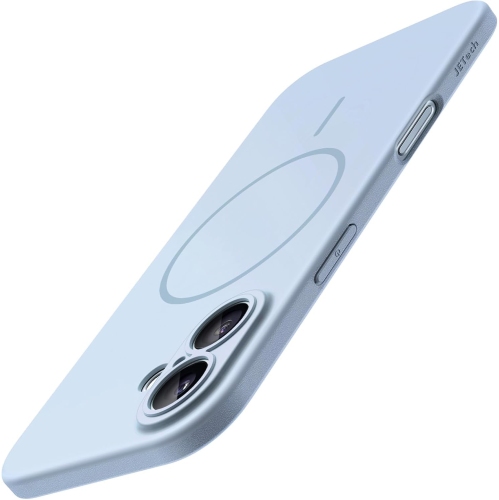
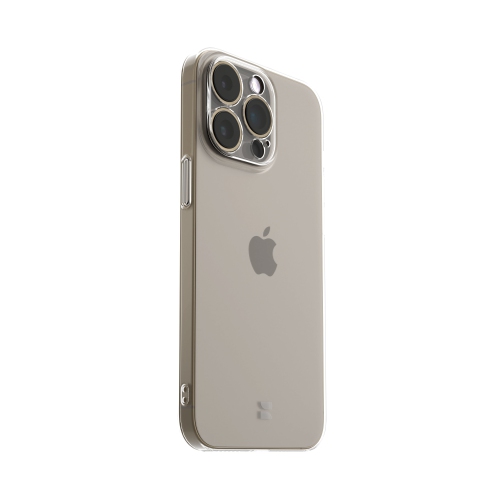
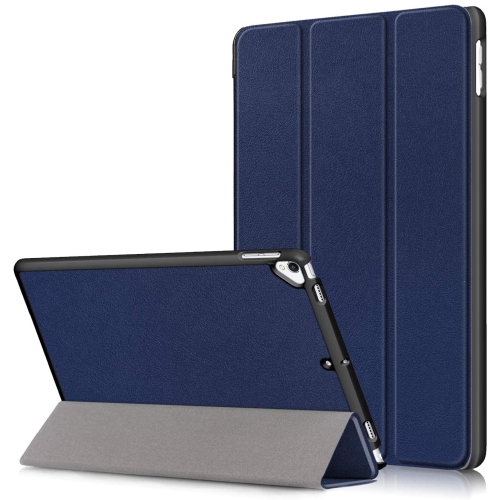
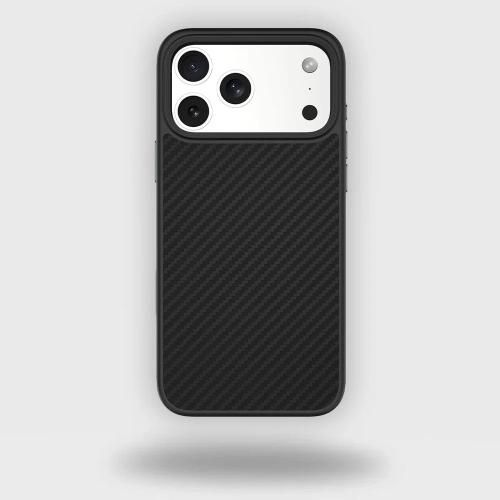
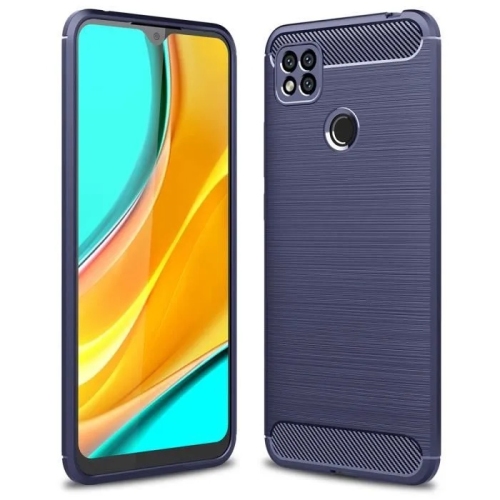
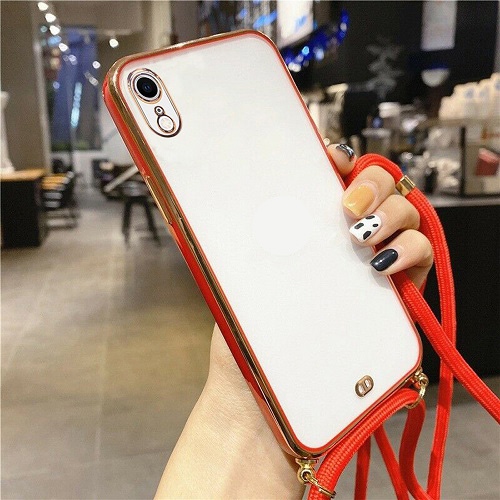
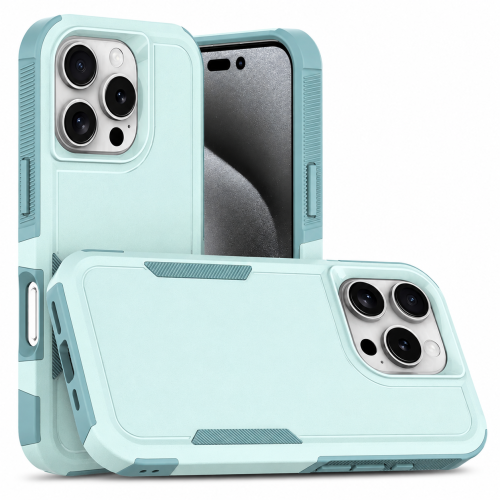
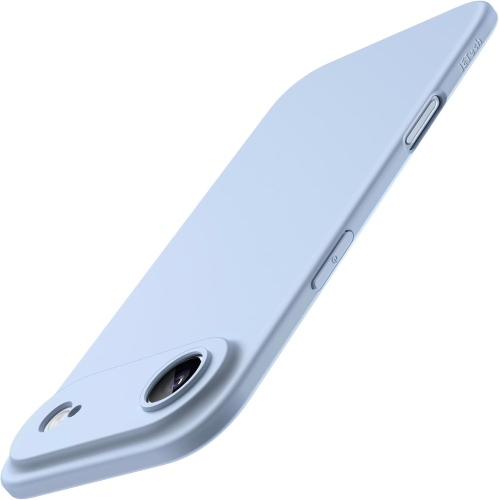
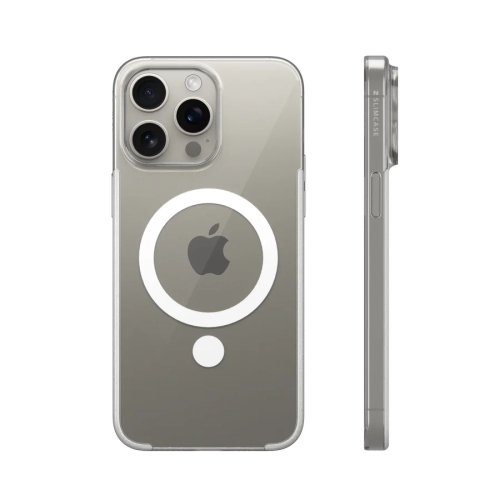
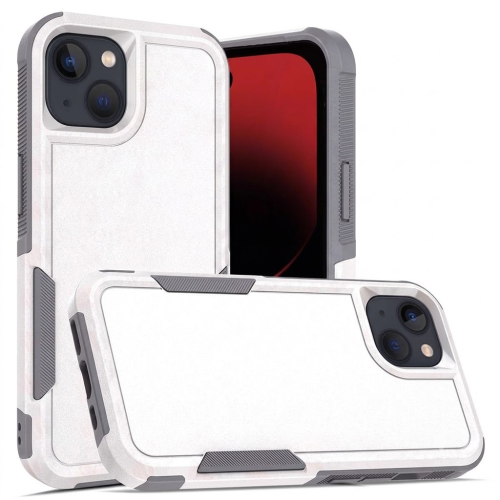
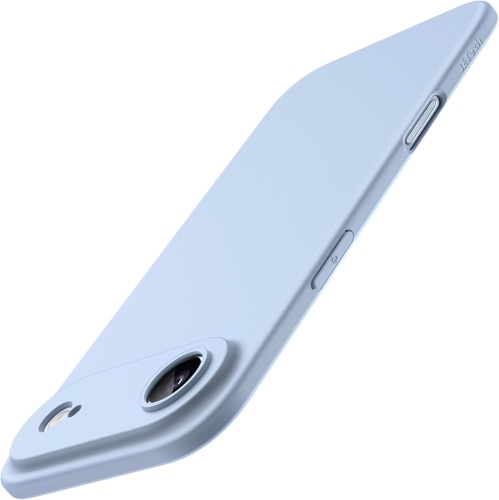
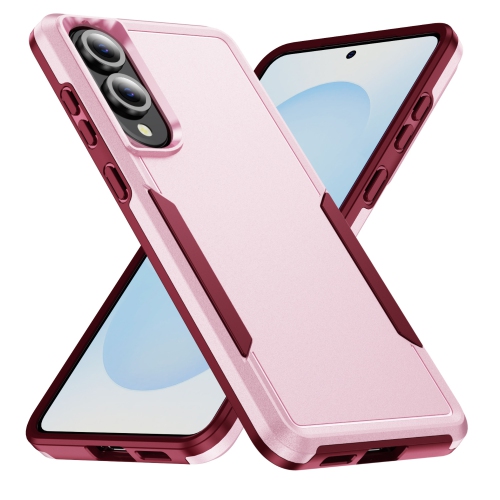
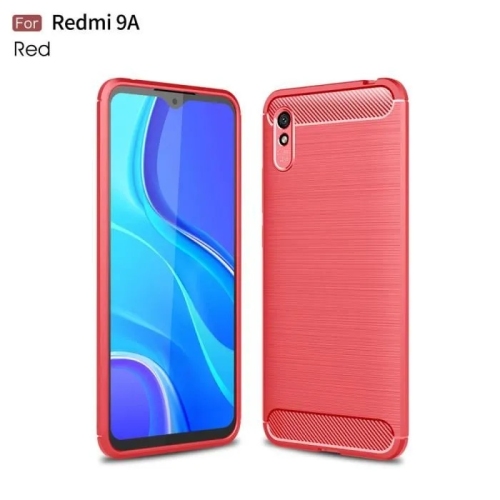
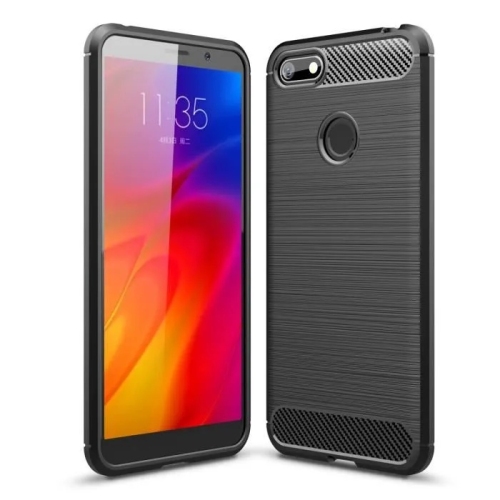
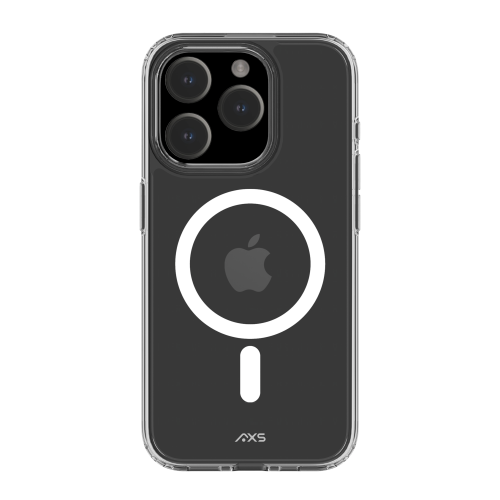
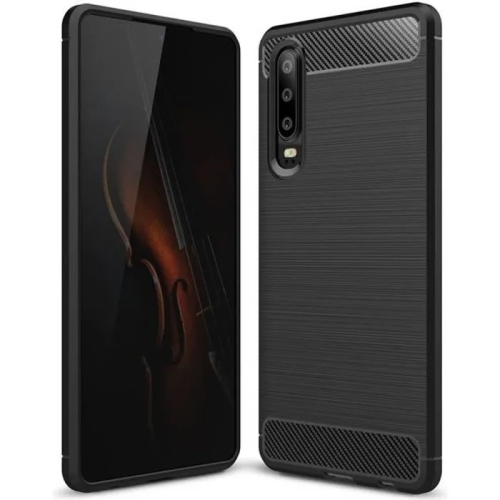
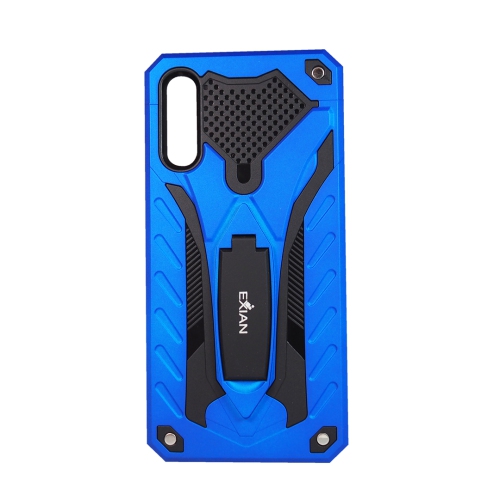
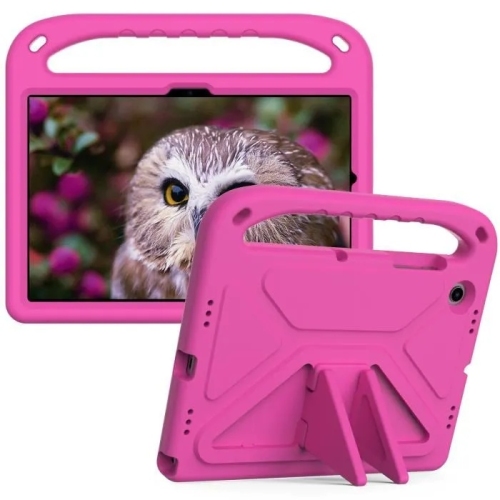
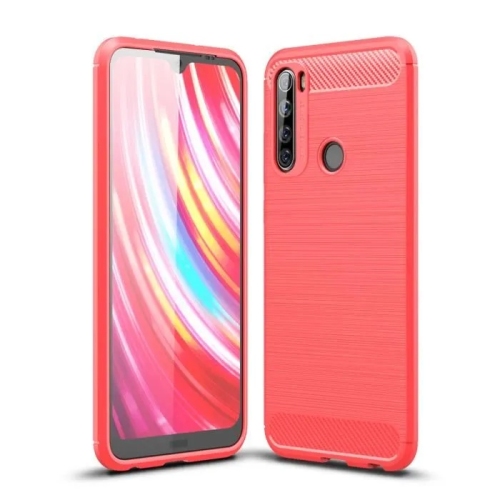
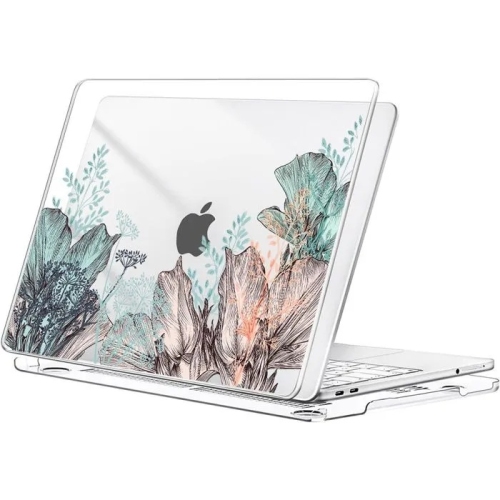
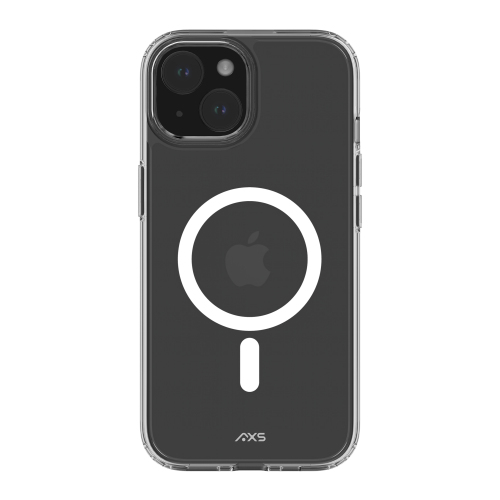
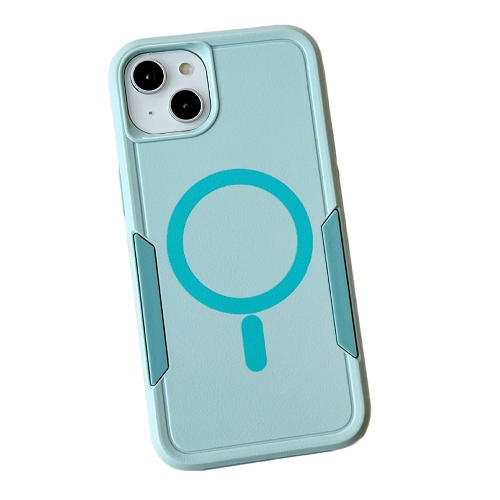
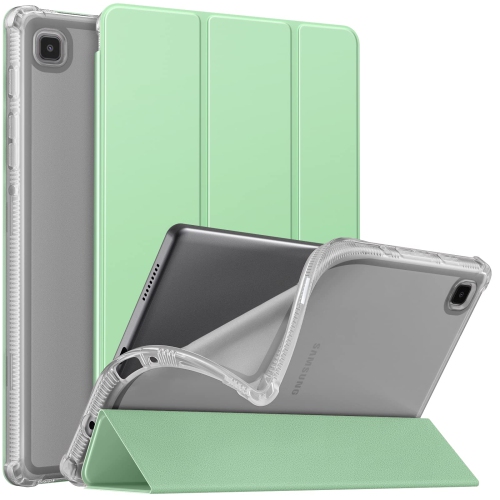
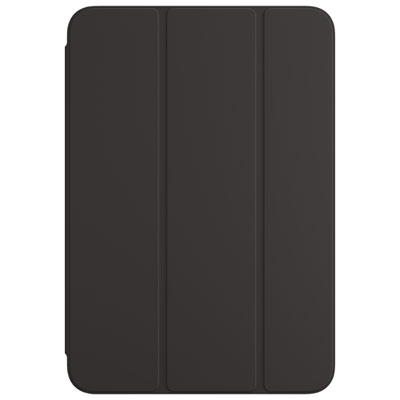
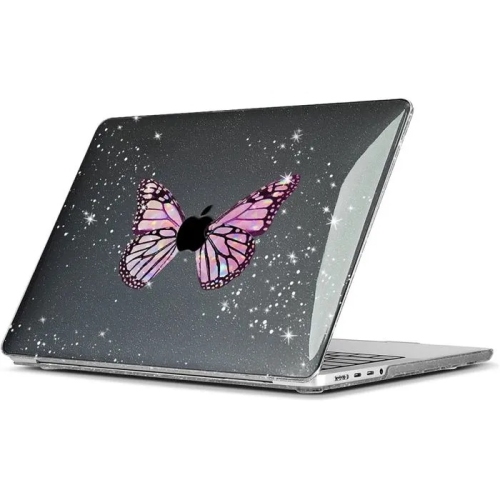
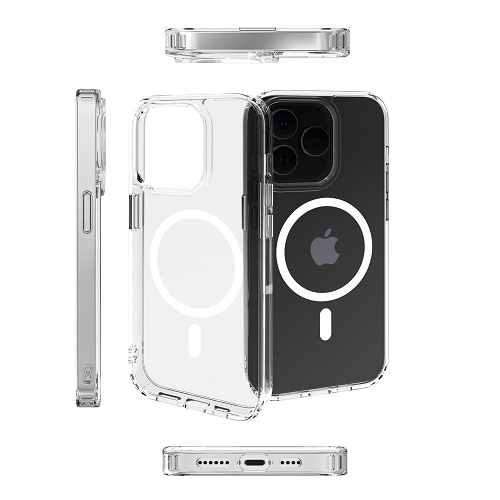
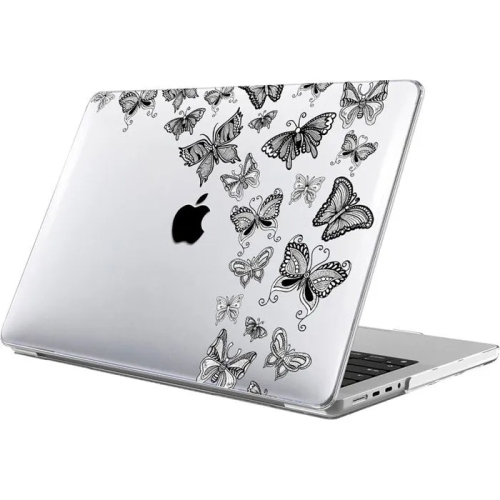
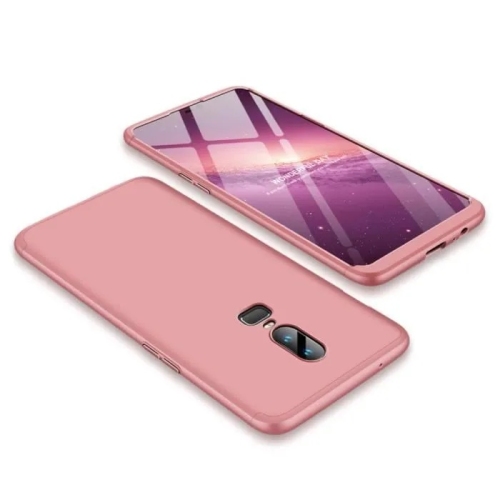
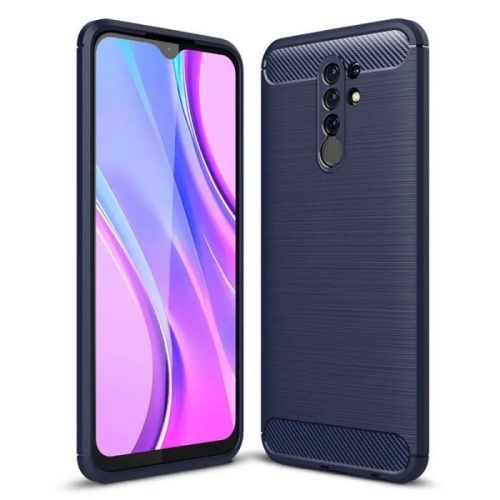
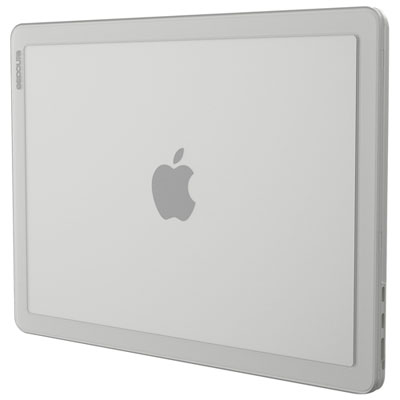
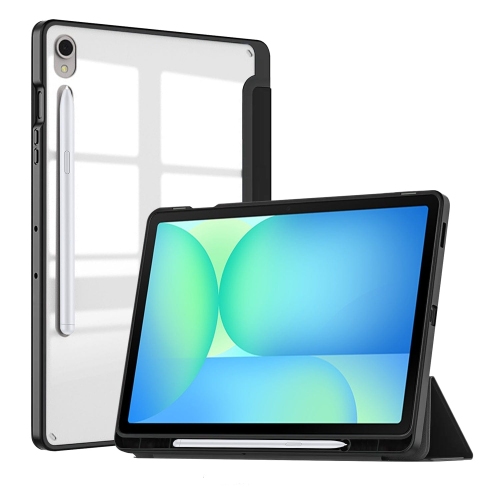
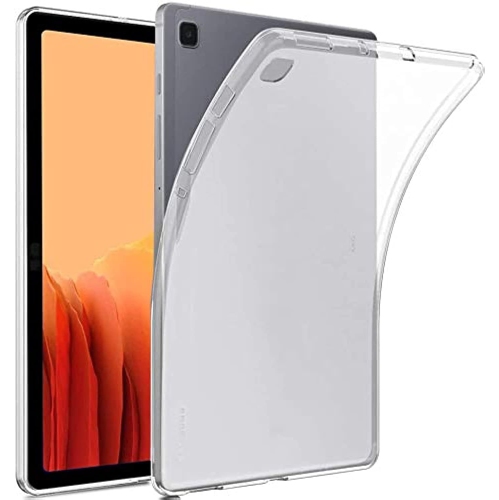
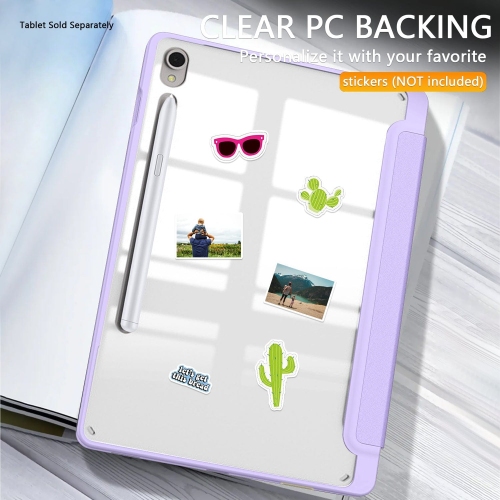
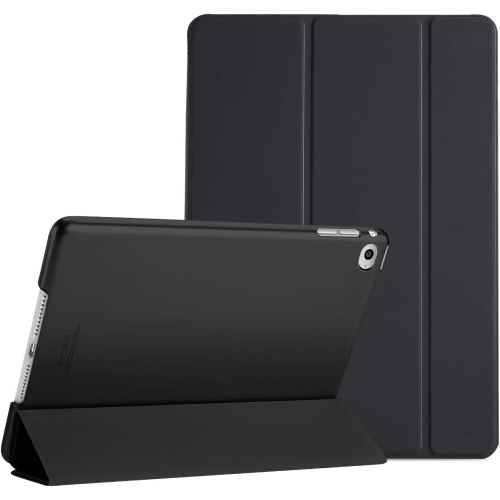
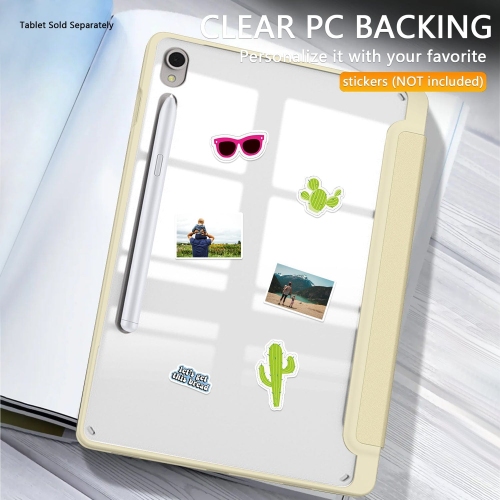
Lightweight cases are protective covers, sleeves, carrying bags, and travel cases designed to shield belongings without adding unnecessary weight or bulk. The category spans everyday phone and tablet covers, slim laptop sleeves, padded camera cases, and lighter luggage, with each type balancing portability against the protection its contents need. A slim cover can make a device easier to slip into a work bag, while a padded case provides a separate compartment that helps keep delicate surfaces away from keys, chargers, and other loose objects. Materials make a noticeable difference to how a case feels and performs. Flexible thermoplastic polyurethane can provide grip and cushioning around edges, while polycarbonate is often used for rigid shells that hold their shape. Fabric sleeves may combine a woven outer layer with foam padding and a soft lining; the thickness and placement of those layers matter as much as the overall weight. A lightweight design is not automatically impact-resistant, and a hard exterior does not necessarily mean there is cushioning inside. Fit is equally important. Phone and tablet cases need to match the exact device model so cameras, microphones, speakers, and charging ports remain accessible. Raised edges may help keep a screen or camera lens from touching a flat surface, but they do not replace careful handling. Laptop sleeves should leave enough room for easy removal without allowing the computer to shift excessively. Laptop owners browsing Lightweight MacBook Cases should check compatibility with their computer’s exact size and generation rather than relying on screen size alone. Snap-on laptop covers also need correctly positioned openings for ventilation, ports, and hinges. For students moving between classrooms, commuters working away from home, or anyone carrying a device from desk to meeting room, the appeal is practical: useful protection that does not turn a compact piece of technology into an awkward load. Smooth edges, comfortable grip, and easy access often make more difference in daily use than decorative details.
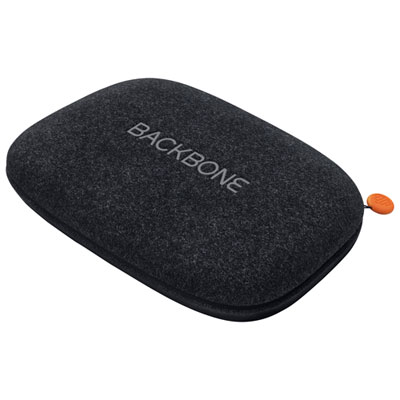
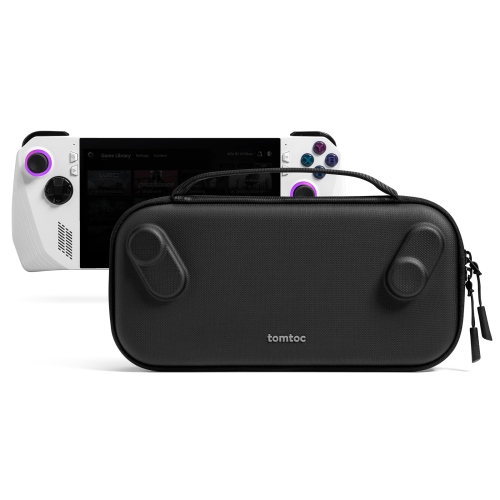
Camera and accessory cases place a greater emphasis on organizing equipment as well as protecting it. A compact camera may need only a snug padded pouch, while a camera body with interchangeable lenses benefits from a case with adjustable dividers that keep components from knocking together. A lightweight case can be particularly useful when equipment spends much of the day on a shoulder or inside another bag. Soft-sided designs usually compress more easily into limited space, whereas structured cases maintain a defined interior shape. Neither approach suits every load: a lightly padded pouch is convenient for carrying within a backpack, but exposed equipment may call for more substantial padding or a rigid shell. Interior measurements should account for the equipment as it will actually be carried, including an attached lens, grip, protective cap, or strap. A case that fits a camera body alone may be too tight once those accessories are included. Small pockets help separate memory cards, cables, and spare batteries, though hard accessories should not press directly against a screen or lens. Dividers are most useful when they hold equipment securely without squeezing controls or making removal difficult. Closures also affect everyday handling. A zipper that opens widely can make it easier to lift equipment out without scraping it along the opening, while a secure latch can help keep a structured case closed in transit. Water-resistant fabric can help limit moisture reaching the contents, but it is not the same as a sealed waterproof enclosure. Any stated protection rating applies to the conditions specified for that case, including whether closures must be fully secured. For photographers, content creators, and people carrying headphones, handheld gaming devices, or small accessories, these construction details help distinguish a simple storage pouch from a case intended for more demanding transport. Comfortable handles and adjustable straps further support portability, especially when the contents themselves account for most of the carrying weight. Attachment points and stitching should suit the load, since a light shell offers little convenience if its carrying hardware is uncomfortable or poorly supported.
For luggage and larger travel cases, reducing the weight of the case itself leaves more of the total load for clothing and personal belongings, while making lifting and carrying less strenuous. Lightweight soft-sided luggage often uses woven synthetic fabrics, while hard-sided designs may use materials such as polycarbonate or polypropylene. Performance depends on the complete construction, including shell thickness, seams, corner reinforcement, handles, wheels, and closures, rather than the material name alone. A flexible exterior may accommodate an uneven load more readily; a rigid shell provides a defined packing space but still needs thoughtful organization inside. Wheels and telescoping handles add convenience as well as weight, and their quality can influence how easily a packed case moves through a station or terminal. Carry-on suitability depends on the carrier’s rules and the case’s full exterior dimensions, including wheels and handles, not simply its description as compact or lightweight. Across all case types, durability also depends on how the case is used and maintained. Overfilling can strain zippers, stretch seams, and push contents against vulnerable edges. Trapped grit can rub against a device’s finish, so removable covers and sleeves benefit from occasional inspection and cleaning. A soft cloth is suitable for many rigid surfaces, while fabric care should follow the manufacturer’s directions; not every padded sleeve or lined case is washable. Cases should be dry before belongings are placed back inside, and harsh cleaners may damage coatings, linings, or printed finishes. Everyday wear around corners, zipper tracks, and carrying points is worth noticing before a closure or strap becomes unreliable. As gifts, lightweight cases are most useful when the recipient’s device model, equipment dimensions, or travel habits are known. A slim sleeve for someone who carries a laptop between appointments, a divided case for a photography enthusiast, or manageable luggage for a frequent traveller can suit an established routine. The most useful design combines appropriate protection with a shape, closure, and carrying method that feels comfortable every time it is picked up.
Top selling and popular products
-
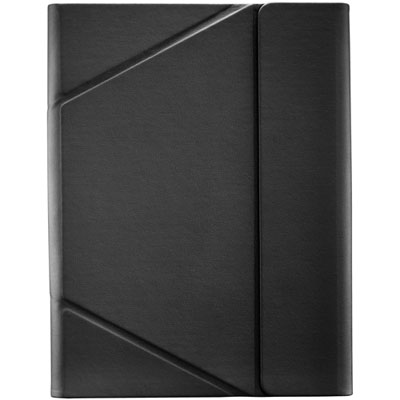 Your price for this item is $44.99
-
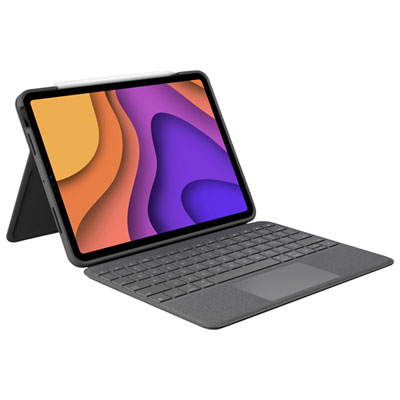 Your price for this item is $229.99
-
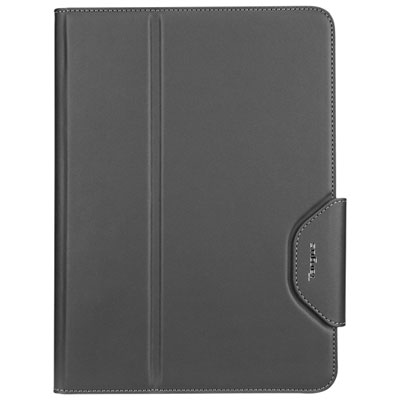 Your price for this item is $62.99
-
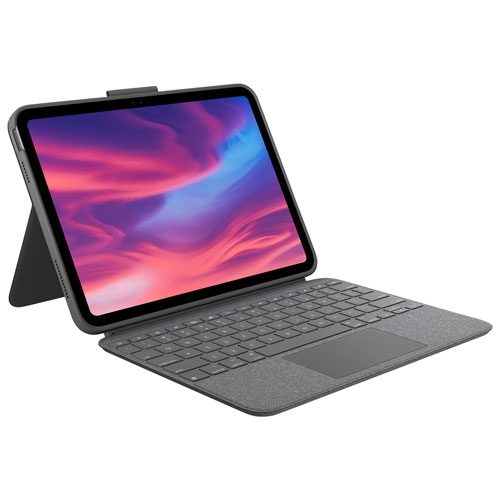 Your price for this item is $179.99
-
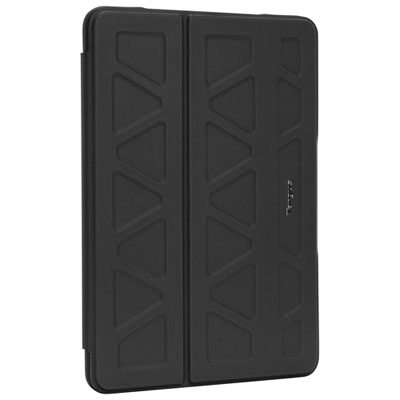 Your price for this item is $41.98
-
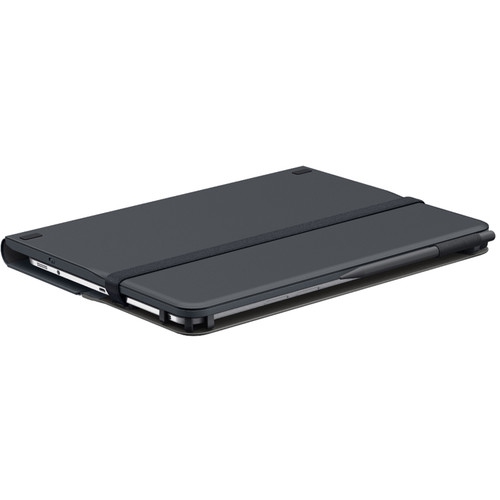 Your price for this item is $115.68
-
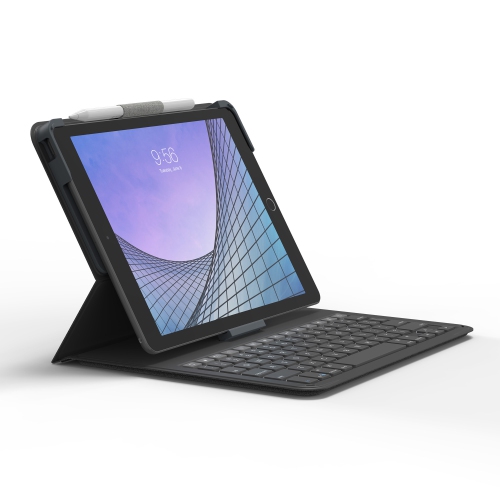 Your price for this item is $69.99
-
 Your price for this item is $39.99
Discover more categories related to Lightweight Cases

Top Collections:
Best Black Friday Deals This Year, Best Black Friday Deals On Electronics, Kindle Devices, Best Black Friday Deals On Apple Products, Best Budget Office Chairs, Best Cameras for Sports Photography, Dyson Airwrap, Canon G7X Cameras, Best Laptops for Writers, Samsung Galaxy Phones
Some products may be subject to Environmental Handling Fees
(EHF) depending on your province.
Learn more about EHFs.