Low Profile Computer Speakers
Low Profile Computer Speakers are the perfect solution for maximizing your desk space while enhancing your audio experience. Designed to fit seamlessly alongside your monitor or laptop, these speakers offer a sleek and unobtrusive look that complements any workspace. Whether you're working, streaming, or gaming, Low Profile Computer Speakers provide quality sound without taking up valuable room. Discover a range of options that blend style and performance, making it easy to find the right fit for your setup.
Sort
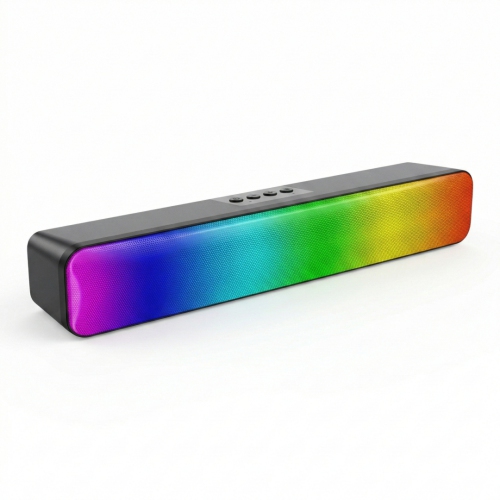
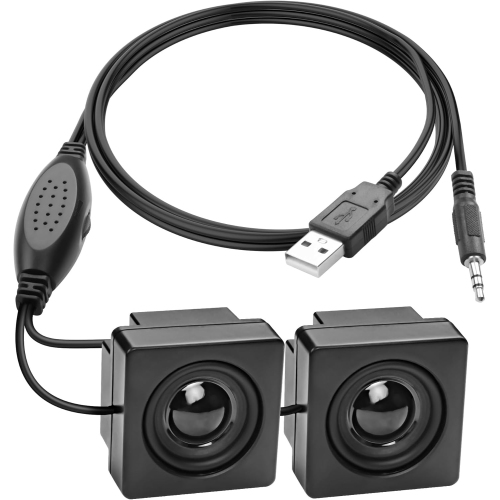
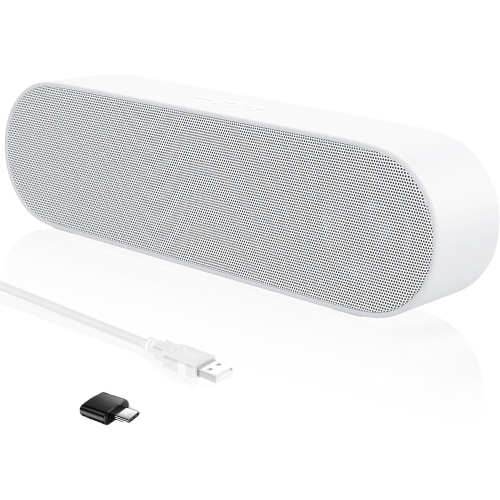
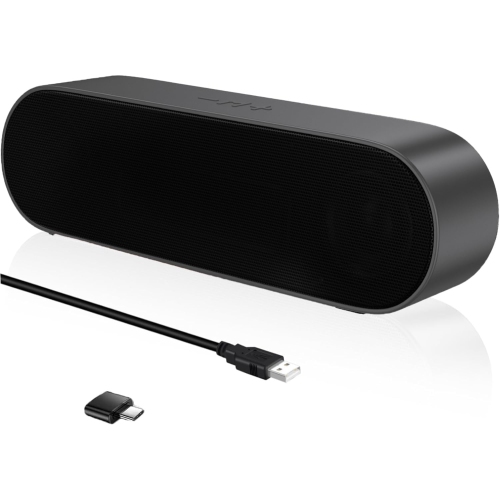
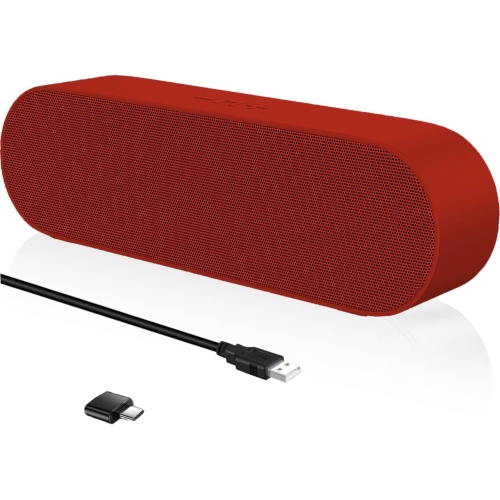
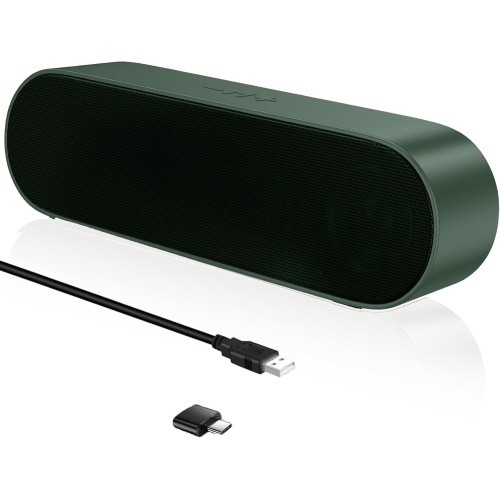
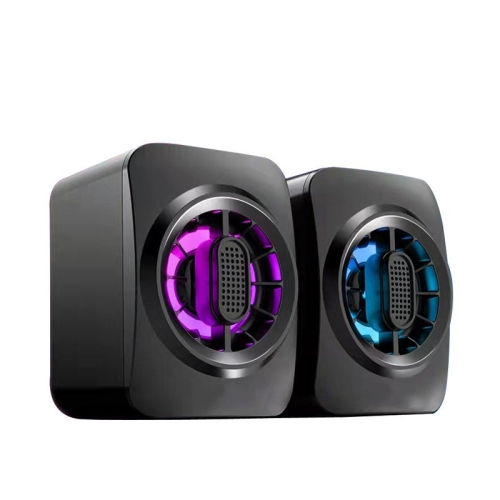
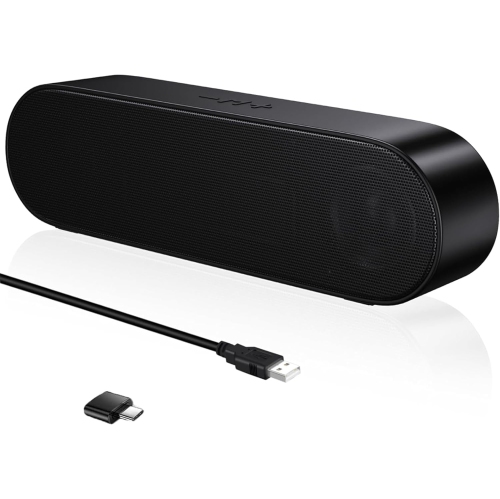
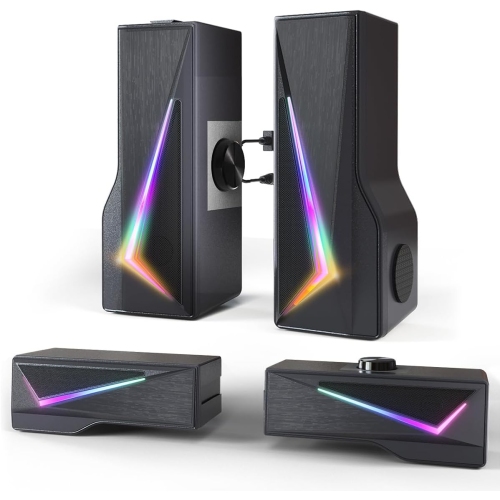
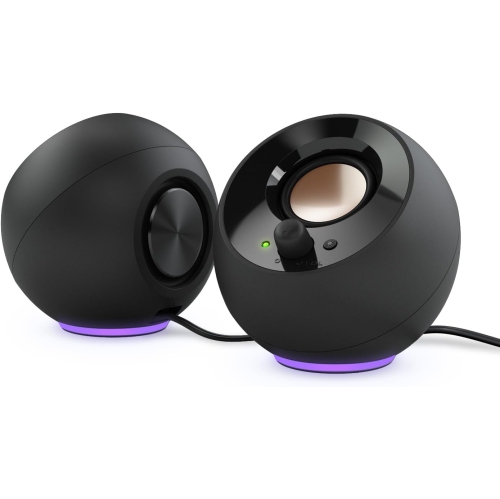
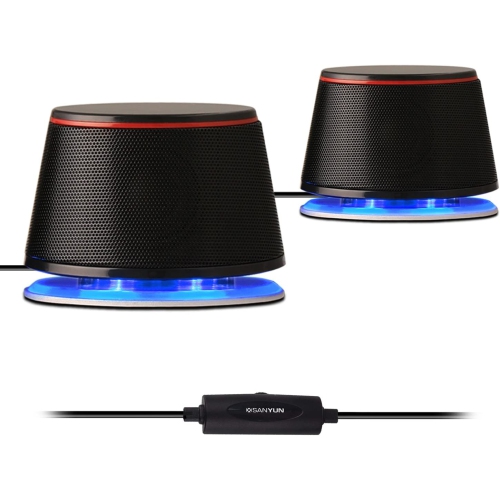
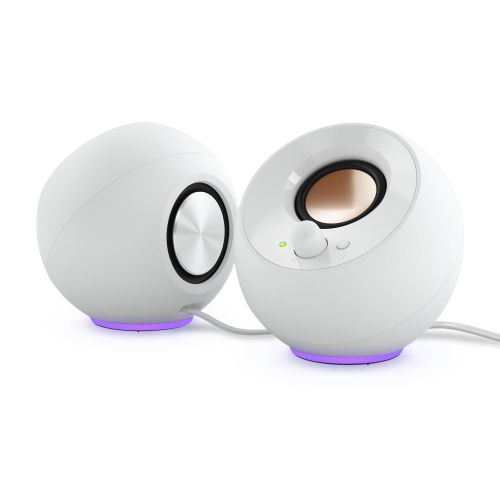
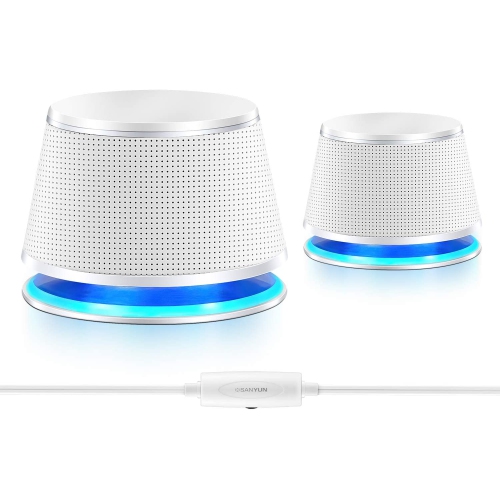
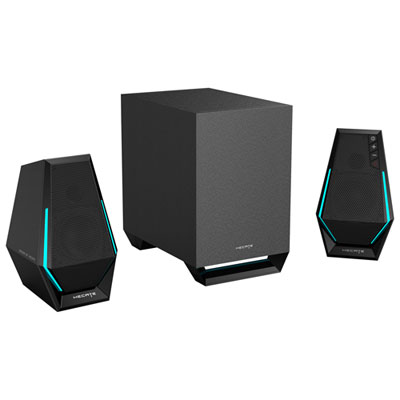
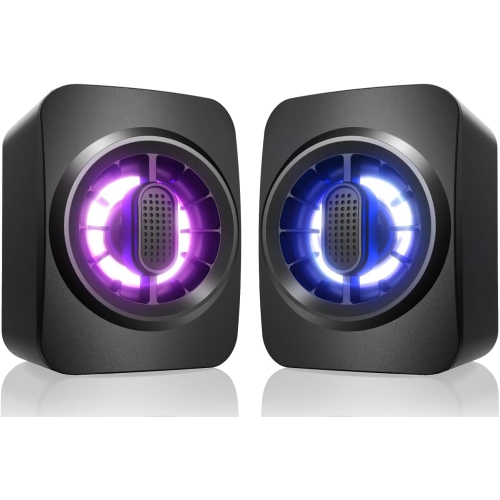
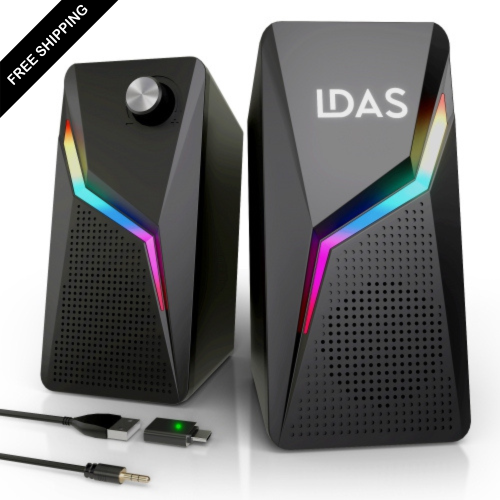
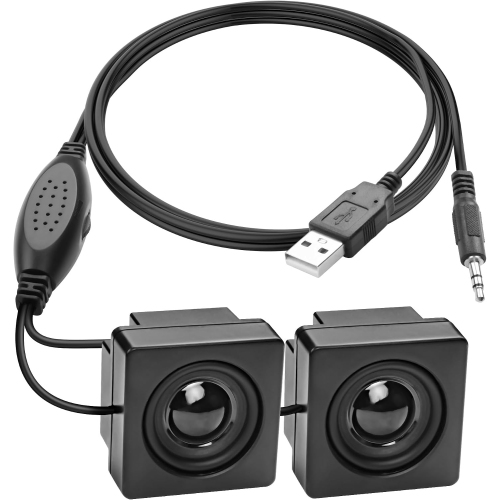
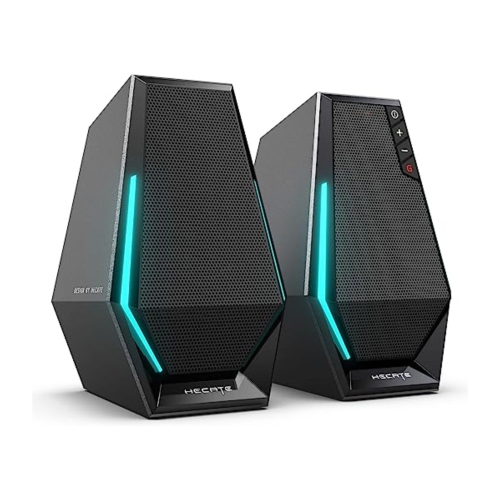
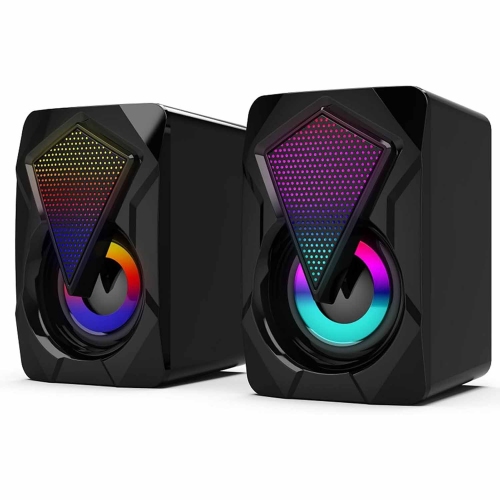
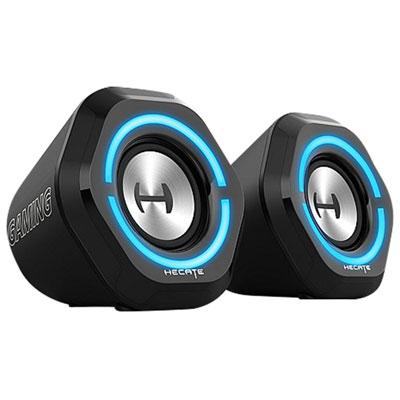
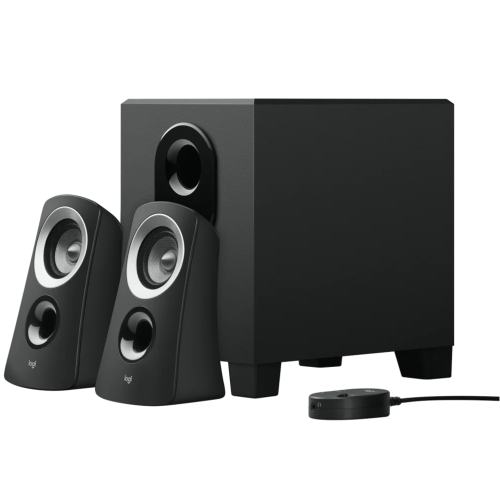
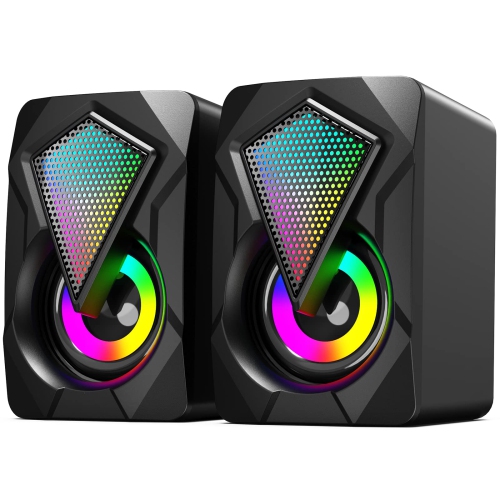
Desktop sound with more room for everyday essentials
Low-profile computer speakers bring desktop audio into a compact shape that leaves more room for a keyboard, mouse, notebook, and the other things that gather around a screen. The term generally describes speakers with a short or unobtrusive enclosure, rather than a particular audio technology or a fixed set of dimensions. Common formats include slim computer soundbars that sit beneath a monitor and small left-and-right speakers that tuck beside a display. Both can provide a more useful listening position than speakers built into a laptop, particularly when the laptop is closed or raised on a stand. Their appeal is partly practical: a shallow speaker enclosure can leave space for a mouse to travel, while a low horizontal design may fit between a monitor’s feet without blocking the screen. Height is only one part of that fit, though. The depth of the enclosure, the width of the monitor base, and the space needed for plugs all affect how neatly everything sits together. A cable connector projecting from the rear can make a speaker extend farther forward than its listed depth suggests. For setups built around Low Profile Monitors, the clearance beneath the display and the shape of its stand are more useful measurements than the screen’s thinness alone. Controls also need room to remain accessible, especially when a speaker sits beneath a wide display. A front-facing volume dial can be easier to reach than buttons on top of an enclosure tucked under a screen. Low-profile designs suit small desks, shared work surfaces, and larger setups where an unobstructed layout is simply more comfortable. They can also keep sound closer to the listener in a home office, making spoken dialogue easier to follow without filling the entire room.
Sound quality depends on more than the size or shape of the cabinet. Driver design, enclosure construction, tuning, and placement all influence how voices, music, and game audio come across at a desk. Clear midrange reproduction helps speech remain intelligible during online lectures, video calls, and dialogue-heavy films, while controlled treble gives instruments and effects definition without becoming tiring at close range. Compact speakers can sound balanced and engaging, but very small enclosures usually have limits when reproducing deep bass or playing loudly in a large room. A separate subwoofer can add low-frequency weight where the system supports one, although it also introduces another enclosure and more cabling. For everyday desktop listening, clean sound at a comfortable volume may matter more than a high maximum output. Two separate speakers allow a wider left-and-right arrangement, which can make music and games feel more spacious when the listener sits between them. A computer soundbar keeps the setup contained in one enclosure, with the stereo impression depending partly on its width and internal design. Connections are another important distinction. A 3.5 mm input carries analogue audio from a compatible headphone or line output, while USB may supply power, digital audio, or both, depending on the speaker design. A USB cable alone does not necessarily mean that a separate audio cable is unnecessary. Bluetooth can reduce the need for an audio cable between a compatible computer and the speakers, but the speakers still require power, and wireless delay can matter for gaming or video editing. A wired connection is often useful when consistent audio timing is a priority. Headphone outputs, a clearly marked input selector, and a physical mute control can make everyday use easier, particularly for someone moving between meetings, music, and private listening. Speakers reproduce call audio; a separate or built-in computer microphone is still needed to capture a voice.
Materials and finishing details affect how low-profile computer speakers feel, look, and hold up to daily use. Plastic enclosures can keep weight down, while metal grilles help shield the drivers from accidental contact. Fabric-covered fronts offer a softer appearance, though their texture may collect dust differently from a smooth grille. Rubber feet or other non-slip supports can help speakers stay in place when a cable moves or a volume dial is turned. These details are especially useful on a smooth desktop, where a lightweight enclosure might otherwise shift during routine use. Placement matters for sound as well as appearance: a speaker pushed into a crowded corner or tucked behind a stack of papers may sound different from one with a clear path towards the listener. Rear-facing ports, where present, also need the clearance specified for the design. Keeping cables organized helps prevent a charging lead or mouse cord from catching a speaker and pulling it towards the edge of the desk. For routine care, a soft, dry cloth is suitable for removing surface dust from many enclosures, with the manufacturer’s cleaning directions taking priority for fabric, coated finishes, or other delicate surfaces. Liquids should stay away from openings and connections, and grille fabric should not be pressed against the drivers beneath it. Durable construction is particularly valuable in a shared study area, a busy family workspace, or a desk that regularly changes between schoolwork and entertainment. Students may appreciate speakers that leave room for textbooks, while remote workers may value accessible controls and clear speech during long stretches at the computer. Casual gamers and people who enjoy music while working can benefit from listening without wearing headphones throughout the day. Low-profile speakers can also make a practical gift for someone setting up a study space or home office, especially when their available desk space and computer connections are known. Their lasting usefulness comes from fitting naturally into those everyday routines without making the desktop feel crowded.
Top selling and popular products
-
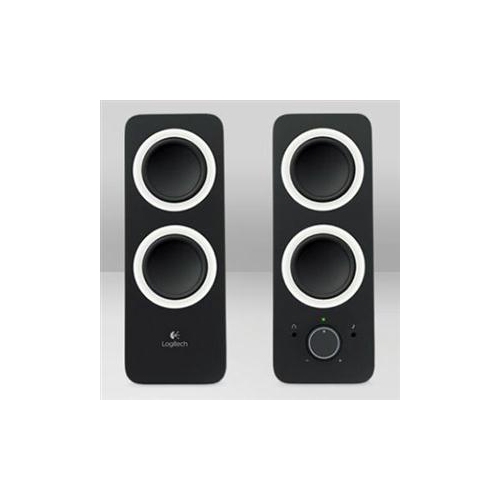 Your price for this item is $101.68
-
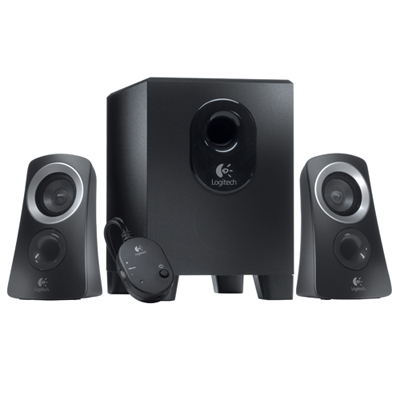 Your price for this item is $79.98
-
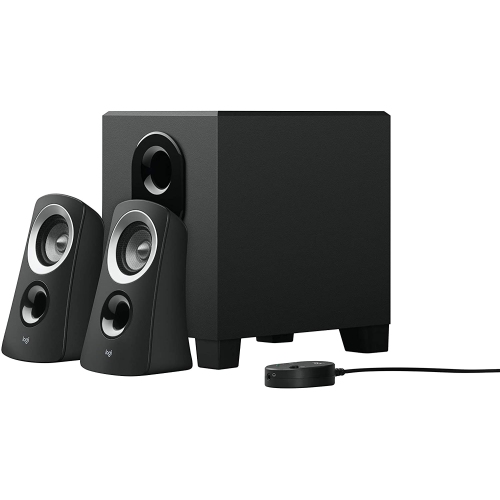 Your price for this item is $106.11
-
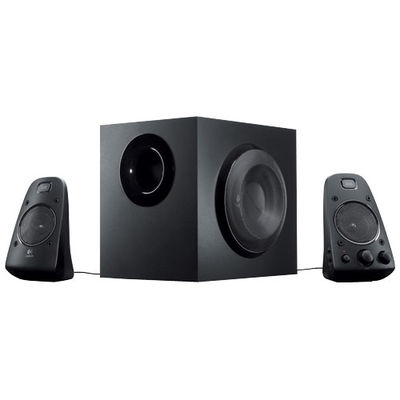 Your price for this item is $231.98
-
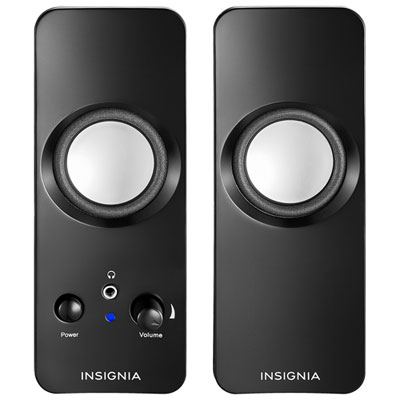 Your price for this item is $29.95
-
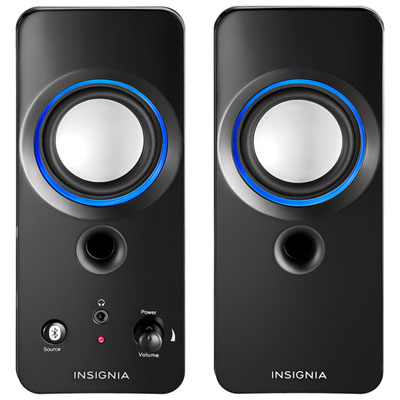 Your price for this item is $39.95
-
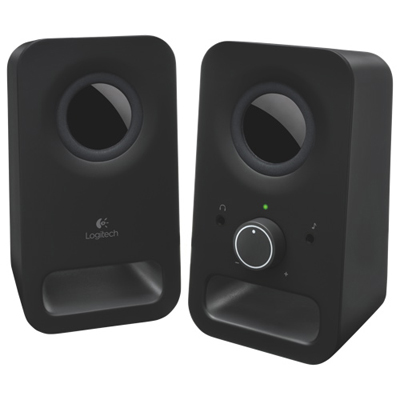 Your price for this item is $34.98
-
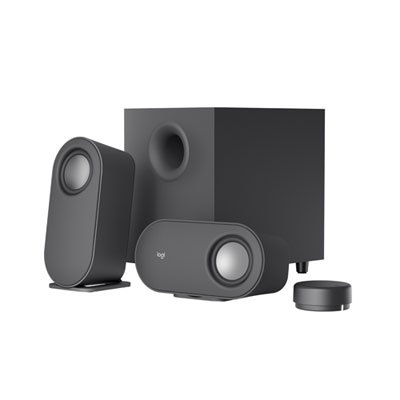 Your price for this item is $179.99
Discover more categories related to Low Profile Computer Speakers
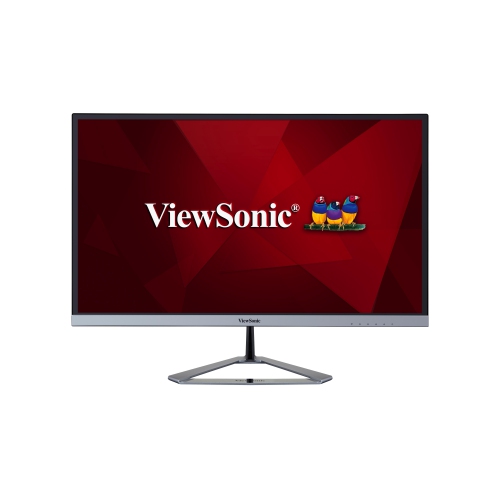
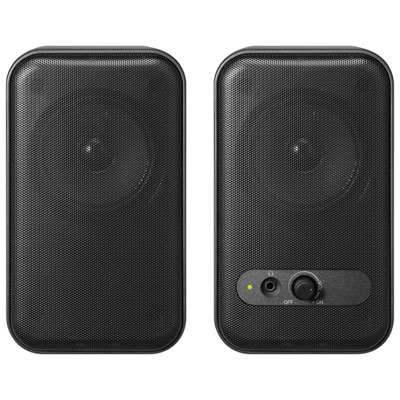
Top Collections:
Best Black Friday Deals This Year, Best Black Friday Deals On Electronics, Kindle Devices, Pokemon Centers, Best Black Friday Deals On Apple Products, Best Cameras for Sports Photography, Dyson Airwrap, Pokémon 30th Celebration Cards, Apple iPhone 17 Pro, Canon G7X Cameras
Some products may be subject to Environmental Handling Fees
(EHF) depending on your province.
Learn more about EHFs.