Music Software for Beginners
Music Software For Beginners makes it easy to start exploring the world of music creation, editing, and production. Whether you're learning to compose your first song or experimenting with digital audio for the first time, these user-friendly options help you build confidence and develop your musical skills. Discover a range of intuitive programs designed to support your creative journey from the very beginning.
Sort




A welcoming path from first beat to finished track
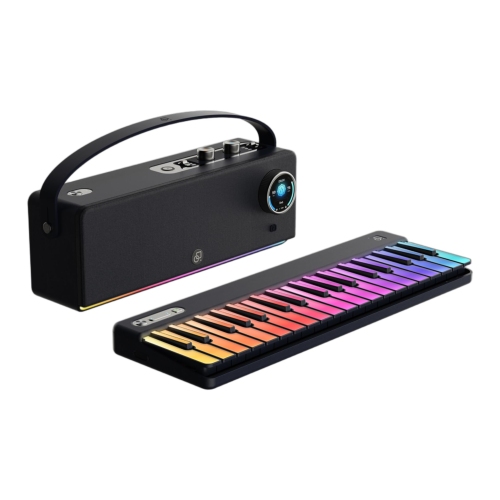
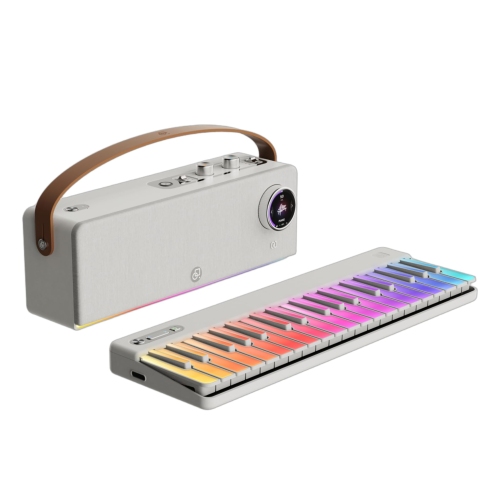
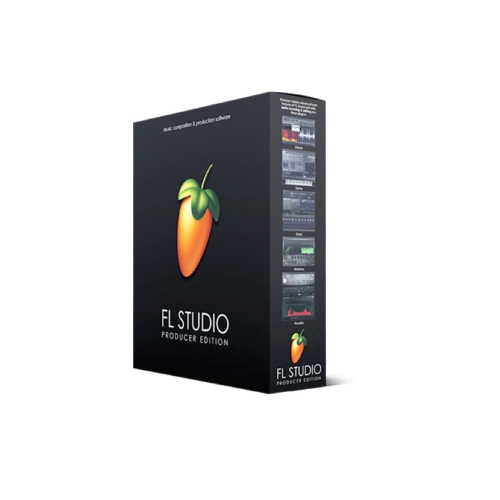
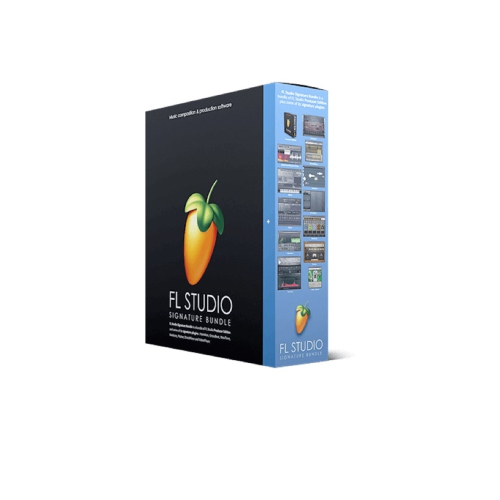
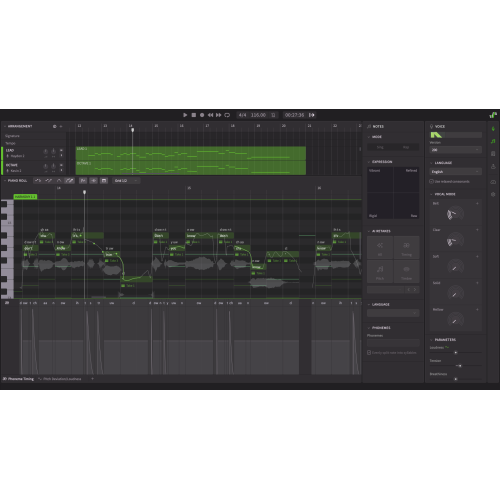
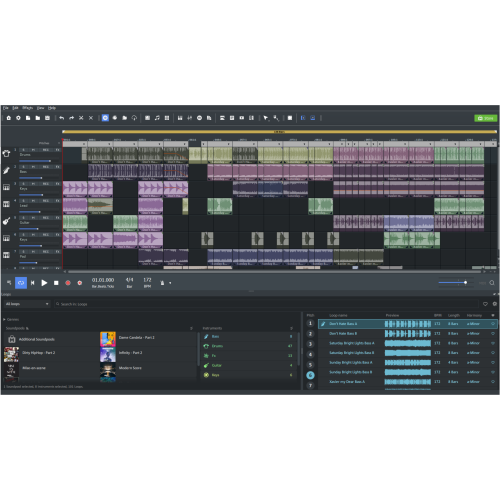
Music software for beginners is an accessible way to explore recording, beat-making, songwriting, sound design, and music production from a computer, tablet, or compatible mobile device. Most music production programs are known as DAWs, or digital audio workstations, and they bring many of the tools found in a recording studio into one organized workspace. A DAW can let you record vocals and instruments, arrange musical ideas on a timeline, edit mistakes, add virtual instruments, shape sounds with effects, and balance a finished track for listening or sharing. Some programs use a traditional linear timeline that feels familiar to anyone who has worked with a multitrack recorder, while others use loops, clips, or pattern grids that make it easy to build a beat one section at a time. For a first session, a beginner might start with a simple drum pattern, layer a bass line, add a few chords, and record a melody through a computer’s built-in microphone. Seeing each part appear as a separate track can make the creative process feel less mysterious, turning a quiet room into a small home studio. Many entry-level options include virtual pianos, drum kits, synthesisers, sample libraries, effects, and ready-made loops, so new users can experiment before investing in additional equipment. Free software can be an excellent starting point, especially for someone learning the basics, although it is worth checking whether it works on the intended operating system and whether certain instruments or export features require an upgrade. Paid software may offer deeper editing, more sounds, expanded recording capabilities, or a workflow that better suits a particular style of music. Comparing the included tools, project limits, file compatibility, and update policy can help shoppers choose software that remains useful as their skills grow.
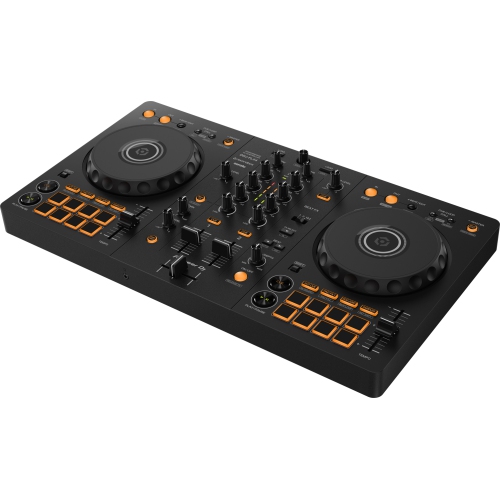
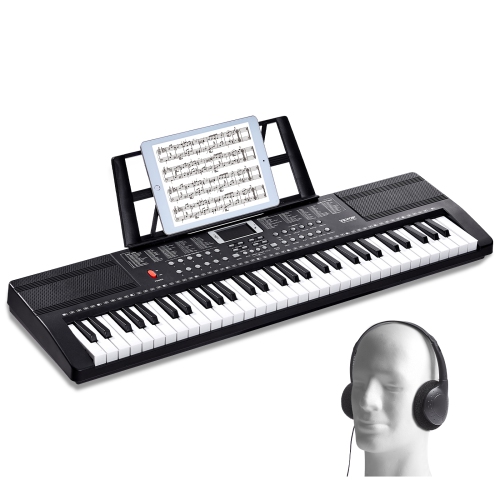
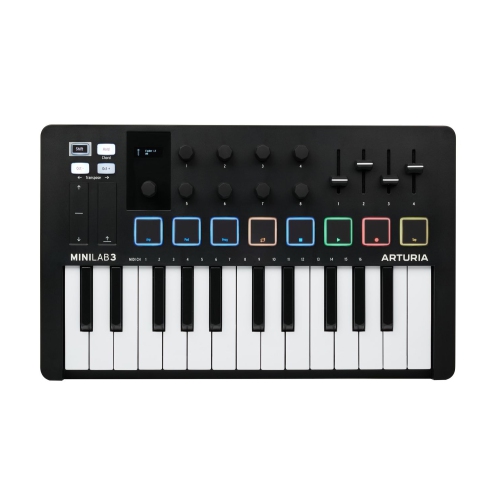
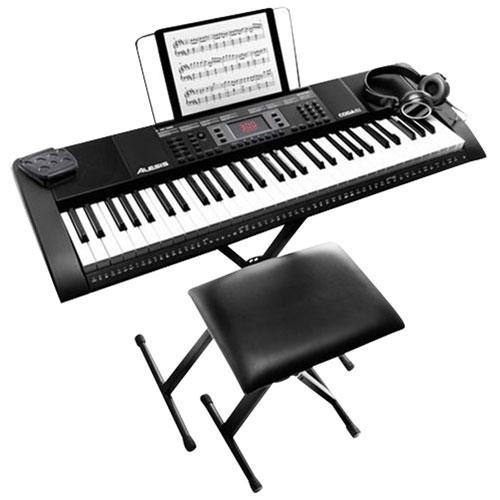
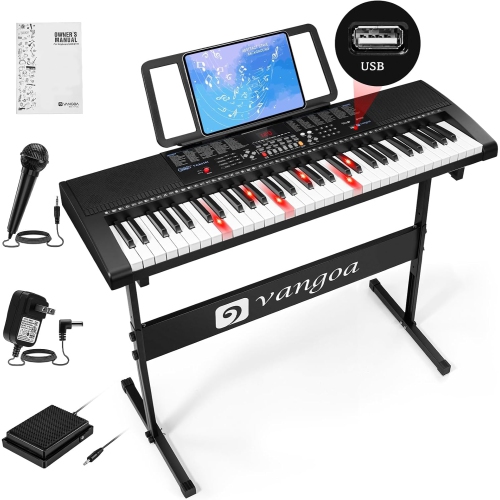
The right choice depends largely on the device being used and the type of music the beginner hopes to create. Before purchasing or downloading anything, check compatibility with Windows, macOS, ChromeOS, iOS, Android, or another supported platform, along with the required processor, memory, storage space, and operating system version. Browser-based options can be convenient for shared computers or lightweight setups, while installed programs may provide more advanced controls and work without a constant internet connection. Phone and tablet software can be a practical way to capture ideas on the go, sketch a rhythm during a commute, or record a melody before it disappears; a computer-based DAW may be a better fit for detailed arrangements, larger projects, and multiple audio recordings. Beginners interested in hip-hop, pop, or electronic music may appreciate step sequencers, drum pads, loop libraries, and pattern-based arrangements. Those focused on rock, folk, podcasts, or vocals may prefer clear audio recording, track-based editing, microphone support, and straightforward mixing controls. Live performers can look for clip launching, real-time effects, and reliable control from a keyboard, pad controller, or other MIDI device. It is also helpful to consider how easy the interface is to learn. A clean layout, guided tutorials, searchable help resources, and an active user community can make the difference between opening a program once and returning to it regularly. Hardware is not always required to begin, but headphones, speakers, a USB microphone, or a small MIDI keyboard can improve the experience when the learner is ready to hear more detail and play instruments with greater expression. For classroom assignments, practice at home, or an introduction to recording, shoppers may also want to explore Music Software for Students.
Music software can be a thoughtful gift for a curious beginner, a student building creative skills, a singer who wants to make demos, or an experienced musician moving from instruments into home recording. It can also suit families who want a flexible activity during the cooler months, when a spare room, desk, or corner of a bedroom becomes a place for making music instead of simply listening to it. When choosing software as a gift, consider the recipient’s computer or mobile device first, since an impressive program is of little use if it cannot run on their system. It is equally important to match the software with the person’s interests. Someone who enjoys tapping out rhythms may be most engaged by beat-making tools, while a guitarist or vocalist may value simple recording and editing. A beginner who enjoys exploring may prefer a broad collection of sounds and effects; someone with a specific goal, such as producing a short film score or assembling a demo, may benefit from a focused workflow and dependable export options. Look for software that allows projects to be saved in common audio formats and, where relevant, opened later in more advanced programs. Clear licensing terms, included sound content, and the difference between a one-time purchase, subscription, trial, or free edition are also worth reviewing before checkout. Learning music production takes patience: the first beat may feel uneven, the first vocal recording may reveal room noise, and the first mix may sound different through headphones than through speakers. Those early imperfections are part of the process. With regular practice, beginners learn how volume, timing, pitch, effects, and arrangement work together, gradually turning rough sketches into complete songs. The best music software for beginners is the option that feels approachable enough to use today while offering enough room to support new ideas tomorrow.
The right choice depends largely on the device being used and the type of music the beginner hopes to create. Before purchasing or downloading anything, check compatibility with Windows, macOS, ChromeOS, iOS, Android, or another supported platform, along with the required processor, memory, storage space, and operating system version. Browser-based options can be convenient for shared computers or lightweight setups, while installed programs may provide more advanced controls and work without a constant internet connection. Phone and tablet software can be a practical way to capture ideas on the go, sketch a rhythm during a commute, or record a melody before it disappears; a computer-based DAW may be a better fit for detailed arrangements, larger projects, and multiple audio recordings. Beginners interested in hip-hop, pop, or electronic music may appreciate step sequencers, drum pads, loop libraries, and pattern-based arrangements. Those focused on rock, folk, podcasts, or vocals may prefer clear audio recording, track-based editing, microphone support, and straightforward mixing controls. Live performers can look for clip launching, real-time effects, and reliable control from a keyboard, pad controller, or other MIDI device. It is also helpful to consider how easy the interface is to learn. A clean layout, guided tutorials, searchable help resources, and an active user community can make the difference between opening a program once and returning to it regularly. Hardware is not always required to begin, but headphones, speakers, a USB microphone, or a small MIDI keyboard can improve the experience when the learner is ready to hear more detail and play instruments with greater expression. For classroom assignments, practice at home, or an introduction to recording, shoppers may also want to explore Music Software for Students.
Music software can be a thoughtful gift for a curious beginner, a student building creative skills, a singer who wants to make demos, or an experienced musician moving from instruments into home recording. It can also suit families who want a flexible activity during the cooler months, when a spare room, desk, or corner of a bedroom becomes a place for making music instead of simply listening to it. When choosing software as a gift, consider the recipient’s computer or mobile device first, since an impressive program is of little use if it cannot run on their system. It is equally important to match the software with the person’s interests. Someone who enjoys tapping out rhythms may be most engaged by beat-making tools, while a guitarist or vocalist may value simple recording and editing. A beginner who enjoys exploring may prefer a broad collection of sounds and effects; someone with a specific goal, such as producing a short film score or assembling a demo, may benefit from a focused workflow and dependable export options. Look for software that allows projects to be saved in common audio formats and, where relevant, opened later in more advanced programs. Clear licensing terms, included sound content, and the difference between a one-time purchase, subscription, trial, or free edition are also worth reviewing before checkout. Learning music production takes patience: the first beat may feel uneven, the first vocal recording may reveal room noise, and the first mix may sound different through headphones than through speakers. Those early imperfections are part of the process. With regular practice, beginners learn how volume, timing, pitch, effects, and arrangement work together, gradually turning rough sketches into complete songs. The best music software for beginners is the option that feels approachable enough to use today while offering enough room to support new ideas tomorrow.
Top selling and popular products
-
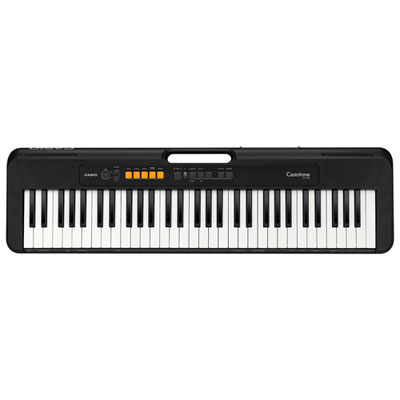 Your price for this item is $119.99
 -
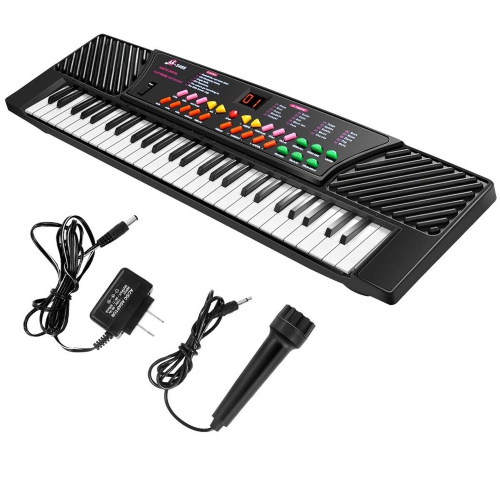 Your price for this item is $69.99
 -
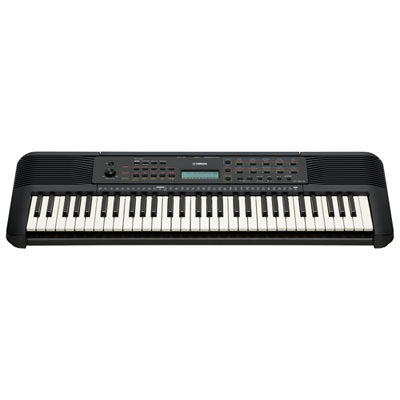 Your price for this item is $129.99
 -
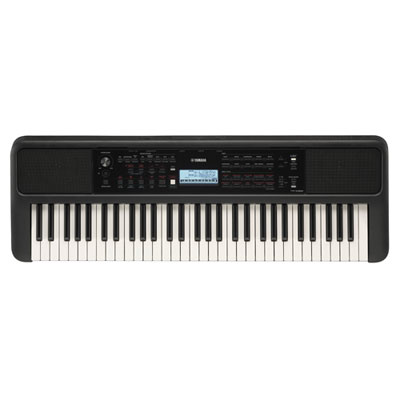 Your price for this item is $249.99
 -
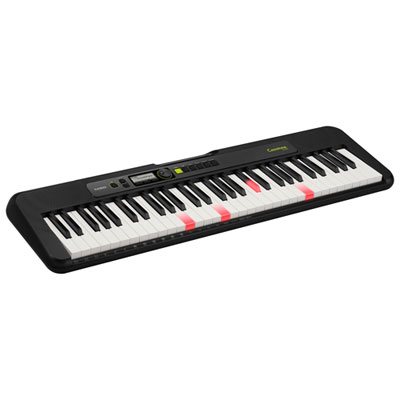 Your price for this item is $229.99
 -
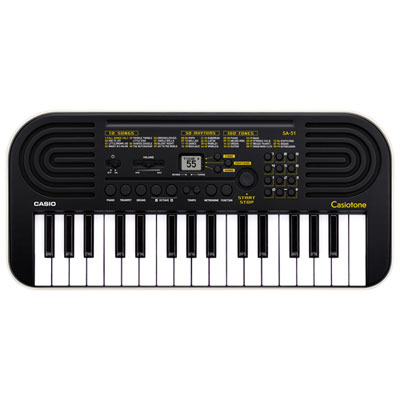 Your price for this item is $99.99
 -
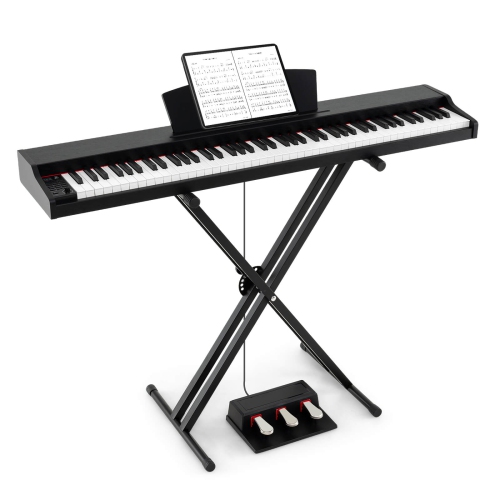 Your price for this item is $229.99
 -
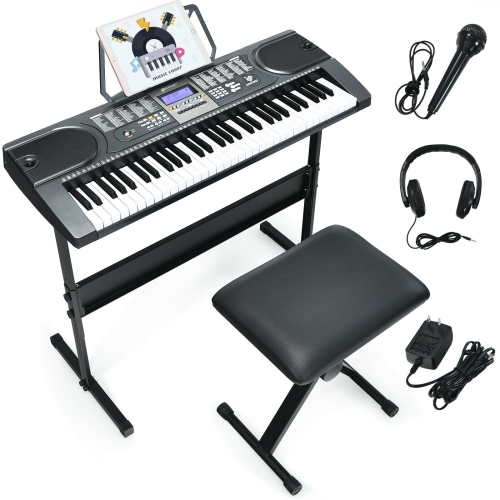 Your price for this item is $199.99
Discover more categories related to Music Software for Beginners
Top Collections:
Pokemon Centers, Kindle Devices, Best Budget Office Chairs, Apple iPhones 16, Best Laptops for Writers, iPhone 15 Apple, Canon G7X Cameras, Refurbished Apple Laptops, Alarm Clock, Motorola Razr Phones
Some products may be subject to Environmental Handling Fees
(EHF) depending on your province.
Learn more about EHFs.