Music Equipment for Beginners
Starting your musical journey is easier than ever with the right music equipment for beginners. Whether you’re interested in learning an instrument, producing tracks, or setting up a home studio, finding user-friendly gear can make all the difference. Explore a wide selection of essential tools designed to help newcomers gain confidence and develop their skills. Discover music equipment for beginners that supports your creativity and makes practicing more enjoyable, so you can focus on making great music from day one.
Sort
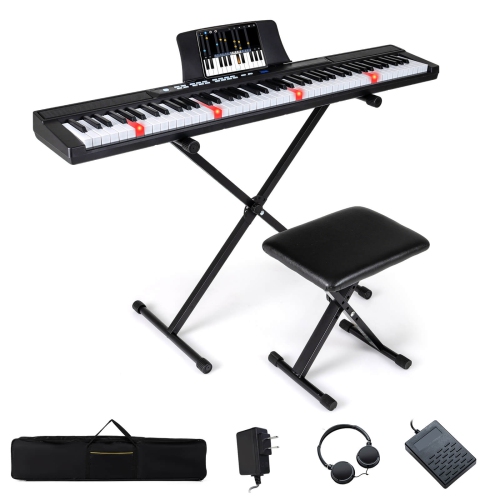
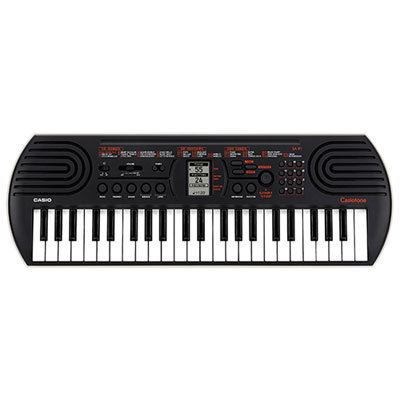
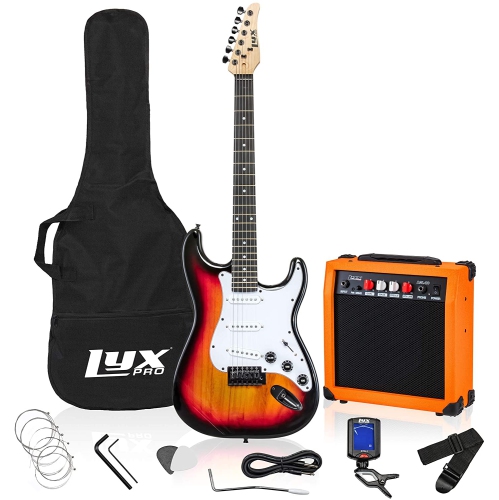
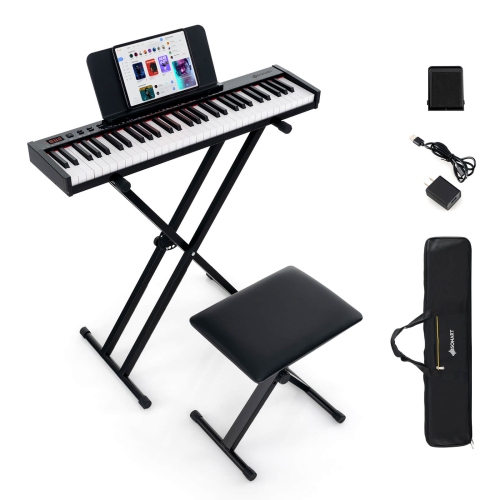
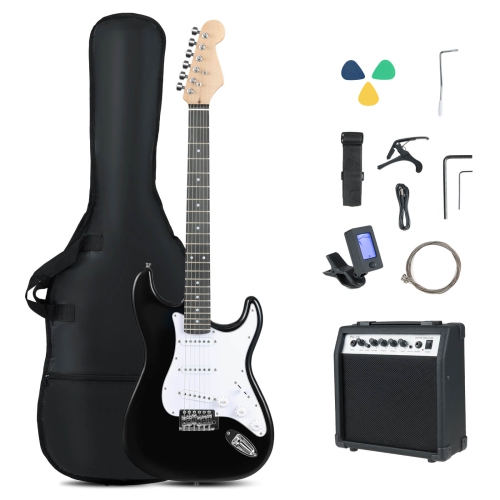
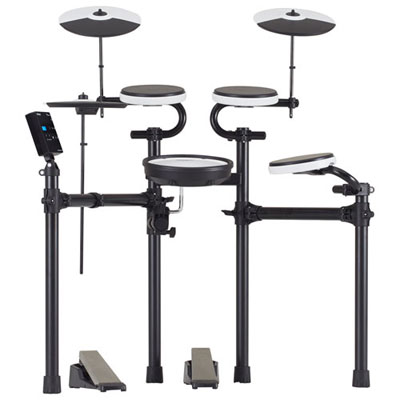
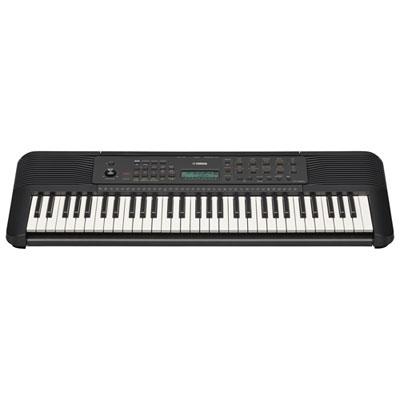
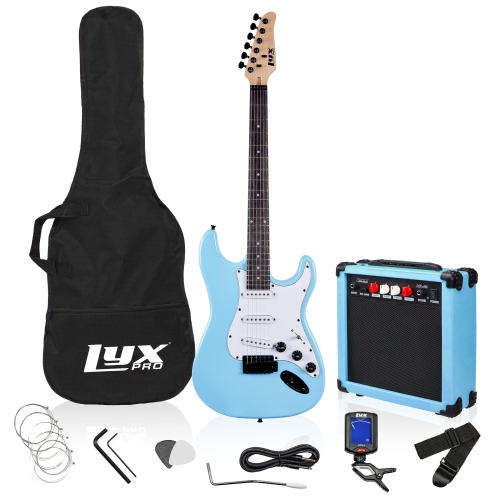
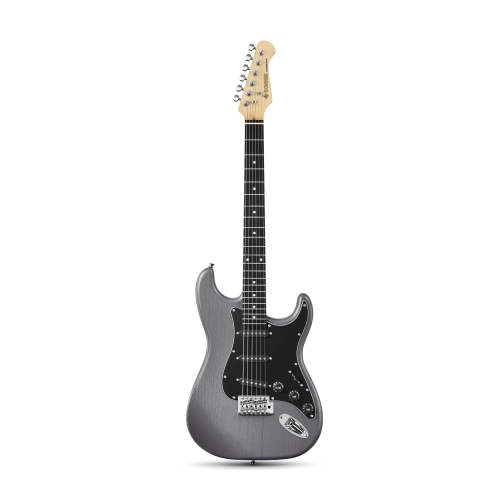
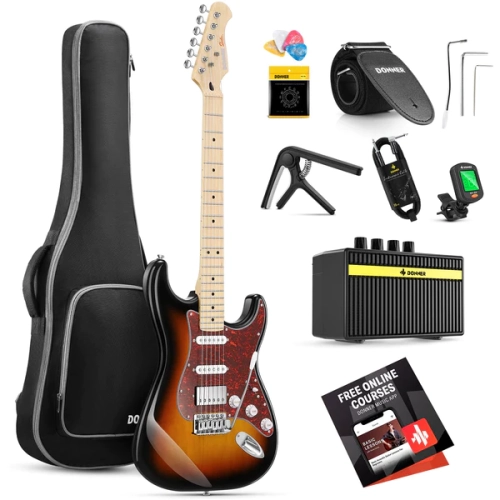
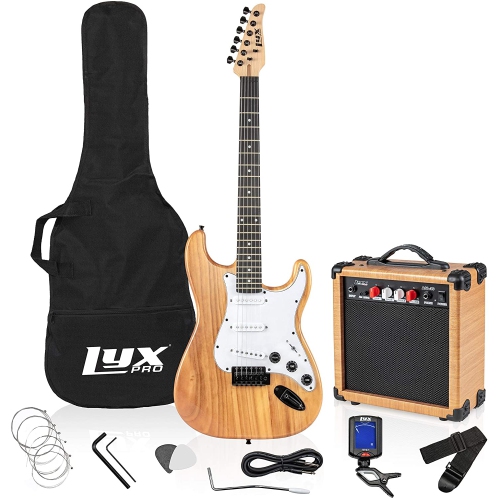


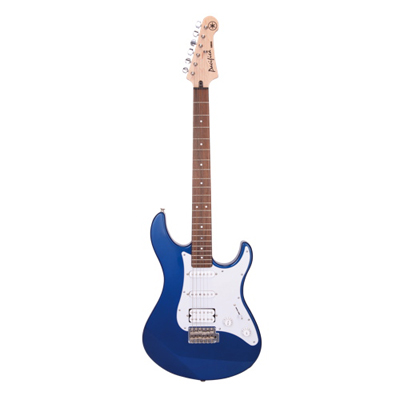

From your first chords to your first recording
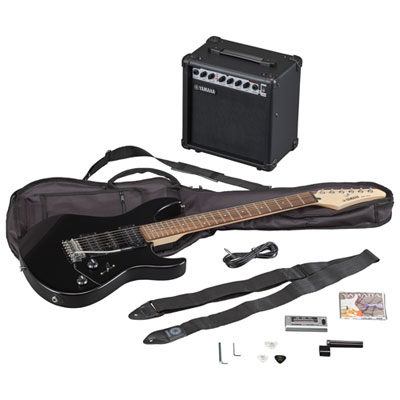
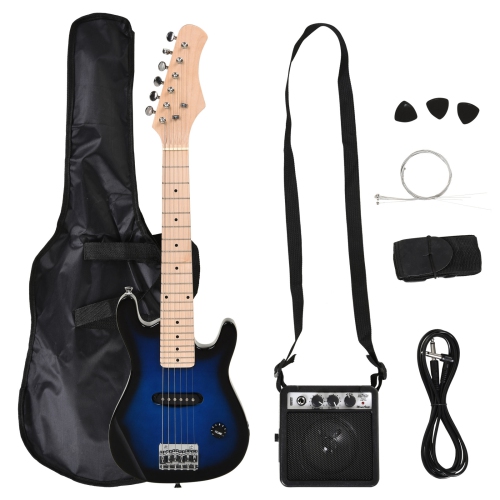
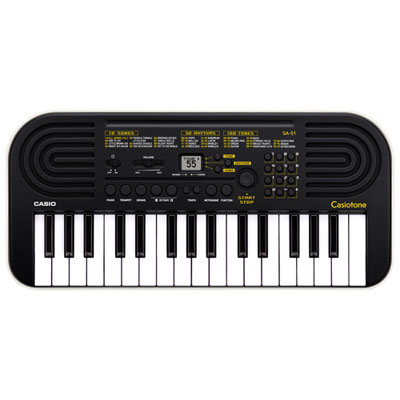
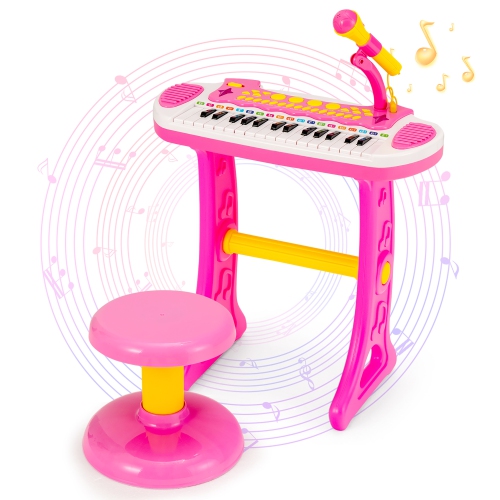
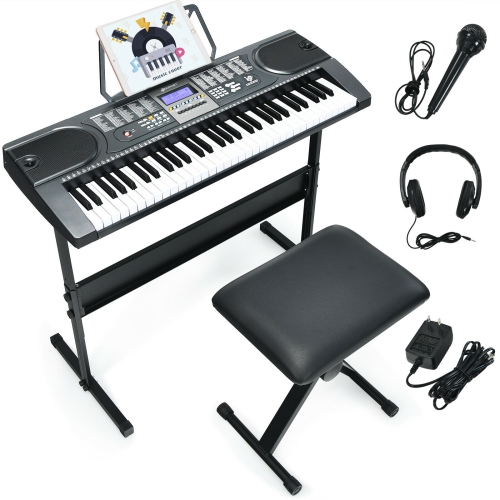
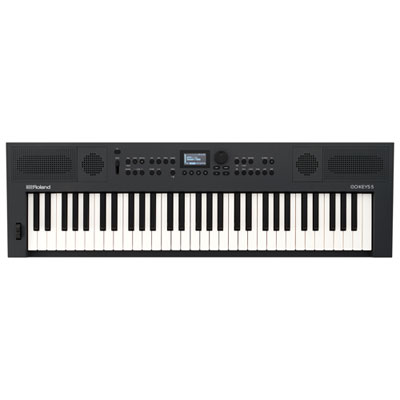
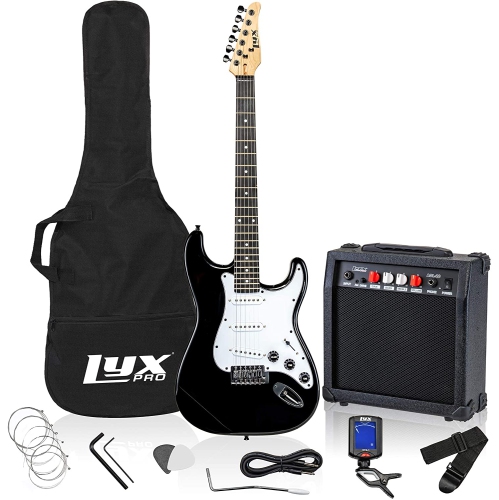
Music equipment for beginners can be as simple as an instrument for learning to play or a compact setup for making beats and recording songs. For someone learning to play, the best fit is often the instrument they most want to hear themselves playing. A portable 61-key keyboard gives a new player room to practise chords with one hand and melodies with the other while taking up less space than a full-size digital piano. Built-in speakers let a learner sit down and play without connecting anything else, while a headphone jack comes in handy when a few bars need repeating in a shared room. Built-in lessons can help with note recognition and timing, and touch-sensitive keys let the player hear the difference between a light touch and a firm one. A learner taking piano lessons may want a wider range of keys or a weighted feel, depending on what they practise with their teacher. With a guitar, fit is more about whether the player can reach the first few frets and rest their strumming arm comfortably over the body. A smaller instrument can suit a learner with a shorter reach, but the shape of the neck and body matters as much as overall length. Instrument bundles can simplify the setup by pairing an instrument with basics such as a stand or a carrying bag. The useful accessories depend on where the instrument will be played: a stable, height-adjustable stand matters for a keyboard that needs to fit a growing player, while a padded bag makes more sense for an instrument that goes back and forth to lessons. A beginner who can sit comfortably, reach what they need and start playing without clearing a table first is more likely to make use of a spare ten minutes.
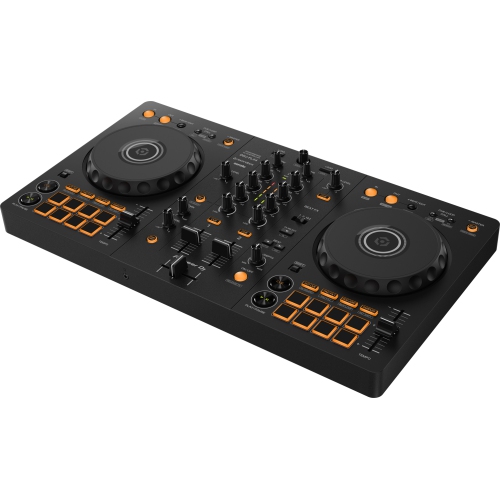
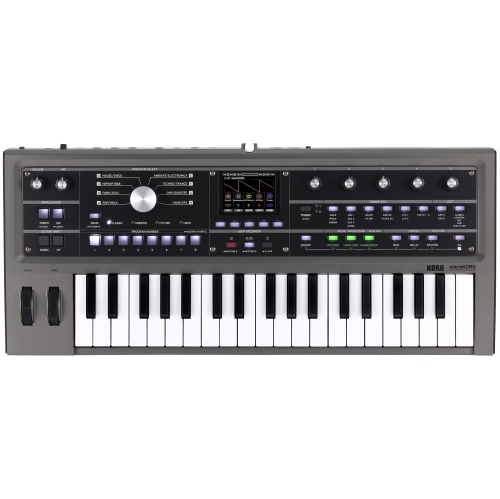
For beginner music production, a computer or tablet running music software and a pair of headphones can be enough to arrange a beat or sketch a song with built-in sounds. Headphones with cushioned ear cups and an adjustable headband can make longer sessions more comfortable. Closed-back headphones also help keep the backing track from spilling into a microphone when recording vocals. A compact MIDI controller gives beat makers and keyboard players a hands-on way to tap out rhythms or play the software’s instruments. Unlike a keyboard with its own sounds, a basic MIDI controller sends performance information to the software rather than making sound on its own. That distinction matters if the same gear is meant for practising away from a computer. Recording a voice or an acoustic instrument calls for a microphone, and the connection depends on the type of mic. A compatible USB microphone can connect directly to a computer, while a microphone with an XLR connection typically needs an audio interface. An interface also makes sense for someone who wants to plug in an electric guitar or record more than one source. A singer recording over an existing backing track may need only one microphone input; a singer-songwriter who wants to capture vocals and guitar at the same time needs two suitable inputs. With a tablet setup, port compatibility and power requirements are worth checking, especially if the tablet needs to charge during a session. Where the recording happens can make a difference, too. A microphone set up away from a humming computer fan and a bare wall may capture a clearer vocal than the same microphone squeezed between a laptop and the edge of the desk. Beginners drawn to blending tracks rather than recording them can explore Dj Equipment for Beginners for gear suited to cueing tracks, matching beats and practising transitions.
How often music gear will be moved is a useful way to judge which materials and features matter. A lightweight housing is practical for a keyboard that has to be carried between rooms, while rubber feet can help a small controller stay put when a player gets into a rhythm. A metal stand with secure adjustment points can be a better fit for gear that will stay set up than a stand chosen mainly because it folds small. For equipment that travels to lessons or rehearsals, a well-fitting padded bag helps keep it from shifting around on the way. Parts that see regular wear, such as detachable cables and replaceable headphone cushions, can be easier to swap than fixed ones. Basic care is often straightforward: wipe down keys or other frequently touched surfaces with a soft, dry cloth unless the manufacturer specifies otherwise, unplug cables by gripping the connector rather than pulling on the cord, and coil them loosely before putting them away. Strings and other instrument surfaces can benefit from a gentle wipe after playing to remove residue from hands. For a gift, the recipient’s interests and practice space are better clues than the number of accessories in a bundle. A teen who is always tapping out rhythms might get more use from gear that works with music software they already have, while an adult returning to piano may appreciate a keyboard that fits beside a bookcase and can be played through headphones. For a child starting lessons, it can be worth checking what the teacher expects before choosing an instrument, particularly when size or key feel affects how the learner will practise. The most useful beginner gear fits an actual routine, whether that means leaving an instrument ready for a few minutes of practice after dinner or keeping a recording setup compact enough to share a desktop with schoolwork.
Top selling and popular products
-
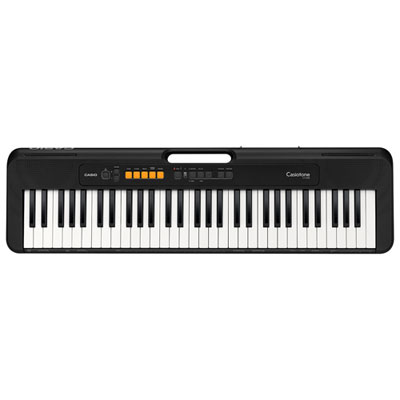 Your price for this item is $149.99
-
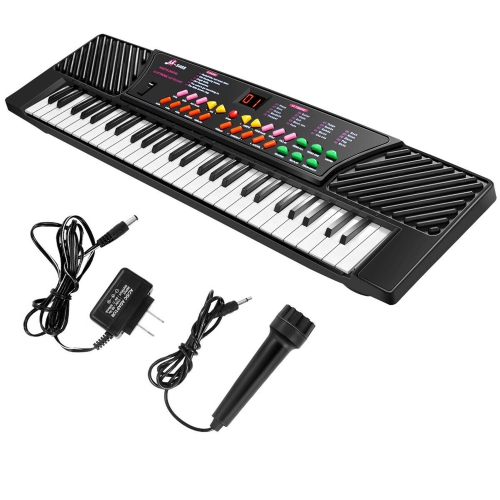 Your price for this item is $65.99
-
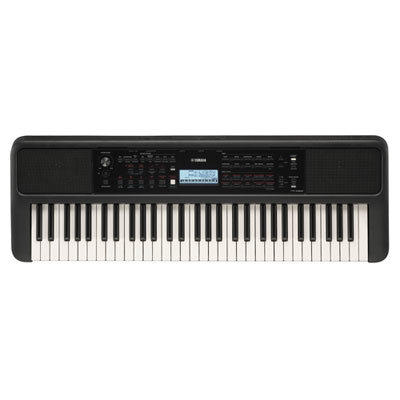 Your price for this item is $249.99
-
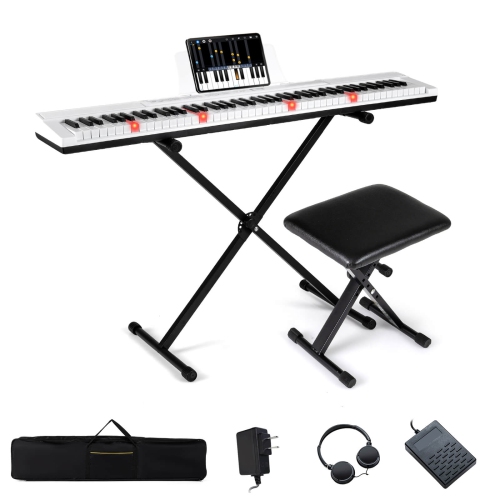 Your price for this item is $214.99
-
 Your price for this item is $99.99
-
 Your price for this item is $74.99
-
 Your price for this item is $199.99
-
 Your price for this item is $699.99
Discover more categories related to Music Equipment for Beginners
Top Collections:
Best Black Friday Deals This Year, Best Black Friday Deals On Electronics, Kindle Devices, Pokemon Centers, Best Black Friday Deals On Apple Products, Best Cameras for Sports Photography, Dyson Airwrap, Pokémon 30th Celebration Cards, Apple iPhone 17 Pro, Canon G7X Cameras
Some products may be subject to Environmental Handling Fees
(EHF) depending on your province.
Learn more about EHFs.